
Exterior Design and Styling Comparison
When you place the Mazda Demio and the Honda Fit side-by-side, the difference in design philosophy is immediate and striking, reflecting two very distinct approaches to the compact hatchback segment.
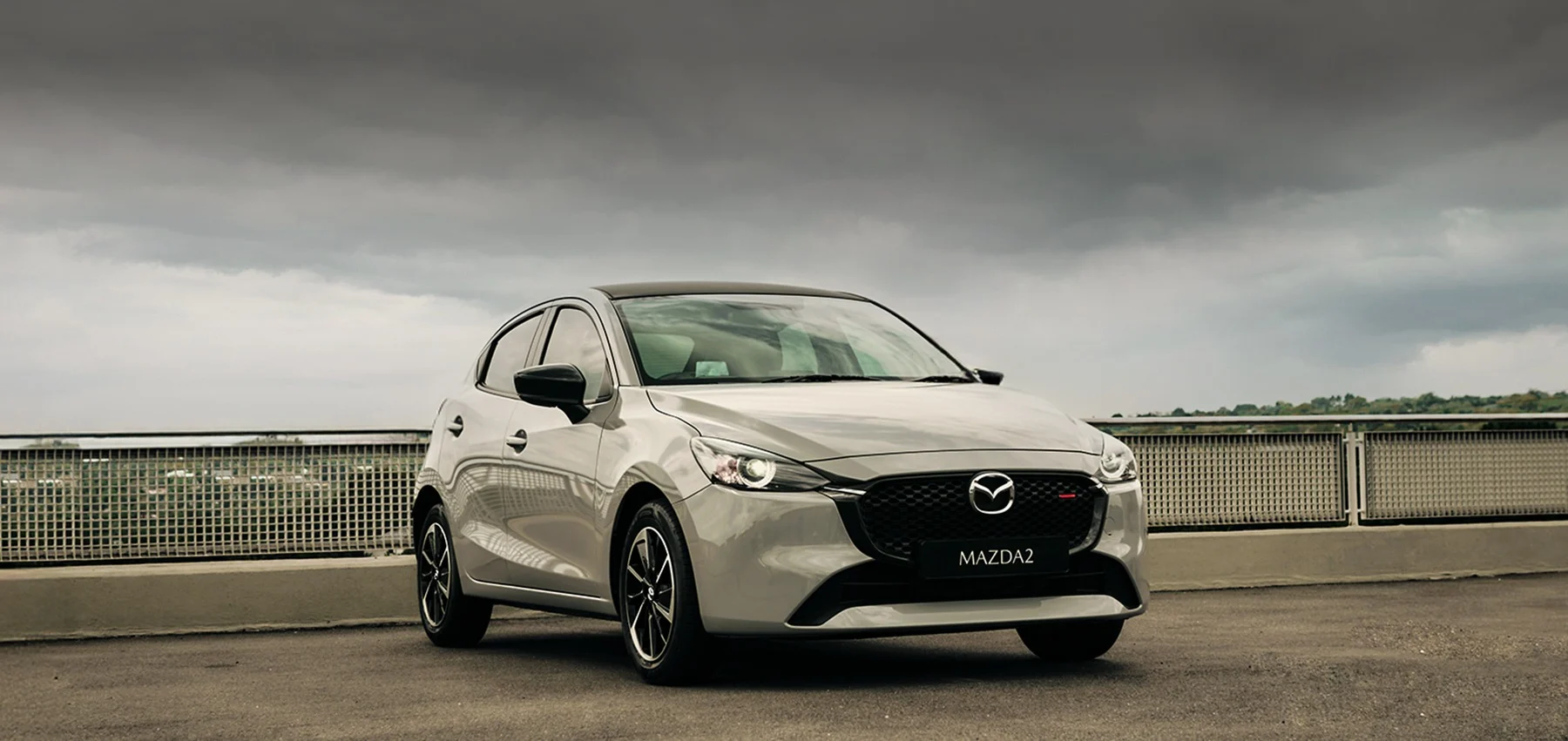
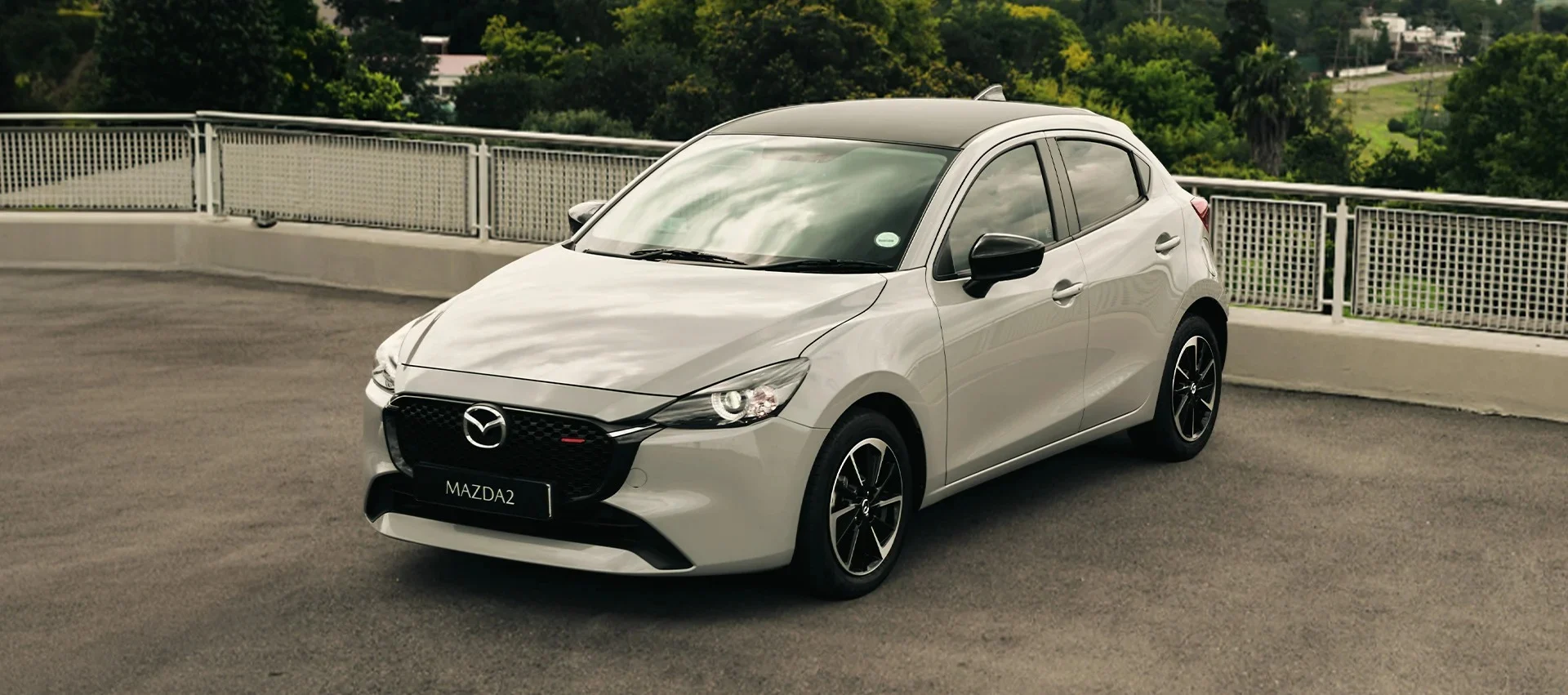
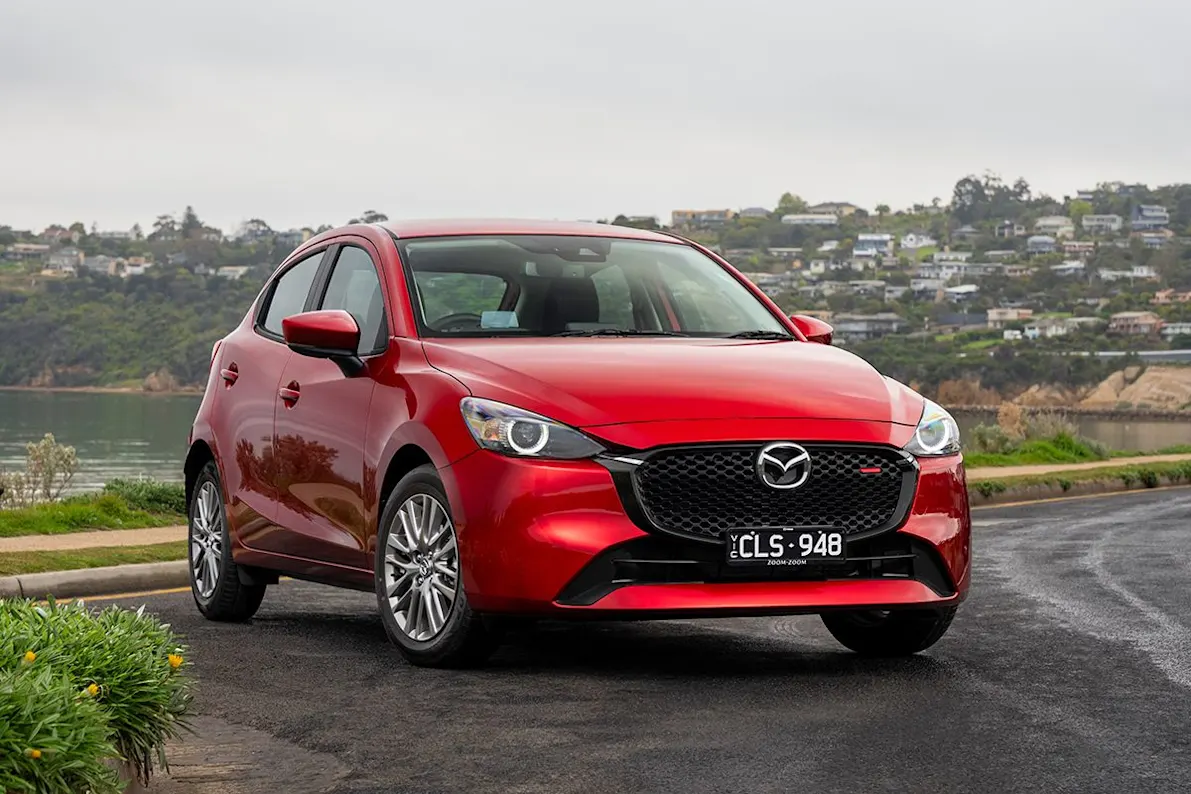
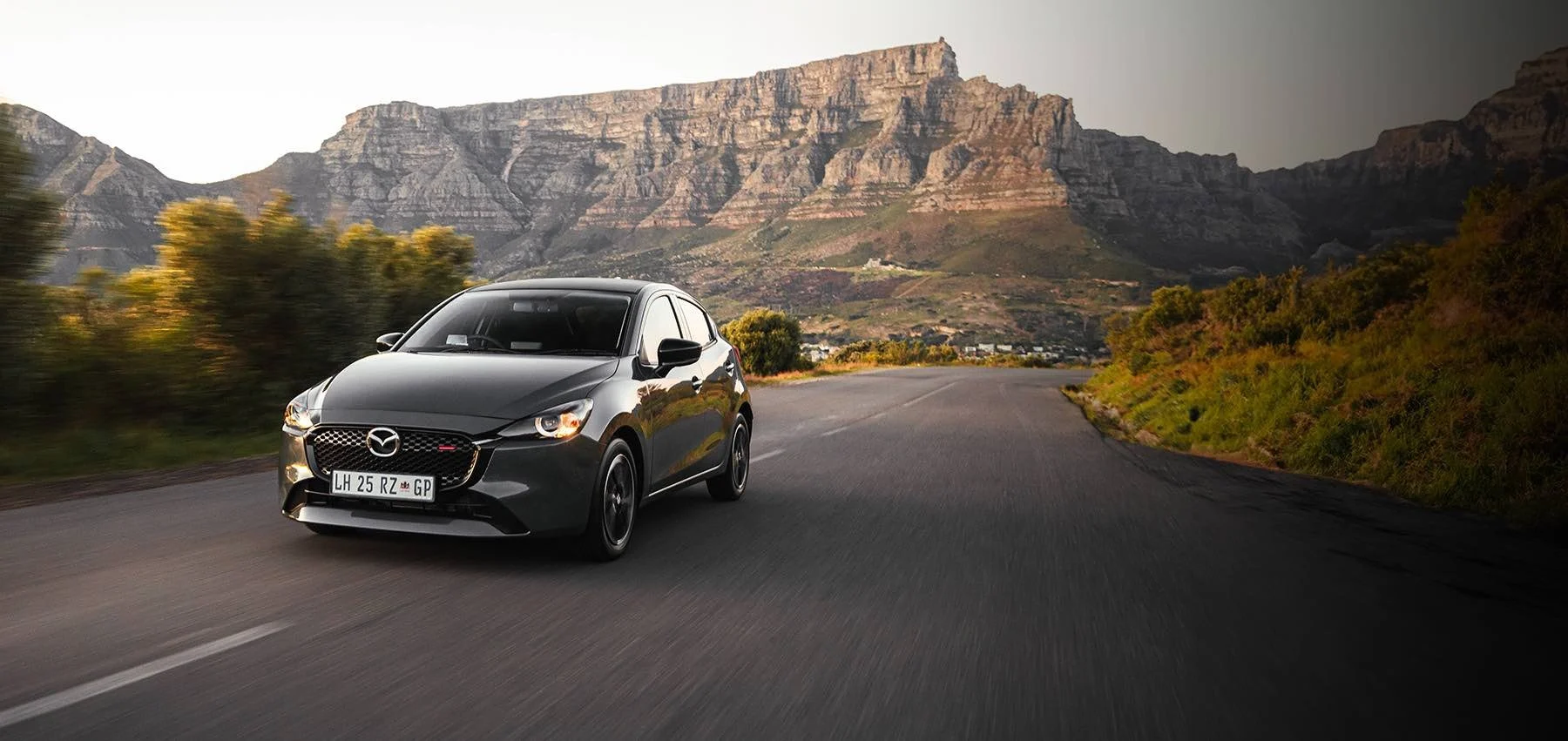
The Mazda Demio, especially in its later generations, showcases Mazda’s acclaimed Kodo “Soul of Motion” design language, resulting in a sleek, sculpted, and assertive look that is usually associated with more expensive cars.
It features a long hood, prominent grille, and swept-back headlights that give it an almost coupe-like profile, prioritizing sporty elegance over pure functionality, which instantly appeals to those who want their daily driver to make a statement, much like its larger sibling the Mazda Axela.
This dynamic appearance helps it blend seamlessly into the ranks of premium smaller vehicles, often drawing comparisons to higher-end European rivals, showcasing the attention to detail that the Mazda brand prides itself on delivering across its entire lineup, right down to the smallest model.
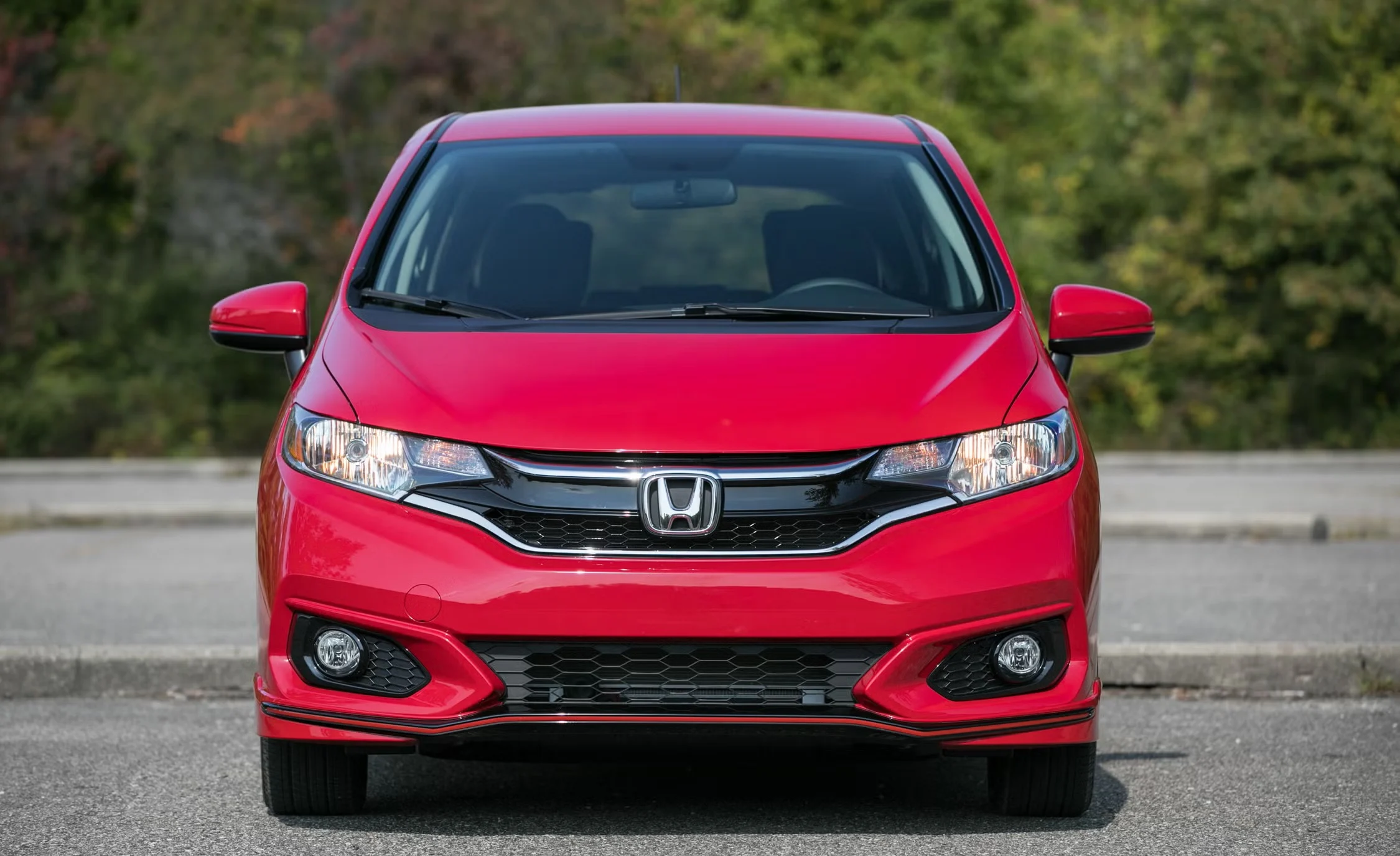
The Honda Fit, on the other hand, embraces an unashamedly practical, boxy design, often described as a “tall wagon,” that maximizes interior utility without compromise.
While its styling is certainly functional and modern, particularly in the latest generations which feature sharper lines and a more aggressive stance, the fundamental goal remains clear: to create as much usable internal space as possible, leading to a taller roofline and a slightly squarer profile.
This design decision might not win awards for aggressive aesthetics, but it directly contributes to the car’s most significant strength—its cavernous interior—which we will discuss shortly.
For drivers looking for understated durability and superb visibility, the Fit’s design is a winner, but if you desire flair and a sense of movement even when parked, the Demio’s sophisticated curves and premium finishes will likely hold more appeal, making the visual choice between these two vehicles highly personal and subjective to your aesthetic taste.
Interior Space, Comfort, and Practicality
When stepping inside both cabins, the contrast between driver focus and passenger utility becomes even more pronounced.
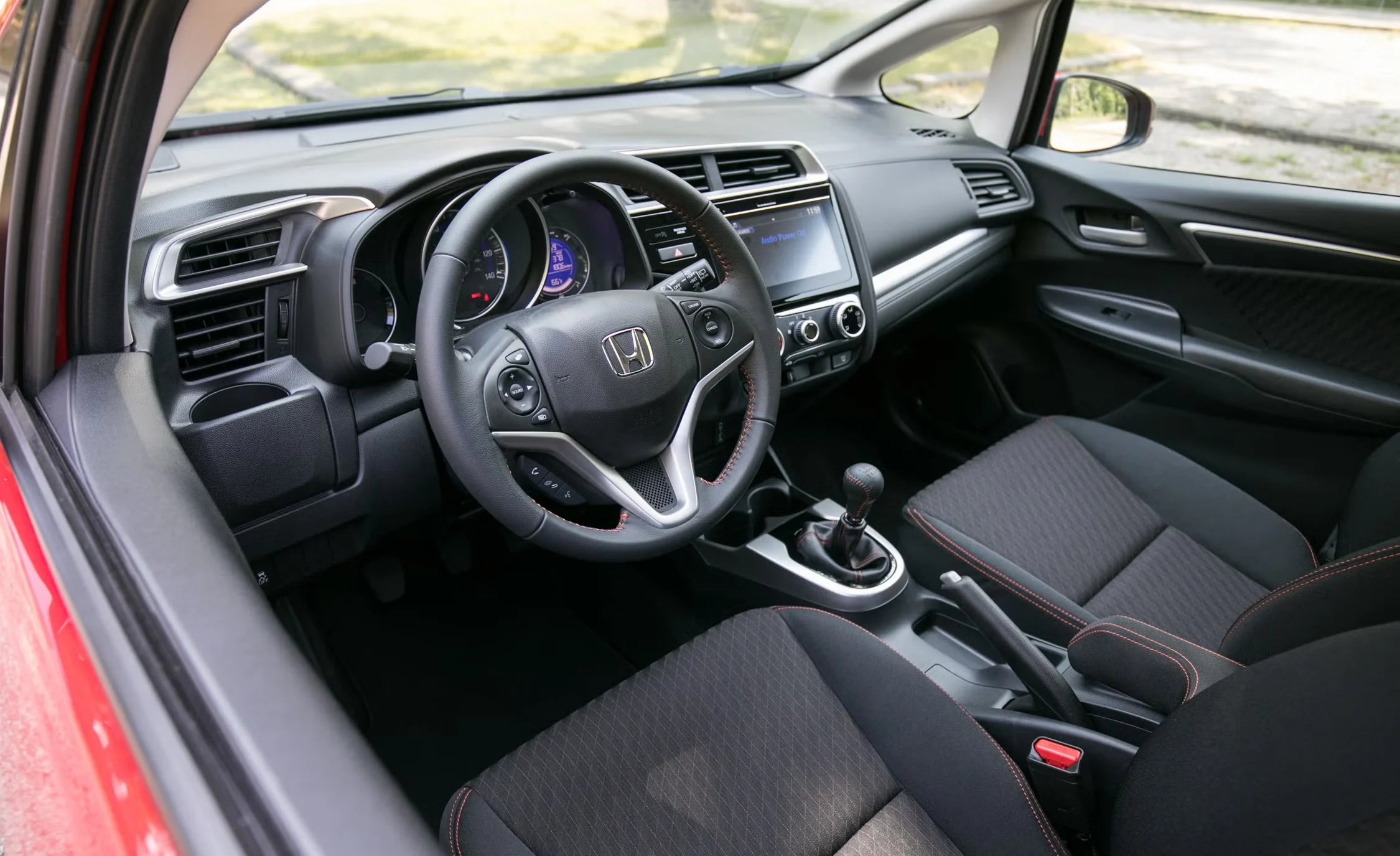
The Mazda Demio’s interior is designed around the driver, featuring a cockpit-like layout where controls are intuitively placed, materials feel upscale (especially in higher trims), and the driving position is low and sporty, lending itself to dynamic driving enjoyment.
However, this focus on driving pleasure slightly compromises rear passenger space and outright cargo capacity; while adequate for short trips, tall rear passengers may find legroom tight compared to competitors.
The luggage area is sufficient for groceries or small weekend bags but certainly doesn’t push the boundaries of the segment, making it ideal for singles or couples who rarely need to carry large items or multiple passengers, contrasting sharply with the utility-focused design seen in larger crossovers like the Honda Vezel or the Toyota Harrier.
The Honda Fit is the undisputed master of interior packaging in the compact class, setting the benchmark for maximizing every cubic centimeter of available space, thanks to its unique center-mounted fuel tank location.
The centerpiece of the Fit’s brilliance is the legendary Magic Seat system, which allows the rear seats to fold flat into the floor in multiple configurations, including Tall Mode (where the rear seat bases flip up to accommodate tall, narrow items) and Long Mode (where the passenger seat folds down to fit items nearly eight feet long).
This versatility transforms the tiny Fit into a genuine cargo hauler, rivaling the capability of small SUVs, providing an unmatched level of practicality for moving furniture, carrying hobby gear, or accommodating bulky luggage.
While the interior materials might feel slightly more utilitarian than the Demio’s, the sheer amount of usable, configurable space makes the Fit the immediate winner for anyone requiring maximum utility and flexibility from their compact vehicle, a design marvel that other manufacturers often struggle to replicate effectively.

Performance, Engine Options, and Fuel Efficiency
The powerplants offered in the Mazda Demio and the Honda Fit are both shining examples of Japanese engineering, emphasizing efficiency and long-term reliability, yet they deliver power with very different characteristics.
The Mazda Demio typically features Mazda’s SkyActiv technology—usually a 1.5L naturally aspirated engine—which is renowned for its high compression ratios and efficiency without sacrificing driver engagement.
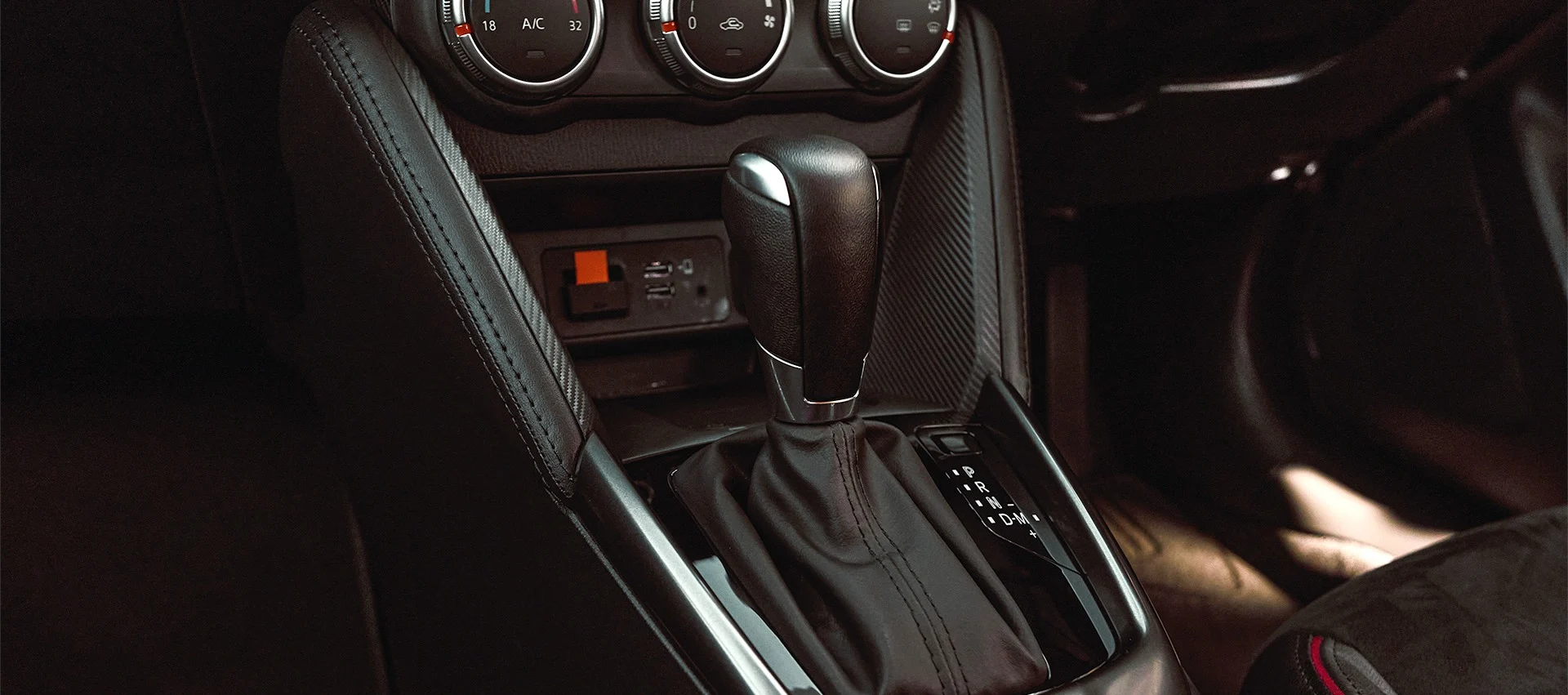
The Demio feels lighter on its feet, with responsive throttle inputs and a transmission (whether automatic or manual) that works intuitively, making the car genuinely fun to drive and giving it a distinct handling edge over rivals.
This focus on driver feel means that while the raw fuel economy numbers are excellent, the car also encourages the driver to use the power available, fostering a sense of connection to the road that is often missing in this class of vehicle, similar to the precision engineering found in premium driving machines offered by BMW.
The Honda Fit usually relies on Honda’s venerable i-VTEC engines, frequently paired with a continuously variable transmission (CVT), which is specifically tuned for smooth delivery and optimal fuel savings.
The Fit excels in delivering consistent power for city driving, and its fuel efficiency is often marginally superior to the Demio’s in pure laboratory tests, making it a truly economical option for daily commuting.
However, the CVT, while contributing significantly to economy, often introduces the characteristic “rubber-band” effect under hard acceleration, leading to a less engaging driving experience compared to the Demio’s traditional or SkyActiv-Drive automatic transmission.
Both manufacturers, including Honda and competitors like Mitsubishi, have mastered the art of reliable, economical small engines, but if you value excitement and sharp gearbox responses, the Demio’s powertrain setup will feel much more rewarding and confidence-inspiring when tackling twisty roads.
Choosing a reliable vehicle requires not only comparing specifications but also ensuring the vehicle’s history is clean and its maintenance has been impeccable before purchase.
If you are looking to import one of these economical hatchbacks, you must ensure the engine variant meets local regulations and has been thoroughly vetted, especially since many of these models originate from the Japanese domestic market (JDM).
At Enan Motors, we simplify this often-complex process by offering expert consultation and handling the entire import journey from sourcing to delivery, ensuring you receive a high-quality, reliable car without the usual hassle.
We take pride in our expertise and trust that we build with clients, allowing you to relax while we manage the logistics and inspection of your potential purchase, be it a Demio, a Fit, or any other quality imported vehicle.
Technology, Safety Features, and Driver Assistance
In modern compact hatchbacks, the expectation for advanced technology and robust safety features continues to rise, and both the Demio and the Fit have evolved to meet these demands effectively, though their available features often depend heavily on the specific market and trim level.
Newer generations of the Mazda Demio frequently come equipped with an excellent infotainment system controlled by a rotary dial on the center console, similar to high-end systems found in premium vehicles like the BMW X6, focusing heavily on minimizing distraction by placing the screen high and integrating key controls ergonomically.
Mazda often includes its i-Activsense safety suite, which may feature crucial technologies like Blind Spot Monitoring, Rear Cross Traffic Alert, and Smart City Brake Support, giving it a strong defensive safety profile that goes above and beyond minimum requirements and significantly enhances driver awareness.
The Honda Fit, particularly in its latest iterations, also packs a serious technological punch, often featuring advanced safety systems under the Honda Sensing umbrella, which bundles features like Adaptive Cruise Control, Lane Keeping Assist, and Road Departure Mitigation.
While the infotainment screens on the Fit can sometimes feel slightly less sophisticated or responsive than Mazda’s offerings, the technology focuses heavily on practicality and integration, providing excellent smartphone connectivity through Apple CarPlay and Android Auto.
Both cars have strong fundamental safety structures, adhering to strict global crash test standards, but the availability of high-level driver assistance features truly differentiates the newer models.
Whether you prefer the elegant, driver-focused tech integration of the Demio, or the comprehensive, utility-based safety package of the Fit, both cars offer substantial peace of mind, though models imported by companies like Enan Motors are usually highly specified in terms of available safety features.

Pricing, Ownership Costs, and Resale Value
Analyzing the financial aspects of the Mazda Demio vs Honda Fit Comparison reveals subtle yet important differences in total cost of ownership.
Generally, the initial purchase price for both models is highly competitive, especially in the used import market, making them accessible choices for budget-conscious buyers looking for reliability and economy.
The Mazda Demio can sometimes be sourced slightly cheaper in base trims, offering excellent value for money considering its upscale styling and superior driving dynamics.
However, the Honda Fit often maintains a marginally stronger resale value over time due to its reputation for legendary practicality and long-term mechanical resilience, making it a very safe investment that retains its worth well into its second decade of operation, aligning with the strong market performance of reliable vehicles across the globe, including popular models like the Volkswagen Tiguan.
When considering routine maintenance and running costs, both vehicles perform admirably due to their status as mass-produced Japanese compact cars, meaning parts are readily available and comparatively inexpensive.
Fuel economy is excellent in both, as discussed, contributing greatly to low running costs.
Insurance premiums also tend to be low for this segment of reliable, moderately powered hatchbacks, keeping monthly expenses down significantly.
We understand that finding a quality example at a fair price requires extensive market knowledge and thorough physical inspection, which is why we meticulously vet our available cars to ensure they represent the best value and lowest ownership risk for our clients.
By choosing a pre-vetted vehicle through our comprehensive Import process, you minimize the risk associated with hidden maintenance issues, ensuring that your low purchase price translates into genuinely affordable long-term ownership.
Reliability, Maintenance, and Warranty Overview
Reliability is a cornerstone of the appeal for both the Demio and the Fit, as both Mazda and Honda are consistently ranked among the most reliable automakers globally, often sitting alongside giants like Toyota.
When maintained correctly, both hatchbacks are capable of easily exceeding 200,000 kilometers with minimal fuss, providing years of dependable service.
Common maintenance for both includes routine oil changes, filter replacements, and checking brake pads—standard procedures for any compact vehicle—and parts are widely available through authorized dealers and third-party suppliers, keeping repair costs low.
There are no widespread, catastrophic reliability issues reported for well-maintained examples of either model, a huge benefit when compared to the higher maintenance requirements of some luxury brands like BMW or Mercedes Benz.
However, specific generations of the Honda Fit equipped with early CVTs sometimes faced concerns regarding long-term transmission fluid health, underscoring the necessity of strict adherence to the manufacturer’s maintenance schedule, particularly regarding transmission fluid changes.
The Mazda Demio’s SkyActiv engines are highly durable, but their sophisticated high-compression technology benefits greatly from high-quality fuel and regular servicing to ensure peak efficiency is maintained, much like the precision engineering required for robust SUVs such as the Toyota Land Cruiser Prado.
When importing a used vehicle, the original factory warranty is typically expired, making a thorough pre-purchase inspection absolutely non-negotiable.
At Enan Motors, we stand by the quality of our selections and the transparency of our process, guaranteeing that the vehicle you receive is mechanically sound, giving you confidence that you are investing in proven, long-term Japanese reliability.
Real-World Driving Experience: Test Drive Impressions
The real-world driving experience is where the philosophical divide between the two cars is most clearly felt, providing the critical tiebreaker for many potential buyers.
Driving the Mazda Demio is an inherently enjoyable experience; thanks to its focus on chassis tuning and driver feedback, the steering is sharp and precise, body roll is minimal, and the car feels planted and eager to tackle corners, instilling confidence at speed.
It truly embodies Mazda’s philosophy of Jinba Ittai—the seamless unity between driver and car—delivering a refined, almost athletic feel that is highly unusual for a budget-focused compact hatchback, giving it an edge in driver engagement that might only be rivaled by smaller sporty cars, including those from premium segments offered by Lexus, particularly their agile sedan variants.
The Honda Fit provides a driving experience defined by its light, airy feel and exceptional urban maneuverability, emphasizing practicality over sportiness.
Due to its tall glasshouse and relatively short nose, visibility out of the Fit is outstanding in all directions, making city parking and navigating tight spaces remarkably easy, a feature highly valued by urban commuters.
While the steering is light and responsive enough for daily use, it lacks the tactile feedback and heft of the Demio’s setup, and the soft suspension tuning means it offers a comfortable, compliant ride over bumps and broken pavement, prioritizing passenger comfort.
If your commute involves heavy traffic and minimal twisty roads, the comfort and excellent visibility of the Fit will be a huge asset; however, if you frequently enjoy spirited drives or crave responsiveness, the Demio provides a noticeably more dynamic and satisfying experience every single time you turn the key.
Final Verdict: Mazda Demio or Honda Fit – Who Takes the Lead?
Determining the ultimate winner in the Mazda Demio vs Honda Fit Comparison requires aligning the car’s strengths with your personal priorities, as both cars excel in their chosen domains.
The Mazda Demio takes the lead if aesthetic appeal, a genuinely premium interior feel, and a sporty, engaging driving experience are paramount to your decision-making process.
It is the perfect choice for the individual or couple who views their car as an extension of their personal style and desires a daily driver that is as rewarding to pilot as it is efficient to own.
This focus on premium execution, often seen in upmarket crossovers like the Lexus NX250, is unique in this segment and makes the Demio feel like a truly special car, offering a high-end experience without the exorbitant price tag.
The Honda Fit is the undeniable champion of practicality and space utilization, offering a versatility that the Demio simply cannot match.
If your priority is maximum cargo capacity, flexible seating for passengers and gear, and outstanding visibility for easy city driving, the Fit is the clear choice, making it ideal for small families, hobbyists, or anyone needing to haul bulkier items frequently.
When you’re ready to move forward, knowing which car best suits your lifestyle is the first step, and the next is ensuring you source a high-quality, pre-inspected model.
We encourage you to visit About Enan Motors to learn how our transparent and expert import services can help you acquire the Demio or Fit of your dreams, ensuring quality and peace of mind from day one.
Don’t leave your investment to chance—reach out today.
Whether you lean towards the sporty sophistication of the Demio or the practical mastery of the Fit, making the right import decision involves due diligence and expert guidance.
By partnering with a trusted vehicle importer, you eliminate the risks associated with overseas transactions and complex logistics, securing a car that meets our high standards of quality and roadworthiness.
If you need personalized advice on trim levels, condition reports, or financing options for either the Mazda Demio or the Honda Fit, our experienced team is ready to assist. Call us or Message us on WhatsApp today to start your stress-free import journey, ensuring you drive away in the compact hatchback that perfectly aligns with your driving needs and aesthetic preferences.
Conclusion
The Mazda Demio and the Honda Fit represent the best of the compact hatchback segment, delivering exceptional reliability and enviable fuel efficiency, but their differences are ultimately defined by driver focus versus utility focus.
The Demio is the enthusiasts’ choice, offering dynamic handling, driver engagement, and premium styling that elevates the daily commute beyond mere transportation.
The Fit, conversely, is the utilitarian champion, offering unmatched interior flexibility and cargo space that few compact cars can rival.
Your final decision should hinge on whether you prioritize the joy of driving (Demio) or maximum usability (Fit).
Regardless of your preference, securing a high-quality imported vehicle requires expertise.
At Enan Motors, we provide meticulously vetted options and handle all logistics, ensuring your transition into your next reliable vehicle is seamless and trustworthy. Email us today to discuss how we can deliver the perfect Demio or Fit straight to your door.

FAQ
- Which car has better fuel economy between the Demio and the Fit?
While both vehicles offer excellent fuel economy, the Honda Fit often achieves marginally better real-world mileage, especially in models equipped with the Continuously Variable Transmission (CVT), which is specifically tuned for efficiency.
The Fit’s design, prioritizing light weight and smooth power delivery, often gives it a slight edge.
However, the Mazda Demio’s SkyActiv technology is also highly efficient, and its economy figures are competitive, often depending less on the transmission type and more on the driver’s specific driving habits, making both hatchbacks remarkably economical options for minimizing running costs.
- Is the Mazda Demio more fun to drive than the Honda Fit?
Yes, the Mazda Demio is widely considered the more engaging and fun car to drive, benefiting significantly from Mazda’s driver-centric engineering philosophy.
The Demio features a tauter suspension setup, more precise steering feedback, and a traditionally tuned automatic or manual gearbox that enhances driver connection to the road.
The Honda Fit, while competent and easy to maneuver, prioritizes ride comfort and practicality, leading to lighter steering and a softer chassis feel that is less stimulating for spirited driving but more comfortable for daily urban commuting.
- Which car holds its resale value better?
Historically, the Honda Fit (Jazz) tends to maintain a slightly stronger resale value compared to the Mazda Demio (Mazda2).
The Fit’s legendary reputation for unparalleled practicality, bombproof reliability, and the unique versatility offered by the Magic Seats makes it consistently high in demand on the secondary market.
While the Demio holds value well due to its premium feel and reliability, the Fit’s utility advantage often gives it a slight financial edge when it comes time for trade-in or sale, making it a very safe bet in terms of investment retention.
- Are parts and maintenance expensive for these models?
No, maintenance and parts for both the Mazda Demio and the Honda Fit are generally inexpensive.
Since both are widely sold, mass-produced Japanese vehicles, their parts networks are extensive, and common components (like filters, brake pads, and fluids) are readily available from numerous suppliers.
Standard servicing is straightforward for any qualified mechanic.
For higher-end components, Lexus LX 600 parts, for instance, are significantly pricier than those of these compact hatchbacks, confirming the Demio and Fit as highly affordable options for long-term ownership and maintenance.
- Which car is better suited for a small family with children?
The Honda Fit is unequivocally better suited for a small family due to its superior interior space and unmatched practicality.
The taller roofline provides easier access for installing child seats and loading children, and the expansive rear legroom makes long journeys more comfortable for passengers.
Most importantly, the Fit’s Magic Seat system provides critical flexibility for handling strollers, luggage, and the countless items required by children, a level of utility that the Mazda Demio, with its lower roofline and smaller cargo area, simply cannot replicate effectively.