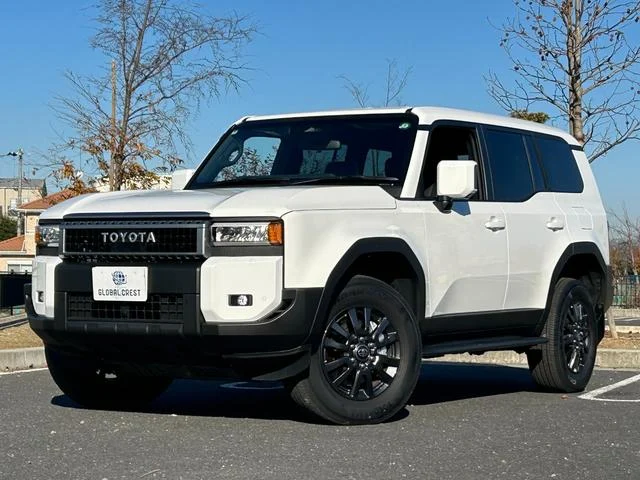

Introduction
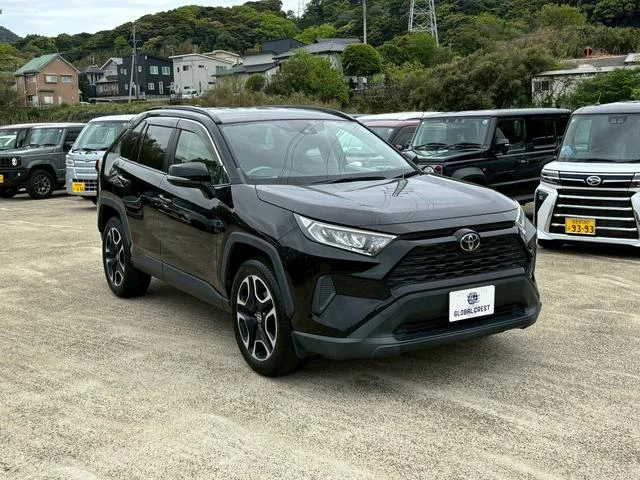
For the discerning Kenyan motorist looking to upgrade from standard mid-range saloons or SUVs, the Lexus NX 300 represents an ideal entry point into the premium segment, offering unmatched reliability combined with sophisticated styling and advanced features.
However, unlike purchasing a mass-market car like a Honda Vezel or a similar model, the price tag on a luxury crossover is highly sensitive to external variables such as global exchange rates and specific tax structures, meaning the cost you see advertised in a local yard can be wildly different from the actual import cost.
This variability demands that prospective owners become financially literate about the importation process, ensuring they are paying for quality and not simply subsidizing exorbitant dealer markups.
Our goal at Enan Motors is always to empower clients with transparent pricing so that when they ask, “How much is an NX 300?” they receive a definitive, verifiable cost breakdown straight from the Japanese auction house floor.
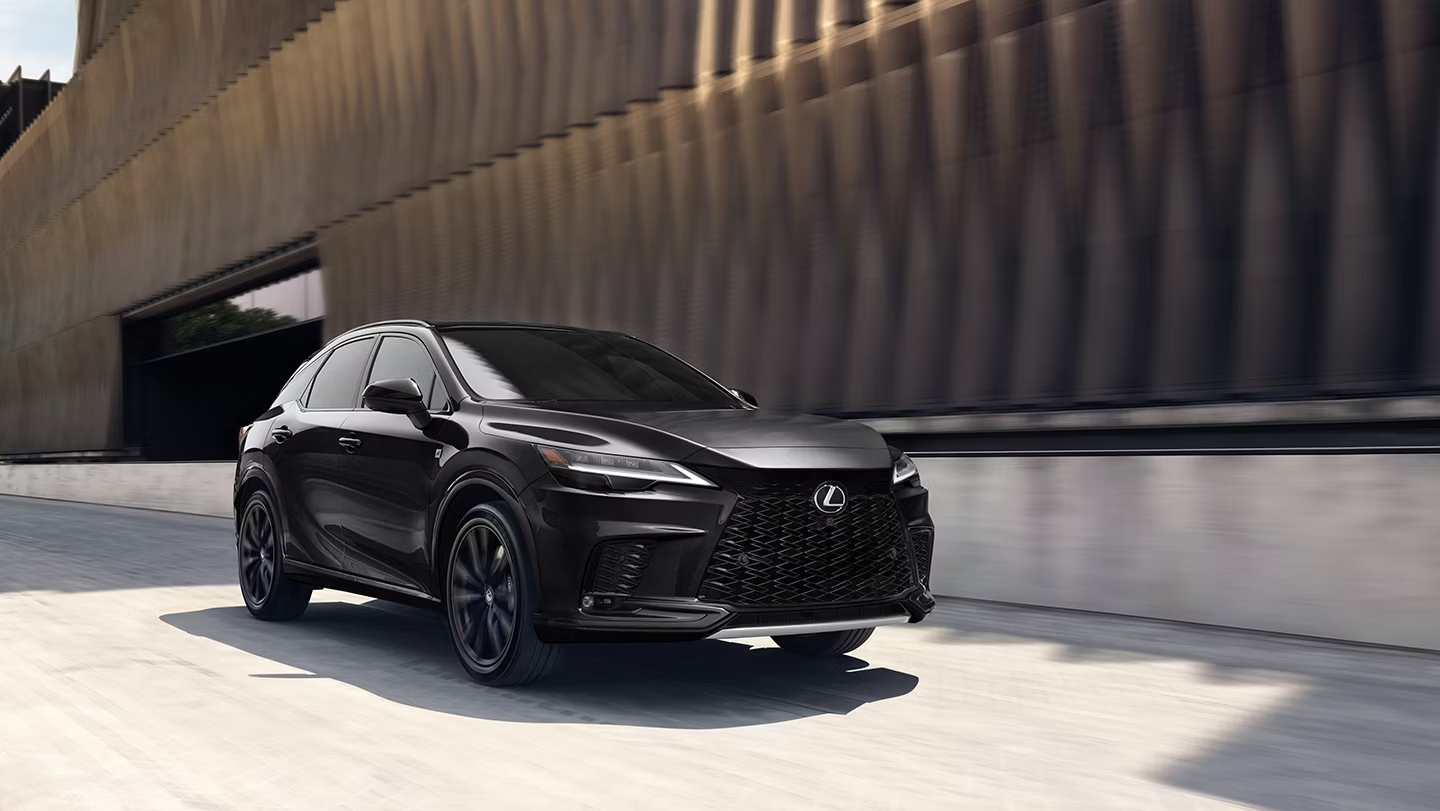
Lexus NX 300 Overview and Core Features
The Lexus NX 300, previously badged as the NX 200t before 2018, stands out in its segment primarily because of its bulletproof Japanese engineering, making it a reliable workhorse cloaked in luxury.
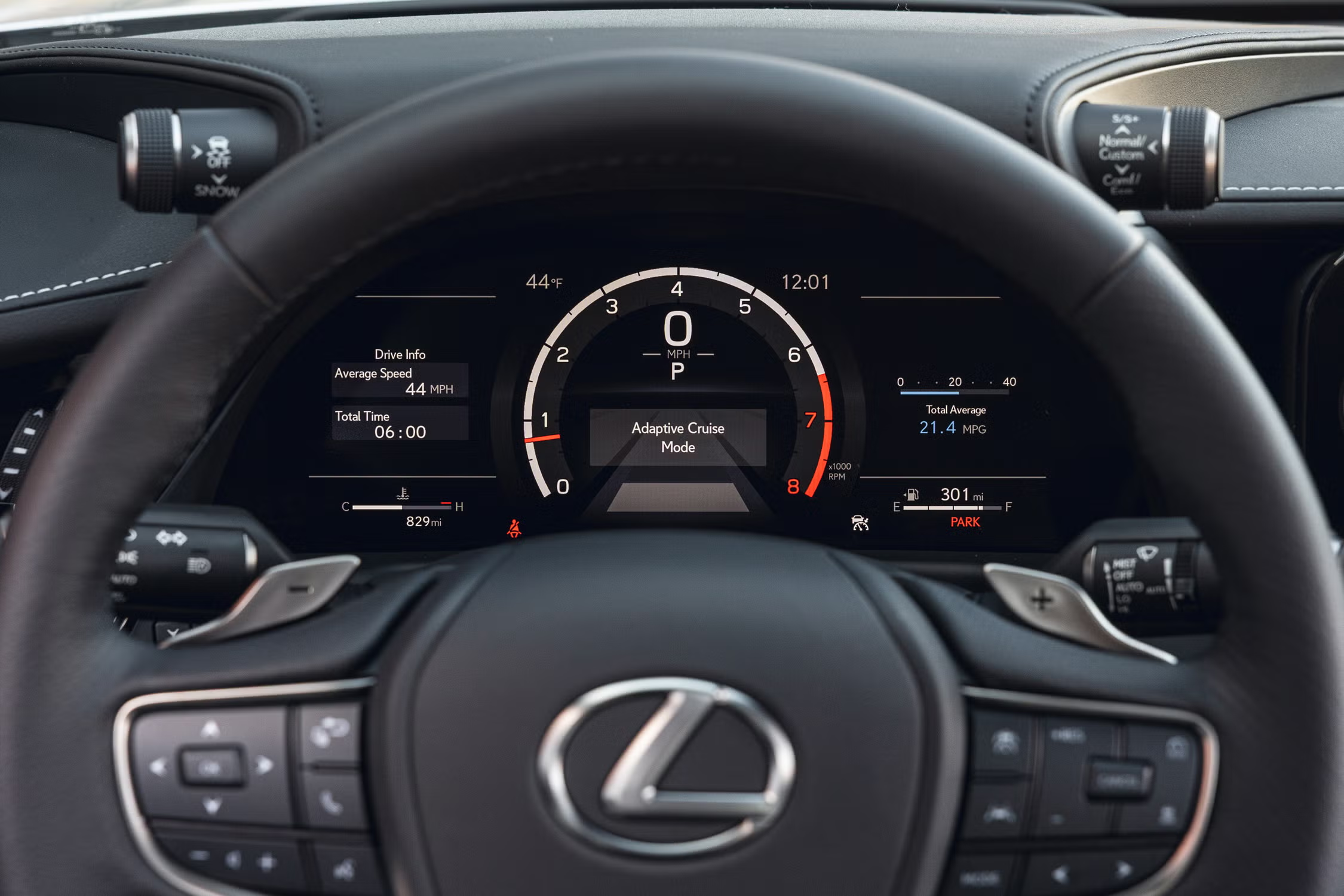
Powering this crossover is a highly capable 2.0-liter turbocharged four-cylinder engine, generating around 235 horsepower, which offers quick, responsive acceleration perfect for navigating both Nairobi traffic and the open highway.
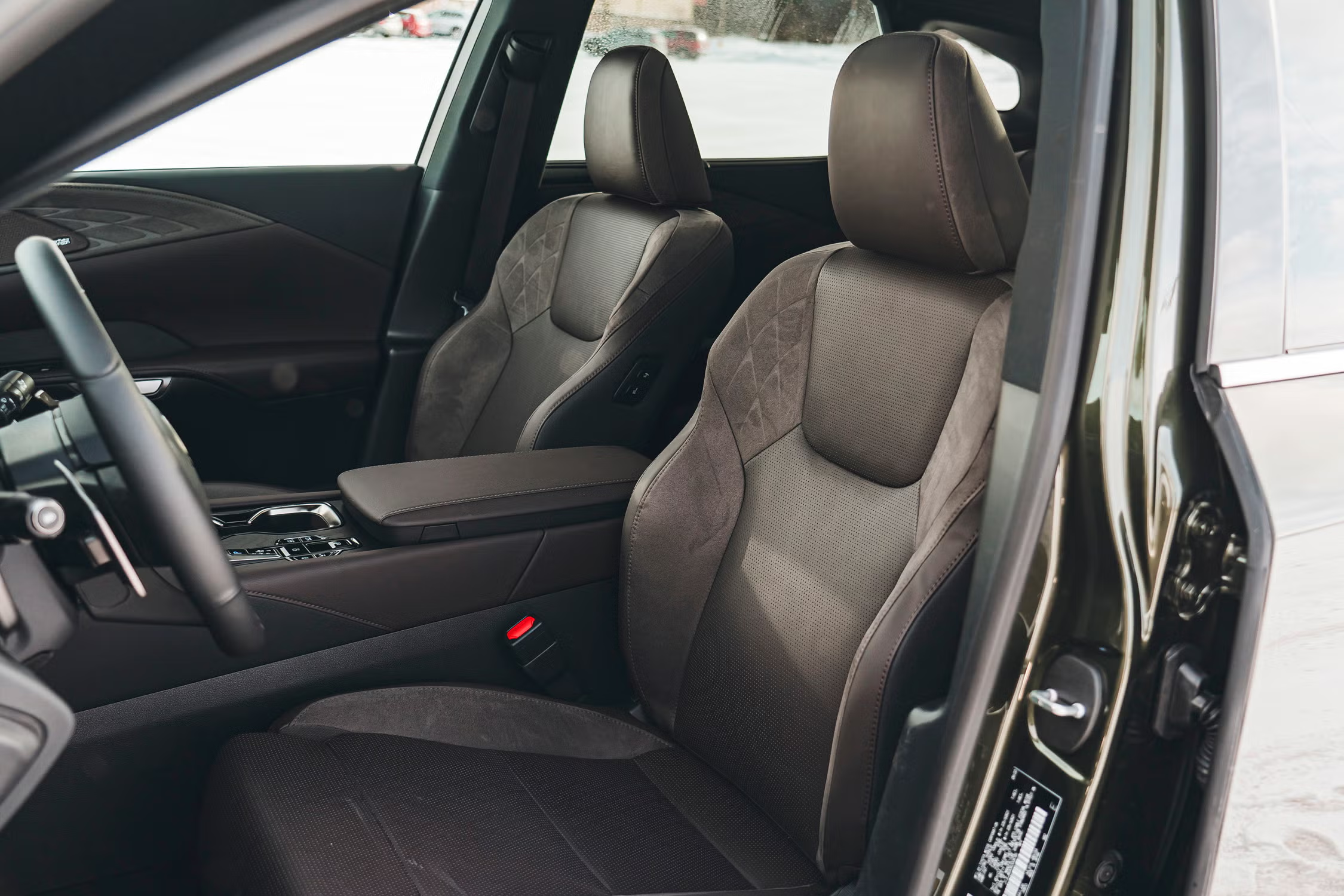
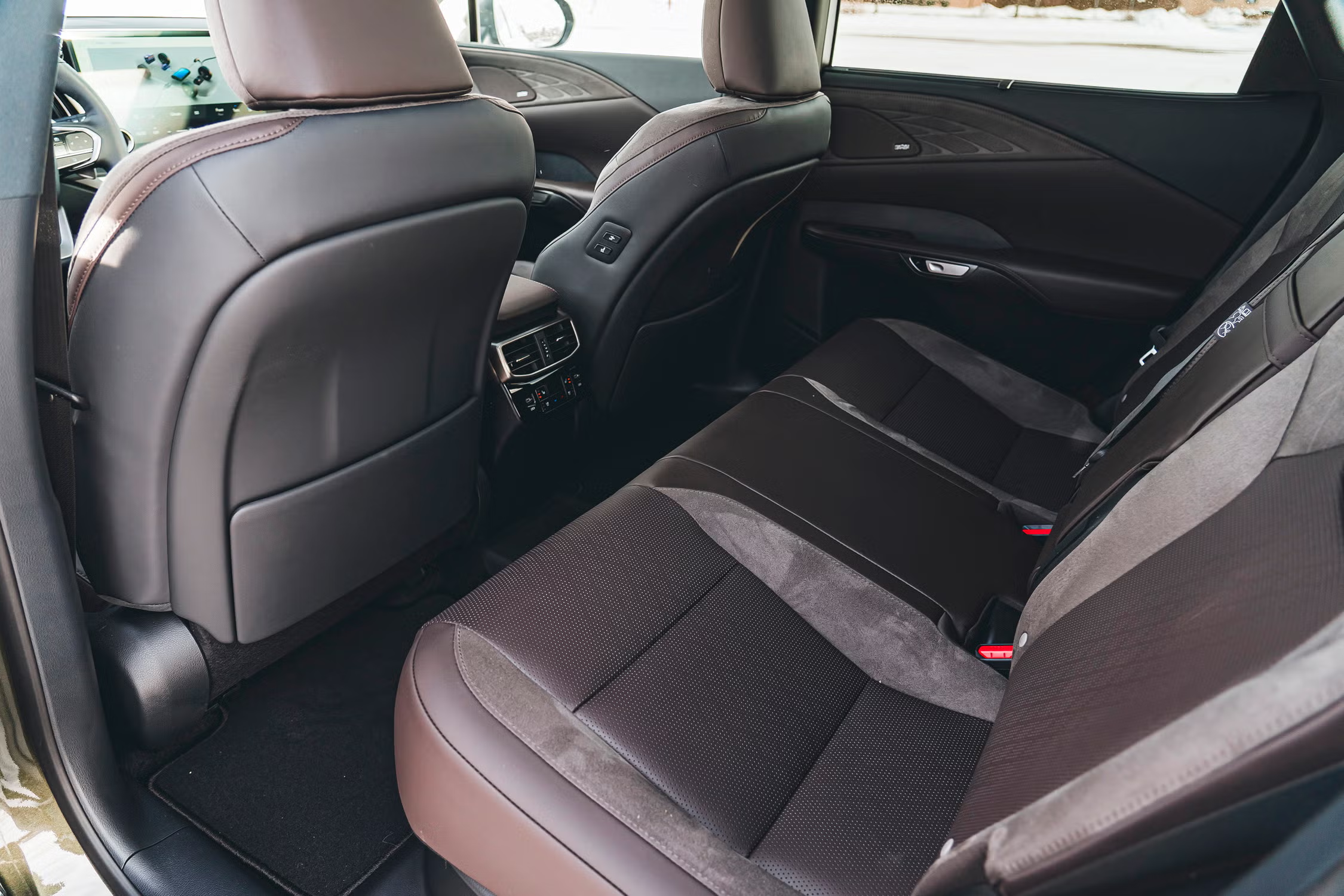
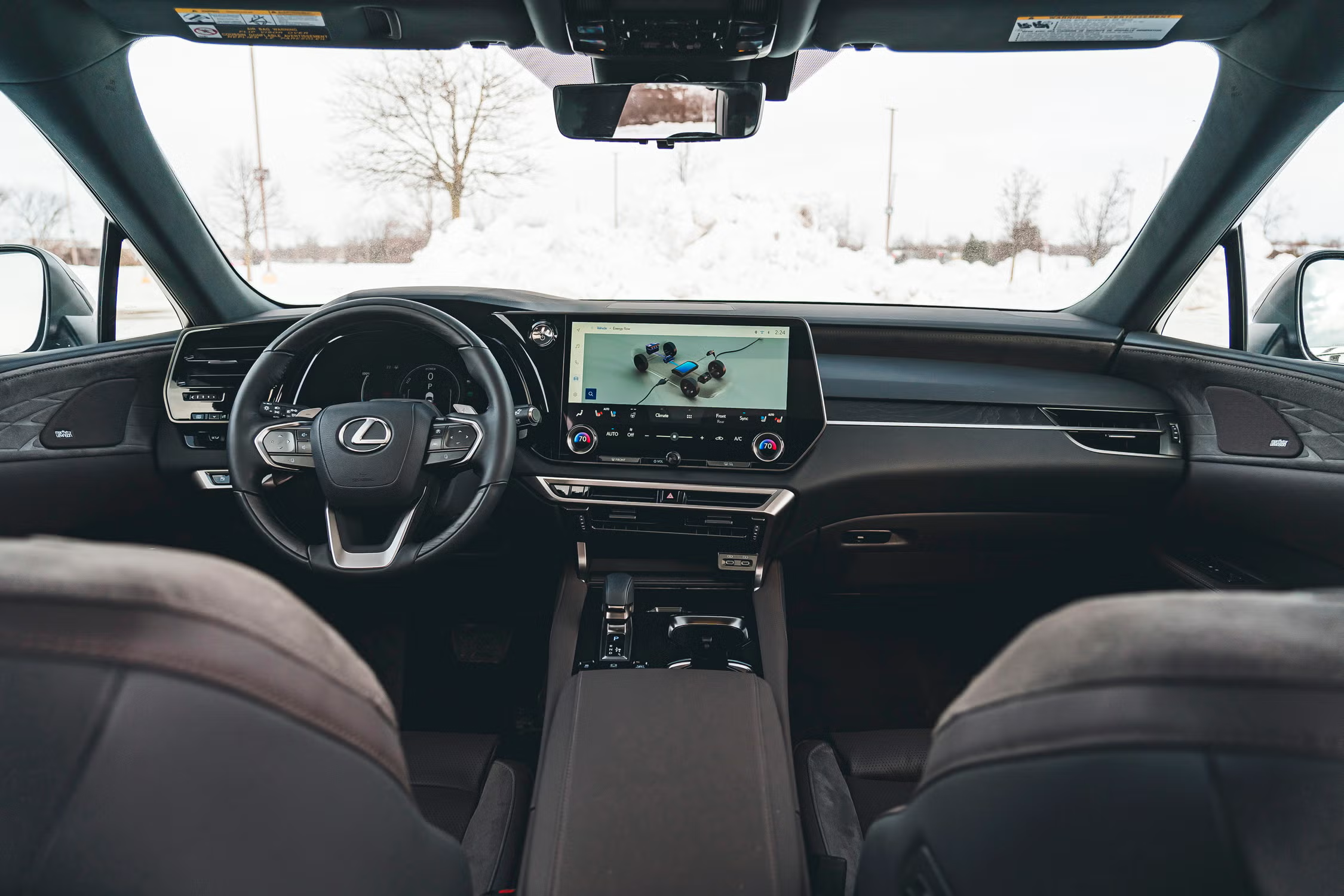
Beyond the mechanical specifications, the NX is celebrated for its plush interior materials, quiet cabin, and standard safety features like the Lexus Safety System+.
This dedication to quality ensures that even units imported after several years of use in Japan still feel fresh and retain excellent performance characteristics, justifying the premium price tag over less robust competitors, which might begin showing wear and tear far sooner than expected in our local conditions.
While it shares some DNA with its sibling, the Lexus NX250, the 300’s turbocharged engine offers a distinctly more engaging driving experience.
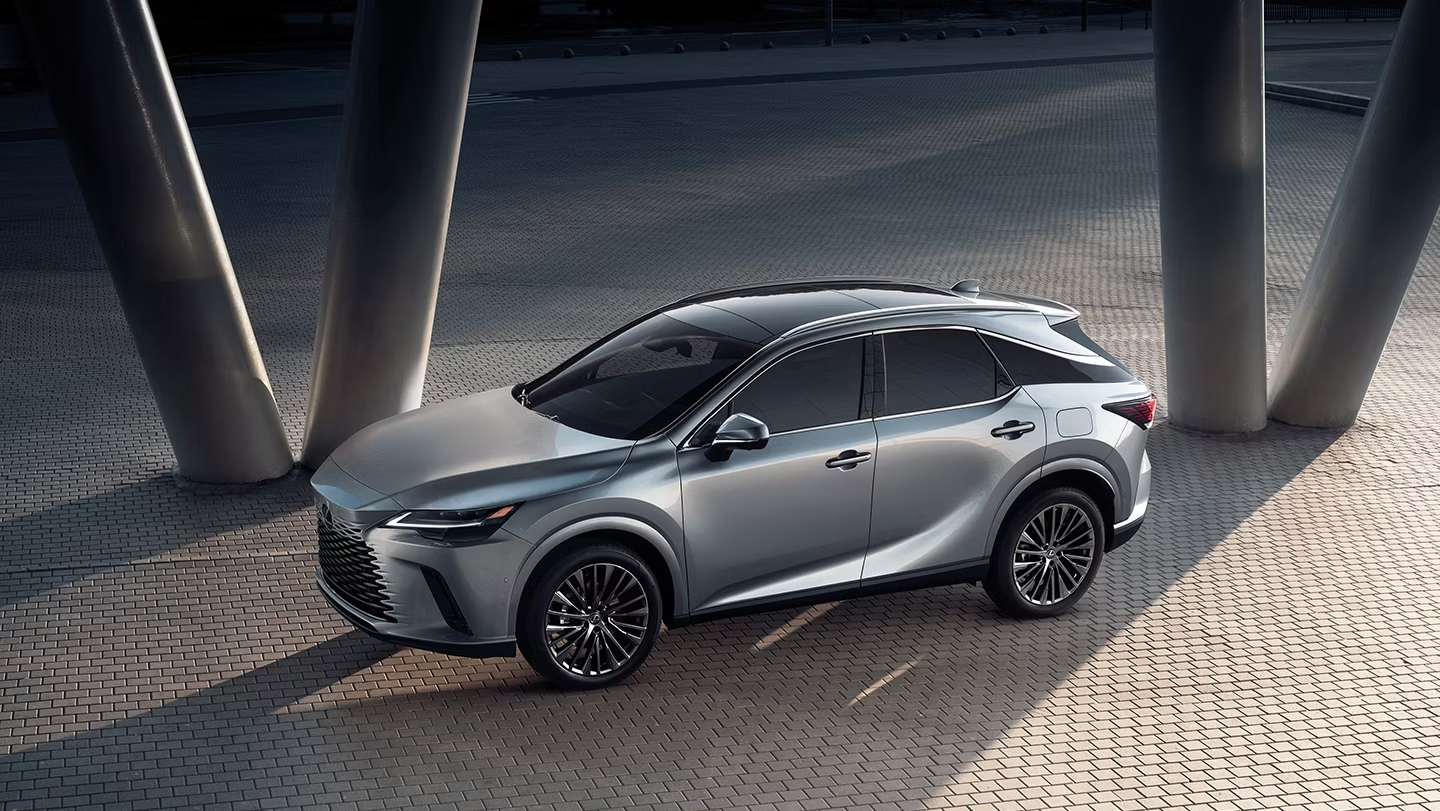
Trim Levels and Pricing Breakdown
The final landed price of the NX 300 in Kenya is significantly influenced by the trim level chosen, as higher trims attract slightly higher KRA valuations due to their additional features, subsequently increasing the total payable duty.
The key trims available for import typically include the Base model, the Executive/Luxury package, and the sporty F-Sport variant.
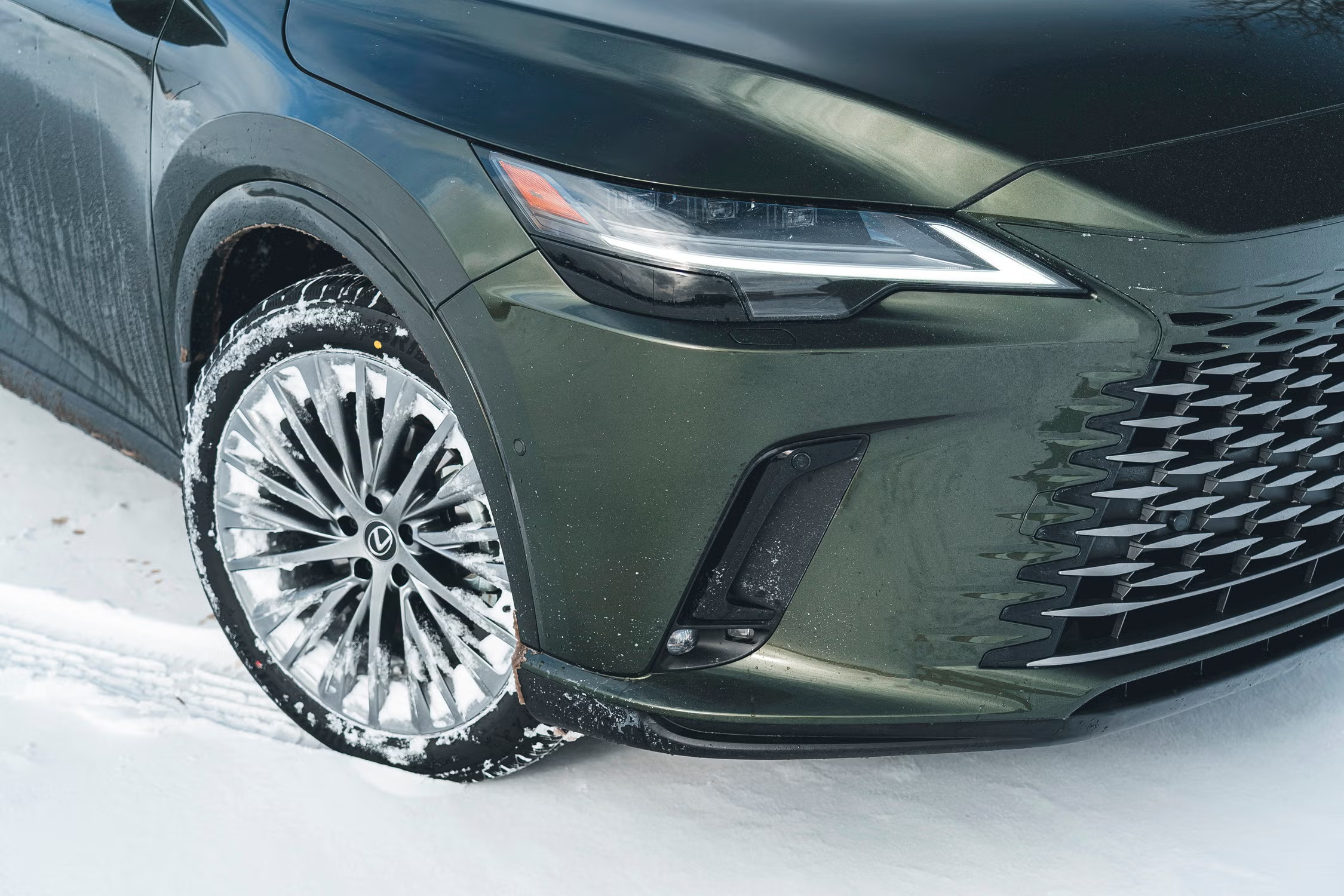
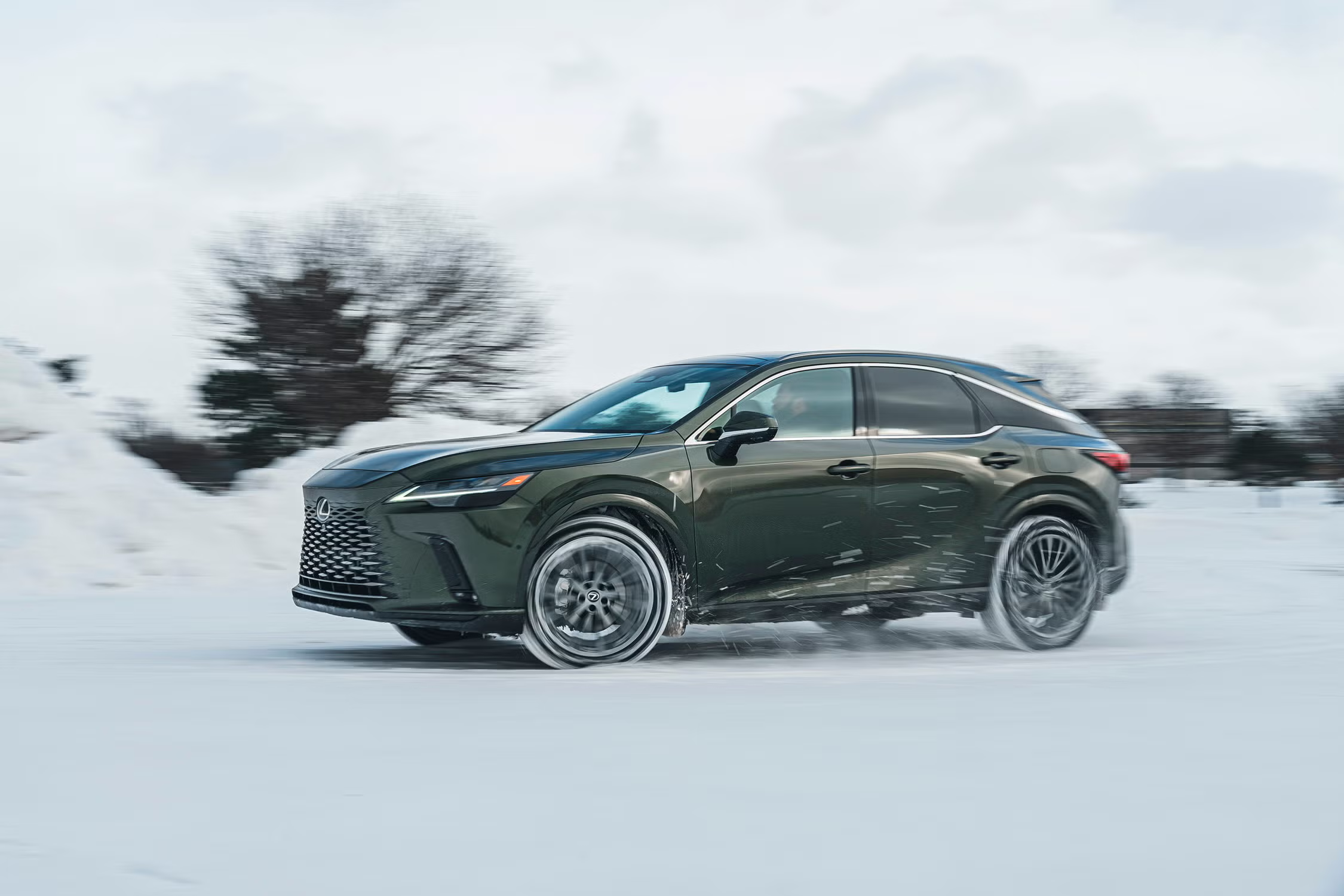
The F-Sport is the most sought-after and, consequently, the most expensive, featuring aggressive styling cues, unique alloy wheels, bolstered sports seats, and adaptive suspension, which can add upwards of KES 500,000 to the final landed cost compared to a standard Luxury trim of the same year.
If your priority is luxury and technology without needing the maximum sporty performance, opting for a lower trim level allows you to get behind the wheel of a reliable Lexus vehicle while keeping the overall investment modest.
This strategic decision on trim level is where an experienced importer can guide you in balancing desired features against budget realities, ensuring you maximize value.
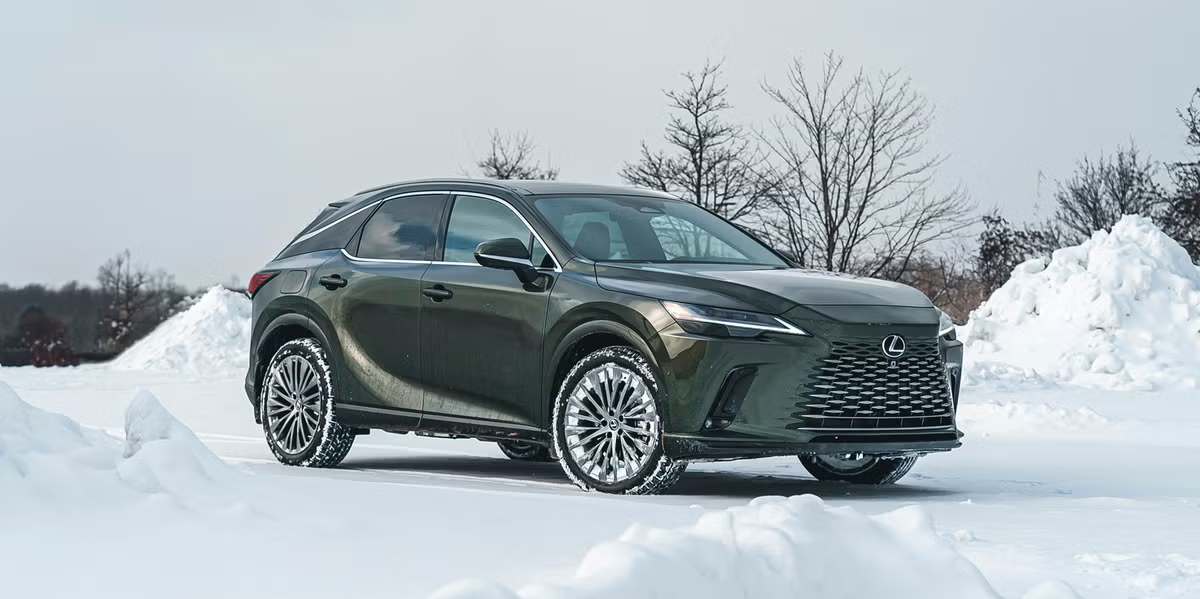
Key Factors That Affect the Final Cost
Understanding the final cost requires breaking down the variables beyond the initial purchase price in Japan.
The most significant variable, unique to Kenya, is the KRA valuation, which determines the base on which duty is calculated; an unjustifiably high valuation can inflate the duty payable by hundreds of thousands of shillings.
Secondly, the Yen-to-Shilling exchange rate at the time of purchase and clearance is volatile and directly impacts the CIF cost translated into KES.
Crucially, the Auction Grade in Japan (ranging from 5/A for new to R/3/2 for accident/poor condition) is the single most important indicator of mechanical and cosmetic quality, directly affecting how much you should pay.
When you partner with us at Enan Motors, we guarantee access to the verified auction sheet, so you know the true quality before the ship even sails, which is a level of transparency local car yards simply cannot or will not offer due to their opaque sourcing methods.
Other essential factors in calculating how much is an NX 300 include mandatory regulatory charges and logistical fees.
The 25% VAT, 50% Excise Duty (for vehicles with engines 2.0L and below), and the Import Declaration Fee (IDF) of 2.25% are non-negotiable government levies that significantly inflate the final price.
Beyond these, the shipping method (RORO vs.Container), insurance costs, and local clearance fees at the port of Mombasa add smaller, yet notable, amounts.
Experienced importers structure these logistics efficiently to minimize incidental costs.
If you want to see exactly how these costs are calculated, from the auction hammer price right up to you receiving the logbook, we provide a step-by-step breakdown of the entire Import process, giving you complete confidence in the final figure.
NX 300 vs. Main Competitors: Price Comparison
In the premium compact SUV segment in Kenya, the NX 300 competes directly with German rivals, providing a compelling alternative centered on long-term reliability rather than transient prestige.
For example, while the Mercedes GLE or a similarly sized BMW X6 might offer a slight edge in handling dynamism or immediate badge appeal, they often come with significantly higher maintenance costs and a greater risk of expensive, complex component failure after the warranty expires, which is a major concern when importing used vehicles into Kenya.
The NX 300 generally lands at a price point comparable to a well-specced Volkswagen Tiguan or a high-grade Toyota Harrier, yet it delivers superior luxury finishes and a proven track record of dependability rooted in the wider Toyota stable.
This balance of competitive pricing, reliability, and luxury makes the NX 300 a fundamentally sound investment for Kenyan drivers who prioritize practicality alongside prestige.
Financing, Leasing, and Incentives
Navigating the financing landscape in Kenya requires meticulous documentation, a process made much simpler when dealing with a direct import agent like Enan Motors.
Local banks and Saccos are generally willing to finance between 70% and 80% of the vehicle’s KRA valuation, provided the vehicle is clean and the applicant meets the collateral and repayment criteria.
Crucially, institutions prefer dealing with transparent, verifiable documentation, which is exactly what a direct importation provides—clear records of the purchase price, shipping costs, and duty payment receipts, unlike the murky paper trail often associated with cars bought from unknown sources or local yards that inflate purchase prices.
We advise our clients to secure pre-approval based on the initial auction estimation, ensuring the financing is ready immediately upon the vehicle’s arrival at the port.
Regional Pricing and Where to Purchase
There is a stark difference in price between buying an NX 300 from a yard in Mombasa or along Ngong Road in Nairobi versus importing it directly from Japan via a reputable agent.
Local car yards operate with high overheads—rent, staff, marketing, and inventory risk—which are all factored into the final price, adding a staggering 20% to 35% markup on average compared to a direct import.
If you visit a yard today and ask “How much is an NX 300?”, the price quoted might be KES 500,000 to KES 1 million higher than the figure we could land the exact same vehicle for, simply because we eliminate the middleman and their associated operational costs.
Furthermore, when buying locally, you are limited to the few cars in their immediate Inventory, meaning you might settle for a colour or specification you don’t truly love.
The smartest and most cost-effective path for securing your NX 300, or any luxury vehicle like the Lexus LX 600, is to utilize the Japanese auction system, which offers thousands of vehicles weekly, allowing you to choose the precise year, mileage, and optional extras you desire.
Why settle for what is available locally when you can dictate exactly what you want and pay less for it?
At Enan Motors, we pride ourselves on making this process simple and risk-free.
If you are serious about getting a high-quality Lexus NX 300 at the best possible price, avoiding the hidden costs and risks of local purchases, we urge you to Message us on WhatsApp today to begin customizing your import order.
We handle everything from the auction bid to the KRA clearance, delivering the car right to your doorstep in pristine condition.
Total Cost of Ownership and Long-Term Value
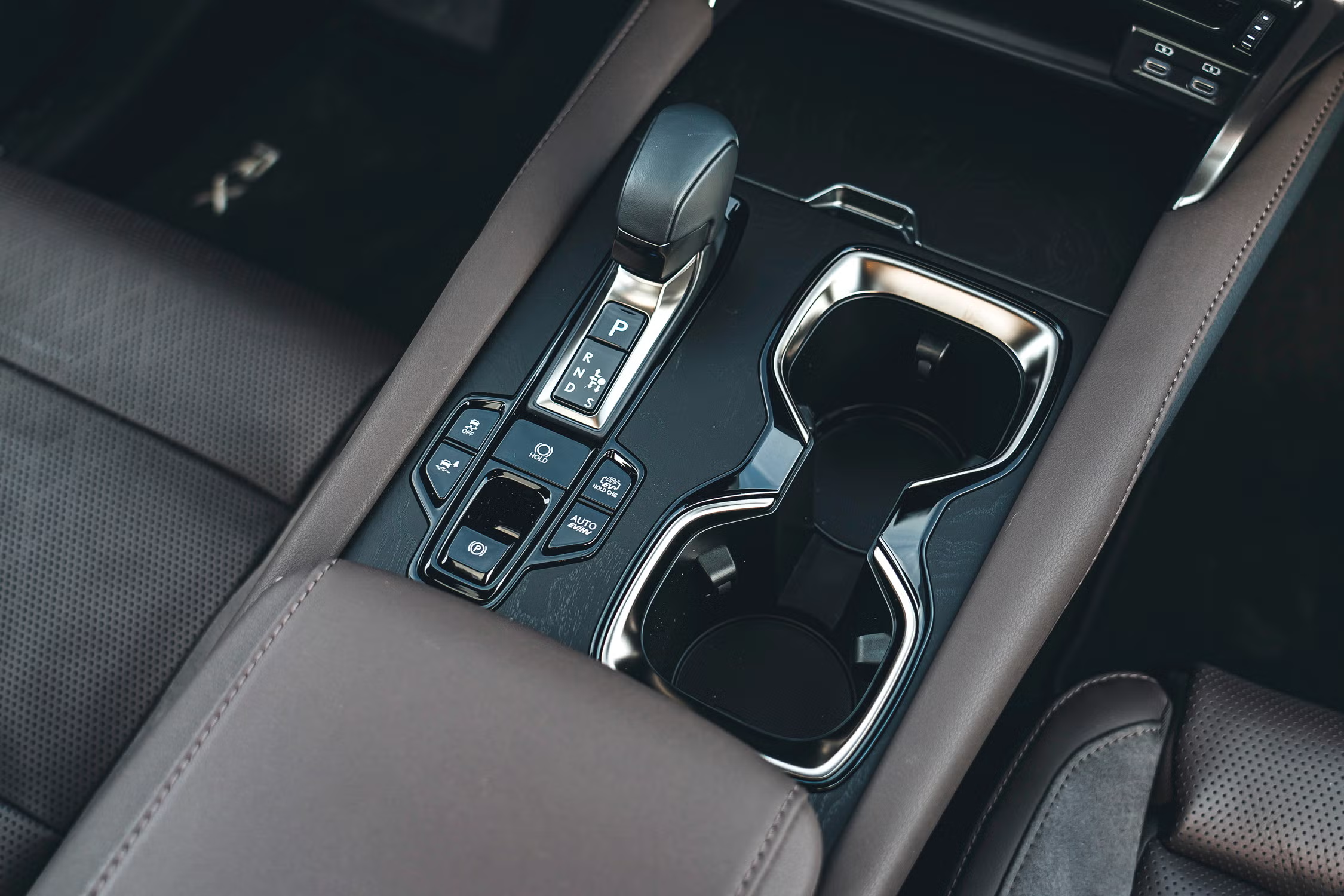
When evaluating the total cost of ownership (TCO) for the NX 300, its heritage as a Mercedes Benz competitor in terms of reliability truly shines, making it a surprisingly economical luxury vehicle over the long run in Kenya.
Parts availability is excellent, largely because the mechanical components share commonality with many other high-volume Toyota platforms, meaning servicing is not overly specialized or prohibitively expensive compared to importing parts for niche European brands like BMW or Mercedes Benz.
Furthermore, Lexus vehicles typically enjoy slow depreciation in the Kenyan resale market.
If maintained properly, a 2017 NX 300 purchased today at KES 5 million might easily fetch KES 4.2 million to KES 4.5 million three years later, preserving a significant portion of your capital, which is a major advantage over rivals that shed value rapidly.
Considering fuel economy, the 2.0L turbocharged engine, while punchy, is reasonably efficient for a vehicle of its size, often averaging 10 to 12 km/l in mixed urban and highway driving conditions, which is essential for managing daily running costs given the recent surges in local fuel prices.
The reliability factor also drastically reduces unplanned expenses; unlike certain European models that suffer from complex electronics or air suspension issues, the NX 300 is built for durability.
This resilience means less time in the garage and more time on the road, adding to its appeal for the practical Kenyan executive who needs dependability.
We know the Kenyan market intimately, and our insights into TCO, combined with our transparent pricing structure, demonstrate why working with experts is essential for a smart purchase, giving you peace of mind that goes beyond the initial price tag.
Conclusion – Is the NX 300 Worth the Investment?
When you synthesize the facts—its competitive landed price of KES 4.8M to KES 6.5M, its exceptional reliability derived from its robust engineering, and its strong retention of resale value—the Lexus NX 300 represents one of the smartest investments in the luxury SUV segment available to the Kenyan buyer.
The key to making this investment truly worthwhile, however, lies in achieving full transparency during the acquisition process.
By importing directly from Japan through a trusted agent, you eliminate inflated yard prices and the uncertainty surrounding vehicle quality, ensuring every shilling spent goes directly towards a verified, high-grade unit.
Choosing an experienced partner like Enan Motors means you are not just buying a car; you are securing peace of mind and maximizing your capital efficiency.
Don’t leave your luxury purchase to chance; trust our expertise, reviewed documentation, and proven track record in delivering quality vehicles to satisfied clients across the country.
You can learn more About Enan Motors and our commitment to transparency by visiting our website or simply by choosing to Call us today.
FAQ
- What is the difference between the Lexus NX 200t and the NX 300?
The key difference is purely nomenclature and time of manufacture; they are mechanically identical.
Lexus rebranded the NX 200t (used from launch until the 2017 model year) to the NX 300 for the 2018 model year and beyond to align with their new global naming convention, but both feature the same reliable 2.0-liter turbocharged four-cylinder engine.
When importing into Kenya, the 200t models often fall into the lower price bracket (older year) but deliver identical performance and reliability, meaning buyers should focus more on the condition, mileage, and auction grade rather than the badge name.
- How much does it cost to service a Lexus NX 300 in Kenya compared to a Toyota Land Cruiser Prado?
Servicing an NX 300 is generally comparable to or only slightly higher than maintaining a standard Prado due to shared platform technology and the prevalence of Toyota parts distributors locally.
Routine maintenance (oil changes, filters, brake pads) for the NX is straightforward.
Where costs diverge is if specialized components, such as sophisticated sensors or premium suspension parts unique to the F-Sport trim, are needed, but overall, the NX 300 avoids the severe service premium often associated with direct German competitors like BMW or Mercedes Benz.
- Is it better to import a used NX 300 or buy one locally from a dealer?
It is almost always financially and strategically superior to import a used NX 300 directly from Japan via a transparent agent.
Direct importation ensures you pay only the true cost plus mandatory government duties, often saving you KES 500,000 or more compared to yard prices, which include inflated markups and operational overheads.
Crucially, direct import guarantees access to the Japanese auction sheet, verifying the car’s mileage, accident history, and true condition before you commit, eliminating the major risks inherent in purchasing from local, opaque sellers.
- What kind of fuel economy can I expect from the NX 300 in Kenyan traffic?
The Lexus NX 300 (2.0L turbo) provides respectable fuel efficiency for a luxury compact SUV, typically delivering between 10 km/l and 12 km/l in a combined driving cycle.
While heavy congestion in cities like Nairobi can pull this figure down, its efficient powertrain manages consumption well compared to larger, naturally aspirated SUVs.
Consistent use of high-octane fuel (Super petrol) is recommended to maintain the performance and longevity of the turbocharged engine, ensuring you get the most efficient performance for your shilling.
- Can I import a 2015 NX 300 into Kenya?
Yes, a 2015 model Lexus NX 300 is currently eligible for import into Kenya under the 8-year age limit regulation (as of 2023, vehicles up to 2016 are eligible; as of 2024, vehicles up to 2017 are eligible).
However, as of January 2025, a 2015 model will fall outside the 8-year rule and cannot be registered in Kenya unless the law is changed.
It is vital to consult with us regarding the cut-off date before initiating an order for an older model to avoid costly shipping and clearance penalties.
Feel free to Email us for the most current import deadlines.