
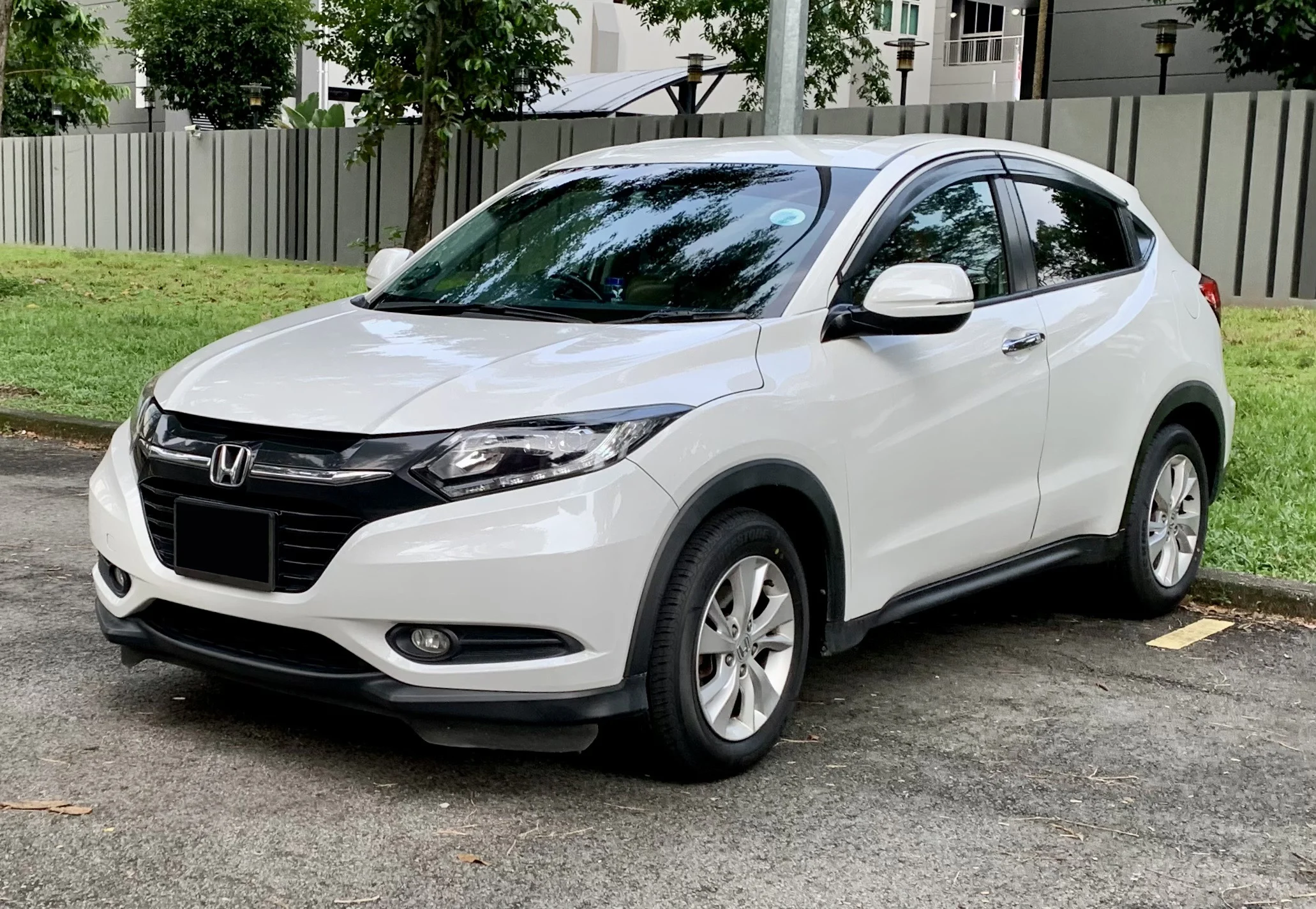
Understanding the Vezel’s Appeal in Kenya
The Vezel, known as the HR-V in some global markets, has rapidly become one of the most sought-after compact SUVs on Kenyan roads, and for good reason—it hits the sweet spot for Kenyan driving conditions and budgets.
Buyers here value its excellent ground clearance, which handles our varied urban and upcountry roads much better than low-slung sedans like the Mazda Axela, while still offering the compact footprint needed for navigating Nairobi traffic.
Furthermore, the Vezel’s reputation for stellar fuel economy, especially in the hybrid versions, provides significant relief from consistently high local petrol prices, making it a pragmatic choice for the cost-conscious Kenyan motorist looking for reliability and style wrapped into one package.
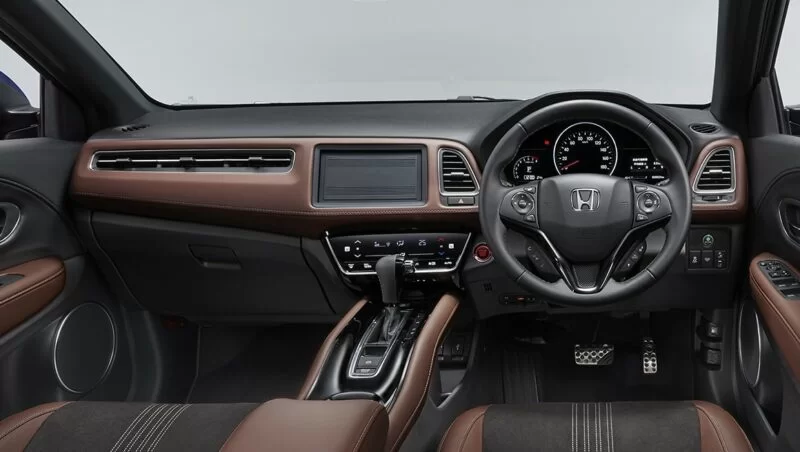
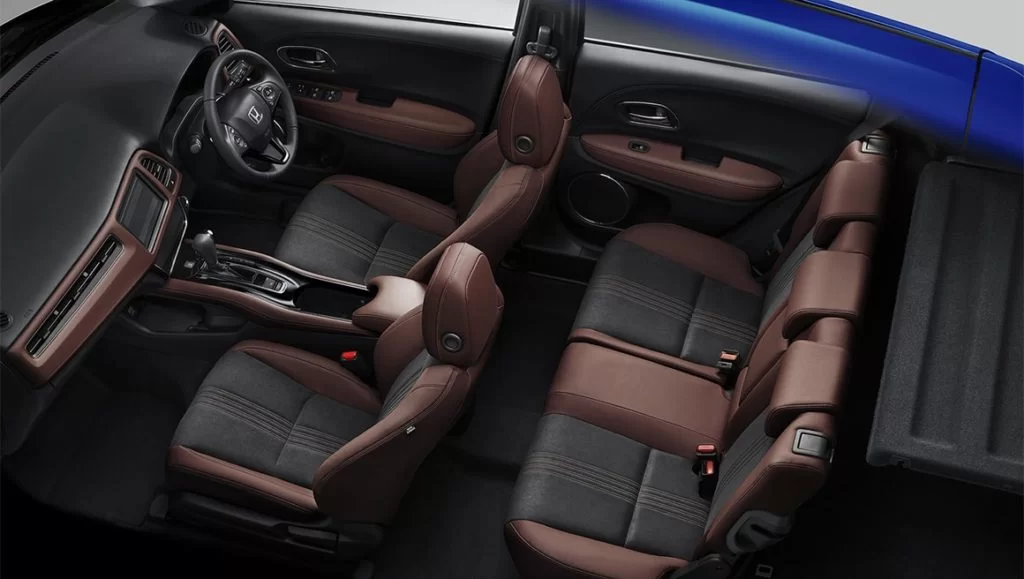
Beyond the practical considerations, the Vezel offers a modern, high-tech cabin and a stylish exterior that resonates well with the upwardly mobile buyer demographic in Kenya.
Its design language competes directly with higher-end marques, giving owners a feeling of sophistication without the hefty price tag associated with brands like Mercedes Benz or BMW.
As trusted importers, we at Enan Motors constantly see high demand for the Vezel because it perfectly balances Japanese reliability—a non-negotiable factor for Kenyans—with contemporary features, ensuring strong resale value, which is crucial when calculating the total cost of ownership over several years.
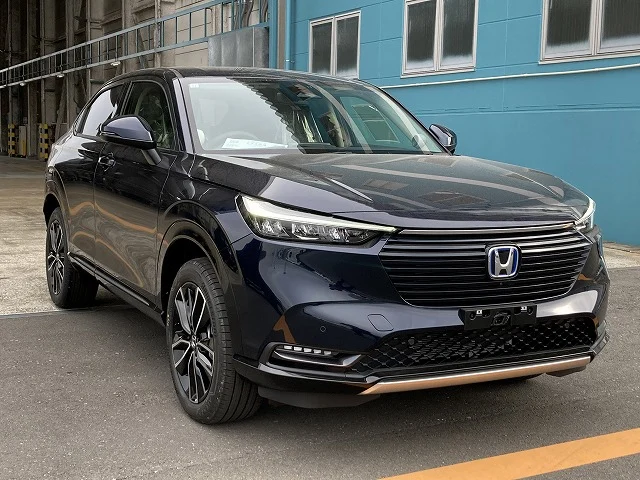
Official MSRP and Pricing in Japan (Baseline)
The journey to determining the Vezel’s price in Kenya begins, naturally, with its cost in Japan, often referred to as the Free On Board (FOB) price.
This baseline price is the single most variable factor, heavily influenced by the car’s auction grade and mileage.
When you work with a direct importer like Enan Motors, you gain access to verified Japanese auction sheets, which disclose the vehicle’s true quality (a grade 4.5 or 5 is pristine, while R means repaired or accident damage).
This transparency is impossible to get from local car yards, who often hide vehicles’ true condition to justify inflated prices.
For example, a low-mileage 2019 Vezel with a grade 4.5 might fetch US$7,500 at auction, while a similar-year model with a poor grade or higher mileage might go for only US$5,500.
Knowing this verifiable baseline allows Kenyan buyers to budget accurately and prevents them from overpaying for a vehicle of questionable quality.
We emphasize that paying slightly more for a verifiable high-grade vehicle from a trusted Japanese auction house saves you significant money and stress down the road on repairs and maintenance, cementing the Honda reputation for reliability.
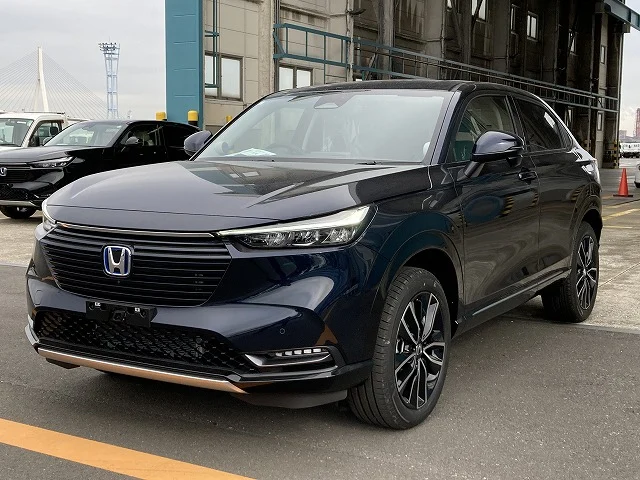
Import Duties, Taxes, and Clearance Fees in Kenya
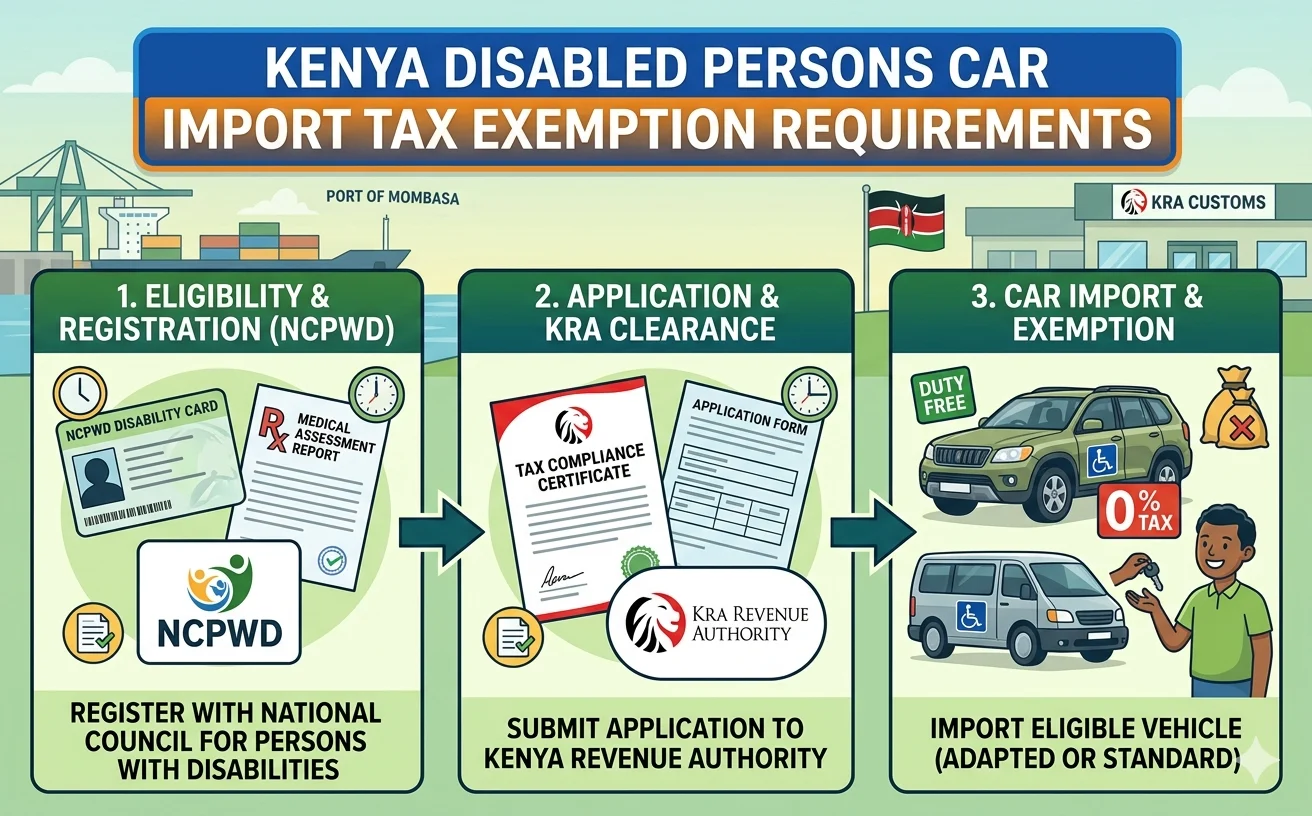
Once the Vezel leaves Japan, the true Kenyan cost drivers kick in: the statutory duties and taxes imposed by the Kenya Revenue Authority (KRA).
These charges transform the FOB price into the Cost, Insurance, and Freight (CIF) price and then apply the various levies.
The duties are calculated based on the KRA’s valuation of the vehicle, not necessarily the exact price you paid, although the higher of the two values is usually used to determine the tax base.
Understanding these levies is essential for any shrewd buyer.
The primary levies include 25% Import Duty, 16% Value Added Tax (VAT), and Excise Duty, which varies but generally adds substantially to the cost, especially for newer, lower-CC vehicles like the Vezel.
Furthermore, you must factor in the Import Declaration Fee (IDF) at 2.25% of the CIF value and the Railway Development Levy (RDL) at 2.0% of the CIF value.
Collectively, these duties and taxes often add between 85% and 120% of the vehicle’s CIF value to the final price tag, explaining why a US$8,000 car in Japan quickly becomes a KES 2.7 million investment in Nairobi.
This process is complex, which is why utilizing a specialist who understands the KRA valuation matrix is not just helpful—it’s critical for saving you thousands.
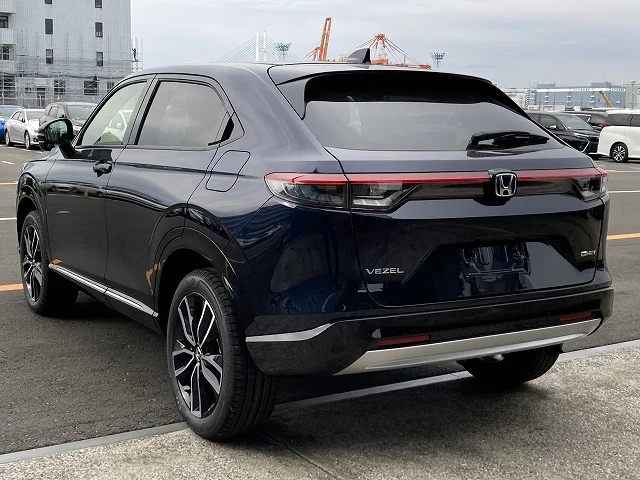
Typical Shipping and Logistics Costs to Mombasa Port
Between the purchase price and the duties lies the logistics cost—the journey from the Japanese port (usually Yokohama, Nagoya, or Kobe) to Mombasa.
For a standard compact SUV like the Vezel, the most common shipping method is Roll-on/Roll-off (Ro-Ro), where the car is driven onto the ship and secured for the roughly 30-day sea voyage.
Shipping fees typically range from $1,200 to $1,800 USD, covering freight and marine insurance.
However, this is only part of the story; logistics in Mombasa can sometimes be the hidden expense that catches first-time importers off guard.
Upon arrival, there are crucial local logistics fees, including port handling charges, container freight station (CFS) charges, and potential demurrage if the clearance process is delayed.
Savvy importers like us manage these local costs aggressively; for instance, Enan Motors ensures the documentation is ready well ahead of the vessel’s arrival to avoid costly demurrage, which can accumulate rapidly in Mombasa.
Furthermore, you need to budget for the internal transportation cost from Mombasa to your final destination, often Nairobi or another major city, which can vary depending on whether you opt for driving or using a car carrier.
Total Landed Cost: Calculating the Final Price in Kenya
To truly answer the question of how much a Vezel car is in Kenya, we must aggregate all these variables into the Total Landed Cost (TLC).
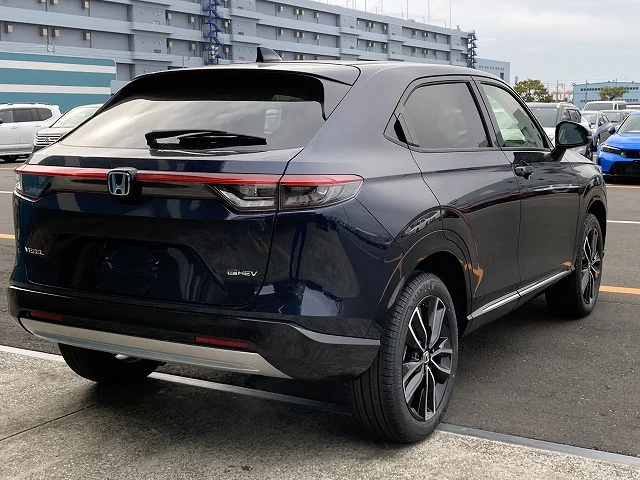
Let’s take a mid-range 2016 Vezel Hybrid purchased for $8,000 (FOB).
Adding $1,500 for shipping gives a CIF value of $9,500 (approximately KES 1,250,000 at KES 132/USD exchange rate).
The duties and taxes will then add roughly 90% of this CIF value, totaling around KES 1,125,000, bringing the initial landed cost before clearance fees to KES 2,375,000.
Add internal transport, registration, and miscellaneous clearance fees, and the final price tag is firmly in the KES 2.6 million range.
The crucial insight here is that when you buy from a local yard, you are paying this total landed cost plus the dealer’s markup, which can range from KES 200,000 to KES 500,000 to cover their overheads, rent, and profit margin.
By handling the Import process directly with an expert, you eliminate that excessive markup and gain full control over the variables, such as ensuring the KRA valuation is handled accurately and aggressively.
If you are interested in an exact, comprehensive quote for the latest models, we encourage you to Message us on WhatsApp and we will provide a detailed breakdown covering every shilling.
Comparison with Local Competitors and Similar SUVs
The Honda Vezel does not operate in a vacuum; it competes fiercely in the compact SUV segment against established rivals popular in Kenya, such as the Toyota Harrier, the Nissan Dualis, and even the Volkswagen Tiguan.
While a slightly older Harrier might fall into a similar price bracket (KES 2.2M to KES 3.0M), the Vezel often wins on fuel efficiency and technology, particularly in its hybrid guise.
Buyers prioritize the Vezel for its relatively smaller engine size, which results in lower annual road tax compared to larger, less efficient SUVs, helping reduce ongoing ownership costs significantly.
Furthermore, the true cost comparison must factor in the risk associated with quality.
Many competitors sourced locally may lack verifiable history, which is a major concern when purchasing high-mileage vehicles.
For instance, while a used Toyota Vitz or similar sedan might be cheaper, it doesn’t offer the necessary ground clearance.
The Vezel provides that crucial balance.
If you are also considering the larger end of the SUV market, perhaps a Toyota Land Cruiser Prado, the budget jumps drastically, making the Vezel an excellent entry point into reliable SUV ownership without the immense financial commitment required for premium 4x4s.
Financing Options and Ownership Costs in Kenya
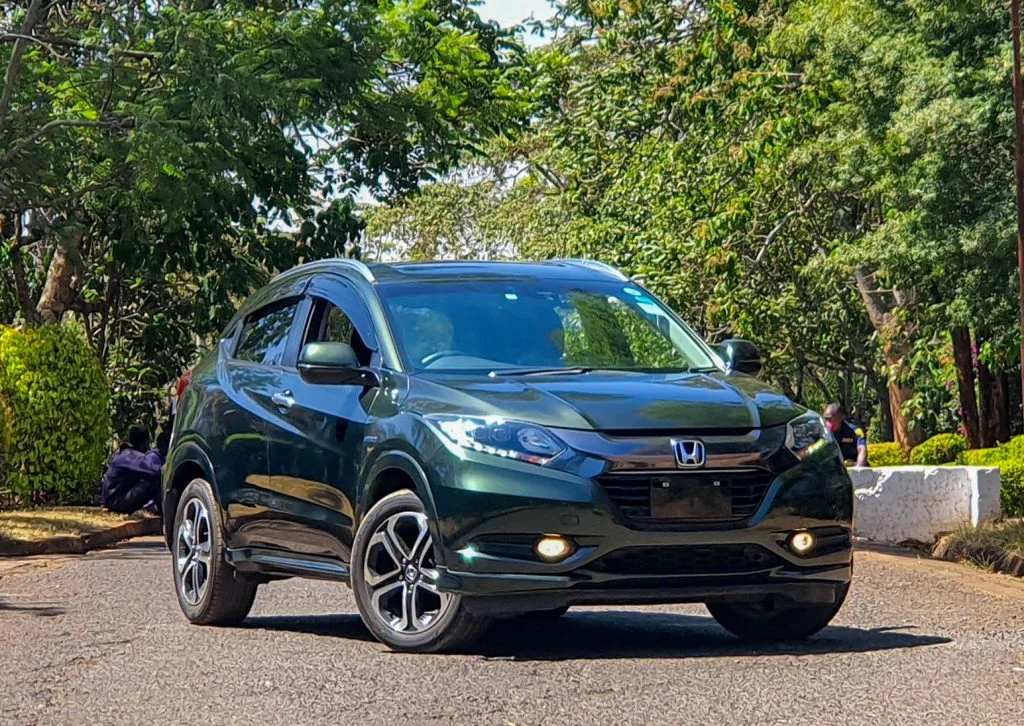
For many Kenyan buyers, financing is essential, and fortunately, the Vezel’s strong popularity and excellent resale value make it an attractive asset for local financial institutions.
Most commercial banks and Savings and Credit Co-operative Societies (SACCOs) offer asset financing for imported used vehicles, typically covering 70% to 90% of the vehicle’s value, provided the car is less than eight years old from the date of manufacture.
Given that most Vezels imported fall within the KES 2.0M to KES 2.5M range, a standard down payment of KES 200,000 to KES 400,000 often gets the process started, with repayment periods stretching up to 48 or 60 months.
Beyond the monthly installment, potential owners must consider ongoing costs.
Insurance is mandatory, and comprehensive cover for a Vezel usually costs between 4% and 6% of the insured value annually.
Maintenance costs for the Mitsubishi competitor vehicles or the Mazda stable are often comparable, but the Honda ecosystem benefits from readily available spares across Kenya, keeping repair bills manageable.
When calculating true ownership expense, remember to factor in regular servicing every 5,000 to 10,000 kilometers and the cost of replacing consumables like brakes, which are usually standard and inexpensive for this popular model, ensuring the Vezel remains economically viable for the long term.
Where to Buy: Trusted Dealers and Showrooms
When searching for a Vezel in Kenya, buyers face two main options: purchasing from a local, established car yard or importing directly from Japan.
While local yards offer immediate delivery, they inevitably include a hefty markup and often lack crucial transparency regarding the vehicle’s history.
You risk purchasing a car with a hidden accident history (Grade R) or major mechanical faults simply because the local dealer erased the true Japanese auction sheet details.
This opacity is the single biggest risk Kenyan buyers face, leading to regret and unexpected repair bills down the line.
The superior alternative is working with a transparent direct importer like Enan Motors.
We empower you to select your exact Vezel from the thousands available in the Japanese auctions, scrutinize the verified auction sheet and mileage (which we guarantee), and calculate the exact landed cost before commitment.
This process guarantees you know the true quality and condition, ensuring your investment is sound.
This commitment to transparency and quality is what sets us apart in the Kenyan market, allowing us to deliver verified, high-grade vehicles at lower prices than those found on local yard forecourts.
If you want to see the quality of vehicles we import, feel free to browse our current Inventory of high-grade vehicles, including the Mercedes GLE and the BMW X6.
Choosing direct importation simplifies your life and provides superior quality control.
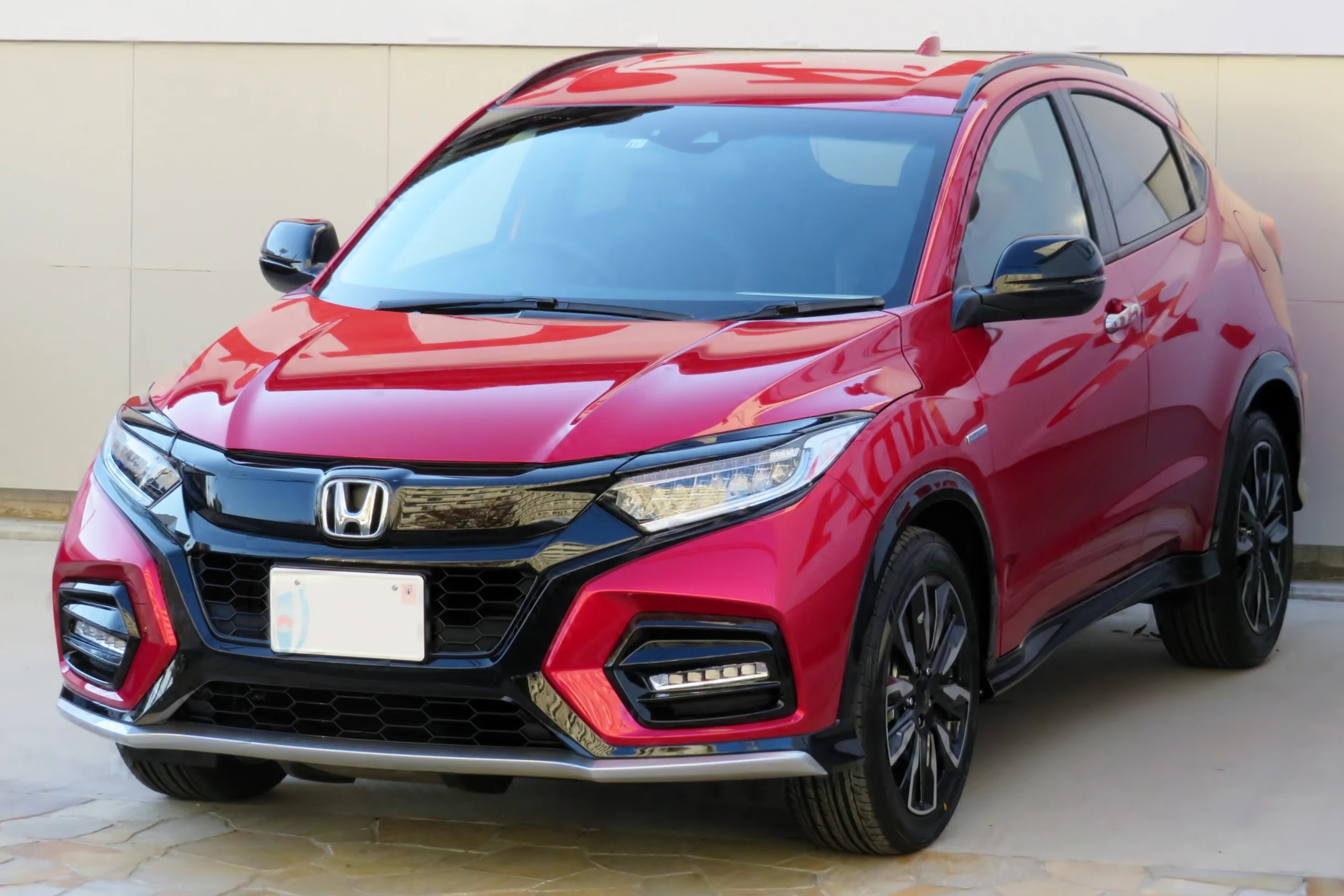
Instead of settling for limited local options, you get to choose exactly what you want—the right color, the desired trim (RS or Hybrid Z), and most importantly, a verifiable high-grade vehicle.
We handle the complexity of KRA clearance, duties calculation, and logistics, ensuring the car is delivered to your doorstep registered and ready to drive.
Our reputation is built on delivering high-value vehicles, including the luxurious Lexus LX 600 and the practical Lexus NX250, while giving you peace of mind.
To start your risk-free importation journey, please Call us today.
Conclusion
The Honda Vezel is an outstanding choice for the Kenyan motorist, offering a perfect blend of style, efficiency, and reliability, with final landed costs typically ranging from KES 1.9 million to KES 2.8 million.
While this price range is competitive, securing the best value demands transparency—a guarantee that only direct importation provides through verifiable Japanese auction sheets.
Avoid the unnecessary markups and hidden risks of local yards.
Instead, partner with a trusted expert who puts quality and honesty first.
At Enan Motors, we ensure you secure a high-grade Vezel, or even an upmarket SUV like the Lexus, at the most affordable, transparent price possible.
Learn more About Enan Motors and why we are the right choice for Kenyan buyers by getting in Contact with our team today via Email us.

FAQ
- What model years of the Honda Vezel can I import into Kenya?
Kenyan regulations adhere strictly to the eight-year rule, meaning the vehicle must be manufactured no earlier than eight years before the date of importation.
Currently, this allows the importation of Vezel models manufactured from 2016 onwards.
Attempting to import older models, such as certain trims of the Volkswagen or the popular Mazda CX 5, is prohibited and would result in massive penalties or destruction by KRA, so ensure your importer strictly adheres to the manufacturing date requirement.
- Is the Honda Vezel Hybrid reliable in Kenya, and are its parts available?
Yes, the Honda Vezel Hybrid is highly reliable, built on robust Toyota and Honda hybrid technology platforms, which have proven durable globally.
Key hybrid components, including the battery and inverter, generally last 8 to 10 years or more before requiring replacement.
Crucially, due to the Vezel’s popularity, spare parts—both mechanical and body panels—are widely and affordably available across Nairobi and other major towns, similar to maintenance for popular models like the Prado.
- How does the direct import price compare to buying a Vezel locally in Kenya?
When importing directly from Japan through a reputable partner, you typically save between KES 200,000 and KES 500,000 compared to buying the equivalent vehicle from a local car yard.
This saving comes from bypassing the local dealer’s overheads, rent, inventory risk, and profit margin.
Furthermore, direct import guarantees a higher quality car because you receive the original, untampered auction sheet showing the true grading, which is the quality assurance that local yards often cannot or will not provide, minimizing your long-term repair costs.
- What are the most common variants of the Vezel imported to Kenya?
The most commonly imported variants are the 1.5L Petrol (sometimes AWD) and the highly popular 1.5L Hybrid variants, which offer superior fuel economy.
Within the hybrid trims, the Z and RS packages are highly desirable for their superior interior finishes, upgraded safety features, and unique styling elements, making them particularly attractive to Kenyan buyers seeking premium features without moving up to brands like BMW.
- What currency risks should I consider when calculating the price?
Currency fluctuation is a major factor in the final landed price of any imported vehicle.
Since the Japanese purchase price and shipping costs are settled in US Dollars (USD) or Japanese Yen (JPY), the constantly changing KES/USD exchange rate directly affects the KES equivalent of your CIF value and, consequently, the KRA duties calculation.
We advise clients to lock in their exchange rate or purchase foreign currency strategically to mitigate the risk of adverse shifts during the 60-day shipping and clearance period.