
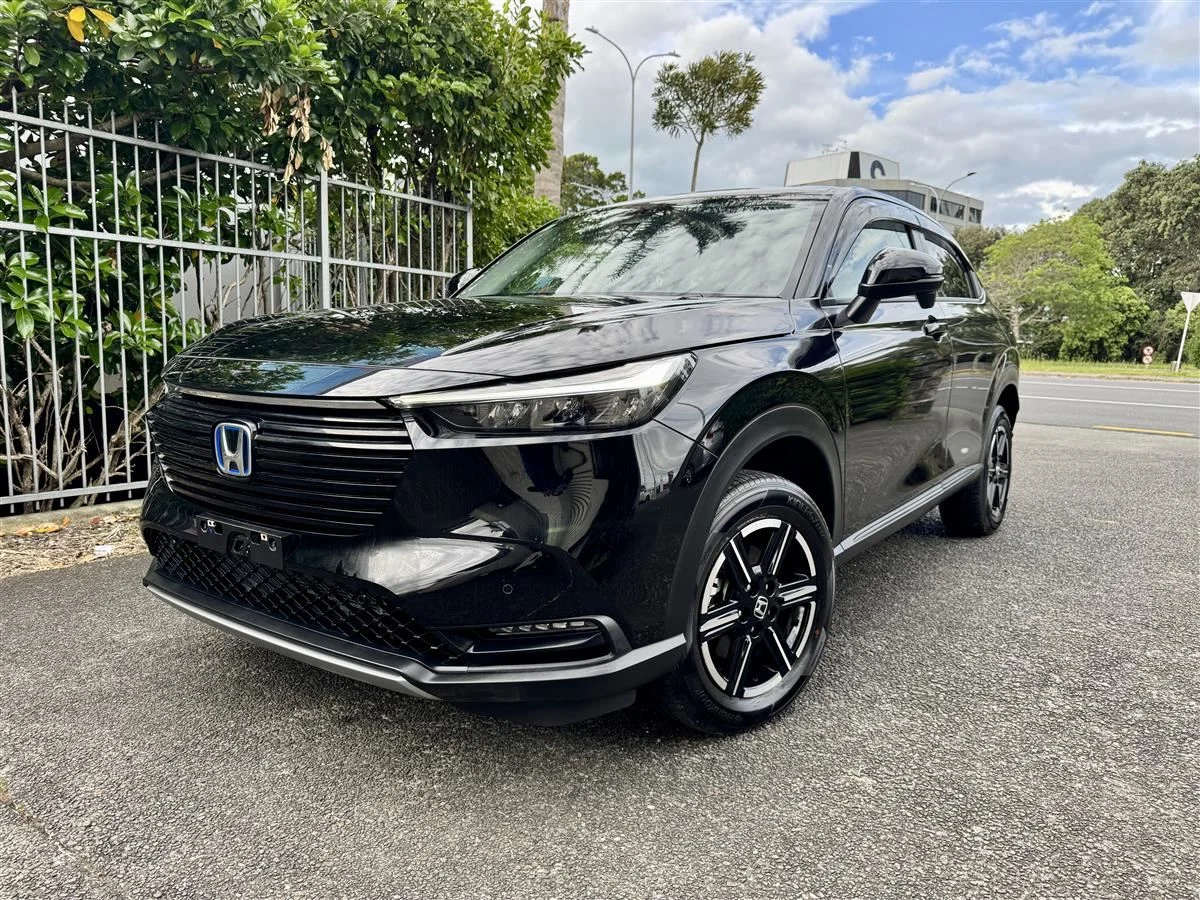
Introduction: What Makes the Honda Vezel and CR‑V Distinct?
When you walk into a local car yard or browse imported listings online in Nairobi or Mombasa, it is common to see both the Honda Vezel and the CR-V side-by-side, which often leads potential buyers to mistakenly categorize them together merely as ‘Honda SUVs’.
However, relying on outward appearances alone is a major pitfall, especially for the savvy Kenyan buyer who needs performance, space, and efficiency tailored to their unique circumstances.
The fundamental distinction lies in their engineering origin and intended purpose; the Vezel was engineered for crowded Japanese and European cities, valuing compact efficiency and style, while the CR-V was developed to meet the demanding requirements of the global family market, emphasizing comfort, luggage capacity, and all-weather capability.
These differences translate directly into varying duty costs based on engine size, maintenance schedules, and the overall usability of the vehicle on Kenyan highways and rougher terrain.
The confusion is amplified in our local market because both models are highly desirable imports from Japan, a market that has supplied Kenya with exceptionally reliable vehicles for decades, establishing Honda as a benchmark for quality.
Buyers often see the reliable Honda badge and assume the models are just different trim levels of the same family, but that couldn’t be further from the truth.
As experts who handle the direct importation process daily, we at Enan Motors emphasize that knowing the segment (B vs. C) is vital; the Vezel competes fiercely with models like the Toyota C-HR and Mazda CX-3, while the CR-V sits alongside the Toyota RAV4 and Mazda CX 5.
When you import directly from Japan, you receive the verified auction sheet, which clearly details the size and features, ensuring you never confuse a compact CR-V with a subcompact Vezel, guaranteeing you receive the exact vehicle you bid on without the ambiguities of the local yard.
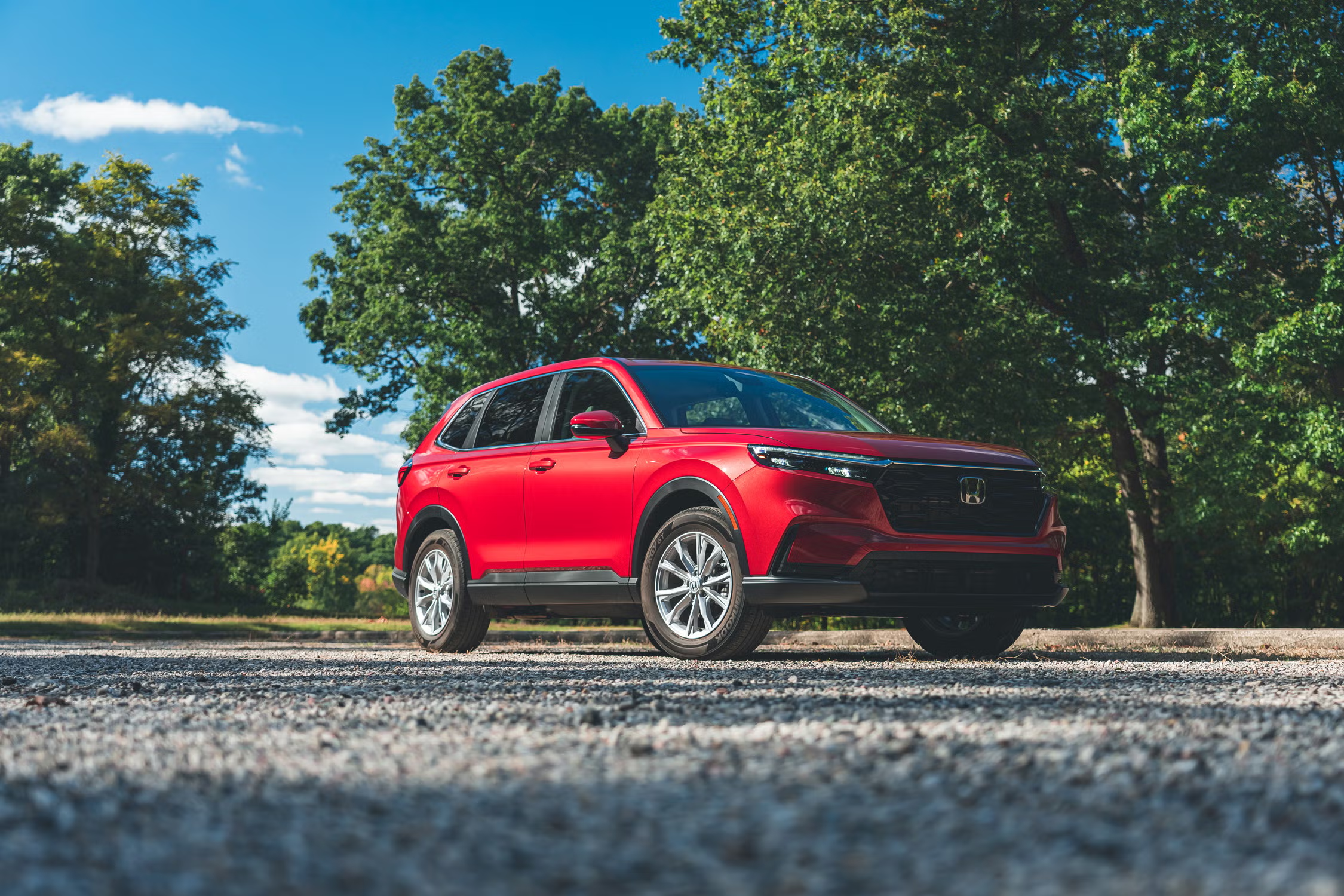
Model History: From the First Generation to Today
The Honda CR-V (Compact Recreational Vehicle) boasts a much deeper history, establishing itself as one of the original pioneers in the compact SUV space globally since its debut in 1995.
Its longevity across multiple generations has allowed it to grow in size and sophistication, maturing from a utilitarian 4×4 into a highly comfortable and technologically advanced family crossover that dominates the segment worldwide.
Each successive generation of the CR-V has addressed demands for greater safety, better fuel economy, and more premium interior materials, reflecting its commitment to being a versatile vehicle capable of tackling everything from the morning school run in Lavington to a long weekend trip upcountry, often becoming the default choice for middle-class Kenyan families.
Conversely, the Honda Vezel, often badged as the HR-V (Hi-Rider Revolutionary Vehicle) in certain international markets, is a much younger sibling, first hitting the market in 2013, created to capitalize on the burgeoning global demand for smaller, fashionable crossovers.
This model’s history is defined by its ability to merge the practicality of a small hatchback, borrowing the clever ‘Magic Seat’ system from the popular Honda Fit, with the elevated driving position of an SUV.
Because its design is inherently aimed at a more youthful, urban demographic, the Vezel’s evolution has prioritized cutting-edge styling and hybrid technology, differentiating its lineage from the more traditional, rugged utility that characterized the initial generations of the CR-V, thus appealing to a buyer who prioritizes efficiency and modern aesthetics over sheer brute size.
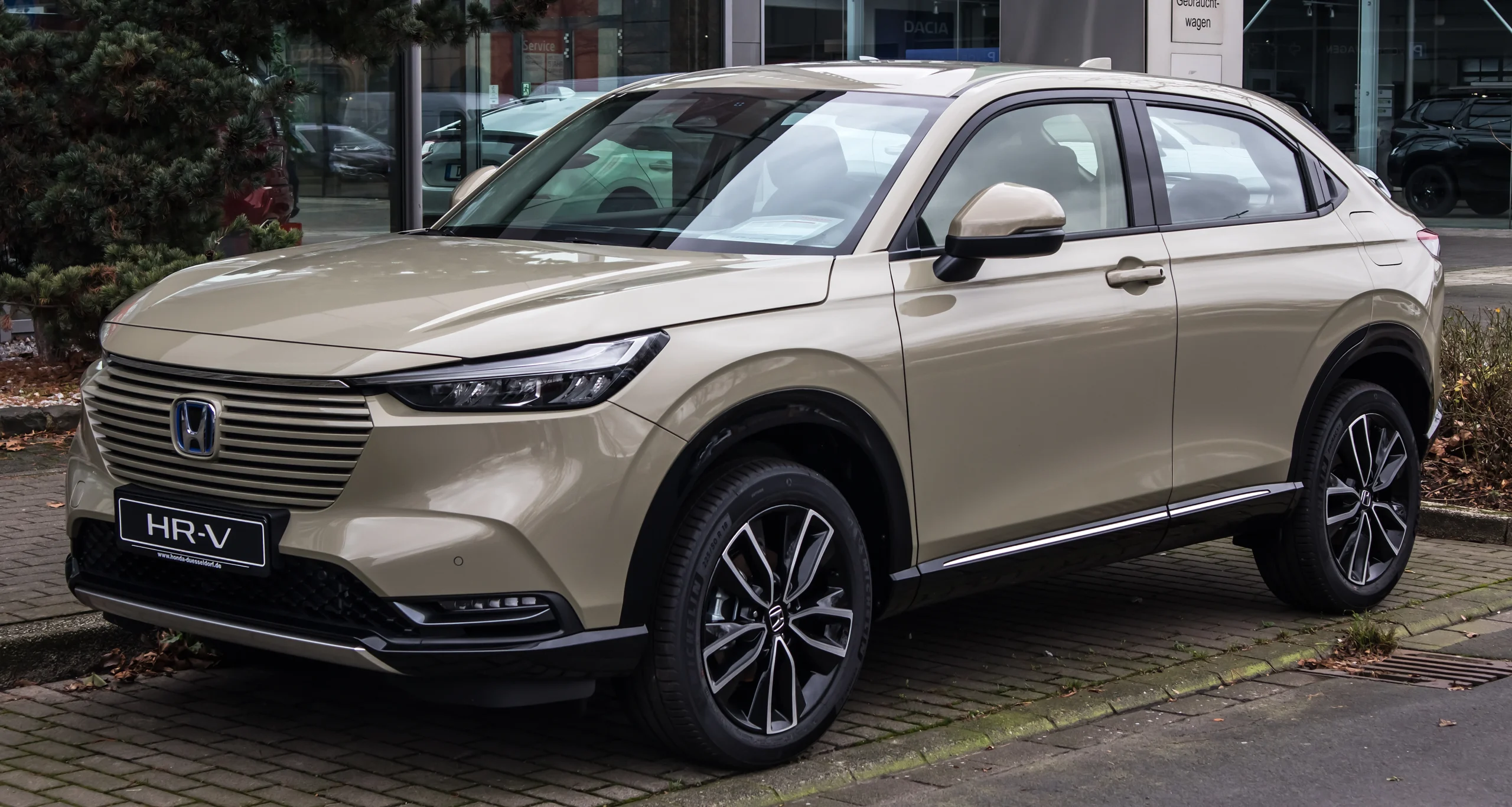
Platform and Mechanical Architecture: Shared or Separate?
The mechanical underpinnings of any vehicle fundamentally dictate its performance, comfort, and reliability, and this is where the CR-V and Vezel exhibit their most critical separation.
The Vezel shares its foundational mechanical architecture, including key chassis components and suspension layout, with Honda’s global small car platform, famously used by the highly practical Honda Fit (Jazz).
This shared DNA explains why the Vezel excels in packaging space efficiently and boasts impressive fuel economy, but it also means it is designed for lighter loads and less demanding driving conditions than its larger counterpart, using components optimized for weight reduction rather than heavy-duty application.
In stark contrast, the CR-V sits on a dedicated, larger Honda compact platform that is shared with other substantial models, ensuring a wider stance, a longer wheelbase, and significantly superior stability, particularly at highway speeds or when navigating uneven surfaces typical of many Kenyan rural routes.
This robust architecture provides better noise insulation, a more compliant ride quality for long-distance travel, and the capability to handle greater passenger and luggage weight without compromising handling dynamics.
For Kenyan importers, understanding the platform is essential because vehicles built on the larger platform often command higher importation duties due to larger engine displacement and overall weight, but they deliver the longevity and durability that many larger families absolutely require for continuous use.
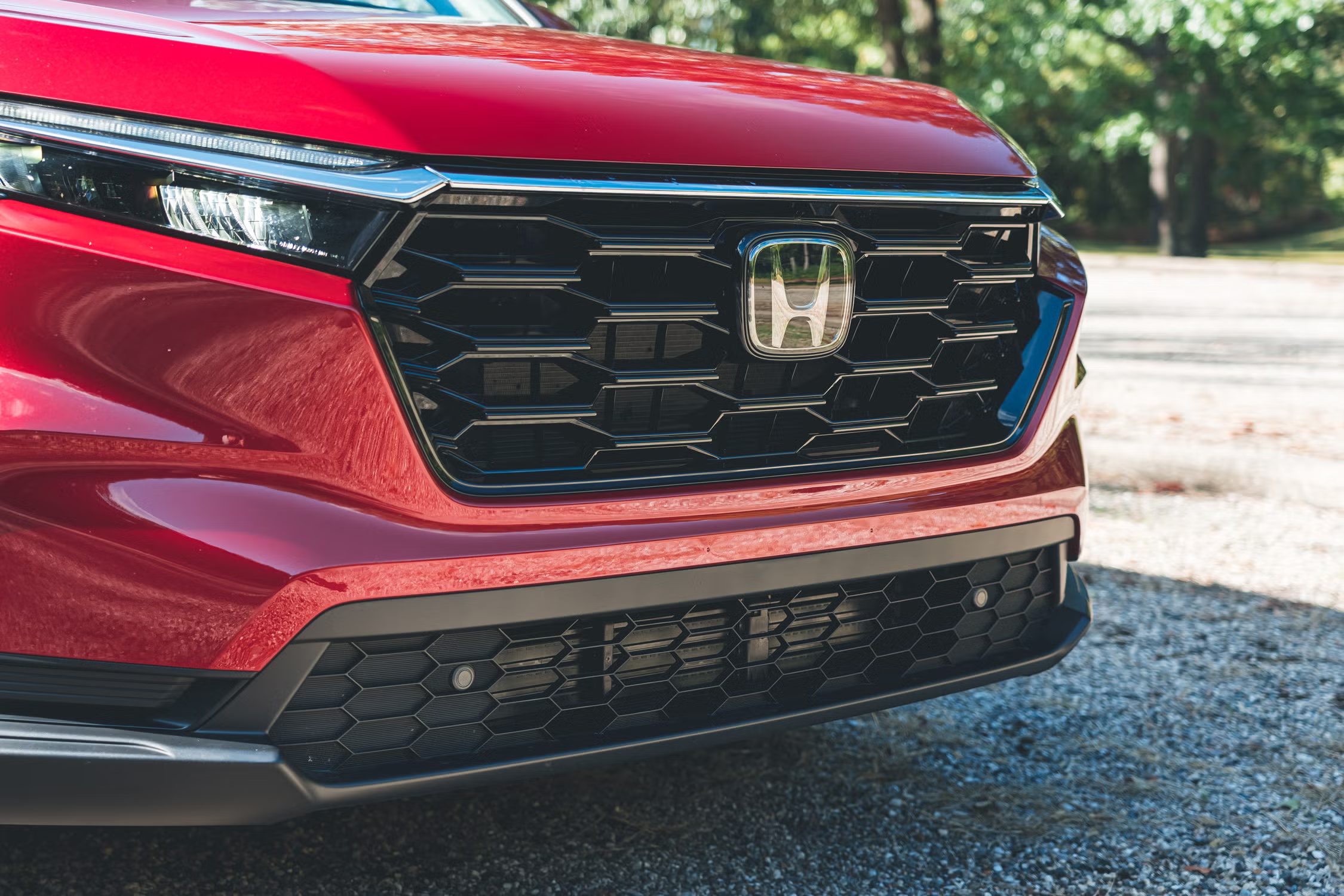
Exterior Styling: Design Language and Brand Identity
While both vehicles carry the distinct, recognizable H-badge, their exterior styling communicates fundamentally different intentions, making it easy to distinguish them once you know what to look for.
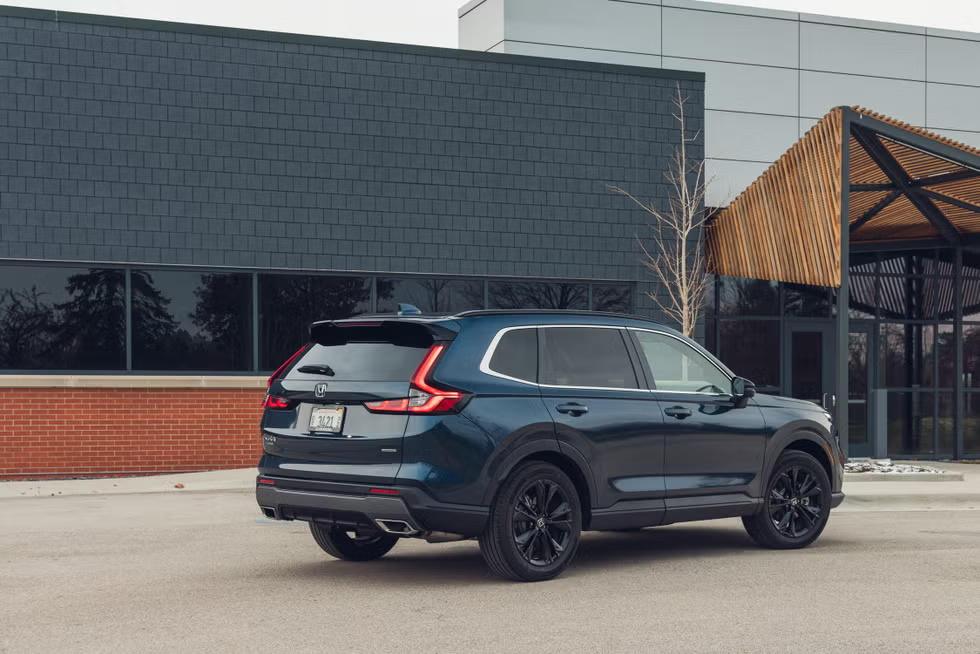
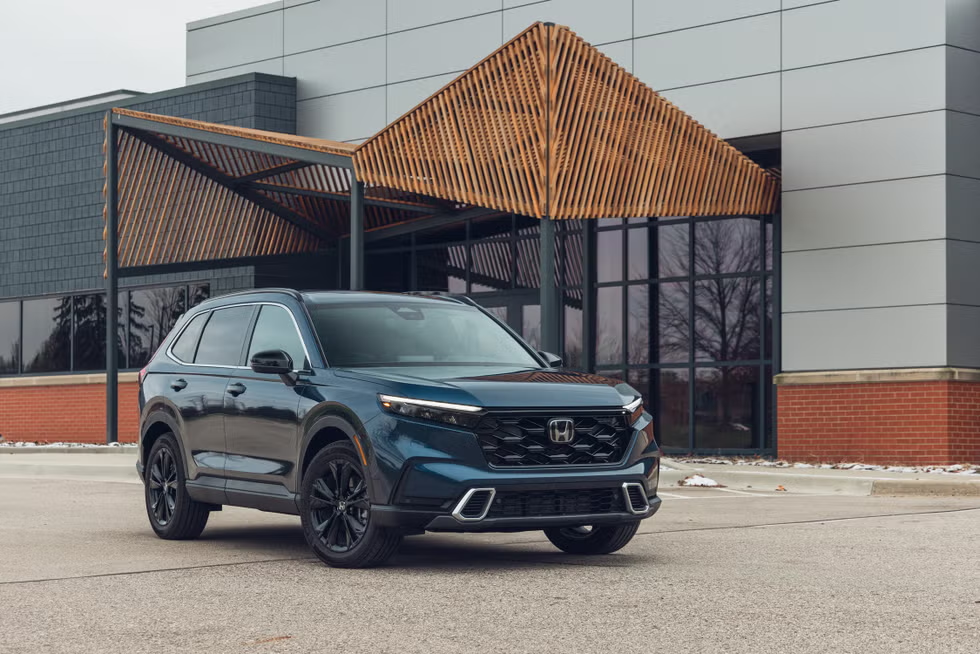
The Honda CR-V typically adheres to a more conventional, robust SUV design language, characterized by a taller roofline, a squarer rear hatch that maximizes cargo space, and more traditional, visible rear door handles.
Its look often emphasizes practicality and status, projecting a solid, reliable image preferred by the established family market.
Recent generations have introduced sharper lines and more aggressive grilles, yet the underlying bulk and commanding presence remain defining features of the CR-V’s identity, allowing it to hold its own against rivals like the Toyota Harrier.
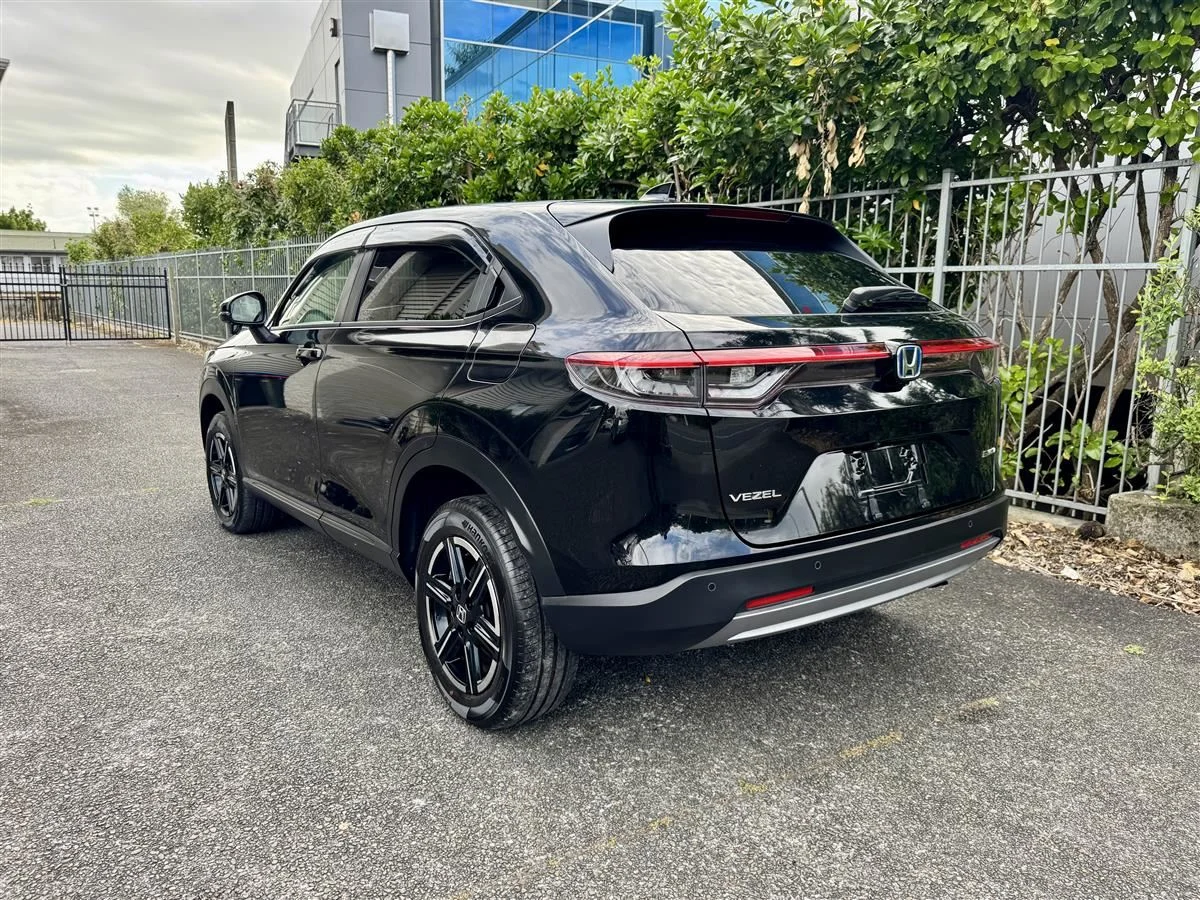
The Honda Vezel, conversely, embraces a more fluid, crossover-coupe aesthetic, designed specifically to inject excitement into the smaller SUV segment.
The most immediate visual difference is the dramatically sloping rear roofline, which gives it a sporty, almost hatchback-like appearance, complemented by cleverly integrated, hidden rear door handles tucked into the C-pillar.
This design trick creates the illusion of a two-door coupe while maintaining four-door functionality, appealing strongly to younger buyers or those who prioritize urban style over absolute cargo capacity.
While both are well-designed vehicles, the CR-V says ‘reliable family transport,’ whereas the Vezel says ‘modern, efficient style,’ reflecting their separate positions in the market hierarchy.
Interior Layout and Technology: Comfort, Space, and Features
Interior design reveals the biggest practical difference between the two models, particularly regarding how space is utilized, which is a key consideration for families in Kenya.
The CR-V offers clearly superior interior volume, especially for rear passengers and luggage, providing generous legroom and shoulder room that can comfortably accommodate five adults and significant baggage for a trip upcountry.
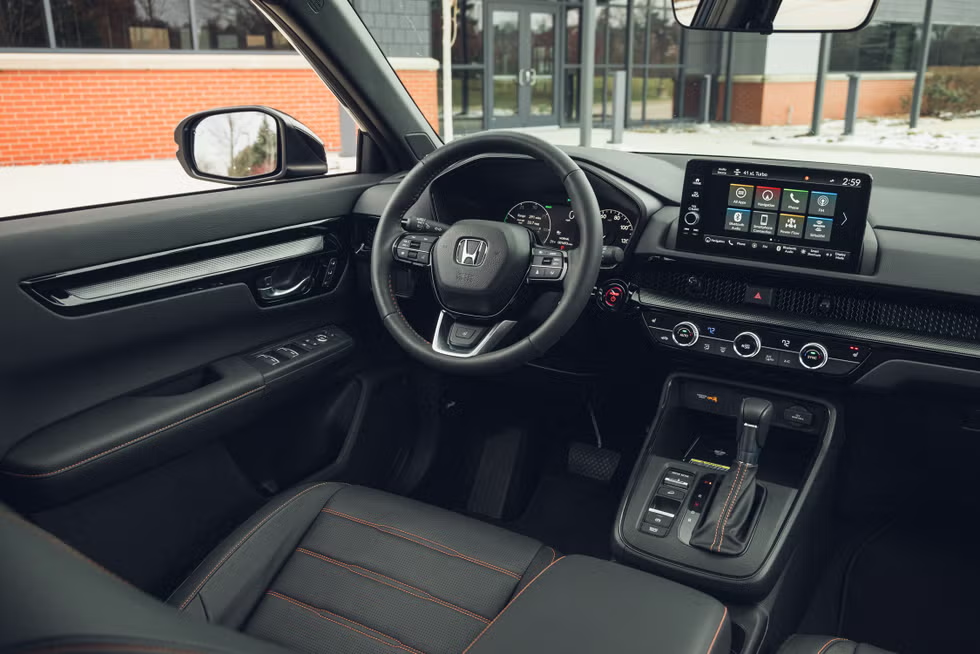
Its dashboards and center consoles are typically designed with robustness and ease of use in mind, featuring larger, more accessible controls and offering higher-end technologies in the latest imported models, emphasizing driver and passenger comfort over high-tech minimalism.
The Vezel’s interior is a masterpiece of compact design, utilizing Honda’s famed “Man Maximum, Machine Minimum” philosophy, but it is inherently smaller.
It features the incredibly versatile Magic Seat system, which allows the rear seat base to flip up like cinema seats, providing tall storage space when needed—perfect for transporting large household items or tall plants from the market.
However, despite this clever seating, the overall cabin volume and dedicated luggage space behind the rear seats are noticeably less than the CR-V’s.
Therefore, while the Vezel excels in flexibility for urban errands, the CR-V remains the uncontested champion for Kenyan families needing to carry substantial luggage for holidays or business, making the larger model a necessity for many buyers.
Performance, Powertrains, and Hybrid Systems
Engine choice is perhaps the biggest factor influencing importation costs and daily running expenses in the Kenyan context, where high fuel prices and specific tax regulations prioritize smaller engines.
Historically, the CR-V has been powered by larger displacement naturally aspirated engines, such as the reliable 2.0L or 2.4L i-VTEC petrol units, offering ample power for highway overtaking and handling fully loaded conditions without strain.
More recent generations, particularly those imported from Japan and the UK, feature turbocharged 1.5L engines or advanced hybrid systems, providing CR-V power with improved fuel economy, though these newer, complex hybrids may require specialized maintenance attention.
The Vezel’s powertrain lineup is fundamentally geared towards efficiency and lower import duty.
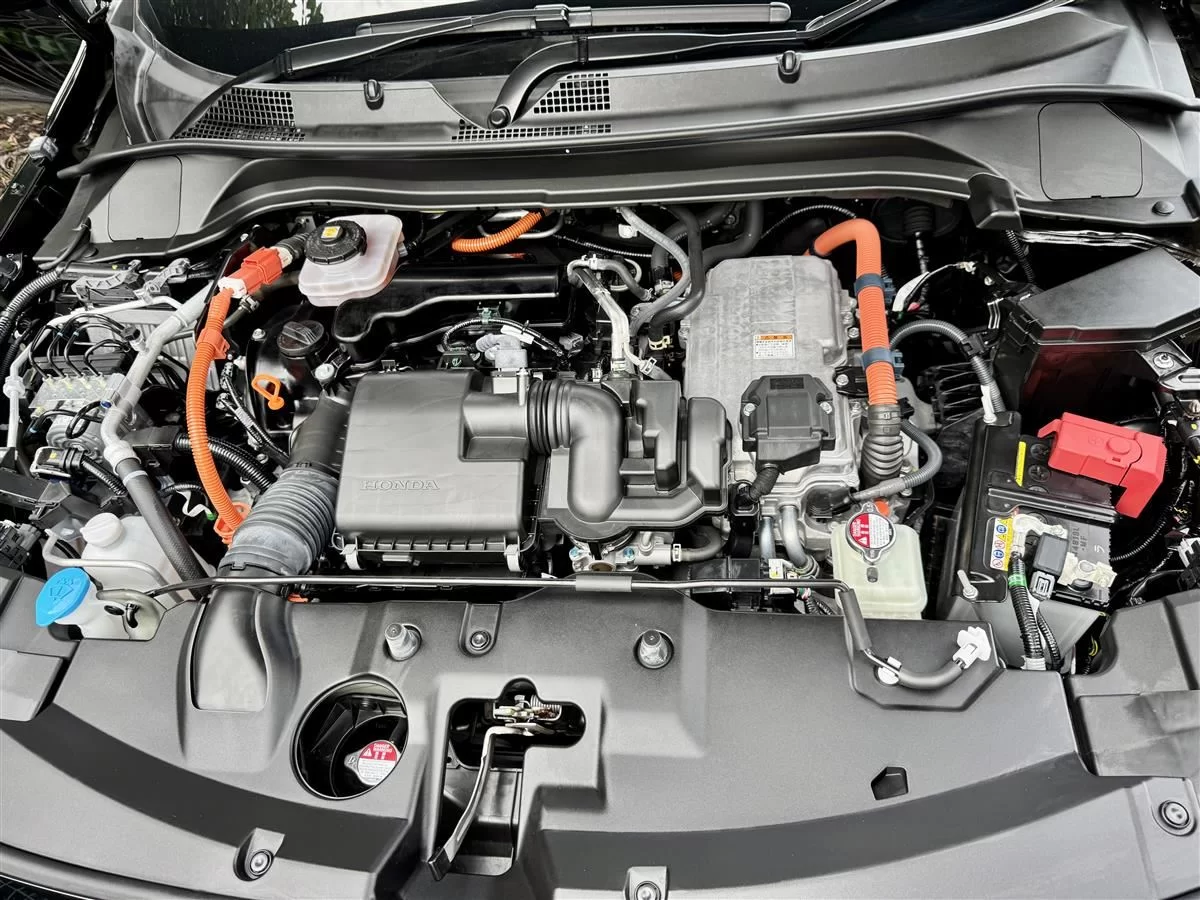
The common Kenyan-imported Vezel features either a non-turbo 1.5L petrol engine or, more popularly, the sophisticated 1.5L i-DCD (Intelligent Dual Clutch Drive) hybrid system.
This hybrid configuration offers exceptional urban mileage—often achieving real-world figures that significantly reduce weekly fuel bills compared to the larger CR-V—making the Vezel financially appealing for commuting in traffic-heavy cities like Nairobi.
When helping clients import, we often advise them to compare the long-term savings from the Vezel’s lower fuel consumption against the immediate upfront cost difference, ensuring they select a car whose performance aligns perfectly with their expected usage, mileage, and maintenance budget.
Pricing, Market Positioning, and Regional Availability
In Kenya, the pricing difference between the Vezel and CR-V is substantial, reflecting their distinct market positioning.
The Vezel serves as an excellent entry point into the reliable Honda crossover family, priced considerably lower due to its smaller engine size (leading to lower import duty) and its status as a subcompact vehicle.
It targets the aspirational young professional or the downsizing urbanite who wants reliability and style without the financial commitment of a full-sized SUV.
Because of the direct relationship between engine size and Kenyan duty calculation, the 1.5L Vezel is far more affordable to land in Mombasa than a 2.0L or 2.4L CR-V of the same year and mileage.
The CR-V, on the other hand, is positioned as a premium family vehicle, occupying a higher price bracket, which is fully justified by its superior space, larger platform, and frequently higher trim levels in imported Japanese units.
While buying locally from a yard might expose buyers to exaggerated markups on both models, the benefit of importing directly through a trusted partner like Enan Motors is transparency; we provide verifiable pricing down to the last shilling, including duty, freight, and registration costs.
This ensures that whether you choose the efficient Vezel or the spacious CR-V, you know the true cost and quality upfront, giving you confidence that you are not settling for limited available cars but choosing the perfect vehicle for your budget.

Owner Insights: Reliability, Maintenance Costs, and Resale Value
Kenyan owners generally hold both the Vezel and the CR-V in high regard for their legendary Honda reliability, a feature that translates directly into lower stress and predictable maintenance costs over several years of ownership.
Both models benefit from readily available genuine and aftermarket spare parts within the local market, making routine servicing straightforward and accessible, unlike some imported luxury rivals such that might require specialized tools or lengthy waiting periods for components.
However, specific owner experiences do diverge based on the model’s complexity.
The Vezel, particularly the hybrid version commonly imported, is incredibly reliable, but owners must be aware of the specific maintenance requirements for its i-DCD hybrid system, including the health of the battery and specialized gearbox fluid changes, which requires a competent mechanic.
Conversely, the non-turbo CR-V powertrains are mechanically simpler and extremely durable, often proving slightly less complex to maintain locally, although their consumption of fuel is higher.
Both models maintain excellent resale value in Kenya, a testament to the Honda brand’s strength, meaning your investment is protected regardless of your choice.
To gain clarity on the condition of any unit before buying, About Enan Motors is built on the principle of providing full transparency, giving buyers access to detailed pre-purchase inspection reports from Japan to truly know the quality before the ship even sets sail.
Conclusion
The crucial takeaway is that while the Honda Vezel and CR-V share the same reputable manufacturer, they are fundamentally different machines engineered for separate purposes and markets.
The Vezel is the smart, fuel-efficient choice for urban professionals and smaller families, offering contemporary styling and manageable dimensions, perfectly suited to navigating congested city streets.
The CR-V, with its expansive interior, robust platform, and traditionally larger engines, remains the preferred option for established families needing superior space, versatility, and long-haul comfort for diverse Kenyan terrain.
Your decision should ultimately be guided by a clear assessment of your daily needs—is it maximum economy, or maximum space?
The best way to ensure you make the right choice that perfectly fits your requirements and budget is by leveraging the power of direct importation from Japan.
This process eliminates the guesswork and allows you to access verified auction data, ensuring you purchase the specific model, trim, and condition you desire, free from local yard markups or misrepresented quality.
If you are ready to compare the true landed costs of a high-spec Vezel versus a capable CR-V, focusing on genuine value and verifiable quality, we invite you to start your transparent Import process with us.
Don’t settle for limited local options; Message us on WhatsApp today to discuss your perfect Honda crossover and unlock the savings and quality assurance that direct importing provides.
FAQ
- Which is more fuel-efficient, the Honda Vezel or the CR-V?The Honda Vezel is generally far more fuel-efficient than the CR-V, primarily because of its smaller engine displacement—typically 1.5L, often paired with a highly efficient hybrid system—and its lighter overall weight, making it an excellent choice for navigating stop-and-go traffic in Kenyan cities.
While modern CR-V models, particularly the 1.5L turbo variants, have drastically improved their efficiency, they cannot match the Vezel‘s urban mileage, especially when comparing non-hybrid CR-V models against the hybrid Vezel, which often delivers consumption figures nearing 20 km/l in ideal conditions, providing significant savings on daily running costs.
- Is the Honda CR-V better for Kenyan roads than the Vezel?For general all-round use, particularly involving highway travel or regular use on unpaved or rougher upcountry roads, the CR-V is arguably better suited for Kenyan conditions due to its larger platform, longer wheelbase, and typically superior ground clearance, which contributes to stability and durability.
While the Vezel is adequate for standard paved roads, the CR-V’s more robust suspension setup is better equipped to absorb the impact of potholes and uneven surfaces, offering a more comfortable and resilient ride, especially when fully loaded with passengers and luggage.
- Why are Honda Vezels so popular for importation into Kenya?Honda Vezels are immensely popular for importation primarily due to their favorable combination of price, efficiency, and aesthetics, which perfectly align with the typical requirements of the Kenyan buyer.
Since import duty is heavily calculated based on engine capacity (CCs), the Vezel’s smaller 1.5L engine incurs significantly lower taxes and duties compared to larger vehicles, making the final landed cost highly competitive.
Additionally, their reputation for reliability and the stylish, modern design appeal strongly to the younger, aspirational demographic looking for an economical but prestigious vehicle.
- Does the size difference between the Vezel and CR-V affect import duty in Kenya?Yes, the size difference indirectly but significantly affects the import duty payable in Kenya, largely through the associated engine displacement.
The CR-V tends to feature larger engines (2.0L and above) in older generations, while the Vezel almost exclusively uses 1.5L engines.
Kenyan KRA import duty calculations heavily penalize larger engine capacities, meaning a smaller-engined Vezel will generally attract thousands of shillings less in customs duty and related taxes than a CR-V of the same year, making the Vezel substantially cheaper to bring into the country.
- Which model holds its resale value better in the Kenyan market?Both Honda models demonstrate excellent depreciation resistance and maintain strong resale value in Kenya, reflecting the high demand for reliable, Japanese-imported vehicles.
Historically, the CR-V has had a slight edge due to its status as a more capable family vehicle that appeals to a wider, more established market segment.
However, the Vezel’s popularity, coupled with its hybrid efficiency, means that clean, well-maintained units are also snapped up quickly at competitive prices, essentially assuring that an investment in either model from a reputable source like Enan Motors offers good financial security.