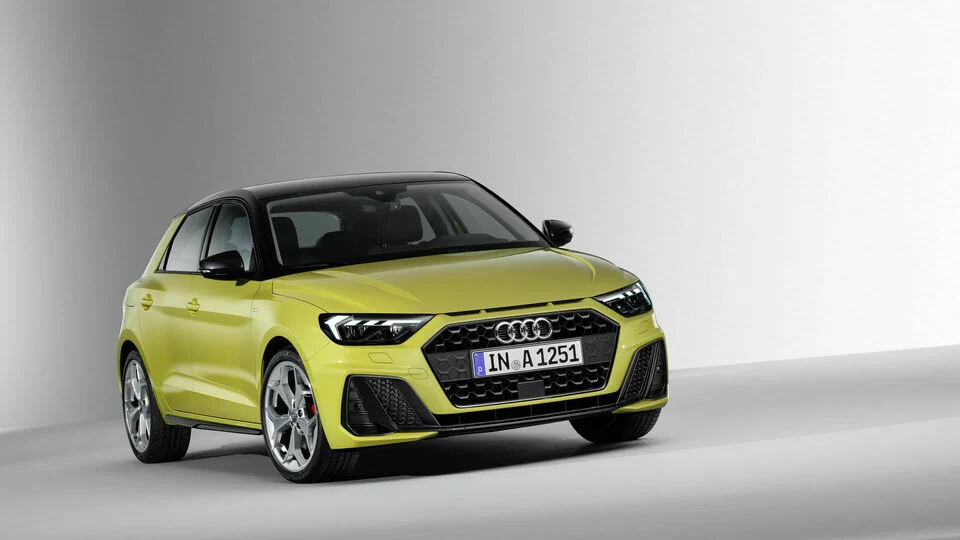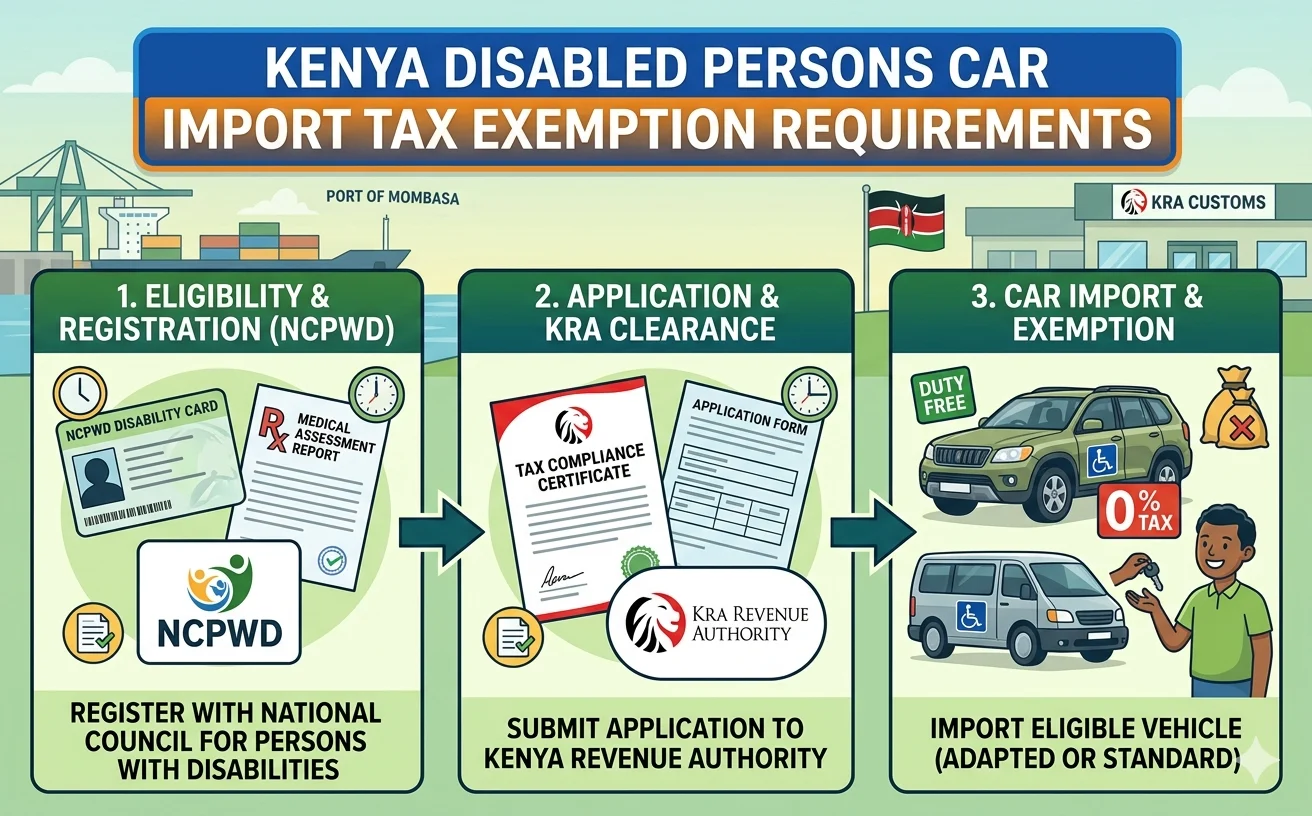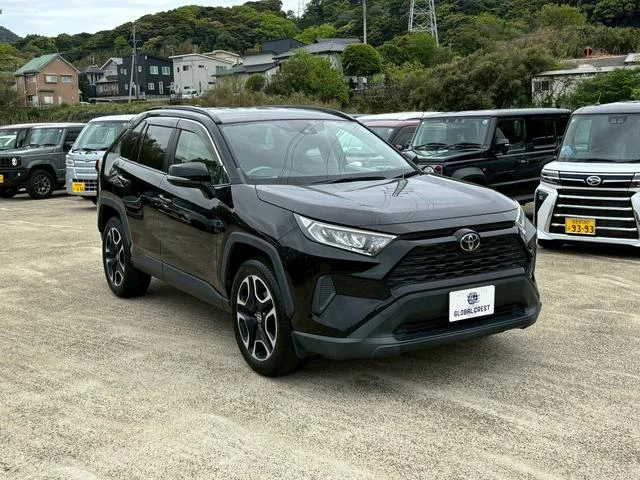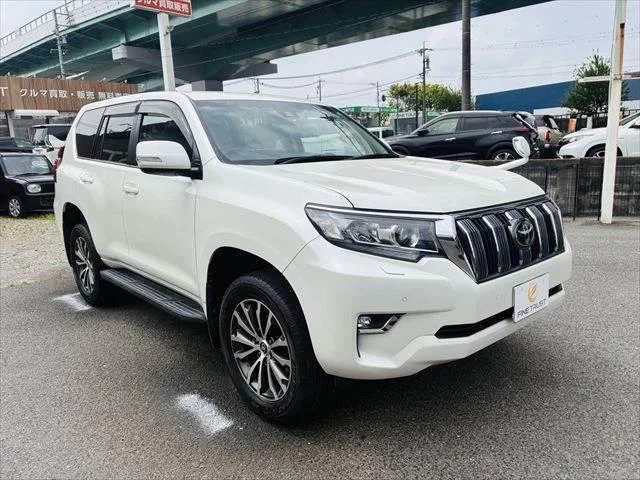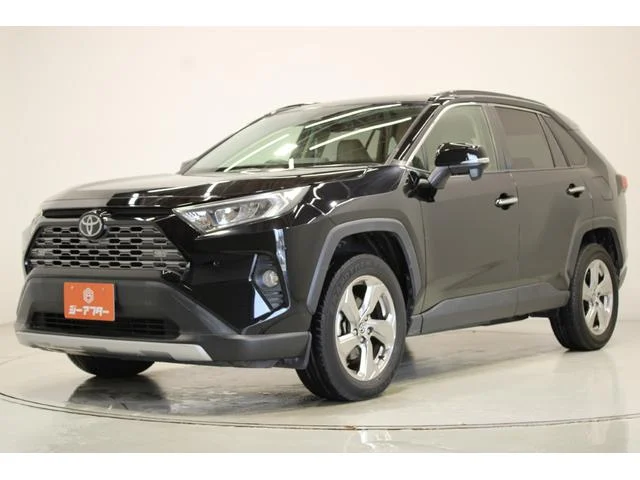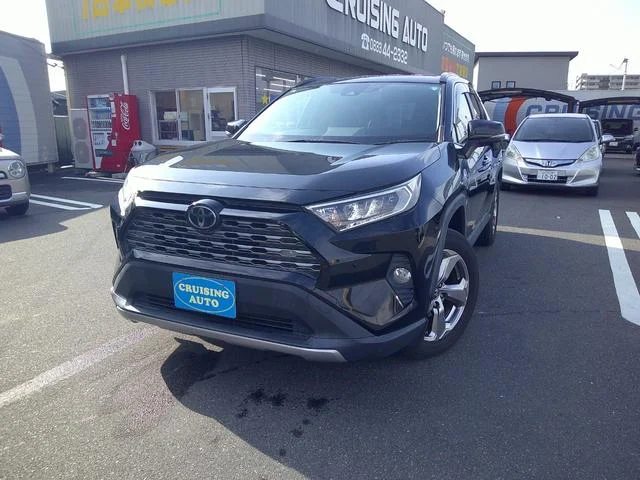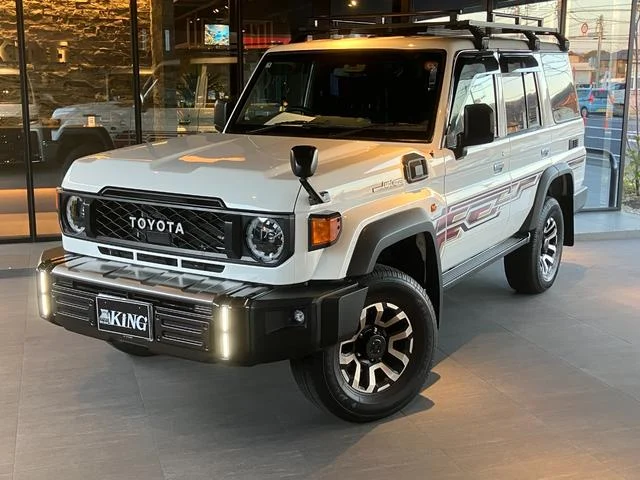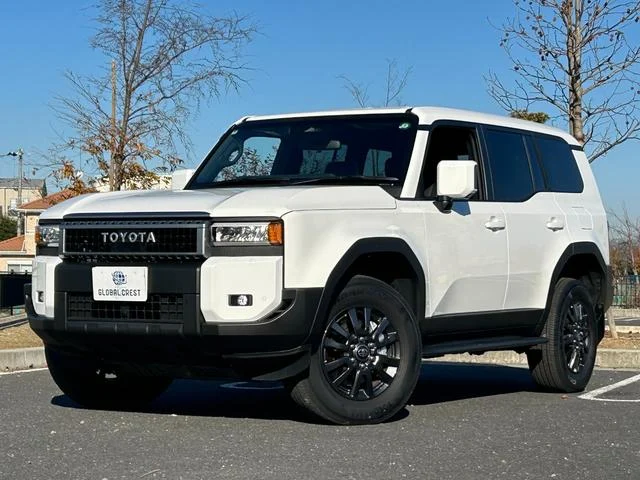

Introduction: Why the Honda CR-V Is Popular in Kenya
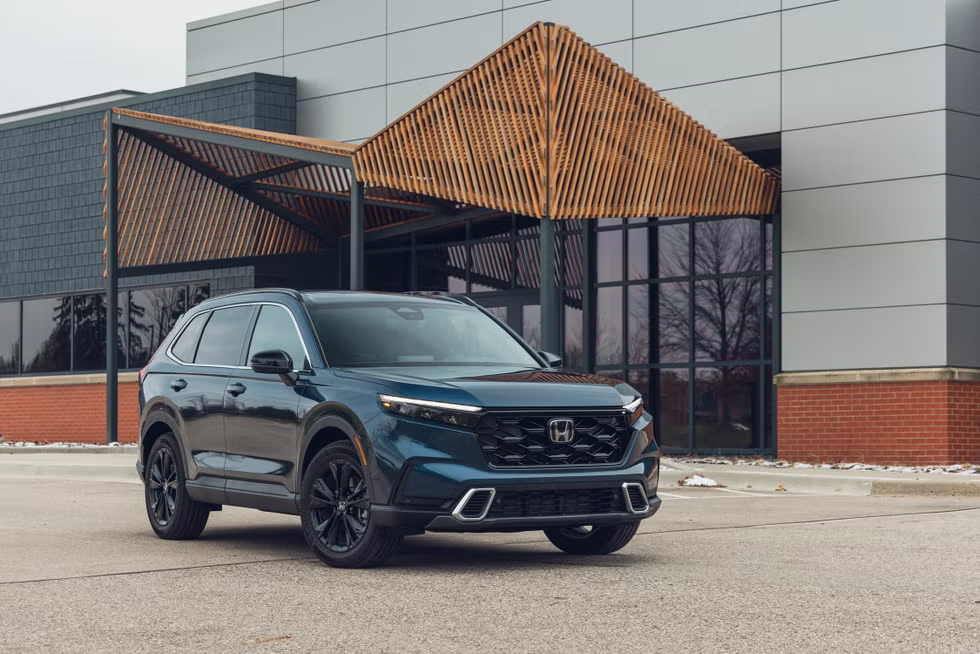
The Honda CR-V has established itself as a cornerstone in Kenya’s compact SUV market, appealing strongly to middle-class families and young professionals who prioritize dependability and practicality over sheer luxury or off-road ruggedness, positioning it as a smart alternative to ubiquitous options.
Its enduring popularity stems from a remarkable blend of attributes tailored perfectly for the local environment, including adequate ground clearance to handle varied Kenyan road surfaces, excellent fuel efficiency from its reliable petrol engines, and the famous Japanese reliability that ensures low maintenance costs over long periods of ownership.
Furthermore, the spacious cabin and large boot make it an ideal choice for urban commuting, weekend trips upcountry, and handling the demanding logistics of Kenyan family life without sacrificing comfort or safety, which is why prospective buyers frequently ask about the precise costs associated with bringing one into the country.
Kenyan buyers are discerning, understanding that while models like the Toyota Land Cruiser Prado offer unmatched durability, the CR-V delivers a better balance of comfort, economy, and performance for daily use in urban centres like Nairobi and Mombasa.
This quest for the perfect balance often leads buyers to the Japanese market, where they can find well-maintained, high-grade examples that haven’t been subjected to the high wear and tear often seen on locally traded cars.
When you choose to import directly, you are not just purchasing a car; you are securing peace of mind, as you gain access to the actual auction sheet and detailed condition reports, guaranteeing that the quality matches the price tag, a level of transparency often missing from local car yards whose primary goal is maximizing profit margins.
Current 2026 Honda CR-V Models Available in Kenya
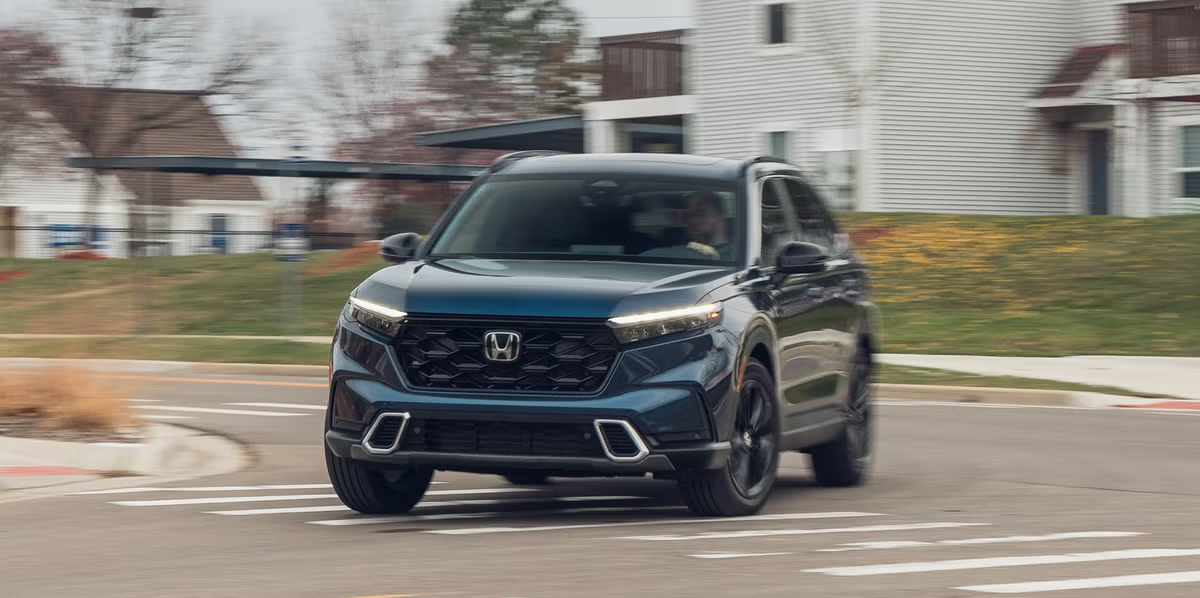
While the designation “2026” refers to the latest global production cycle of the Honda CR-V—which might only be available brand new through official local franchises or as special order imports—the vast majority of CR-Vs entering the Kenyan market adhere to the 8-year import rule, meaning the most commonly available used imports are typically 2019 to 2024 models.
These imported generations (the 4th Gen RM and the 5th Gen RW) offer varying engine specifications, including the highly efficient 1.5-liter turbocharged engine or the robust 2.4-liter naturally aspirated engine, which dictates performance characteristics and subsequent fuel consumption patterns in the Kenyan environment.
Buyers need to be aware that the 1.5L Turbo variants, while offering modern power and efficiency, sometimes require specific maintenance considerations, whereas the older 2.4L engines are mechanically simpler and well-understood by local mechanics, which impacts the long-term total cost of ownership.
When searching for a CR-V in Kenya, distinguishing between the different trims available through the Japanese market is crucial, as features like all-wheel drive (AWD), leather interiors, and advanced safety sensing technology significantly affect the final price and resale value.
For instance, a 2019 5th generation CR-V (RW chassis) in the highest grade (e.g., EX-L or Touring equivalent) imported directly from Japan will naturally command a price closer to KES 4.2 million, contrasting sharply with a lower-grade 2016 model (RM chassis) which might retail for KES 2.8 million from a local dealer.
Our experience at Enan Motors shows that buyers focusing only on the year often overlook the condition grade, which is why we guide clients through the verified auction sheets, ensuring that the 4.0 or 4.5 grade vehicle they select truly justifies the investment and avoids the costly hidden defects sometimes found in misrepresented stock.
Official Honda Kenya Pricing for Each CR-V Trim
Establishing the ‘official’ price for a Honda CR-V in Kenya requires looking at two distinct markets: the price of a brand-new vehicle sold by official distributors and the price of an imported used unit, which forms the core of the market.
A brand new, latest-generation Honda CR-V purchased locally from an authorized dealer will easily exceed KES 8 million due to high taxation, logistics costs, and corporate overheads, placing it out of reach for most Kenyan consumers who prefer the reliability of Japanese used imports.
Conversely, the price of the used import is primarily driven by the CIF (Cost, Insurance, and Freight) value from Japan plus the KRA duties—a combination often resulting in a landed cost that is 50% to 70% lower than the brand-new local showroom price, representing a massive saving for the consumer who is willing to manage the import process efficiently.
The precise cost structure for an imported CR-V is transparent and itemized, unlike the opaque pricing structure often employed by local car yards, which bundle the duties, logistics, and their substantial profit margin into one non-negotiable figure.
For example, the duty calculation for a typical 2017 Honda CR-V 1.5L Turbo, valued CIF at roughly KES 1.5 million, involves specific Excise Duty, VAT (16%), Import Declaration Fees (IDF), and Railway Development Levies (RDL), easily adding another KES 1.8 million to the landed cost before importer fees.
This detailed breakdown highlights why direct importation is the financially smarter choice; when you use a trusted partner like Enan Motors, you pay the true cost of duties and the exact Japanese price, eliminating the unnecessary markups that local yards impose simply for holding the car on their lot for a few weeks.
Factors Influencing the CR-V Price in Kenya
Several critical factors specifically tailored to the Kenyan regulatory environment influence the final cost of a Honda CR-V when it lands in Mombasa, and these must be meticulously tracked to predict the final buyer price accurately.
Chief among these is the 8-year rule, which dictates that no vehicle older than eight years from the date of first registration can be imported into the country, severely limiting the available stock and ensuring that only specific, relatively modern models make it to the local roads.
Furthermore, the fluctuating exchange rate between the Kenyan Shilling and the Japanese Yen (JPY), combined with the US Dollar (used for duty valuation), can cause weekly changes in the duty calculation, requiring potential importers to lock in pricing swiftly when the rates are favourable to avoid unexpected jumps in their budget as a result of currency volatility.
Beyond the legal and financial factors, the aesthetic and mechanical condition documented in the Japanese auction sheet profoundly impacts the vehicle’s value and eventual Kenyan selling price.
A highly sought-after Grade 4.5 CR-V with verified low mileage (under 50,000km) will always demand a premium of KES 300,000 to KES 500,000 over a Grade 3.5 vehicle which might have minor paint repairs or interior wear, irrespective of the two vehicles having the exact same model year.
This grading system provides the necessary consumer protection and confidence that Kenya buyers often crave, enabling them to make an informed decision between a cheaper car with known flaws and a slightly pricier car that guarantees minimal immediate maintenance expenditure, highlighting why transparency is paramount in the import business.
This is also important when considering rival vehicles in the market, as premium options like the Mercedes GLE or the robust Lexus LX 600 often lack the consistent, verifiable auction history common among Japanese imports, making their local quality harder to ascertain.
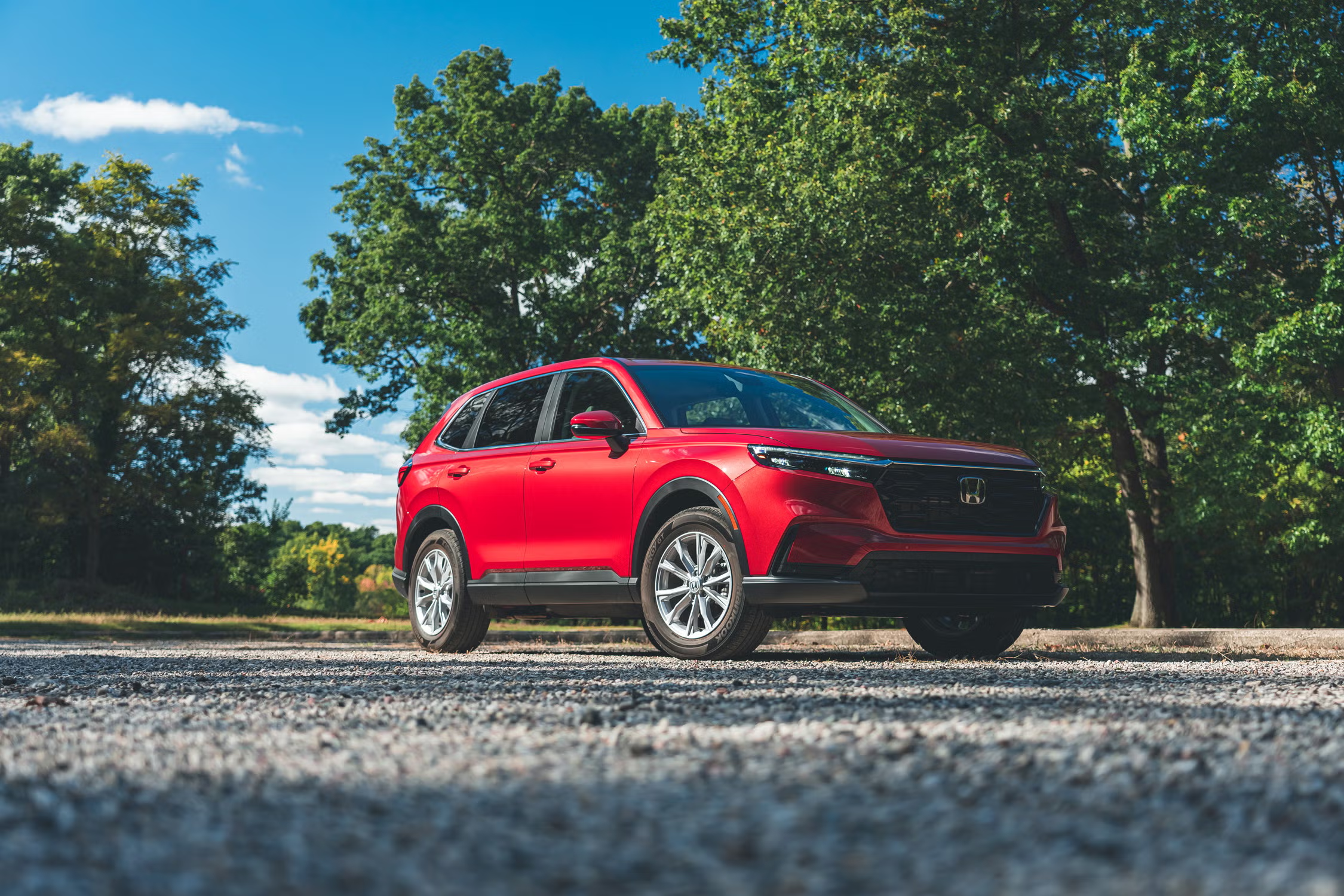
Comparing CR-V Prices Across Major Kenyan Dealerships
A comparative analysis of prices between major Kenyan dealerships and direct importation reveals a significant financial divergence, often shocking buyers who are accustomed to relying solely on local showroom stock advertised along Mombasa Road or Ngong Road.
Local dealerships bear the operational costs of maintaining large premises, paying high rents, employing numerous staff, and covering inventory financing, all of which are ultimately passed directly to the consumer through inflated vehicle prices; this often results in a KES 400,000 to KES 800,000 premium on a standard Honda CR-V compared to sourcing the exact same vehicle through a direct importer.
When you inspect a dealer’s stock, you are viewing vehicles whose quality assessment was done by the dealer themselves, whereas opting for direct sourcing allows you to select from thousands of verified listings in Japan and see the independent, impartial assessment provided by the Japanese auction system before any money changes hands.
For instance, a 2019 Honda CR-V 2.0L in good condition might be listed at a major Nairobi yard for KES 4.7 million, marketed as “ready stock” for immediate collection, which appeals to buyers needing urgent transport.
However, the same grade, mileage, and colour vehicle could be sourced directly from a Japanese auction house for a total landed cost (including duties and fees) of approximately KES 4.3 million, representing significant savings that can be put toward insurance or personalized upgrades.
We always encourage prospective clients to browse our real-time Inventory to see the current market rates in Japan, allowing them to benchmark local yard prices against the transparent, documented costs of direct import, recognizing that vehicles like the Volkswagen Tiguan or Mazda CX 5 are similarly affected by these dealer markups when sourced locally.
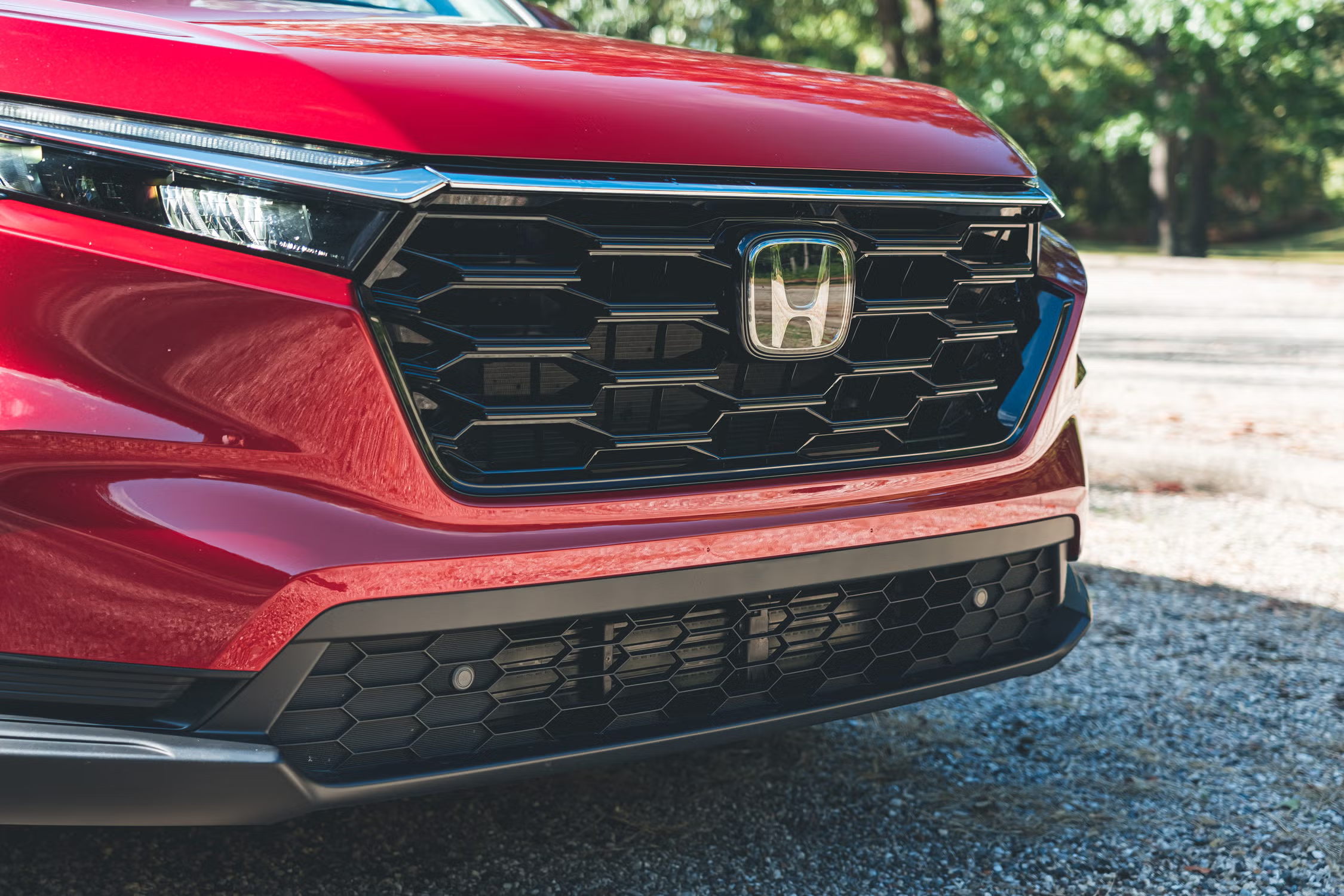
Financing Options and Total Cost of Ownership
Purchasing a Honda CR-V in Kenya often involves utilizing specific financing products tailored to the local market, primarily revolving around bank loans, SACCO financing, or micro-finance institutions, given that the outright purchase cost usually exceeds immediate liquid savings.
Most Kenyan financial institutions offer up to 70% or 80% financing on the vehicle’s value, requiring the buyer to put down a deposit of 20% to 30%, meaning a buyer targeting a KES 3.5 million CR-V would need roughly KES 700,000 to KES 1.05 million as a deposit plus the initial importing/duty fees if importing directly.
Structuring the payment through an import agent like Enan Motors often smooths this process, as we can provide the necessary documentation and valuations required by the bank for loan approval before the vehicle even leaves Japan, simplifying the often complicated logistics of securing large asset finance for an offshore purchase.
The Total Cost of Ownership (TCO) for a CR-V in Kenya remains one of its most attractive features, solidifying its status as a reliable family vehicle compared to more demanding imported options like the BMW X6.
Honda parts, though sometimes slightly pricier than Toyota spares, are readily available through local distributors and independent suppliers, ensuring that routine servicing and unexpected repairs do not result in prolonged downtime or prohibitive costs.
Comprehensive motor insurance in Kenya typically ranges from 3.5% to 5% of the vehicle’s valuation annually, adding approximately KES 100,000 to KES 150,000 per year for a mid-range CR-V, an essential expense that protects the owner’s significant investment.
Furthermore, the reliable engines and reputation for longevity mean major component failure is rare, ensuring that the depreciation rate remains relatively low compared to lesser-known imported brands, adding to the vehicle’s long-term financial viability.
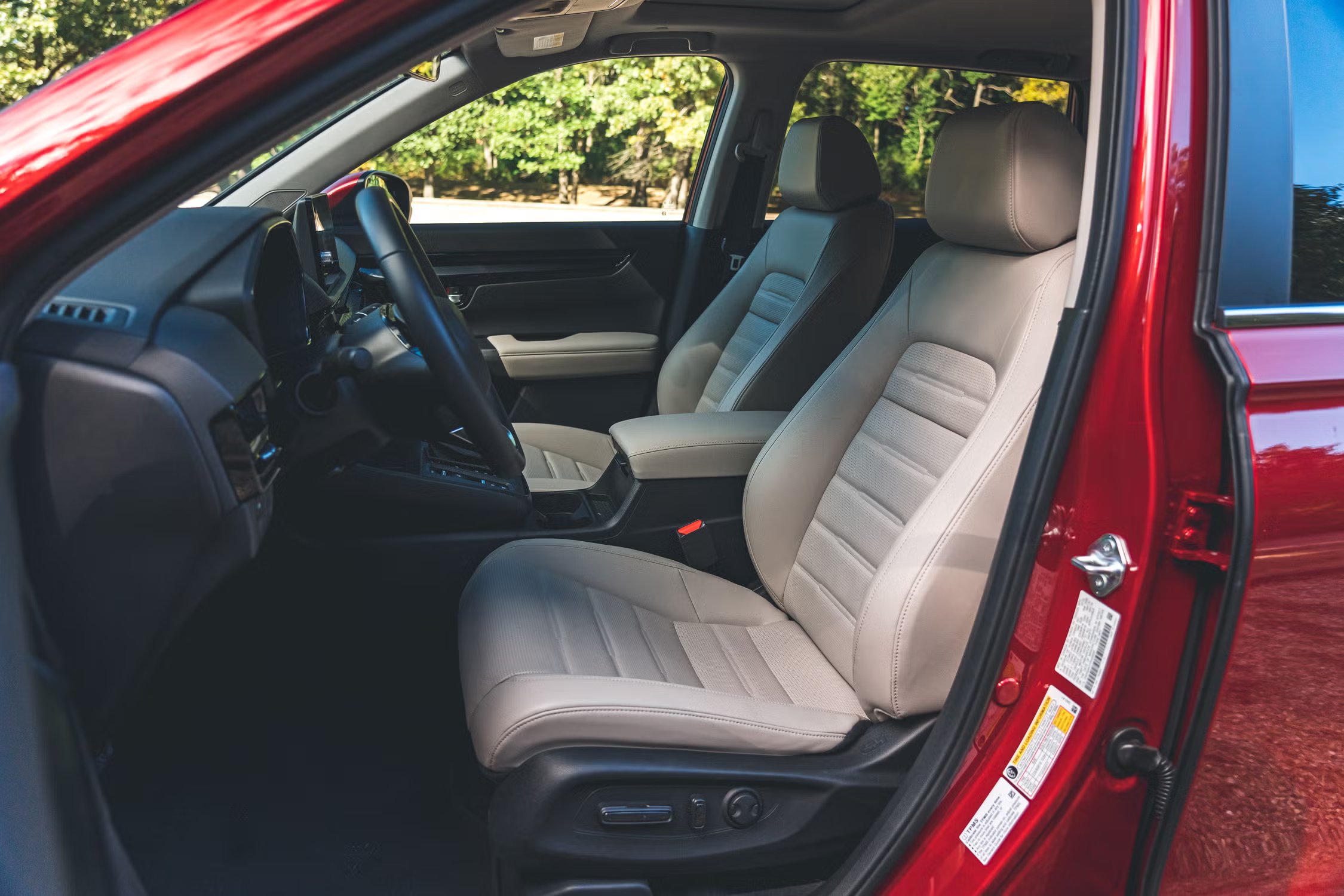
How to Get the Best Deal on a CR-V in Kenya
Securing the best deal on a Honda CR-V involves moving away from the conventional buying habits of only surveying local yards and embracing the global, transparent sourcing power of the Japanese auction system.
The primary strategy should always be quality verification: insist on seeing the original Japanese auction sheet, which provides an unbiased assessment of the vehicle’s body condition (R, A, or C ratings) and interior quality, giving you the power to negotiate or reject vehicles with undisclosed damage.
Targeting specific, high-grade models directly through auctions allows you to bypass the hefty intermediary markups prevalent in the Kenyan market, a strategy that often saves hundreds of thousands of shillings while guaranteeing a higher quality vehicle compared to a similar local purchase, making it worthwhile to wait the standard 6 to 8 weeks for shipping.
Choosing a reputable direct importer is the single most critical decision, as their established relationships in Japan and understanding of KRA regulations protect you from logistical nightmares, unforeseen duty hikes, and the risk of purchasing a low-grade vehicle.
At Enan Motors, we simplify this entire complex process, providing end-to-end guidance from the initial selection of the vehicle in Japan to its final delivery and registration in Nairobi, ensuring absolute transparency in all duty and shipping costs so you know exactly what you are paying for every step of the way.
If you are ready to stop settling for the limited options available locally and instead find the high-grade Honda CR-V that perfectly meets your specifications—perhaps even a reliable competitor like the Toyota Harrier—we invite you to Message us on WhatsApp today to begin viewing the currently available auction listings that fit your exact budget and quality requirements.
Furthermore, timing your purchase strategically based on the Japanese auction cycles and the fluctuating Kenyan Shilling exchange rate can shave a significant amount off the final cost, as certain times of the year see better auction supply which drives prices slightly lower in Japan.
Unlike dealing with a local yard where the price is fixed, working with an experienced importer allows you to bid strategically, leveraging the direct market intelligence we possess to avoid overpaying for popular models like the CR-V or the Mazda Axela.
Our expertise in navigating complex KRA tariff codes ensures that the duty paid is the correct, legally calculated amount, preventing costly penalties or delays that often plague inexperienced importers, allowing you to drive away knowing you secured the highest quality vehicle at the absolute best landed price. Contact the team at Call us for a detailed, no-obligation breakdown of the cost involved in importing your ideal compact SUV directly to Kenya.
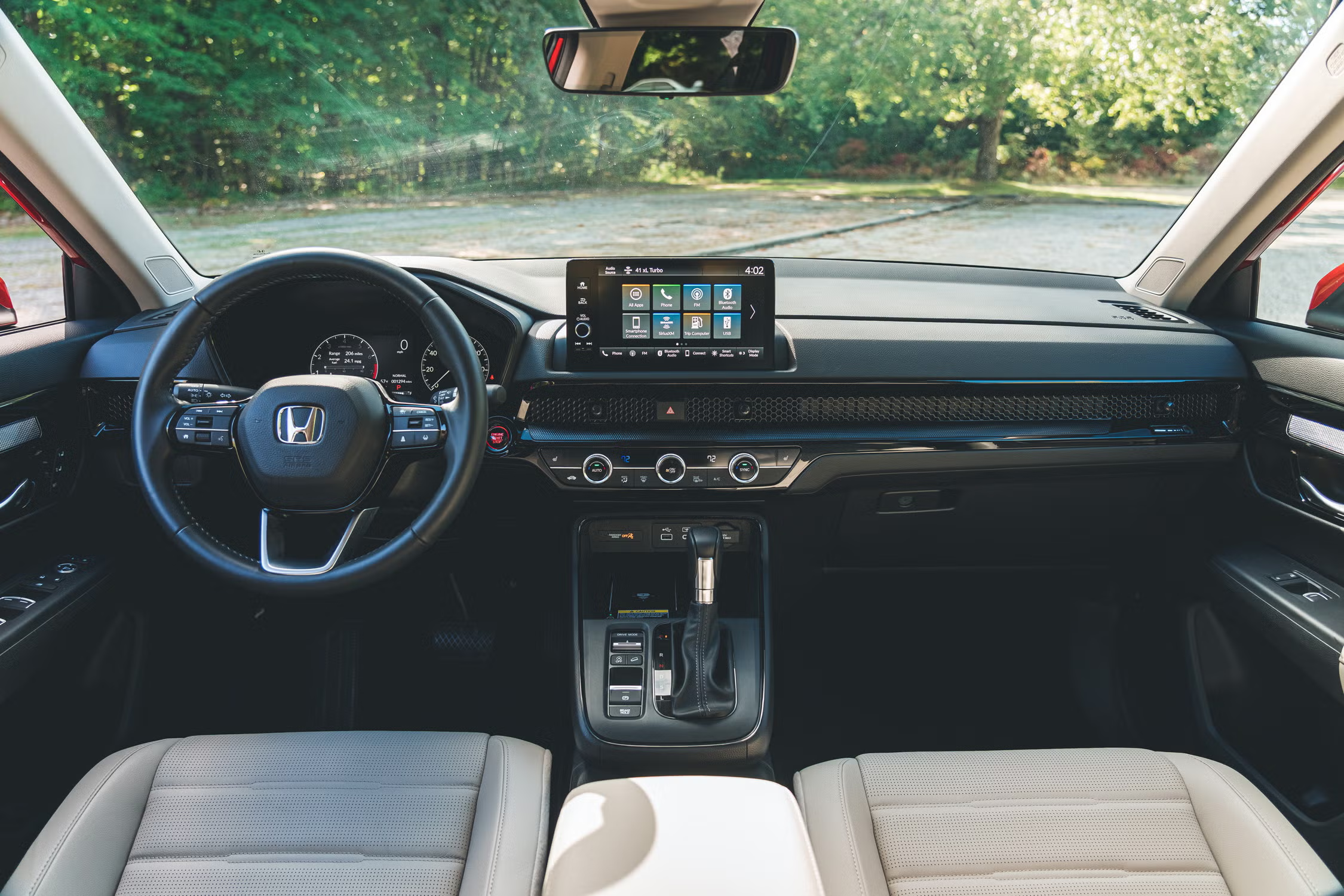
Conclusion
The Honda CR-V remains a highly sensible and sought-after vehicle in the Kenyan market, offering a superior balance of size, reliability, and economical running costs, justifying its average price range of KES 2.5 million to KES 4.5 million for quality used imports.
While local dealership prices offer convenience, they come with a hefty premium and often a lack of verifiable history, a risk that smart buyers are increasingly unwilling to take when spending millions of shillings.
The best approach is always direct importation from Japan, a strategy that prioritizes transparency, verified quality through auction sheets, and financial savings by eliminating unnecessary yard markups, giving you access to cleaner, lower-mileage vehicles than those typically stocked locally.
If you are serious about owning a high-grade CR-V and want to ensure your investment is protected by expert guidance through the entire logistics and customs process, choose a proven partner like Enan Motors; we empower you with the facts to secure your vehicle with confidence and exceptional value.
FAQ
- Is the Honda CR-V expensive to maintain in Kenya compared to a Toyota RAV4?The Honda CR-V is generally slightly more expensive to maintain than the ubiquitous Toyota RAV4, primarily because certain specialized parts might not be as universally stocked by independent Kenyan mechanics as the equivalent Toyota components, which benefits from its massive market share.
However, routine service items (oil filters, brake pads, basic suspension components) are readily available and competitively priced, especially for the 4th and 5th generation models commonly imported to Kenya.
Overall ownership costs remain very reasonable, and the CR-V’s known reliability often means fewer unexpected major repairs than many European imports like a Lexus or a BMW.
- What model years of the Honda CR-V can be legally imported into Kenya right now?Due to the strict 8-year rule enforced by KRA, the oldest Honda CR-V model year that can be legally imported into Kenya in 2026 is generally 2019 (provided it was first registered on or after January 1st, 2019).
Buyers must meticulously check the first date of registration, not just the manufacturing year, to ensure compliance.
Targeting vehicles between 2019 and 2023 offers the best blend of modern features and optimal pricing, which applies equally to rivals like the Lexus NX250.
- Does importing a CR-V from Japan include the cost of clearing and duties?When you are quoted a “landed cost” by a transparent direct importer like Enan Motors, that figure includes the vehicle’s purchase price in Japan, overseas shipping (Freight and Insurance), all KRA duties (Excise, VAT, RDL, IDF), inspection fees (KEBS/QISJ), and local registration costs.
It is crucial to confirm that the quote you receive is an all-inclusive, fixed cost right up to the point of collection in Nairobi or Mombasa, preventing any unexpected hidden charges upon arrival.
- How does the fuel consumption of the 1.5L Turbo CR-V compare in Kenyan traffic?The 1.5L turbocharged Honda CR-V, available in the 5th generation models, is remarkably fuel-efficient for a vehicle of its size, often delivering 10–13 km/l (combined cycle) in typical Kenyan driving conditions, which include stop-and-go Nairobi traffic and open highway cruising.
This efficiency is a major draw compared to older, naturally aspirated 2.4L engines or larger SUVs like the Prado.
Achieving optimal mileage, however, depends on using quality fuels and adhering to regular, professional servicing schedules.
- Why are direct imports often higher quality than those available in local Kenyan yards?Direct imports sourced through Japanese auctions tend to be higher quality because they are selected specifically based on independent, internationally recognized grading systems (like Grade 4.5 or 5) and verified low mileage, often arriving in a cleaner state than required by local dealers.
Local yard cars may have sat unsold for extended periods, incurred minor damage during local handling, or were bought cheaply in Japan due to being lower auction grades (R or 3.5), which are then polished up for quick resale at a higher profit margin.