

Introduction: Understanding Engine Displacement
Engine displacement, or ‘cc’, is essentially the measurement of an engine’s size and its capacity to process air and fuel, acting as a primary indicator of its potential power output and, traditionally, its consumption rate, which is why Kenyans often ask this question immediately when considering a potential import.
For decades, the rule of thumb was simple: the higher the cc, the faster and thirstier the vehicle; however, modern engineering, especially VTEC technology integrated by Honda Vezel models and other modern Mitsubishi and Mazda vehicles, has complicated this relationship by introducing turbocharging and highly efficient transmissions.

CR-V Engine Options Across Generations
When searching the Japanese auctions, you will encounter a variety of CR-V engines, each tied closely to its generation, which is a vital consideration for Kenyan buyers focusing on models released between 2019 and 2025 due to KRA age restrictions and depreciation curves.
The third and fourth generations (often the sweet spot for affordability and features) typically featured the robust K24A/Z 2.4-litre (approximately 2400cc) engine and the R20A 2.0-litre (2000cc) engine, both highly reliable naturally aspirated powerplants known for their longevity, making them popular choices for those seeking high mileage runners.
However, newer models, particularly the fifth generation, introduced highly advanced 1.5-litre turbocharged engines (around 1500cc), which despite their smaller size, generate comparable power to the older 2.4L units while potentially offering better fuel economy, forcing local buyers to weigh the proven reliability of larger N/A engines against the efficiency gains of modern forced induction systems.
The prevalence of the 2.0L option in Kenya is largely due to its balance of power and perceived fuel efficiency, making it highly desirable for urban commuting, while the 2.4L engine, although slightly more thirsty, offers essential performance for family trips or navigating challenging terrain upcountry.

Comparing CC with Horsepower and Torque
While cc gives you the raw physical size of the engine, it is horsepower (HP) and torque that truly dictate how the vehicle feels and performs on Kenyan roads, where power for safe overtaking on two-lane highways is often more critical than ultimate top speed.
For instance, an older, naturally aspirated 2.0L CR-V might produce around 150 HP, requiring the driver to push the engine harder (resulting in more noise and fuel usage) when accelerating up steep inclines, especially if the vehicle is fully loaded with passengers and cargo, a common occurrence during holiday travel.
Conversely, a modern 1.5L turbocharged engine, despite having a lower cc, can often deliver similar horsepower figures and significantly better low-end torque thanks to forced induction, meaning the vehicle feels more responsive and requires less effort to accelerate from a standstill or maintain highway speed.
This critical distinction between engine size and actual output explains why relying solely on the cc figure can be misleading for the sophisticated Kenyan buyer who values actual drivability and efficiency.
When comparing two CR-Vs, perhaps one being a 2.4L naturally aspirated model and the other a 1.5L turbocharged variant, the 2.4L will likely have a more predictable, linear power delivery ideal for long-term reliability seekers, while the 1.5L turbo delivers peak power earlier, offering a snappy response perfect for darting through traffic.
Therefore, always pair the cc figure with the stated HP and torque numbers.

Regional Variations
A key consideration for Kenyan importers is recognizing that the engine sizes available vary significantly depending on the market the vehicle was originally intended for, primarily differentiating between UK-spec, JDM (Japanese Domestic Market), and European models.
JDM CR-Vs offer a far wider array of specifications, including the highly sought-after 2.0L engine and the newer, more tax-friendly 1.5L turbo variants, which are perfectly suited to the Kenyan tax structure and fuel economy requirements.

Impact of Engine Size on Fuel Efficiency
The relationship between the CR-V‘s cc and its fuel consumption is paramount for the cost-conscious Kenyan driver, where rising pump prices make every Kilometre per Litre (KPL) count significantly against the monthly budget.
Generally speaking, a CR-V with a 2000cc engine (like the popular R20A) will typically yield better fuel economy than the 2400cc equivalent under normal driving conditions, often achieving figures around 10–12 KPL in mixed city/highway driving, whereas the larger engine might drop to 8–10 KPL if driven aggressively or stuck perpetually in heavy Nairobi traffic.
However, it is a common misconception that a small engine always translates to better fuel economy, especially when the vehicle is underpowered for its load, as forcing a smaller 1500cc engine to constantly spool its turbo or maintain high RPMs on an incline can negate any potential savings.
Performance Expectations for Different CC Levels
The CR-V’s performance is directly influenced by its engine capacity, and understanding the nuances of the different cc ratings is essential for ensuring driver satisfaction in the diverse driving environments found across Kenya.
A 2.0L CR-V provides adequate power for everyday urban driving and comfortable highway cruising, offering smooth, reliable momentum that aligns well with the average driver’s needs, but it might feel sluggish when attempting rapid overtaking maneuvers or when tackling sustained steep climbs, especially in high-altitude areas like Eldoret or parts of the Central highlands.
Conversely, the 2.4L CR-V (or the performance-equivalent 1.5L turbo) offers a palpable improvement in acceleration and responsiveness, providing that extra margin of safety needed to confidently pass slow-moving trucks on the Malaba or Namanga routes, making it a preferred choice for individuals who frequently travel upcountry or those who prioritize a more energetic driving experience.
This difference in performance expectations highlights why transparency regarding the vehicle’s exact engine specifications is crucial, particularly when importing a used car where modifications or regional variants might affect the output.
When you source your CR-V directly from the Japanese auction houses with us, you are relying on independently verified engine sizes and outputs, which eliminates the guesswork and allows you to accurately predict how the vehicle will handle under Kenyan conditions.
Just as someone looking for brute strength might choose a Toyota Harrier, or someone prioritizing prestige might consider a Mercedes GLE, the CR-V buyer must decide if the slight fuel saving of the 2.0L is worth the reduction in performance compared to the more muscular 2.4L or modern turbo equivalent.
Choosing the Right CR-V Based on CC
Selecting the ideal CR-V engine size should be a strategic decision based on a realistic assessment of your typical usage, budgetary constraints, and driving style within the Kenyan context.
If your daily commute is primarily within city limits—for instance, navigating Westlands or Karen—and your main priority is minimizing fuel stops and maximizing savings, then the 2000cc engine is typically the most sensible and economical choice, offering a perfect blend of adequate power and recognized efficiency.
However, if you often transport a full family, regularly visit rural destinations requiring confidence on rough roads, or simply demand robust acceleration for safer highway driving, then the 2400cc engine or a highly efficient modern 1500cc turbo variant will provide the superior performance and responsiveness you require to drive confidently and safely across the country.
Crucially, the benefit of working with an experienced direct importer like Enan Motors is that we empower you to select the exact cc configuration that fits your specific needs from the vast Japanese market, rather than being limited to the small, often overpriced, inventory available locally that may have questionable maintenance histories.
We provide verified auction sheets showing the engine type and condition, ensuring that when you search our wide range of available cars, you know the true history and exact specification of the engine you are purchasing, avoiding the pitfalls of hidden issues or misrepresented specifications.
If you are unsure whether a 2.0L or 2.4L CR-V best suits your driving habits, Call us today, and we will walk you through the comparative costs and performance expectations based on our hands-on experience importing thousands of vehicles into Kenya.

Common Misconceptions About CR-V Engine Size
Many first-time car buyers in Kenya hold outdated beliefs regarding engine size that can lead them to make sub-optimal purchase decisions, particularly concerning the reliability and running costs of the Honda CR-V.
A pervasive misconception is that a smaller cc engine is automatically simpler and cheaper to maintain; while this may have been true decades ago, modern 1.5L turbocharged engines require more specialized, high-quality oils and careful maintenance schedules to keep the turbocharger and associated components running smoothly, often offsetting the initial savings on fuel.
Additionally, some buyers believe that only the larger 2.4L engine has sufficient power for Kenyan roads, neglecting the fact that a well-maintained 2.0L CR-V or even alternatives like the zippy Mazda Axela offers more than enough torque and power for 90% of daily commuting and recreational driving needs, especially when paired with a modern CVT gearbox.
Another myth we often address is the assumption that imported Japanese cars, specifically models like the high-end BMW X6 or even standard Volkswagen models, only come in highly complex, large-cc configurations; in reality, JDM variants of the CR-V often feature the highly robust 2.0L engine that has been proven reliable and easy to maintain using locally available parts, dispelling fears of excessive complexity.
When you import directly through a transparent process like ours, we provide you with a comprehensive breakdown of the engine specifications and maintenance history, which allows you to compare the running costs of different engine types accurately, ensuring that you select an engine size that is both financially viable and perfectly matched to the local mechanic skill set, thereby guaranteeing peace of mind after the vehicle arrives.
Conclusion: What the CC Means for Buyers
Ultimately, the CR-V’s engine cc is more than just a specification; it is a critical variable that defines the vehicle’s personality, performance profile, and long-term cost of ownership in the uniquely demanding Kenyan market.
While the 2000cc option represents the reliable, economical workhorse favored by urban commuters seeking dependable fuel consumption and low running costs, the 2400cc or the newer 1500cc turbocharged variants appeal to those who prioritize immediate performance, confident overtaking ability, and a smoother driving experience under heavy load.
The decision hinges entirely on your lifestyle and expectations, but regardless of your preference, the crucial element is ensuring transparency during the purchase process, which is why thousands of Kenyans trust Enan Motors to handle the entire complex Import process.
We believe every client deserves complete confidence in their purchase, knowing that the engine cc, condition, and mileage stated match the reality of the car they receive, which is why we rely exclusively on verified Japanese auction sheets and rigorous inspection reports, unlike the ‘buy and hope’ scenario often encountered at local car bazaars.
By choosing to import directly, you secure better quality, benefit from substantial cost savings by eliminating yard markups, and select the precise CR-V configuration—be it a 2.0L economic cruiser or a 2.4L power variant—that perfectly aligns with your needs.
Ready to find the perfect CR-V that fits your budget and performance demands?
Learn more About Enan Motors and start your transparent import journey today; feel free to Message us on WhatsApp for a free, no-obligation consultation.

FAQ
- Does higher CR-V cc always mean higher fuel consumption in Nairobi traffic?Not necessarily, and this is a common trap for Kenyan buyers; while a larger displacement engine like the 2.4L naturally aspirated engine generally consumes more fuel than the 2.0L engine, modern engine management systems and CVT gearboxes in newer CR-V models significantly optimize consumption.
Furthermore, if a smaller 1.5L turbocharged engine is constantly laboring under heavy city traffic or stop-start conditions, it can consume nearly as much fuel as a larger, less strained 2.0L engine.
Always prioritize the engine’s power-to-weight ratio and confirmed Japanese consumption ratings, rather than relying solely on the cubic capacity number, to accurately predict real-world Kilometers per Litre.
- Which CR-V cc is more popular for resale value in Kenya?The 2.0L (2000cc) naturally aspirated engine CR-V tends to hold marginally better resale value and sells faster in the Kenyan market due to the widespread perception of lower fuel consumption and simpler maintenance requirements compared to the 2.4L.
However, if you are looking at the latest generations, the newer 1.5L turbo is gaining significant traction due to its impressive power output combined with the fuel efficiency benefits of a smaller engine footprint.
Ultimately, the car’s condition (verified by the auction sheet), low mileage, and overall physical appearance have a greater impact on resale value than the marginal difference in cc, assuming both are well-maintained BMW or Honda vehicles.
- Are there tax differences based on the CR-V’s engine cc when importing into Kenya?For standard passenger vehicles like the CR-V, the primary factor determining import duty, Excise Duty, and VAT in Kenya is the calculated CIF (Cost, Insurance, and Freight) value of the vehicle, which is determined by KRA using regional valuation guidelines, not strictly the engine cc.
However, the perceived value of a larger engine (e.g., 2.4L) might slightly increase the customs valuation compared to an identical 2.0L model, potentially resulting in a small difference in the final duty payable.
Furthermore, when considering alternatives like a high-capacity Volkswagen Tiguan or a large Prado, the total engine size plays a regulatory role in determining certain emission standards, although the main duty calculation remains value-based.
- Should I worry about the 1.5L turbocharged CR-V engine requiring specialized maintenance in Kenya?While the newer 1.5L turbocharged engine (often found in 5th generation imports) is highly efficient, it does require meticulous care compared to the older, more forgiving naturally aspirated 2.0L and 2.4L engines, mainly concerning oil quality and adherence to service schedules.
The turbo components are sensitive to poor lubrication, meaning you must use the specified synthetic oil and ensure timely filter changes; however, since many modern vehicles like the Mercedes Benz C-Class and Toyota C-HR now use turbocharging, local mechanics in major towns are increasingly competent in servicing these engines.
Importing with Enan Motors ensures you receive the accurate, certified maintenance records from Japan, so you start your ownership journey fully aware of the engine’s needs.
- How does the CR-V’s cc compare to similar SUVs like the Toyota RAV4 or Lexus NX250?The CR-V‘s engine options (2.0L, 2.4L, 1.5L Turbo) are highly competitive and generally align with rivals in the compact SUV segment popular in Kenya.
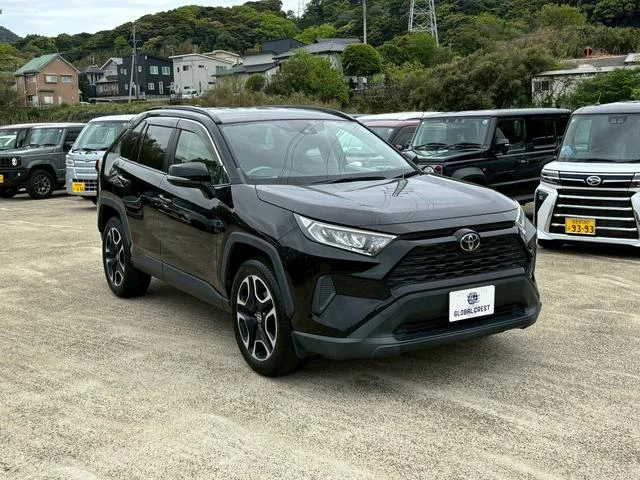
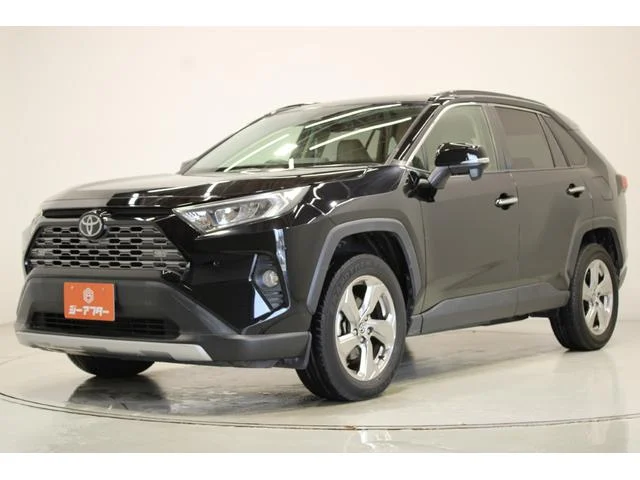
The Toyota RAV4 often features 2.0L or 2.5L naturally aspirated engines, closely mirroring the CR-V‘s displacement strategy.
The premium segment, featuring vehicles like the Lexus NX250, often utilizes slightly more refined 2.0L turbocharged or 2.5L hybrid setups that focus more on cabin quietness and torque delivery rather than raw capacity.
The CR-V’s range offers a clear choice: the 2.0L for economy against the competition, or the 2.4L for dependable power, making it a highly flexible option for diverse Kenyan buyers seeking quality and reliability.