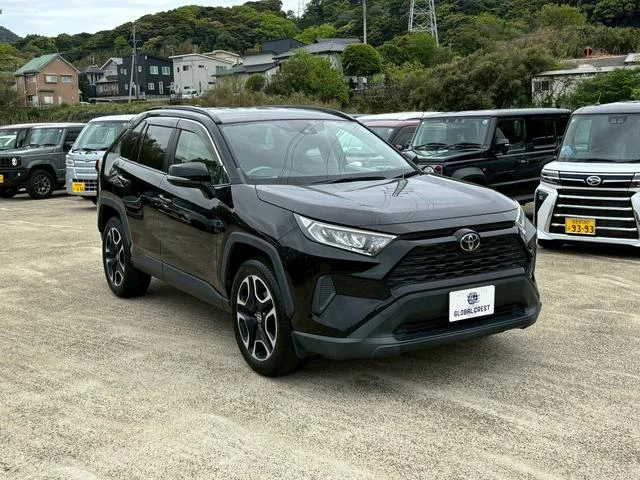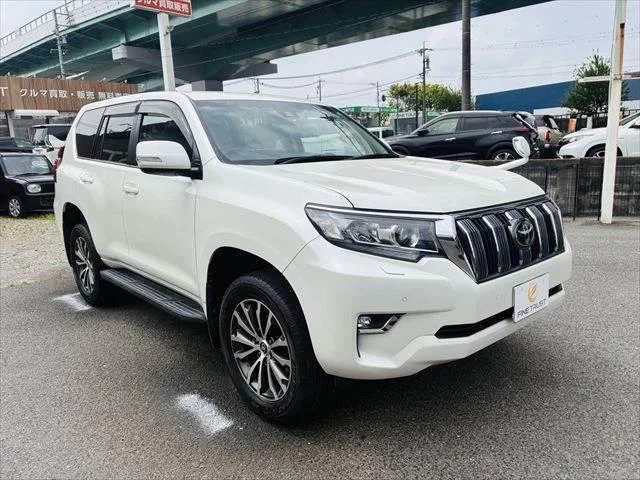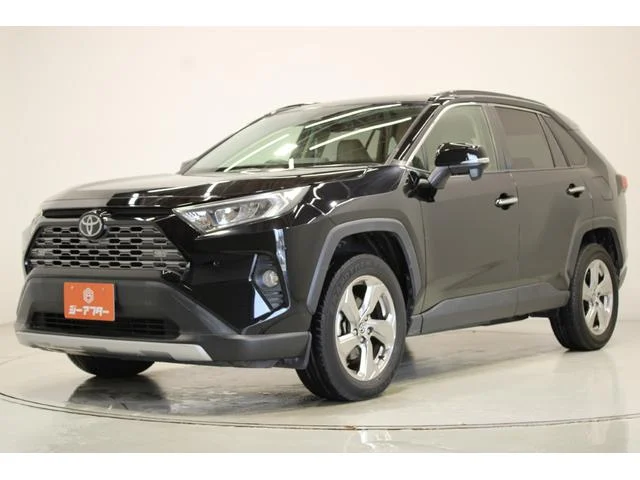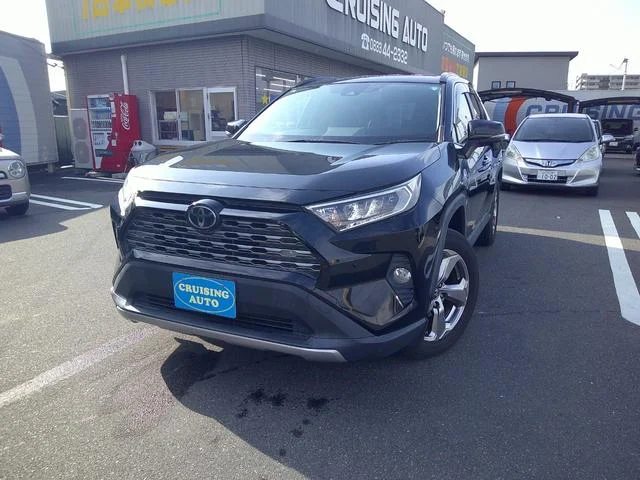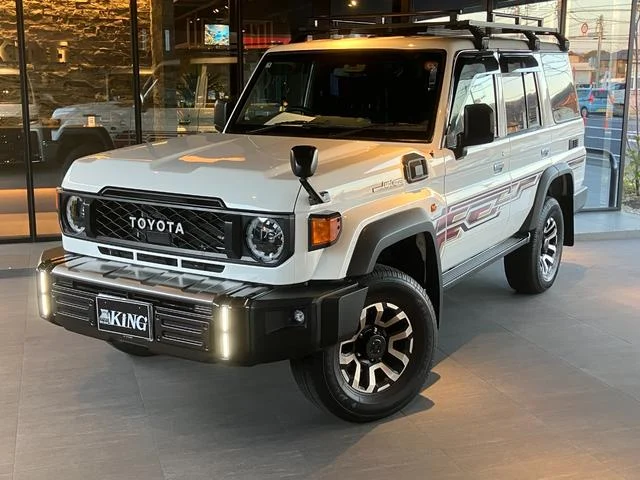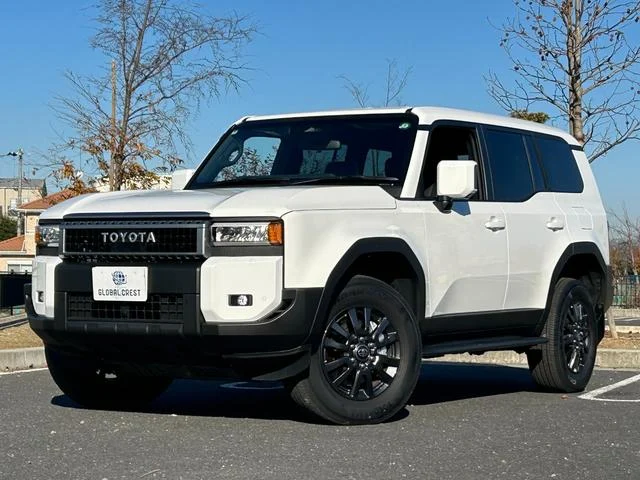


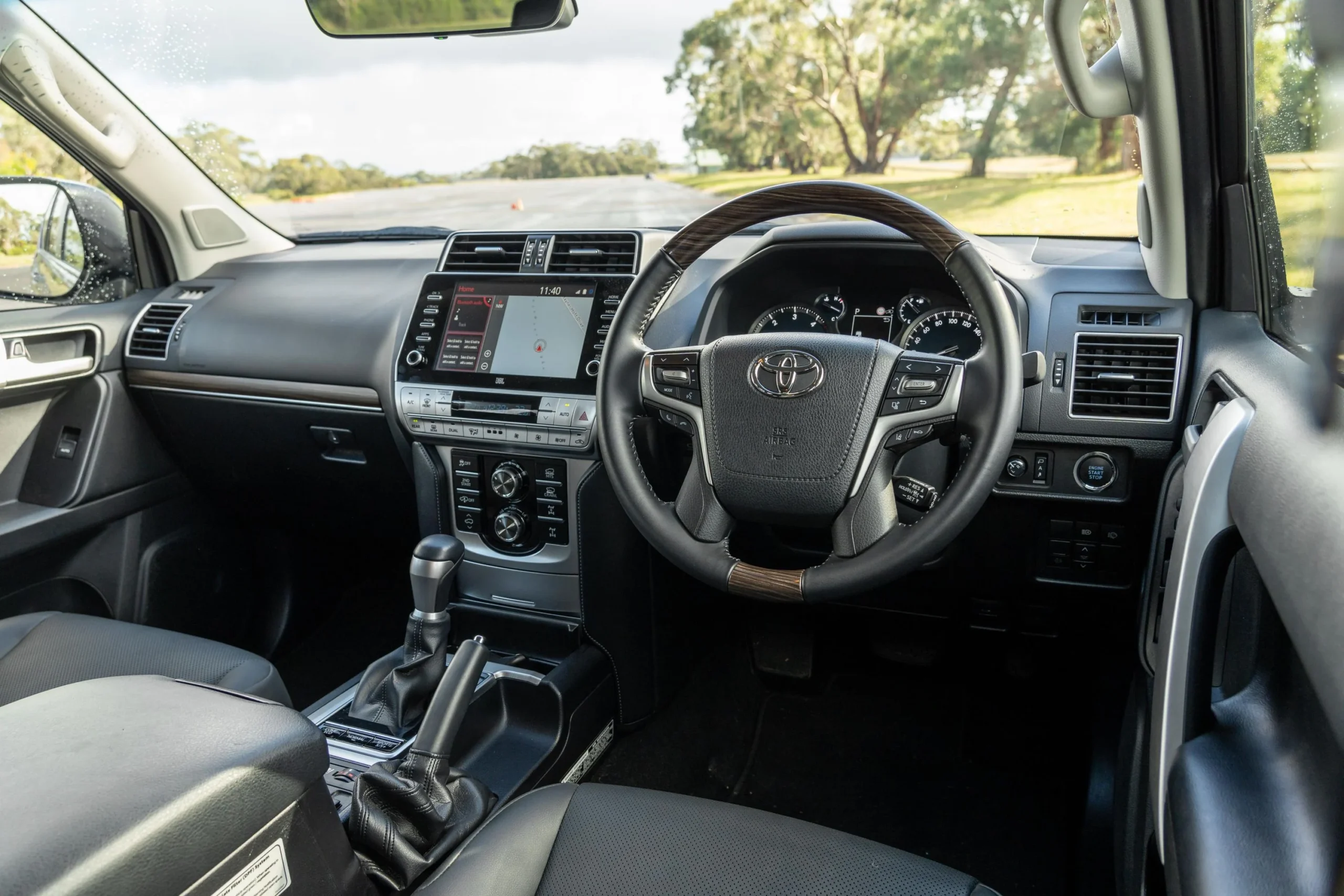
Understanding this rule is paramount for importers, particularly those seeking popular and reliable models that serve the demanding Kenyan terrain, such as a sturdy Toyota Land Cruiser Prado.
When you look at the eight-year calculation, it means if a car was first registered before December 31, 2018, it will be not be eligible for importation in 2026, but if it was registered after January 1, 2019, it qualifies for the entire year.
This precise timing is why experienced importers, like us at Enan Motors, stress the importance of verifying the car’s auction sheet and registration documents before commitment, ensuring zero compliance headaches upon arrival.
While this restriction limits the pool of available bargain-basement cars, it guarantees that the vehicles entering Kenya, offer modern safety features and better long-term reliability for the Kenyan buyer.
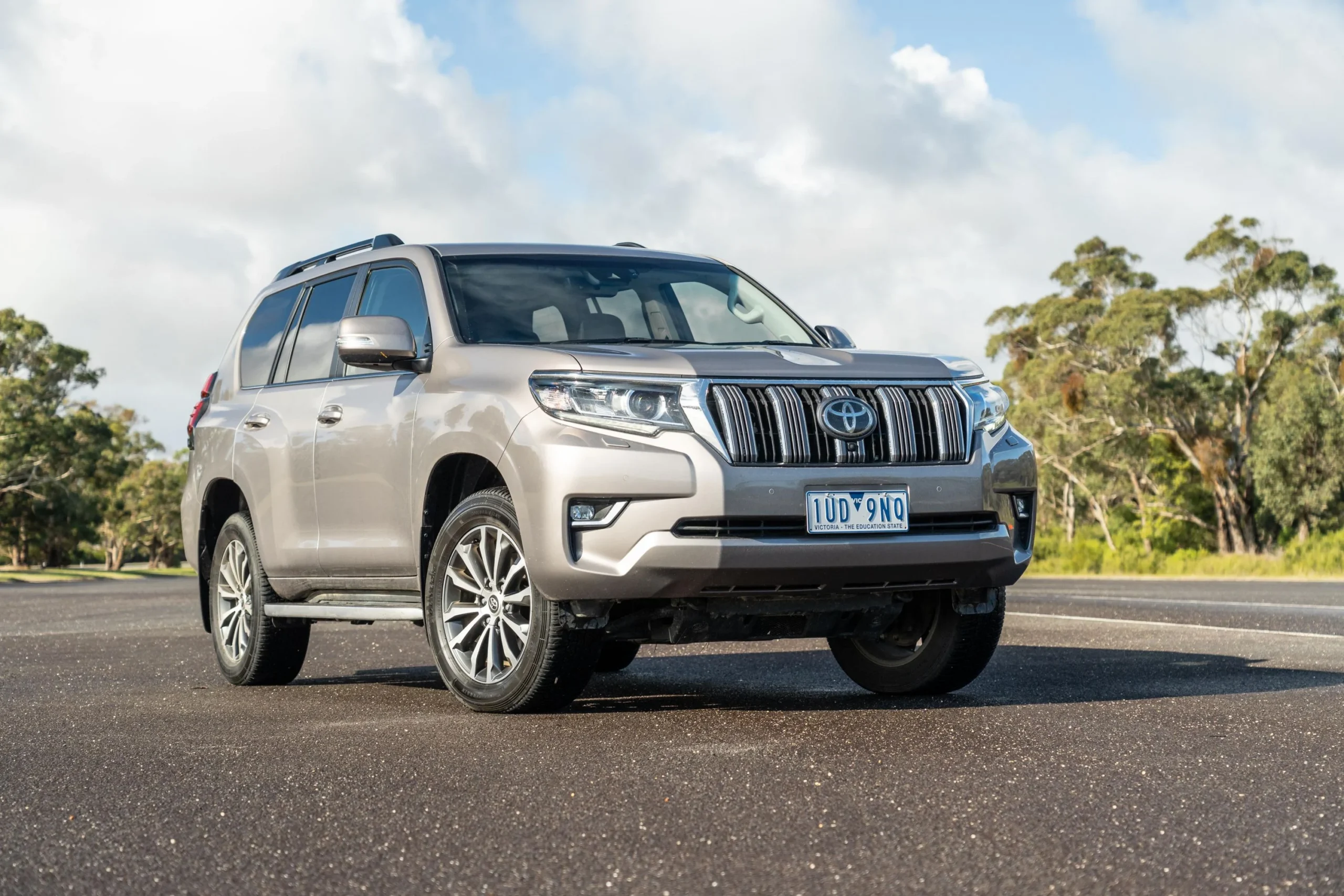
Overview of Kenya Car Import Age Limit 2026
In 2026, only cars with a first registration date within the window of 2019 to 2026 will be permitted entry, a criterion strictly enforced by the Kenya Bureau of Standards (KEBS) during mandatory pre-shipment inspections (PSI).
Ignoring this requirement, or miscalculating the age by a mere few days, results in the car being declared prohibited goods upon reaching Mombasa, leading to potential loss of the entire investment.
This strict adherence encourages buyers to look for higher-quality, newer models straight from the source, minimizing wear and tear typical of much older vehicles.
The insistence on newer vehicles is rooted in Kenya’s dual aim: improving road safety standards and managing environmental impact, especially in dense urban centers like Nairobi and Mombasa.
Newer models are typically equipped with superior emission control technology and modern safety features (e.g., advanced airbag systems and anti-lock brakes) which older vehicles often lack.
Furthermore, vehicles manufactured in 2019 often have lower average mileage when coming from Japan, contributing significantly to their perceived value and longevity in the Kenyan climate.
If you are comparing a local 2016 unit to a directly imported 2019 unit of the same model, the difference in quality, compliance confidence, and long-term running costs is often substantial, reinforcing the advantage of direct importation via transparent channels like About Enan Motors, where every detail is verified.
Legal Framework Governing Vehicle Age Restrictions
The primary legal instrument enforcing the age restriction is the Kenya Standard KS 1515:2000, implemented and policed by the Kenya Bureau of Standards (KEBS), alongside regulations enforced by the Kenya Revenue Authority (KRA) concerning valuation and duties.
This framework dictates that any imported motor vehicle, regardless of whether it is a small hatchback like a Mazda Axela or a luxury sedan, must not be older than eight years from the date of first registration to the date of importation into Kenya.
Furthermore, KEBS requires that all vehicles imported must pass a mandatory pre-shipment inspection (PSI), typically conducted by appointed agencies like Quality Inspection Services Japan (QISJ), confirming both the eight-year age compliance and the physical condition of the vehicle before it leaves the port of origin.
Failure to meet this standard means the car will either be condemned for destruction or re-exported at the importer’s expense, a financial disaster we help clients avoid by meticulous verification upfront.
The adherence to this strict age limit is non-negotiable and provides a level playing field for both legitimate importers and local assemblers, but more importantly, it protects the consumer in the highly competitive Kenyan market.
Unlike neighboring countries, Kenya’s steadfast approach to the eight-year rule prevents the influx of excessively old, highly polluting, and potentially unsafe vehicles that would pose significant maintenance challenges and environmental risks locally.
This is why buying directly from a reputable source that uses transparent auction data, as offered by Enan Motors, is crucial; we confirm eligibility using official Japanese export certificates and auction sheets that accurately reflect the first registration date, ensuring your desired vehicle, perhaps a spacious Toyota SUV, clears customs without incident.
Trying to sneak in a car that is nine or ten years old by tampering with documents is illegal, carries severe penalties, and is simply not worth the risk.

How the Age Limit Impacts Different Vehicle Types
While the eight-year rule primarily targets passenger vehicles, the impact is felt across various classes of imported cars, defining what Kenyans can and cannot drive.
For the popular SUV segment, which includes models like the efficient Honda Vezel or the rugged Toyota Harrier, the 2026 limit means buyers are looking exclusively at 2019 models and newer, which typically possess modern features, better fuel economy, and lower mileage compared to older counterparts.
This restriction slightly elevates the starting price point for SUVs available in Kenya, but it also guarantees better residual value and lower maintenance costs over the vehicle’s lifespan, which is a key consideration given the cost of parts and labor locally.
Knowing the precise year cutoff is critical because a newer vehicle, while costing slightly more upfront in Japan, often translates to reduced duty and valuation surprises upon arrival in Mombasa.
Commercial vehicles, however, operate under slightly different, though related, regulations; while still subject to the eight-year rule for the cabin/chassis, specialized vehicles may have different assessment criteria.
Heavy commercial vehicles (HCVs) over 3 tonnes are subject to specific national standards concerning age and emissions, and sometimes exemptions are provided based on their specialized purpose, such as those utilized in construction or agriculture.
However, for standard double-cab pickups and smaller commercial vans popular with local businesses, the 2019 cutoff for importation in 2026 applies just as strictly as it does for personal cars.
If you are importing a workhorse vehicle, confirming the precise registration date is even more important because downtime due to compliance issues is money lost, which is why we guide our clients through the documentation process meticulously, ensuring their Mitsubishi truck or van is compliant from day one.

Step-by-Step Process to Verify a Car’s Eligibility
Verifying a vehicle’s eligibility against the Kenya Car Import Age Limit 2026 starts long before the car is loaded onto a vessel; the verification process must begin with scrutinizing the original Japanese documentation.
The first critical document is the Deregistration Certificate (or Export Certificate), issued when the car is taken off the Japanese road system, which explicitly states the ‘Date of First Registration’—this is the definitive date used by KRA and KEBS in Kenya.
Next, the Japanese Auction Sheet provides secondary verification of the year and model, offering crucial transparency about the car’s true condition, mileage, and accident history, distinguishing high-quality imports from misrepresented yard cars found locally.
Without these two pieces of verified evidence, you are risking your money on potentially non-compliant or poor-quality stock, a risk that is simply not necessary when dealing directly with trusted importers who provide these documents transparently.
At Enan Motors, our robust Import process emphasizes maximum transparency, allowing the buyer to know the true quality and condition of the vehicle before purchase through verified Japanese auction sheets, eliminating the guesswork common when buying from local car yards.
We guide clients on how to read these sheets, ensuring they understand if their potential acquisition, whether a reliable Mazda SUV like the Mazda CX 5 or a luxury item like a Lexus, meets the 2019 registration requirement for 2026 importation.
Once eligibility is confirmed, the pre-shipment inspection by a KEBS-appointed agent seals the deal, generating the Certificate of Roadworthiness (CRW) which is mandatory for customs clearance in Mombasa.
If you want confidence that your vehicle will clear customs without issue and that you are getting exactly what you paid for, leveraging this transparent process is the only sensible way to import to Kenya.

Common Exceptions and Special Cases in 2026
While the eight-year rule is generally applied universally, there are specific, although limited, exceptions primarily concerning certain categories of importers and specialized vehicle types, though the age restriction itself often remains fixed.
Returning residents, diplomats, and special mission staff (NGOs, UN) may qualify for duty-free concessions under the East African Customs Management Act, meaning they don’t pay the standard import duties and taxes, but they are still generally bound by the maximum age limit enforced by KEBS.
An important distinction to remember in the Kenyan context is the absolute ban on the importation of Left-Hand Drive (LHD) vehicles for general use, regardless of their age or condition, although this restriction is occasionally waived for certain specialized or diplomatic vehicles.
Even if you are importing a high-value car, such as a premium BMW or Mercedes Benz, age compliance is mandatory.
Another area of nuance involves classic or vintage vehicles, though this category is very specific and highly regulated; to qualify, a car typically needs to be over 25 years old and certified as a classic by a recognized international body.
These vehicles are imported under special tax and regulatory regimes, not for regular daily use, and require specific clearances and permits from relevant bodies, bypassing the eight-year rule because they are treated as historical artifacts rather than used transportation.
However, for the average Kenyan buyer looking for a standard vehicle, attempting to utilize these niche exceptions is usually impractical and often impossible.
Your best bet is always to stick strictly to the 2019 registration cutoff for 2026 imports, ensuring a smooth and predictable customs process, whether you are eyeing a luxury Mercedes GLE or an economical sedan.

Financial Implications of Importing Older Vehicles
Attempting to import a vehicle older than the Kenya Car Import Age Limit 2026, meaning pre-2019 registration, carries severe and debilitating financial penalties far exceeding the potential savings on a cheaper unit.
If a non-compliant vehicle somehow slips through the overseas inspection and arrives at the Port of Mombasa, KRA has the authority to confiscate the vehicle and demand the payment of storage fees, potential fines, and the eventual re-exportation or destruction costs, all borne by the importer.
These costs can easily run into millions of Kenyan Shillings, turning a supposed bargain into a catastrophic loss, which is why transparency and verified documentation are non-negotiable necessities for successful importation.
Furthermore, older vehicles often carry higher maintenance risks once on Kenyan roads, potentially requiring costly and immediate repairs that negate any initial purchase price savings.
A key financial advantage of dealing directly with Enan Motors is that direct importation is often more affordable because it eliminates yard overheads and exaggerated markups that inflate prices locally.
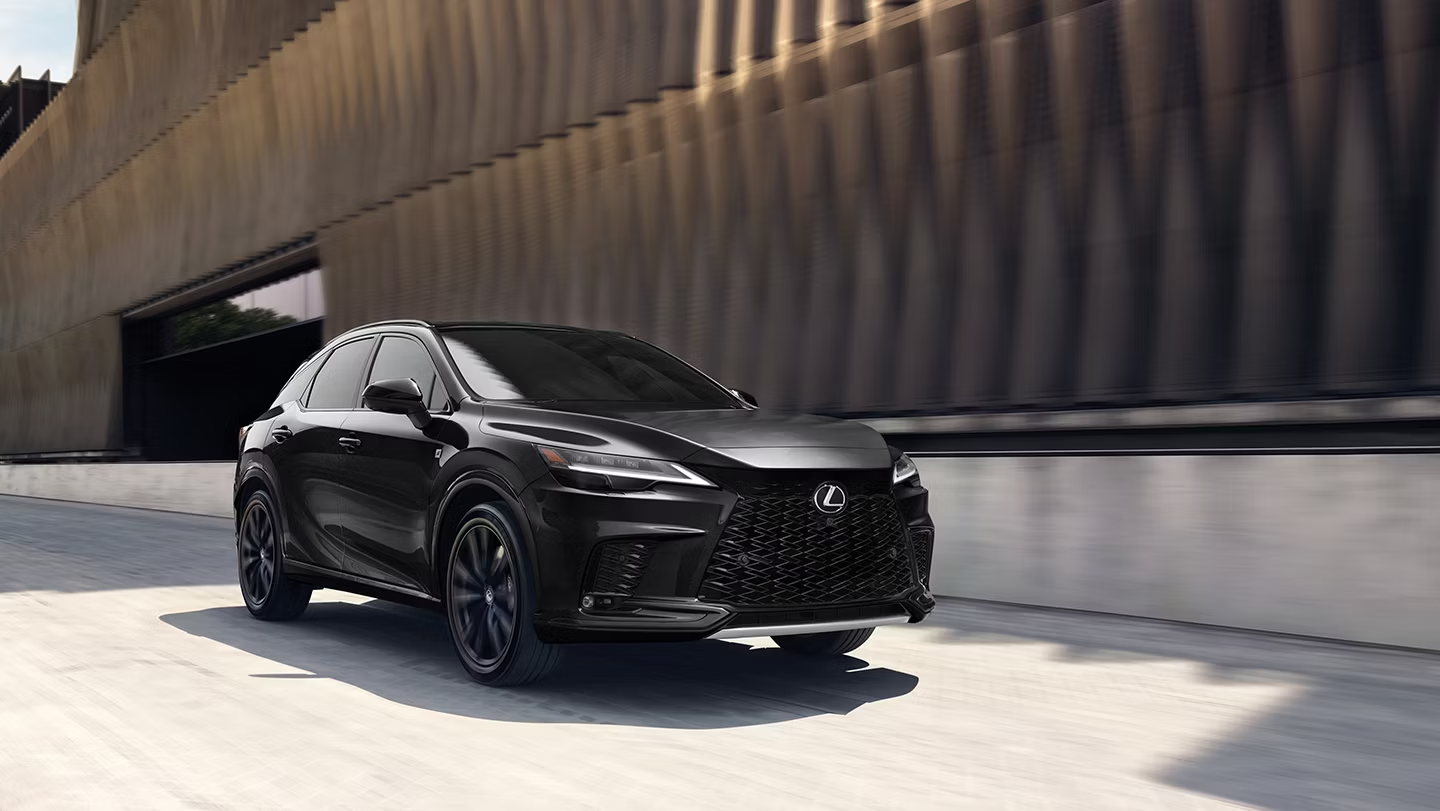
When you buy a 2019 or newer model directly from a Japanese auction, you are purchasing at true market value, allowing you to allocate your budget towards a higher grade vehicle, such as a well-maintained Lexus NX250, rather than absorbing the dealer profit margin.
By ensuring age compliance from the start, you guarantee predictable duty calculations based on the clean vehicle’s Cost, Insurance, and Freight (CIF) value, avoiding unexpected KRA penalties or inflated valuations that are sometimes imposed on vehicles with questionable documentation.
Why gamble with your hard-earned cash when guaranteed compliance and better pricing are achievable through a transparent import process?
Practical Tips for Importers to Stay Compliant
To navigate the strict Kenya Car Import Age Limit 2026 successfully, the single most practical tip is to partner with an experienced, transparent import agent who operates directly in the Japanese market and adheres strictly to the regulations.
Always insist on seeing the original Japanese Export Certificate and the Auction Sheet for any vehicle you are considering, and specifically verify the ‘Date of First Registration’ to ensure it is January 1, 2019, or later for 2026 clearance.
Moreover, remember that quality verification goes hand-in-hand with compliance; a low-quality unit, even if age-compliant, will cost you more in maintenance down the line, so targeting higher auction grades (4.0 and above) is always recommended for longevity on Kenyan roads.
When checking out our Inventory or available cars through the auction system, we ensure this crucial date is flagged immediately.
Secondly, ensure that the vehicle you select is right-hand drive (RHD), as LHD units are banned, and confirm the vehicle has not undergone any significant modifications that might affect its KEBS inspection, such as engine swaps or non-standard body kits.
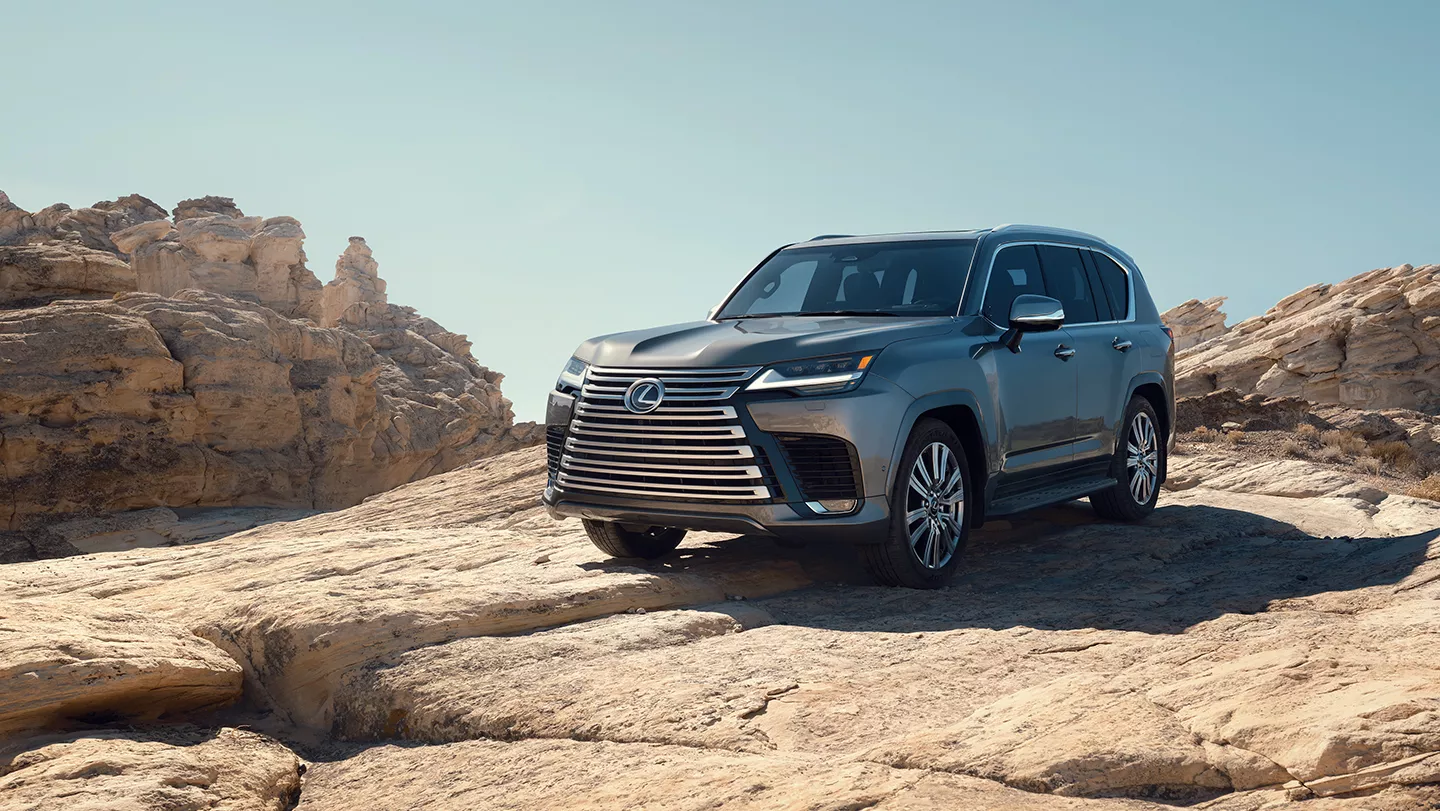
If you are targeting a high-performance vehicle, such as a sleek BMW X6 or an imposing Lexus LX 600, remember that higher engine capacity means higher excise duty, which must be factored into your budget alongside the import age limit.
We urge all potential buyers to Message us on WhatsApp early in the decision process, allowing our experienced team to walk you through the specifics of duty calculations and the exact compliance requirements for your chosen model, ensuring you don’t face any painful surprises upon delivery.
Future Outlook: Potential Changes After 2026
The trajectory of Kenya’s vehicle import policy strongly suggests that the regulatory environment will only become tighter after 2026, driven by global trends toward environmental sustainability and the government’s persistent push to support local automotive assembly.
While the eight-year limit has been static for many years, the discussion around tightening emission standards (moving from Euro 4 to Euro 5 or 6) or even reducing the import age limit to six or five years remains a regular feature in policy circles, especially as the government attempts to curb urban air pollution and reduce reliance on used imports.
These potential shifts mean that vehicles currently being imported, even 2019 models, might face restrictions or higher compliance costs if resold in the future, emphasizing the need to purchase the cleanest, newest model your budget allows right now, such as an efficient Volkswagen.
If the policy landscape shifts, perhaps pushing for a six-year limit, vehicles registered in 2019 would suddenly become ineligible for importation in 2026, moving the cutoff to 2020 or later.
While such an immediate reduction is unlikely without significant public consultation, savvy Kenyan buyers should always anticipate stricter regulations and choose vehicles that align with high global standards, such as those that are grade 4.5 or higher and boast excellent fuel efficiency.
We at Enan Motors constantly monitor these policy signals and changes from bodies like KEBS and KRA to ensure that the advice we give to our clients looking for reliable transport, perhaps a popular Volkswagen Tiguan, is future-proof and compliant.
Understanding the long-term risk of policy change is just as important as meeting the current Kenya Car Import Age Limit 2026.
Conclusion
Navigating the Kenya Car Import Age Limit 2026 requires meticulous attention to detail, specifically the date of first registration, which must be January 1, 2019, or later.
For Kenyan buyers seeking the superior quality and value that comes from direct importation, compliance is non-negotiable and easily achievable when working with a transparent expert.
By leveraging verified Japanese auction sheets, you eliminate the risk of purchasing an ineligible or misrepresented vehicle common in local yards.
Don’t let uncertainty derail your investment.
We invite you to Call us today or Email us at Enan Motors to discuss your specific vehicle requirements and ensure your 2019+ import adheres strictly to the regulations, guaranteeing a smooth journey from Japan to your driveway in Kenya.

FAQ
- Does the age limit apply to the date of manufacture or the date of first registration?
The eight-year rule strictly applies to the date of first registration, as documented on the vehicle’s Export Certificate from the country of origin, usually Japan.
For importation into Kenya in 2026, this date must be January 1, 2019, or newer.
The date of manufacture, which often precedes the registration date, is not the determining factor used by KRA and KEBS, though the two are usually closely related.
- What happens if I import a car older than the age limit?
If a vehicle arrives at the Port of Mombasa and is found to be older than the Kenya Car Import Age Limit, KEBS will declare it non-compliant and prohibit its entry.
The importer will then be faced with severe penalties, including storage charges, and the mandate to either re-export the vehicle immediately out of Kenya (at significant cost) or have it condemned and destroyed, resulting in a total financial loss.
- Are there specific restrictions on engine size or capacity for Kenyan imports?
While the age limit remains the primary restriction, Kenya does not impose a maximum engine capacity limit for passenger vehicles, but the size significantly impacts the total payable duty.
Vehicles with larger engine capacities (over 1500cc) attract higher excise duty rates, meaning that a larger car like a BMW SUV will have a substantially higher tax burden compared to a smaller engine sedan, regardless of its age compliance.
- Why should I import directly from Japan instead of buying from a local Kenyan yard?
Direct importation, especially from Japanese auctions, offers three critical advantages: buyers know the true quality and condition of the vehicle before purchase through verified auction sheets; direct importation is often more affordable because it eliminates yard overheads and exaggerated markups; and clients get to choose exactly what they want, like a specific model of Honda, from a wide range of vehicles available in Japan, rather than settling for limited local options.
- Does the eight-year rule apply to specialized or classic vehicles?
For standard passenger and light commercial vehicles, the eight-year rule is mandatory.
Classic vehicles (typically over 25 years old) are treated differently under special import regimes and may be exempted from the age rule, but they require specific approvals and cannot be imported for general everyday use.
Specialized vehicles, such as certain construction equipment, may also have unique rules, but the average buyer importing a Prado must strictly adhere to the 2019 registration cutoff for 2026.