
Understanding the Need for Accessible Vehicles
For many Kenyans living with mobility challenges, relying on standard public transportation is often impractical or outright impossible due to infrastructure gaps, which is why a personal accessible vehicle is not a luxury but a fundamental necessity for independence and employment.
The local Kenyan market, dominated by standard sedans and SUVs, rarely stocks factory-adapted vehicles, forcing buyers to either settle for expensive local modifications of unsuited cars or pay exorbitant costs for locally sourced specialized vans.
Direct importation from Japan offers a crucial lifeline, providing access to factory-fitted vehicles, often referred to as ‘Welcab’ models, which feature built-in swivel seats, internal lifts, or ramps, ensuring the adaptation is integrated, safe, and verifiable for KRA purposes.
We understand that finding the perfect vehicle that meets both medical necessity and budget constraints requires looking far beyond the limited options found in Nairobi or Mombasa car yards.
The core advantage of choosing a specialized import route lies in quality and transparency, aspects often missing when dealing with local resellers who might hide the true condition of a car.
When you import directly from Japan, you receive the verified Japanese auction sheets, which detail the car’s exact mileage, grading, and documented history, providing complete buyer confidence regarding the true state of the vehicle before it even leaves the port.
This level of transparency is essential, especially when dealing with complex mechanical components like wheelchair lifts or specialized seating mechanisms, which must be perfectly functional upon arrival.
By bypassing the local middleman, you not only ensure the integrity of your purchase but also unlock the potential for significant savings that can be redirected towards ongoing maintenance or necessary local registrations.

Legal Requirements and Regulations for Importing
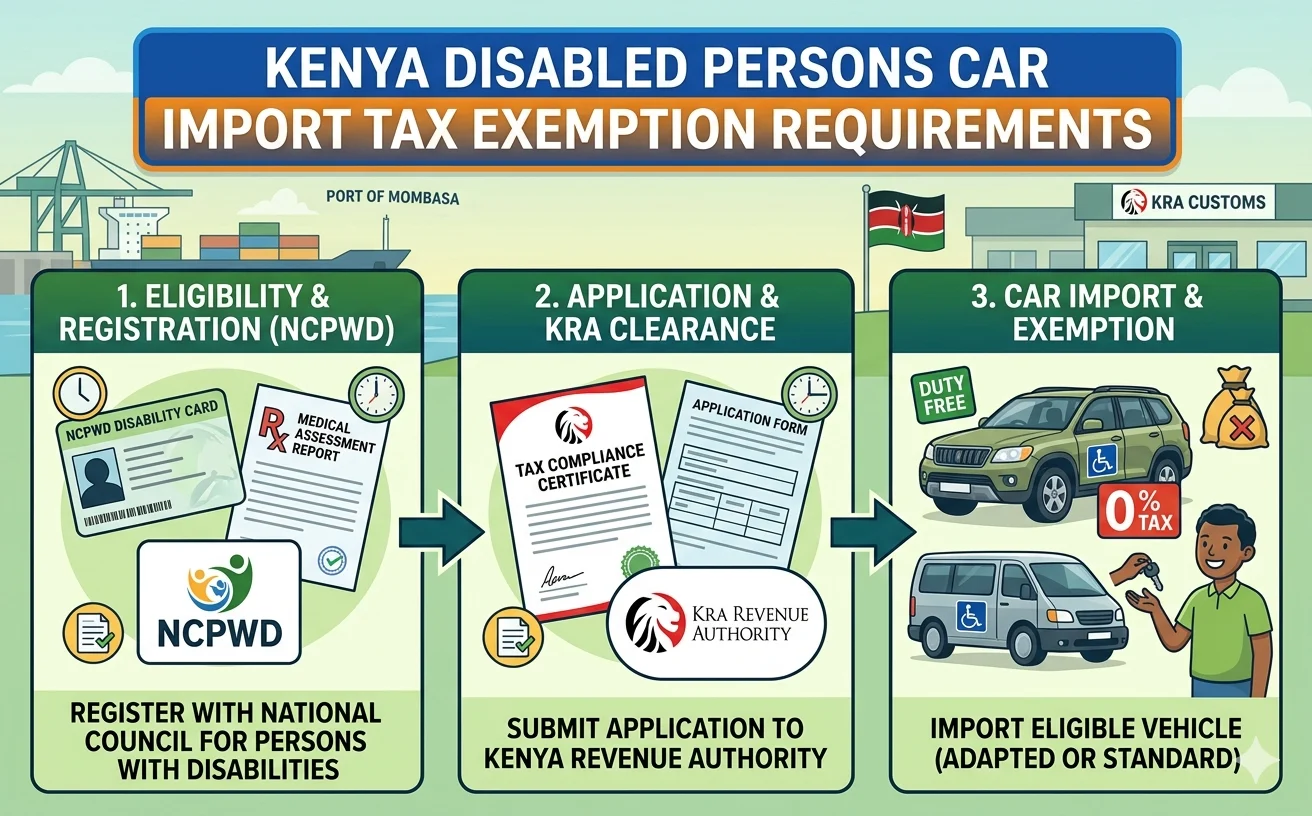
The legal framework governing duty exemptions for disabled persons in Kenya is stringent and administered jointly by the NCPWD and the KRA, designed to prevent abuse of this valuable tax relief.
The exemption typically covers Import Duty, Excise Duty, and VAT, dramatically reducing the landing cost of the vehicle, provided the applicant is a registered person with a disability verified by the NCPWD.
Key documents required include certified medical reports detailing the disability, official registration with the NCPWD, an application for tax remission (Form C-19), and a recommendation letter from the NCPWD confirming the necessity of a specially adapted vehicle for the individual’s mobility.
Crucially, KRA specifies that the vehicle itself must be designed or modified for use by a disabled person, meaning a standard vehicle purchased for later modification may not qualify for the full exemption, reinforcing the need to source an already-adapted car.
Furthermore, standard Kenyan import regulations regarding age and engine capacity still apply, although the adapted nature of the vehicle often takes precedence in the qualification process for duty relief.
Typically, the imported vehicle must not be older than eight years from the date of first registration, a rule that often steers buyers towards the dependable and high-quality second-hand market in Japan.
Understanding these regulations—like the specific criteria for engine capacity limitations which sometimes apply to duty-free vehicles—is where professional expertise becomes invaluable; a small misstep in the documentation or vehicle selection process can lead to the full imposition of duties and penalties.
At Enan Motors, we meticulously review the regulatory landscape alongside your personal needs to ensure your chosen vehicle meets every single compliance requirement before the purchasing process even begins, safeguarding your investment and successful importation.

Choosing the Right Accessible Vehicle Model
Selecting the ideal accessible vehicle requires balancing specialized features, reliability, and suitability for Kenyan road conditions, prioritizing durable chassis and adequate ground clearance over low-slung, city-only models.
Japanese manufacturers excel in this niche, offering a wide range of dedicated accessible vehicles, often marketed under the ‘Welfare Vehicle’ or ‘Welcab’ designation, which are fundamentally different from standard models.
Excellent choices frequently imported into Kenya include the Toyota Noah or Voxy, known for their robust build and high rooflines suitable for wheelchair access and internal maneuverability, alongside the Nissan Serena Life Care series.
These models come equipped with features like electric lift-up seats, sloping floors, or fixed ramps, which are essential specifications for securing the KRA duty waiver.
While the focus is often on high-volume manufacturers, specialized accessible versions can be found across various Japanese brands, offering diversity in styling and functionality, allowing clients to truly choose what suits their lifestyle.
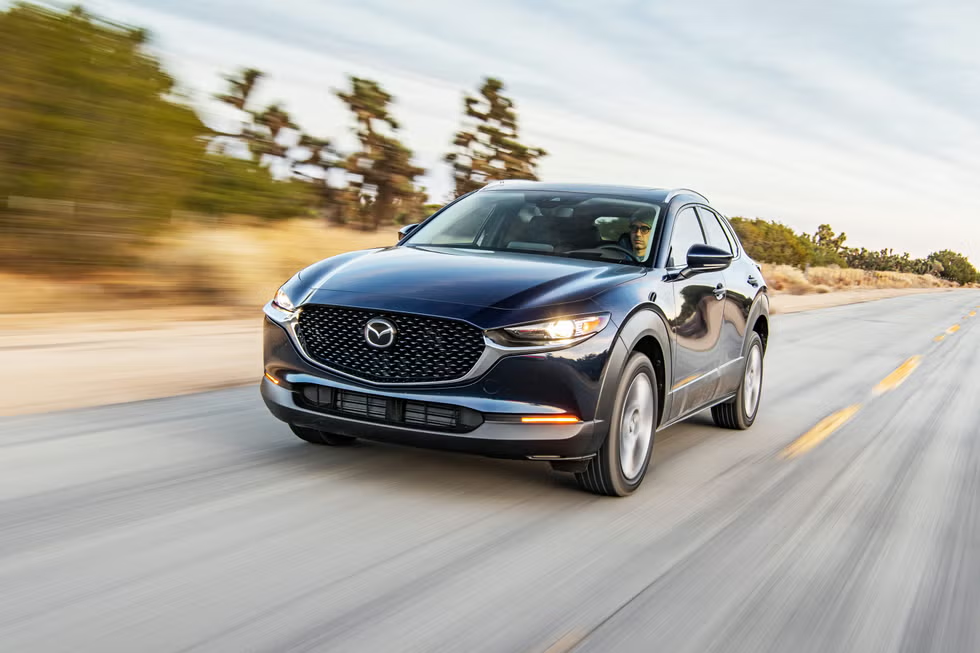
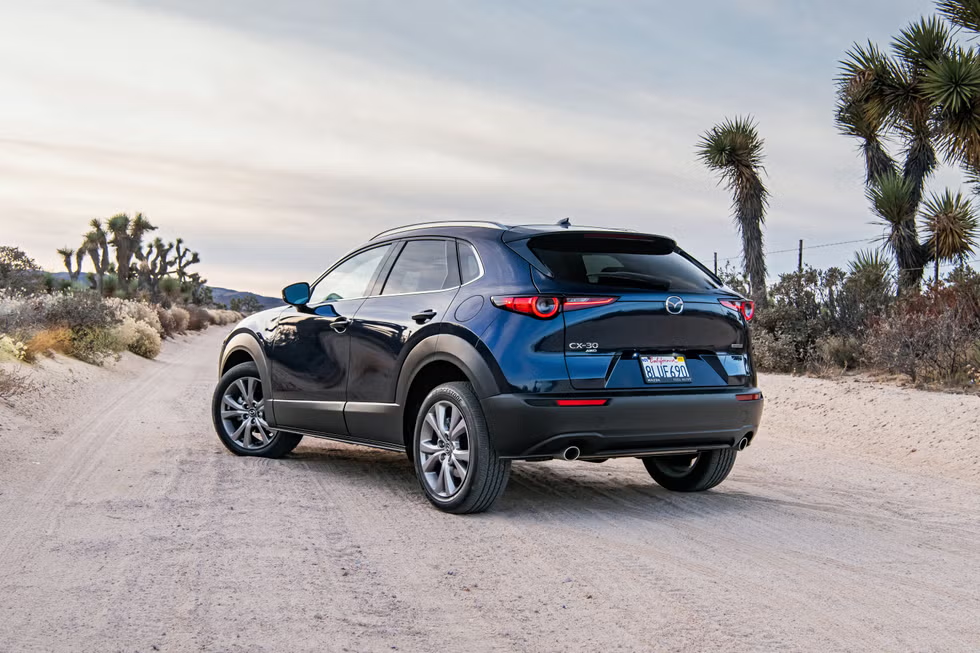
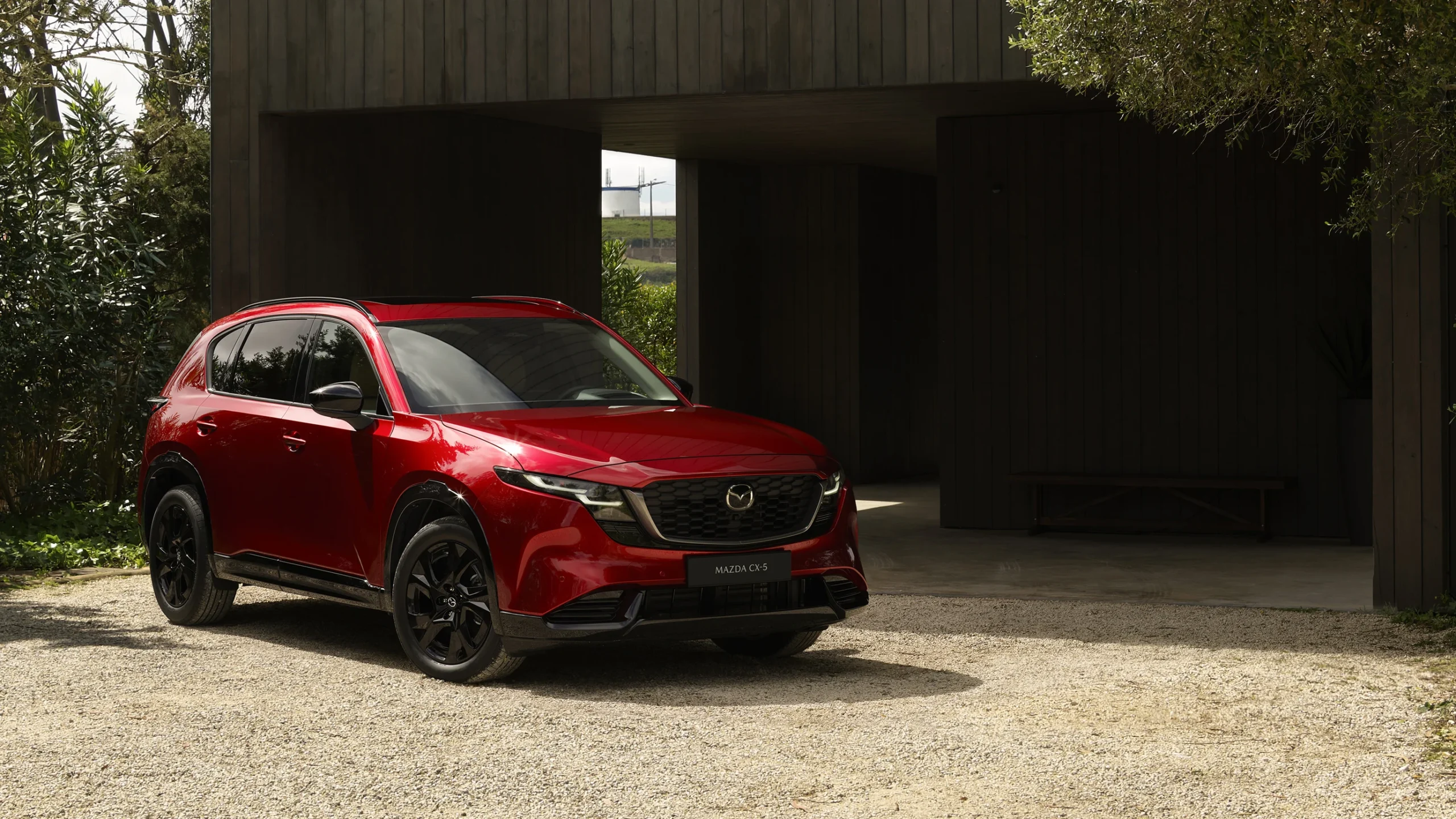
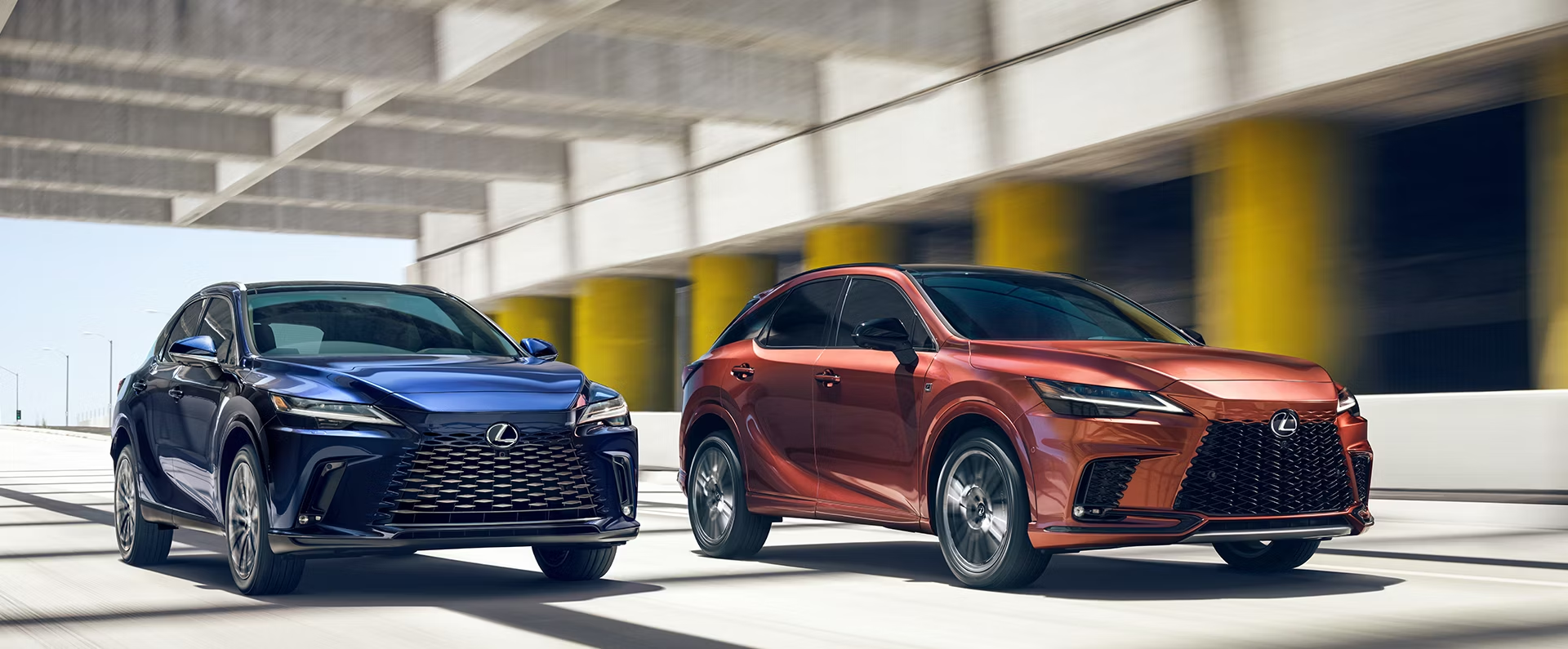
For instance, models developed by Mazda might offer compact, yet highly efficient adaptations for urban environments, while specialized versions of models from Lexus can offer luxury and advanced comfort alongside mobility solutions.
The key distinction when choosing from the available cars in Japan, is ensuring the adaptations are original factory installations; this significantly strengthens the case presented to KRA for duty exemption compared to vehicles modified aftermarket.
We encourage clients to browse the extensive Inventory in Japan to find a vehicle that precisely matches their required level of accessibility, ensuring they never have to compromise on quality or features.
Step-by-Step Import Process
The importation of an accessible vehicle, especially one benefiting from tax relief, follows a structured process that prioritizes documentation verification before shipping.
The journey begins with the client selecting a suitable, adapted vehicle from the Japanese market, often via auctions or trusted suppliers, and simultaneously initiating the complex NCPWD and KRA documentation process in Kenya.
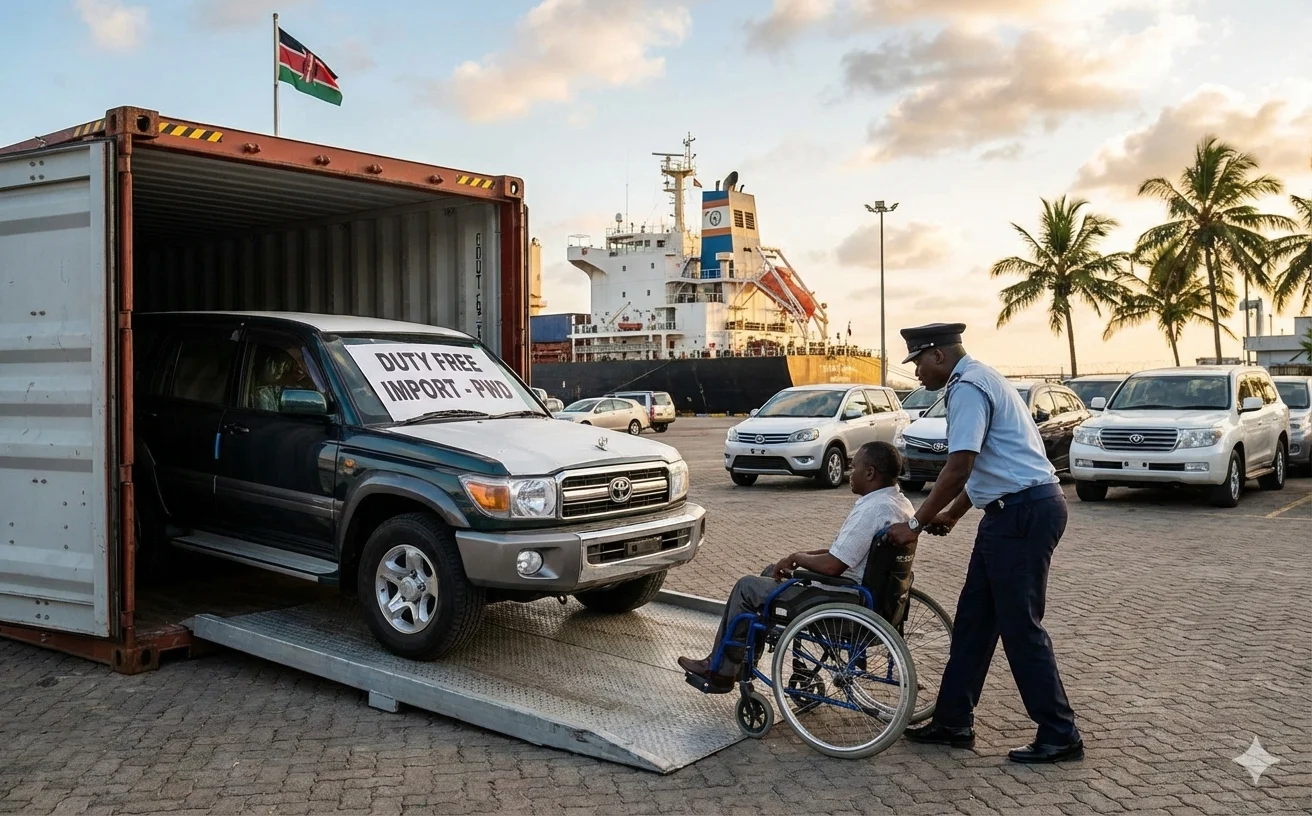
Once the purchase is secured—and this is a critical difference—the official approval and duty exemption letter from the NCPWD must be secured first, as KRA requires this physical documentation before the vehicle arrives at the Port of Mombasa.
This sequence prevents logistical delays and potential penalties, ensuring the car is released immediately under the correct duty status upon arrival, saving the client time and storage costs.
After the NCPWD approval is granted, the logistics phase begins, involving careful inspection, deregistration in Japan, and securing reliable Roll-on/Roll-off (RORO) or container shipping to Mombasa, typically taking 30 to 45 days.
Upon docking, the vehicle undergoes stringent KRA inspection to confirm that the physical adaptations match the specifications listed in the exemption letter and the supporting documentation provided by the importer.
This inspection stage is where many buyers encounter problems if their paperwork is incomplete or the vehicle’s adaptations are not clearly documented, which is why Enan Motors manages the entire end-to-end Import process, guaranteeing compliance at every checkpoint.
Our detailed oversight ensures that when the car clears the port, it is ready for immediate registration and handover to the client, minimizing unnecessary waiting periods and demurrage charges.
Customising the Car for Disability Access
When discussing customisation, it is vital to differentiate between factory adaptations and local modifications, as this distinction impacts the duty relief application significantly.
Factory-fitted adaptations, such as the power swivel seats or hydraulic ramps found in many Japanese “Welcab” vehicles, are the gold standard because they are certified, fully integrated into the vehicle’s safety systems, and clearly documented on the auction sheet, which satisfies KRA requirements for exemption.
However, sometimes a client requires specific controls, such as specialized hand-operated braking and acceleration systems, which are generally fitted locally in Kenya by certified technicians after the car has cleared customs, ensuring they meet the individual’s specific physical requirements and local traffic regulations.
Choosing a reliable local fitter in Nairobi or Mombasa for these post-import adaptations is just as important as selecting the car itself, as improper installation can compromise safety and vehicle integrity.
We advise clients to budget separately for these specialized local modifications, which can range from KES 50,000 to KES 200,000 depending on complexity, ensuring the car is perfectly tailored for the user’s maximum independence.
The advantage of importing a robust, well-maintained Japanese vehicle is that the base platform is reliable, allowing local specialists to focus purely on the mobility customization, rather than having to repair fundamental mechanical flaws often found in cheap local purchases.
Cost Breakdown and Financing Options
Understanding the final cost of an imported accessible vehicle requires a transparent breakdown of the purchase price, shipping costs, and the substantial impact of the KRA duty waiver.
The initial cost (CIF – Cost, Insurance, and Freight) covers the car’s price in Japan plus transportation to Mombasa, which must be financed upfront.
However, the subsequent savings are massive; a vehicle that would typically attract over 1.5 million shillings in duties and taxes might land with only minimal registration and clearance fees, making direct import the most economically viable path to vehicle ownership for disabled persons in Kenya.
Transparency is key here—unlike local car yards that provide opaque pricing, we give you a clear view of the Japanese auction price and all associated shipping charges.
While the duty relief reduces the cost significantly, few clients pay the full CIF amount in cash, necessitating reliable financing options.
Many local SACCOs and banks offer asset financing specifically for vehicles, and due to the lower overall landing cost post-exemption, the required loan amount is much smaller and more manageable than financing a fully taxed local purchase.
We strongly recommend structuring the financing early and engaging with a trusted import partner like Enan Motors, who can provide accurate landed cost estimates before you commit to the purchase, allowing you to secure necessary approvals.
If you are ready to explore transparent pricing and secure a customized import plan, do not hesitate to Message us on WhatsApp for a detailed, zero-obligation quote based on your specific needs.

Common Challenges and How to Overcome Them
The journey of importing an accessible car in Kenya is often fraught with administrative challenges, primarily centered around the bureaucratic processes of the NCPWD and KRA, which can often lead to frustrating delays if not managed proactively.
One frequent challenge is the rigorous KRA verification process, where inspectors must be satisfied that the adaptation features are genuine and meet the regulatory criteria outlined in the exemption application.
Furthermore, the sourcing of spare parts for highly specialized Japanese adaptations, like complex motorized ramp mechanisms, can be difficult if local mechanics are unfamiliar with the technology; this demands a pre-planned strategy for part procurement and specialized maintenance expertise.
The best way to overcome these hurdles is through expert representation and meticulous preparation.
By working with a seasoned importer, you mitigate the risk of documentation errors that trigger KRA penalties or delays.
An experienced firm will have established contacts within the NCPWD and KRA departments, ensuring your application moves smoothly through the necessary checks and balances, minimizing the possibility of lengthy port demurrage fees.
We specifically help clients identify reliable mechanics who specialize in adapted vehicles and advise on which models have better long-term parts availability, ensuring that the benefit of owning an imported accessible vehicle is not undermined by challenging maintenance logistics down the road.
Tax Incentives and Government Support
The tax incentives provided by the Kenyan government for persons with disabilities represent a vital commitment to social inclusion, aiming to reduce the financial burden associated with acquiring essential mobility equipment.
The primary support mechanism is the comprehensive duty exemption, which typically covers up to 100% of the import duty, excise duty, and Value Added Tax (VAT) on the vehicle, provided all qualifying criteria are strictly met.
It is essential to understand that this relief is vehicle-specific and is granted to the individual applicant, requiring that the car remain registered under the disabled person’s name for a stipulated period to prevent immediate resale for profit, which safeguards the integrity of the program.
Beyond the direct tax relief, the NCPWD provides advocacy and support services, guiding applicants through the required medical assessments and registration processes, acting as the critical link between the individual and the KRA’s tax compliance requirements.
While the core focus remains on the vehicle import process, being registered with the NCPWD also unlocks access to other potential benefits and resources designed to enhance the quality of life for persons with disabilities in Kenya.
We strongly recommend that any potential buyer begins their process by contacting the NCPWD to confirm their eligibility and secure the foundational documentation necessary to leverage these powerful government supports fully.
Final Checklist Before the Car Arrives
As your newly acquired accessible vehicle approaches the Port of Mombasa, several crucial logistical steps must be finalized to ensure a swift and efficient clearing and registration process.
First, ensure you have secured comprehensive insurance coverage that reflects the vehicle’s CIF value and its specialized nature, protecting your investment from the moment it lands.
Secondly, the original copies of your NCPWD exemption letter and all associated KRA clearance documents must be physically available for the final inspection and release, as digital copies are often insufficient at the port.
Finally, plan the immediate handover logistics, including the initial fueling, securing temporary license plates (if necessary), and arranging transport from Mombasa to your final destination, which may require a specialized tow service if the car is a complex WAV.
We take pride in guiding our clients through this final, critical phase, ensuring every document is in order and that the final handover is seamless and stress-free.
If you have any last-minute questions about customs clearance, duty payment schedules (for non-exempt fees), or need advice on local registration procedures, our dedicated team is ready to assist.
If you are considering About Enan Motors expertise to manage your import, we invite you to take the next step towards mobility independence. Call us today or Email us, and let us ensure your specialized vehicle reaches you quickly and compliantly.
Conclusion
Importing an adapted vehicle is the most practical and cost-effective route for Kenyans with disabilities seeking true mobility independence, largely thanks to the essential tax relief framework provided by the government.
While the process of securing NCPWD approval and KRA clearance is complex and requires diligent attention to detail and documentation, the outcome is the acquisition of a high-quality, factory-adapted vehicle from Japan that drastically improves daily life.
By partnering with a transparent and experienced importer, you gain the assurance of true vehicle condition through auction sheets and eliminate the fear of unnecessary markups or hidden costs prevalent in local yards.
We urge prospective buyers to prioritize expertise and transparency, ensuring that every step, from choosing a robust BMW or reliable Mercedes Benz adapted model to securing the final duty clearance, is handled with meticulous care and industry knowledge.
FAQ
- What are the age restrictions for duty-free accessible vehicles imported into Kenya?
The standard Kenyan import regulation requiring that a vehicle not be older than eight years from its date of first registration still applies to accessible vehicles, even those benefiting from duty exemption.
This means that to qualify for both import eligibility and duty relief, the car must meet this age limit by the time it lands at the Port of Mombasa.
It is crucial to select cars from the Japanese market that are seven years old or less at the point of purchase to allow adequate time for shipping and customs processing without risking non-compliance and subsequent penalties from KRA.
- Can a standard car be imported and then modified locally to qualify for the duty exemption?
Generally, no.
The Kenya Revenue Authority (KRA) requires that the vehicle be demonstrably designed or substantially modified for use by a disabled person *before* importation to qualify for the duty waiver.
Importing a standard car (e.g., a standard Mitsubishi or a basic sedan) with the intention of adding hand controls locally usually does not satisfy the criteria for 100% duty exemption.
Successful applicants must typically import vehicles with factory-fitted adaptations like wheelchair ramps, lifts, or specialized seating, as documented on the Japanese auction sheet, which clearly proves the vehicle’s specialized nature.
- How long does the entire import and clearance process take for a duty-exempt vehicle?
The physical shipping time from Japan to Mombasa is typically 30 to 45 days.
However, the overall timeline is heavily dependent on the administrative approval phases in Kenya.
Securing the necessary verification and the official exemption letter from the National Council for Persons with Disabilities (NCPWD) and subsequent KRA clearance can add significant time.
From the point of car selection to final registration, buyers should realistically budget between 3 to 4 months, acknowledging that bureaucratic verification processes, although necessary, are often the primary source of delay.
- What happens if the disabled person decides to sell the vehicle later?
The KRA imposes a restriction on the sale or transfer of duty-exempt vehicles for a specific period, usually five years, to ensure the privilege is used for genuine mobility needs and not immediate profit.
If the vehicle must be sold before this period expires, the owner is required to pay the proportional outstanding duty and taxes that were initially exempted before the sale can be legally concluded.
This process requires prior notification and clearance from the KRA, and failure to follow these rules can result in severe penalties and seizure of the vehicle.
- What are the necessary steps to prove disability to the NCPWD for the exemption?
To prove disability for the purpose of the import exemption, the applicant must first be officially registered with the NCPWD.
This involves submitting recent, certified medical reports from a government-recognized specialist detailing the nature and severity of the disability, along with proof of identity.
The NCPWD assesses the application and issues an official registration card and, crucially for the car import, a recommendation letter confirming that the severity of the disability necessitates a specially adapted vehicle for mobility, which is the foundational document required by KRA.