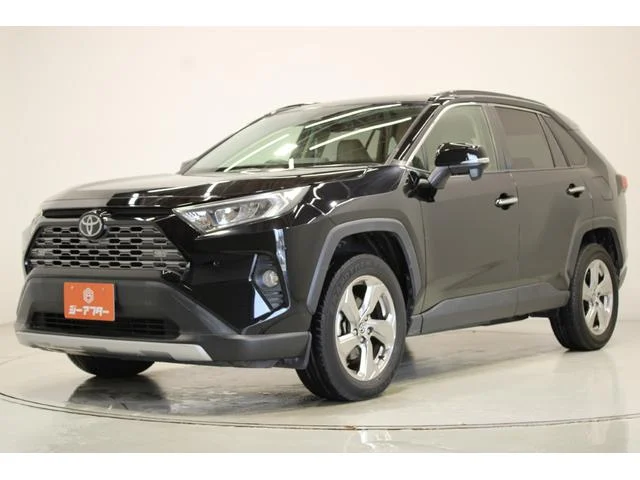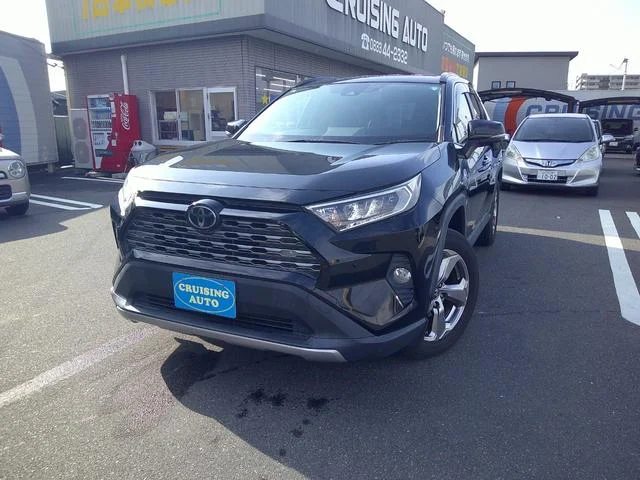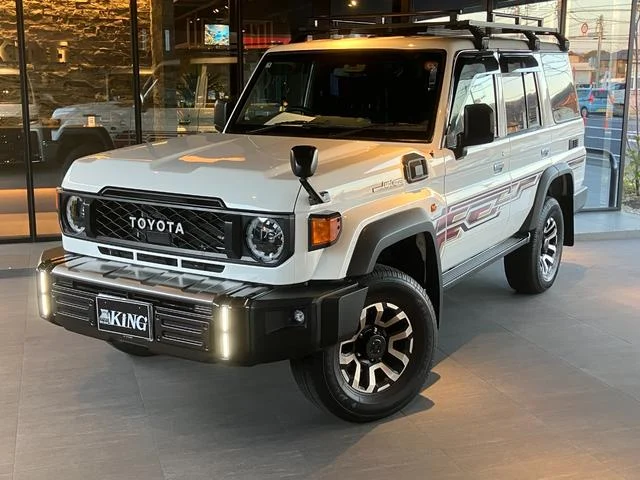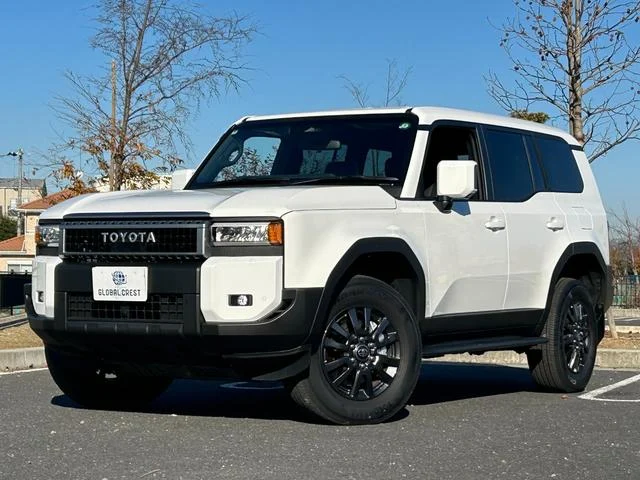

Introduction
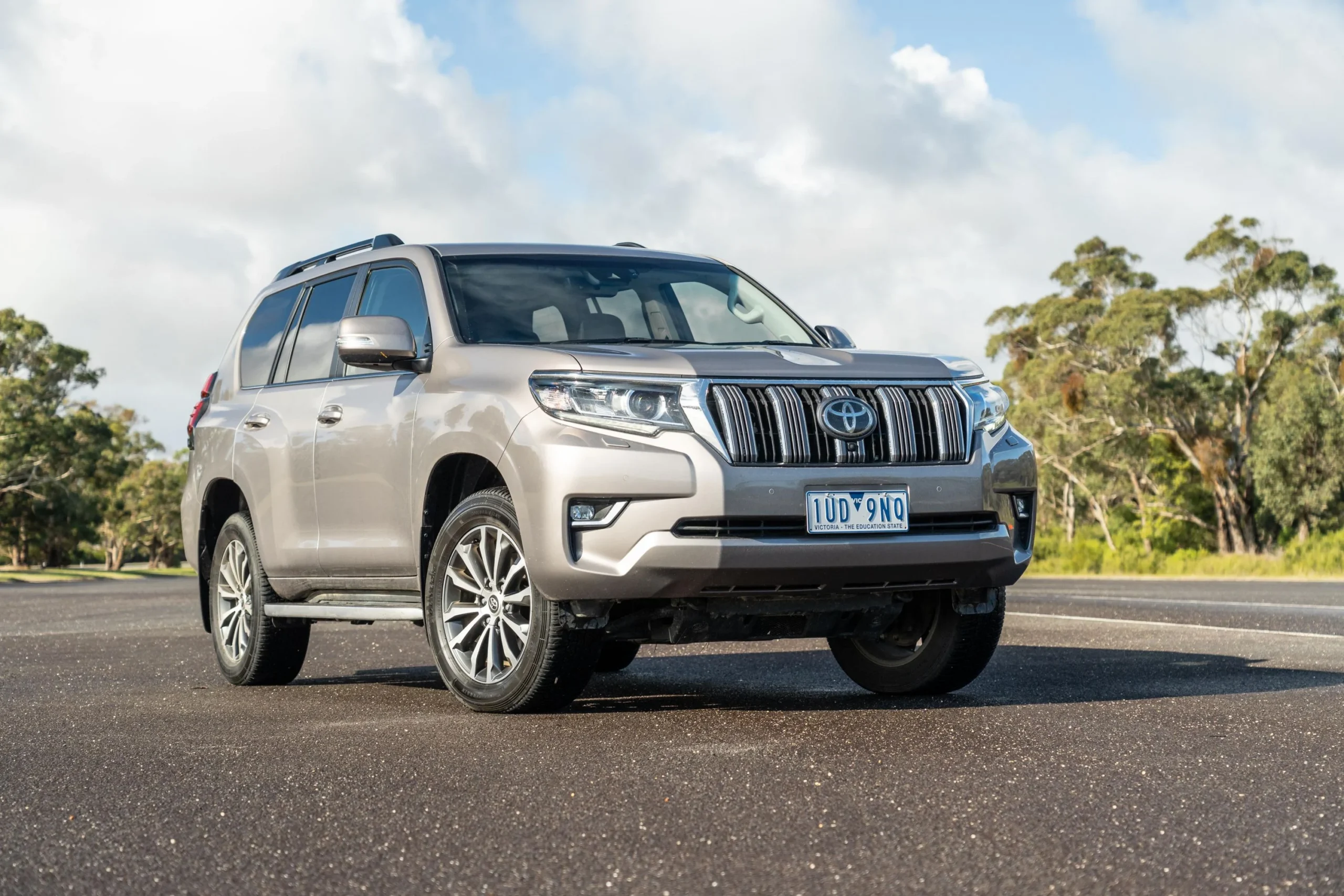
For decades, many Kenyans relied solely on local car yard dealers, often finding themselves trapped by opaque pricing and limited choices.
However, the modern Kenyan buyer demands transparency and control over their hard-earned money, which is why direct importation has surged in popularity.
We are About Enan Motors, and we specialise in demystifying this process, acting as your trusted guide from the Japanese auction house floor straight to the Mombasa port and eventually, to your doorstep.
We leverage our hands-on experience in dealing with KRA valuations and port logistics to give you a clear, itemized breakdown of costs, eliminating the risk of unexpected charges that often plague inexperienced importers or buyers dealing with middlemen, ultimately ensuring you get superior value for the quality vehicle you purchase.
Kenya’s Import Regulations for Vehicles
Before calculating a single shilling of tax, every potential importer must first confirm that the vehicle adheres strictly to Kenyan import regulations, the most critical being the “8-Year Rule.” This rule dictates that the Year of First Registration must be less than eight years old from the date of importation; for example, a vehicle imported in 2026 must have been manufactured no earlier than 2019, meaning that if you are considering purchasing a low-cost, older model, you will likely hit a regulatory wall.
Furthermore, Kenya mandates that all imported vehicles must be right-hand drive (RHD), effectively banning the importation of most left-hand drive (LHD) vehicles common in the US and Europe, though this is rarely an issue when sourcing from Japan, which adheres strictly to RHD standards.
Compliance also requires a legitimate pre-shipment inspection certificate, typically from QISJ (Quality Inspection Services Japan), ensuring the vehicle meets KEBS (Kenya Bureau of Standards) requirements regarding safety and emissions, guaranteeing that models like the popular Honda Fit or the robust Volkswagen Polo meet the expected local roadworthiness levels upon arrival.
Ignoring these preliminary regulations is one of the most expensive mistakes an importer can make, potentially leading to immediate rejection at the port and devastating demurrage charges that quickly erode any savings achieved on the purchase price.
The enforcement of these standards is rigorous, designed to protect the local consumer market and ensure road safety, so there is absolutely no wiggle room when it comes to the manufacturing year.
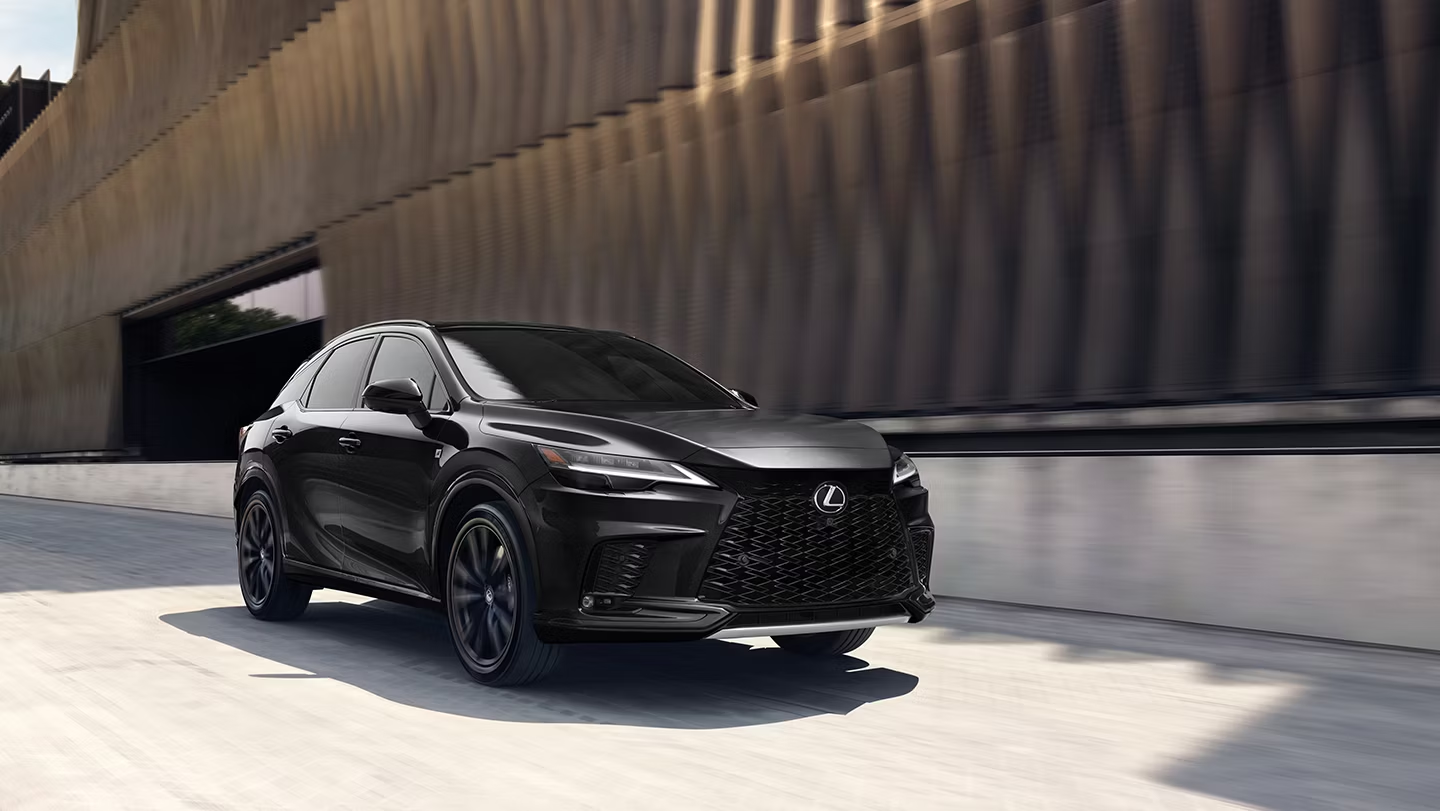
While popular SUVs like the Lexus NX250 sourced directly from Japan usually glide through these requirements effortlessly due to their high maintenance standards, importers must still verify the specifics of their chosen unit against the Prohibited Imports Order.
Working with experienced importers like Enan Motors means these checks are performed automatically at the sourcing stage, protecting you from purchasing a non-compliant vehicle from the auction system, which otherwise would be a costly gamble for an individual buyer.
Calculating Import Duty and Taxes
The calculation of duty and taxes is complex because it is applied in a cascading manner, meaning each subsequent tax is charged on the sum of the previous costs, which is why the final landed cost inflates so dramatically.
The process begins with the Customs Value (CV), which is the CIF (Cost, Insurance, Freight) amount, and KRA usually uses their own valuation database, often referred to as the Red Book, to determine this base amount, regardless of how cheaply you bought the car.
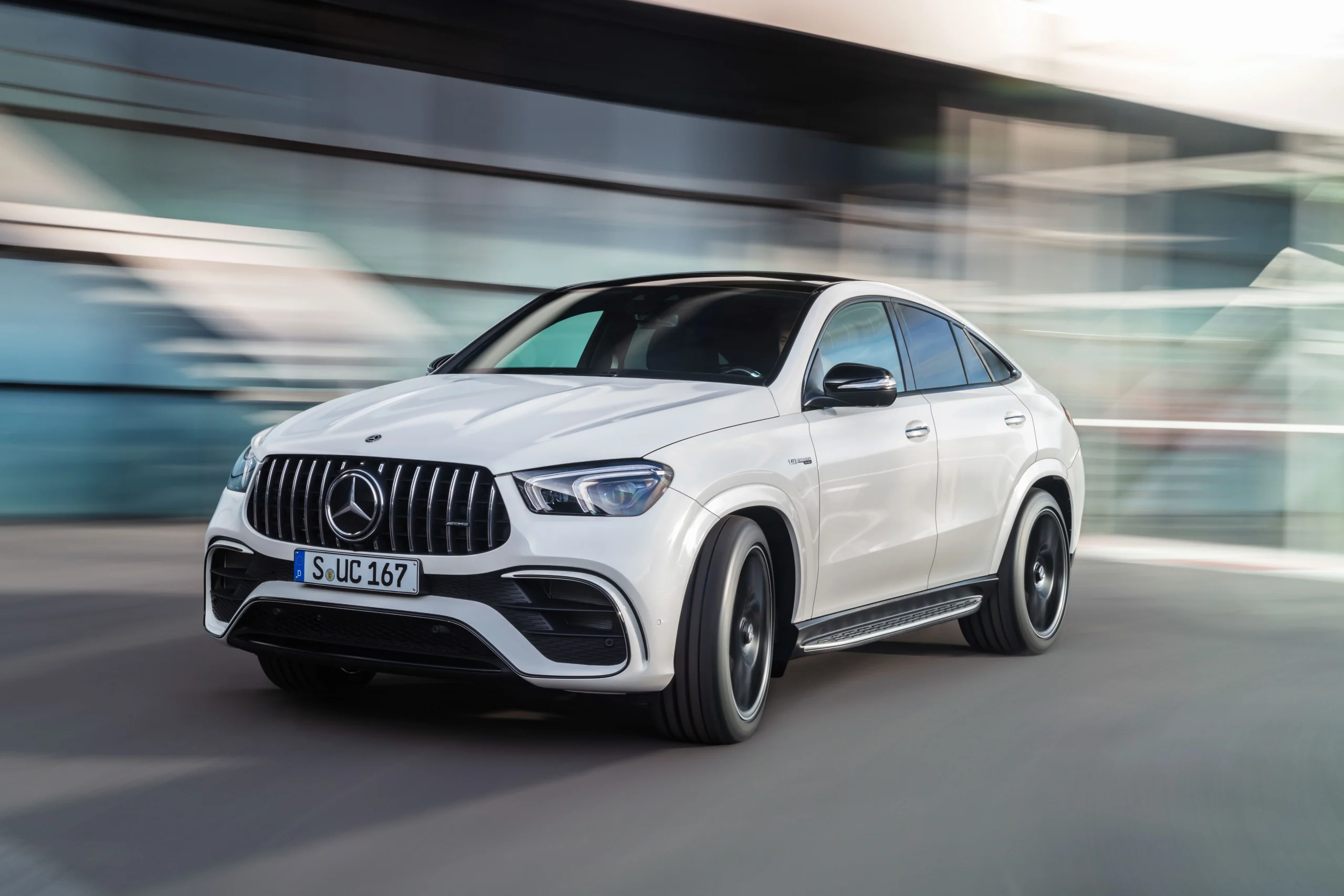
The first layer is the Import Duty (ID), currently 25% of the CV; once that is calculated, the Excise Duty (ED) is applied to the sum of (CV + ID), which is currently 20% for engines below 1500cc and increases significantly for larger engine sizes, making big luxury vehicles like a Mercedes GLE or the powerful Lexus LX 600 incur far higher costs.
The final and largest tax layer is the Value Added Tax (VAT), standing at 16%, which is charged on the entire cumulative sum: (CV + ID + ED), resulting in a tax-on-tax situation that heavily determines the final cost of importing a car in kenya.
To illustrate the impact of this layering, consider a popular Japanese vehicle: if the CIF value is KES 1,000,000, the total duty and taxes alone will be approximately KES 1,510,000, meaning the final cost is well over 2.5 million shillings before factoring in clearing and logistics.
This strict tax structure is precisely why transparency at the initial purchase point (the Japanese auction) is paramount; when Enan Motors helps you bid, you know the true, verifiable CIF value, allowing us to generate an accurate, detailed tax estimate right away, removing the guesswork that can lead to budgeting disasters.
Additional Fees and Charges
Beyond the primary duties, several smaller but necessary fees add to the total landed cost of your imported vehicle, primarily imposed by the government and various logistics handlers.
The first are mandatory KRA levies: the Import Declaration Fee (IDF) is 2.25% of the Customs Value, with a minimum fee of KES 5,000, and the Railway Development Levy (RDL) is 1.5% of the Customs Value, which funds rail and port infrastructure improvements.
These levies, while small individually, must be factored into your total budget calculation before you even begin to look at available cars, as they are non-negotiable government charges paid alongside the main duties.
Secondly, you must account for logistics, clearing, and handling fees once the vessel docks in Mombasa.
This includes port charges (e.g., KPA handling and storage), the Clearing and Forwarding (C&F) agent’s professional fees, and transportation costs from Mombasa to your preferred destination city, whether that is Nairobi, Nakuru, or Kisumu.
A reliable C&F agent, who manages the paperwork, customs clearance, and physical removal of your vehicle—often a Japanese model like a Mitsubishi Outlander—is indispensable for navigating the sometimes congested and bureaucratic port environment efficiently.
Engaging a dedicated importer like Enan Motors means these complex, fluctuating logistics fees are bundled and managed seamlessly, ensuring your vehicle is cleared quickly, minimizing the risk of costly delays and accruing demurrage charges at the port.

Shipping Options and Associated Costs
The shipping cost, known as the ‘Freight’ component of CIF, is the variable cost most susceptible to market fluctuations and your choice of transport method, impacting the base on which all subsequent duties are calculated.
The vast majority of imports from Japan to Kenya utilize Roll-on/Roll-off (RoRo) vessels, which is the most common and cost-effective method where the vehicle is driven directly onto the ship at the loading port and driven off at Mombasa; this typically costs between USD 1,000 and USD 1,500, depending on the vessel operator and the size of your vehicle.
While containerized shipping offers greater protection, it is generally much more expensive, primarily reserved for very high-value luxury cars like the BMW X-Series or specialized machinery, making it impractical for the average Kenyan buyer of a saloon car or small SUV.
Transit time from major Japanese ports like Yokohama or Kobe to Mombasa averages about 4 to 6 weeks, and during this period, the critical insurance component of CIF protects your investment against damage or loss at sea.
It is vital to ensure that the declared insurance value is accurate, as KRA uses the CIF figure to calculate duties, and undervaluing the car, while tempting, will likely lead to KRA rejecting the declared value and imposing its own higher valuation, potentially increasing your tax burden significantly.
When partnering with Enan Motors, we ensure competitive shipping rates and transparent insurance coverage, providing you with tracking updates throughout the entire journey, which is crucial for planning your budget and the final clearing stage.

Effect of Vehicle Age, Engine Size, and Value
Three primary vehicle specifications fundamentally alter the final import cost: the age of the vehicle, the engine capacity (cc), and the declared customs value.
Age plays a dual role: it dictates eligibility (the 8-year rule) and affects the Customs Value because older, depreciated models like a 2019 Mazda Axela will have a lower CIF and therefore a lower tax base than a brand-new counterpart, although KRA is meticulous about setting minimum acceptable values.
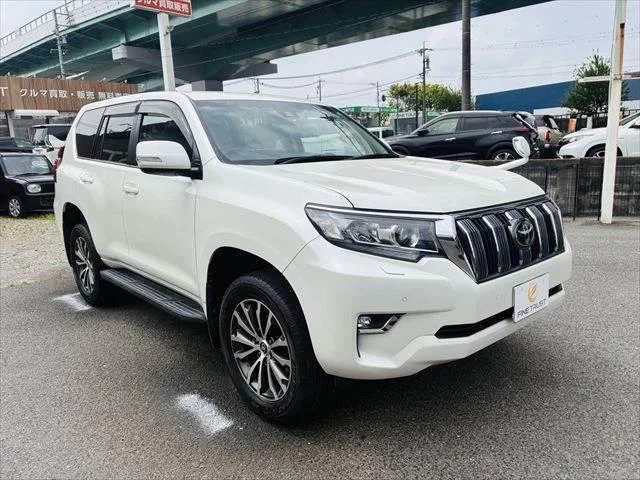
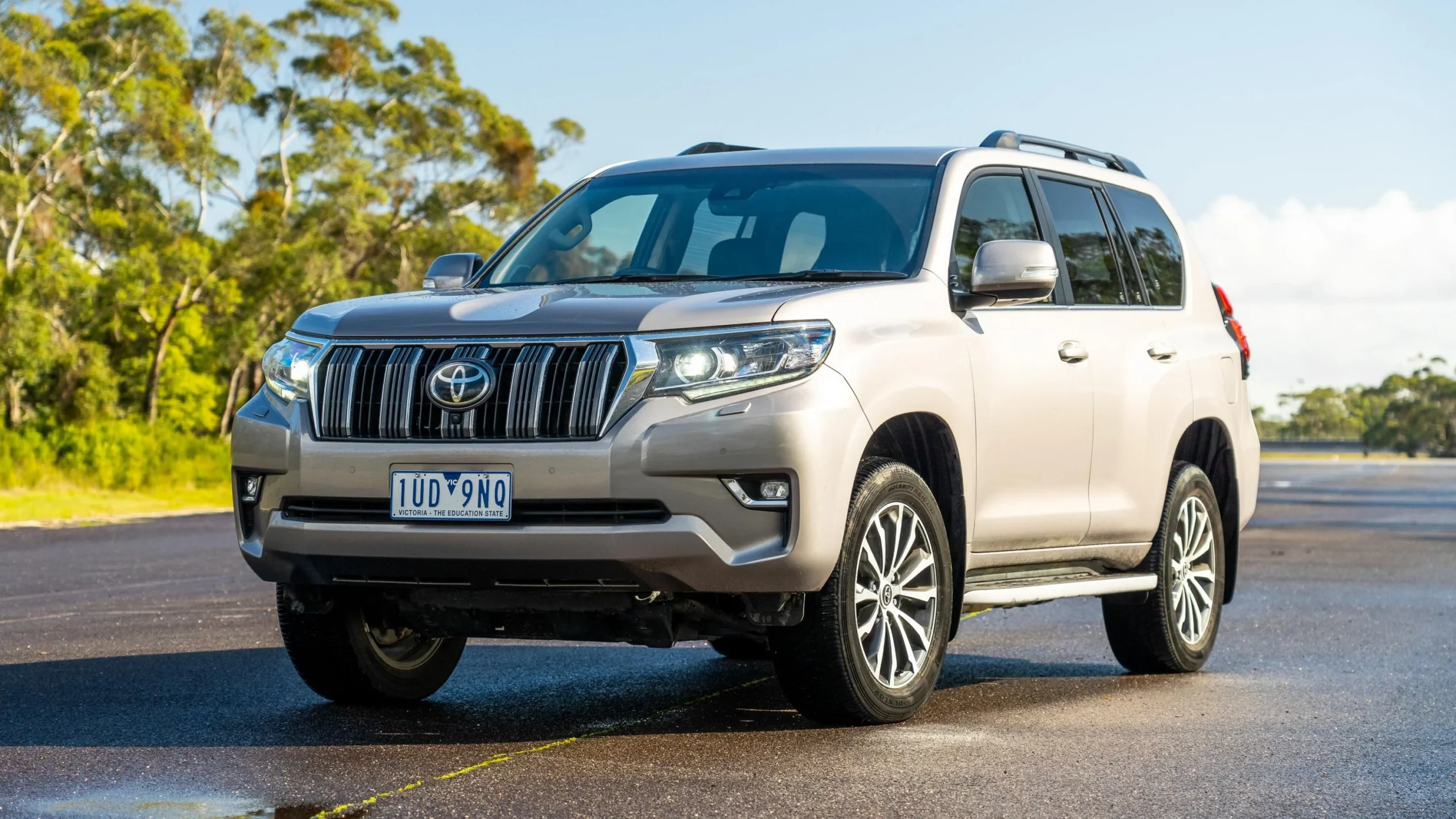
Engine size is crucial because the Excise Duty rate is scaled: smaller engines (like those found in many popular hatchbacks and compact SUVs such as the Volkswagen Tiguan) attract the lowest rates, while large engines (above 3000cc), often found in luxury or heavy-duty vehicles like the Toyota Land Cruiser Prado, push the ED rate much higher, sometimes making the importation of high-powered engines prohibitively expensive for the average Kenyan family.
The declared Customs Value, which is the purchase price used to calculate duties, is arguably the most contentious aspect of the Kenyan import process.
While you may purchase a slightly damaged or high-mileage Toyota Harrier at a low price in a Japanese auction, KRA maintains its own minimum valuation guide.
If the KRA value is higher than your purchase price, they will use their figure, ensuring you pay a minimum level of tax regardless of the deal you struck overseas.
This is why having verified documentation, specifically the original Japanese auction sheet, is vital; it proves the vehicle’s true condition and mileage, offering strong evidence to support your declared value if KRA challenges it.
Experienced importers understand how to navigate this valuation system efficiently, providing the necessary proof to KRA to justify a fair and reasonable tax computation for models like the Honda Vezel.

Common Pitfalls and How to Avoid Them
The biggest financial pitfall for inexperienced Kenyan buyers is relying on opaque sourcing methods, particularly buying cars locally from yards whose histories cannot be independently verified, which often means buying a vehicle with tampered mileage or hidden structural damage.
In Japan, vehicle quality is standardized, and the auction sheet provides an accurate, verifiable condition report and mileage reading, ensuring that when you purchase a premium sedan or even a heavy-duty Lexus SUV, you know exactly what you are paying for, removing the risk of costly post-purchase repairs.
Another common mistake is failing to calculate the total duty accurately upfront, resulting in the buyer being unable to afford the clearance fees upon arrival, leading to crippling demurrage fees (storage charges) at the port, sometimes surpassing the original price of the car.
To truly manage the total cost of importing a car in kenya, avoiding these traps requires transparency and expert guidance, which is the core promise of direct importation.
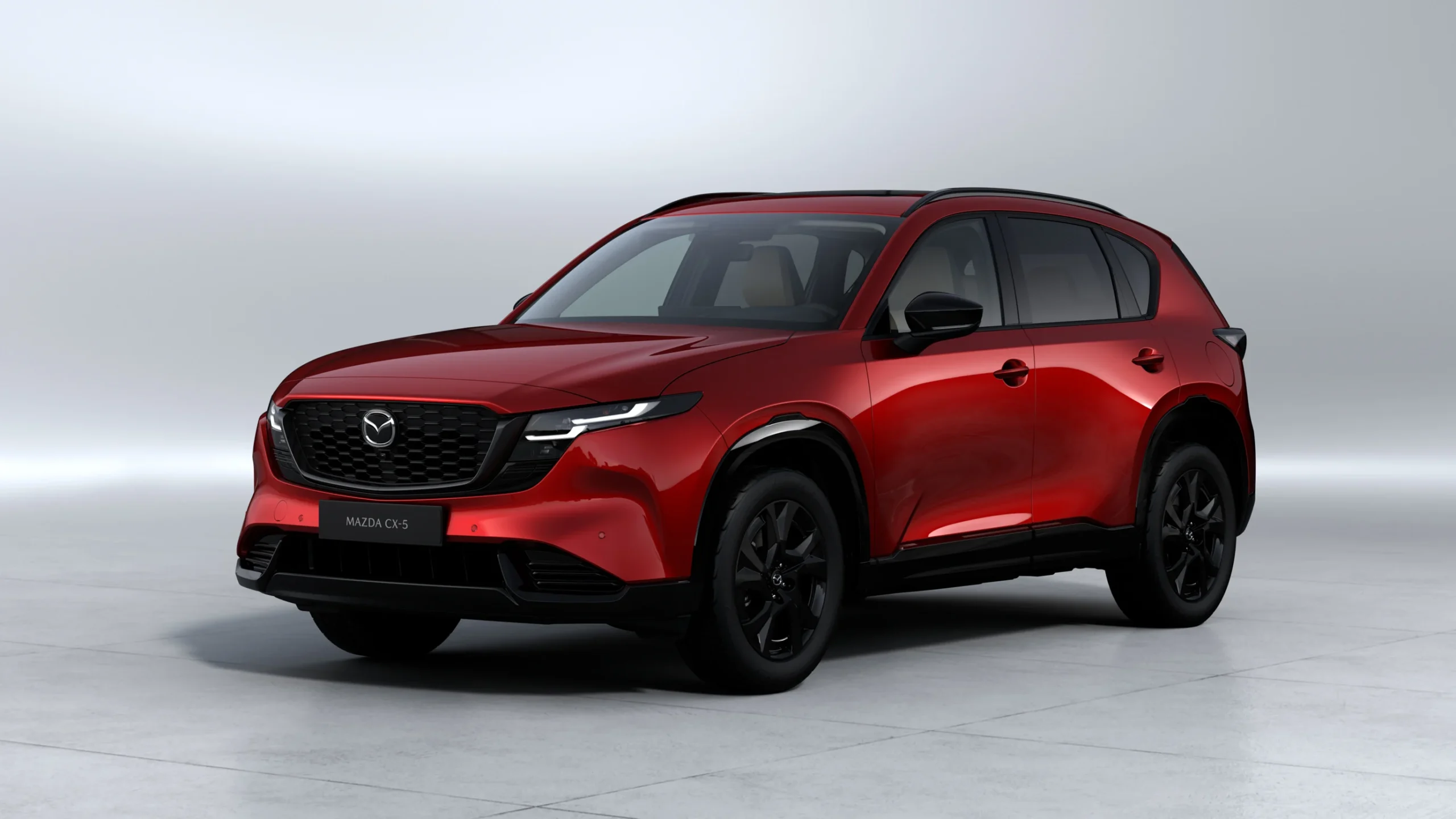
When you buy a popular crossover like the Mazda CX 5 directly through Enan Motors, we provide you with the exact auction sheet, guaranteeing its condition and ensuring you bypass the exaggerated markups local dealers add to cover their overheads.
Furthermore, we handle the entire documentation process, ensuring that the KRA valuation is handled professionally and that all taxes are predicted accurately long before the vessel arrives.
If you are struggling to verify the quality of a potential import or need an accurate tax projection before committing, take the essential step of contacting us today for a free consultation. Message us on WhatsApp to speak directly with an import specialist and start your journey with confidence.
Step‑by‑Step Guide to Importing a Car
Importing a vehicle into Kenya can be broken down into five manageable stages, provided you have a reliable partner managing the complex logistics.
The first stage is Research and Budgeting, where you define your target vehicle (e.g., a Prado), confirm its regulatory compliance (8-year rule), and establish a detailed budget that accounts for the 150%+ tax multiplier.
Stage two involves Sourcing and Purchase, where you select your vehicle, typically through Japanese car auctions or trusted dealers; this is where Enan Motors provides the critical service of translating auction data, inspecting the vehicle, and securing the best price on vehicles like the highly desirable Toyota range.
Stage three covers Shipping and Insurance, where the vehicle is transported from Japan to Mombasa, complete with comprehensive insurance coverage to protect your investment during transit.
Stage four, the most financially intense, is Clearance and Payment of Duties, involving the filing of the IDF and RDL, followed by the settlement of Import Duty, Excise Duty, and VAT with KRA—a process where precise documentation is non-negotiable.
Finally, Stage five is Logistics and Registration, where the vehicle is transported from Mombasa, inspected by KEBS, and registered with the National Transport and Safety Authority (NTSA) to receive its Kenyan number plate.
We offer a transparent, streamlined Import process, taking the anxiety out of the transaction so you can focus on driving your new car.
If you are ready to secure a high-quality Japanese import without the typical confusion, do not hesitate to reach out; Call us now to begin.
Dealing with the importation process solo often results in costly errors, from incorrect duty calculations to protracted delays at the port that necessitate unforeseen payments for storage.
When Enan Motors handles your import, we manage every single detail, from ensuring the correct documentation is prepared in Japan (avoiding future KRA audit issues) to coordinating efficient clearance with trusted C&F agents in Mombasa, ensuring delivery within days of docking.
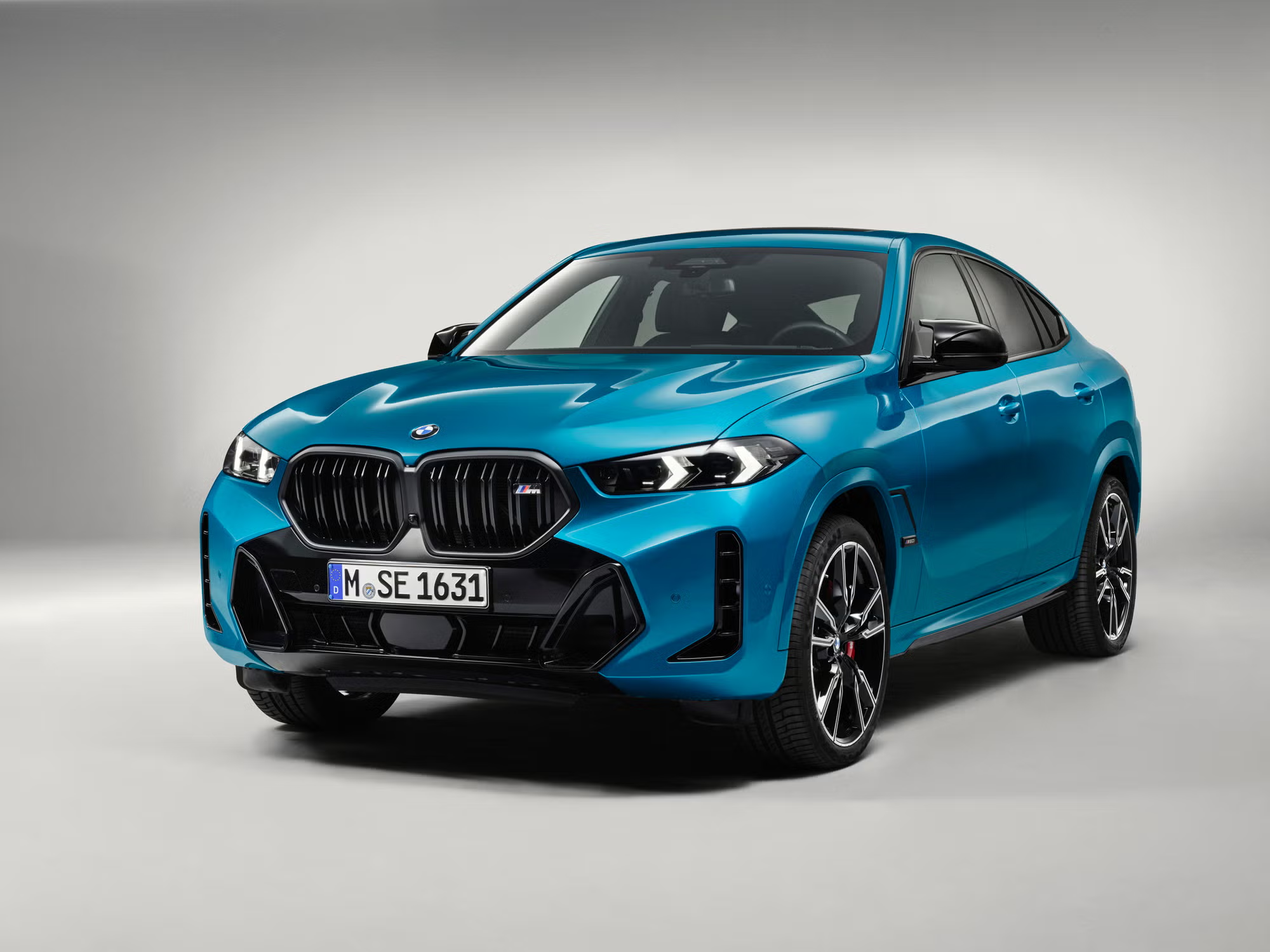
This full-service approach, especially vital for high-value German imports like the powerful Mercedes Benz or the executive BMW X6, guarantees that the complex logistical steps are executed flawlessly, protecting you against hidden costs and ensuring predictable budgeting.
Our goal is to make the true landed cost known upfront, offering financial clarity that is simply unavailable when purchasing locally or attempting a self-import without industry expertise.
Conclusion
The true cost of importing a car in Kenya is not just the price of the vehicle; it is a calculated risk based on the efficiency of your logistics and the accuracy of your tax projection, which is heavily influenced by the KRA valuation of the vehicle.
By choosing to import directly from Japan, you gain superior control over quality via verifiable auction sheets, eliminate unnecessary dealer markups, and unlock a vastly wider range of vehicles compared to the limited local market offerings.
This transparency is the key to minimizing the landed cost.
At Enan Motors, we leverage our deep understanding of the Kenyan tax system and Japanese sourcing network to provide you with a predictable, stress-free importation experience.
Do not let complexity deter you; empower yourself with knowledge and partner with experts who guarantee quality and transparency from Japan to Nairobi.
Reach out today via Email us or visit our office to discuss your specific vehicle requirements.

FAQs
- What is the 8-Year Rule, and why is it crucial for Kenyan imports?
The 8-Year Rule dictates that the vehicle’s year of manufacture must be less than eight years old from the date of importation, meaning a car imported in 2026 must have been manufactured in 2019 or later; failure to meet this standard results in the vehicle being inadmissible to Kenya.
- How does KRA determine the value of my imported car for tax purposes?
KRA uses its own standardized valuation database (often called the Red Book) to determine the Customs Value (CV), and they will use this internal value if it is higher than the declared CIF value, ensuring minimum taxes are paid regardless of your purchase price.
- Why is direct importation from Japan often cheaper than buying locally?
Direct importation eliminates the significant markups local car yards charge to cover their overheads, inventory costs, and profit margins, ensuring that the buyer only pays the actual CIF price plus unavoidable statutory duties.
- Which taxes make up the majority of the import cost?
The majority of the cost is attributed to the three major cascading taxes: 25% Import Duty, a variable Excise Duty (ED) primarily based on engine size, and 16% Value Added Tax (VAT), all calculated sequentially on the Customs Value.
- What are the benefits of using verifiable Japanese auction sheets?
Auction sheets provide undeniable proof of the vehicle’s genuine mileage, condition rating, and verifiable history, protecting Kenyan buyers from odometer tampering and hidden structural damage common in non-transparent local sales channels.