

Introduction to Japanese Car Auctions
The Japanese used car market operates primarily through massive, highly regulated car auctions, which are the source of almost every vehicle imported into Kenya.
Unlike the local mechanic you might get at a yard along Kiambu Road, the auction sheets produced here are mandatory assessments conducted by neutral, highly trained inspectors, ensuring a high degree of objectivity about the car’s condition.
These sheets are essential because they provide a comprehensive snapshot of the vehicle’s mechanical and cosmetic status at the moment it was sold in Japan, serving as your only reliable defense against buying a clocked or accident-damaged vehicle misrepresented in the local market.
For buyers working with Enan Motors, these sheets are the foundation of our entire business model, guaranteeing that the vehicle you bid on sight-unseen in Japan is exactly the vehicle that lands at the port of Mombasa, free from the nasty surprises that are common when dealing with unscrupulous dealers whose primary motivation is maximizing short-term profit rather than ensuring buyer satisfaction.
If you have ever walked through a car yard in Nairobi or Mombasa, you know the pressure and the inherent lack of trust that permeates the process, often wondering if the mileage has been rolled back or if that shiny paint job hides a serious past accident.
The auction sheet flips this dynamic entirely, placing the power back into the hands of the Kenyan buyer who demands transparency, which is a major advantage of utilizing direct importation services.
By focusing on cars with verifiable auction grades of 4 or higher, you are effectively filtering out 90% of the risky inventory that eventually finds its way to local showrooms after questionable cosmetic repairs.
This documentation not only confirms the condition of popular imported models but also verifies crucial details like service records and original options, allowing you to make a financially sound decision based on factual data rather than persuasive sales talk.
Essential Terminology on Auction Sheets
Before diving into the grades and damage codes, you must first locate and understand the basic identifying information provided on the top sections of the auction sheet.
The most critical piece of data is the chassis number (sometimes called the frame number), a unique identifier that allows you to independently confirm the vehicle’s identity, especially against KRA and NTSA records upon arrival in Kenya.
Additionally, the sheet will clearly list the year and month of the vehicle’s first registration in Japan, which is vital for ensuring compliance with Kenya’s eight-year import rule—if the manufacturing date is too close to the cutoff, you risk penalties or refusal of entry.
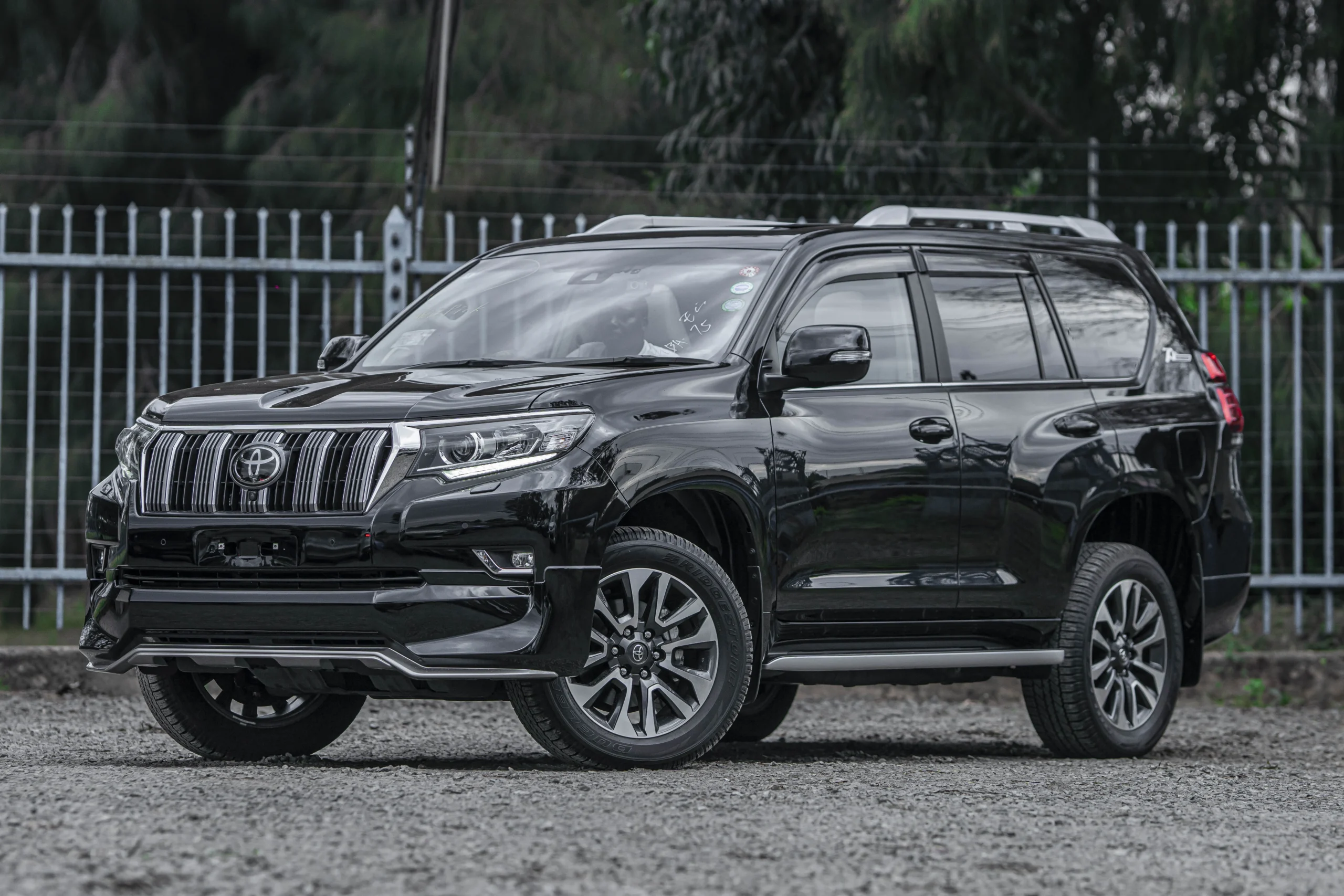
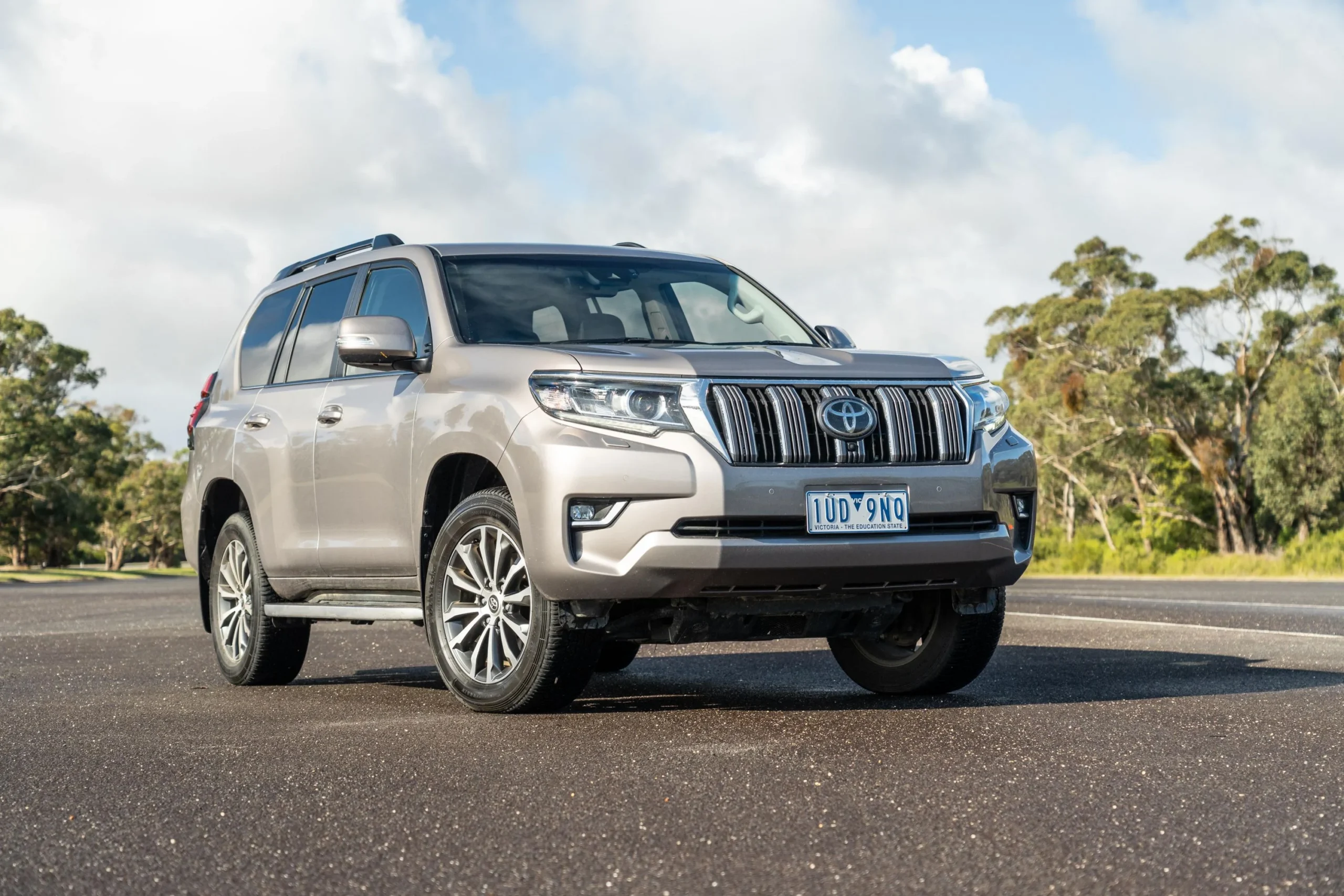
You will also find details regarding the engine size, transmission type (AT or MT), and whether the car is a two-wheel-drive or four-wheel-drive model, all of which are crucial factors that influence the final price, duty calculation, and overall suitability for Kenyan roads, particularly if you are eyeing robust options like a Toyota Land Cruiser Prado for rougher upcountry travel.
Understanding the body type and model code is also key, as subtle differences in trim levels or optional extras can significantly alter the value and duty owed back home.
For instance, knowing if you are buying a base model or a premium package makes a huge difference in valuation when dealing with models from manufacturers like BMW or Mercedes Benz, where optional features like sunroofs or premium sound systems affect the declared value.
Furthermore, the ‘Exterior Color’ section ensures the vehicle arriving in Mombasa matches what you saw in the photos, preventing potential confusion or disappointment upon collection.
If you are ever unsure about any specific model code, especially when looking at detailed Japanese-only documentation, Enan Motors’ team provides expert assistance to translate and verify these specific terminologies, ensuring you know exactly what specifications you are securing before the auction hammer drops.

Decoding the Grading and Condition Codes
The overall auction grade is the most powerful summary of the vehicle’s condition, and understanding it is non-negotiable for successful importation into Kenya.
Grades range from S (brand new) and 6 (as new, usually under 3,000 KM) down to R (Repaired/Accident) and 1 (significantly damaged or flood car).
For practical, high-quality Kenyan imports, you should primarily target vehicles graded 4 or 4.5; Grade 4 indicates a car in excellent condition with minor wear commensurate with its age and mileage, while 4.5 suggests very clean, high-mileage cars or slightly older, very low-mileage cars.
Grades below 3.5 usually signify cars requiring significant bodywork or mechanical attention, which can negate the cost savings of direct importation due to expensive local repairs.
It is highly recommended that you stick strictly to Grade 4 and above for dependable daily drivers, ensuring the vehicle maintains a strong resale value locally.
Beyond the primary numerical grade, you must also look at the separate interior and exterior condition codes, typically denoted by letters like A, B, or C.
An auction sheet showing ‘Grade 4, Interior B, Exterior B’ is generally considered a strong buy, indicating moderate wear both inside and out.
Interior grades focus on seat condition, dashboard cleanliness, and potential smells (like cigarette smoke), while exterior grades relate to minor cosmetic blemishes like light scratches or small dents.
If you are importing a luxury item, such as a Lexus LX 600, you should aim for an interior grade of A, signifying pristine condition, to justify the higher investment.
Be extremely wary of cars carrying an R grade (repaired) or a 0 grade (flood damage); while these are often priced attractively, the structural risk and difficulty in resale often make them poor choices for the demanding Kenyan road network and local buyer preferences.

Mileage, Age, and Usage Indicators
Mileage accuracy is perhaps the most crucial piece of data on the auction sheet, as it directly combats the widespread practice of mileage clocking often seen in local car yards across Nairobi.
The distance recorded on the sheet is verified by the Japanese inspector, drastically reducing the chances of fraudulent readings; the mileage is always recorded in kilometers (KM), which must be factored in when calculating its usage relative to the 8-year import rule.
A typical Kenyan buyer should look for a car that has an average mileage that aligns with its age—for instance, a four-year-old vehicle with 40,000 to 80,000 KM is generally considered normal and attractive, offering many years of service on Kenyan roads.
When evaluating a reliable brand like Honda, a low, verified mileage translates directly into a higher value and fewer immediate maintenance concerns.
In addition to the raw mileage number, the sheet often includes indicators related to usage or previous ownership, such as whether the vehicle was used as a commercial fleet vehicle or a rental (which often carry higher mileage and heavier wear).
The age of the vehicle, determined by the first registration date, is critical for compliance with Kenya Revenue Authority (KRA) regulations; missing this deadline by even a month can lead to serious importation issues and financial penalties.
When evaluating the interior condition using the letter grading, remember that Grade C often indicates heavy staining or tears, which are common in high-mileage delivery vehicles.
Always cross-reference the stated mileage with the overall condition grade; if the mileage is very low (say, 20,000 KM) but the grade is only 3.5, it suggests underlying, possibly concealed, mechanical or structural issues that require further investigation before committing to the purchase.

Damage, Repair, and Accident History
The damage diagram is the most intimidating but vital part of the auction sheet, acting as a map detailing every scratch, dent, and repair found by the inspector, providing a level of detail unmatched by any other car buying method available in Kenya.
Damage is marked using specific codes and a numerical severity scale from 1 (minor) to 4 (major), with the most common markings being A (Scratch), U (Dent), W (Repaired/Wavy area), and X (Part replacement).
For example, finding ‘U2’ on a rear bumper of a Mazda CX 5 means there is a small, medium-severity dent, which is usually cheap and easy to fix locally or can often be ignored entirely.
However, multiple ‘W3’ or ‘X’ markings across structural panels like the chassis rails or firewall, or the presence of ‘XX’ (replaced structural panel), indicate a serious past collision and should generally be avoided unless you are purchasing a heavily discounted project vehicle.
It is important to understand that not all damage is created equal; a handful of A1 or U1 markings on the doors are simply cosmetic imperfections resulting from normal urban driving in Japan and should not deter a buyer seeking good value.
Conversely, an R grade combined with markings on the chassis (like a ‘Y’ indicating rust or corrosion) signals major structural compromise that dramatically impacts the car’s safety and longevity, making it unsuitable for the typical Kenyan buyer.
When Enan Motors assists clients with direct imports, we meticulously analyze these damage codes to ensure that any imperfections are purely cosmetic and manageable, confirming that you are getting a structurally sound car that meets your safety and quality standards, effectively eliminating the risk of buying a concealed write-off that some local yards might try to disguise.

Pricing, Fees, and Final Bid Calculation
The price listed on the auction sheet typically reflects only the winning bid (hammer price) in Japanese Yen, which is just the starting point of the total cost incurred by the Kenyan importer.
To arrive at the true cost of importing the vehicle, you must factor in substantial additional charges, including Japanese local fees (like inland transport and auction house fees), freight charges (shipping from Japan to Mombasa), marine insurance, and critically, the hefty KRA import duties and taxes which are calculated based on the vehicle’s CRSP value.
This process highlights the primary financial advantage of direct importation: you are paying the actual, verifiable costs of the car and its logistics, rather than paying an exaggerated, non-transparent markup applied by local car yards, which often add 20% to 40% to cover their overheads and profit margins.
When working through the final pricing calculation, direct importers gain total control and transparency over every shilling spent, contrasting sharply with the fixed, opaque prices often advertised in Kenyan showrooms.
For instance, if you are importing a Mitsubishi model, Enan Motors provides a detailed, itemized breakdown of all these fees upfront, allowing you to set a precise maximum bid limit tailored to your budget and the market value of similar cars already in Kenya.
This financial clarity builds immense trust and ensures there are absolutely no hidden costs emerging unexpectedly after the car has been shipped.
If you are serious about maximizing your value and saving money, understanding these true costs is essential—reach out to Enan Motors for a comprehensive quote tailored to your specific vehicle model and import requirements by Message us on WhatsApp today.

Tools, Translators, and Online Resources
One of the primary barriers for Kenyan buyers attempting to read auction sheets independently is the Japanese language barrier, as the critical ‘Comments’ section—where the inspector notes specific details like a persistent engine noise or required maintenance—is almost always written in Japanese script.
While rudimentary online translators can help decipher basic terms and location names, they are notoriously inaccurate when dealing with technical jargon or nuanced inspector comments, which is precisely where critical mechanical risks are usually hidden.
Relying on poor translations can lead to costly mistakes, such as misinterpreting a note about transmission slip as merely a minor electrical fault, undermining the entire purpose of using the auction sheet for transparency.
The most reliable ‘tool’ in this scenario is partnering with an experienced direct importer who employs professional Japanese-speaking translators and technical staff familiar with auction house terminology.
Reputable experts, like those at Enan Motors, provide accurate, verified translations that capture the true intent of the inspector’s notes, ensuring you receive a complete and honest assessment of the vehicle before you commit financially.
We offer access to auction portals and verified sheet information, demystifying the process and allowing you to confidently view the details of vehicles ranging from a family-friendly Volkswagen Tiguan to an economic Toyota sedan.
If you want true peace of mind, reliable, professional translation is non-negotiable, far outweighing the risk of trusting generic internet tools with your substantial vehicle investment.

Practical Walkthrough: Reading a Sample Sheet
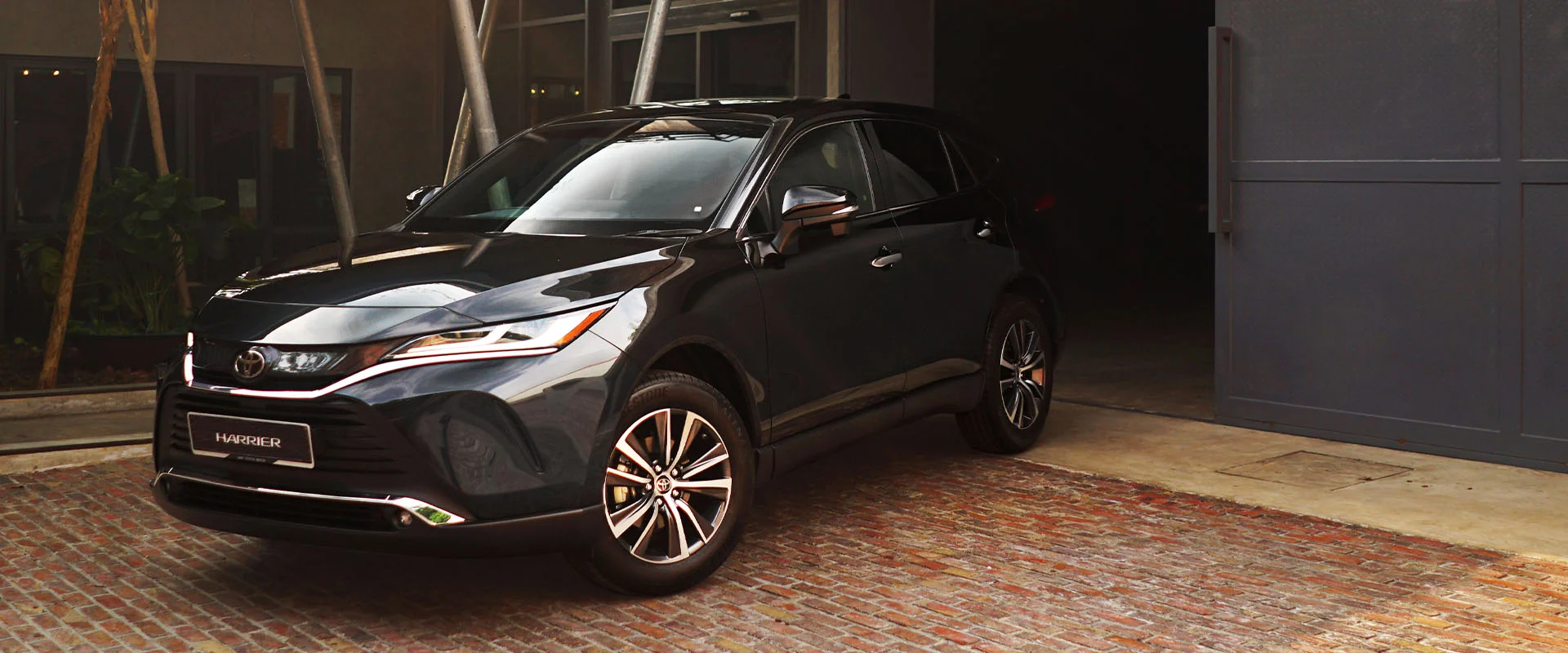
Let’s conduct a practical assessment of a common import: A 2018 Toyota Harrier.
Suppose the sheet shows a Grade 4, Interior B, Exterior A.
This immediately tells us the car is in excellent mechanical condition, the exterior paint is relatively clean (Grade A), but the interior has some moderate wear, likely meaning minor stains or scuffing on the seats (Grade B).
The mileage is verified at 85,000 KM, which is acceptable for a four-year-old car, well within the expected lifespan for reliable performance in Kenya.
Next, we check the diagram: we find a small ‘U2’ marked on the rear passenger door and an ‘A1’ on the bonnet.
The U2 is a medium-sized dent, perhaps from a trolley, while the A1 is a minor scratch.
These are negligible issues that do not affect the car’s structural integrity or performance, confirming that this is a strong purchase.
We then check the comments section (with professional translation): The inspector notes “Muffler small rust spot” and “Seats require minor cleaning.” This confirms the B interior grade and alerts the buyer to a tiny, non-critical maintenance item that is normal for its age.
Crucially, there are no ‘R’ grades, no ‘XX’ markings, and no notes about engine noise or transmission faults.
This detailed reading assures the Kenyan buyer that they are purchasing a reliable, high-quality vehicle that meets the expected standard of a Grade 4 vehicle.
By utilizing this structured approach, buyers who choose to import directly through Enan Motors can make informed decisions based on concrete evidence, ensuring their investment is secure and their expectations are perfectly aligned with the vehicle they eventually drive away from Mombasa port.
Key Takeaways and Best Practices
The primary takeaway for any Kenyan considering an imported car is that the Japanese auction sheet is your single most valuable asset, providing transparency and verifiable proof of quality that local yard purchases simply cannot offer.
Never commit to buying an import, especially from a local dealer, unless they can provide the original, untampered auction sheet for verification.
Best practices include always targeting Grade 4 or 4.5 vehicles, meticulously cross-referencing the chassis number and mileage, and interpreting the damage codes skeptically—a low price often hides a complex repair history that will cost you heavily once the car is on Kenyan soil.
By educating yourself on how to read Japanese auction sheets, you move from being a hopeful consumer to a knowledgeable, confident importer.
Choosing direct importation eliminates the middleman and their associated risks, granting you access to a massive selection of high-quality vehicles in Japan, such as the sleek Mercedes GLE or the fuel-efficient Mazda Axela, rather than being limited to the often overpriced and questionable stock available locally.
Enan Motors provides the necessary expertise and secure platform to navigate the auctions successfully, translating the sheets and managing the entire logistics process from bidding to delivery in Nairobi or Mombasa.
If you are ready to take control of your car purchase and ensure maximum value and quality, we encourage you to view our wide range of available cars today and let us simplify your import journey.
Your perfect, high-quality vehicle is waiting, verified and ready for the Kenyan roads.

Conclusion
Mastering how to read Japanese auction sheets is the definitive way to ensure transparency, quality, and value when importing a vehicle to Kenya, fundamentally shifting the power dynamic from the seller to the buyer.
This detailed documentation removes the guesswork associated with local purchases, verifying critical details like mileage, accident history, and true condition.
By partnering with a trusted expert like About Enan Motors, you gain access to professional translation and logistical support, guaranteeing that your chosen vehicle—be it a reliable Lexus or a sturdy Volkswagen—is exactly as promised when it lands in Mombasa.
Don’t settle for opaque local deals; choose the clarity and cost savings of direct import.
Take the first step toward a confident purchase today; you can Call us to discuss your ideal import and start the transparent process.

FAQ
- What is the lowest acceptable auction grade for a reliable Kenyan import?
The lowest acceptable grade for a reliable daily driver is typically Grade 4; anything below 3.5 usually indicates mechanical issues or significant bodywork that may negate import savings.
- What does the ‘R’ grade on an auction sheet signify?
The ‘R’ grade means the vehicle has been professionally repaired following an accident or major damage, indicating non-original panels or structural work.
- Are the mileage readings on the auction sheet guaranteed to be accurate?
Yes, the mileage is verified by neutral third-party inspectors in Japan, making it highly reliable and protecting Kenyan buyers from odometer fraud (clocking).
- What do the damage codes A1, U2, and W3 mean?
A1 is a minor scratch, U2 is a medium-sized dent, and W3 signifies a noticeable repair spot with significant waviness or poor finish quality.
- How do I verify the auction sheet is genuine and untampered with?
Reputable importers like Enan Motors provide access to auction verification portals, allowing you to use the chassis number to confirm the sheet’s authenticity and history online.