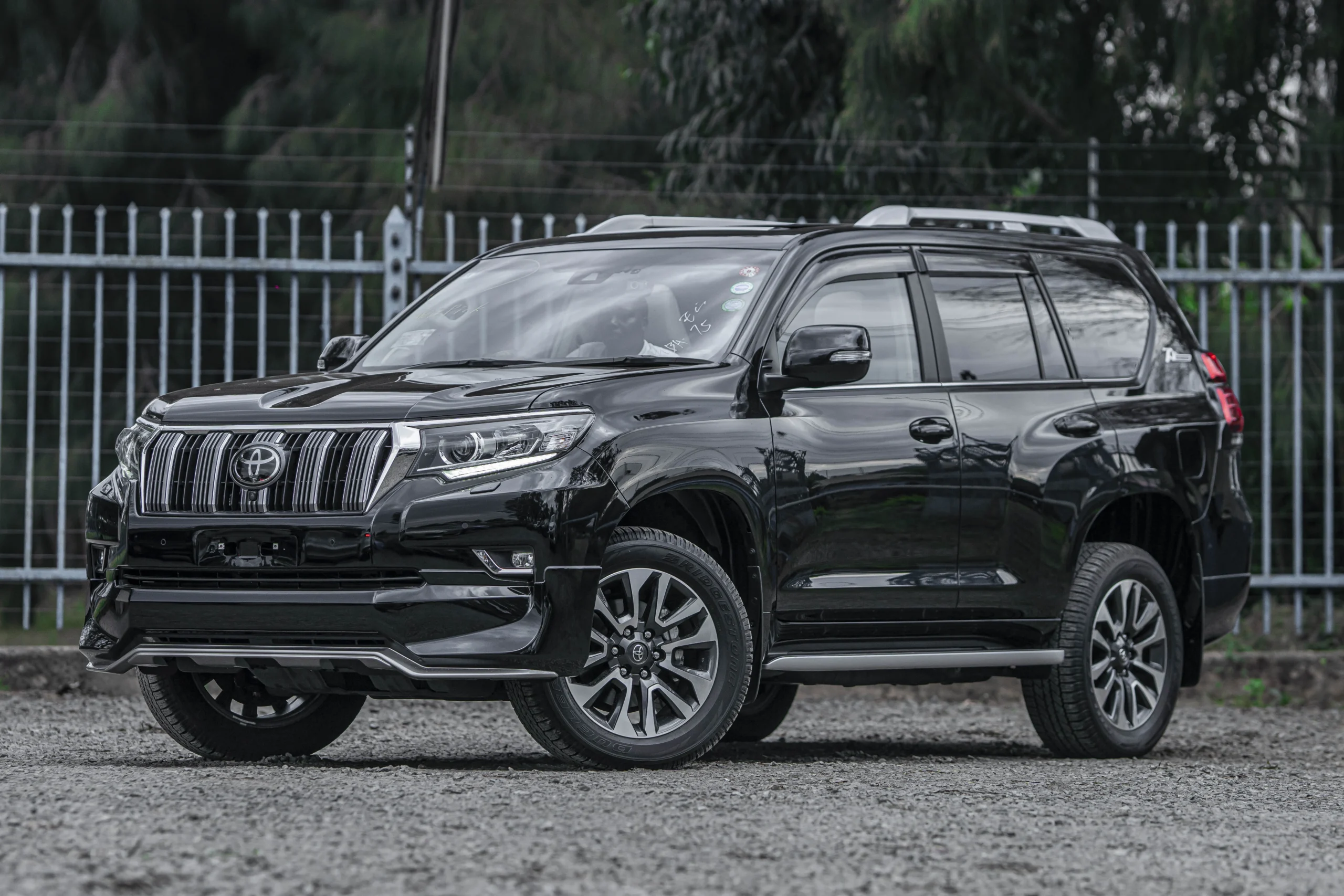


Introduction – Why Fuel Consumption Matters for the Prado 2.8 Diesel
For the average Kenyan motorist, particularly those investing in a capable and commanding SUV like the Prado, the cost of operation is often just as important as the initial purchase price, and fuel consumption is the single biggest factor in that calculation.
The Toyota Prado is celebrated nationwide for its rugged dependability, resale value, and ability to handle everything from the urban sprawl of Mombasa to the challenging dusty tracks of the North Rift, yet this capability comes with a certain heft and engine size that naturally demands careful attention to its thirst for diesel.
Given the current economic climate in Kenya, where fuel prices can seem unpredictable and disproportionately high, maximizing every drop of diesel is not merely a preference but a financial necessity for families and businesses relying on this vehicle for daily transport or logistics operations.
Therefore, mastering your specific Prado 2.8 diesel fuel consumption is essential to maintaining a realistic and affordable transport budget across the lifespan of the vehicle.

Official Fuel Economy Ratings from the Manufacturer
When you look at the manufacturer’s specifications for the 2.8L 1GD-FTV diesel engine found in models imported from Japan (usually built from 2019 onwards, replacing the older 3.0L), the figures are generally impressive, often advertised around 13.5 km/L in combined cycle tests.
These figures are derived from standardized tests like the Japanese JC08 or the European WLTP cycle, which are designed to be uniform but unfortunately do not accurately replicate the specific driving conditions encountered daily in Kenya.
These tests rarely account for extended periods of idling in a traffic snarl-up near the Nyali bridge or the constant gear changes required when tackling the steep inclines leading out of Nakuru town, which severely impact overall efficiency.
Consequently, while the official figures provide a benchmark, experienced Kenyan importers and owners know to apply a realistic deduction—typically between 15% and 25%—to arrive at a reliable estimation for local use, especially when the vehicle is driven fully loaded with passengers and cargo.
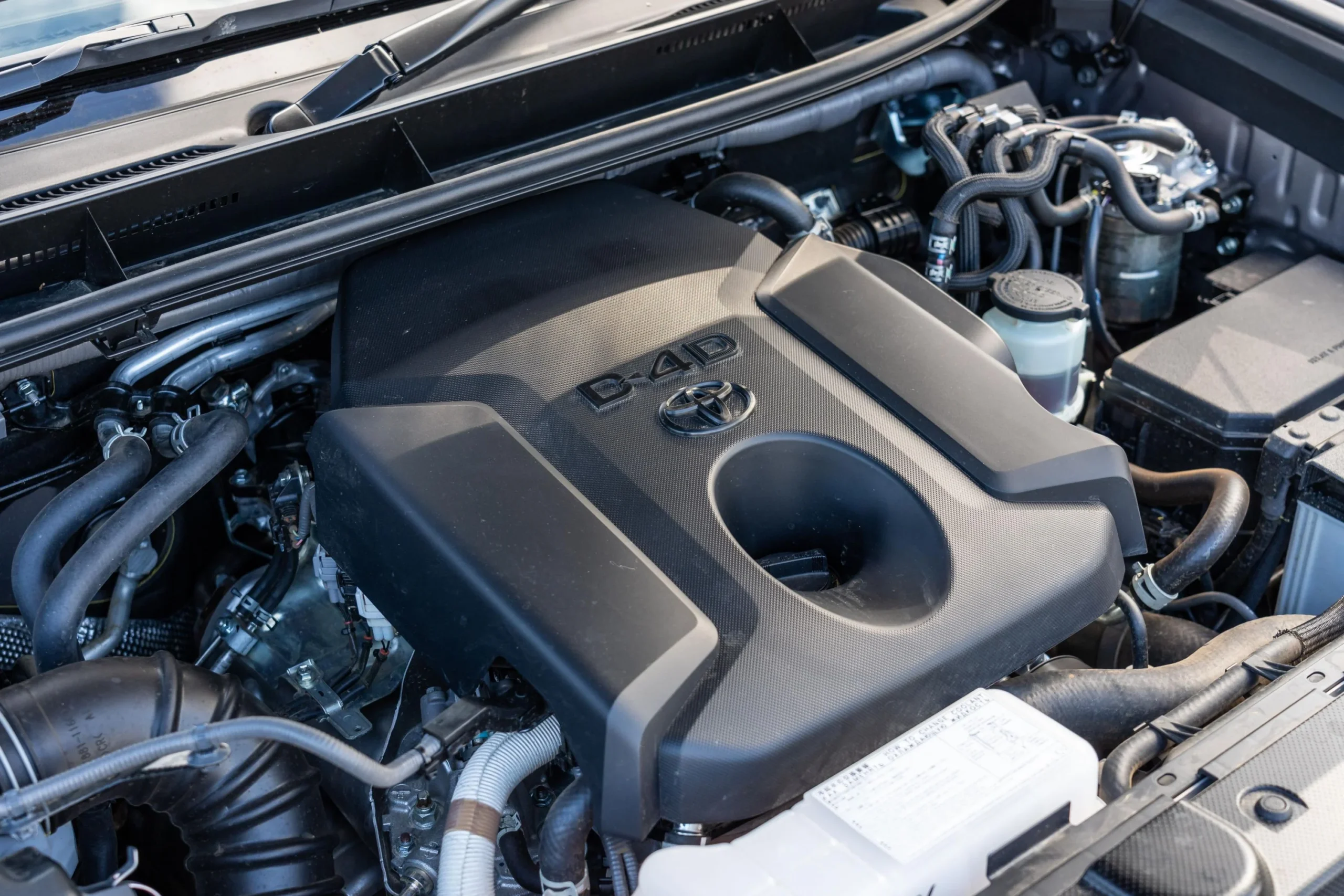
Real-World Fuel Consumption Numbers Reported by Owners
When speaking directly to Prado owners in Nairobi, Eldoret, and Kisumu, a clearer picture emerges regarding the true Prado fuel usage, segmented primarily by environment.
For heavy city driving, where the Prado spends significant time running in low gears and waiting at junctions, the consumption tends to sit between 9.5 km/L and 10 km/L, which is quite respectable for a vehicle of this size and capability.
However, the efficiency significantly improves on smooth, sustained highway journeys, such as driving from Nairobi to Mombasa, where speeds are constant and the engine operates efficiently in top gear, often achieving 11.5 km/L to 12.5 km/L.
This variance underscores a crucial point for potential buyers: your specific daily route dictates whether the 2.8L Prado will be a relatively frugal runner or a slightly more costly investment, emphasizing the need to track your own fuel log accurately after purchase to establish your personal average.
For those interested in seeing vehicles already optimized for performance and efficiency, browsing our current Inventory can provide context on available cars and their typical specifications.
A major concern for Kenyan buyers is ensuring the consumption figures they experience are consistent with the vehicle’s age and mileage, which is where the import process offers a significant advantage.
When purchasing a vehicle locally, it is incredibly difficult to verify the true history or condition, meaning a seemingly good deal might hide a poorly maintained engine that guzzles fuel inefficiently, resulting in high running costs down the line.
Conversely, clients who import their Prado directly from Japan through Enan Motors receive the verified auction sheet and mileage reports, providing complete transparency regarding the vehicle’s true quality and condition before the purchase is finalized.
This crucial step of knowing the provenance ensures that the real-world fuel consumption you achieve aligns with a healthy, well-maintained 2.8L engine, safeguarding your investment against hidden defects and exaggerated local yard markups.
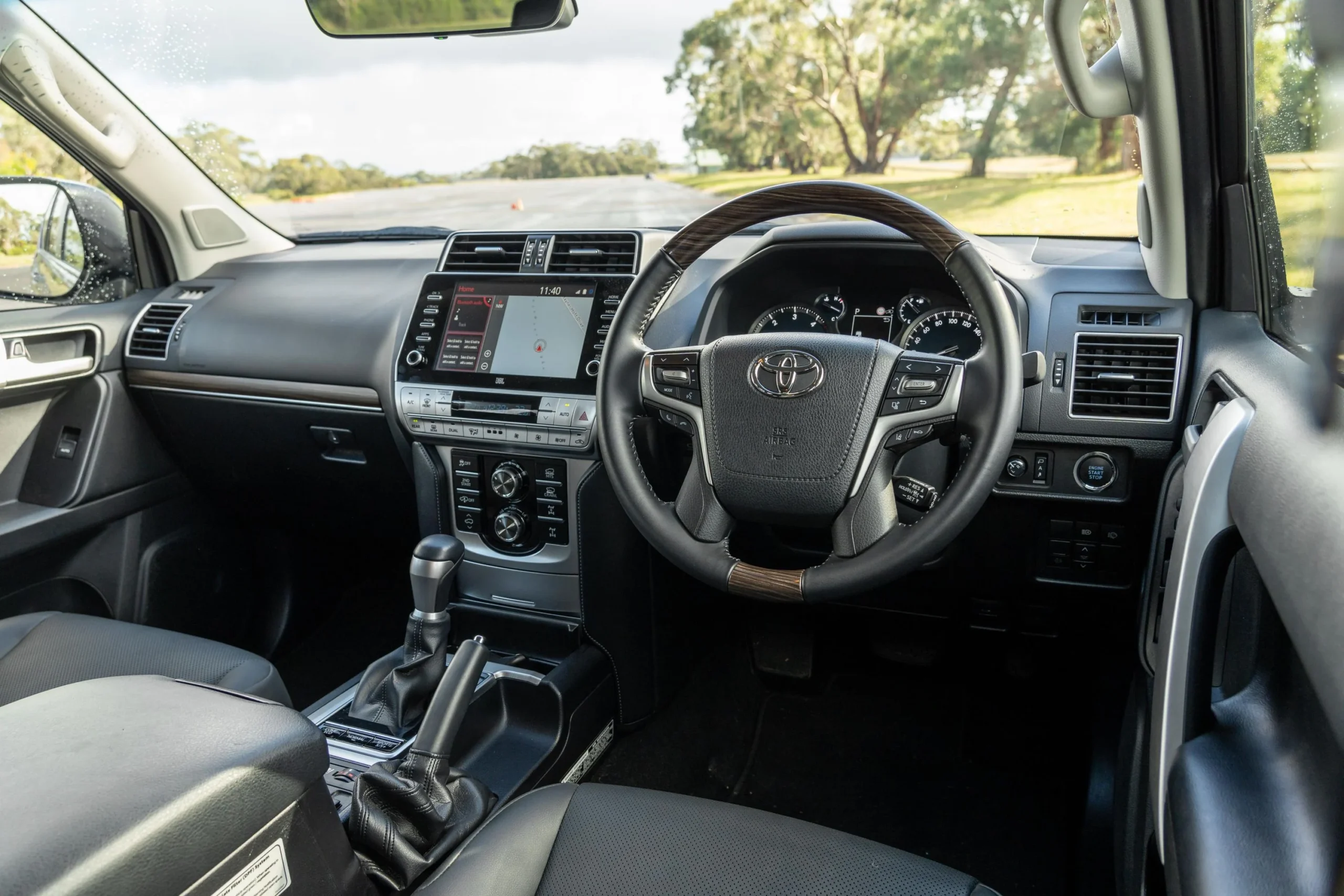
Key Factors That Influence the Prado 2.8 Diesel’s MPG
Several critical factors specific to the Kenyan environment and vehicle specifications heavily influence the final fuel efficiency of your Prado 2.8 diesel.
Firstly, the weight of the vehicle is paramount; additional modifications popular in Kenya, such as heavy-duty bull bars, extra roof racks, or extensive off-road accessories, increase drag and inertia, requiring the engine to work harder and thereby reducing your kilometers per liter.
Secondly, the use of the permanent 4WD system, especially if heavy off-roading or slow, high-torque driving is involved, naturally increases consumption compared to cruising in a 2WD environment, although the Prado’s full-time 4WD is famously efficient.
Furthermore, the age of the injectors and the condition of the turbocharger are vital considerations, particularly in vehicles that have been exposed to lower-quality local diesel over time; a poorly maintained engine will consume significantly more fuel simply to achieve standard performance.
Ensuring these components are in peak condition upon import, facilitated by our rigorous inspection process at Enan Motors, helps maximize the inherent fuel efficiency designed into the 2.8L engine.
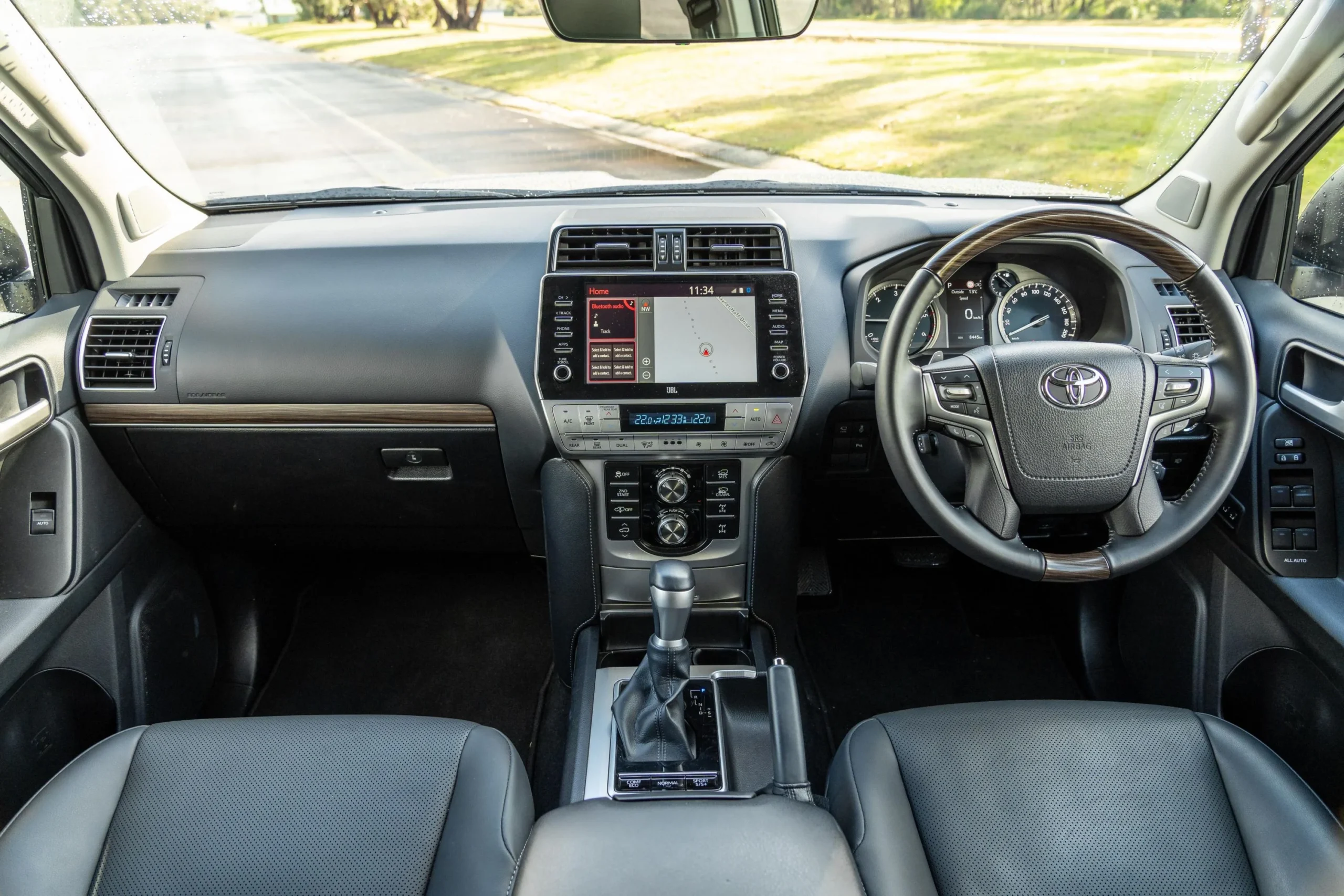
How Driving Style and Terrain Affect Fuel Use
The biggest variable under the direct control of the Kenyan driver is their driving style, which can account for up to a 20% difference in the Prado 2.8 diesel fuel consumption figures.
Aggressive driving—characterized by rapid acceleration from traffic lights and sudden, heavy braking—wastes kinetic energy and forces the turbocharger to spool up unnecessarily, leading to excess fuel usage, which is a common scenario in chaotic city centres like Nairobi.
Conversely, smooth, predictive driving, where you anticipate traffic flow and maintain momentum, allows the Prado‘s diesel engine to operate within its most efficient torque band, significantly conserving fuel on long stretches.
Moreover, the terrain makes a massive difference; constantly navigating hilly areas like the Aberdares or driving across rough, unpaved roads requires continuous power input, reducing efficiency compared to flat, consistent highway travel, highlighting why urban dwellers must adjust their expectations accordingly compared to those who primarily use the vehicle for long-haul assignments.

Maintenance Practices to Maximize Fuel Efficiency
Diligent and timely maintenance is arguably the most straightforward way Kenyan owners can ensure their Prado 2.8 diesel achieves the best possible fuel consumption throughout its life.
Simple procedures like regularly checking and adjusting tyre pressures to the manufacturer’s recommended levels are often overlooked, yet underinflated tyres dramatically increase rolling resistance, forcing the engine to burn extra diesel.
Crucially, regularly replacing the fuel and air filters, especially given the dust and sometimes inconsistent fuel quality encountered across Kenya, prevents the engine from struggling to breathe or receive clean fuel, a common cause of poor mileage.
Furthermore, ensuring the engine oil is replaced with the correct specification as per the Toyota manual minimizes internal friction, another key drain on efficiency, whether you drive a Prado or a more compact Mitsubishi model like the Outlander.
When you import a quality unit directly from Japan, the initial foundation is excellent, but maintaining that standard with genuine parts and expert servicing locally is vital for long-term fuel economy.
Prado 2.8 Diesel vs. Competing SUVs: Fuel Economy Comparison
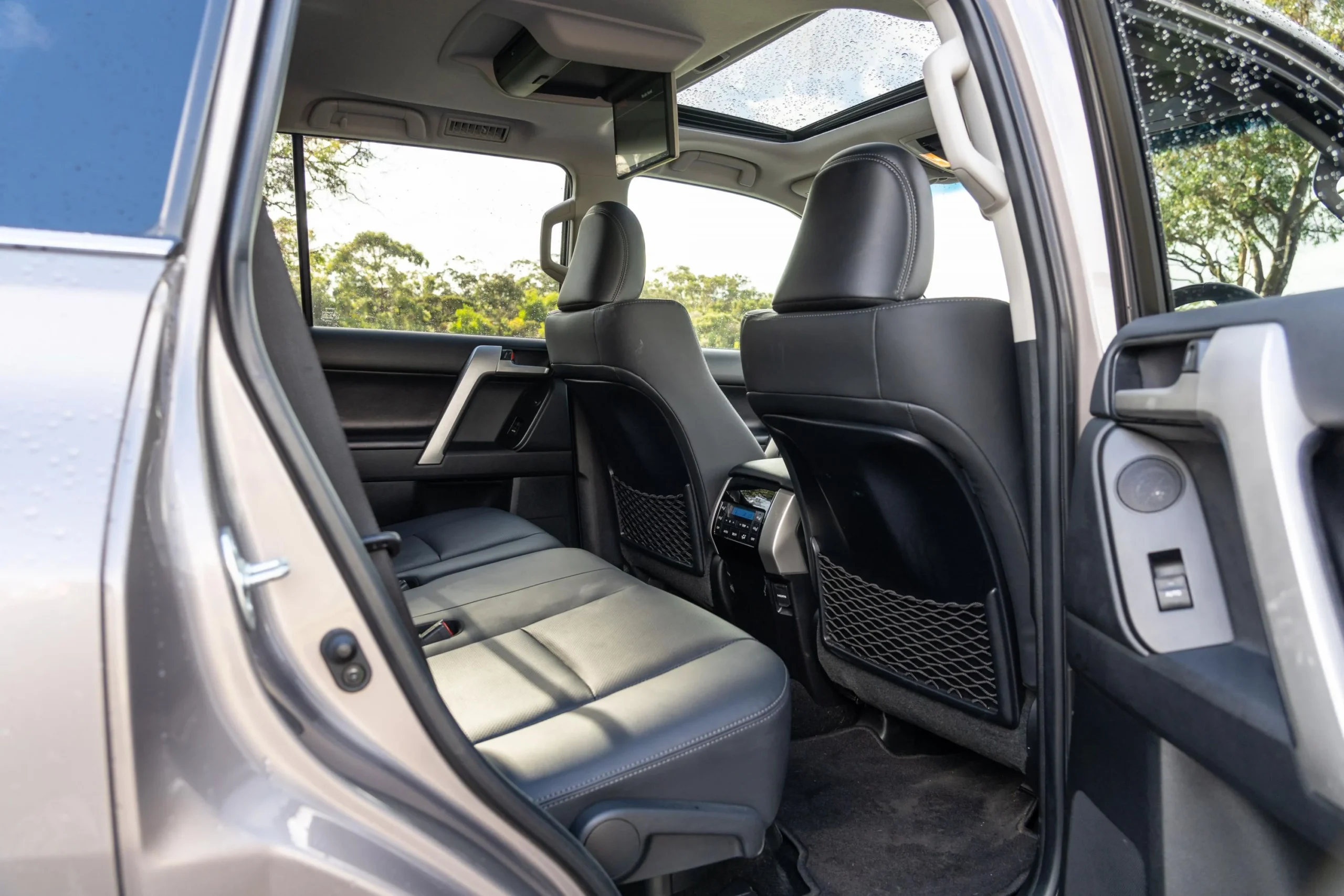
When evaluating the Prado 2.8 diesel fuel consumption against its main competitors in the large SUV segment in Kenya, it typically performs very well, especially considering its immense size, payload capacity, and true off-road capability—qualities that many urban crossovers lack.
While a lighter, FWD-biased crossover like the popular Toyota Harrier or Mazda CX 5 may achieve figures exceeding 14 km/L, they cannot compare to the Prado‘s ruggedness.
Moving up the luxury scale, rivals such as the Mercedes Benz GLE, or the high-end Lexus line, including models like the massive Lexus LX 600, often have powerful V6 or even V8 engines that, while offering superior speed, invariably deliver lower mileage, particularly in stop-start traffic.
The Prado occupies the sweet spot: genuine utility combined with modern diesel efficiency.
If fuel efficiency is your absolute priority, but you still require some size, exploring options from Volkswagen or Honda might be suitable, but the Prado offers an unparalleled balance of economy, resale value, and robust performance on Kenyan roads, making it a sound long-term financial decision.
For discerning buyers who value both performance and efficiency, comparing the Prado against specialized luxury imports is essential, and many are surprised by the Prado’s strong showing, particularly when sourcing a premium example from Japan.
Vehicles like the Mercedes GLE or the sporty BMW X6, while offering high-tech features, carry steeper maintenance costs and their complex diesel engines often require specialized care, which can be expensive outside of Nairobi.
Furthermore, the Prado’s widespread spare parts availability across Kenya guarantees manageable long-term operating costs, a significant factor for budget-conscious drivers.
We at Enan Motors specialize in guiding clients through this comparison, ensuring they select the vehicle that not only meets their performance needs but also aligns with their realistic budget for fuel and maintenance, whether they opt for a BMW, a Mazda, or the ever-dependable Prado.
Understanding Technical Consumption Differences in Imported Models
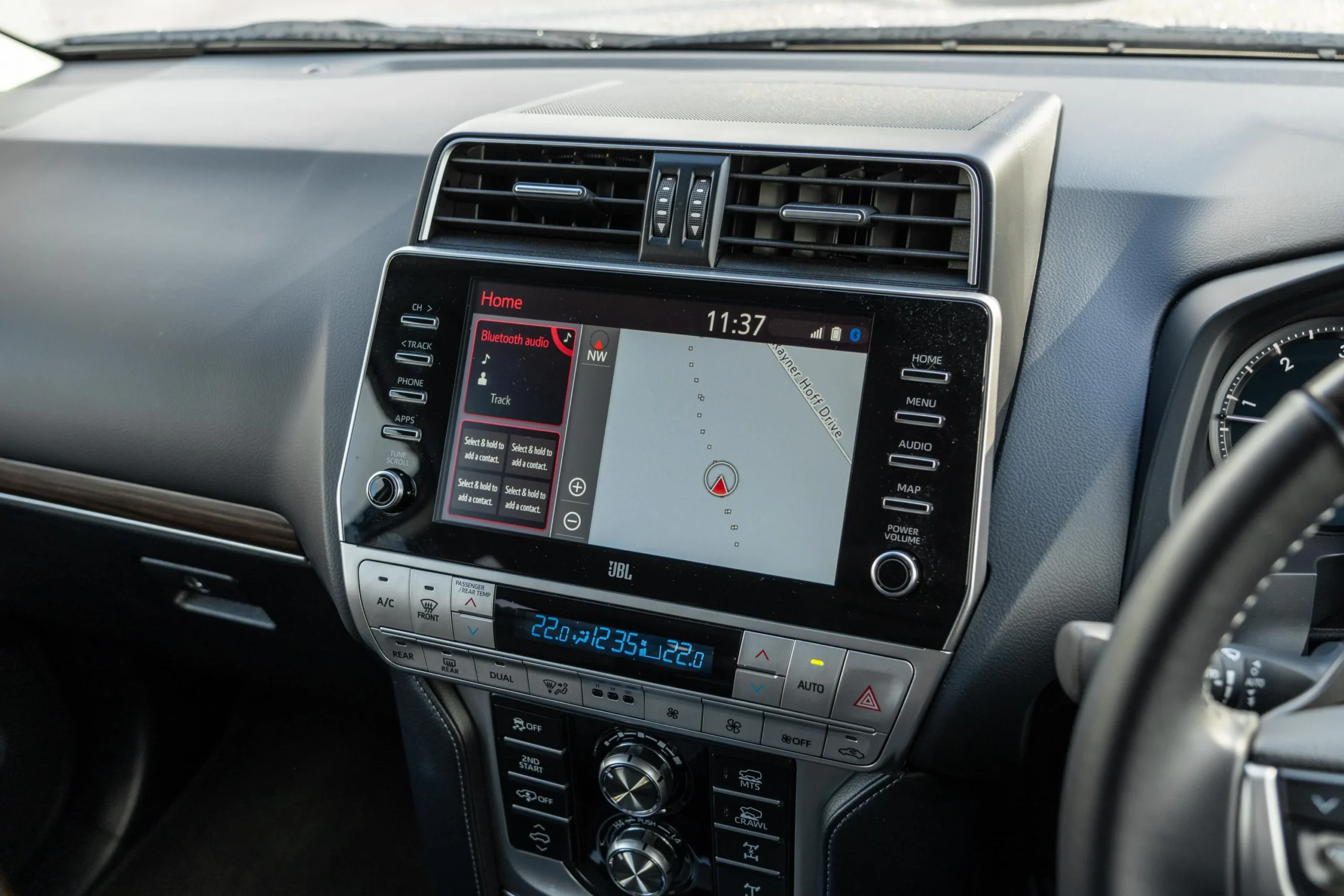
When directly importing your 2.8L Prado or similar models like the Honda Vezel or a Mazda Axela from Japan, there are technical variations that can subtly affect the expected fuel consumption compared to regional models.
Japanese-spec vehicles often have software tuning calibrated for specific emission standards and fuel grades, which might slightly influence performance when running on local Kenyan diesel (even high-quality diesel).
Furthermore, slight differences in transmission mapping and differential ratios—although usually minor in the Prado—can change the cruising RPM and, consequently, the mileage achieved at consistent highway speeds.
This complexity highlights the benefit of using an experienced importer like Enan Motors; we provide accurate vehicle specifications from the auction sheets, allowing buyers to know precisely which version they are receiving and to anticipate the most realistic consumption figures based on thousands of client importation experiences.
If you are ready to start the process of importing a vehicle whose true condition and efficiency you can trust, you can easily Contact our team.
Conclusion
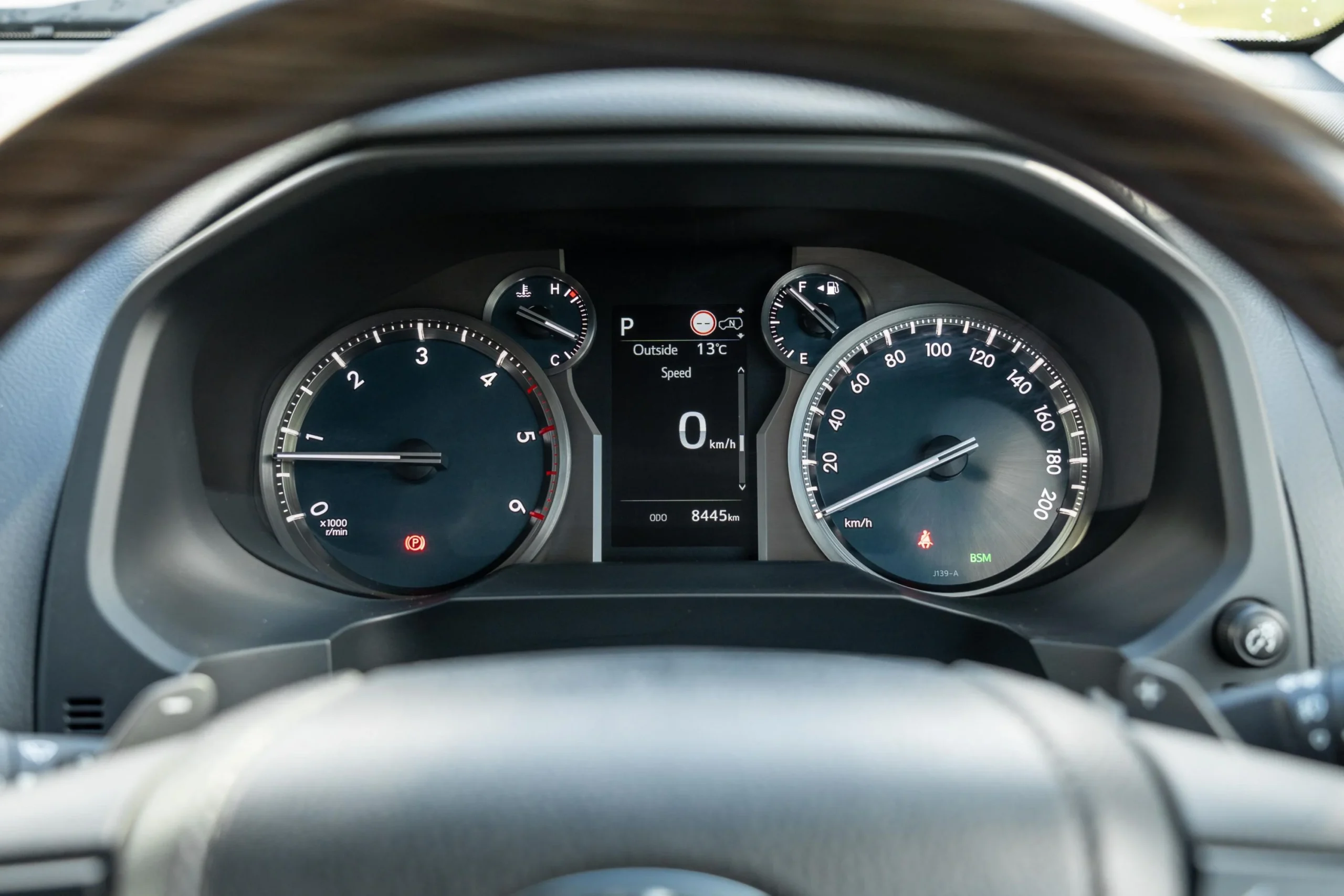
Achieving optimal Prado 2.8 diesel fuel consumption relies on a combination of starting with a quality, well-maintained vehicle and adopting smart driving and maintenance habits tailored to Kenyan conditions.
While the real-world average tends to hover around 10 km/L in mixed driving, savvy owners can push this closer to 12 km/L on the open road by ensuring proper servicing and driving smoothly.
Ultimately, the 2.8L Prado offers an excellent balance of power, durability, and efficiency, making it one of the most cost-effective long-term 4×4 investments available locally.
If you are looking to secure a low-mileage, high-quality Prado from Japan with verifiable history, guaranteeing you get the best possible fuel economy right from the start, we encourage you to learn more about the complete Import process with Enan Motors.
We ensure full transparency from auction to delivery, empowering you to make a purchase with total confidence in your vehicle’s condition and future running costs.
FAQ
- What is the typical tank range of the Prado 2.8L diesel in Kenya?
The Prado 2.8L typically has an 87-liter fuel tank, giving a realistic range of 850 km to 1,000 km on a single tank, depending on the terrain and load.
- Does using 4×4 low range increase fuel consumption significantly?
Yes, engaging 4×4 low range (L4) or driving on difficult terrain increases consumption significantly due to higher engine load and lower sustained speeds, often dropping mileage below 8 km/L.
- How does engine idle time in traffic affect my Prado’s overall fuel economy?
Excessive idling, common in Nairobi gridlock, is highly detrimental to fuel efficiency, as the vehicle consumes fuel without accruing distance, thus lowering the recorded kilometers per liter dramatically.
- Is the 3.0L diesel engine significantly less efficient than the 2.8L diesel?
Yes, the older 3.0L diesel (1KD-FTV) generally consumes about 10% to 15% more fuel than the newer, technologically superior 2.8L (1GD-FTV) under similar driving conditions.
- How can Enan Motors guarantee the mileage of an imported Prado is genuine?
We source vehicles primarily from verifiable Japanese auctions, providing clients with official, third-party auction sheets and de-registration papers that certify the mileage and vehicle condition before shipping.