
In most cases, especially for popular models, importing a car directly from Japan is significantly cheaper than buying a comparable vehicle already registered or sitting in a local yard in Kenya, provided you work with a transparent and experienced importer who manages the complex tax calculations effectively.
This crucial cost difference arises primarily because direct importation eliminates the substantial profit margins and operational overheads that local dealerships add—markups that often range from KES 300,000 to over KES 800,000, depending on the vehicle’s value.
While the process of clearing and registering an imported car involves complex steps and significant KRA duties, the price you pay for the car itself in Japan, often verified through a transparent auction sheet, ensures a much lower cost basis compared to the inflated prices often seen on Mombasa Road or other local showrooms.
We consistently find that importing gives Kenyan buyers better value, higher quality assurance, and direct control over the specific specifications they receive, ensuring they are not settling for limited or substandard available cars.
Introduction: Understanding the Cost Debate
The debate over whether to import a vehicle or purchase one locally is perhaps the most critical decision a Kenyan car buyer faces, and it fundamentally boils down to trust and transparency versus convenience and immediacy.
Local dealerships argue that they save you the hassle, but that convenience comes at a hefty price, incorporating not only their profit but also the costs of storage, depreciation while waiting for a buyer, and the risk they absorb by holding inventory.
When you import directly, you are essentially buying the car at wholesale cost, adding only the necessary and regulated government charges, shipping, and a modest service fee for the importer’s expertise.
This means that if you are willing to wait the typical six to eight weeks required for the Import process—from auction purchase in Japan to clearance in Mombasa—the financial rewards are undeniable, often translating into savings that can fund your first year of comprehensive insurance or necessary accessory upgrades.
Kenya’s Car Import Regulations and Their Price Impact
Kenya Revenue Authority (KRA) regulations are the single biggest factor influencing the total landed cost of any imported vehicle, and understanding them is non-negotiable for savvy buyers.
The primary rule is the “eight-year rule,” which dictates that any vehicle imported must be less than eight years old from the year of first registration, and it must be Right Hand Drive (RHD).
This regulation immediately limits the supply pool, ensuring that most imported vehicles are relatively modern, which in turn means their Cost, Insurance, and Freight (CIF) values are higher, leading to higher duties and taxes.
Furthermore, the KRA uses a specific Current Retail Selling Price (CRSP) database to assess taxes, and sometimes this valuation can be contentious, requiring an experienced agent to ensure fair assessment, which is exactly where the detailed, certified Japanese auction sheet proves invaluable as evidence of the true value.
Breakdown of Import Costs: Duties, Taxes, and Fees
The total landed cost of a car in Kenya is not a mystery; it follows a formula based on the CIF value of the vehicle (the price paid for the car, insurance, and shipping).
The primary components of the import tax structure are: 25% Import Duty, 2.25% Import Declaration Fee (IDF), 2.0% Railway Development Levy (RDL), and 16% Value Added Tax (VAT), which is applied to the sum of the CIF, Import Duty, and RDL.
This layered taxation means that a small difference in the initial CIF value can create a significant variation in the final cost—a principle known as compounding interest, applied to taxation.
Local Purchase Prices: Dealership Markups and Market Trends
When you buy a car from a yard in Nairobi or Mombasa, you are paying for more than just the vehicle itself; you are covering the dealer’s entire operation, which is costly in the Kenyan market.
Local dealerships carry the risk of currency fluctuations, pay high commercial rents for their yards, finance the cost of the vehicles while they sit waiting, and employ sales staff—all expenses that must be absorbed into the final asking price.
The crucial difference is that while an importer like Enan Motors charges a transparent, fixed service fee for sourcing and logistics, a local dealer typically builds in a variable profit margin that covers their risk, often leading to markups of 15% to 30% above the true landed cost.
This inflated price structure means that buying locally guarantees you are funding unnecessary overheads, especially when dealing with popular Japanese brands like Toyota or specialized European models.
Comparative Case Studies: Popular Models Imported vs. Bought Locally
Let’s use a real-world example common in the Kenyan market to highlight the savings: consider a 2019 Toyota Harrier, a highly sought-after SUV.
If this vehicle is imported directly from Japan with a verifiable 4 Grade auction sheet and landed in Mombasa for KES 3.2 million (inclusive of all KRA duties and fees), a local yard selling a comparable unit (often without verifiable mileage or grade) must price it significantly higher, typically listing it between KES 3.5 million and KES 4.0 million to achieve their necessary profit.
This difference of KES 400,000 to KES 800,000 represents the dealer’s markup, which you save by managing the import yourself through a trusted agent.
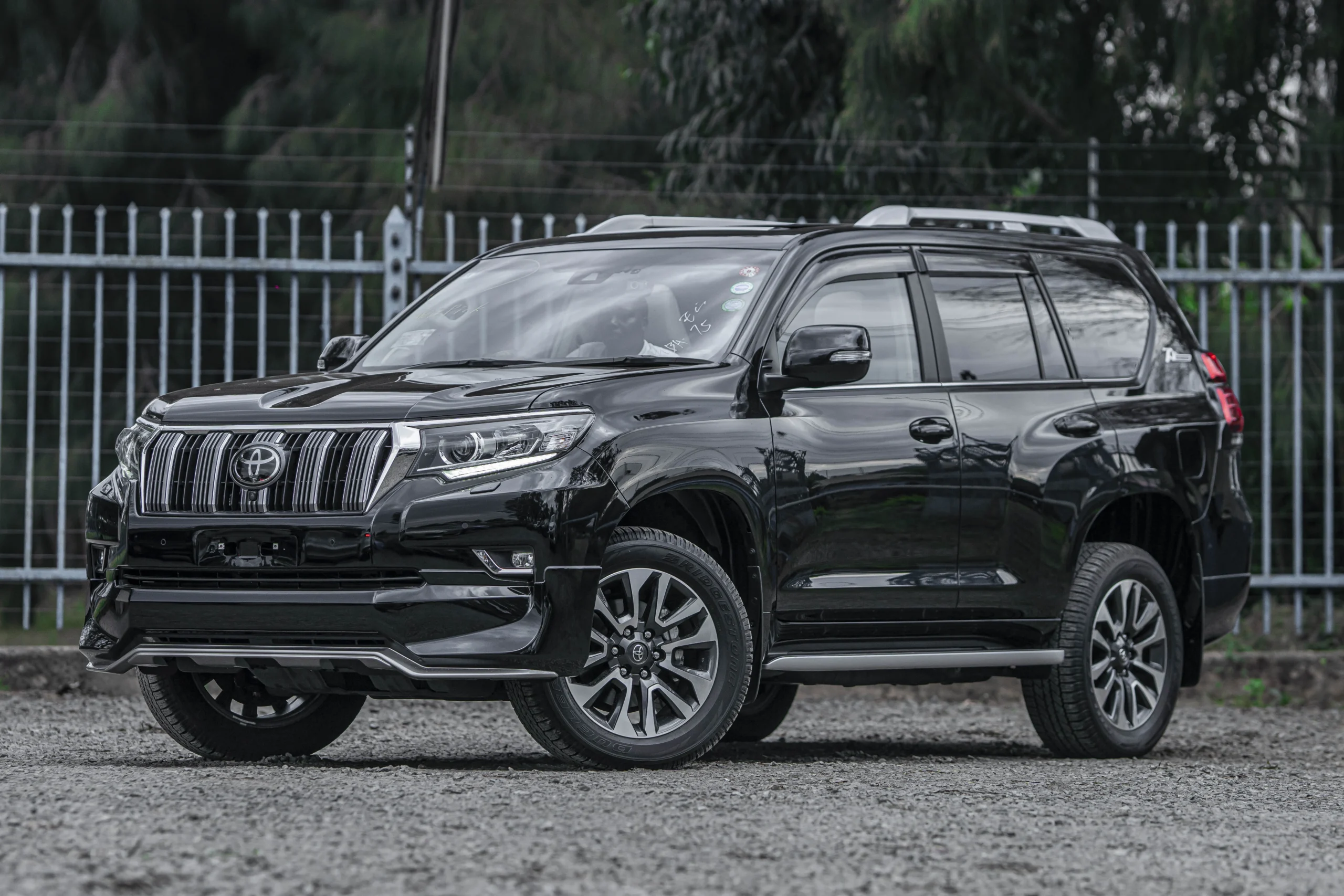
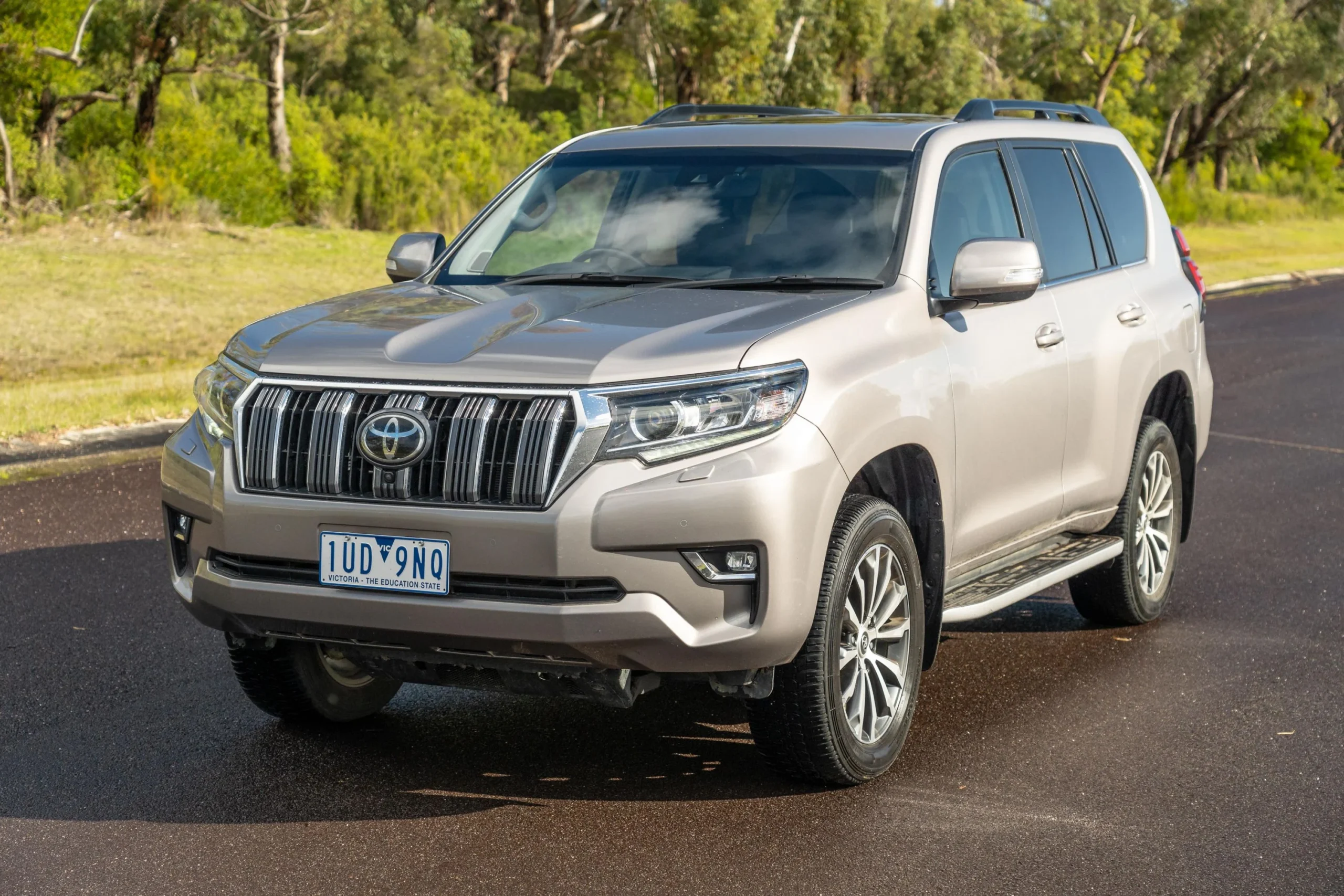
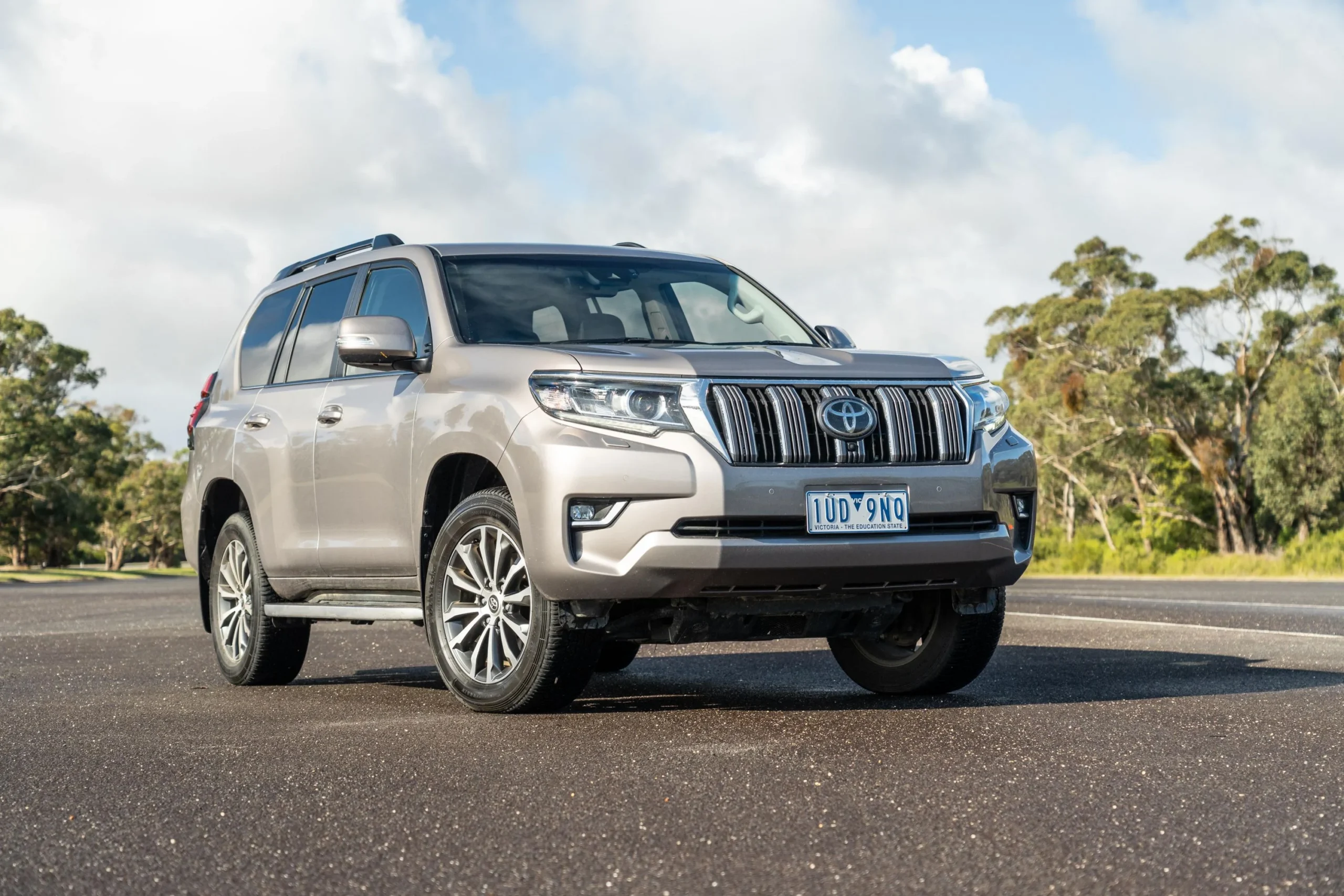
This pattern holds true across various segments, from high-volume economy vehicles to premium SUVs like the Toyota Land Cruiser Prado, reinforcing the argument that for maximum savings and quality assurance, direct importation is the superior financial choice for the diligent Kenyan buyer.
Another key area where importation triumphs financially is in the luxury market, where local markups are even more aggressive due to the smaller buyer pool and higher capital risk for the dealer.
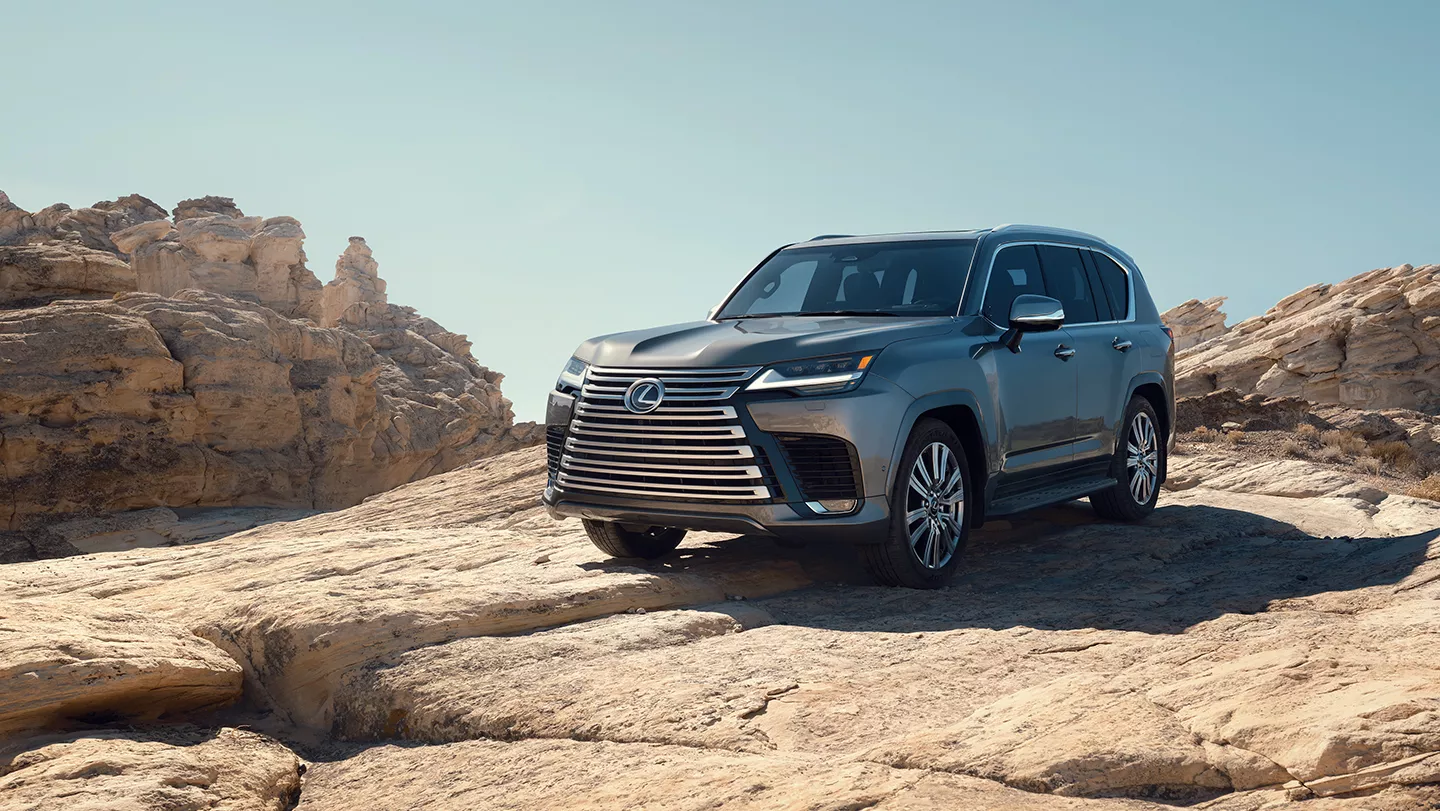
Imagine comparing the cost of a high-end luxury SUV like the Lexus LX 600 or a performance vehicle like the BMW X6.
For these high-value units, local yards often factor in profit margins exceeding KES 1.5 million.
By opting to import a specialized vehicle directly, perhaps a desirable model from Lexus or a specific specification of BMW that isn’t readily available in the local market, you not only ensure the quality but also realize massive savings that far outweigh the costs of logistics.
We guide clients through sourcing these specific models, ensuring they get the exact luxury specifications and features they desire without paying the premium attached to a local dealer’s holding fees and inflated showroom prices.
Hidden Expenses: Shipping, Insurance, and Compliance
Many first-time buyers fear importing because they believe the process is riddled with “hidden expenses,” a fear often fueled by non-transparent clearing agents or sensationalized stories.
In reality, the logistics of importation—shipping (Roll-on/Roll-off or RORO), marine insurance, and clearing fees at the Port of Mombasa—are entirely quantifiable and should be known upfront.
Shipping costs are relatively stable, generally ranging between $1,200 and $2,000 depending on the size of the vehicle and the port of origin (usually Yokohama or Osaka).
Marine insurance is mandatory and calculated based on a small percentage of the CIF value.
The critical step is compliance: working with KRA-verified agents who provide a pre-arrival estimate (PAE) based on verifiable Japanese documents, ensuring no unexpected demurrage or penalty fees are incurred upon arrival.
This transparency, which is a core promise of Enan Motors, removes the financial uncertainty and proves that importing is not a gamble.
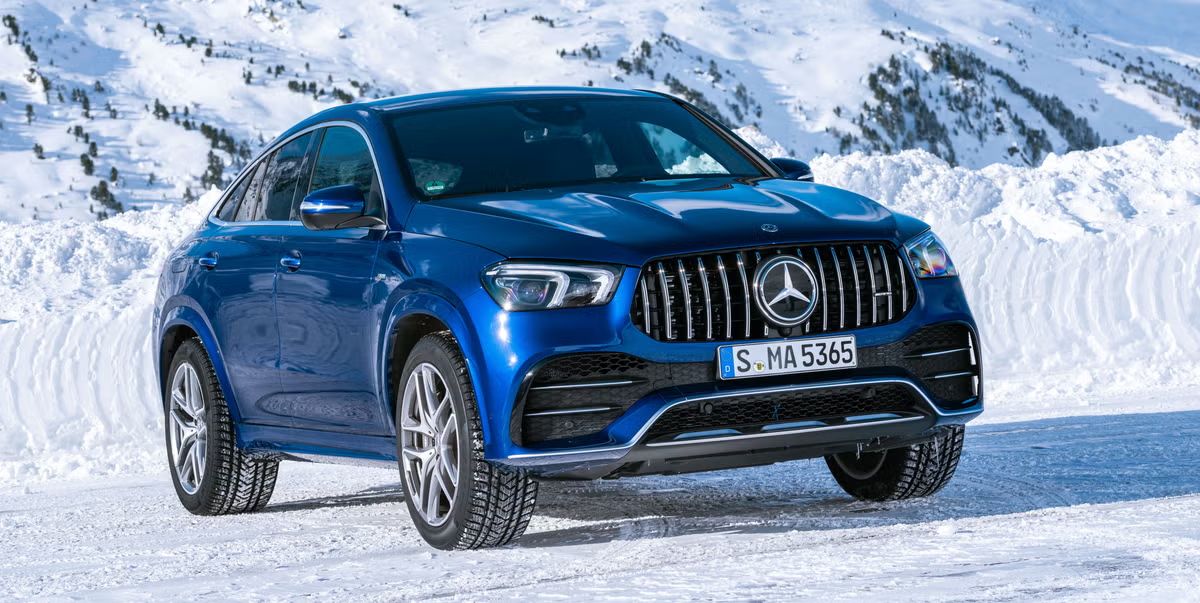
A common pitfall buyers encounter when dealing with complex vehicles like the popular Mercedes GLE or the resilient Mitsubishi models is incorrect customs valuation, which instantly creates unexpected and significant compliance costs.
If a local dealer is cutting corners on tax documentation or if an inexperienced importer misdeclares the vehicle’s true condition, the buyer ultimately pays the price through fines and lengthy delays at the port.
This is why verifiable documentation from Japan is indispensable; the auction sheet, export certificate, and original invoices serve as irrefutable evidence for KRA officials.
Reputable importers focus heavily on preemptive compliance, ensuring all documentation aligns perfectly before the car leaves Japan, mitigating the risk of penalties that could otherwise eat into the projected cost savings of importing.
Financing Options and Their Effect on Total Cost
The availability of financing for imported vehicles in Kenya further strengthens the financial argument for direct importation, particularly for those who need asset financing.
Most local banks and SACCOs are willing to finance the purchase of an imported vehicle, often requiring just a Proforma Invoice from the overseas seller and the detailed auction sheet as proof of asset quality and value.
When you finance an import, the bank finances the true, verifiable cost, including duties and taxes.
Conversely, when you finance a vehicle bought locally, the bank assesses the local yard’s asking price, which, as established, is inflated.
This means you end up taking a larger loan, and thus paying more interest over the term, simply to cover the dealer’s margin.
Working with Enan Motors allows us to generate accurate proforma invoices early in the process, streamlining your financing application and helping you secure better rates because the bank can trust the vehicle’s true valuation.
Decision Framework: When Importing Is More Cost‑Effective
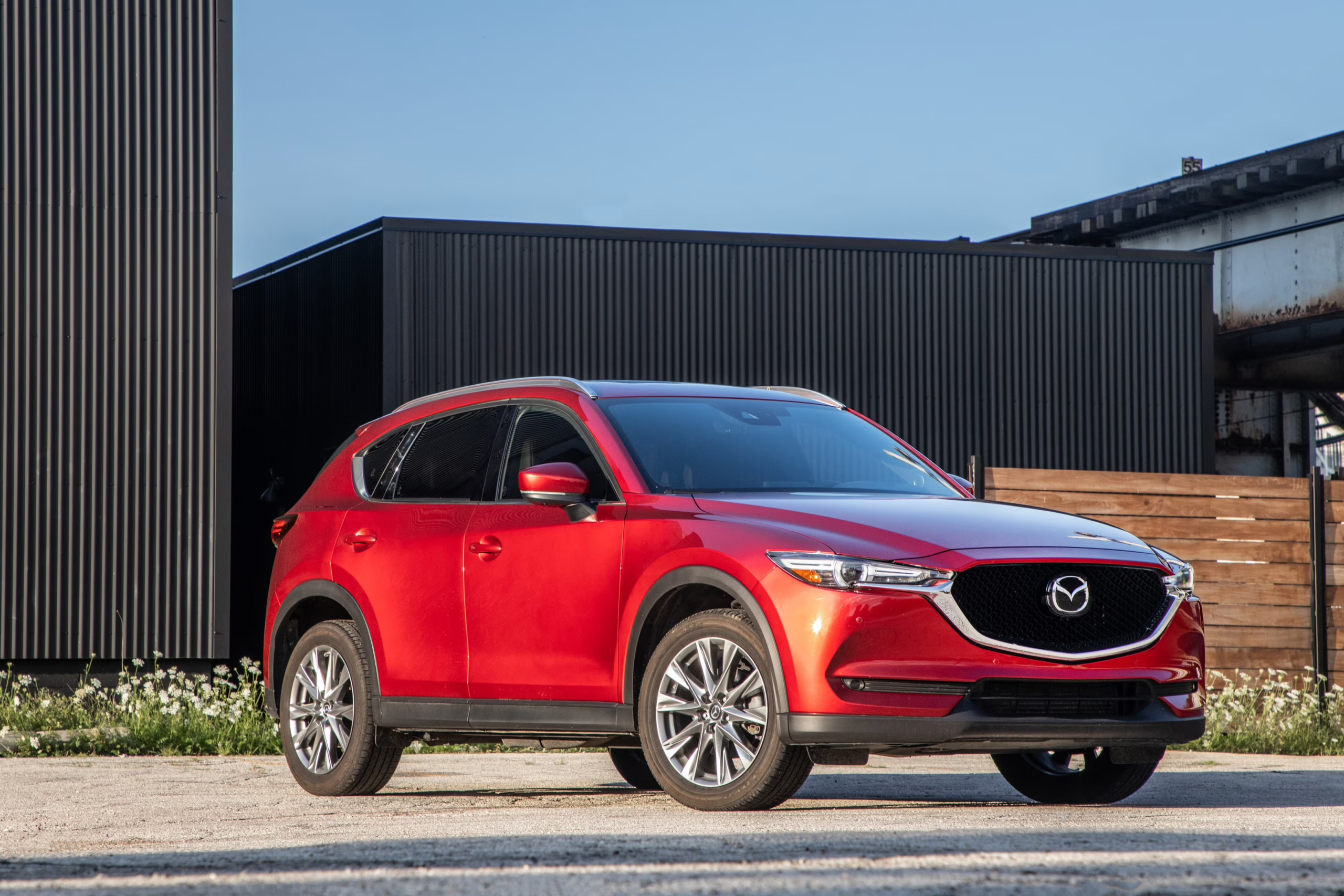
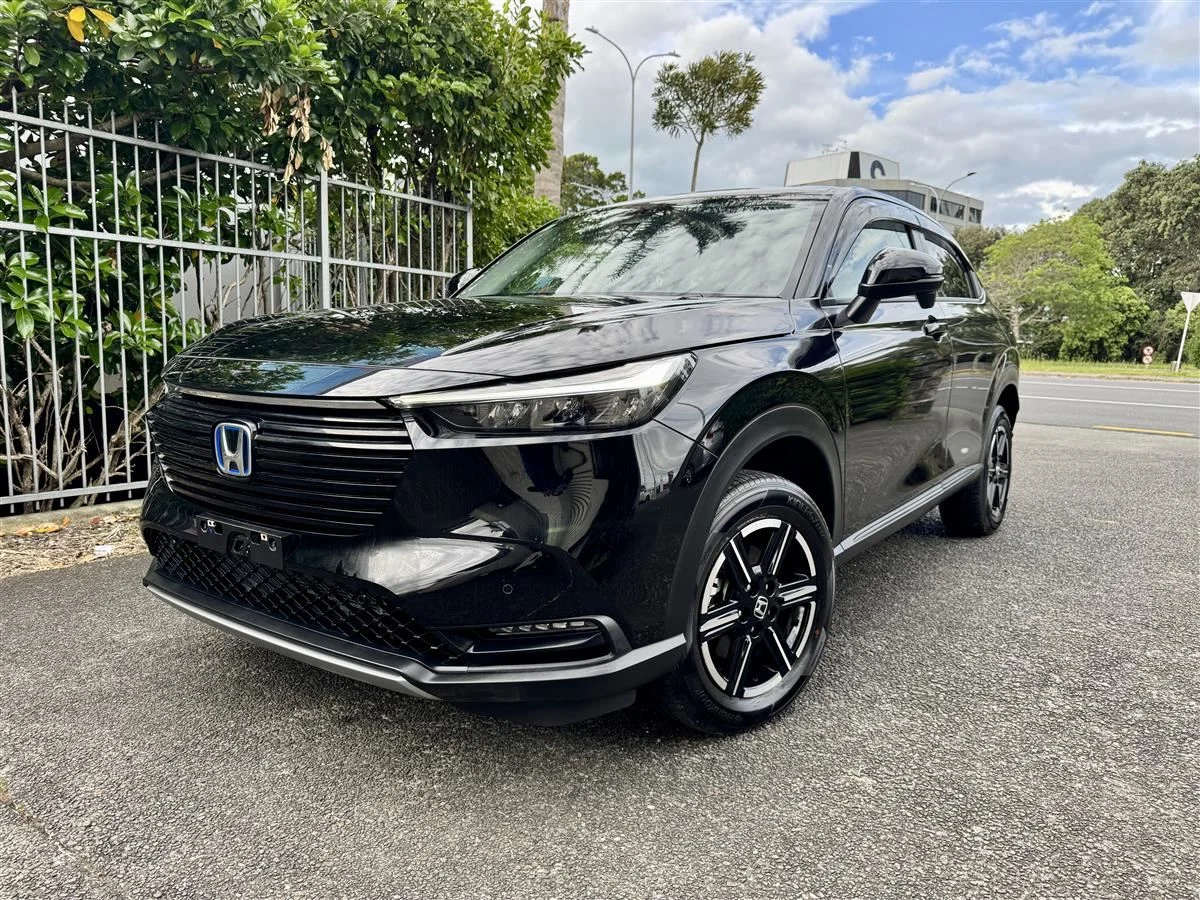
To finalize your decision, consider your priorities: if quality assurance, maximizing savings, and selecting precise specifications (like engine size, color, or specific trims found on a Honda Vezel or Mazda CX 5) are paramount, importing is undeniably the most cost-effective solution.
This path is ideal if you have a planning horizon of six to eight weeks and prioritize verified vehicle history over immediate possession.
However, if you require a car urgently—within the next few days—or if you prefer the tactile experience of inspecting and test driving before payment, buying locally might be necessary, though you must accept the premium price tag that accompanies this immediacy.
Importing allows access to the vast Japanese market, giving you superior choices, whether you are looking for a fuel-efficient Mazda Axela or a sturdy Volkswagen, at prices that consistently beat local yard offers.
Our hands-on experience in the Kenyan market shows that for any vehicle that is popular and holds its value—such as the Toyota Harrier or the efficient Honda lineup—the savings realized through importing are substantial enough to justify the wait.
If you are focused on sourcing a specific, high-quality vehicle—a genuine 4.5 Grade car with verifiable low mileage—you simply cannot rely on the limited and often opaque local supply chain.
Importing is an investment in quality and transparency.
If you want to explore the real-time cost benefits of sourcing vehicles from Japan and require a precise landed cost calculation tailored to KRA regulations, don’t hesitate to reach out.
We provide free, non-committal quotes based on genuine Japanese auction data. Call us today or Message us on WhatsApp for immediate expert guidance.
Conclusion
The core financial reality for the Kenyan buyer is clear: importing a car directly is cheaper than buying locally in the vast majority of cases because it bypasses unnecessary dealer markups and grants you access to vehicles of proven quality and verified condition.
While the import process involves navigating complex KRA duties and logistics, working with a transparent and experienced partner eliminates the risk and provides confidence.
By choosing to import, you gain cost control, unparalleled transparency through verifiable auction sheets, and the luxury of selecting precisely the vehicle you want from the Japanese market, rather than settling for limited local stock. About Enan Motors, we believe in empowering Kenyan buyers with knowledge and reliable execution, ensuring your next car purchase maximizes value.
If you are ready to start saving money and guarantee the quality of your next vehicle, Email us to begin the conversation about your specific needs.
FAQ
- How much time does it take to import a car from Japan to Kenya?
The entire process, from buying the vehicle at auction in Japan to clearance and collection in Mombasa, typically takes between 6 to 8 weeks.
This timeline can vary slightly based on shipping schedules and KRA clearance speed at the port.
- What is the biggest risk when importing a car directly?
The primary risk is non-transparency, either through hidden costs added by an unscrupulous agent or purchasing a vehicle whose true condition (auction grade) is misrepresented, leading to unexpected repairs later.
Always insist on verifiable auction sheets.
- Can I import a car older than 8 years?
No, KRA strictly enforces the eight-year rule; the vehicle’s year of first registration must not be older than eight years at the time of arrival into the port of Mombasa.
Violation of this rule results in deportation of the vehicle and significant penalties.
- Do I need to be physically present in Japan to buy the car?
No, reputable importers like Enan Motors handle the entire procurement process remotely, bidding on your behalf at Japanese auctions using verified online systems.
You only need to be present locally for registration and collection in Kenya.
- Is it possible to import European brands like Mercedes Benz or Volkswagen?
Yes, while Japanese brands are dominant, many popular European models like Mercedes Benz and Volkswagen are highly sought-after in the Japanese used car market, allowing Kenyan buyers to import them with verified history and often better specifications than parallel imports from Europe.