
Introduction to Car Importing in Kenya
For most Kenyans, buying a vehicle is one of the largest financial commitments they will ever make, and the desire for quality, affordability, and choice has decisively shifted the market away from limited local stock towards direct importation.
Kenya’s primary vehicle source remains Japan, a market globally respected for its maintenance standards, vast selection, and rigorous auction system, which dictates that nearly all imported used cars must be eight years old or less from the year of first registration, a critical rule every buyer must understand.
This regulatory framework means that the quality of your importer determines whether you secure a pristine, accident-free vehicle or end up with a high-mileage reject that failed to sell in other international markets.
Dealing with a specialized company, like Enan Motors, means tapping into a supply chain built on trust, where every potential vehicle is thoroughly vetted using third-party verification, ensuring compliance with both the 8-year rule and crucial safety standards before the journey across the Indian Ocean even begins.
The complexity of importing a car into Kenya extends far beyond just selecting a vehicle and paying the price; it involves coordinating logistics, securing inspection certificates from organizations like the Japan Export Vehicle Inspection Center (JEVIC), managing maritime transport, and crucially, ensuring precise and timely clearance through the Kenya Revenue Authority (KRA).
In this high-stakes environment, where unexpected demurrage charges at the port of Mombasa can quickly erode any savings, selecting an importer who acts as a true partner rather than a mere middleman is essential for success and peace of mind.
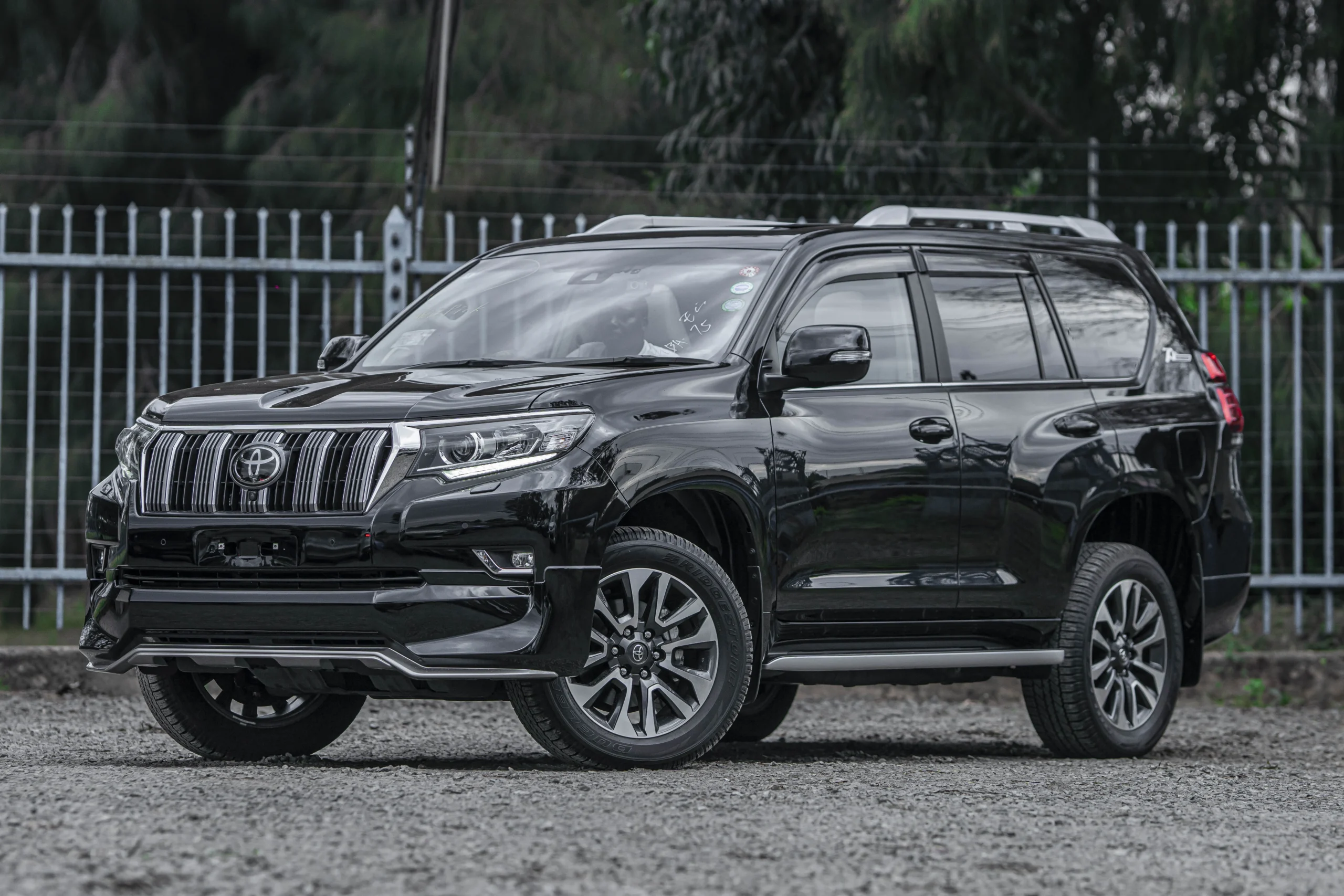
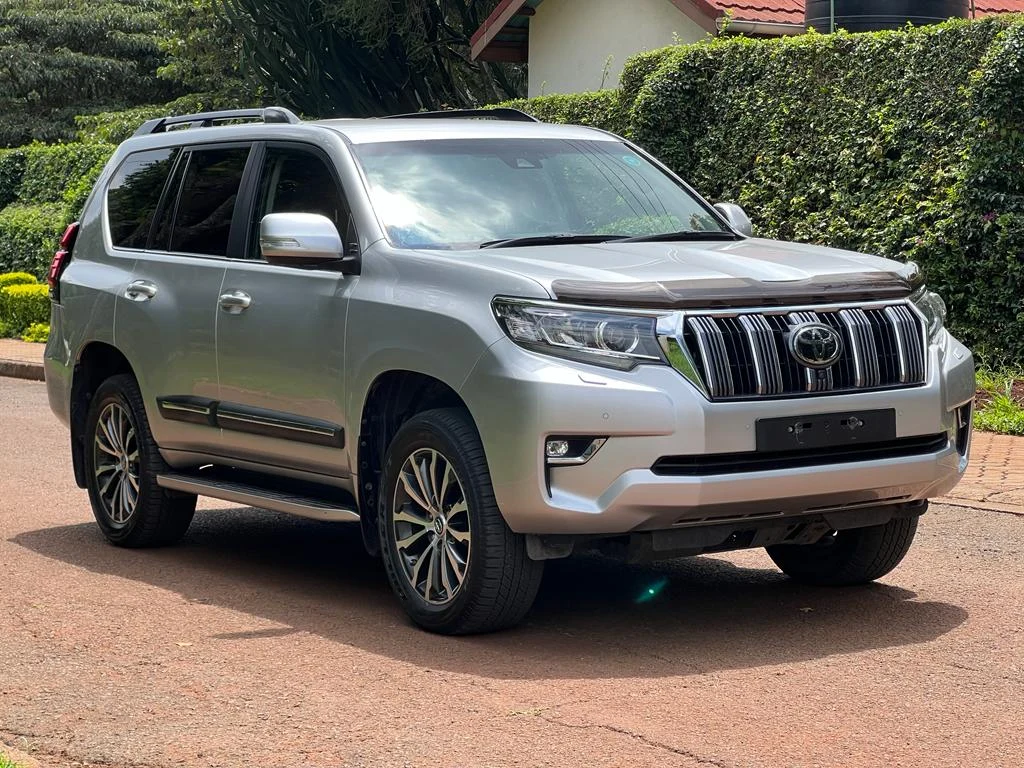
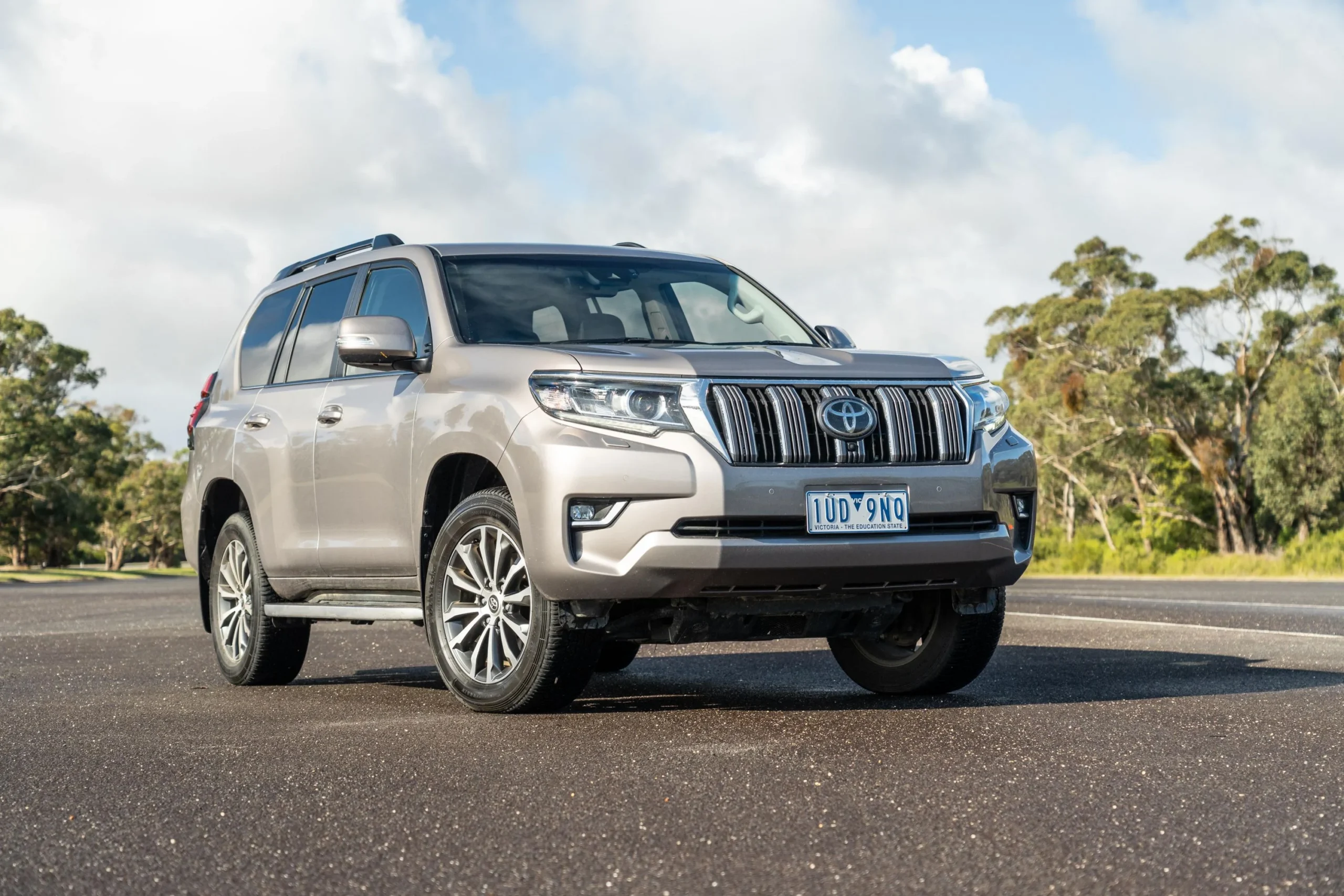
Kenyan buyers often look for robust and reliable models like the highly sought-after Toyota Land Cruiser Prado, knowing that importing directly offers the best chance of securing a low-mileage unit with comprehensive service history that local yard cars often lack.
Our goal is to empower you with the knowledge needed to distinguish between a credible direct importer and a risky broker, safeguarding your investment from start to finish.
Benefits of Importing Cars vs Buying Locally
The single greatest advantage of importing a car directly, especially from Japan, is absolute transparency regarding the vehicle’s condition, which is almost impossible to guarantee when buying from a local car yard.
When you import with a reliable partner, you receive the original Japanese auction sheet, a meticulously detailed report graded by independent inspectors that documents the exterior condition (A to E), interior quality, verified mileage, and crucially, records any past accidents or structural repairs.
This documentation provides a non-negotiable proof of quality, eliminating the risk of buying a vehicle where the odometer has been rolled back or where hidden accident damage has been masked, a sadly common practice in the informal local Kenyan market.
Since the auction system forces full disclosure, you, the buyer, know the true quality and condition of the vehicle before purchase through verified Japanese auction sheets, allowing for an informed decision based on facts, not sales talk.
Furthermore, direct importation is often significantly more affordable because it eliminates yard overheads and exaggerated markups that local dealers factor in to cover rent, utilities, and months of inventory storage.
When you buy from a Kenyan yard, you are paying for the convenience of instant delivery, but you are also subsidizing the dealer’s holding costs, which can inflate the final price by hundreds of thousands of shillings.
By utilizing the direct import model, we at Enan Motors connect you directly to the source, bypassing these layers of unnecessary profit and providing a clearer, fairer Cost, Insurance, and Freight (CIF) price from the beginning.
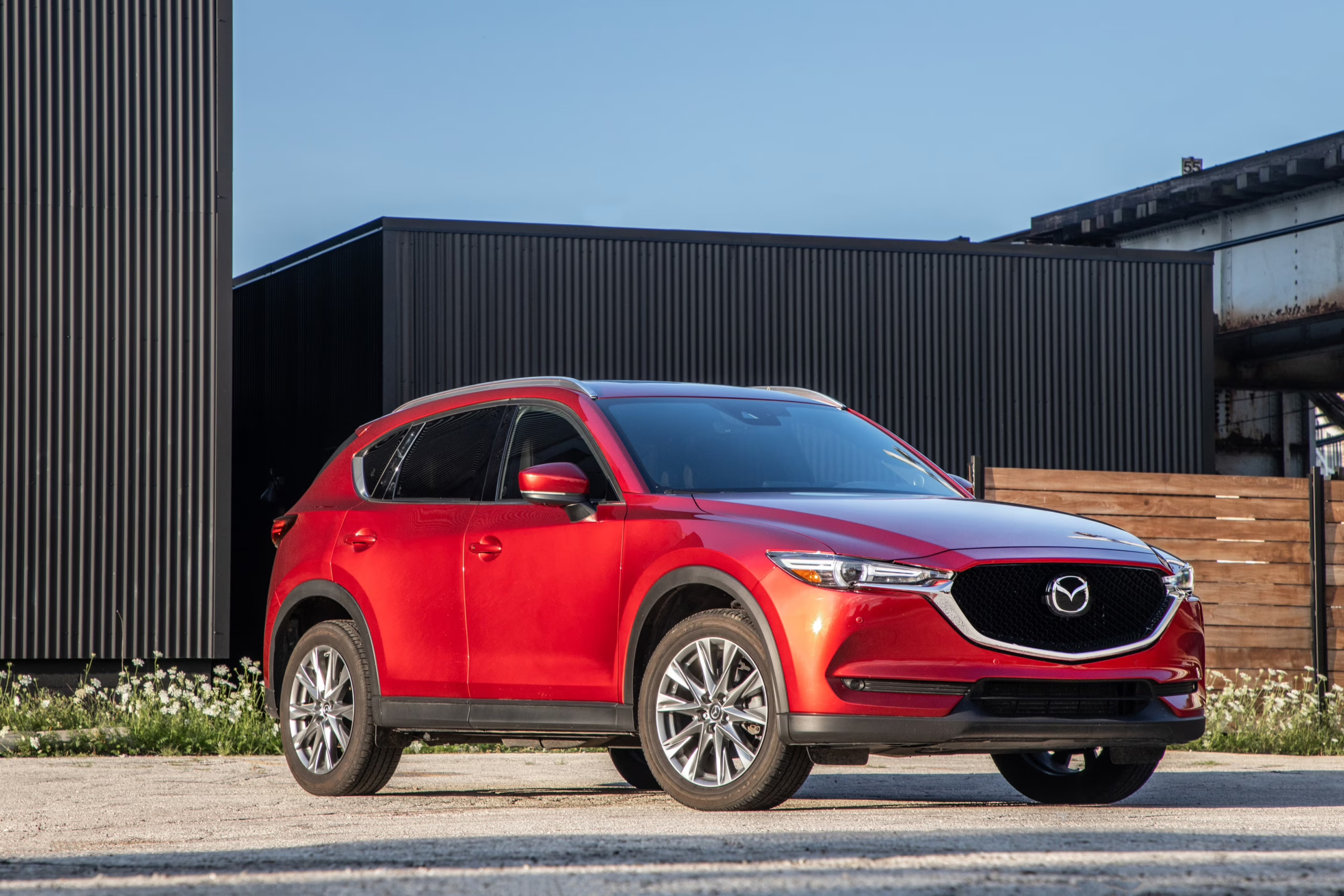
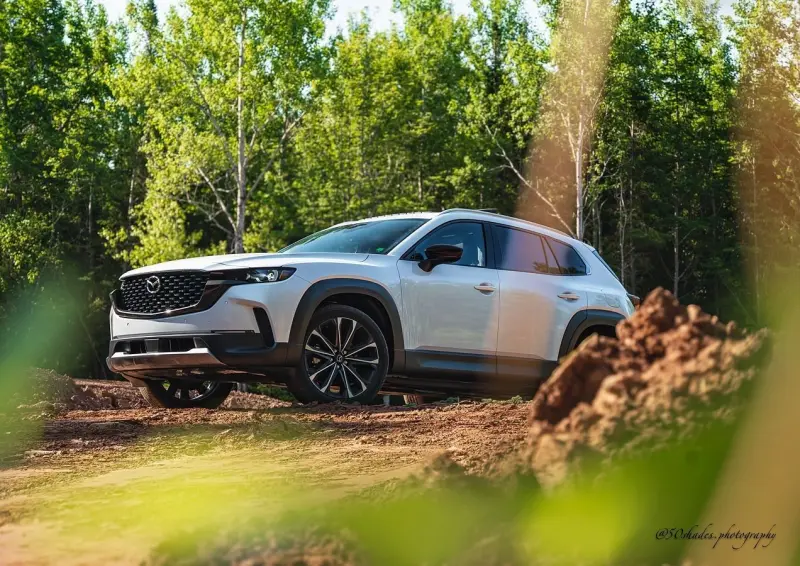
This process allows clients the critical opportunity to choose exactly what they want from a wide range of vehicles available in Japan, rather than settling for limited local options, ensuring you get the specific color, trim level, and optional features you desire in a model like the popular Mazda CX 5.
Key Factors to Evaluate When Selecting a Car Importer
Choosing your importer requires rigorous due diligence, as the difference between a seamless delivery and a financial headache often boils down to the importer’s operational ethics and depth of experience in the Kenyan market.
The first factor to scrutinize is their transparency in documentation, demanding that they provide the full, unedited auction sheet for any vehicle you are considering, alongside a clear, itemized breakdown of all associated costs, including CIF, customs duty, VAT, and logistics fees.
Secondly, evaluate their KRA compliance record; a top-tier importer will have flawless history with KRA and the necessary systems in place to guarantee timely generation of the Import Declaration Form (IDF) and efficient clearance without incurring costly penalties or delays.
Finally, examine their industry specialization—do they handle various brands competently, from common imports like Toyota models to more specialized European options like a reliable Mercedes GLE, demonstrating versatility and depth of market reach?
A reputable importer should also demonstrate robust communication protocols, providing real-time updates from the moment the vehicle is purchased at auction through to its loading onto the vessel and arrival at the Port of Mombasa; constant, clear communication drastically reduces buyer anxiety.
Insist on verification of their physical office presence in Kenya, not just a mobile number, which offers vital recourse should any issues arise during the importation process.
Furthermore, look for an importer who openly discusses the logistics involved, including which shipping lines they partner with and their insurance coverage during transit, confirming they use comprehensive Marine Insurance to protect your valuable asset from any unforeseen risks at sea.
When you look at specialized direct importers like Enan Motors, we make our entire Import process transparent because we believe that buyer confidence is the foundation of our business model, ensuring you are never left guessing about the status of your vehicle.
Regulatory Requirements and Documentation for Imported Vehicles
Navigating the regulatory landscape established by the Kenya Revenue Authority (KRA) is the most challenging part of car importation, making the importer’s expertise in this area paramount to a successful transaction.
The golden rule in Kenya is the 8-year age limit, which means that for clearance in 2024, the car must have been first registered in 2017 or later; failure to comply leads to severe penalties or outright refusal of entry.
Before shipment, the importer must secure the necessary inspection certificates, usually JEVIC or QISJ, which verifies roadworthiness and confirms the vehicle meets basic safety and emissions standards required by the Kenya Bureau of Standards (KEBS).
This certificate, along with the original commercial invoice, the bill of lading, and the IDF, forms the core document package required for KRA to calculate the applicable duties and taxes, which include import duty, excise duty, and Value Added Tax (VAT), often constituting over 100% of the vehicle’s landed value.
The importer’s role is critical in the accurate and timely declaration of the vehicle’s value (known as Current Retail Selling Price or CRSP) to KRA, as under-declaration can lead to expensive fines, while over-declaration unnecessarily increases your tax burden.
A proficient importer will manage the clearance process entirely, from electronic submission of documents through the KRA portal to physical inspection at the port, ensuring payment of duties is done correctly and promptly to avoid exorbitant port storage (demurrage) fees that start accruing shortly after the vessel docks.
The final documentation step involves obtaining the Registration and Licensing (R&L) documents, which assign the Kenyan number plate, a process that should be included and clearly itemized in the final quotation provided by your importer.
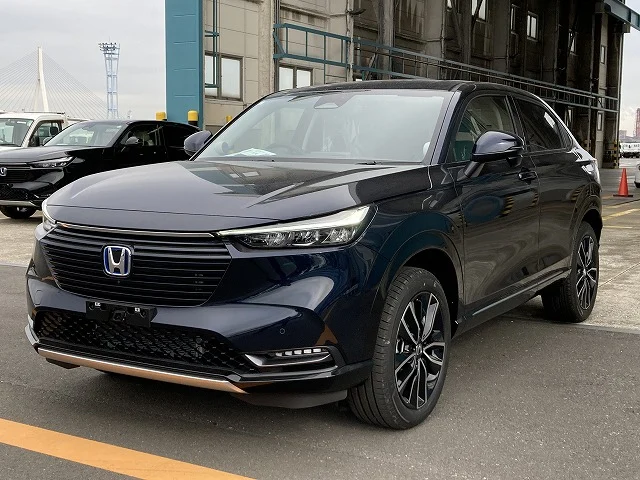
For vehicles like the efficient Honda Vezel, ensuring all these documents align perfectly is key to minimizing delays and maximizing cost predictability.
How to Verify the Credibility of an Importer
Before entrusting hundreds of thousands, or even millions, of shillings to a car importer, comprehensive verification is non-negotiable, and the best way to start is by checking their reputation within the Kenyan automotive community and confirming their physical presence.
Request bank references or proof of prior successful transactions, and specifically ask for evidence that they have handled complex logistics, such as importing vehicles for major institutions or highly valued models.
A credible importer will proudly provide verifiable references and evidence of their operational history, demonstrating consistency in delivering exactly what was advertised on the auction sheet, without substitution or unannounced repairs upon arrival.
You should always be suspicious of any importer who requests full payment upfront or who refuses to provide direct access to the vehicle’s shipping tracker, as transparency is the ultimate safeguard against fraud.
One of the strongest tests of credibility is how an importer handles the inevitable occasional challenge, such as a minor shipping delay or an unexpected administrative hurdle at KRA; a reliable partner takes ownership and communicates solutions proactively, rather than leaving the client in the dark.
We invite potential clients to learn more About Enan Motors and our operational standards, where our commitment is clearly demonstrated through our access to detailed inventory, including vehicles currently being processed and those successfully delivered.
If an importer truly is one of the best car importers in Kenya, they will have a seamless mechanism for clients to review available cars, request specific models, and follow the progress of their purchase in real-time.
Do not rely on promises; demand verifiable proof of ethical operation and proven client satisfaction before committing your finances.
Common Pitfalls and How to Avoid Them
The journey of importing a car to Kenya is rife with potential pitfalls, especially for first-time buyers who are unfamiliar with industry jargon and the intricacies of international trade.
The most common scam involves “ghost cars,” where a broker advertises a vehicle that they do not actually have access to, only to request an initial deposit before disappearing or attempting to substitute a lower-quality car later in the process.
Another frequent issue is unexpected CIF cost inflation; some unscrupulous brokers quote an attractively low initial price but then surprise the client with significant, undisclosed fees for logistics, insurance, or KRA administrative costs once the car is already shipped.
Always insist on a fixed, all-inclusive quotation that explicitly guarantees no additional charges unless the client makes a change to the vehicle specification or delivery location, safeguarding you from last-minute financial shock.
To specifically avoid these risks, always verify the existence and quality of the vehicle yourself using the original auction sheet and high-resolution photos provided directly from the auction house, and never trust low-resolution photos or generic inventory listings.
Furthermore, beware of mileage tampering, which is easily done on older vehicles; the auction sheet is your only defense against this fraud, as mileage is verified before the car leaves Japan.
Choosing a specialist like Enan Motors removes these dangers, as we operate on a basis of full disclosure, allowing you to scrutinize the vehicle’s history before you finalize the purchase, thereby protecting your investment and ensuring you receive the high-quality vehicle you paid for.
If you have any concerns or want a transparent quote without hidden charges, you can always Message us on WhatsApp to discuss the importation of reliable brands like Volkswagen or any specific model you might be interested in.

Conclusion
Choosing the right partner for your imported car is the single most important decision you will make in the entire process, as it directly impacts the quality of the vehicle, the final price you pay, and the speed and efficiency of KRA clearance.
The best car importers in Kenya are transparent experts who leverage the Japanese auction system’s verifiable quality standards to deliver high-value vehicles directly to Kenyan clients, bypassing the markups and opacity of traditional local car yards.
By insisting on auction sheet verification, demanding a fixed, itemized cost breakdown, and partnering with experienced direct importers like Enan Motors, you ensure a safe, affordable, and successful importing experience.
Ready to transition from uncertainty to guaranteed quality?
Don’t settle for the limited, marked-up options in local yards; take control of your purchase today and Call us to start sourcing your ideal vehicle directly from Japan.
FAQs
- What is the average cost difference between importing and buying locally in Kenya?
Direct importation from Japan often saves the buyer 15% to 30% compared to local yard prices because it eliminates the dealer’s large overheads, storage costs, and profit margins factored into the local inventory price. However, these savings require patience and careful management of KRA duties and port logistics to avoid expensive last-minute fees. - How long does the car import process typically take from Japan to Kenya?
Once the vehicle is purchased at auction, the entire process—including preparation, shipping, and port clearance in Mombasa—usually takes between 45 and 60 days, though unexpected KRA delays or shipping changes can sometimes extend this timeline slightly. Reputable importers provide a clear timeline estimate and reliable vessel tracking information from the start. - Can I import any car model into Kenya?
You are primarily restricted by the 8-year age limit, meaning the car must be less than eight years old from the date of first registration, and it must pass inspection for roadworthiness, emissions, and safety standards set by KEBS. Specialist models, especially certain diesel engines or those from niche manufacturers like Mitsubishi, may require specific regulatory checks. - What happens if the car is damaged during shipping?
A reputable importer always secures comprehensive marine insurance that covers the vehicle’s full value against damage or total loss during transit from the point of loading to arrival in Mombasa. Always confirm the details of this insurance policy before shipment, as your importer is responsible for filing the claim and facilitating repairs or replacement. - Why are Japanese auction sheets so important for Kenyan buyers?
The auction sheet is a crucial document because it is independently verified by third-party inspectors, providing an accurate, unbiased assessment of the vehicle’s structural integrity, confirmed mileage, and body condition using a globally recognized grading system. It is the only guaranteed way to confirm the car’s true quality and prevent buying a repaired or mileage-tampered vehicle.