
As industry veterans operating in both Nairobi and Mombasa for over fifteen years, we can confirm that the financial incentive is real, but it is entirely dependent on transparency.
The savings materialize only when the buyer fully understands the structure of the total landed cost, including the complex KRA valuation mechanisms and port clearance fees.
This is the reality on the ground that many local dealers prefer you do not investigate too deeply.
The Nairobi Yard vs. The Direct Import: A Financial Reality Check
When you walk into a yard in Gigiri or along Mombasa Road, you are paying for convenience, but that convenience comes with a steep price tag.
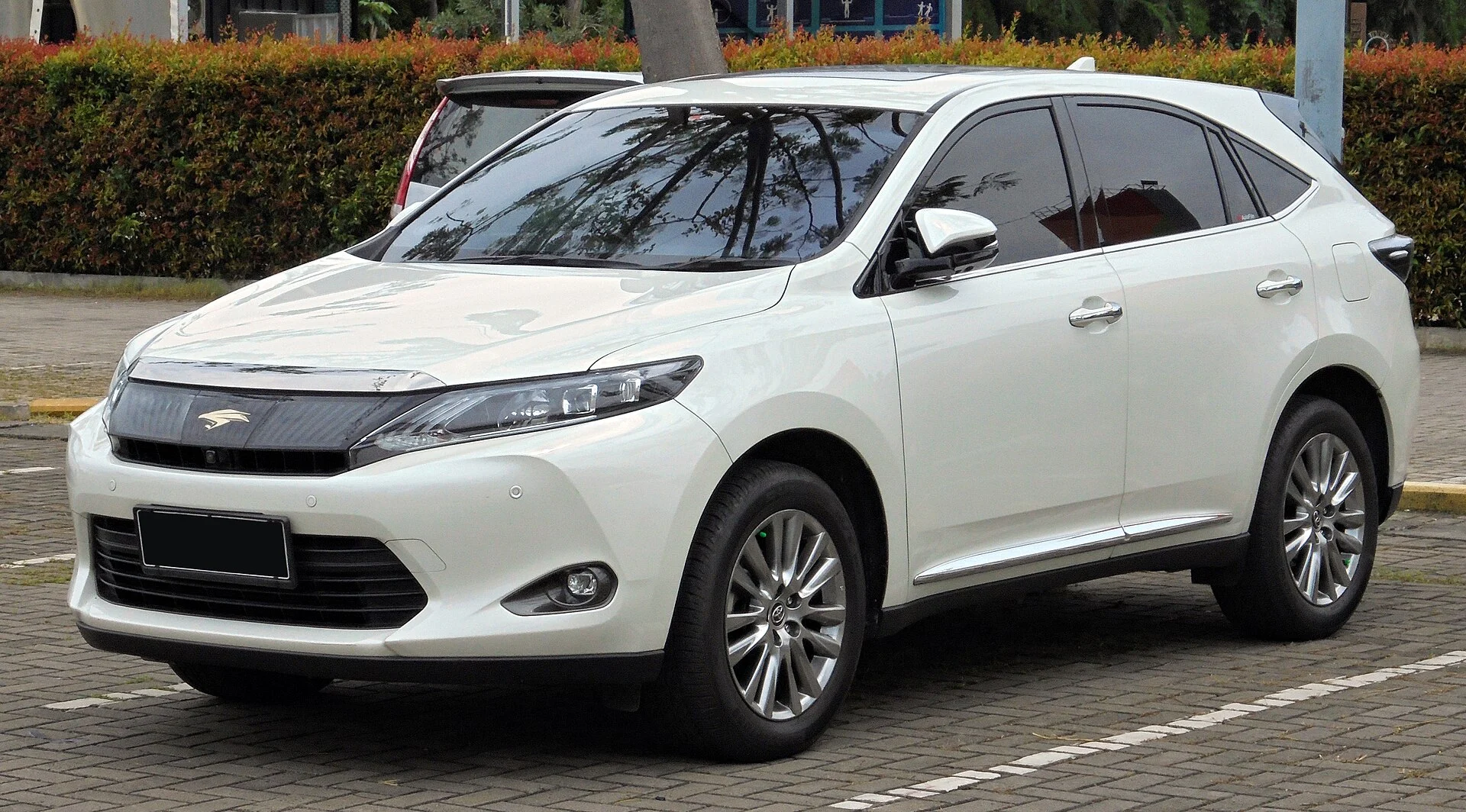
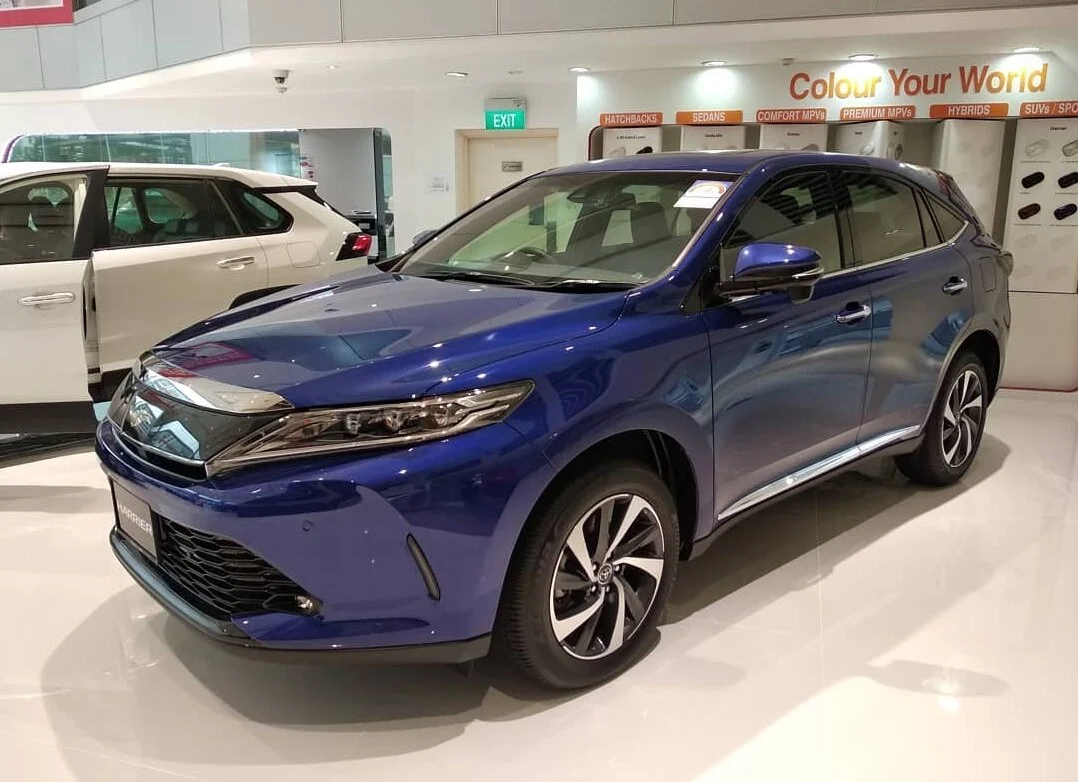
That price tag covers the dealer’s operating costs, salaries, rent for the prime location, and a substantial profit margin—often exceeding 20% on mid-range popular models like the Toyota Harrier or the Honda Vezel.
Worse still, many of these vehicles have questionable maintenance histories or lower auction grades.
A direct import eliminates these layers of cost.
You purchase the vehicle at its true market rate in Japan, pay only the fixed CIF (Cost, Insurance, Freight) charge, and then handle the statutory payments required by KRA.
This streamlined process means the direct importer’s markup is drastically lower and clearly defined, resulting in immediate and substantial savings.
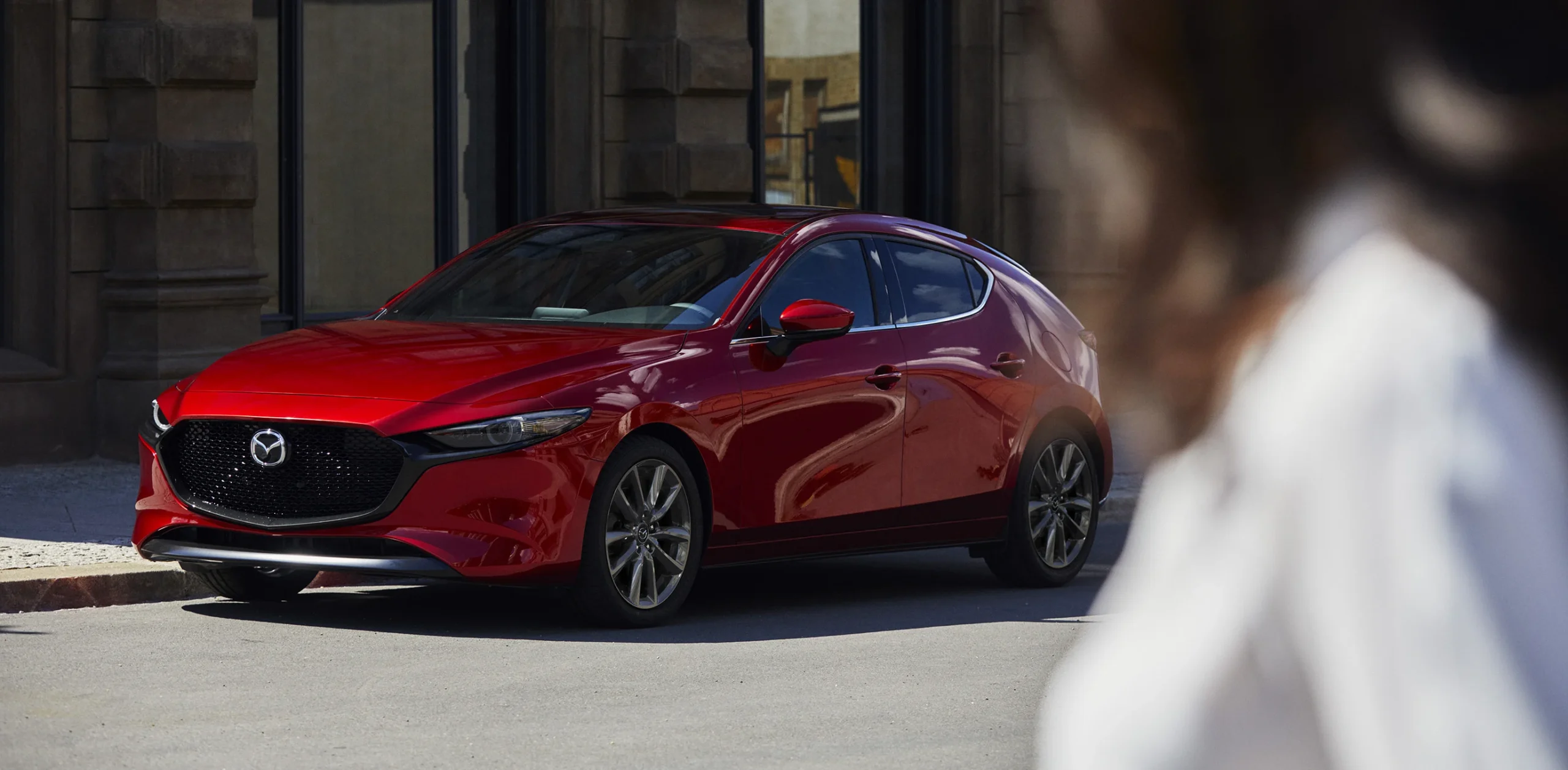
For example, a high-demand sedan like the Mazda Axela might cost KES 1.9 Million when imported directly, all duties paid.
The same vehicle, with a lower quality grade, might sit in a local yard for KES 2.3 Million.
That KES 400,000 difference is pure profit margin, which you can easily retain by opting for the direct importation model.

Understanding the Total Landed Cost (Landed Price Breakdown)
The single most important calculation for any savvy Kenyan car buyer is the total landed cost.
This is the ultimate price you pay to drive the vehicle off the port and clear the necessary KRA documentation for logbook transfer.
It is a four-step calculation, and understanding each component is non-negotiable.
Step 1: The CIF Value
The CIF Value covers the vehicle’s cost (FOB), marine insurance, and shipping costs from the port of loading (usually Yokohama or Osaka) to the Port of Mombasa.
When working with a transparent agent like Enan Motors, this figure is fixed and verifiable based on the actual auction sheet and shipping line invoice.
Step 2: Statutory Government Levies
KRA taxes are assessed based on the higher of two figures: the declared CIF value, or the KRA Determined Valuation Price.
These taxes are calculated sequentially:
- Import Duty (ID): 25% of the Determined Value.
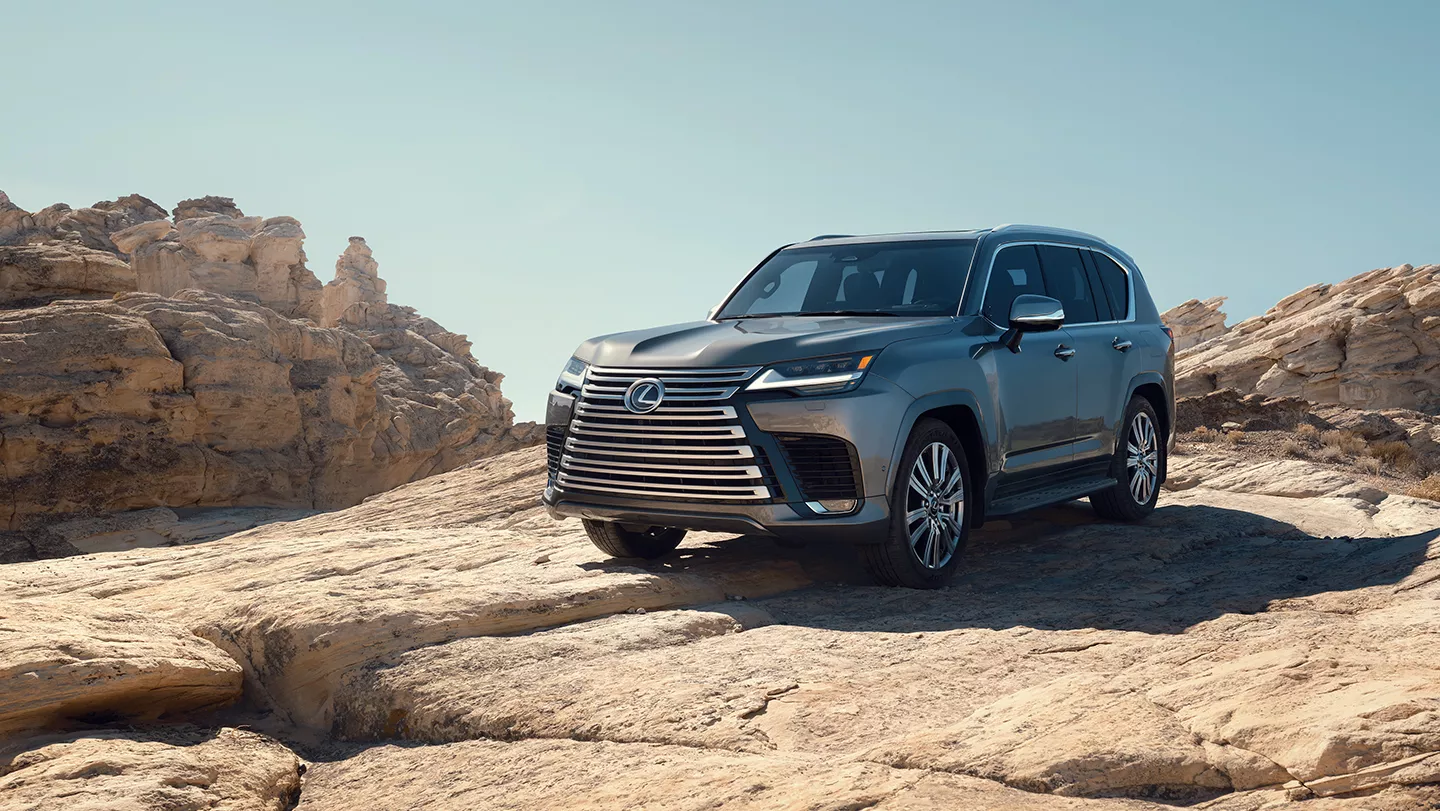
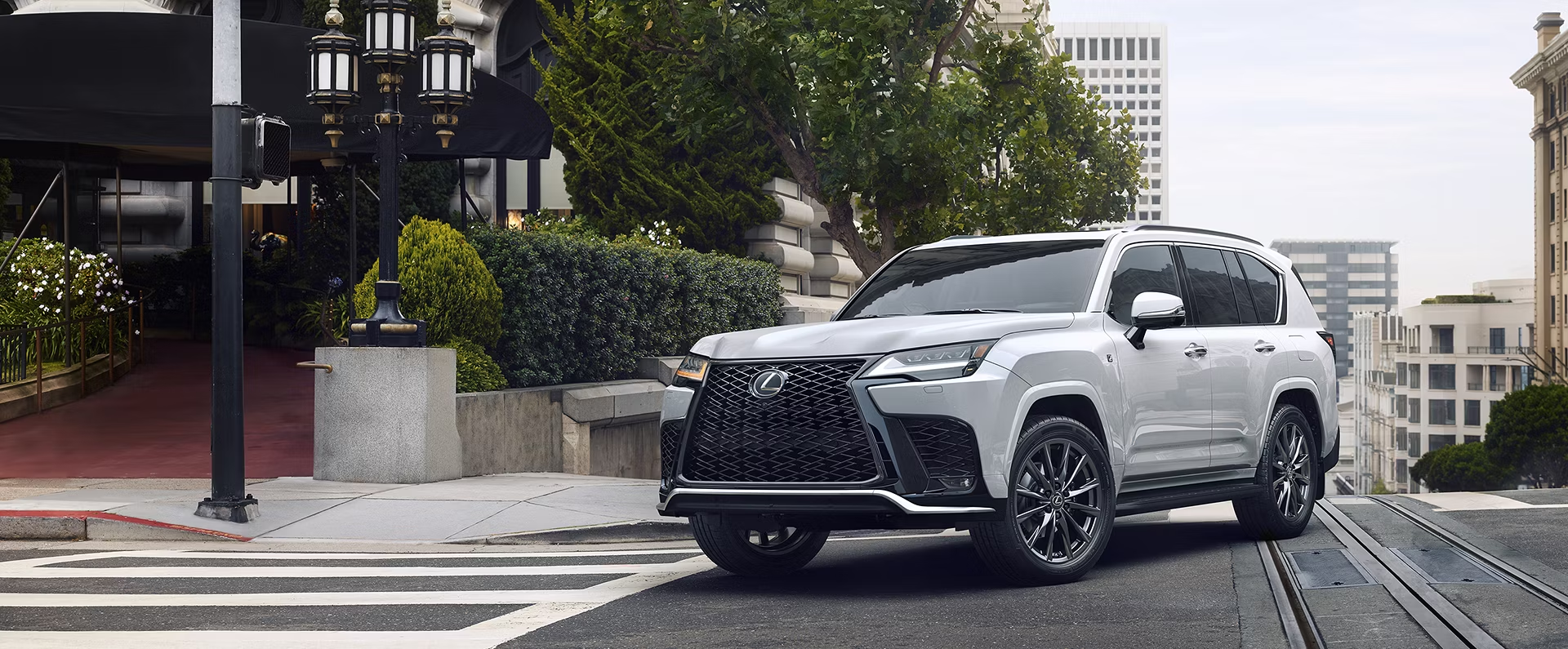
- Excise Duty (ED): Calculated on (Determined Value + Import Duty). The percentage varies based on engine size (e.g., 20% for engines less than 1,500cc, higher for larger luxury SUVs like the Lexus LX 600).
-
Value Added Tax (VAT): 16% of (Determined Value + Import Duty + Excise Duty).
In addition to these core duties, there are two minor levies: the Import Declaration Fee (IDF) at 2.25% of the CIF value and the Railway Development Levy (RDL) at 1.5% of the CIF value.
Step 3: Port and Clearance Fees
Once the vessel docks at Mombasa, storage fees (demurrage), handling charges by KPA, and the professional clearing agent fees are factored in.
These must be budgeted for accurately to avoid unexpected costs or delays.
Avoid Cost Surprises: Get a Binding Quote Now
Understanding these variables is the key to cost control.
If you are serious about saving money and importing a specific model like the reliable Mitsubishi Outlander, do not rely on rough estimates. Contact the experts at Enan Motors today for a comprehensive, binding quote that includes every fee from auction to logbook delivery.
We specialize in making the Import process seamless and predictable.
Navigating KRA Duty and Valuation Mechanics
This is where the direct import process requires technical expertise.
KRA does not simply trust the price you paid the Japanese seller; they use a complex database system to assign a Current Retail Selling Price (CRSP) or Standard Operating Procedure (SOP) valuation.
The Critical Role of the KRA Valuation Template
KRA’s primary mandate is to ensure the maximum duty collection.
They reference standardized valuation templates based on the make, model, year of manufacture, and engine capacity.
If your declared CIF value falls significantly below the KRA reference price, KRA will assess duty based on their higher valuation.
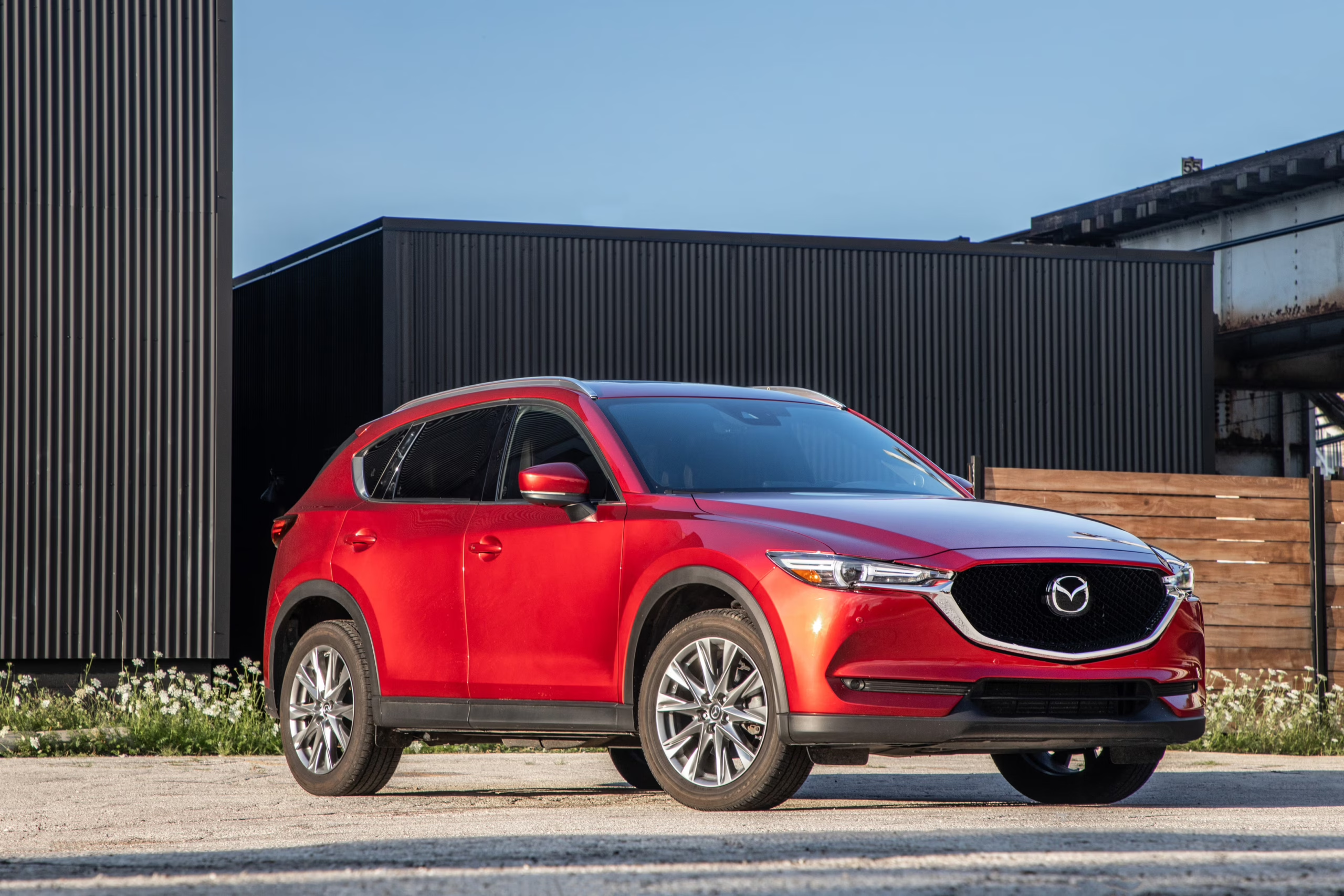
Savvy importers work backward: they know the KRA valuation template for a 2020 Mazda CX-5, for example, before bidding at auction.
This prevents the shock of receiving a massive duty demand at the Port of Mombasa.
If the difference is too great, a professional agent knows how to file the necessary appeal documentation correctly and swiftly.
The Excise Duty Loophole for Premium Vehicles
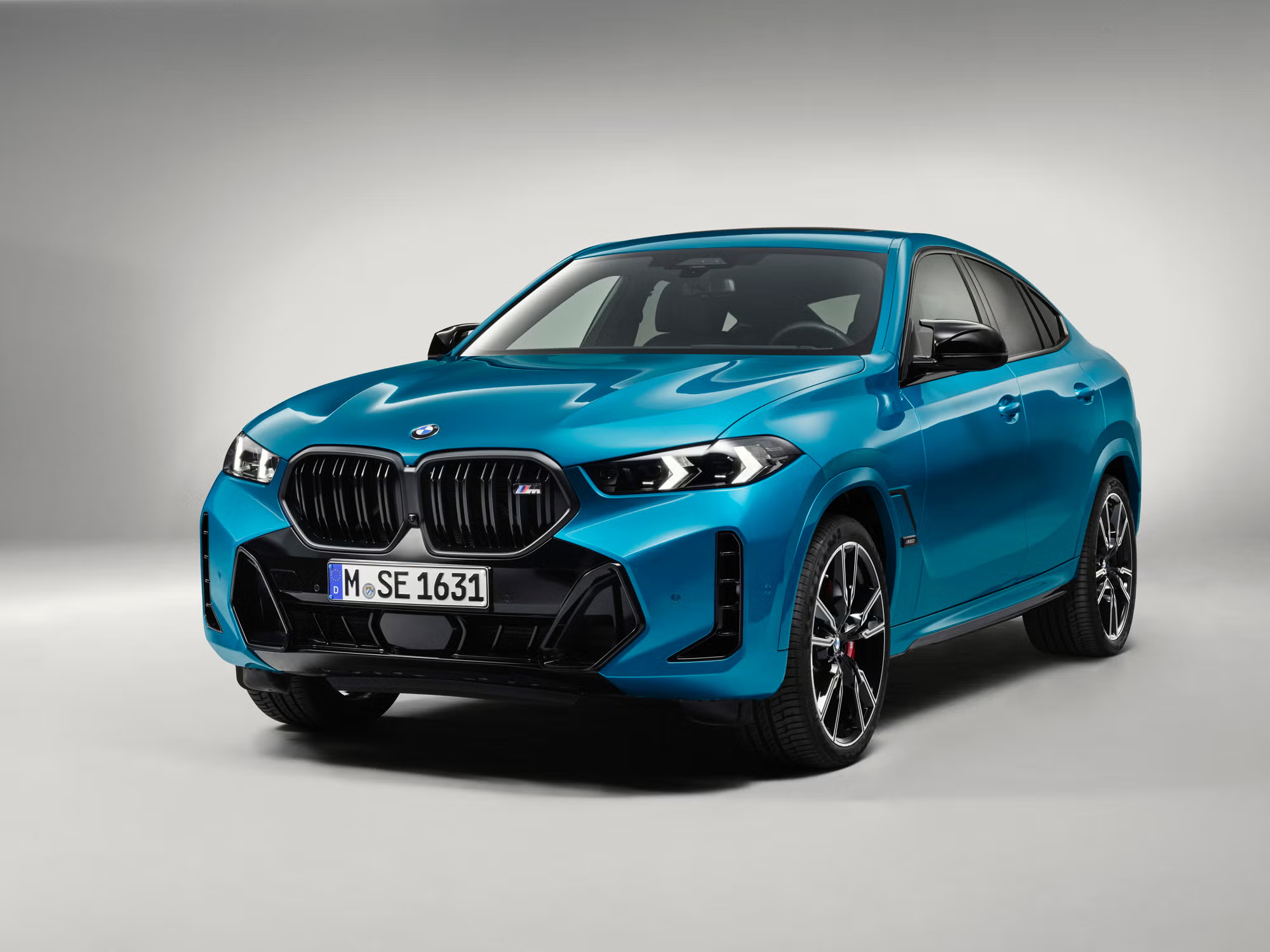
For high-end, large-engine vehicles, such as those made by BMW or Mercedes Benz, the Excise Duty bracket becomes critical.
If you are importing a Mercedes GLE or a BMW X6, the total duty component can easily surpass 150% of the initial CIF value.
The import advantage remains, but the absolute capital requirement is significantly higher, demanding meticulous financial planning.
The 8-Year Rule: Strategic Importation for 2026 and Beyond
The cost effectiveness of importing is inextricably linked to the age limit policy.
Kenyan law stipulates that only vehicles registered in the year of importation minus eight years are eligible for entry.
This rule is highly dynamic, and buyers must plan their purchases precisely.
What the 8-Year Rule Means for 2026 Imports
If you are importing a car in 2026, the vehicle must have been first registered in 2019 or later.
A common mistake is buying a 2018 model in Japan assuming it will land quickly enough.
If it lands after January 1st, 2026, it is ineligible and will face impoundment or re-exportation—a catastrophic financial loss.
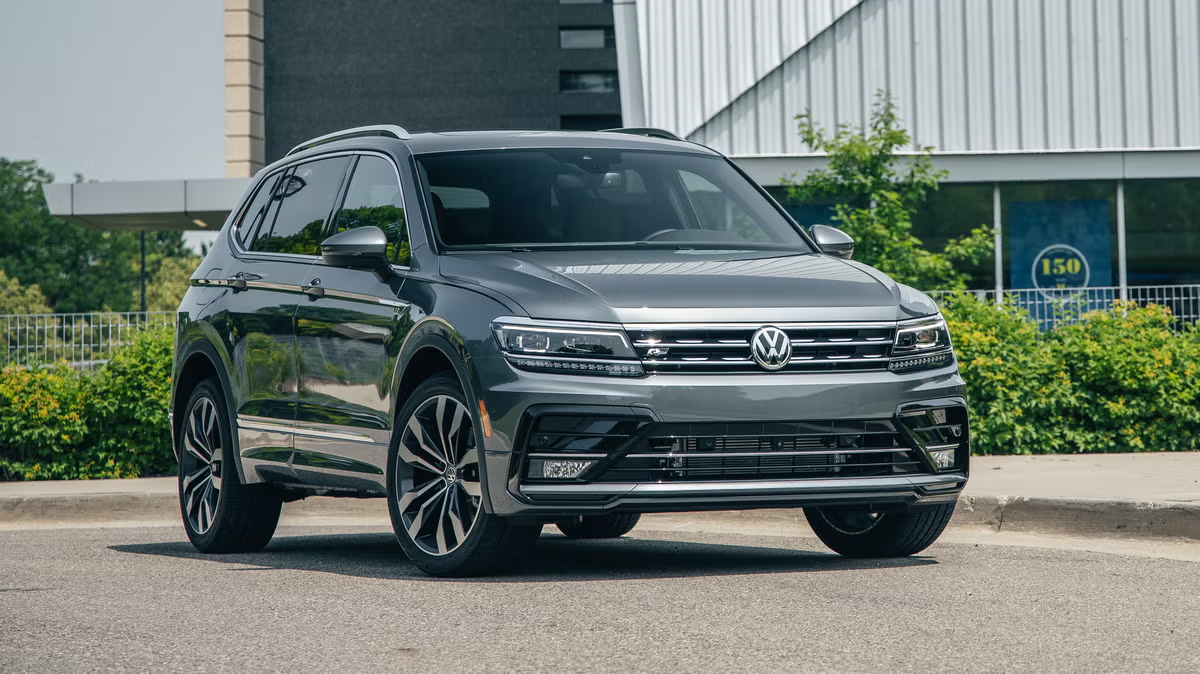
This reality drives up the demand for newer models like the 2020-spec Volkswagen Tiguan or the 2021 Mazda CX 5, pushing up their prices in Japan, but they retain immense resale value here, particularly in upmarket suburbs like Karen and Nyali.
Quality Assurance: Why Direct Importation Wins on Value
While the focus is often on the lower price, the real long-term savings of direct import come from the guaranteed quality.
A car is not cheaper if it needs KES 300,000 in immediate engine or transmission repairs six months after purchase.
The Auction Grade Signal
In the Japanese market, every vehicle is professionally assessed and assigned an Auction Grade (e.g., 4.0, 4.5, 5.0).
A Grade 4.5 vehicle is excellent quality, often with low mileage and documented repair history.
Local car yards frequently stock Grade 3.5 or lower (R-grade, or heavily repaired) vehicles, or worse, those whose mileages have been tampered with.
Enan Motors provides the original, verifiable Japanese Auction Sheet for every car we import.
This eliminates the uncertainty.
Knowing you are getting a verified Grade 4.5 Honda eliminates the hidden costs associated with maintenance that plague buyers who opt for local yard stock.
Mileage Verification and Logbook Integrity
Odometer fraud is a pervasive issue in the used car market in Nairobi.
When you import directly, the mileage is recorded on the official Export Certificate from Japan and cross-referenced with the inspection conducted by Quality Inspection Services Japan (QISJ).
This multi-layered verification protects the buyer and maintains the integrity of the vehicle’s logbook history when it eventually transfers to your name via KRA iTax.
The Enan Motors Advantage: Transparency and Compliant Imports
Our commitment at Enan Motors is to provide true transparency.
We do not just claim to be cheaper; we show you exactly where the savings come from.
Our role is to act as your procurement specialists in Japan, not as a middleman adding arbitrary markups.
We believe in empowering the Kenyan buyer.
When considering models ranging from reliable family Toyota sedans to luxury vehicles like the Lexus NX250, we provide a full cost projection upfront.
This includes the auction price, all shipping costs, and a precise estimate of the KRA duty payable.
This level of detailed, technical service is why our clients trust us.
If you are researching a specific brand, perhaps a high-performance available cars from a specific brand, we can source it quickly and reliably.
Learn more about About Enan Motors and our commitment to industry-leading customer service.
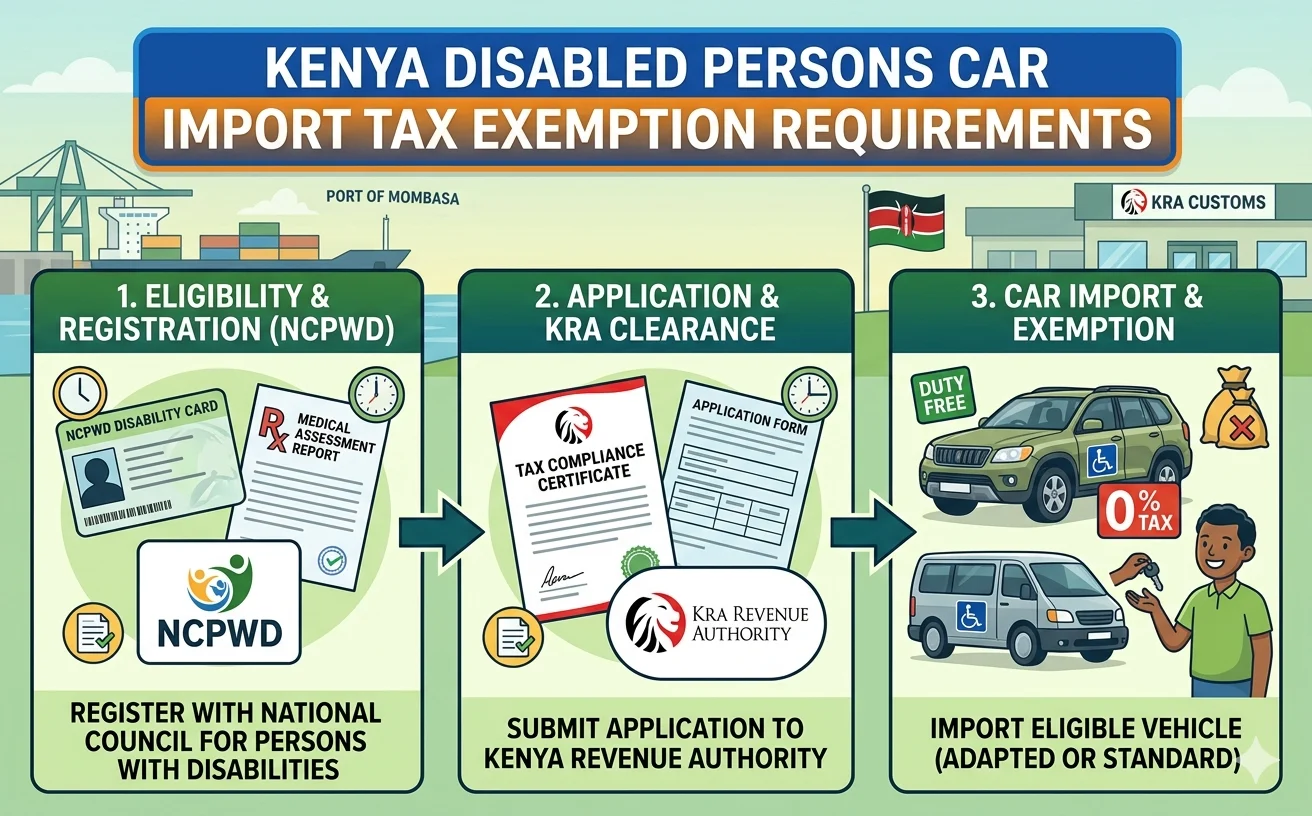
Our sourcing extends beyond just volume sellers; we handle niche imports and duty-free processes for returning residents with expert care.

Conclusion
Yes, importing a car from Japan is unequivocally cheaper than relying on local stock, especially when measured by the true value—the price-to-quality ratio.
By partnering with Enan Motors, you gain access to the direct Japanese auction market, bypassing the excessive markups and quality compromises of the local yards.
We ensure that you pay the correct KRA duty, receive a verifiable high-grade vehicle, and drive away with maximum savings and peace of mind.
Ready to start your direct import journey and avoid local dealer inflation? Message us on WhatsApp or Call us today to discuss your next vehicle.