
For any savvy importer, understanding the CRSP is non-negotiable.
This figure is not derived from the cost you paid in Japan or the UK (the CIF value); rather, it is a pre-determined, standardized value that KRA believes the vehicle would fetch on the open Kenyan market before duties are applied.
It is the single most contentious figure in the importation logistics chain.
Defining the CRSP and KRA’s Valuation Template
The CRSP serves as KRA’s safeguard against undervaluation.
If every importer declared the lowest possible purchase price, the government would lose billions in revenue.
Therefore, KRA maintains a constantly updated database—sometimes referred to internally as the ‘Blue Book’ or Valuation Template—that dictates the CRSP for virtually every common vehicle imported into Kenya.
This valuation template considers several factors, including the manufacturer, model, engine capacity (CC), and year of manufacture.
Crucially, the CRSP is supposed to reflect a fair market price for a vehicle of ‘average’ condition.
The challenge arises when KRA’s template is outdated or when the vehicle imported is of exceptionally high grade (e.g., Auction Grade 4.5 or 5), leading to potential discrepancies.
The Difference: CRSP vs. CIF Value
Many first-time importers confuse the CIF value with the CRSP.
The distinction is paramount:
- CIF (Cost, Insurance, and Freight) Value: This is the verifiable, actual cost of the car landed at the Port of Mombasa, including the vehicle purchase price in the source country, marine insurance, and shipping freight charges.This is your genuine transaction cost.
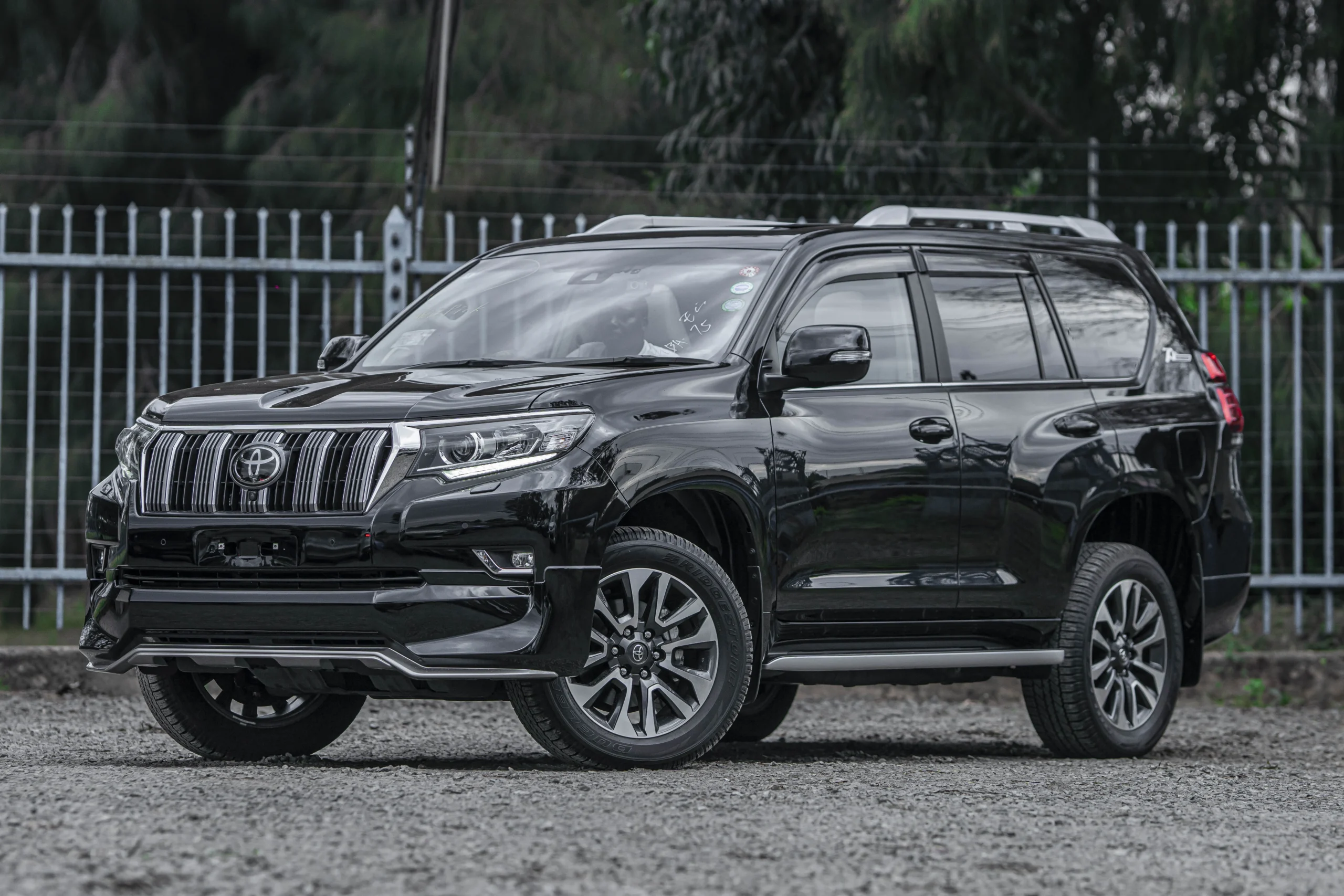
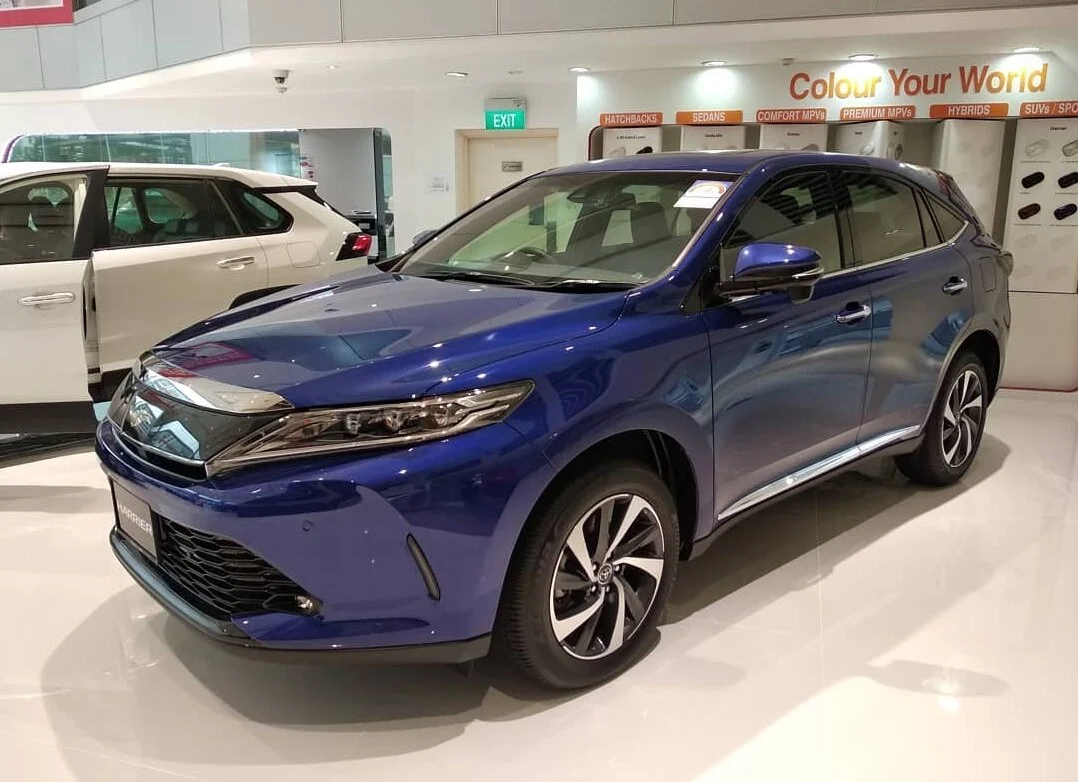
- CRSP (Current Retail Selling Price): This is KRA’s estimated local market retail price, used solely as the basis for calculating import taxes.It is almost always higher than the CIF value, especially for popular models like the Toyota Land Cruiser Prado or the Toyota Harrier.
The import duty (25%), Excise Duty and VAT (Value Added Tax) are calculated based on percentages of the CRSP.
This layered application is why the final duty bill feels disproportionately large compared to the initial price paid overseas.
The Mathematics: How CRSP Dictates Duty Calculation
Understanding the final duty payment requires walking through the mandated KRA process, where the CRSP is applied after the initial Import Duty.
The total duty payable is roughly 80% to 100% of the CIF value.
The calculation flows sequentially:
- Import Duty (ID): 25% of the CRSP.
- Excise Duty (ED): Calculated on (CRSP Value + Import Duty). This rate varies significantly by engine CC (e.g., lower CC vehicles like the Mazda Axela attract a lower rate than large SUVs).
- Customs Value (CV): ID + ED + CRSP Value.
- Value Added Tax (VAT): 16% of the Customs Value (CV).
- Import Declaration Fee (IDF): 2.25% of the CRSP value (minimum of KES 5,000).
- Railway Development Levy (RDL): 1.5% of the CRSP value.
Crucially: While the above technical breakdown is accurate, KRA often utilizes the CRSP valuation to determine a ‘Deemed Customs Value’ if the calculated Customs Value based on CIF is significantly lower than their CRSP benchmark.
In simple terms, KRA ensures they tax you on the higher of the two valuations.
KRA’s Multi-Tier Tax Structure
The Excise Duty component is where the CRSP benchmark truly stings high-end vehicle importers.
For example, a sleek German import, perhaps a high-performance BMW or a Mercedes GLE, will automatically fall into the highest bracket based on its engine capacity, compounding the effect of a high CRSP.
It is vital to obtain an accurate, provisional duty estimate before buying.
At Enan Motors, we leverage years of clearance experience to provide firm duty quotes based on realistic CRSP projections, preventing financial surprises when the car lands in Mombasa.
Don’t gamble on KRA’s CRSP.
Before committing to a purchase, let our experts calculate the precise duty payable based on current KRA templates.
Review our curated inventory of high-grade imports and request a detailed, zero-obligation duty assessment.

Navigating the 8-Year Rule and CRSP Valuation
The CRSP valuation is intrinsically linked to the 8-year age limit rule, especially as we move toward 2026.
For a vehicle to be eligible for importation into Kenya in the year 2026, its year of first registration must be 2018 or newer.
KRA does not maintain a CRSP valuation for vehicles that violate this rule, as they are prohibited.
Attempting to import an older vehicle means the car will likely be seized and auctioned, regardless of its superior condition or low mileage.
This is the reality when driving local regulations, whether you are planning to drive in Karen or Nyali.
Dealing with Under-Valuation and Query Management
One of the most common challenges we manage for clients is the KRA Valuation Query.
This occurs when KRA believes the declared CIF value is unrealistically low relative to their CRSP benchmark.
They will issue a demand for additional duty.
This is where the benefit of direct importation with a transparent partner like Enan Motors shines.
We provide the client with the full, unedited supporting documents, including the Bill of Lading, the original QISJ inspection certificate, and the Japanese Auction Sheet (which confirms mileage and condition).
These documents are essential evidence to support the declared CIF value and argue against an arbitrary CRSP assessment if it leads to an unreasonable duty demand.

The Enan Motors Advantage: Transparency Against Arbitrary CRSP
When you buy from a local car yard, you inherit their valuation risks and margin stacking.
When you import directly through us, you gain control and total transparency over the process.
We ensure the car you purchase is a legitimate, high-grade unit (Auction Grade 4.0 and above), which justifies its price, thus making valuation disputes smoother.
We believe in full disclosure regarding the actual cost.
Unlike local dealers who hide the CIF value and CRSP projection within a single, opaque total price, we walk you through the entire duty computation step-by-step.
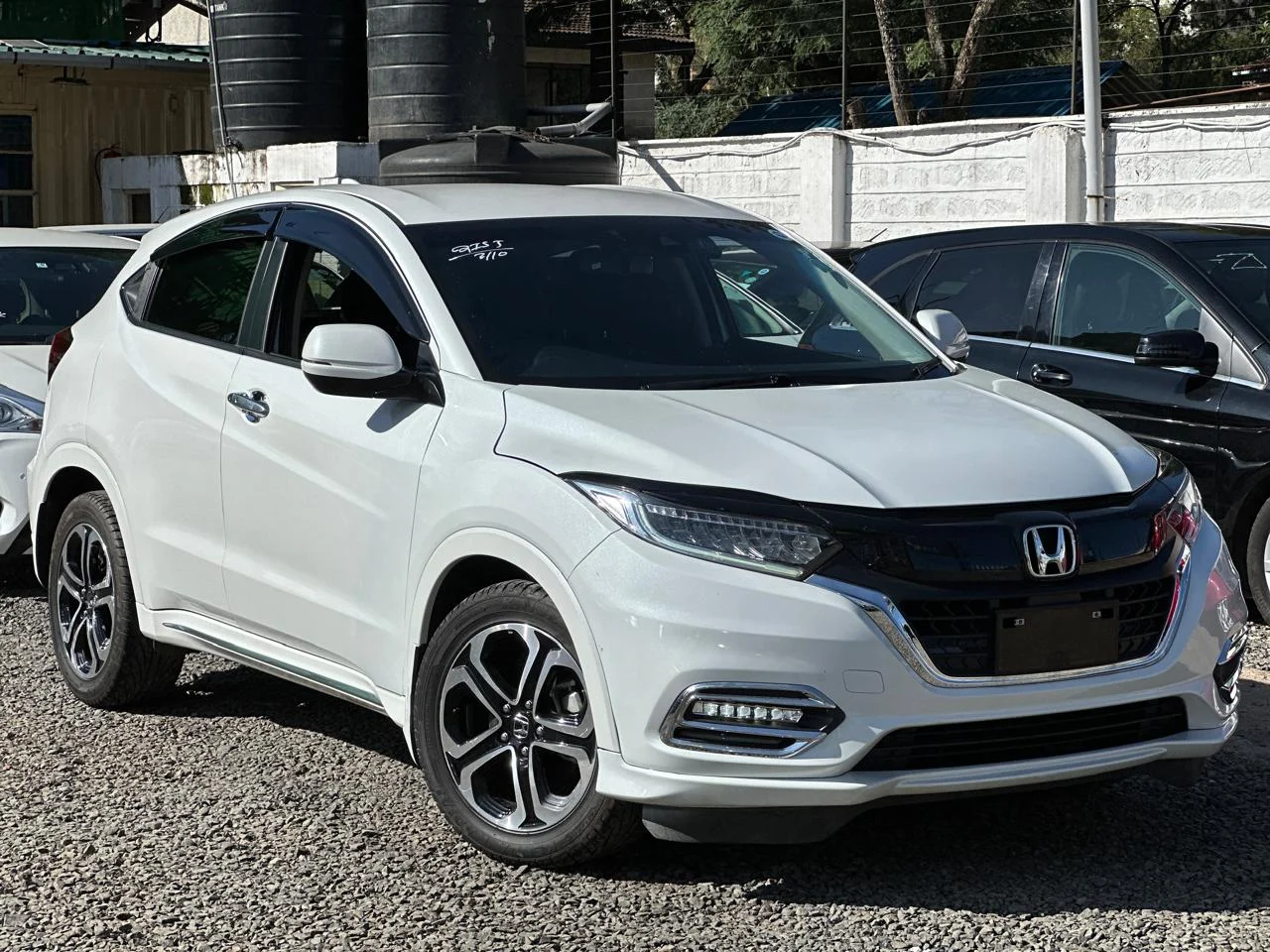
For instance, whether you are importing a functional Honda or a powerful Honda Vezel, we ensure you know exactly how the CRSP affects your final cost at the Port of Mombasa.
We document every stage of the import process, from vehicle sourcing to customs clearing.
This level of detail ensures that when we manage the KRA iTax paperwork and the Logbook transfer, there are zero loopholes for costly errors or valuation penalties.
Transparency is not just a promise; it’s the business model that sets About Enan Motors apart.
Importing high-value luxury cars—such as the Lexus LX 600 or the sleek Lexus NX250—requires specialized handling due to very high CRSP benchmarks.
Trust our experience in securing accurate duty assessments for these premium models.
For high volume import brands like Toyota and Mazda, CRSP consistency is usually higher.
However, when dealing with niche or recently released models, KRA’s valuation template may lag behind the true market value, creating an opportunity for fair negotiation, provided you have the right importing agent managing the customs clearing process.
Conclusion
The CRSP in Kenya is more than just a number; it is the ultimate determinant of your car’s final cost on Kenyan soil.
By understanding that this figure is KRA’s valuation tool rather than your purchase price, you can manage expectations and avoid financial shock.
Partnering with Enan Motors means you get the full transparency required to anticipate the CRSP impact, ensuring you receive a high-quality import, certified with the original auction sheet, at the most competitive price possible.
If you are ready to import a vehicle with guaranteed pricing and peace of mind, don’t delay. Contact the import veterans at Enan Motors today to start your stress-free import journey. Call us or Message us on WhatsApp.