
1. Violating the 8-Year Age Limit Rule
In the Kenyan automotive market, the “8-year rule” is the most rigid regulation enforced by the Kenya Bureau of Standards (KEBS).
For anyone planning an import in 2026, the oldest vehicle allowed into the country must have been manufactured in 2019.
A common blunder occurs when buyers purchase a car manufactured in late 2018, thinking it qualifies because it was first registered in 2019.
KRA and KEBS look strictly at the year of manufacture, not the year of first registration.
If your car arrives at the Port of Mombasa and is found to be over the age limit by even a single day, it will be condemned for destruction or re-exportation at your own expense.
This is why we always advise clients at Enan Motors to verify the production month and year using the chassis number before committing funds.
Timing is everything; a car shipped in late December that docks in January of the following year may suddenly become non-compliant if the calendar year flips the age limit.
For example, a 2019 model must be cleared by December 31st, 2026.

2. Underestimating KRA Taxes and the CRSP Trap
Many first-time importers assume that the duty paid is a percentage of the price they paid in Japan.
This is a dangerous misconception.
The Kenya Revenue Authority (KRA) uses a standardized template called the Current Retail Selling Price (CRSP) to value vehicles.
The duty is calculated based on what the car would cost brand new in a Kenyan showroom today, adjusted for depreciation based on the car’s age.
If you are importing a premium BMW or a high-spec Mercedes Benz, the duty can sometimes exceed the actual purchase price of the car in Tokyo or Osaka.
Failing to run a KRA valuation before buying is a recipe for financial disaster.
Whether you are eyeing a luxury Mercedes GLE or a reliable Toyota, you must account for the 35% Import Duty, 25% Excise Duty, 16% VAT, and other levies like the Railway Development Levy (RDL) and IDF.
If you find the tax math confusing, the team at Enan Motors provides a transparent breakdown of the total landing cost before you bid at auction.
3. Ignoring the Pre-Export Inspection (QISJ)
Every vehicle coming from Japan to Kenya must undergo a mandatory Pre-Export Verification of Conformity (PVoC).
Currently, Quality Inspection Services Japan (QISJ) is the primary body authorized to conduct these checks.
The mistake many DIY importers make is shipping a car without this certificate to save a few dollars or out of sheer ignorance.
Shipping a vehicle without a QISJ certificate results in a heavy penalty—usually 20% of the CIF (Cost, Insurance, and Freight) value—plus the cost of a local inspection which is often more stringent.
It is far better to ensure the car is inspected in Japan, where any mechanical issues or radiation concerns can be addressed before the ship leaves the dock.
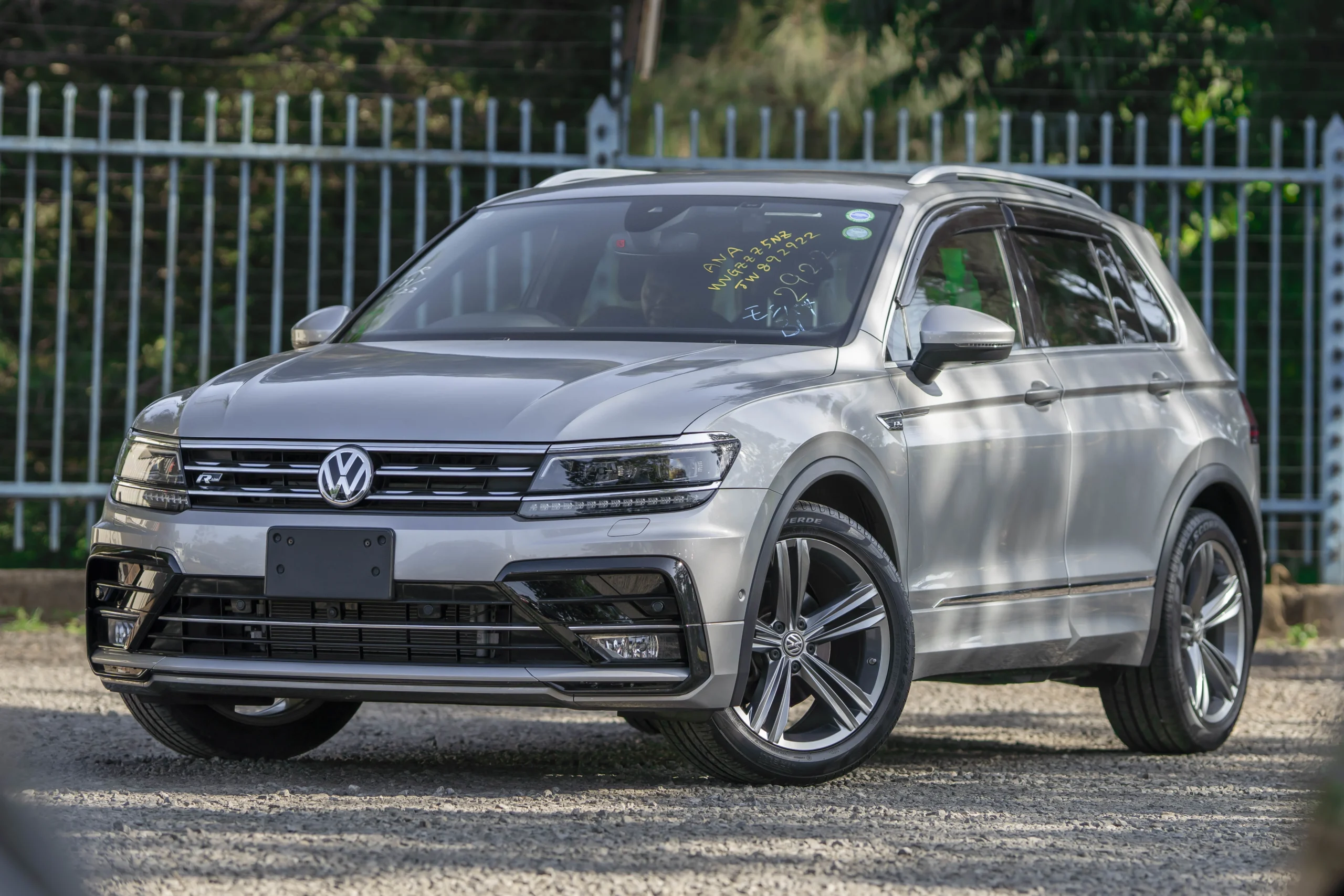
This ensures that when your Volkswagen Tiguan or Mazda hits the road in Nairobi, it meets all safety and environmental standards.
Note: Are you unsure about the current QISJ codes or KRA valuation for your dream car? Message us on WhatsApp for a free consultation and a detailed breakdown of the import process tailored to your budget.
4. Falling for Odometer Fraud and Fake Auction Sheets
The “grey market” in Kenya is notorious for “mileage clocking.” This is the practice of rolling back the odometer to make a car look newer and more valuable.
While this is harder to do when importing directly, some unscrupulous exporters in Japan or middlemen in Kenya provide doctored auction sheets.
A genuine Japanese auction sheet is a legal document that grades the car’s interior and exterior (e.g., Grade 4.5 is near-perfect, while Grade 3 or R indicates a history of accidents).
At Enan Motors, we believe in total transparency.
We provide our clients with the original auction sheet and encourage them to verify it through independent third-party sites like Aleado or CarVina.
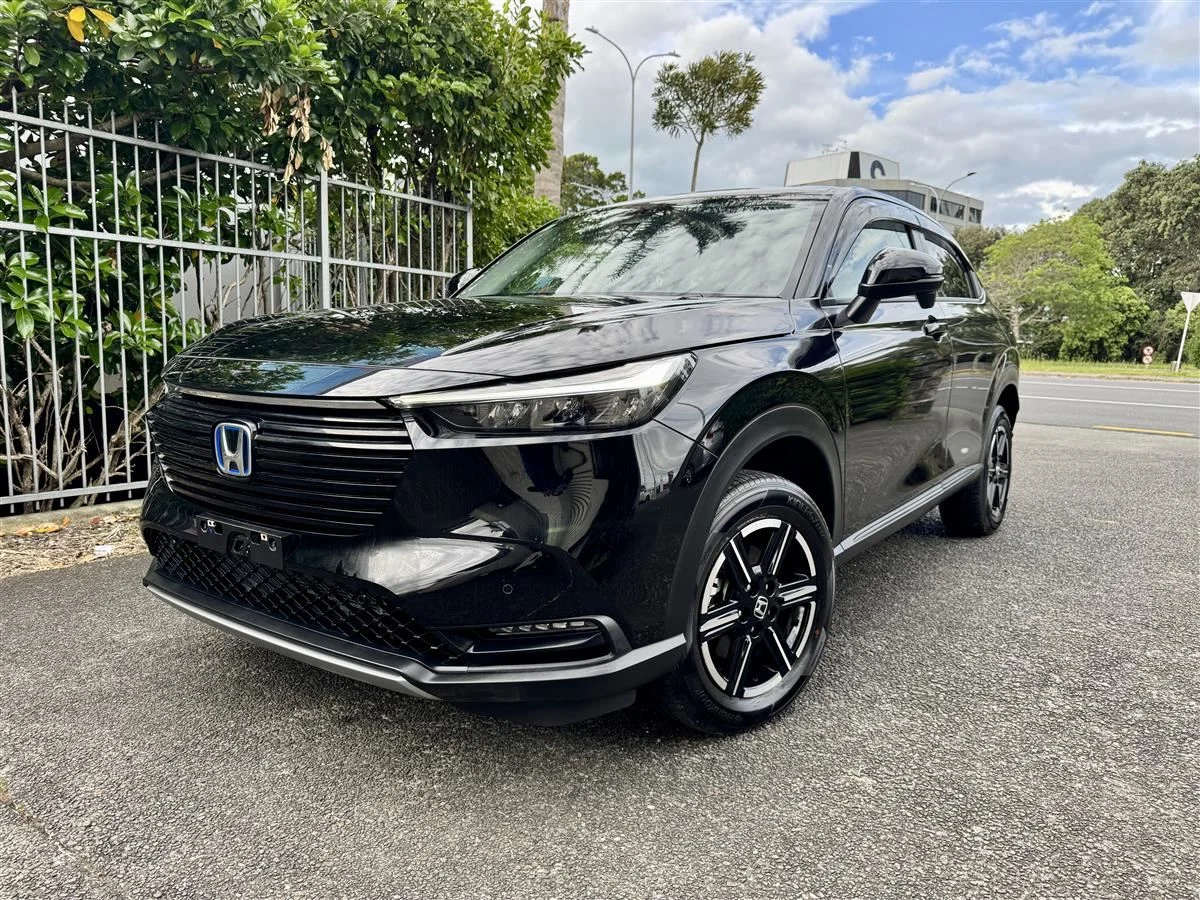
Whether you are importing a Honda Vezel or a high-end Lexus LX 600, seeing the true history of the vehicle—including any previous repairs—is the only way to avoid buying a “lemon.” Direct importation via a trusted partner is always safer than buying a “Grade 4” car from a local yard that might actually be a repaired Grade R.
5. Neglecting the Logistics and Port Clearance Timelines
The purchase price in Japan and the KRA duty are only two parts of the puzzle.
You must also account for shipping costs, marine insurance, and clearing agent fees.
Once the car arrives at the Port of Mombasa, the clock starts ticking.
If your clearing agent is slow or if you haven’t prepared your KRA iTax PIN and registration documents, you will face “demurrage” (storage) charges.
These fees accumulate daily and can quickly run into hundreds of thousands of shillings.
Choosing an inexperienced clearing agent is a common mistake.
A professional agent ensures that the Bill of Lading, Export Certificate, and QISJ documents are processed swiftly.
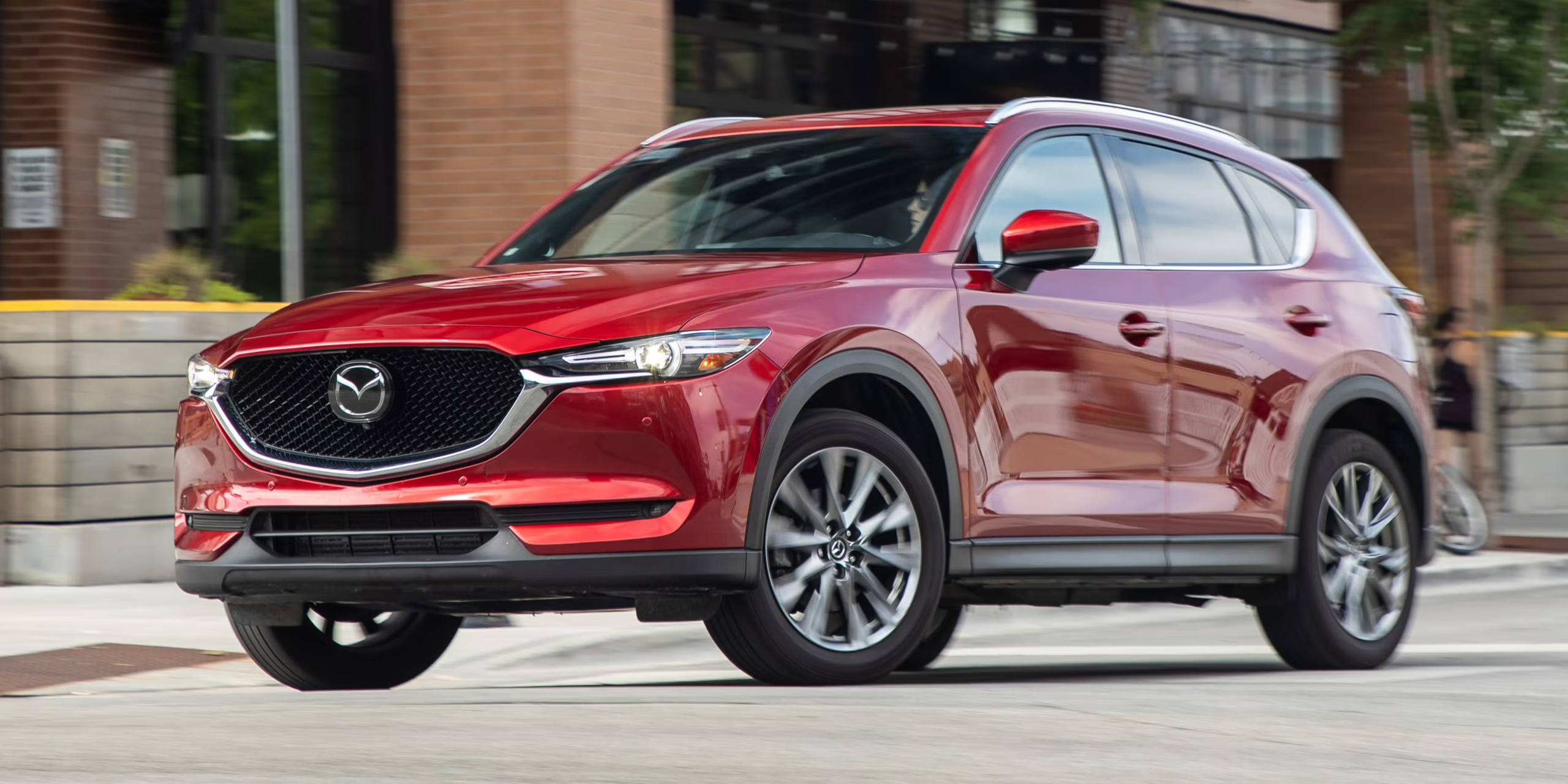
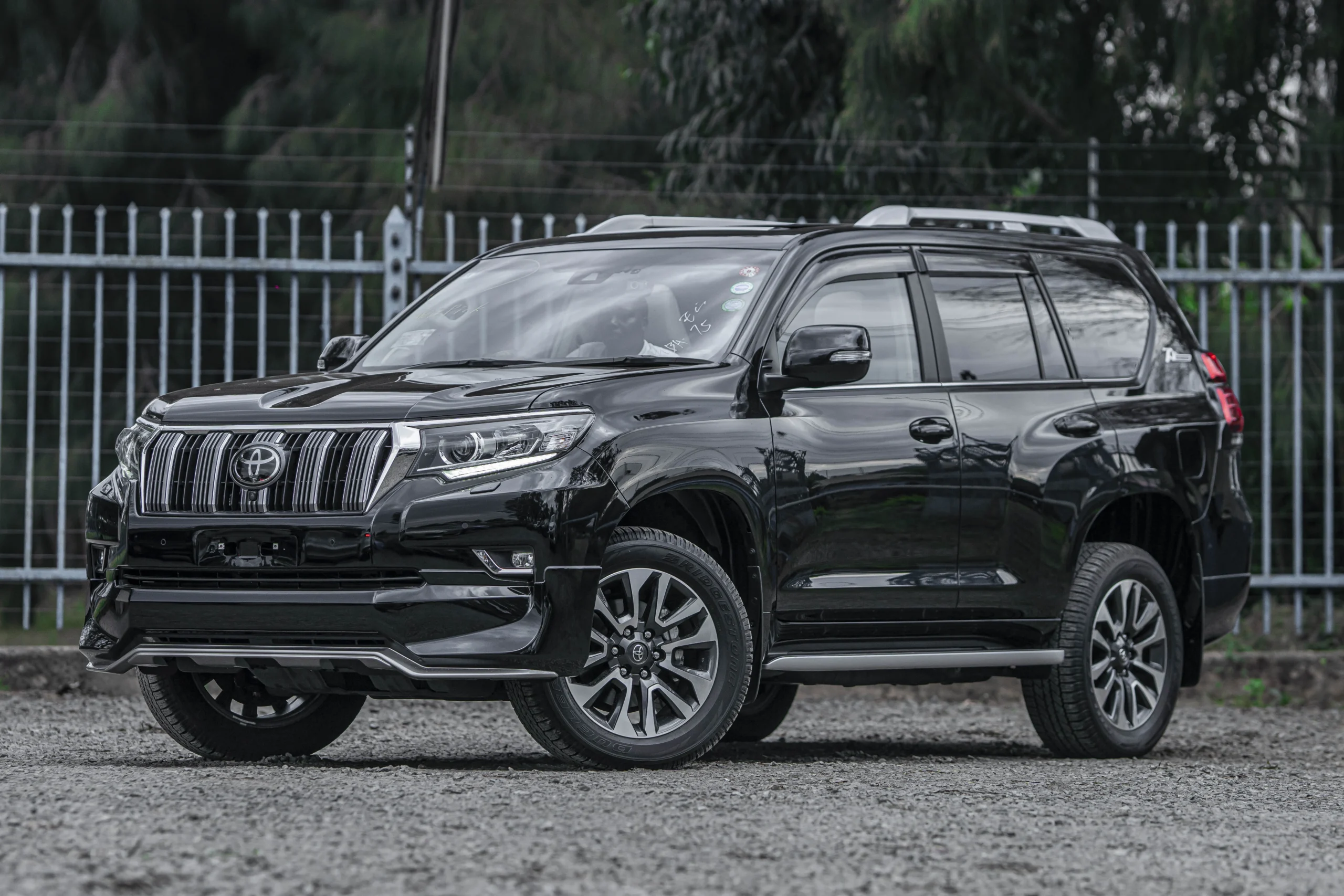
This ensures your Toyota Land Cruiser Prado or Mazda CX 5 is released from the CFS (Container Freight Station) within the free storage period, usually 14 to 21 days depending on the shipping line.
6. Buying the Wrong Car for the Kenyan Terrain
Nairobi traffic and rural Kenyan roads require specific vehicle characteristics.
A mistake many buyers make is choosing a car with low ground clearance or complex hybrid systems that local mechanics in Naairobi or Eldoret cannot service.
While a Volkswagen or Lexus offers incredible comfort, you must ensure the specific model is “tropicalized” for our environment.
- Ground Clearance: Essential for navigating speed bumps on the Nairobi Expressway or rough terrain in Karen.
- Parts Availability: Brands like Mitsubishi and Honda have a strong following, but ensure your specific model (like a Mazda Axela) has readily available filters and suspension parts.
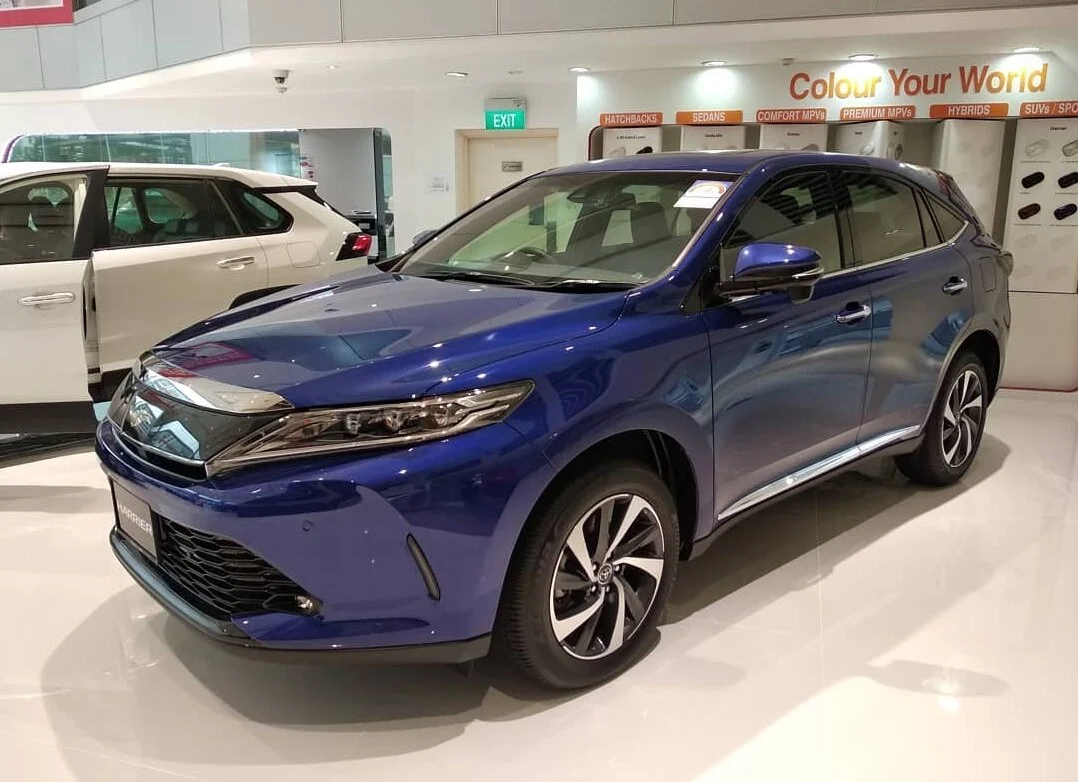
- Resale Value: In the Kenyan market, a Toyota Harrier or a Prado tends to hold its value much better than European counterparts.
Professional Tip: Looking for a car that balances luxury and reliability?
Check our current inventory to see which models are currently trending and cleared for Kenyan roads.
7. Failing to Verify the Exporter’s Credibility
The internet is full of “ghost” exporters who offer prices that seem too good to be true.
Sending millions of shillings to an unknown entity in Japan is a massive risk.
Some buyers have lost their life savings to sites that disappear once the money is wired.
The best way to mitigate this is to work with an established Kenyan company like Enan Motors that has a physical presence in Nairobi and a verified network of Japanese suppliers.
We handle the bidding, the payment via secure bank transfers, and the entire logistics chain.
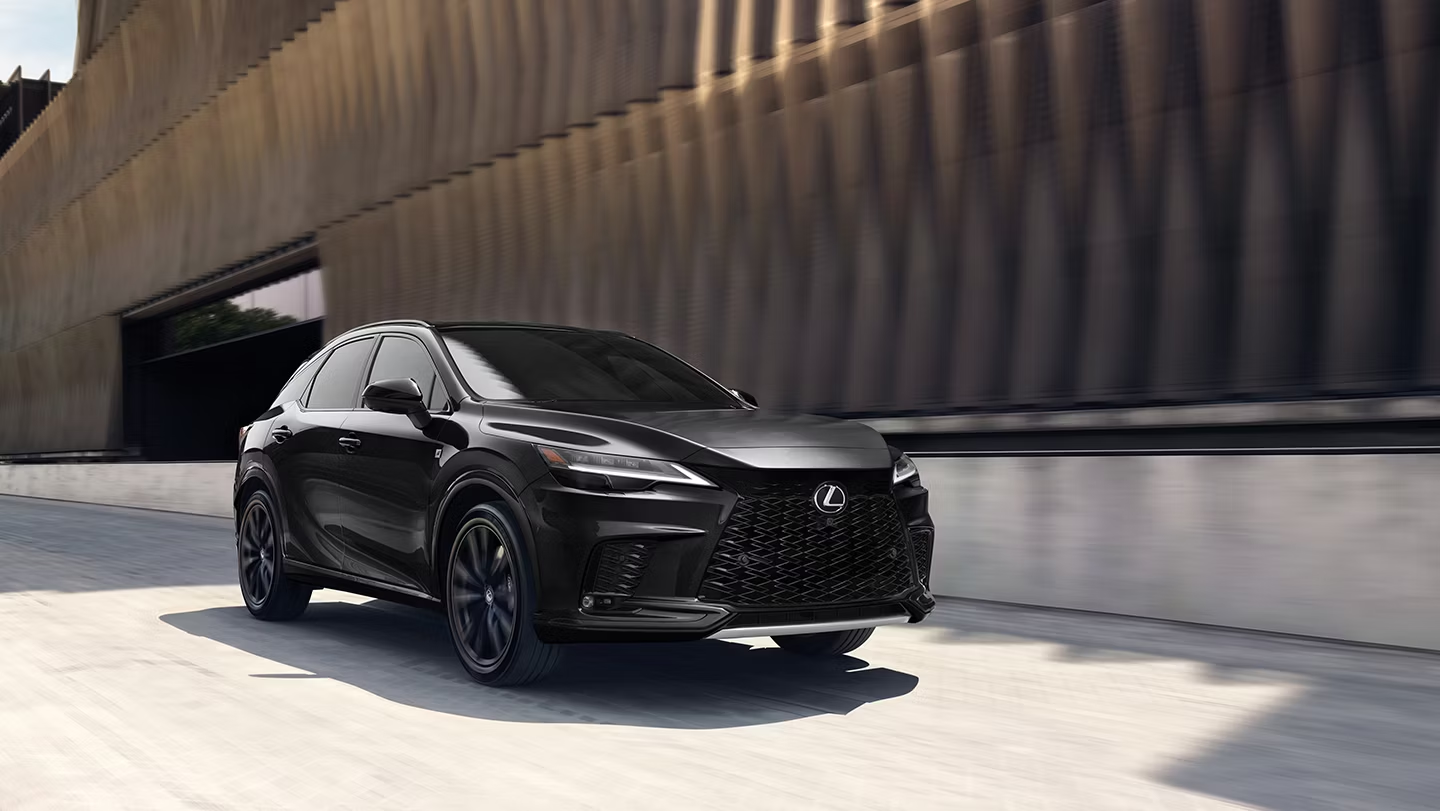
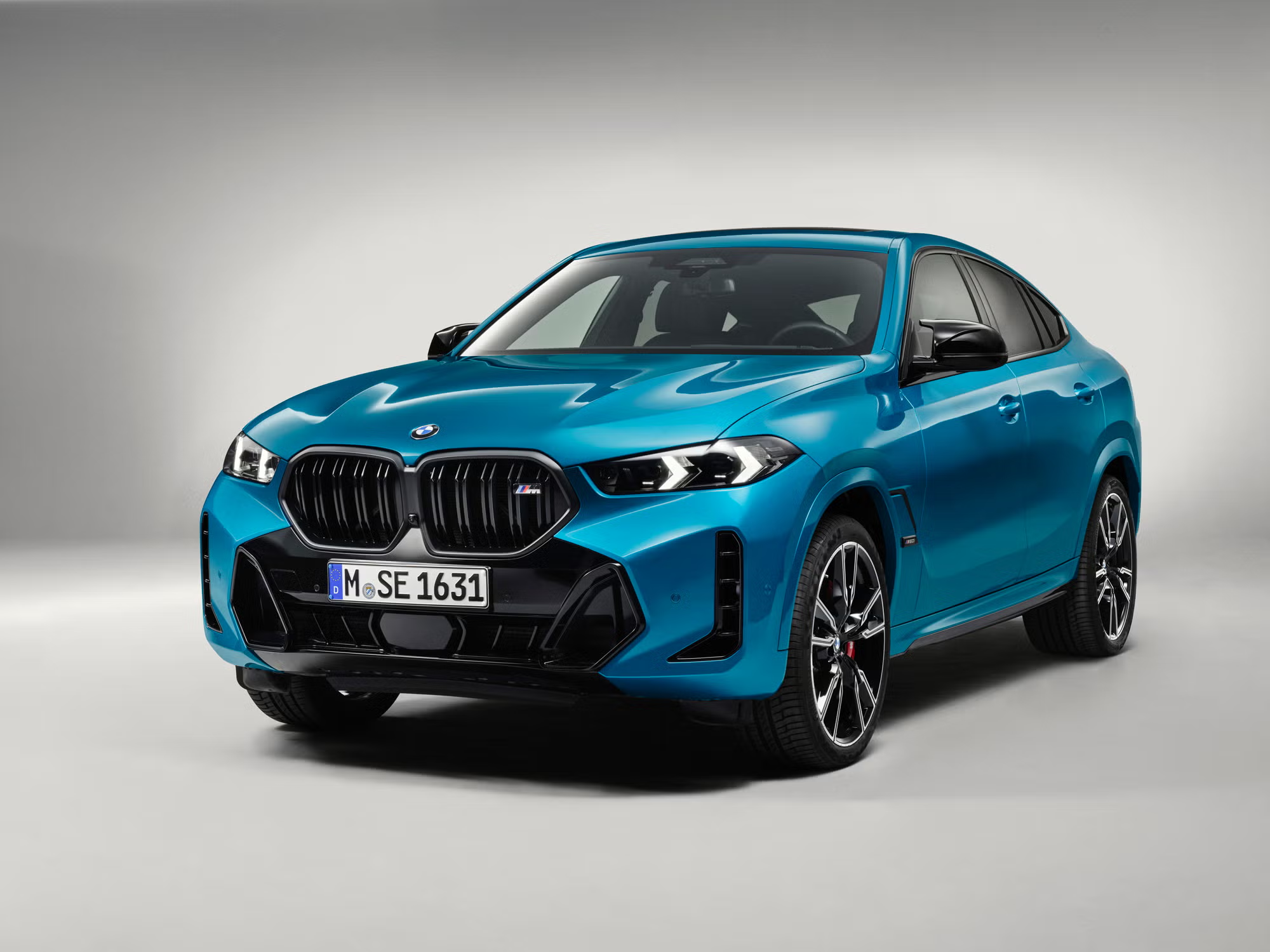
This “door-to-door” service removes the stress of dealing with overseas entities and ensures that your Lexus NX250 or BMW X6 arrives exactly as described on the auction sheet.
Transparency is our currency; we pride ourselves on being the bridge that protects Kenyan buyers from international fraud.
Conclusion
Importing a car from Japan to Kenya is a rewarding way to get a high-quality vehicle at a fraction of the local showroom price.
However, the process is riddled with technicalities—from the 8-year rule and KRA’s CRSP valuation to the necessity of a QISJ certificate.
By avoiding these common mistakes and partnering with a veteran importer, you ensure a smooth journey from the Japanese auction floor to the streets of Nairobi.
The Enan Motors advantage lies in our 15+ years of experience, providing you with verified auction sheets, honest duty assessments, and a seamless clearing process that saves you both time and money.
Ready to start your journey? About Enan Motors, we are dedicated to making car ownership a reality for every Kenyan. Call us today or visit our office to discuss your requirements.
Let us handle the complexity while you enjoy the drive.