

The 2026 Import Reality: Why the 2019 Mazda 3 is the “Golden” Unit
If you are scanning the Japanese auctions today, the 2019 model year stands out for a very specific reason: the 8-year rule.
Under Kenyan law, we cannot import vehicles older than eight years.
In 2026, the 2019 units are the “senior” models on the list, meaning their depreciation in Japan has bottomed out, but they still qualify for the import process.
This creates a massive price advantage compared to buying a 2021 or 2022 unit while getting the exact same BP-series chassis and interior refinement.
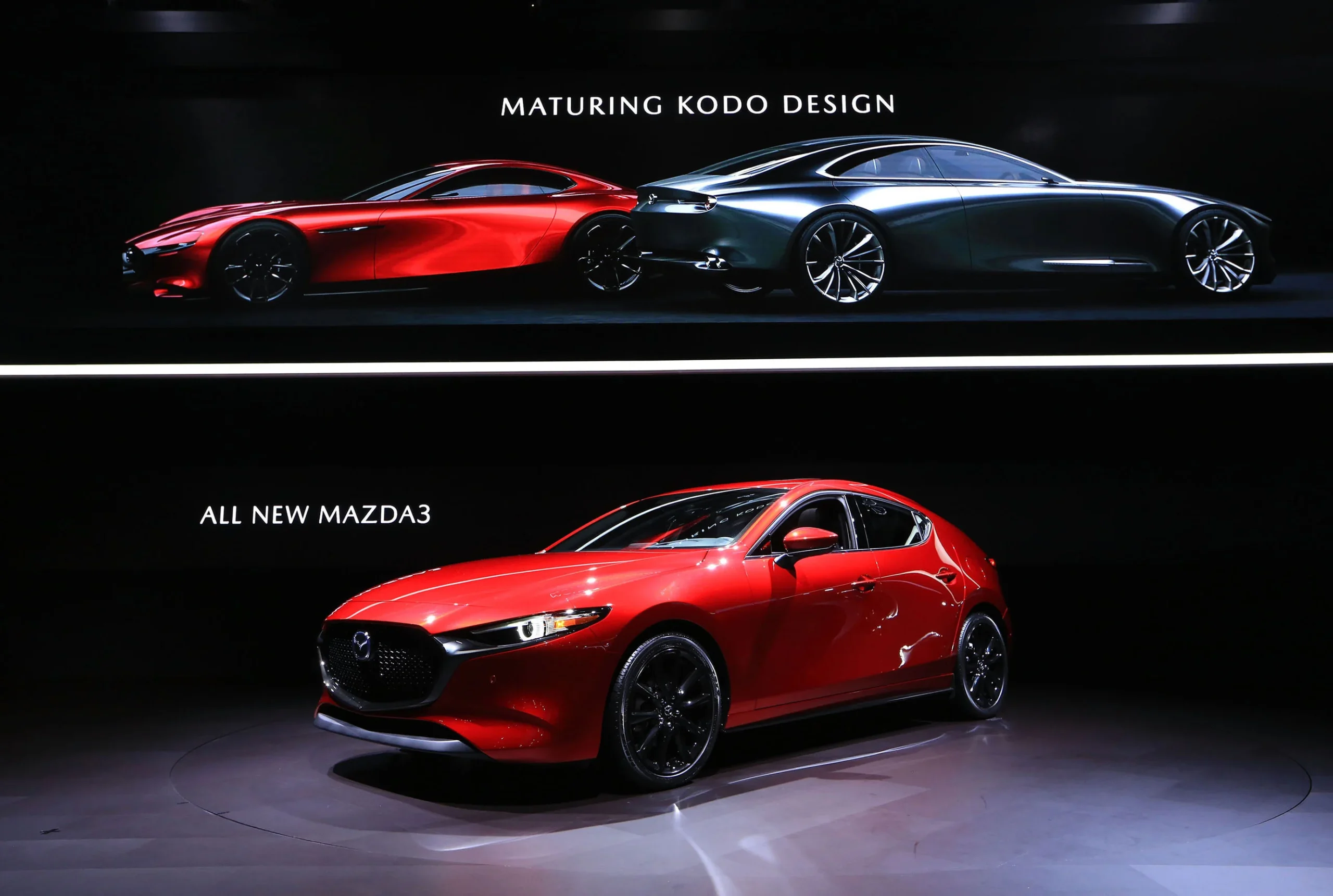
Navigating the Mazda lineup can be tricky because 2019 was the transition year.
While many still refer to it as the Mazda Axela, Mazda officially unified the naming convention globally to “Mazda 3” with this fourth-generation release.
When you engage Enan Motors to source your unit, we specifically look for the BP series, which features the radically improved torsion beam rear suspension and the whisper-quiet cabin that the previous generations lacked.
Performance and Skyactiv Technology on Kenyan Roads
The 2019 Mazda 3 isn’t just about looks; it is a technical powerhouse.
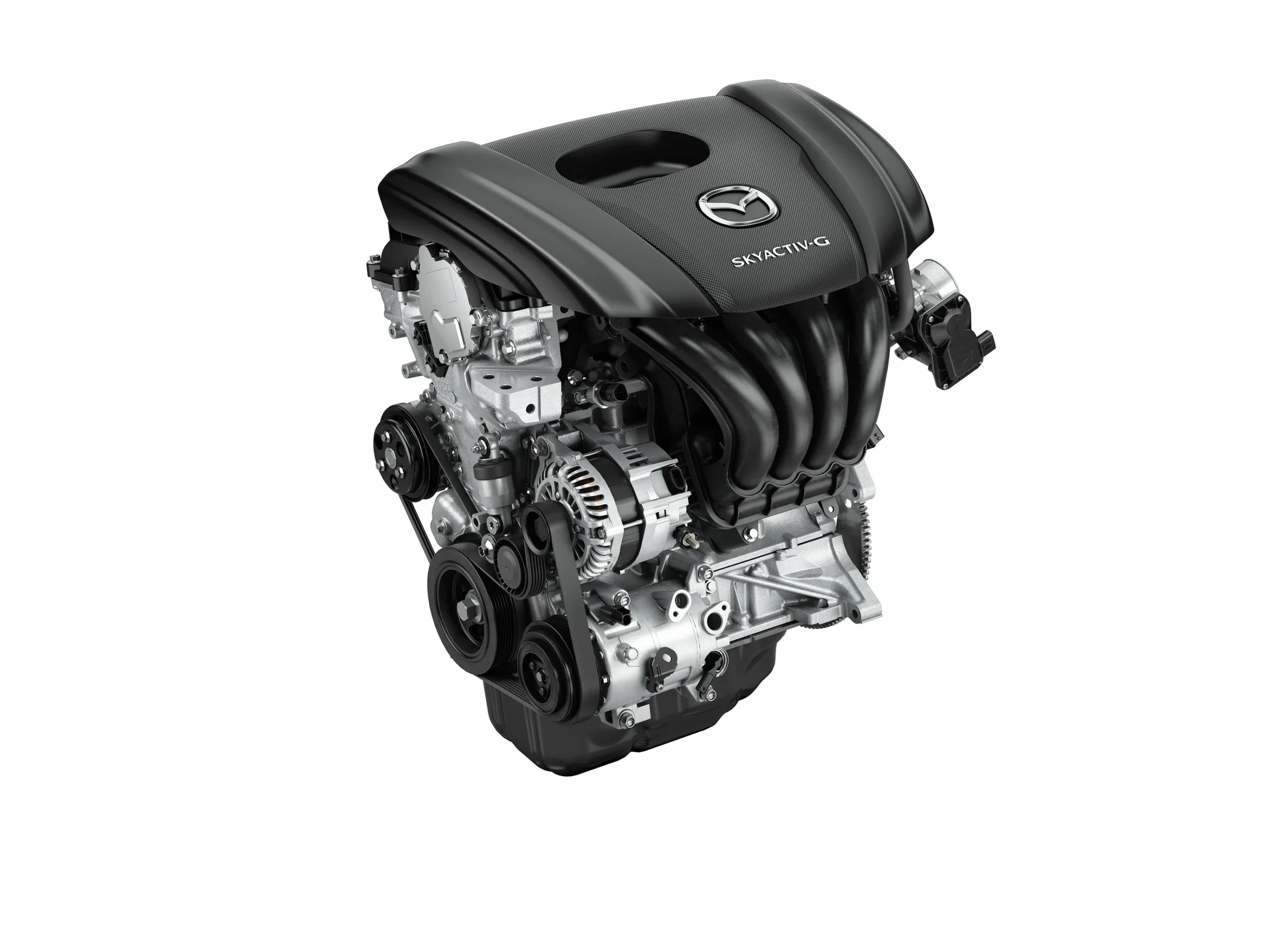
Most units arriving at the Port of Mombasa come equipped with either the 1.5L or 2.0L Skyactiv-G petrol engines.
For those looking for more “oomph” on the Nairobi-Nakuru highway, the 2.0L naturally aspirated engine is the sweet spot.
It delivers linear power without the complexity of a turbocharger, which is a major win for long-term reliability in our local climate.
Skyactiv-X: The Compression Ignition Revolution
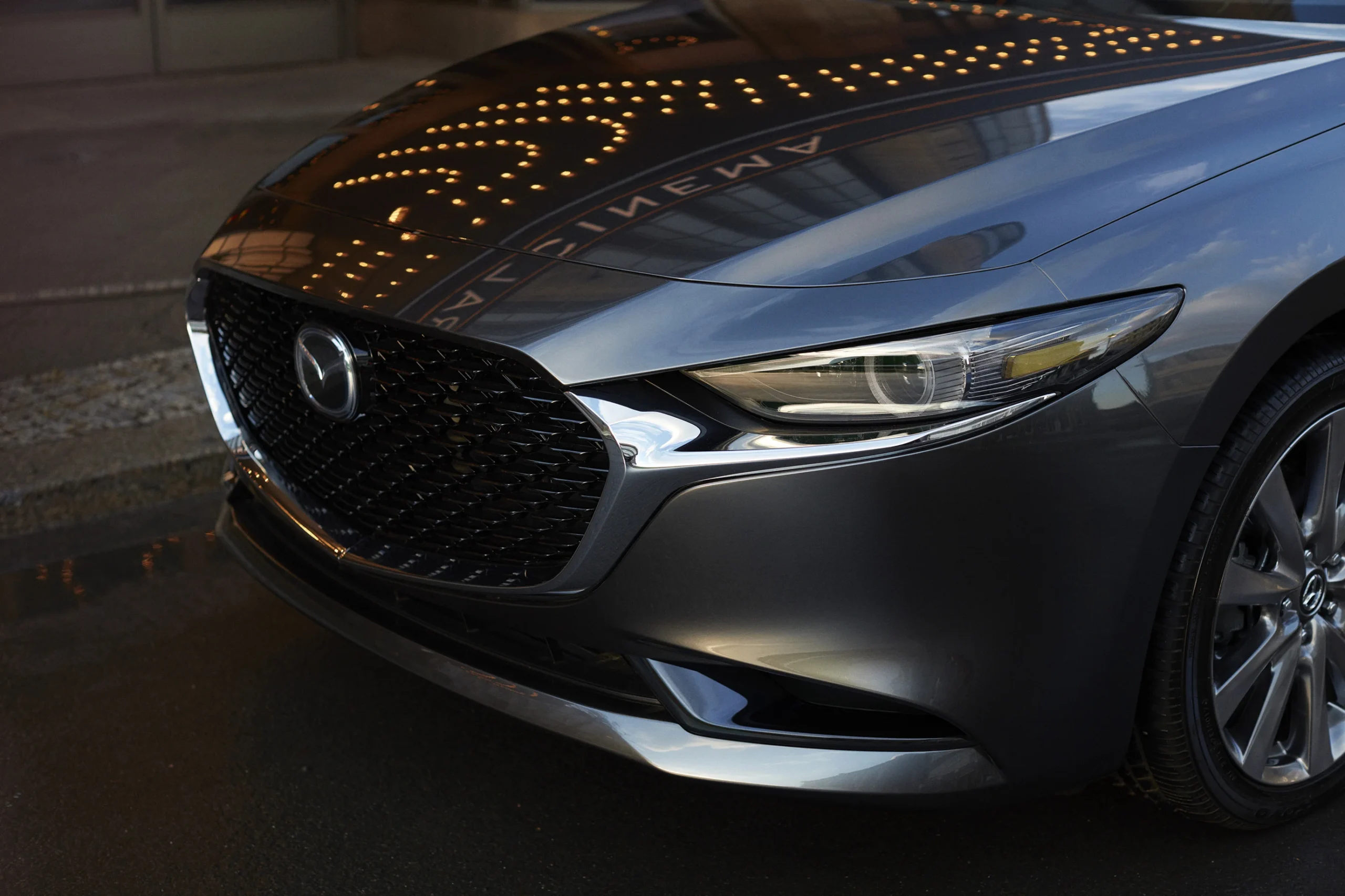
The 2019 model introduced the Skyactiv-X engine, which uses Spark Controlled Compression Ignition (SPCCI).
It’s essentially a petrol engine that behaves like a diesel in terms of efficiency.
While this tech is brilliant for fuel economy, we advise our clients at Enan Motors to ensure they only use high-octane fuel from reputable stations in Nairobi or Mombasa.
The precision of these engines requires clean fuel to avoid carbon buildup, a common “hidden” cost for many Kenyan owners who ignore maintenance schedules.
Transmission and Drive Stability
Unlike many competitors from Toyota or Honda that use CVTs, Mazda sticks to a 6-speed torque-converter automatic.
This gives the car a much more “connected” feel, especially when overtaking on the Nairobi Expressway.
The shifts are crisp and predictable.
For those living in hilly areas like Limuru or the outskirts of Eldoret, the i-Activ AWD (All-Wheel Drive) version is a rare but highly recommended find in our available cars.
Thinking about upgrading your drive? Message us on WhatsApp to see the latest auction grades for 2019 models.
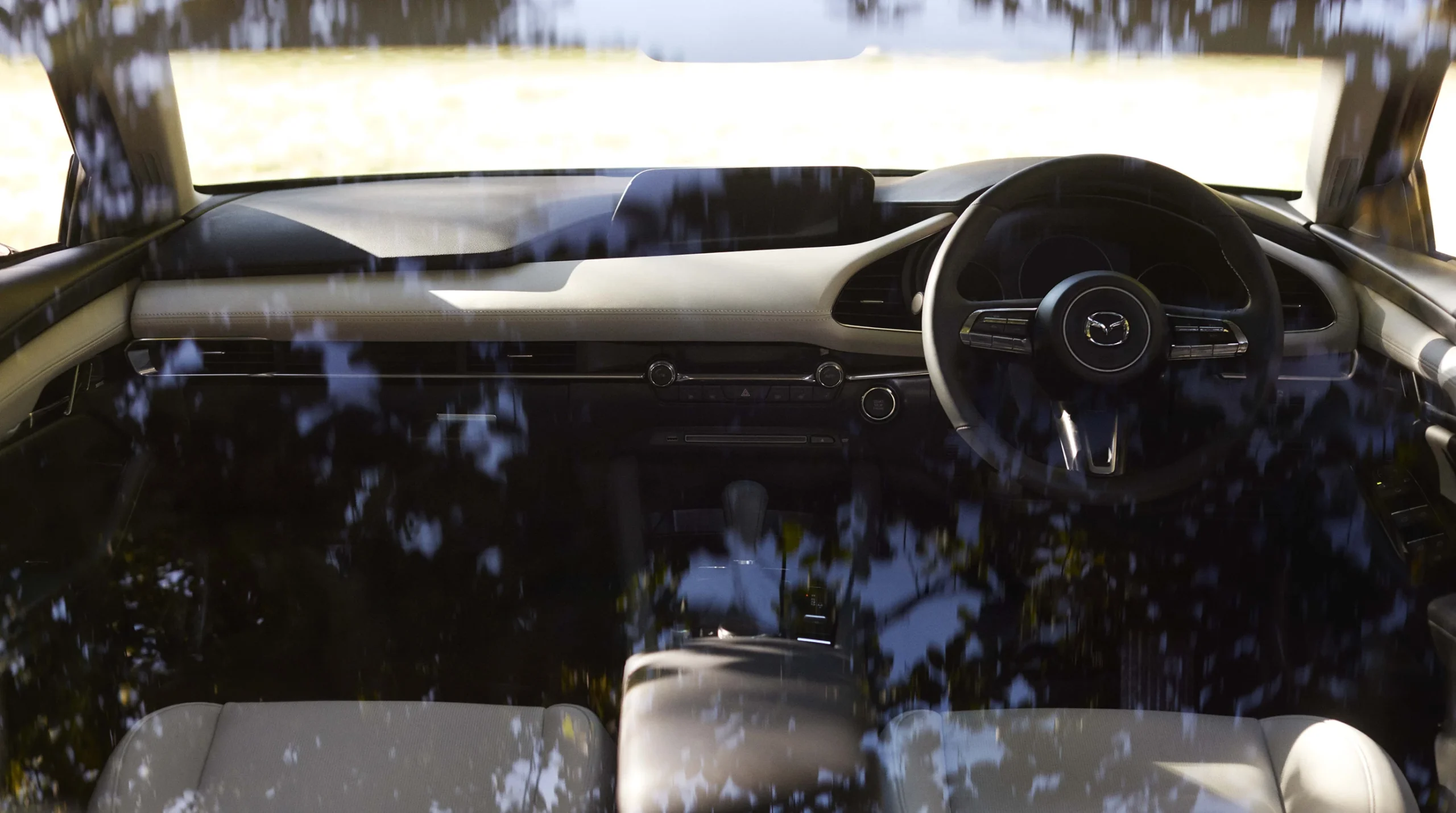
Interior Refinement: A Mini-Lexus Experience
Step inside a 2019 Mazda 3, and you will immediately notice why it competes with a Lexus or BMW.
The “less is more” Japanese aesthetic is everywhere.
There are no cheap plastics here; the dashboard is wrapped in soft-touch materials, and the buttons have a weighted, premium click.
The 8.8-inch infotainment screen is controlled via a rotary dial, which is far safer to use than a touchscreen when navigating the potholes on some of our local estate roads.
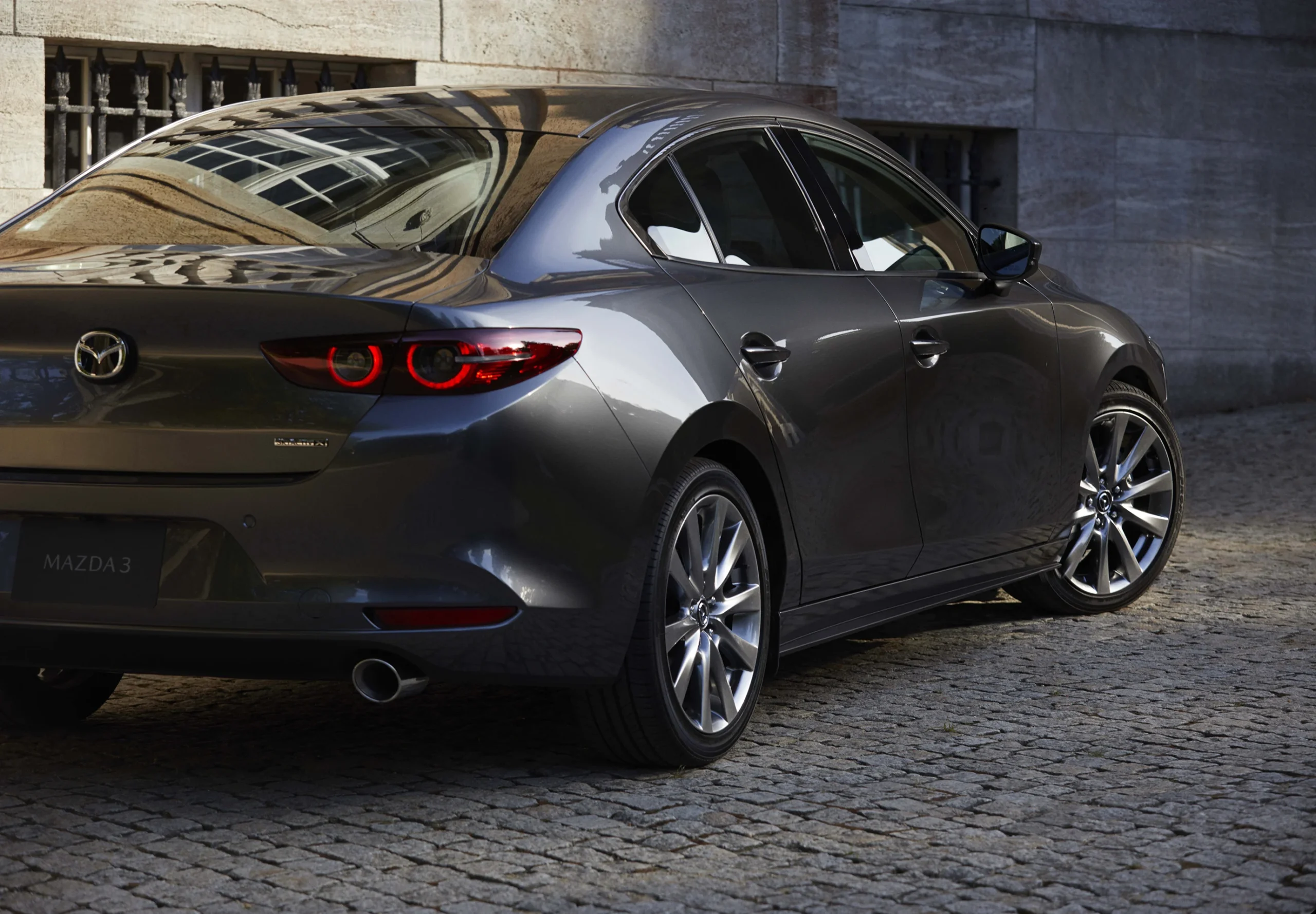
The sound insulation is where Mazda really spent their budget.
They used “two-wall” structures with space between the body and the carpeting to kill road noise.
If you are coming from a 2015 Honda Vezel or an older Volkswagen Tiguan, the silence inside the Mazda 3 will be the first thing you notice during your first drive home from the port.
The “Kenya Factor”: Maintenance and Ground Clearance
Let’s be honest—Kenyan roads can be unforgiving.
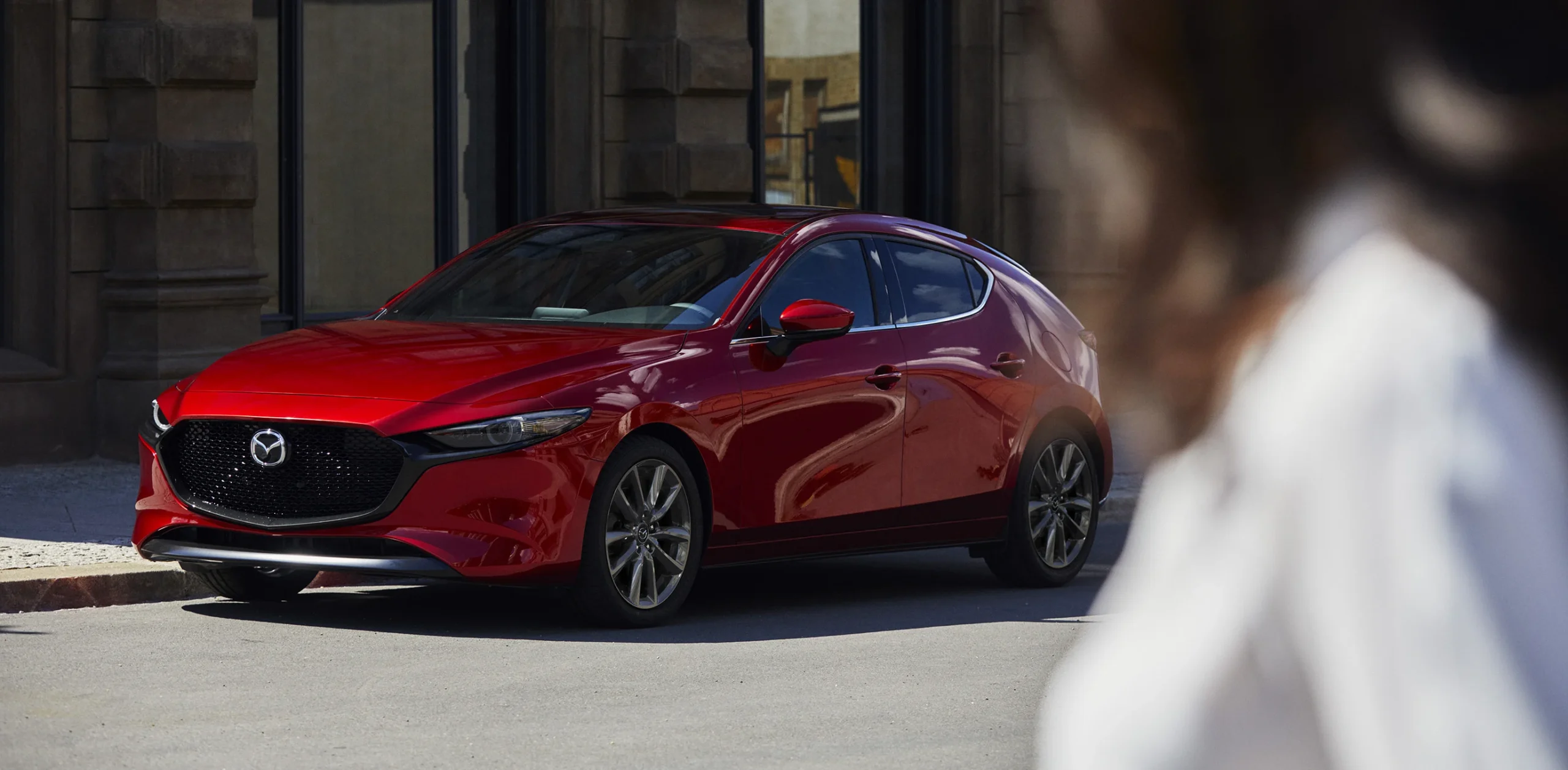
The 2019 Mazda 3 sits relatively low, with a ground clearance of about 140mm.
For driving in areas like Karen or Muthaiga, this is perfectly fine.
However, if your daily commute involves high speed bumps in Eastlands or the rougher tracks of Kajiado, we often recommend a slight spacer lift or upgrading to a Mazda CX 5 if clearance is your primary concern.
From a maintenance perspective, the 2019 model is well-supported in Kenya.
Specialist shops in Industrial Area and Kirinyaga Road now stock parts for the BP chassis.
Because Mazda shares some DNA with other Japanese brands, basic service items like oil filters and brake pads are readily available.
At Enan Motors, we provide a full inspection report and the original Japanese auction sheet, ensuring you aren’t buying a “Grade R” (repaired) unit that will give you mechanical nightmares later.
KRA Valuation and Import Duty Breakdown
When importing the 2019 Mazda 3 in 2026, you must account for the KRA’s Current Retail Selling Price (CRSP) template.
The duty is calculated based on the engine capacity and the adjusted value of the car.
Expect to pay roughly 35% Import Duty, 25% Excise Duty, and 16% VAT, along with the Railway Development Levy and Import Declaration Fee.
Working with Enan Motors allows you to see the transparent breakdown of these costs before the car even leaves Japan.
We use the latest KRA valuation guides to ensure there are no “surprises” when the car hits the container terminal.
Unlike local yards that may hide the true cost of the unit, we show you the CIF (Cost, Insurance, and Freight) value clearly.
Ready to get a custom duty quote for a Mazda 3? Call us today for a free consultation.
Enan Motors Advantage: Verified Auction Sheets
One of the biggest risks in the Kenyan car market is odometer fraud.
Many 2019 units sold in local “bazaars” have had their mileages rolled back from 150,000km to 60,000km.
When you import via Enan Motors, we provide the original Japanese Auction Sheet.
We only bid on Grade 4, 4.5, or 5 units.
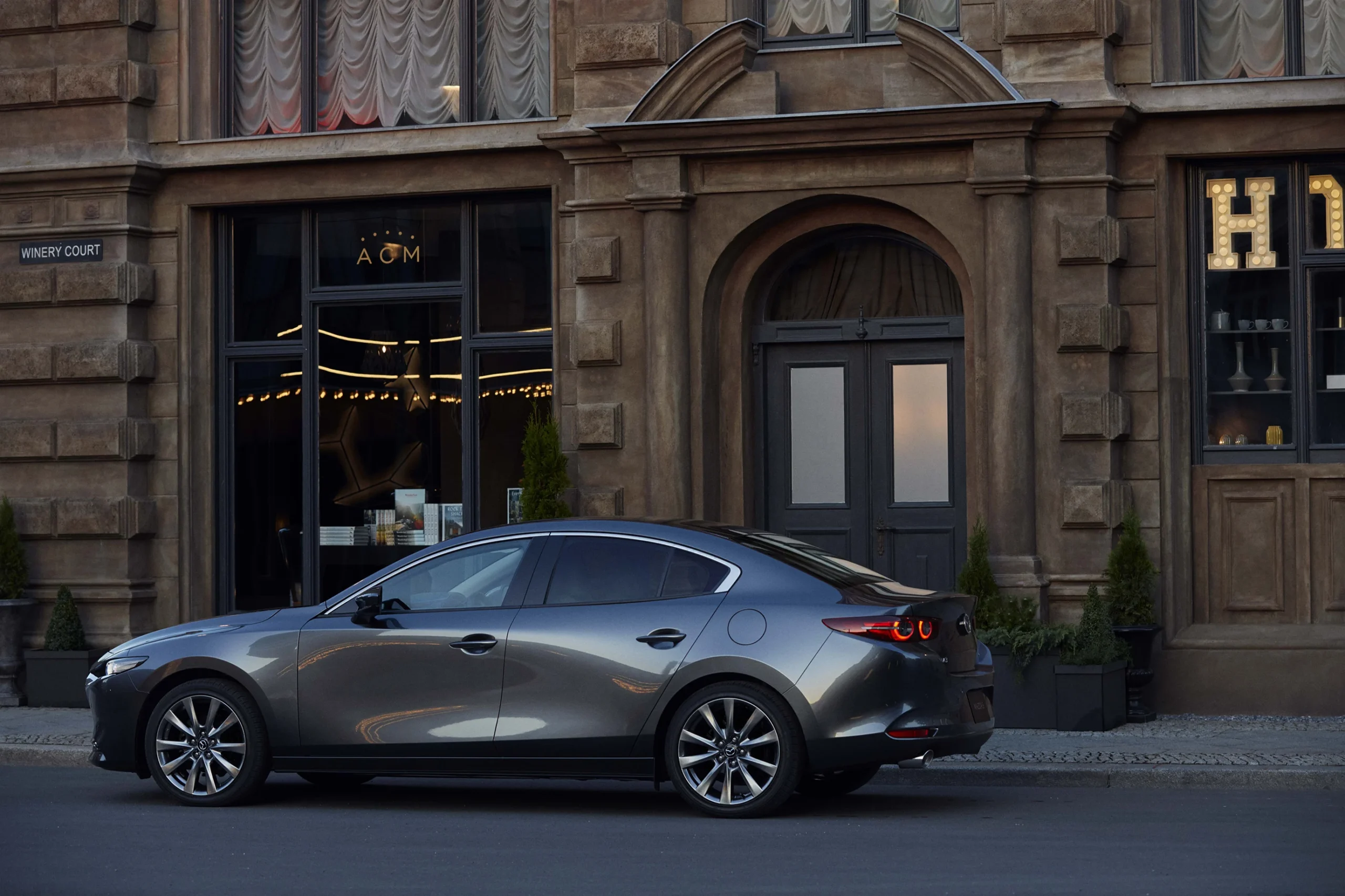
A Grade 4.5 2019 Mazda 3 is essentially a new car—no major scratches, a pristine interior, and a verified mechanical history.
This transparency is why we are trusted by thousands of drivers across Nairobi.
Compared to other popular models like the Toyota Harrier or the Mercedes Benz C-Class, the Mazda 3 offers a more modern interior for a fraction of the price.
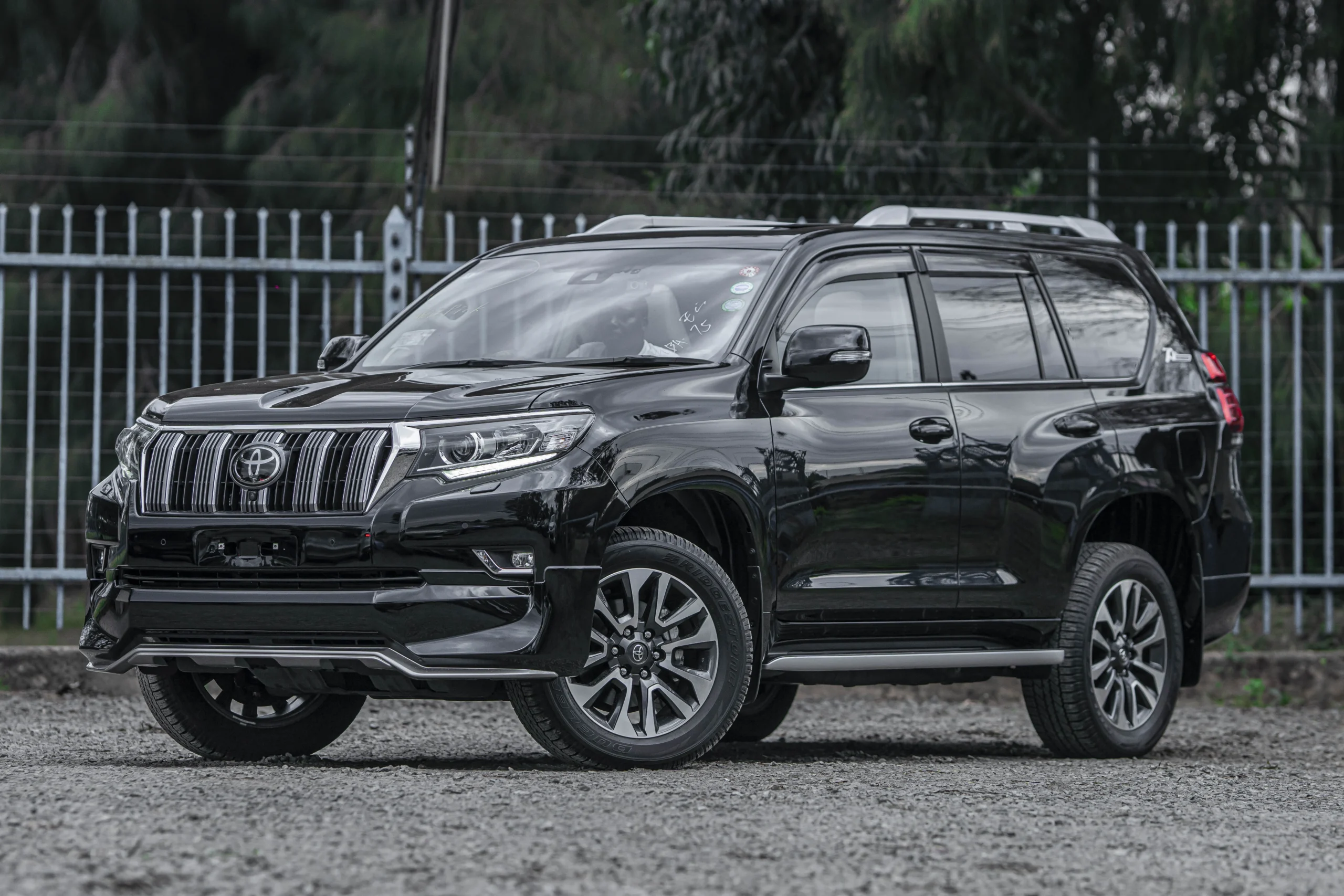
While a Mercedes GLE or a Toyota Land Cruiser Prado serves a different purpose, the Mazda 3 is the ultimate daily driver for the professional who values style and fuel economy.
Conclusion
The 2019 Mazda 3 remains one of the most compelling vehicles to import to Kenya in 2026.
It bridges the gap between affordable Japanese reliability and European luxury.
By choosing the BP series, you are investing in a car that will hold its resale value well into the 2030s.
At Enan Motors, we take the stress out of the importation process, handling everything from the QISJ inspection in Japan to the final logbook transfer in Nairobi.
Experience the peace of mind that comes with a direct, transparent import process and drive a car that truly reflects your standards.
Frequently Asked Questions
- Is the 2019 Mazda 3 fuel efficient for Nairobi traffic?
Yes, the Skyactiv-G engine averages about 12-15 km/L, making it very economical for daily commutes in heavy traffic.
- Can I still import a 2019 Mazda 3 in late 2026?
Yes, as long as the car’s first registration date in Japan is not more than 8 years from the current date, it is eligible for import.
- What is the difference between the 1.5L and 2.0L engine?
The 1.5L is more fuel-efficient for city driving, while the 2.0L provides better torque and power for highway overtaking.
- Are spare parts for the BP-series Mazda 3 available in Kenya?
Yes, major parts retailers in Nairobi now stock components for this model, and most service parts are shared with other Mazda models.
- Does Enan Motors provide the auction sheet for verification?
Absolutely, we provide the original Japanese auction sheet for every vehicle to guarantee mileage and condition transparency.
For more information on our current stock or to start your import journey, visit our About Enan Motors page or Contact our team today.