

Understanding the Legal Framework for PWD Car Imports
The provision for importing a vehicle duty-free is anchored in the East African Community Customs Management Act (EACCMA).
For many Kenyans living with disabilities, this is not just a tax break; it is a vital step toward independence.
Whether you are navigating the hilly terrain of Upper Hill or commuting through the busy streets of Mombasa, having a reliable, modified vehicle is a game-changer.
However, the KRA is extremely strict with the documentation to prevent abuse of this facility by unscrupulous car dealers.
In the current 2026 cycle, any car being imported must not be older than eight years.
This means as we move into 2026, your focus should be on vehicles manufactured in 2019 or later.
At Enan Motors, we often advise our clients that the CIF value (Cost, Insurance, and Freight) must be clearly stated on the proforma invoice to ensure the KRA valuation matches the actual purchase price from the Japanese auction.
Unlike standard imports where you simply pay the duty and drive off, the PWD exemption requires a pre-approval process.
You cannot buy the car, land it at the Port of Mombasa, and then start looking for an exemption.
The application to the National Treasury and KRA must be initiated well in advance.
This is why transparency is key—we provide the original Japanese auction sheet to ensure the vehicle’s history is untainted before the exemption process begins.

Eligibility Criteria: Who Qualifies for Duty-Free Status?
Not every person with a disability automatically qualifies for a tax-free vehicle.
The law is specific: the disability must be physical or of a nature that significantly impairs mobility.
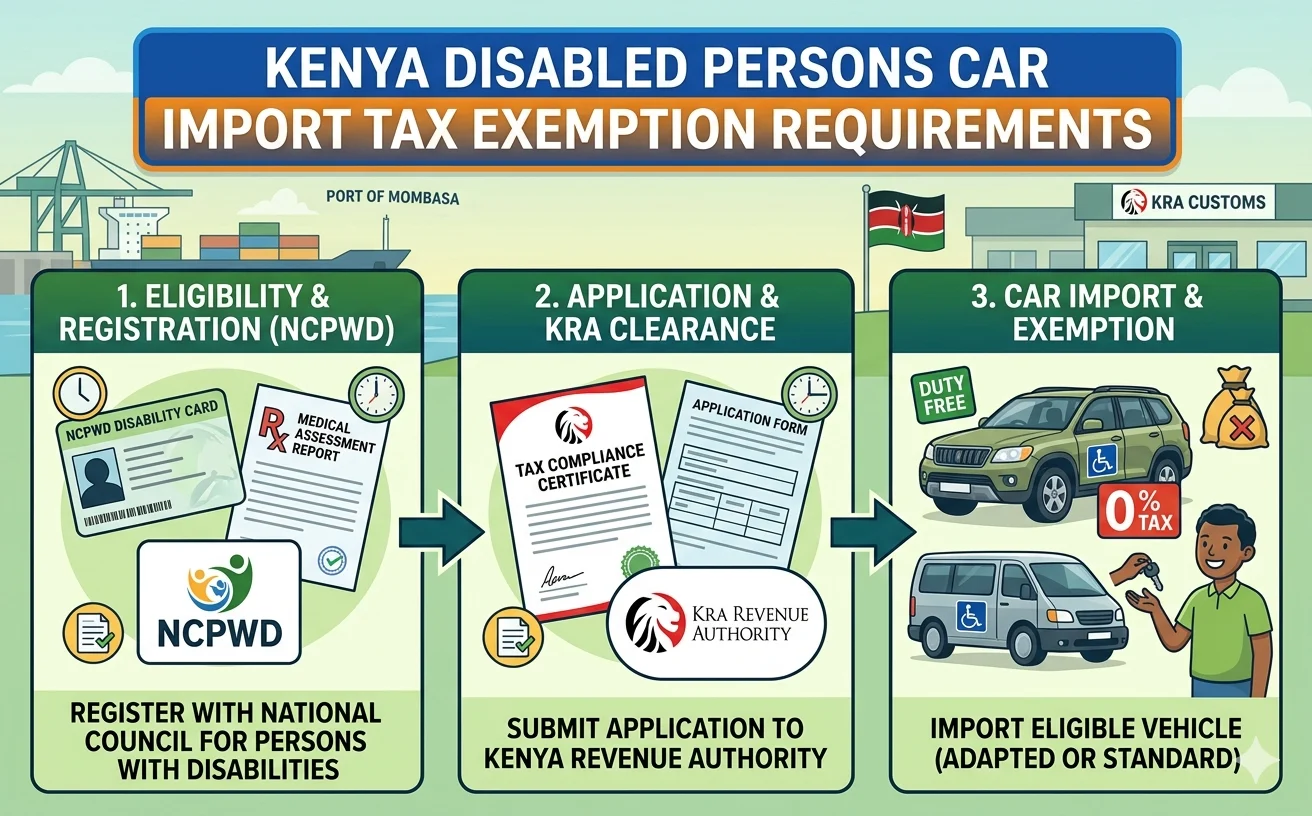
The applicant must possess a valid NCPWD disability card.
Furthermore, a medical assessment report from a registered government hospital consultant is mandatory.
This report must explicitly state how the disability affects your ability to use public transport or drive a standard vehicle.
Financial capability is another pillar the KRA examines.
You must demonstrate through your KRA iTax records and bank statements that you can afford to maintain the vehicle once it arrives.
The “8-year rule” is a non-negotiable technicality.
If you attempt to import a 2018 model in 2026, it will be rejected at the port regardless of your disability status.
For those looking for reliability and high resale value, a Toyota remains the gold standard in the Kenyan market due to the availability of parts and local mechanical expertise.
It is important to note that the exemption is personal.
The vehicle must be registered in the name of the person with the disability.
If the PWD is a minor, the car is registered in their name with the parent or legal guardian listed as a trustee.
Navigating these legal nuances is part of the Import process that we simplify for our clients at Enan Motors.
Technical Requirements and Inspection Codes
Every vehicle destined for Kenya must undergo a Pre-Export Verification of Conformity (PVoC).
For Japan-sourced units, this is usually handled by QISJ (Quality Inspection Services Japan).
When importing for a person with a disability, the inspection must also confirm if the vehicle has been modified (e.g., hand controls, ramps, or swivel seats).
While the law previously mandated that the car must be “specially adapted,” the KRA has become more flexible, allowing standard automatic vehicles if the disability does not strictly require physical modifications to the car’s controls.
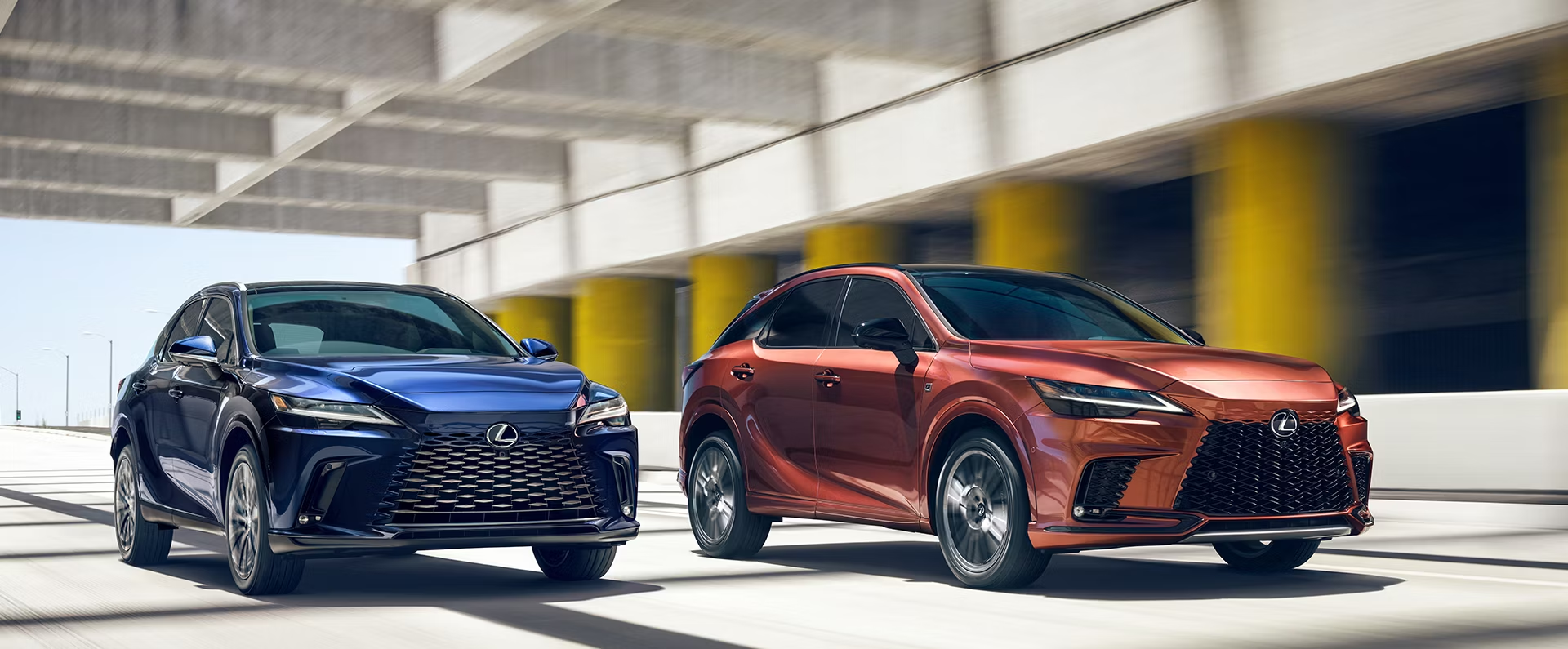
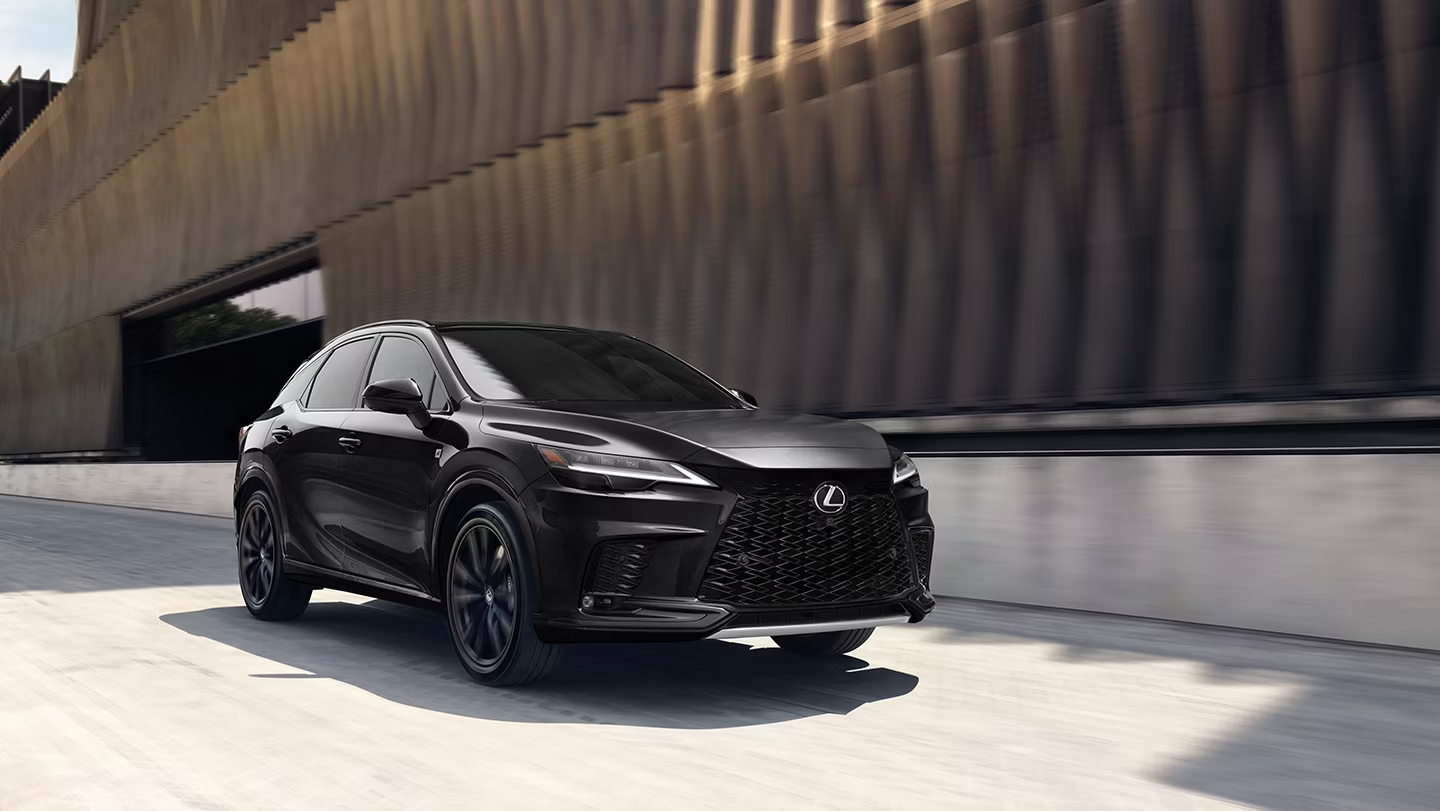
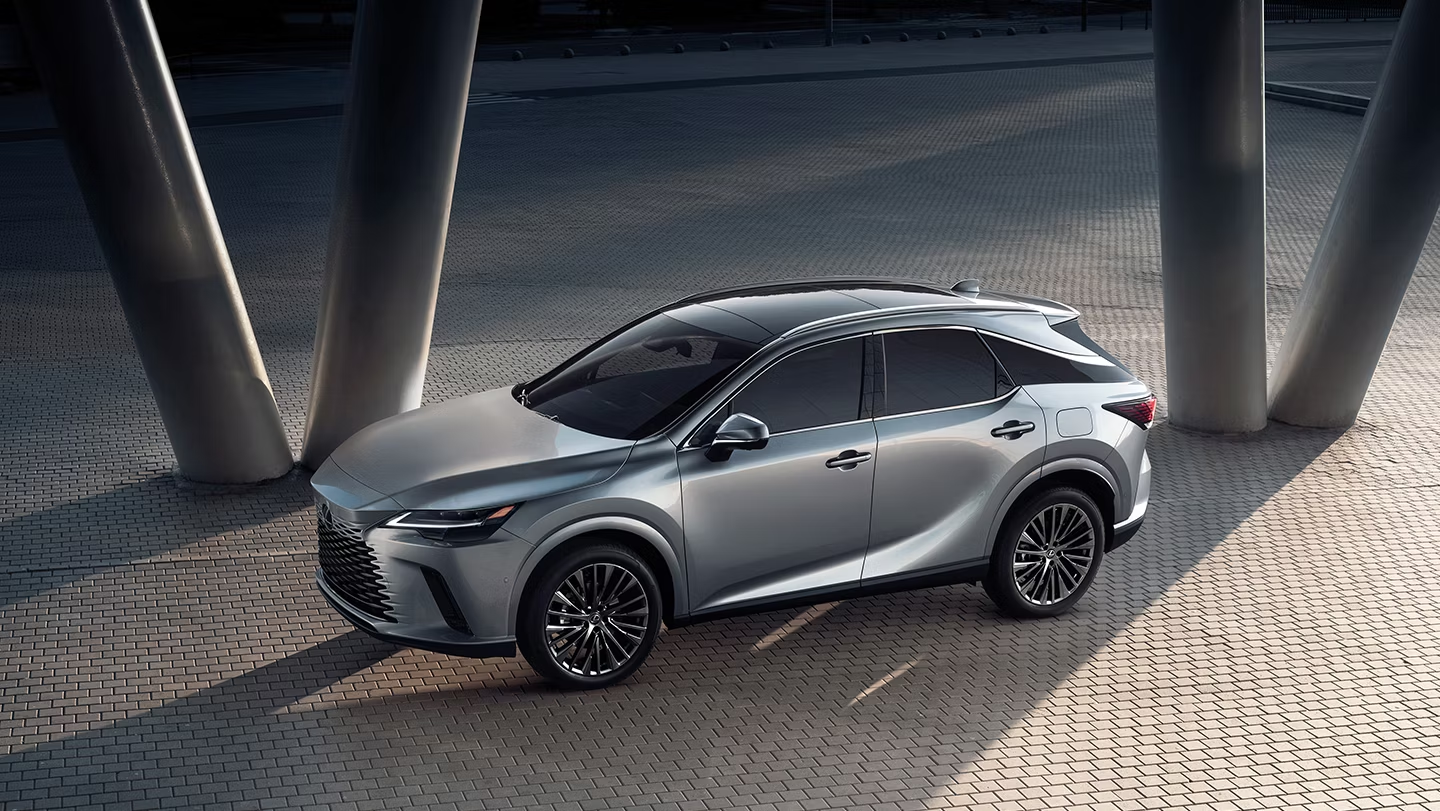
If you are considering a luxury option like a Lexus, ensure the ground clearance is suitable for your specific needs, especially if you reside in areas with developing infrastructure.
A high-grade Auction Grade 4.5 unit ensures that the interior electronics—essential for many adaptive driving aids—are in pristine condition.
Mid-process tip: Before committing your funds to a Japanese seller, ensure your Tax Compliance Certificate (TCC) is active.
KRA will not process an exemption for an applicant with outstanding tax hurdles on iTax.
You can Message us on WhatsApp to verify if your preferred model meets the current KRA valuation templates for PWD exemptions.
Required Documentation for a Seamless KRA Exemption
The “paperwork trail” is where most PWD imports hit a snag.
To avoid storage charges at the port, which can exceed KES 5,000 per day, your documentation must be airtight.
The essential list includes:
- A formal application letter addressed to the Commissioner of Customs.
- A medical evaluation report from a government hospital (duly signed and stamped).
- Recommendation letter from the NCPWD.
- Copy of the KRA PIN certificate and a valid Tax Compliance Certificate.
- Original Bill of Lading and the Japanese Export Certificate (translated into English).
- Proforma Invoice showing the CIF value of the vehicle.
Once these documents are submitted through the Integrated Customs Management System (iCMS), the KRA vetting committee reviews the application.
This process can take anywhere from 21 to 45 days.
During this window, we assist by tracking the vessel’s arrival at the Port of Mombasa to ensure the logistics align perfectly with the exemption approval.
This level of detail is why many choose the available cars in our pipeline or opt for a bespoke import via Enan Motors.
Choosing the Right Vehicle: Best Models for PWD Imports
When you have the benefit of a duty-free import, you can often afford a higher-spec vehicle than you would if buying locally from a yard.
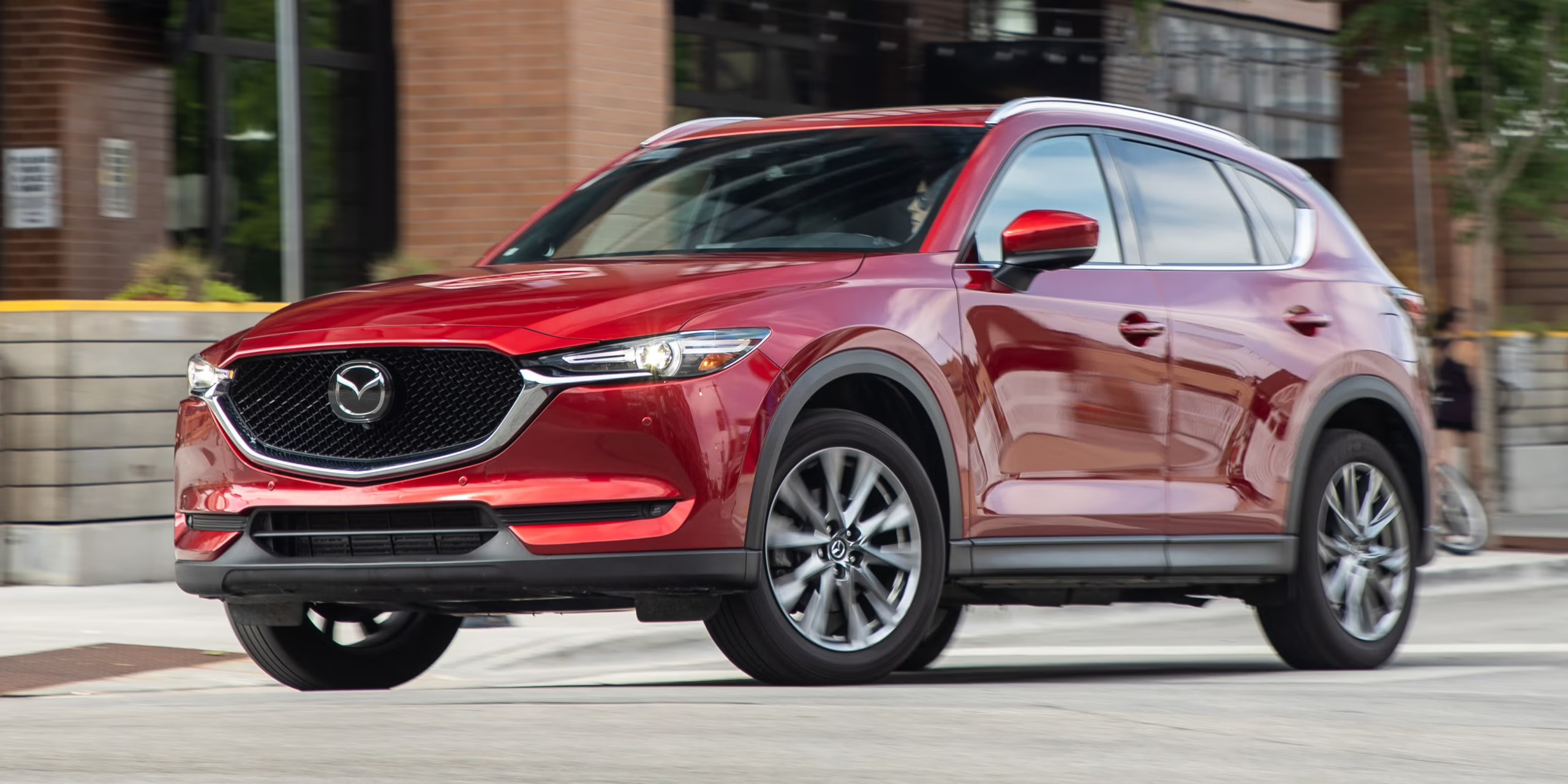
A Mazda CX-5 is an excellent choice for those needing a balance of luxury and easy entry/exit height.
The Mazda CX 5 is particularly popular because of its “Kodo” design which allows for wide-opening rear doors—crucial for loading wheelchairs or mobility aids.
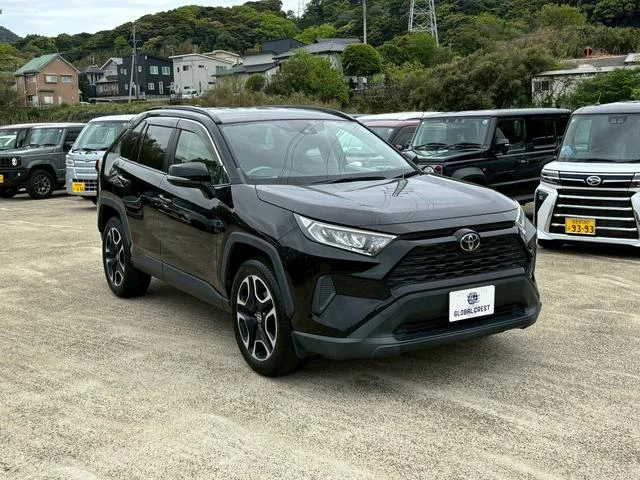
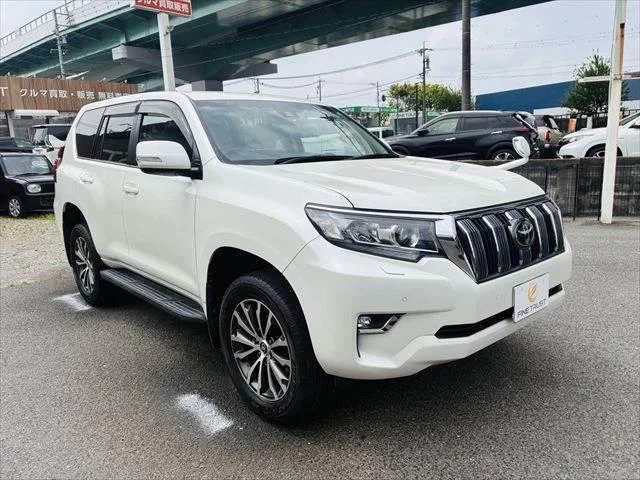
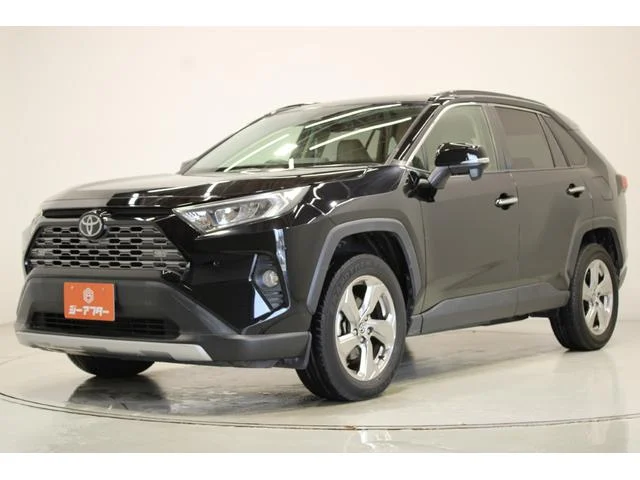
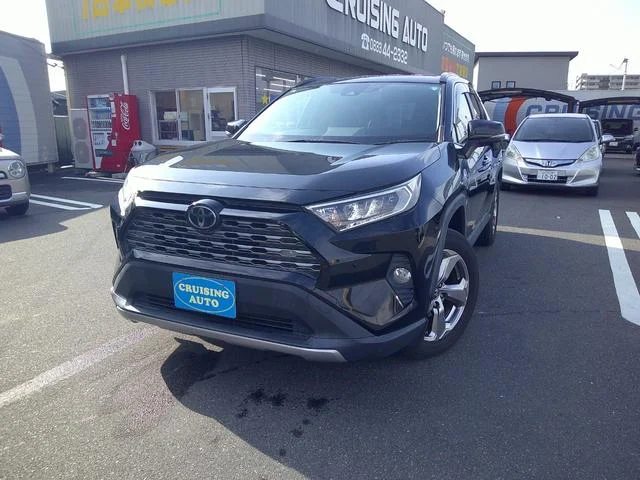
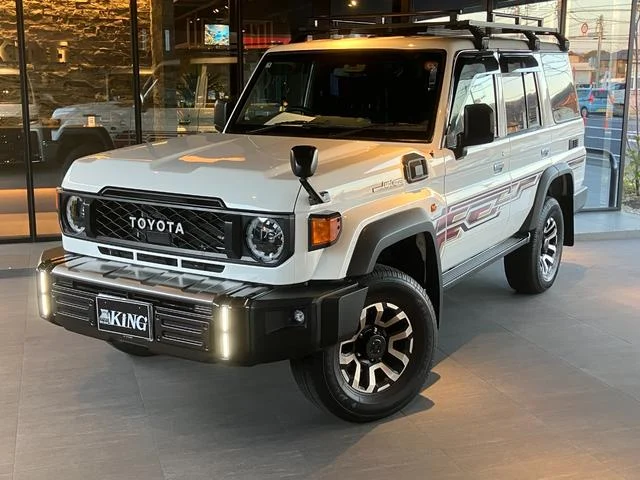
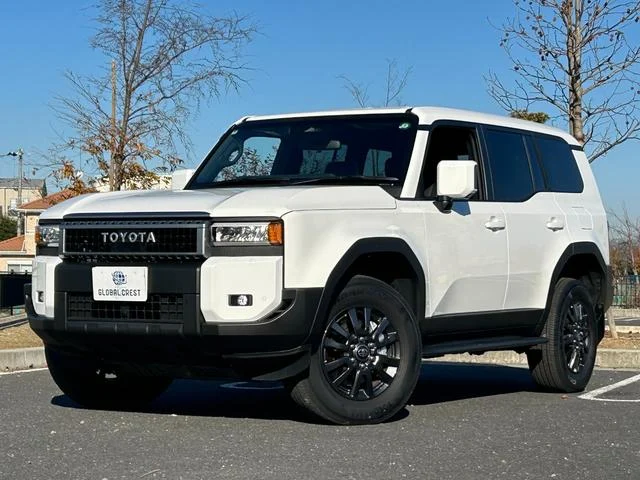
For those requiring more space and ruggedness for long-distance travel to places like Naivasha or Nanyuki, the Toyota Land Cruiser Prado or the Toyota Harrier are unmatched.
These vehicles hold their value exceptionally well, which is important because the law allows you to sell the vehicle after a few years and import another duty-free unit.
If you prefer European engineering, the Volkswagen Tiguan or even a Mercedes Benz GLE offers superior safety features and stability on the Nairobi Expressway.
If fuel efficiency is your priority for daily urban use, consider the Honda Vezel.
It’s a compact SUV that provides the height of a crossover without the high running costs of a large 4×4.
We also see many clients opting for the Mitsubishi Outlander for its reliability.
Whatever your choice, ensure you consult with us about the specific “Model Code” to ensure it falls within the KRA’s approved list for exemptions.
Expert Insight: Don’t forget to check the “Grade” on the auction sheet.
A Grade R or 3 vehicle might seem like a bargain, but for a PWD import, you want a Grade 4 or higher to minimize the time the car spends at a mechanic.
You can learn more About Enan Motors and our commitment to sourcing only the cleanest units from Japan.
The Step-by-Step Importation Process via Enan Motors
Once you’ve identified your vehicle, the first step is the purchase and inspection in Japan.
We handle the bidding and secure the unit, ensuring all QISJ inspections are done before the ship leaves.
While the car is on the high seas (usually a 25–30 day voyage), we submit the exemption papers to KRA.
This timing is critical; you want the exemption letter ready by the time the ship docks in Mombasa.
Upon arrival, the clearing agent uses the exemption code in the iCMS to “zero-rate” the Import Duty, Excise, and VAT.
You will still be responsible for the Import Declaration Fee (IDF) and the Railway Development Levy (RDL), which are usually calculated as a small percentage of the CIF value.
Once cleared, the car is loaded onto a carrier and delivered to Nairobi or your preferred location.
The final step is the logbook transfer.
The KRA will issue a logbook with a caveat.
This “caveat emptor” prevents the sale of the vehicle for a period of three to five years.
If you must sell it before then, you are required to pay the pro-rated taxes that were initially waived.
This ensures the Import Of Duty Free Car For Disabled Persons remains a benefit for the intended user rather than a commercial loophole.
If you are looking for a sleek sedan instead of an SUV, the BMW 3 series or the Mazda Axela are excellent choices that offer great drivability.
For those with a higher budget, the BMW X6 or the Lexus LX 600 provide the ultimate in comfort and prestige, making the most of your tax-exempt status.
For more affordable yet reliable options, a Honda or a Volkswagen Tiguan might be the perfect fit for your lifestyle.

Conclusion
Importing a duty-free vehicle is a significant financial advantage for persons with disabilities in Kenya, potentially saving millions of shillings in taxes.
By choosing to work with Enan Motors, you gain a partner who understands the “realities on the ground” at the Port of Mombasa and the intricacies of the KRA iTax system.
We ensure that you don’t just get a car, but a high-quality, verified vehicle that provides the mobility and freedom you deserve.
From sourcing a Lexus NX250 to a Mercedes GLE, our process is transparent, efficient, and tailored to the PWD community.
Ready to start your journey toward owning a duty-free vehicle? Contact our team today for a personalized consultation. Call us or Message us on WhatsApp to discuss your specific requirements and get a quote for your dream car.