
1. The Foundation: Understanding CIF (Cost, Insurance, and Freight)
Before any taxes are calculated, we start with the CIF.
This is the “landed cost” of the vehicle at the Port of Mombasa.
When you browse Japanese auction houses or work with the team at Enan Motors, you will see the FOB (Free On Board) price.
However, FOB only covers the price of the car in Japan and the local transport to the Japanese port.
To get the CIF, you must add the ocean freight charges and marine insurance.
As of 2026, freight rates from ports like Yokohama or Nagoya to Mombasa fluctuate based on global fuel prices, but typically range between $800 and $1,200 depending on the vehicle’s cubic measurement (CBM).
Marine insurance is mandatory and usually costs about 0.5% to 1% of the car’s value.
This figure is the baseline that the Kenya Revenue Authority (KRA) uses to determine your tax liability.

2. The 8-Year Rule and QISJ Inspection
Kenya maintains a strict 8-year age limit for imported used vehicles.
In 2026, this means you can only import vehicles manufactured in 2019 or later.
Importing a 2018 model today would lead to a “re-exportation” order or destruction at your expense.
This is a non-negotiable reality of the import process that every buyer must respect.
Every car must also undergo a pre-export verification of conformity (PVOC) by QISJ (Quality Inspection Services Japan).
This inspection ensures the car is roadworthy, free of radiation, and that the odometer has not been tampered with.
The certificate issued here is vital; without it, you will face a heavy penalty at the Port of Mombasa, often exceeding 15% of the CIF value plus the cost of a local inspection.
At Enan Motors, we ensure every vehicle is QISJ-certified before it leaves Japan.
3. Breaking Down the KRA Import Duties (2026 Rates)
This is where most Kenyan buyers get confused.
KRA does not necessarily use the price you paid in Japan to calculate tax.
Instead, they use the CRSP (Current Retail Selling Price).
The CRSP is a standardized template that KRA uses to estimate the value of a new version of that car in Kenya today.
They then apply a depreciation schedule based on the car’s age (e.g., a 2019 car has a higher depreciation percentage than a 2023 model).
The tax components are as follows:
- Import Duty: 35% of the depreciated CRSP (increased from 25% in recent years).
- Excise Duty: 25% to 35% depending on engine capacity (CC).Larger engines like those in a Lexus LX 600 attract higher excise rates.
- Value Added Tax (VAT): 16% (applied to the sum of CIF + Import Duty + Excise Duty).
- Import Declaration Fee (IDF): 3.5% of the CIF value.
- Railway Development Levy (RDL): 2.5% of the CIF value.
If you are looking for a fuel-efficient city car like a Honda, your excise duty will be on the lower end, whereas a luxury BMW or a high-performance Mercedes Benz will sit at the top of the tax bracket.
Professional Tip: Always ask your dealer for a KRA valuation report before bidding at an auction.
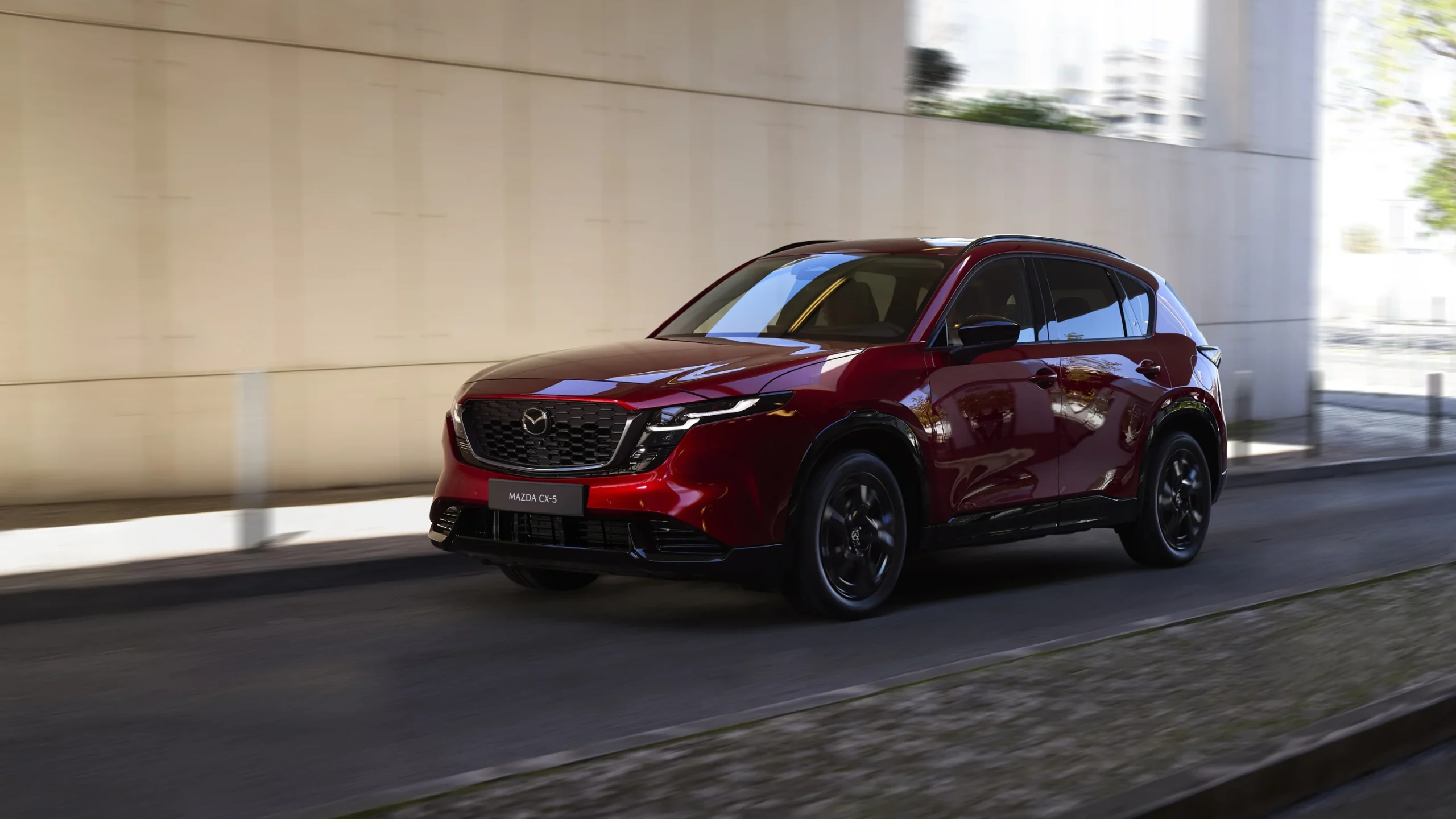
If you are eyeing a Mazda CX 5, knowing the CRSP beforehand prevents “clearing shock” at the port. Message us on WhatsApp to get a custom duty quote for any Japanese model.
4. Port Charges and Clearing Agent Fees
Once the ship docks at Mombasa, the second phase of spending begins.
These costs are often overlooked but can add up to KES 100,000 – KES 250,000 depending on the size of the vehicle and how long it stays at the Container Freight Station (CFS).
The Container Freight Station (CFS) Fees
The CFS is the yard where your car is stored after being offloaded from the ship.
You will pay for “stripping” (unloading), handling, and storage.
Most CFS facilities offer a “free period” of about 14 to 21 days.
If your clearing agent is slow or if there are issues with your KRA iTax documentation, you will pay daily storage penalties that can quickly eat into your budget.
Clearing Agent Commission
A professional clearing agent is your bridge between the port and the road.
They handle the documentation, liaise with KRA officials, and facilitate the physical release of the vehicle.
Fees for a reputable agent usually range from KES 30,000 to KES 50,000.
It is dangerous to use “briefcase” agents; always use a licensed firm to ensure your Toyota is handled with care.
NTSA and Registration Costs
Your car needs a Kenyan identity.
This involves registering the vehicle on the NTSA TIMS (or the updated Transport Information Management System) portal to get your number plates and the logbook.
The registration fee is relatively small, but you must have your E-Slipping ready.
We handle the Logbook transfer process for all our clients to ensure that by the time you drive on the Nairobi Expressway, the car is legally yours.
5. The Hidden Costs: Marine Insurance and Local Transport
Do not forget the “small” things.
Marine insurance is a requirement by Kenyan law for all imports.
While it costs about $150-$300 for most cars, it protects you against total loss if the ship encounters trouble at sea.
Once the car is cleared at Mombasa, you have two choices: have a driver bring it to Nairobi/upcountry or put it on a car carrier (trailer).
Driving the car from Mombasa is cheaper but carries risks of stone chips or accidents on the highway.
Putting a BMW X6 on a carrier costs between KES 20,000 and KES 35,000 but ensures it arrives in showroom condition.
Additionally, you will need to pay for a temporary 14-day insurance cover to move the vehicle from the port to your driveway.
6. Why Importing via Enan Motors Beats Local Car Yards
Many buyers ask: “Why shouldn’t I just buy from a yard on Ngong Road or Mombasa Road?” The answer lies in transparency and the “Markup Gap.” Local yards have massive overheads—rent, security, and interest on car loans.
They pass these costs to you, often adding KES 300,000 to KES 700,000 to the actual import cost.
When you import a Mazda or a Volkswagen through Enan Motors, you pay the actual auction price and the actual KRA duty.
We provide the original Auction Sheet, which is the “medical record” of the car in Japan.
This sheet shows the true condition (Auction Grade 4.5 is near-perfect, while Grade 3 might have repair history) and the genuine mileage.
Local yards frequently perform “mileage clocking,” but with a direct import, the QISJ certificate and auction sheet provide 100% honesty.
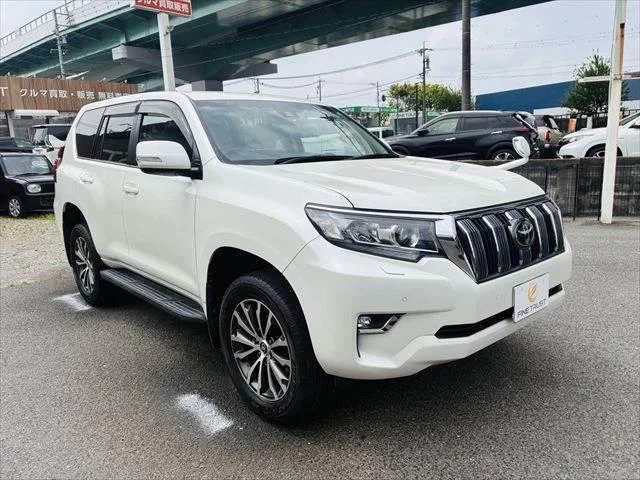
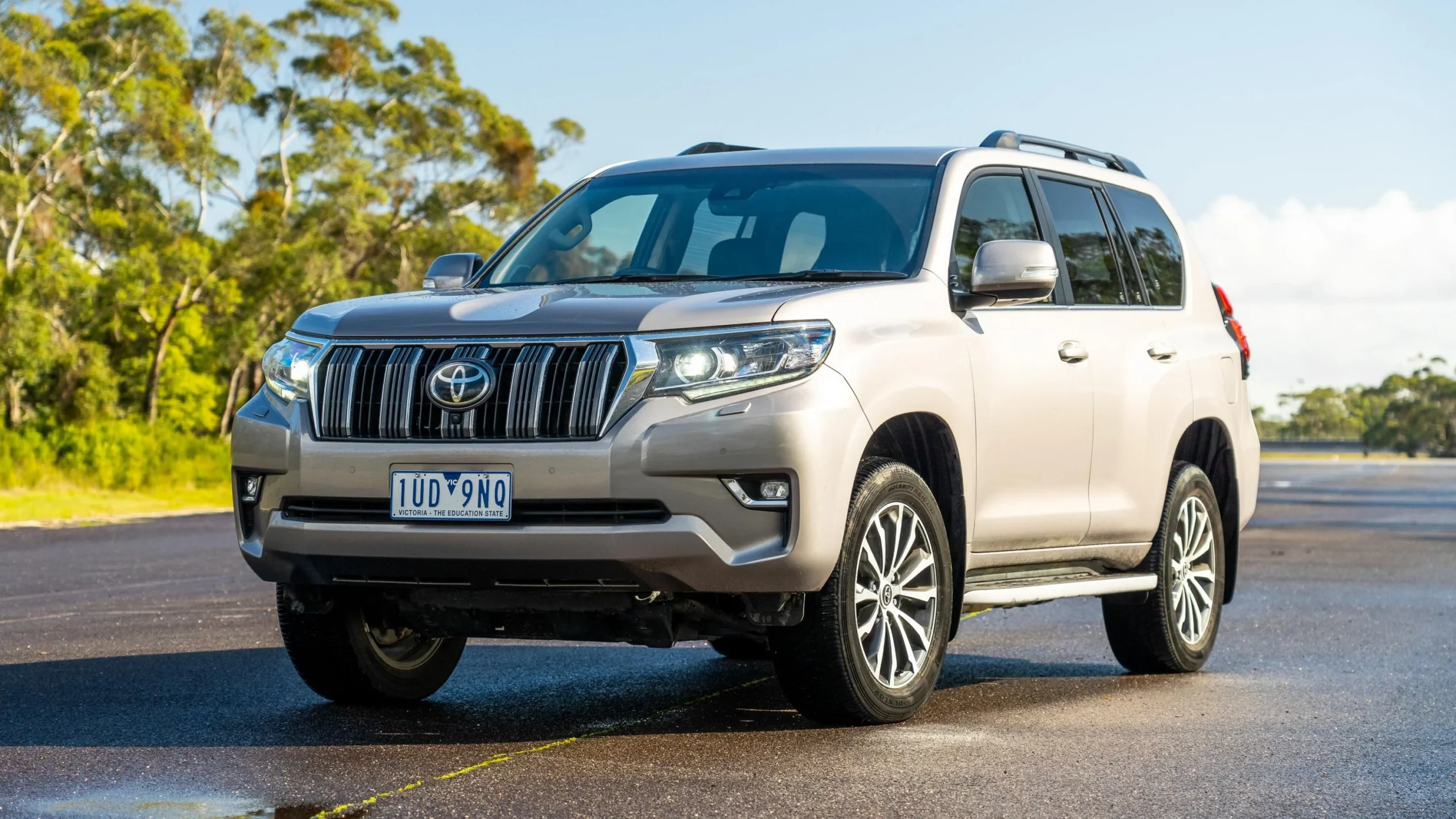
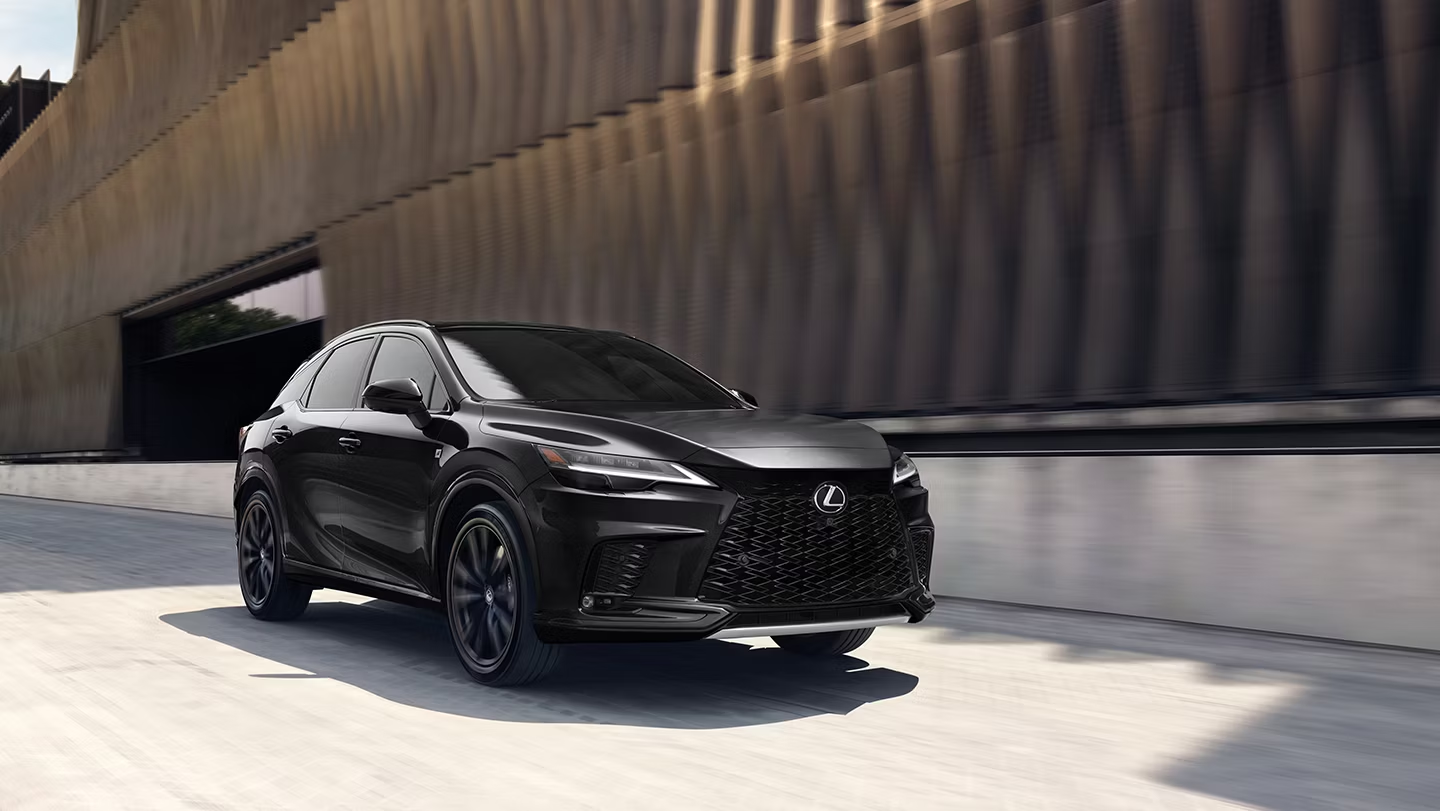
Whether you are eyeing a rugged Prado for travel to the village or a sleek Lexus NX250 for Nairobi city driving, the cost savings of direct importation usually range between 15% and 25% compared to local showroom prices.
7. Practical Example: Importing a Mazda CX-5 (2019 Model)
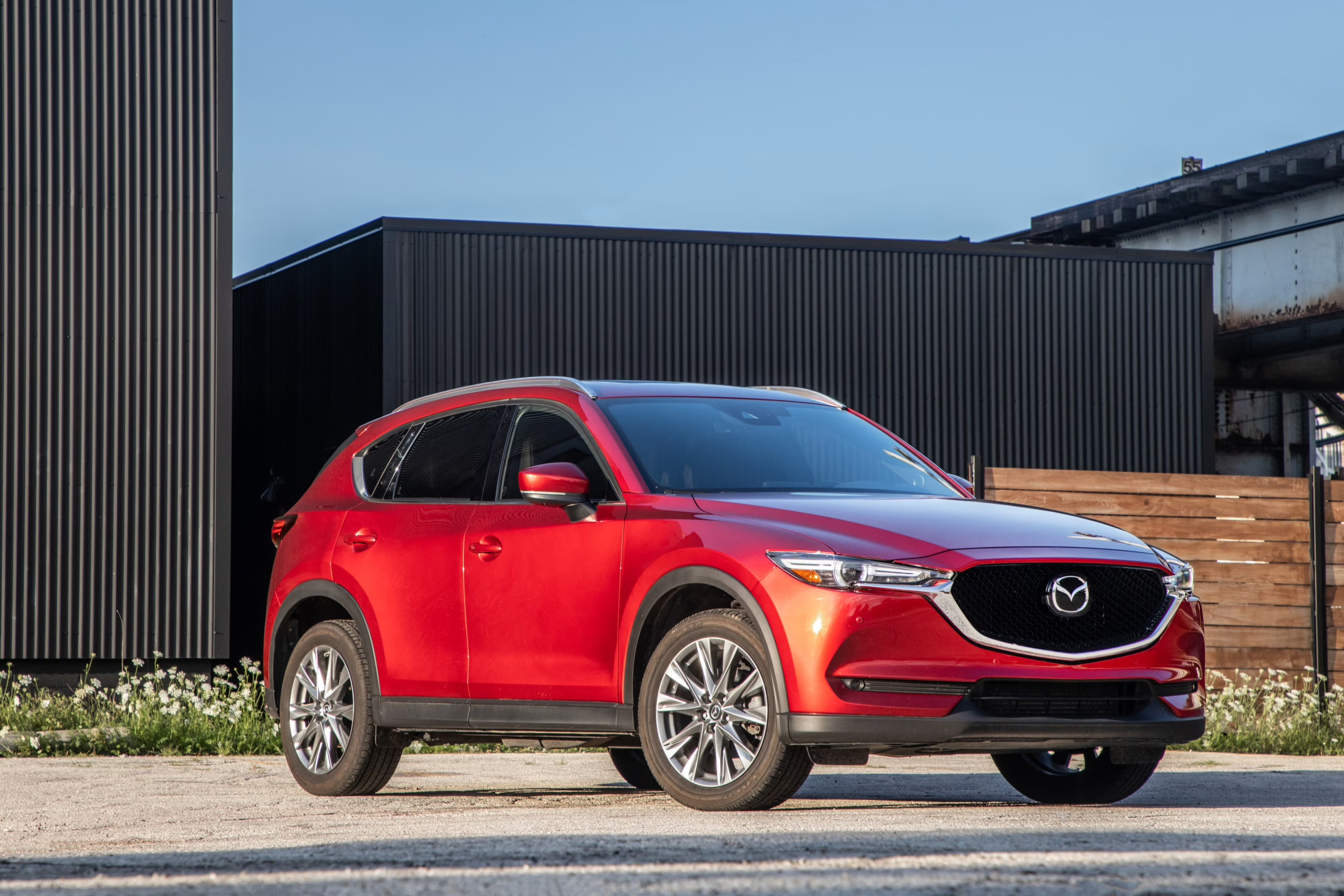
To give you a real-world perspective for 2026, let’s look at a popular Mazda CX 5:
- Japan Auction Price (FOB): Approx. $9,000 – $11,000.
- Shipping & Insurance (CIF Mombasa): Approx. $1,200.
- KRA Duties & Taxes: This is calculated based on the CRSP.For a 2019 model, expect to pay between KES 1.2M and KES 1.5M in taxes.
- Port & Clearing: Approx.KES 150,000.
- Total Landed Cost: Between KES 2.8M and KES 3.2M.
In contrast, a local yard might sell the same vehicle for KES 3.8M.
By importing, you save nearly KES 600,000—money that could cover your fuel and service for the next three years.
This same logic applies across brands, whether it’s a Mitsubishi or a luxury Lexus.
Ready to start your journey? Call us today to discuss your preferred model and budget.
Conclusion
Navigating the total cost of importing a car from Japan to Kenya requires a mix of technical knowledge and local experience.
From the initial bid in a Tokyo auction to the final logbook transfer in Nairobi, every step has a cost implication.
By understanding the KRA CRSP system, the 8-year rule, and the importance of verified auction sheets, you position yourself to save hundreds of thousands of shillings.
At Enan Motors, we simplify this complex process, offering you a transparent, end-to-end service that ensures you get the best value for your hard-earned money.
Direct importation isn’t just about saving money; it’s about the peace of mind that comes with knowing the true history of your vehicle.