
Introduction: Why Fuel Efficiency Matters on Kenyan Roads
For most Kenyans, the vehicle is not just a status symbol; it is a critical working asset, and its operational costs directly impact the family budget, meaning fuel efficiency transcends mere convenience and becomes an economic necessity, especially given the sporadic but often dramatic spikes in petrol and diesel prices at the pump.
We often see fuel costs consume a significant portion of a middle-class household’s monthly expenditure, a factor amplified by the daily reality of heavy urban traffic, where stop-and-go conditions drastically reduce efficiency regardless of the engine size.
Furthermore, the quality of our road infrastructure varies wildly; while major highways are excellent, many feeder roads demand low-end torque but also require that the vehicle remains economical when cruising, creating a unique demand for engines that are both robust and stingy on consumption.
This careful balancing act is where Japanese engineering truly shines, offering reliable performance without the punishing thirst often associated with their European counterparts.
When you look at the economics, even a difference of 2-3 kilometers per liter between two competing models translates into thousands of shillings saved every month, especially for drivers who commute long distances or rely on their vehicle for business operations, effectively making fuel efficiency one of the most critical metrics during the pre-purchase evaluation phase.
Kenyan buyers must look beyond the initial purchase price and calculate the long-term running costs, which involve factors like the easy availability and cost of genuine spares and the car’s proven history of reliability in extreme conditions, considerations where brands like Toyota have established an undeniable dominance.
This is why importing directly from Japan has become the preferred route for informed buyers; they can access vehicles that have been meticulously maintained and verified through auction sheets, ensuring that the car they purchase hasn’t already had its efficient lifespan compromised by poor prior maintenance or suspiciously rolled-back odometers, a major risk when buying locally.
Top Fuel-Efficient Japanese Compact Cars for City Driving
Compact cars are the undisputed champions of urban efficiency in Kenya, perfectly sized to navigate the choked streets of Nairobi and Mombasa while demanding very little fuel, primarily relying on highly refined 1.0L to 1.3L naturally aspirated engines designed for economy rather than speed.
The Toyota Vitz (often branded as the Yaris in other markets) remains the segment leader due to its nearly unbreakable reliability and low maintenance costs, consistently delivering over 18 km/L if driven sensibly, making it the default choice for first-time owners and small families.
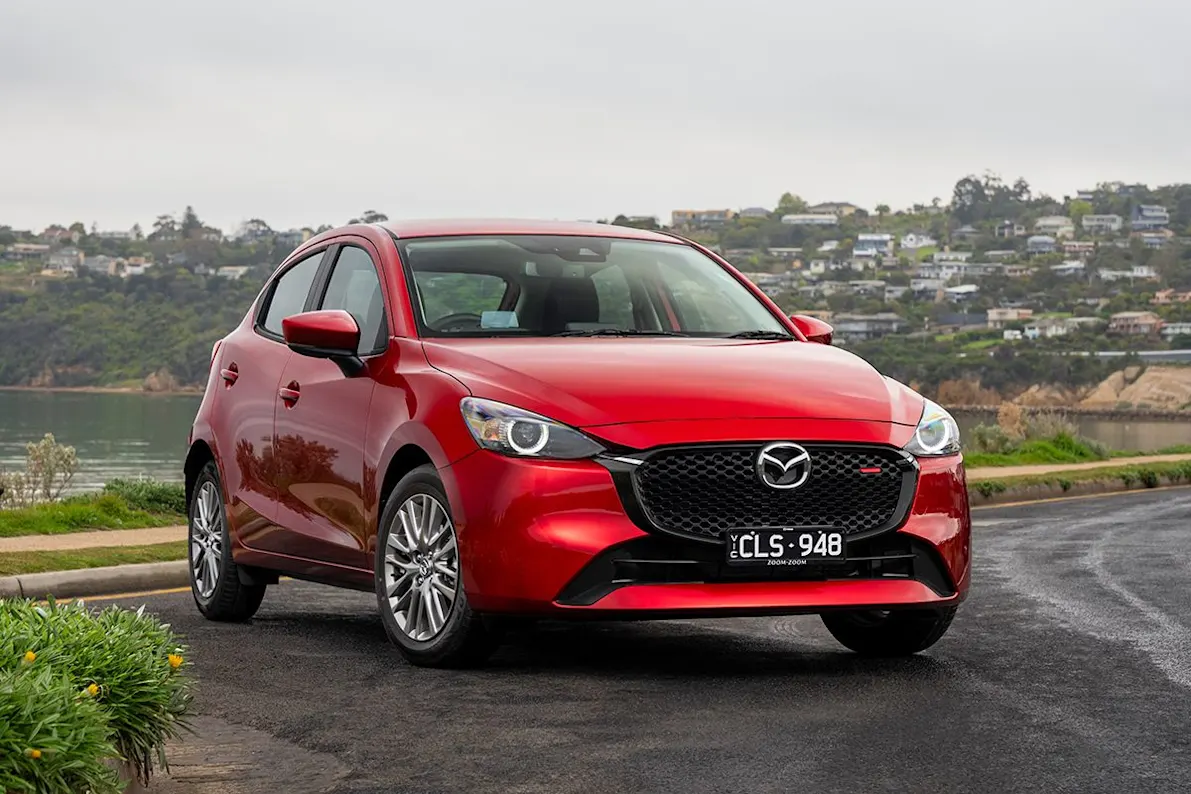
Close behind is the Mazda Demio (or Mazda 2), which offers a more engaging driving experience thanks to its SkyActiv technology, which wrings impressive efficiency from its engine while maintaining a sporty feel, proving that efficiency does not necessitate boring driving.
Finally, the Honda Fit (also known as the Jazz) utilizes Honda’s renowned VTEC technology to provide power when needed but sips fuel during cruising, making these three models the cornerstone of economic transport in Kenyan cities.
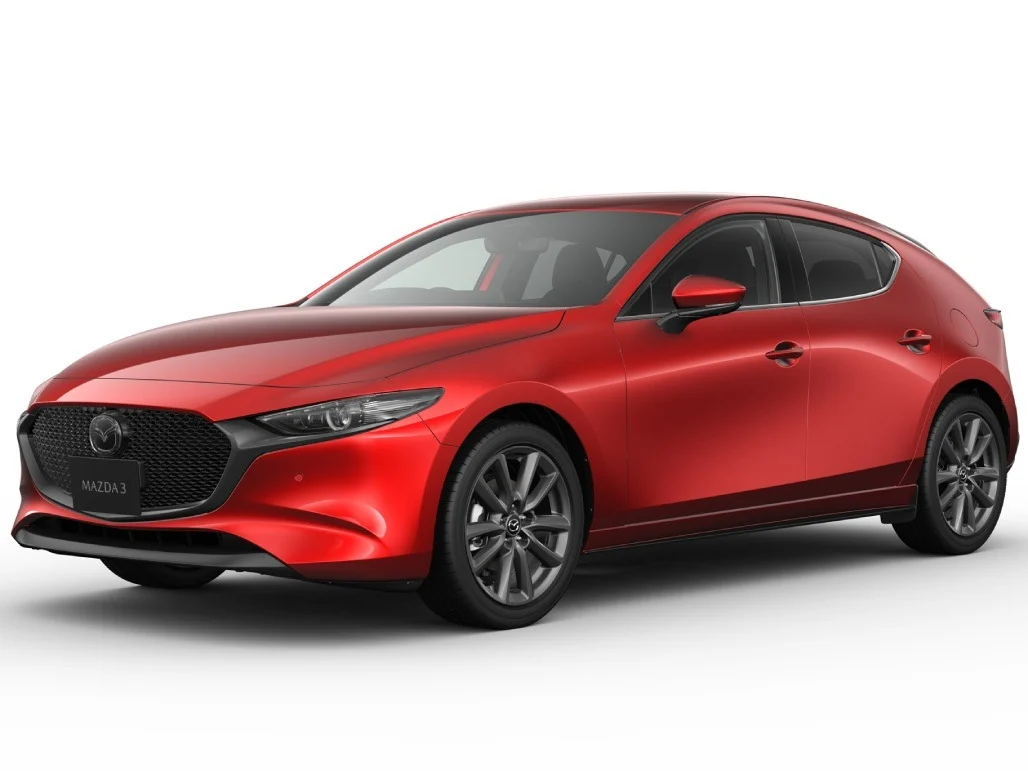
When sourcing these compact cars, especially models like the Demio or the Mazda Axela, it is absolutely paramount to verify the vehicle’s grade and true mileage before import, as high-mileage compact cars, though initially cheap, may have significantly degraded engine components leading to poor fuel economy and expensive repairs down the line.
Buyers must be vigilant against cars marked with an ‘R’ (indicating major repair) or a low grade (like Grade 3), which often flood the local car yards because they are hard to sell in Japan due to their inferior condition.
By opting for direct importation services like those offered by Enan Motors, buyers gain access to transparent Japanese auction data, guaranteeing they receive a clean, verifiable unit with genuine mileage and maintenance records, thus safeguarding the expected fuel efficiency performance from day one, offering peace of mind that local yard purchases rarely provide.
Best Japanese Midsize Sedans with Low Fuel Consumption
For the family buyer or the executive who requires more space, stability, and comfort than a hatchback can offer, the midsize Japanese sedan market provides excellent fuel economy without sacrificing practicality, often featuring efficient 1.5L engines paired with continuously variable transmissions (CVT) to optimize performance.
The Toyota Axio and the Fielder (wagon variant) are perennial favorites in Kenya; their 1NZ-FE engine is arguably the most common and easily serviceable unit in the country, ensuring that repairs are cheap and downtime is minimal, while still achieving realistic consumption figures of 14–16 km/L in mixed driving conditions.
While these cars are often purchased for their reliability, it is important to check the CVT fluid service history meticulously, as a poorly maintained CVT can drastically drop efficiency and lead to costly repairs, a common problem buyers encounter when purchasing locally sourced cars with unknown service histories.
Beyond the ubiquitous Toyota models, midsize options from other Japanese manufacturers also present strong cases for efficiency and value, appealing to those who desire slightly different styling or driving dynamics, such as the Mitsubishi Galant or certain variants of the Nissan Sylphy, though their spares availability might be slightly less universal than Toyota’s.
Even more premium or European-styled Japanese sedans, such as models from Lexus, often surprise Kenyan drivers with their efficient engineering, balancing high performance with reasonable consumption figures that undercut European rivals boasting similar comfort and technology levels.
When considering these slightly less common models, direct import through a trusted partner is essential to ensure you are selecting a vehicle grade that guarantees the intended manufacturer efficiency, allowing you to avoid those vehicles whose efficiency has been permanently compromised by accident damage or undisclosed mechanical faults.
Reliable Japanese SUVs That Balance Power and Efficiency
The SUV segment is perhaps the most popular in Kenya, reflecting the desire for higher ground clearance to handle variable road surfaces and the added safety and commanding presence these vehicles offer, but traditional SUVs often come with a heavy fuel consumption penalty; therefore, modern Japanese compact and crossover SUVs focusing on efficiency are highly sought after.
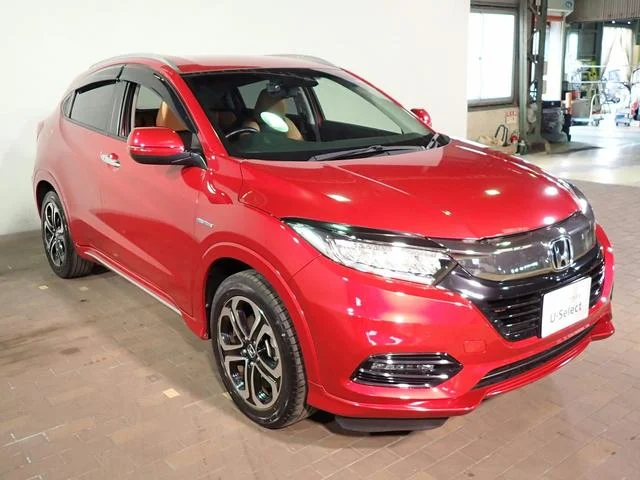
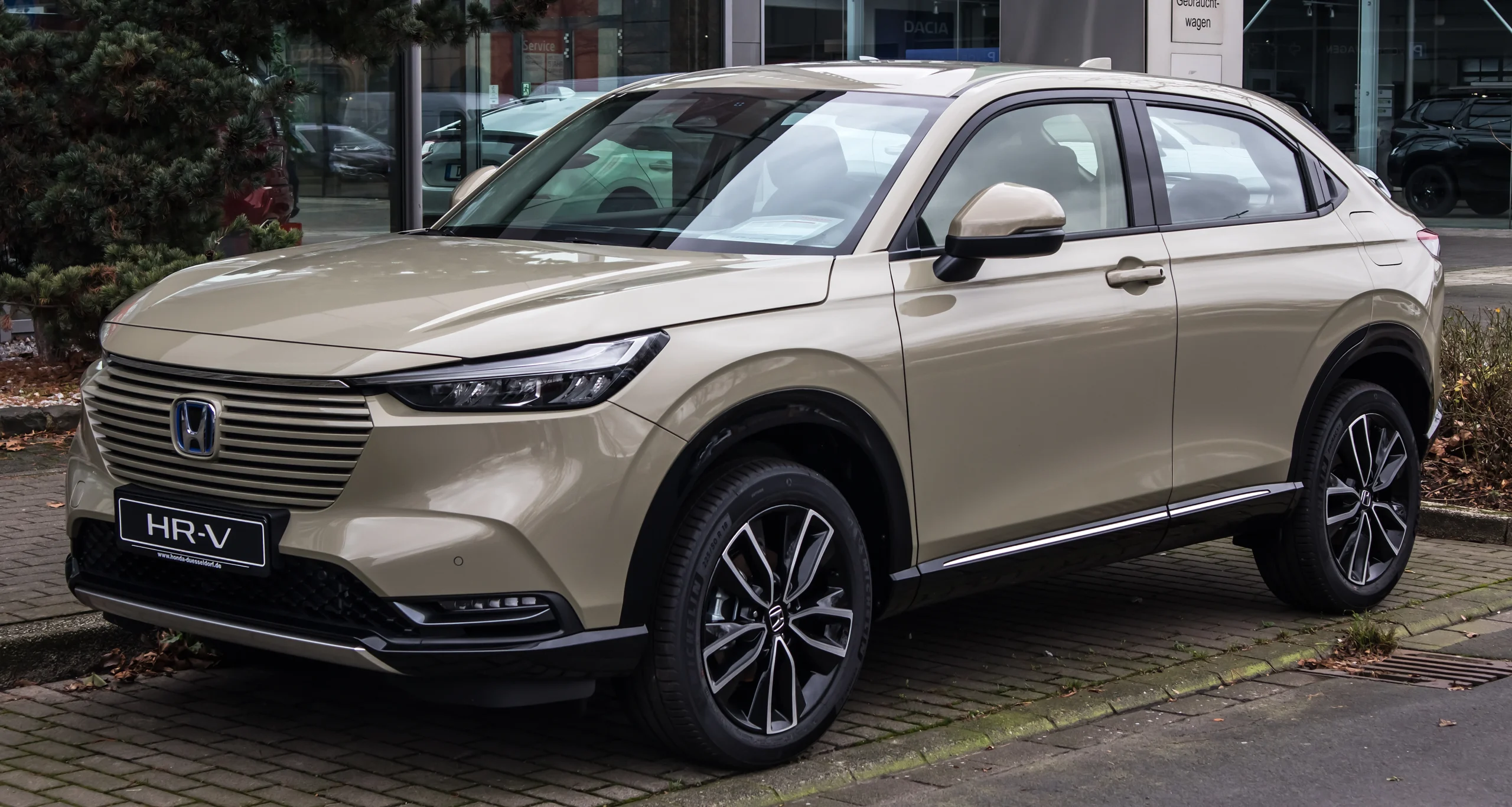
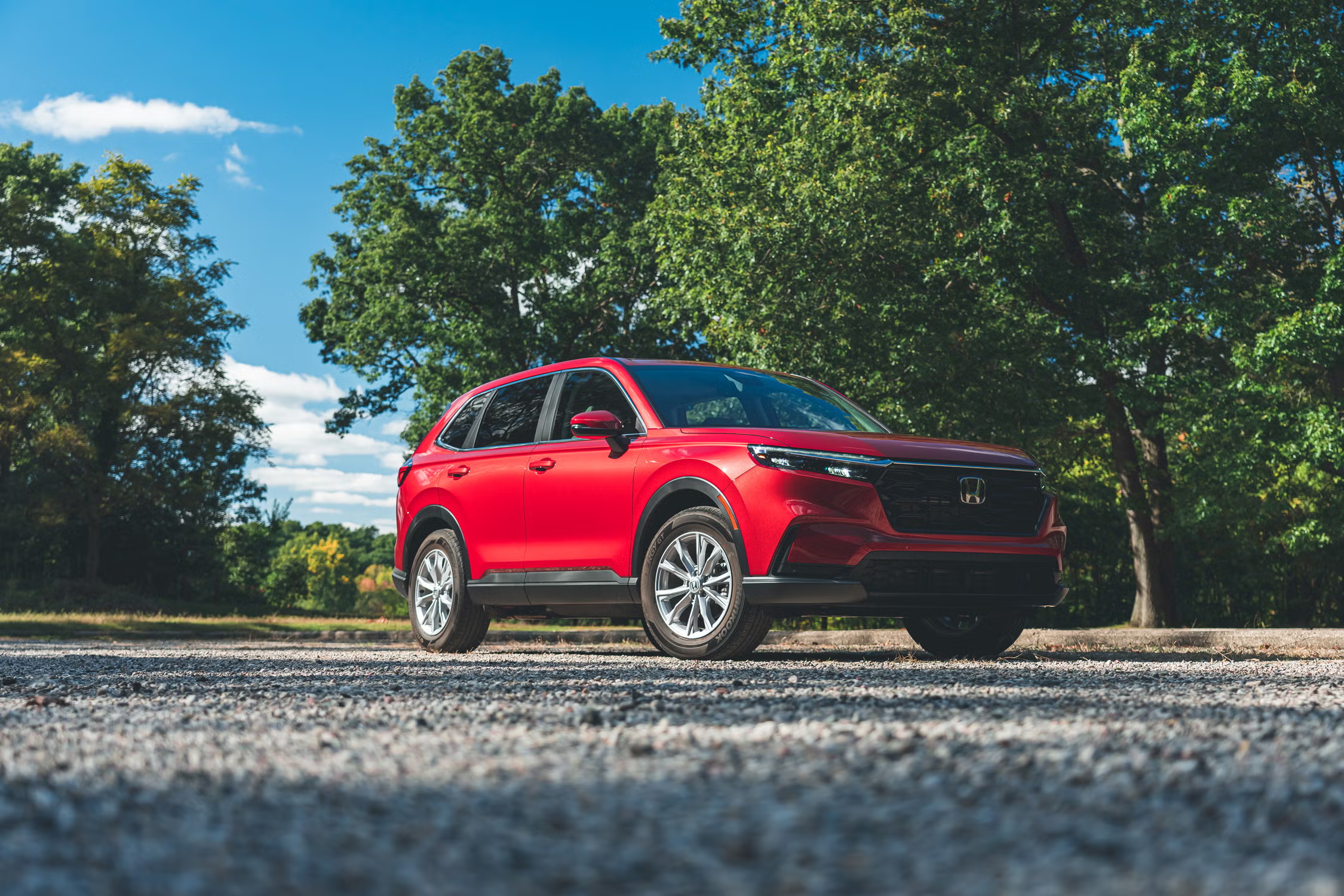
Models like the Honda Vezel (often paired with a hybrid system) and the Nissan Dualis/Qashqai strike an excellent balance, providing usable clearance and spacious interiors while employing optimized 1.5L or 1.8L engines that can achieve consumption rates comparable to a midsize sedan.
The Toyota Harrier remains the king in this class, and while the older 2.4L models were thirsty, the newer generation 2.0L and especially the 2.5L hybrid variants offer substantially improved efficiency, often achieving 12–14 km/L in mixed driving—figures that were unimaginable for an SUV just a decade ago.
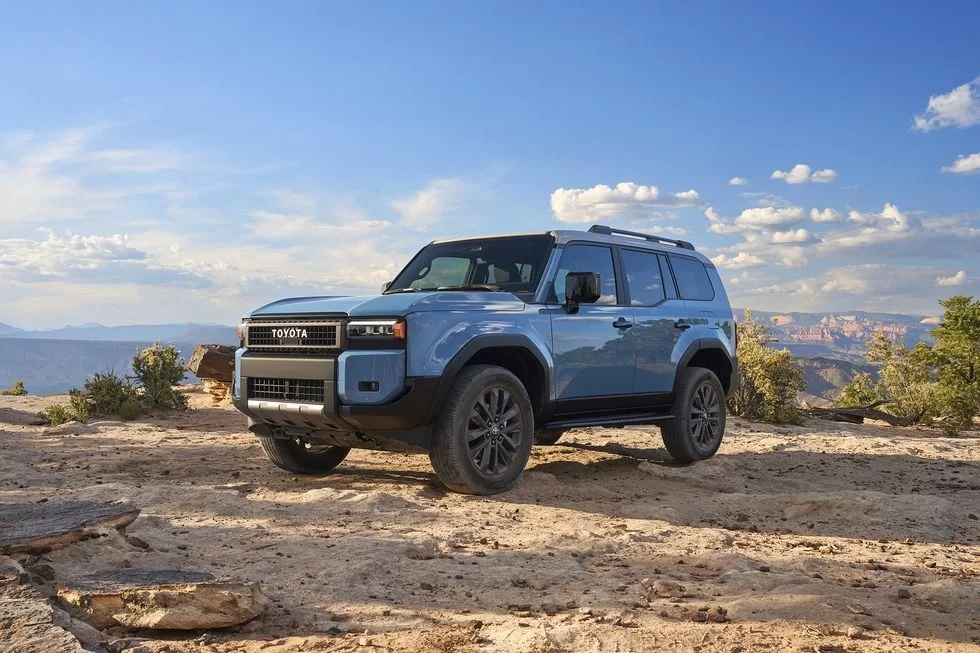
For buyers needing heavy-duty 4×4 capability, the pursuit of maximum efficiency changes slightly, focusing instead on optimizing the inherent efficiency of larger, robust engines used in vehicles like the Toyota Land Cruiser Prado.
While a Prado will never match a Vitz for fuel economy, selecting a well-maintained diesel variant (often favored for their torque and fuel economy benefits) or one that has not been heavily abused is critical to maintaining its factory efficiency.
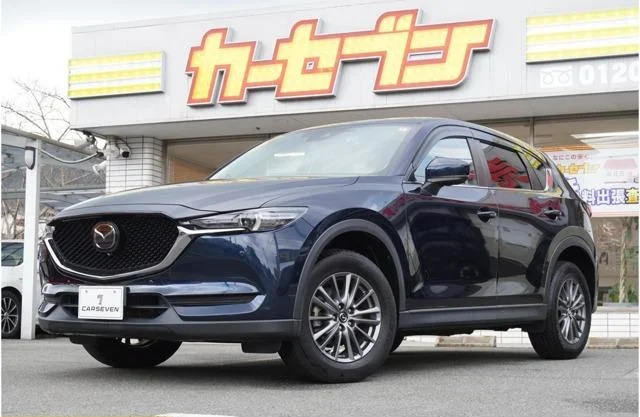
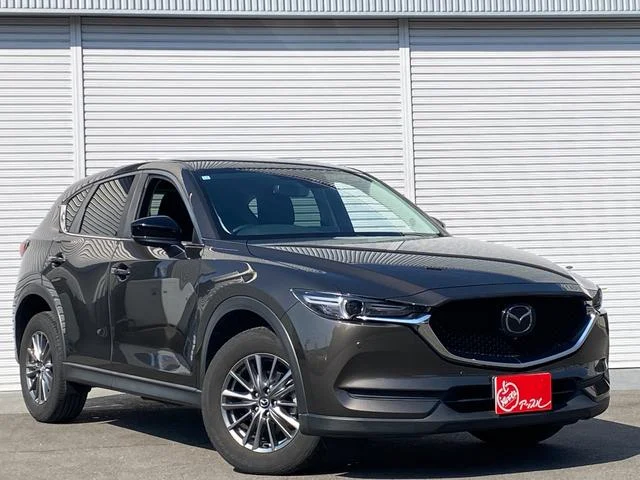
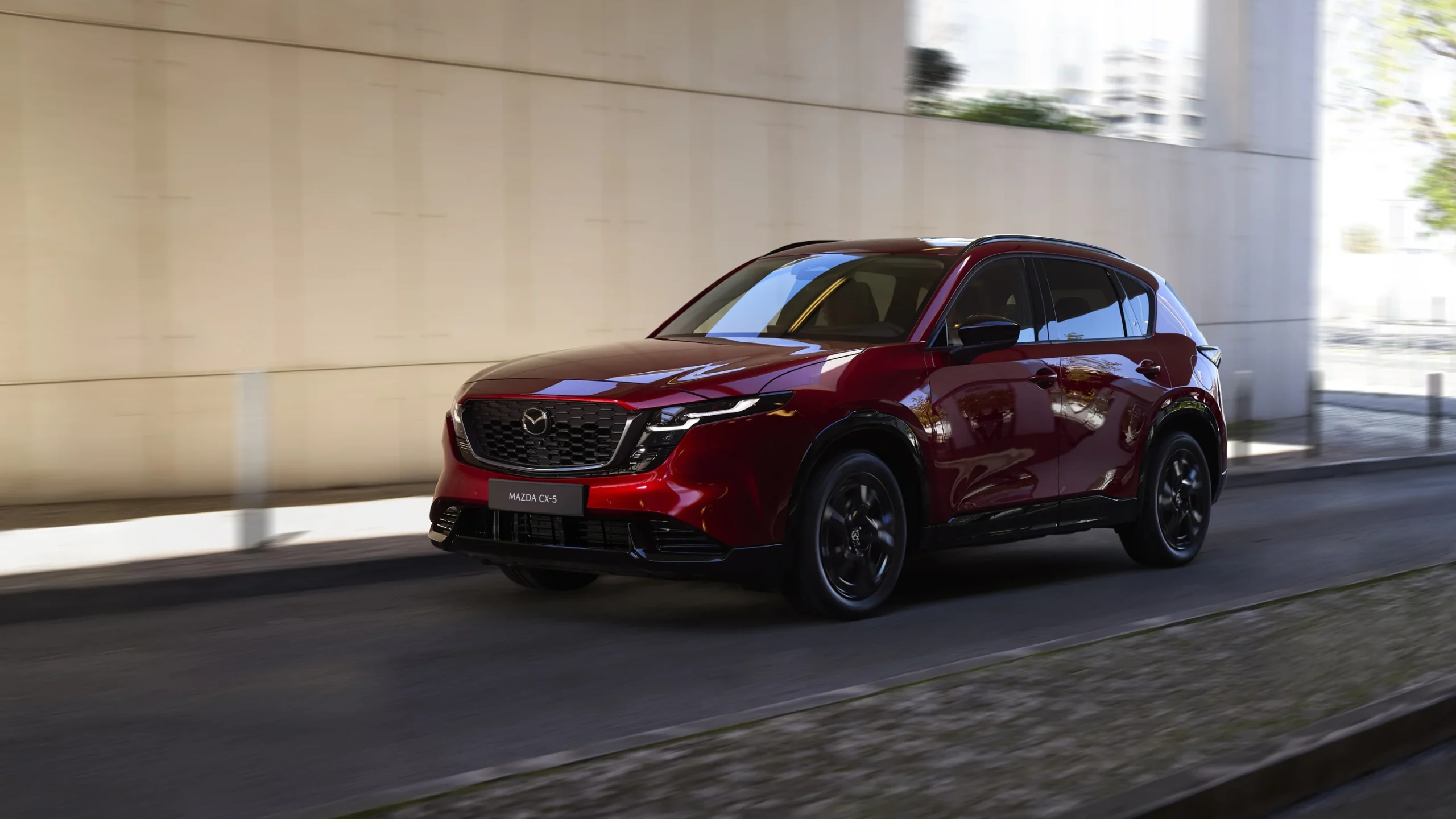
When shopping for larger SUVs, like the versatile Mazda CX 5 or even high-end imports like the Lexus LX 600, using a direct importer ensures that you are receiving a true grade vehicle, verified by auction sheets, rather than a local unit whose off-road past is questionable and whose efficiency is suffering due to neglected differentials or worn gearboxes.
We encourage interested clients to check our current Inventory to see available cars that have passed strict Japanese grading standards, ensuring transparency in every purchase.
Hybrid and Electric Japanese Models Suitable for Kenya’s Terrain
The conversation around fuel efficiency is increasingly dominated by hybrid technology, where Japanese manufacturers, particularly Toyota and Honda, are global leaders, offering significant consumption advantages, especially in the stop-start traffic typical of Nairobi, where the electric motor assists heavily at low speeds.
The Toyota Aqua (Prius C) and the standard Toyota Prius are the definitive hybrid models in Kenya, often achieving consumption figures that push past 20 km/L, provided the hybrid system battery is healthy, making them extremely appealing economically despite their higher initial cost compared to their non-hybrid siblings.
However, Kenyan buyers often worry about the longevity and replacement cost of the hybrid battery pack, a legitimate concern that is largely mitigated when importing directly; high-grade hybrids from Japan have certified battery health reports, assuring buyers they are getting a unit that has years of life left in its system.
For those looking at hybrid SUVs or more premium options, the Japanese market offers incredible value, including models like the Lexus RX hybrid or the Lexus NX250, which deliver luxury and performance while still offering efficiency far superior to similarly sized non-hybrid SUVs.
While full electric vehicles (EVs) are still finding their footing in Kenya due to charging infrastructure limitations and energy costs, hybrids provide the perfect bridge, offering immediate fuel savings without the range anxiety associated with EVs, making them practical for long-haul trips across the country.
Enan Motors specializes in sourcing high-grade hybrid vehicles, ensuring that the critical components—the engine, transmission, and the battery unit—have been thoroughly inspected and verified through the Japanese auction system, removing the major risks associated with purchasing complex hybrid technology.
Key Factors to Consider When Buying a Japanese Car in Kenya
The single most important factor influencing the long-term fuel efficiency and reliability of a Japanese import in Kenya is the initial quality and verification of the vehicle’s condition prior to shipping, a process that separates smart buyers from those who end up with costly yard mistakes.
When you buy from a local car yard, you are trusting the word of a seller whose primary goal is high markup and quick turnover, often resulting in vehicles with questionable service histories, high undisclosed mileage, or poorly repaired accident damage—all factors that severely compromise fuel economy and longevity.
A vehicle that looks clean on the outside might hide severe mechanical issues that stem from a Grade 3 or R-rated auction score, problems which immediately reduce efficiency and increase maintenance burdens, turning a seemingly good deal into an expensive headache.
Direct importation with a reliable agent like Enan Motors flips this script entirely; we prioritize transparency because our reputation depends on the quality of the car delivered to your home in Kenya, ensuring you know exactly what you are paying for long before the vessel docks in Mombasa.
We provide the genuine Japanese auction sheet, which is the vehicle’s medical record, detailing its true mileage, condition grade, and any defects, allowing you to select a low-mileage, high-grade unit (typically Grade 4 or higher) that guarantees optimal fuel efficiency and minimal future repairs.
This process eliminates the middleman markup, meaning not only do you get a demonstrably better-condition vehicle, but you often save significantly on the overall purchase price compared to inflated yard prices, offering double the value and confidence when investing in a reliable asset.

Maintenance Tips to Keep Japanese Cars Fuel-Efficient
Owning a fuel-efficient Japanese car is only half the battle; maintaining its peak efficiency requires diligent and thoughtful maintenance specifically tailored to the harsh realities of Kenyan driving conditions, where dust, rough roads, and intense heat take a greater toll on mechanical components than in Japan.
Regularly replacing the air filter is critical—clogged filters, a common issue due to Kenyan dust, severely restrict airflow to the engine, forcing it to consume more fuel to achieve the same power output, a simple fix that pays for itself quickly.
Furthermore, ensuring that you use the manufacturer-specified oil weight and genuine spare parts is non-negotiable; while it may be tempting to buy cheaper, non-original parts from unlicensed dealers, these can compromise engine performance, affecting everything from valve timing to sensor accuracy, ultimately reducing your kilometers per liter.
Another often overlooked factor that heavily impacts fuel efficiency, especially in SUVs like the Volkswagen Tiguan or the Mercedes GLE (if you are cross-shopping European models), is tire pressure and alignment, which are constantly challenged by Kenyan roads.
Improper tire pressure increases rolling resistance, wasting fuel, while misaligned wheels drag and pull the vehicle, forcing the engine to work harder, and correcting these issues should be part of routine servicing every 5,000 to 10,000 kilometers.
If you are struggling to find a clean, high-grade unit or if you are unsure about the reliability of a European model compared to a local BMW X6, our experts at Enan Motors can provide tailored advice and procurement services.
If you have a specific fuel-efficient model in mind, Message us on WhatsApp today to start the process of importing a high-quality unit directly.

Conclusion
Selecting the right fuel-efficient Japanese car for Kenyan roads is fundamentally an economic decision driven by the necessity of combating high fuel costs and maintaining vehicle reliability under challenging local conditions, and Japanese models, from the compact Vitz to the efficient hybrid Harrier, offer proven solutions that balance cost and performance.
By focusing on models with optimized small-displacement engines and ensuring high vehicle grades through transparent sourcing, Kenyan buyers can secure assets that save them money over the long term.
Trusting an experienced importer like Enan Motors gives you a significant advantage; we ensure that the vehicle you purchase has been verified through the rigorous Japanese auction system, guaranteeing genuine mileage, superior condition, and the optimal efficiency you expect, eliminating the risk and uncertainty associated with local yard purchases.
Take control of your car ownership experience and enjoy the savings that genuine quality brings; feel free to Call us or Email us to discuss how we can secure your next high-grade, fuel-efficient Japanese car.
FAQ
- What is the typical fuel consumption rate for a popular Kenyan import like the Toyota Vitz?
The Toyota Vitz, under ideal conditions, can achieve consumption rates of 18 km/L or better, though heavy city traffic usually brings this figure down to a realistic 15 km/L.
- Are hybrid cars reliable on Kenyan roads, considering battery life?
Yes, hybrids like the Toyota Aqua are reliable, but it is crucial to import a unit with verified battery health from Japan, as poor battery condition severely compromises efficiency and leads to costly replacements.
- How does direct importation save money on fuel-efficient cars?
Direct importation saves money by eliminating the substantial profit margins charged by local car yards, and it secures higher-grade vehicles whose verified quality ensures better long-term efficiency and reduced maintenance costs.
- Which Japanese SUVs offer the best balance of clearance and fuel efficiency?
The Honda Vezel and the 2.0L non-hybrid or hybrid Toyota Harrier models are excellent choices, offering adequate ground clearance while consuming significantly less fuel than traditional large 4×4 vehicles.
- Why are auction sheets so important for buyers in Kenya?
Auction sheets provide transparent, third-party verification of the car’s true mileage, condition grade, and accident history, protecting Kenyan buyers from purchasing compromised vehicles that will inevitably have poor fuel economy.