
Introduction – Understanding Engine Displacement
Engine displacement, measured in cubic centimeters (cc) or litres (L), simply tells you the total volume swept by all the pistons in the engine’s cylinders.
For the average Kenyan car buyer, this number is more than just a technical statistic; it’s a critical financial indicator.
In our market, higher CC often translates to higher purchase costs, steeper taxation, and potentially heavier fuel bills, though it usually promises more power and capability, which is necessary for handling full loads or traversing steep inclines.
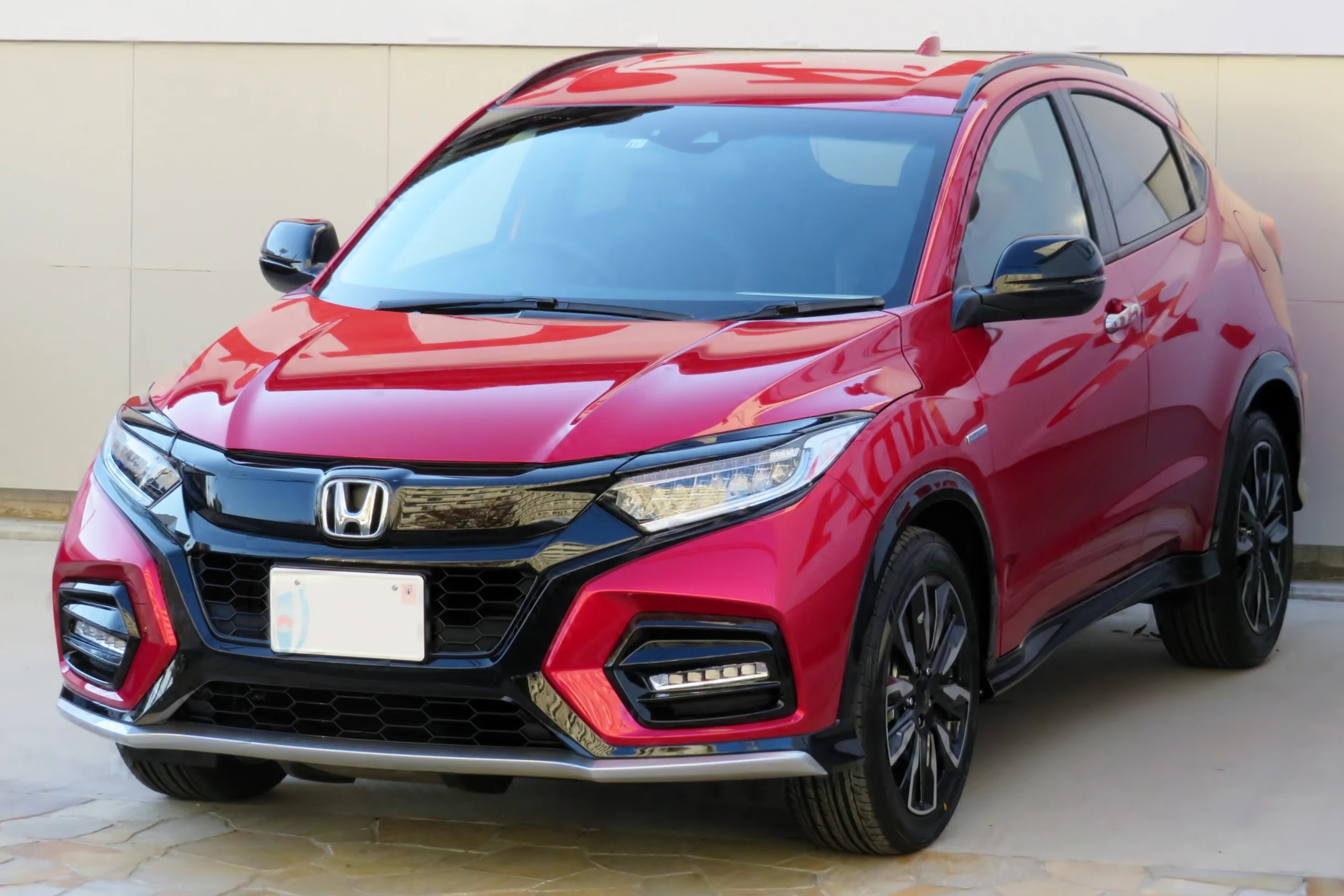
The 1,500cc engine size of the Honda Vezel hits a sweet spot that many Japanese imported vehicles target: large enough to offer practical daily performance, yet small enough to maintain excellent fuel economy figures, making it an exceptionally popular choice for families and professionals alike who prioritize efficiency.
In the competitive Kenyan automotive landscape, the specific CC value dictates the market segment a vehicle falls into and how local regulators classify it.
While many older Kenyan drivers might associate 1.5L engines with small, underpowered saloon cars of the past, modern engineering principles, especially Honda’s VTEC and direct injection technologies, ensure that the Honda Vezel delivers robust performance despite its modest engine size.
When we at Enan Motors advise clients, we always stress that you must look beyond the CC and consider how features like VTEC and the hybrid system fundamentally alter the driving dynamics, transforming a seemingly standard 1.5L unit into a surprisingly capable crossover that handles Kenyan roads with confidence.
Honda Vezel Overview and Market Position
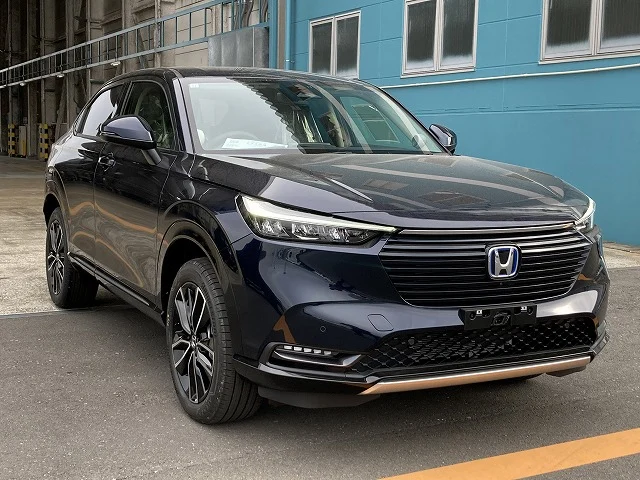
The Honda Vezel, known internationally as the HR-V in some markets, occupies a dominant position in Kenya’s burgeoning compact SUV segment, often seen battling popular models like the Mazda CX 5 and the Toyota Harrier for market share.
Its success is rooted in its blend of SUV utility—good ground clearance for maneuvering those unexpected potholes—and hatchback efficiency, packaged in a sleek, modern design that appeals strongly to the urban Kenyan demographic.
Buyers appreciate its relative affordability, especially when importing directly from Japan, and its proven reliability, which is a hallmark of the Honda brand, making it a reliable workhorse for both city commutes and weekend excursions.
One of the key reasons the Vezel maintains such strong appeal here is the consistent quality of vehicles sourced from the Japanese Domestic Market (JDM), which Enan Motors specializes in.
Unlike buying from local yards, where mileages and repair histories can be questionable, our clients benefit from the transparent documentation provided by verified Japanese auction sheets.
This allows you to inspect the true condition, mileage, and accident history of your 1.5L Vezel *before* it even leaves the port, giving you unmatched peace of mind about the vehicle’s actual quality and performance capability.
Choosing direct import means you are not settling for limited options available in Kenya; you select the best vehicle available globally, eliminating the unnecessary markups and risks associated with middlemen in local car yards.
Engine Options and Their Exact CC Values
While the 1,500cc engine is the standard and most popular choice in Kenya, it is important to understand the subtle variations of this unit offered in the Japanese market.
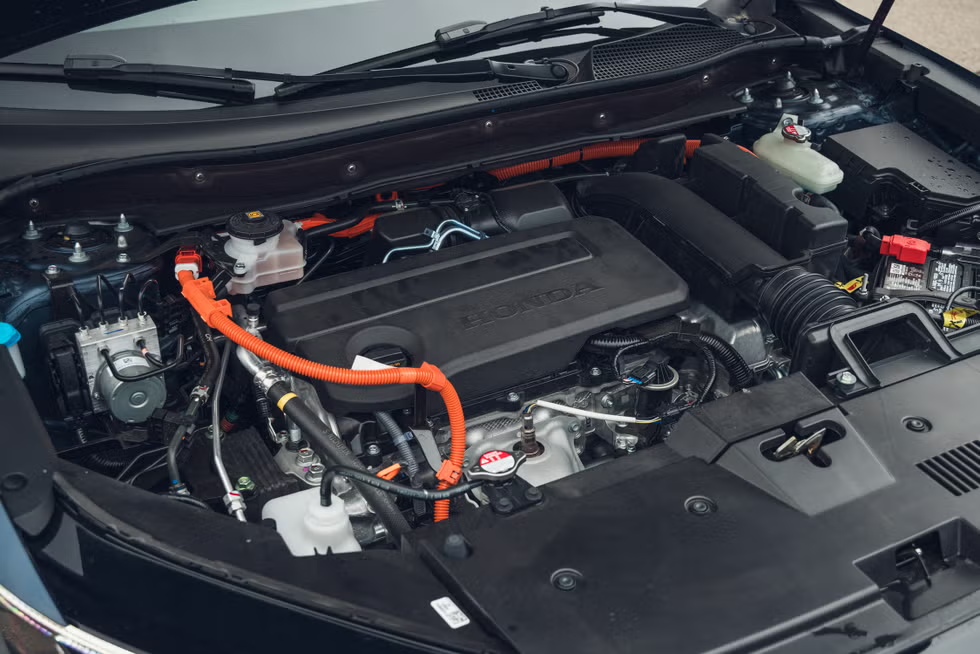
The two main engines you will encounter in the Vezel are the 1.5L DOHC i-VTEC (L15B), which is the naturally aspirated version, and the 1.5L DOHC i-VTEC paired with Honda’s Intelligent Dual Clutch Drive (i-DCD) Hybrid system.
Both units technically measure in at 1,496 cubic centimeters, or 1.5 litres, a size specifically engineered by Honda to balance output with stringent international emissions standards and high fuel efficiency expectations.
This consistency in CC is beneficial for standardizing maintenance and spare parts accessibility across the country, as mechanics deal with essentially the same core engine block.
There are rare instances of a 1.8L engine being fitted to the HR-V/Vezel, particularly in some international markets, but these models are virtually non-existent in the standard Kenyan import pipeline due to preference for the highly fuel-efficient 1.5L JDM models.
The choice between the standard 1.5L and the 1.5L Hybrid often comes down to budget and priority: the standard version is simpler and marginally cheaper to maintain in the long run, whereas the hybrid offers superior torque and better fuel economy figures, sometimes pushing close to 22-25 km/L in favorable conditions.
When sourcing your vehicle through our Inventory search, we help clients analyze the true long-term running costs of both models against Kenyan fuel prices to ensure they choose the most financially sensible option for their specific driving needs.
Comparing Vezel’s cc with Similar Compact SUVs
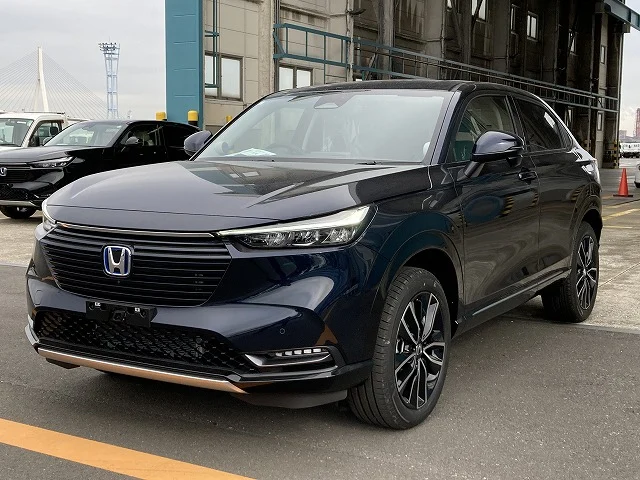
To appreciate the Vezel’s 1.5L engine, it helps to place it next to its primary competitors in the Kenyan compact crossover segment.
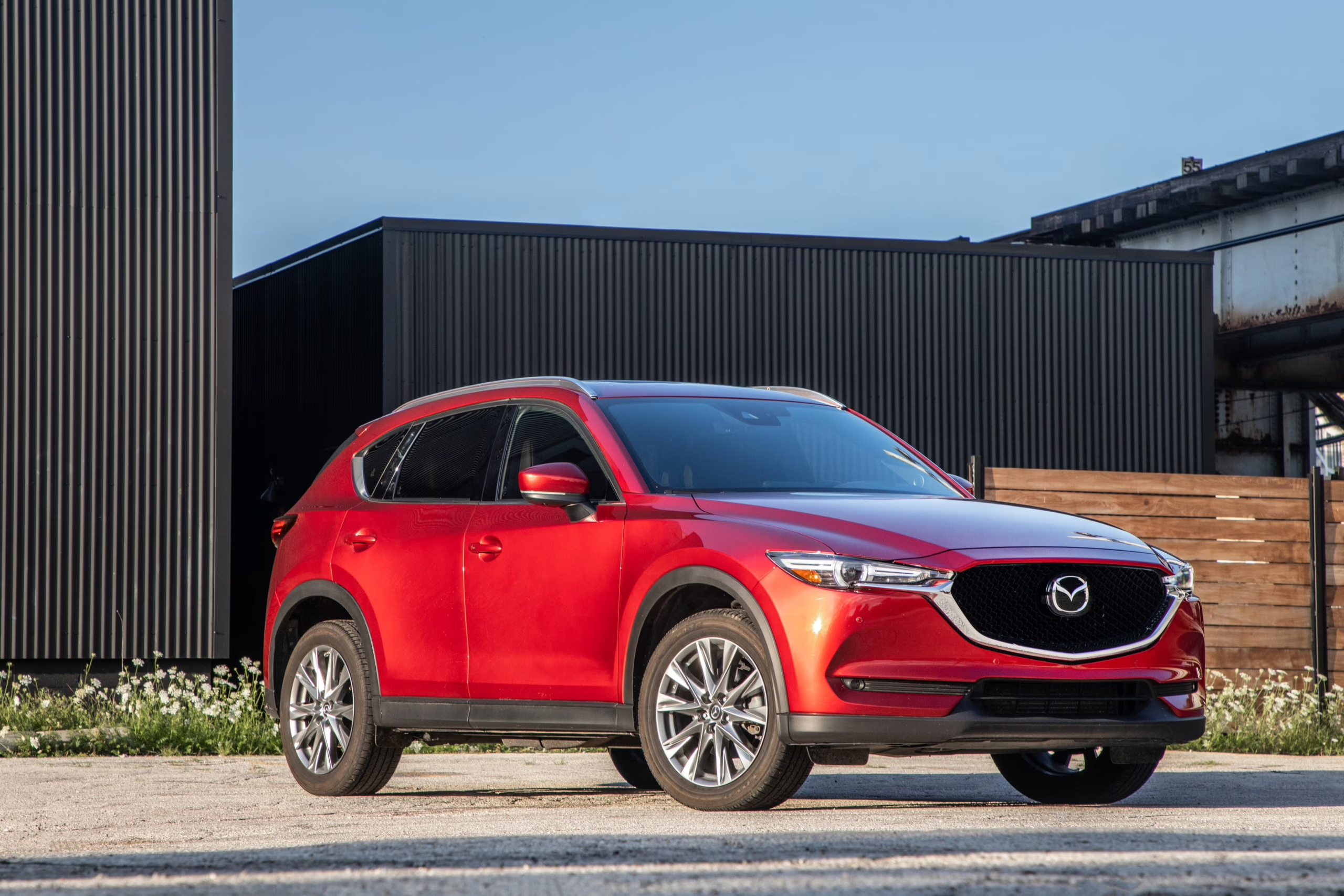
Many buyers often cross-shop the Vezel against the Mazda CX 5, which typically starts at a 2.0L naturally aspirated engine, or the smaller versions of the Volkswagen Tiguan, which often employs smaller turbocharged engines like the 1.4L TSI.
While the CX-5 might offer slightly higher absolute power due to its larger displacement, the Vezel’s smaller 1.5L engine, especially when assisted by the hybrid unit, provides highly competitive acceleration and low-end grunt without the punitive fuel consumption associated with 2.0L and above engines in heavy traffic conditions.
This careful balance is precisely why the Vezel maintains its edge in a market where operational costs are almost as important as the initial purchase price.
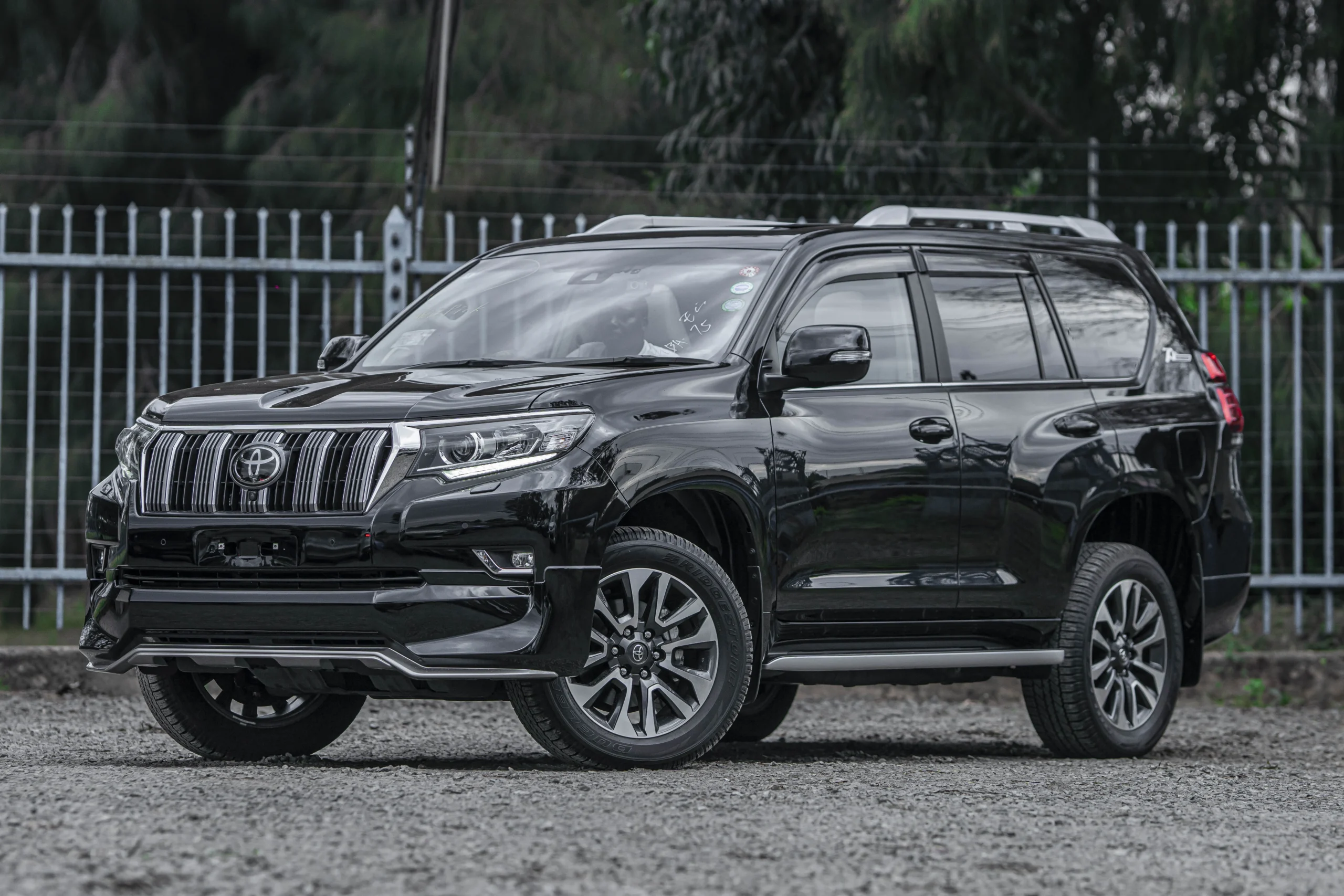
Consider the case of the venerable Toyota stablemate, the Land Cruiser Prado, which starts at displacements often exceeding 2,700cc; while it offers unmatched off-road capability, its running costs and purchase price are exponentially higher than the Vezel.
The Vezel proves that you don’t necessarily need a massive engine to handle typical Kenyan driving requirements, including navigating rough estate roads or maintaining speed on the Mombasa Highway.
We advise our clients that if their daily driving primarily involves urban commuting and occasional highway trips, the 1.5L Vezel offers the best blend of performance, proven reliability, and cost savings.
If you are specifically looking for a capable small SUV that maximizes efficiency without sacrificing modern features, the Vezel’s cc specification is ideally suited for the Kenyan pocket and environment.
How Engine Size Affects Performance and Fuel Economy
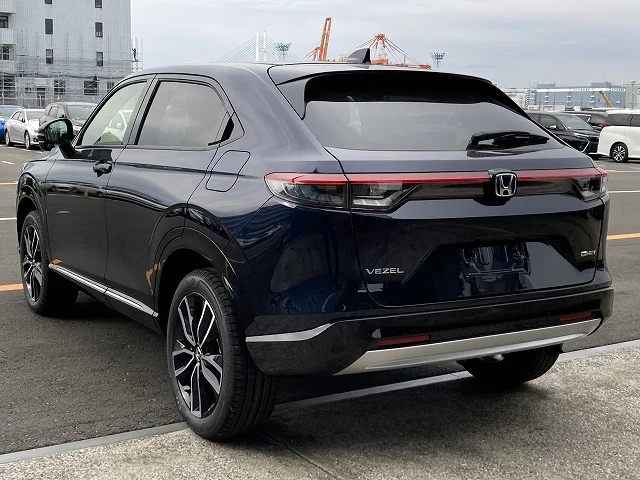
The 1.5L engine size plays a direct role in the Honda Vezel’s renowned fuel efficiency.
A smaller displacement engine burns less fuel per revolution compared to a larger engine, meaning that under cruising conditions or light city driving, the Vezel naturally sips fuel rather than gulping it, which is a massive advantage given the high cost of petroleum products in Kenya.
However, many buyers worry that a 1.5L engine is inadequate for performance, especially when tackling steep climbs like those found along the Great Rift Valley or during rapid overtaking maneuvers on major highways.
This is where the engineering sophistication comes into play, particularly with the hybrid models.
The 1.5L hybrid Vezel utilizes its electric motor to provide instantaneous torque at low speeds.
When you accelerate from a standstill or need a quick burst of speed, the combined power of the petrol engine and the electric battery ensures that the car feels responsive and surprisingly punchy, effectively compensating for the smaller engine size.
This means the 1.5L engine is not working as hard as a purely naturally aspirated engine of the same size would, thereby maintaining superior fuel efficiency while delivering performance comparable to some 2.0L vehicles.
For maintenance, a smaller CC engine typically means less strain on components, potentially resulting in lower repair costs over time, provided the vehicle is well-maintained and has a clean history, which is why we emphasize sourcing through a reliable direct importer like Enan Motors.
Regional Variations: Japan vs. International Models
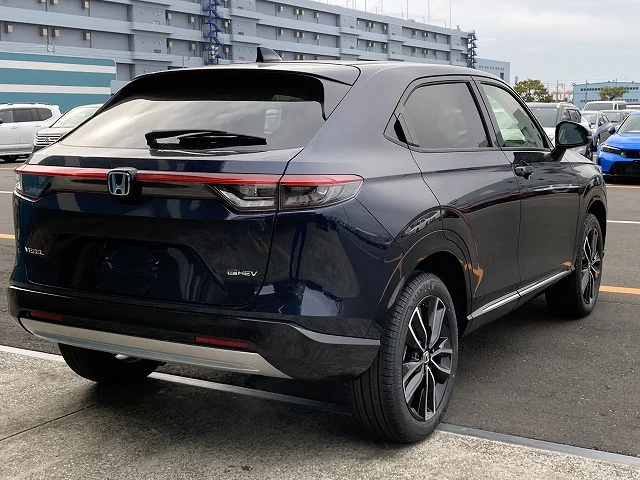
When discussing the engine displacement of the Honda Vezel, it is vital to differentiate between the models sold in Japan (JDM) and those sold internationally (often branded as the HR-V).
The JDM models, which dominate the Kenyan import market, primarily feature the efficient 1.5L engine configurations we have discussed.
These vehicles benefit from Japan’s highly rigorous vehicle inspection standards (Shaken), which often result in cars being maintained to a much higher standard than those found elsewhere globally.
Furthermore, the technology and specific tune of the 1.5L engine in the JDM Vezel are often geared towards urban efficiency, reflecting the needs of Japanese city drivers.
Choosing to utilize our expertise at Enan Motors to navigate the Import process means you gain direct access to this high standard of Japanese vehicle quality.
We ensure you receive the verified auction sheet and detailed inspection reports that confirm not only the 1,496cc engine size but also its exact condition, crucial information often hidden when purchasing a vehicle that has already landed in a local Kenyan yard.
Why settle for a 1.5L Vezel whose history is murky when you can choose a pristine model directly from the Japanese auctions, knowing exactly how well the engine has been maintained?
We provide the transparency that builds confidence in such a significant purchase.
Common Misconceptions About Vezel’s Engine Size
One of the most persistent misconceptions among Kenyan buyers regarding the 1.5L Honda Vezel is the belief that its engine is too small for vehicles of its size, leading to the fear that it struggles with full passenger loads or mountainous areas.
This outdated belief often stems from experiences with older, less technologically advanced 1.5L cars.
However, the Vezel’s engine leverages modern technology, including high compression ratios and precise timing, which maximize power output relative to displacement.
Crucially, the hybrid system’s electric torque eliminates the ‘lag’ often felt in smaller conventional engines, making its performance feel much closer to a 2.0L engine during crucial moments like accelerating onto the busy Thika Superhighway.
Another common mistake is confusing the Vezel’s 1.5L capacity with the much larger displacement found in other popular SUVs, such as the Lexus LX 600 or even smaller but traditionally powerful German models like the BMW X6, which simply operate in different performance and financial leagues.
The Vezel is designed for the smart, efficiency-conscious buyer.
If you demand a massive engine for sustained high-speed off-roading, the Vezel may not be your first choice.
But for 95% of Kenyan daily driving—urban commutes, family trips, and reliable service—the 1.5L engine is robust, economical, and perfectly suited.
Don’t let outdated notions about CC size limit your choice; focus on the integrated performance package that Honda delivers.
Conclusion – What the CC Means for Buyers
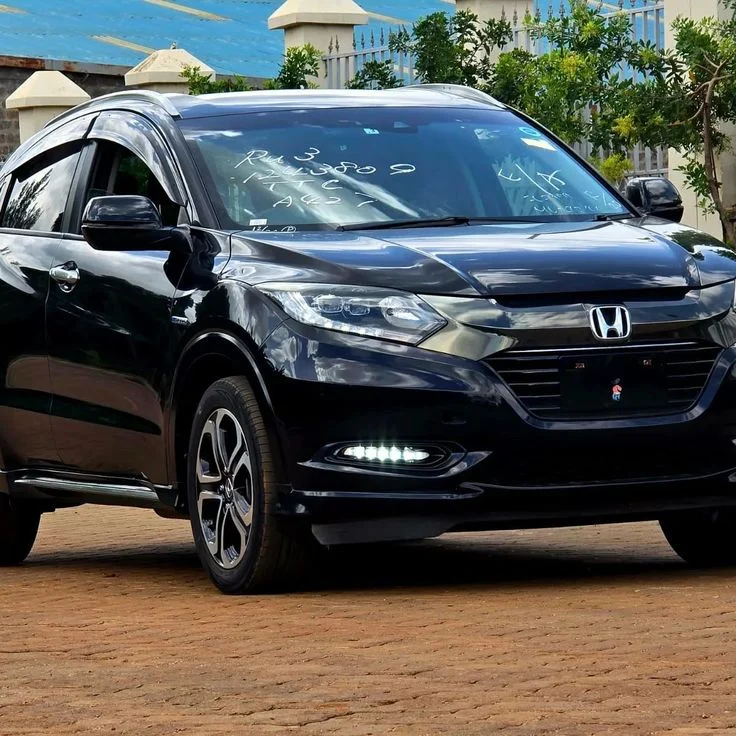
Ultimately, the fact that the Honda Vezel boasts a 1,500cc engine displacement is a huge selling point for the savvy Kenyan buyer.
It signifies that the vehicle sits firmly in the sweet spot for operational cost efficiency—it avoids the high taxes and fuel consumption of larger engines while still delivering competent, reliable performance thanks to Honda’s advanced engineering, particularly the hybrid assist.
This precise engine size translates directly into substantial savings on monthly fuel bills and overall maintenance costs, making the Vezel one of the smartest compact SUV investments available in our market today.
To ensure you capitalize fully on these savings, you need a partner who guarantees quality and transparency from the source, which is where the experience of Enan Motors becomes invaluable.
We are not just selling cars; we are empowering you to make a fully informed financial decision by providing access to high-grade JDM vehicles with verified histories.
If you are ready to secure a top-condition 1,500cc Honda Vezel without risking the hidden issues common in local yard purchases, let us guide you through the seamless direct import process.
You deserve transparency, affordability, and the exact car you want, not just what’s available locally. Message us on WhatsApp today or Call us to start reviewing the best available Vezel models in Japan—your future efficient crossover is waiting.
FAQ
- Does the 1.5L Honda Vezel have enough power for Kenyan highways?
Yes, absolutely.
While the Vezel features a 1,500cc engine, it is equipped with modern Honda VTEC technology and, crucially, its hybrid variants receive significant power and torque boosts from the electric motor.
This hybrid assist ensures the 1.5L Vezel delivers quick acceleration and maintains high speeds easily on Kenyan highways like the Thika Superhighway, making it feel comparable to many 2.0L non-hybrid competitors without incurring their higher fuel consumption costs.
- How does the Vezel’s 1,500cc displacement affect its fuel consumption in Nairobi traffic?
The 1,500cc displacement, especially combined with the hybrid system, makes the Vezel exceptionally fuel-efficient in stop-start traffic, which is typical of Nairobi.
In hybrid models, the electric motor often handles low-speed maneuvering, meaning the petrol engine is used sparingly.
Users often report figures well above 18 km/L in city driving, significantly reducing the monthly fuel expenditure compared to larger-engine compact SUVs.
- Are spare parts for the 1.5L Vezel engine easy to find in Kenya?
Due to the massive popularity of the Honda Vezel in Kenya and the commonality of the L15B engine series across other Honda models, spare parts for the 1.5L engine are widely available across major cities like Nairobi and Mombasa.
Most reliable independent mechanics are highly familiar with servicing and repairing this specific engine displacement, ensuring maintenance is straightforward and generally affordable.
- Is there a difference in reliability between the 1.5L standard and the 1.5L hybrid Vezel?
Both the standard 1.5L and the 1.5L hybrid Vezel are highly reliable, benefiting from Honda’s established engineering quality.
The main difference in maintenance lies in the hybrid system, specifically the i-DCD’s transmission.
While the electric components are robust, buying a vehicle with a verified history via a direct importer like Enan Motors is essential to ensure that the complex hybrid battery and transmission have been well-maintained and are in optimal condition upon arrival in Kenya.
- Why should I import a 1,500cc Vezel directly from Japan instead of buying locally?
Direct importation, facilitated by experts like Enan Motors, guarantees you know the true quality of the 1,500cc Vezel before purchase through verified Japanese auction sheets, eliminating the risk of undisclosed mechanical faults or odometer tampering often associated with local yard purchases.
Furthermore, direct importing cuts out the high overhead costs and dealer markups, ensuring you get a cleaner, higher-grade vehicle for a significantly better price.