
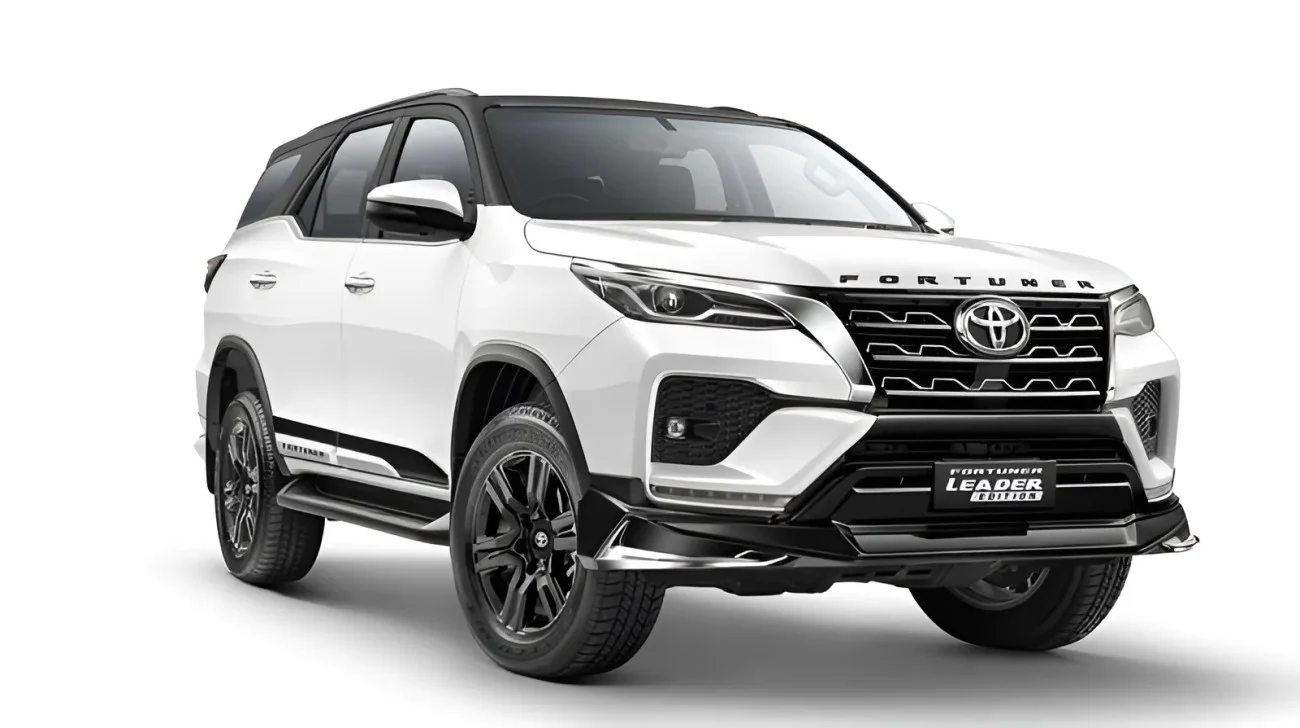
Breaking Down the Total Landing Cost of a Toyota Fortuner
When you look at a Fortuner parked in a showroom along Ngong Road or Mombasa Road, the price tag often includes a significant dealer markup.
To understand the real cost, you have to look at the “landing cost”—the sum of the purchase price in Japan, shipping (CIF), and the taxes paid to the Kenya Revenue Authority (KRA).
For a 2019 model being imported in 2026, the depreciation is capped at 70% by the KRA, which significantly influences the final tax bill.
The CIF (Cost, Insurance, and Freight) for a clean, Auction Grade 4.5 Toyota Fortuner typically fluctuates between $28,000 and $38,000.
Once the vehicle hits the Port of Mombasa, you are met with the tax regime.
The biggest variable is the Excise Duty, which is calculated based on the engine displacement.
The 2.8L diesel variants attract higher excise taxes compared to the 2.4L units, making the latter a more popular choice for budget-conscious buyers who still want the ruggedness of a body-on-frame SUV.
Choosing to work with Enan Motors allows you to see the exact breakdown of these costs.
Unlike local yards where the history of the car is often a mystery, we provide the original Japanese auction sheet.
This transparency ensures you aren’t paying a premium for a vehicle with a hidden accident history or a tampered odometer, which are common issues in the local used car market.
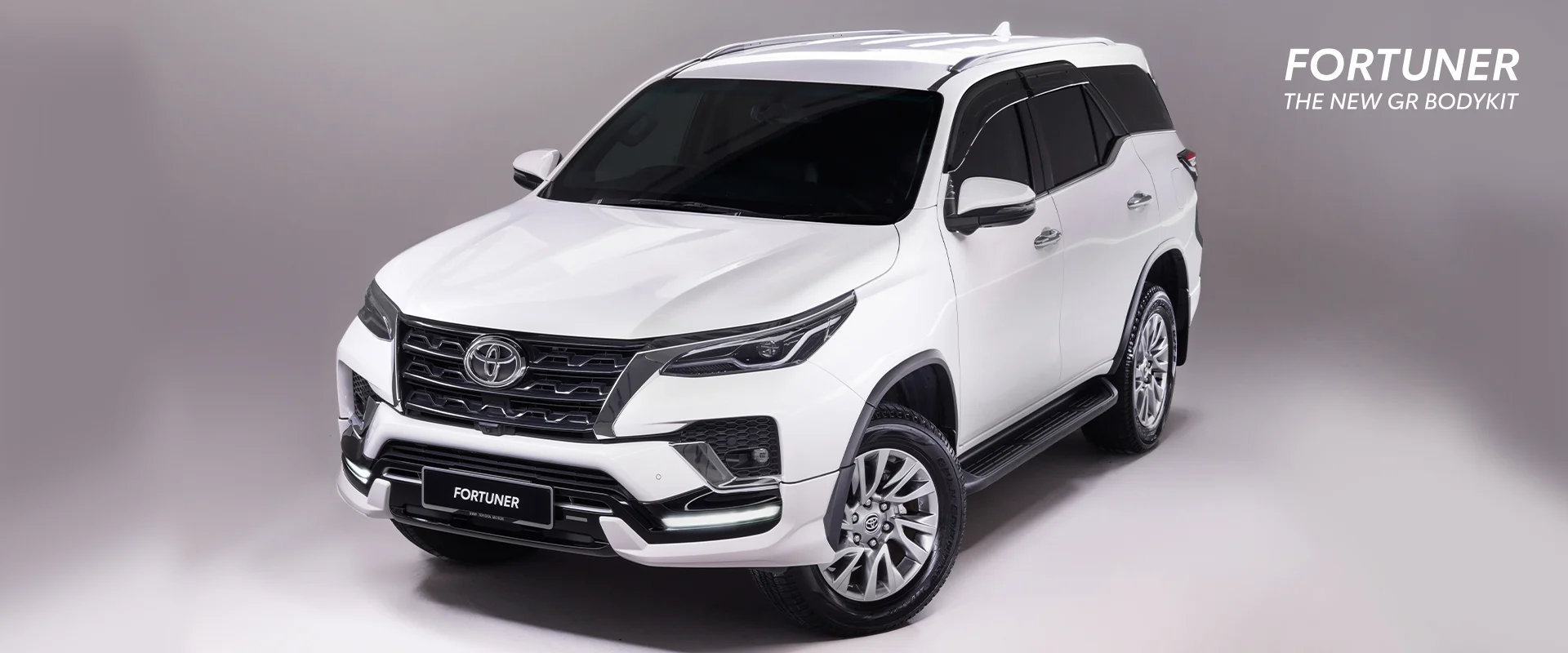
The 8-Year Rule and 2026 Import Realities
The Kenyan automotive landscape is strictly governed by the “8-year rule,” which dictates that no vehicle older than eight years from the year of first registration can be imported.
As we navigate through 2026, the oldest Fortuner you can legally bring into the country is a 2019 model.
This shift has pushed the entry-level price higher, as older, cheaper 2016 and 2017 models are no longer eligible for fresh importation.
Every vehicle must undergo a mandatory pre-export inspection by QISJ (Quality Inspection Services Japan).
This inspection ensures the car meets Kenya Bureau of Standards (KEBS) requirements.
If a car fails the QISJ inspection in Japan, it cannot be shipped.
This is a crucial safeguard for the buyer, ensuring that the 2019 or 2020 Fortuner you are eyeing is mechanically sound and environmentally compliant before you commit your hard-earned shillings.
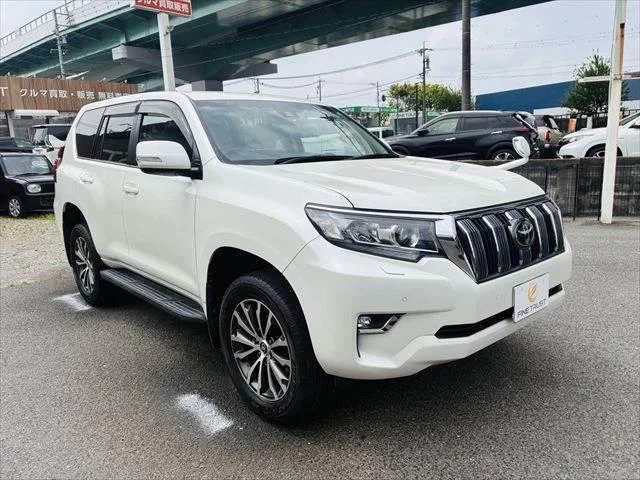
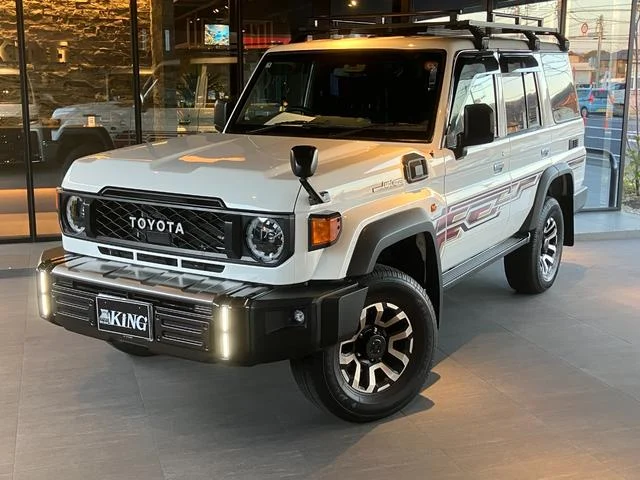
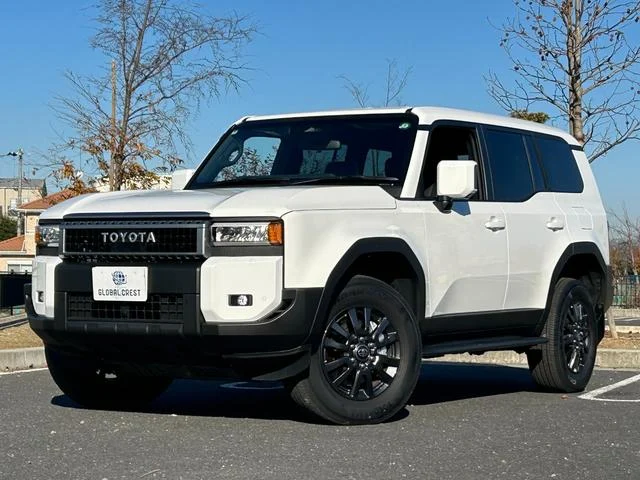
For those looking for something even more prestigious than the Fortuner, we often see clients comparing it to the Toyota Land Cruiser Prado.
While the Prado offers more cabin refinement, the Fortuner remains the king of “value for money” for those who frequent rough terrains in places like Narok or Laikipia but still want a vehicle that looks sharp on the Nairobi Expressway.
Looking for a specific grade?
Check our current inventory of high-quality Japanese imports ready for the Kenyan road.
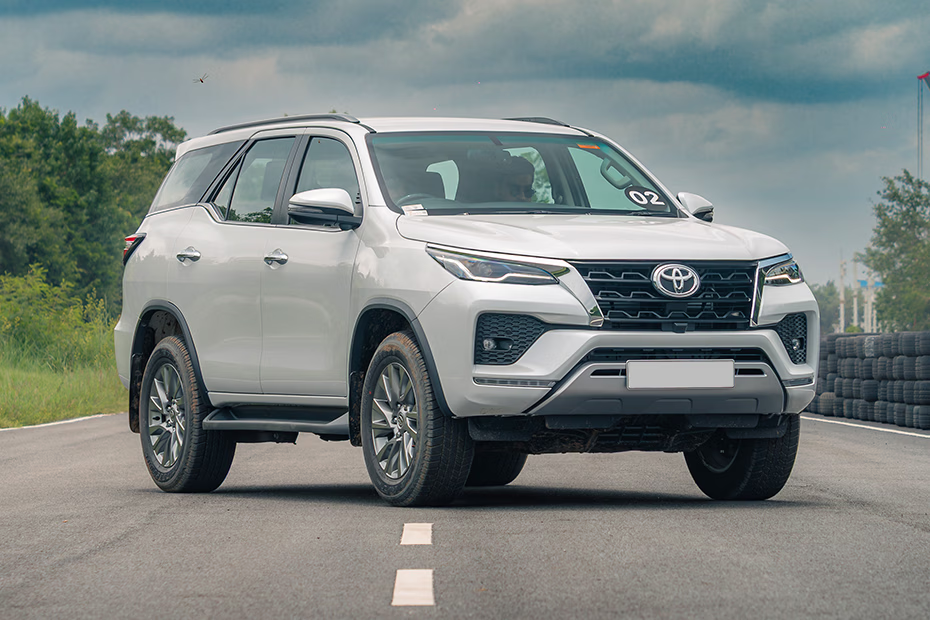
Engine Variations: 2.4L vs. 2.8L Diesel Duty Impact
The engine you choose doesn’t just change the driving dynamics; it fundamentally alters the Toyota Fortuner cost in Kenya.
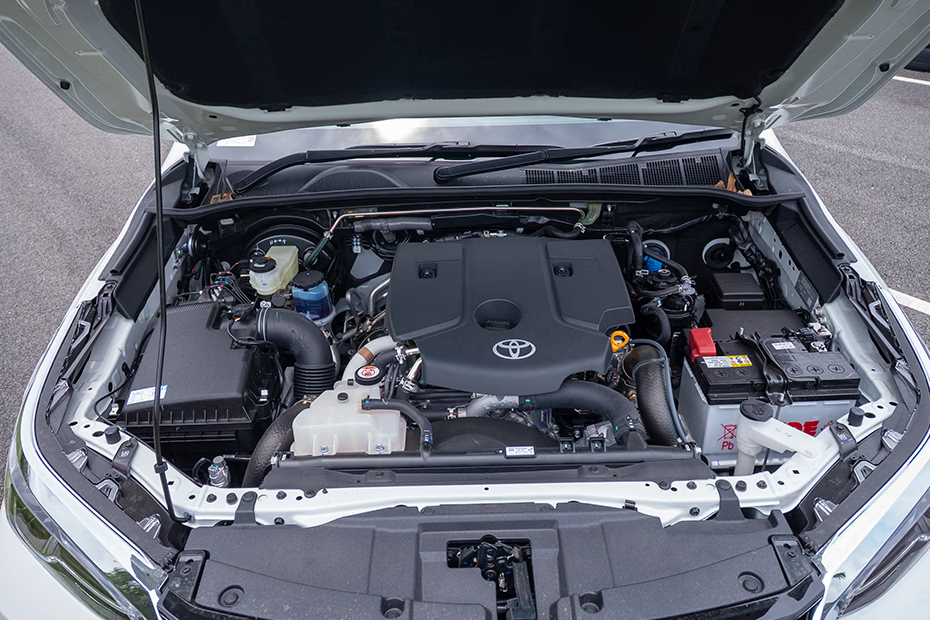
The 2.4L 2GD-FTV engine is the workhorse of the range.
It is efficient and falls into a slightly lower tax bracket for Excise Duty.
Most buyers in Nairobi prefer this engine because it balances power for highway overtaking with reasonable fuel consumption during the “stop-and-go” traffic on Uhuru Highway.
The 2.8L 1GD-FTV engine, found in the Sigma 4 and GR-Sport trims, is a different beast altogether.
It offers significantly more torque, which is essential if you plan on heavy towing or frequent off-roading.
However, the KRA valuation for the 2.8L models is higher.
You should expect to pay an additional KES 400,000 to KES 700,000 in total landing costs for a 2.8L engine compared to a 2.4L engine of the same year and grade.
If you are undecided on which engine suits your lifestyle, the import process at Enan Motors includes a detailed consultation where we calculate the exact duty for both options.
This allows you to make an informed decision based on your budget and performance needs.
We handle the KRA iTax documentation and the NTSA Logbook transfer, so the car is ready for the road as soon as it leaves the port.
Why Importing via Enan Motors Beats Local Car Yards
The “real talk” about buying from a local car yard is the markup.
A dealer has to cover showroom rent, security, and interest on their financing, which usually adds KES 500,000 to KES 1,000,000 to the price of the car.
By importing directly through us, you bypass these overheads.
You are essentially buying at the “wholesale” price from the Japanese auction and only paying for the service of logistics and clearing.
Furthermore, the variety available in Japan is unmatched.
While a local yard might have two or three Fortuners in stock, the Japanese auctions offer hundreds of units weekly.
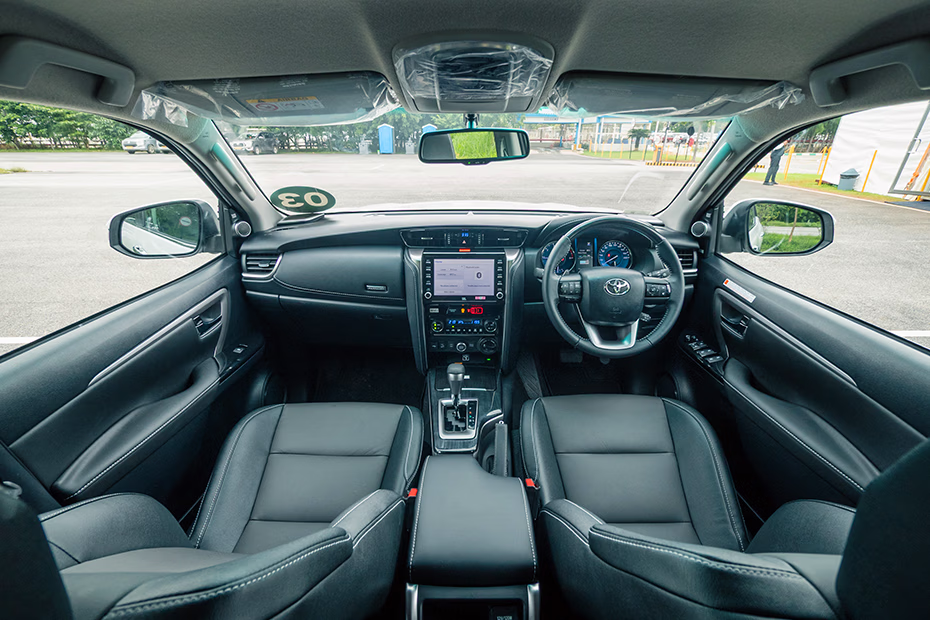
You can specify the color, the interior trim (like the premium leather in the VRZ models), and even look for specific features like the 360-degree camera or power tailgate.
This level of customization is only possible through a direct Toyota import.
We also see a rising interest in alternatives like the Mitsubishi Pajero Sport or the Mazda CX 5 for those who want a softer ride.
However, the Fortuner’s resale value in areas like Nyali or Karen remains significantly higher, making it a better long-term investment.
The reliability of the GD engines means that even after five years of Kenyan use, your Fortuner will still command a premium price in the second-hand market.
Ready to start your journey? Message us on WhatsApp for a customized quote today.
Logistics: From Japanese Auctions to the Nairobi Expressway
Once you bid and win a Fortuner at auction, the logistics chain begins.
The car is moved to the port of Yokohama or Nagoya, where it undergoes the QISJ inspection.
After passing, it is loaded onto a Ro-Ro (Roll-on/Roll-off) vessel.
The voyage to the Port of Mombasa typically takes 22 to 30 days.
During this time, we prepare the necessary documents: the Bill of Lading, the Export Certificate, and the commercial invoice.
Clearing at the port is where local expertise is vital.
A mistake in the KRA declaration can lead to costly delays or “demurrage” charges.
Enan Motors ensures that the valuation used is accurate to avoid unnecessary penalties.
After duty payment, the car is issued a sticker for the “K” series registration (e.g., KEM, KEN).
We then arrange for car carrier transport or a professional driver to bring the vehicle to Nairobi for final detailing and delivery.
This process is far more rewarding than simply picking a car off a lot.
You get to see the “Birth Certificate” (Auction Sheet) of your vehicle.
You know it was a Grade 4.5 car with no structural damage.
That peace of mind is what we specialize in at About Enan Motors.
We don’t just sell cars; we facilitate a transparent investment into your mobility.
Conclusion
Calculating the Toyota Fortuner cost in Kenya requires looking beyond the sticker price and understanding the nuances of KRA duties, engine specs, and the 8-year rule.
While a 2019-2021 model will cost between KES 5.8M and 8.5M, the value lies in the vehicle’s legendary reliability and high resale potential.
By choosing to import directly through Enan Motors, you ensure total transparency, avoid dealer markups, and get a vehicle whose history is fully verified.
We bridge the gap between the Japanese auction floor and your driveway, providing a seamless, expert-led experience that prioritizes your peace of mind and financial savvy.
Take the next step toward owning your dream SUV. Contact our team of experts for a detailed duty breakdown and shipping schedule.
Phone: Call us on 0723 328 339
WhatsApp: Message us on WhatsApp