
Introduction: Why Importing from Japan Is Trending in 2026
In the Kenyan motor vehicle market, the trend of direct importation from Japan continues to accelerate, especially as local yard prices seem to inflate year after year while inventory remains limited.
Savvy buyers have realized that buying from a local car yard introduces several layers of risk, primarily concerning mileage tampering and hidden accident history, which dramatically affect the vehicle’s long-term value and safety.
When you choose to import directly, you gain access to the verified Japanese auction sheets, which disclose the true quality, condition grade, and history of the vehicle before a single shilling changes hands, giving you peace of mind that a dealer operating locally simply cannot provide.
This transparency, coupled with the ability to eliminate exaggerated local dealer markups and overheads, makes the direct importation method the smartest financial choice for those seeking true value and verifiable quality in 2026.
Furthermore, the variety of vehicles available in the Japanese market dwarfs what you will ever find sitting in a limited Kenyan showroom, offering unparalleled choice whether you are looking for a reliable SUV, a performance sedan, or a niche European import that spent its life primarily in Japan.
Rather than settling for the limited number of available cars in local yards—cars often chosen for quick turnover rather than quality—direct importation allows you to select the exact specifications, color, and features you desire.
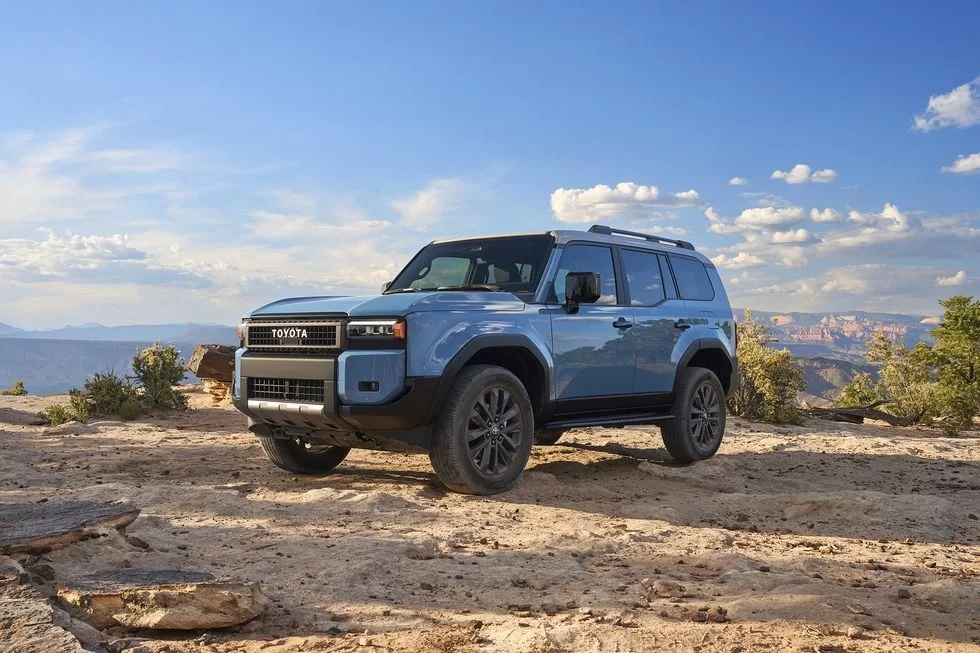
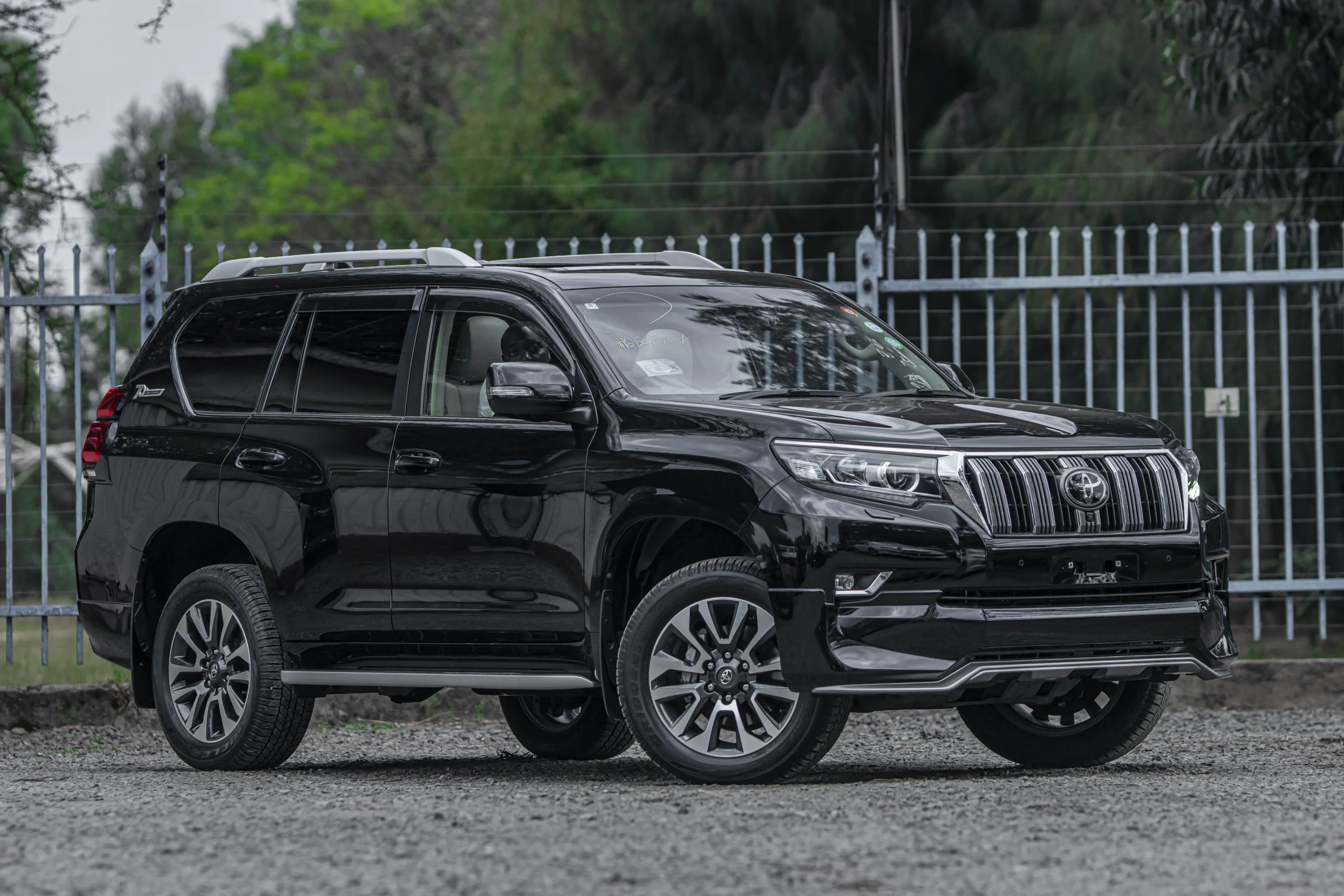
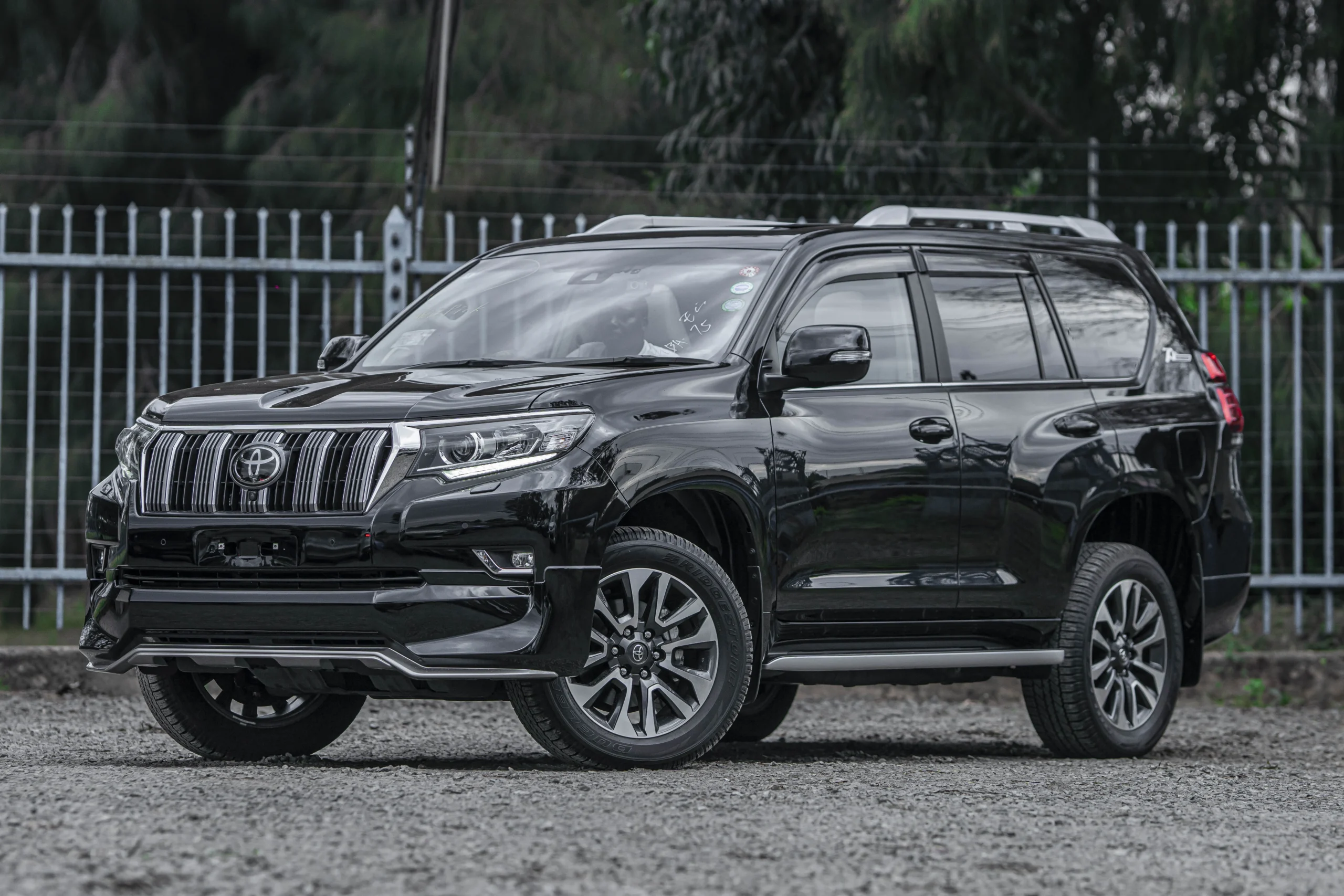
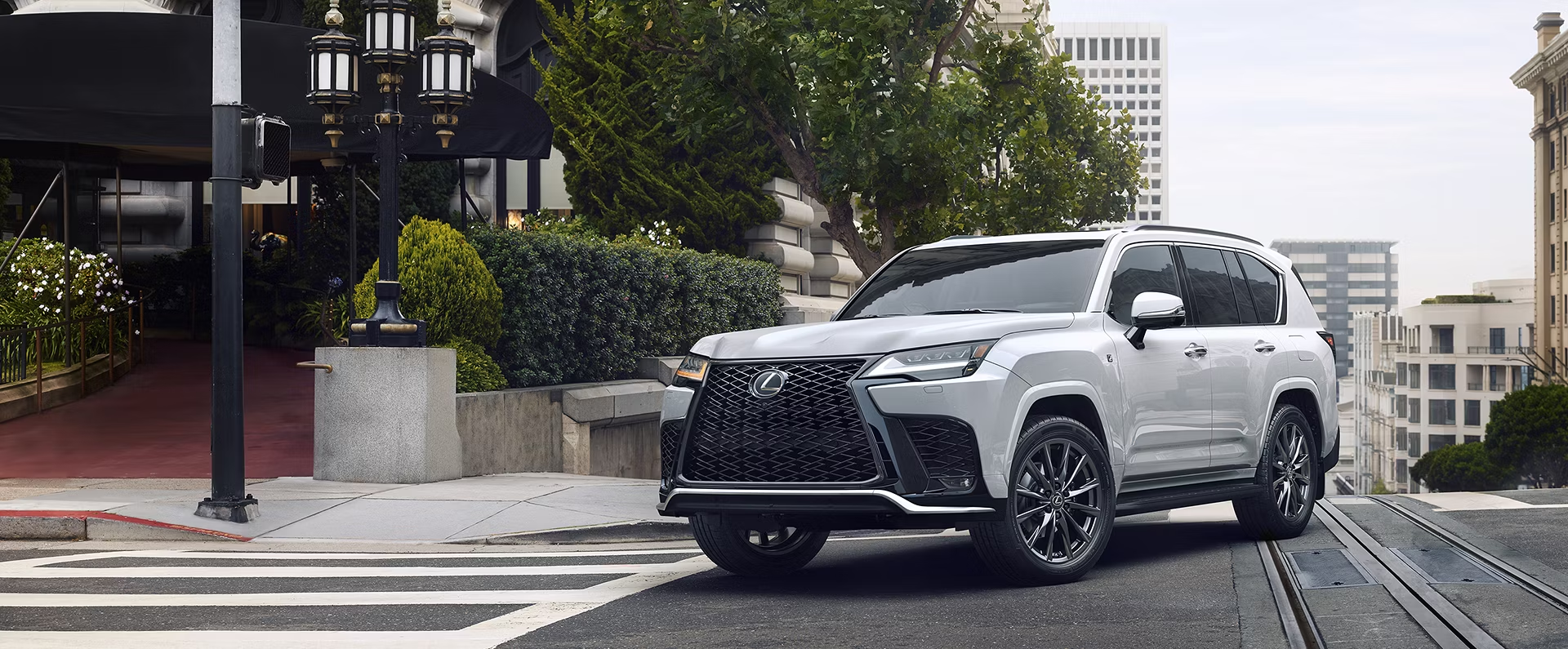
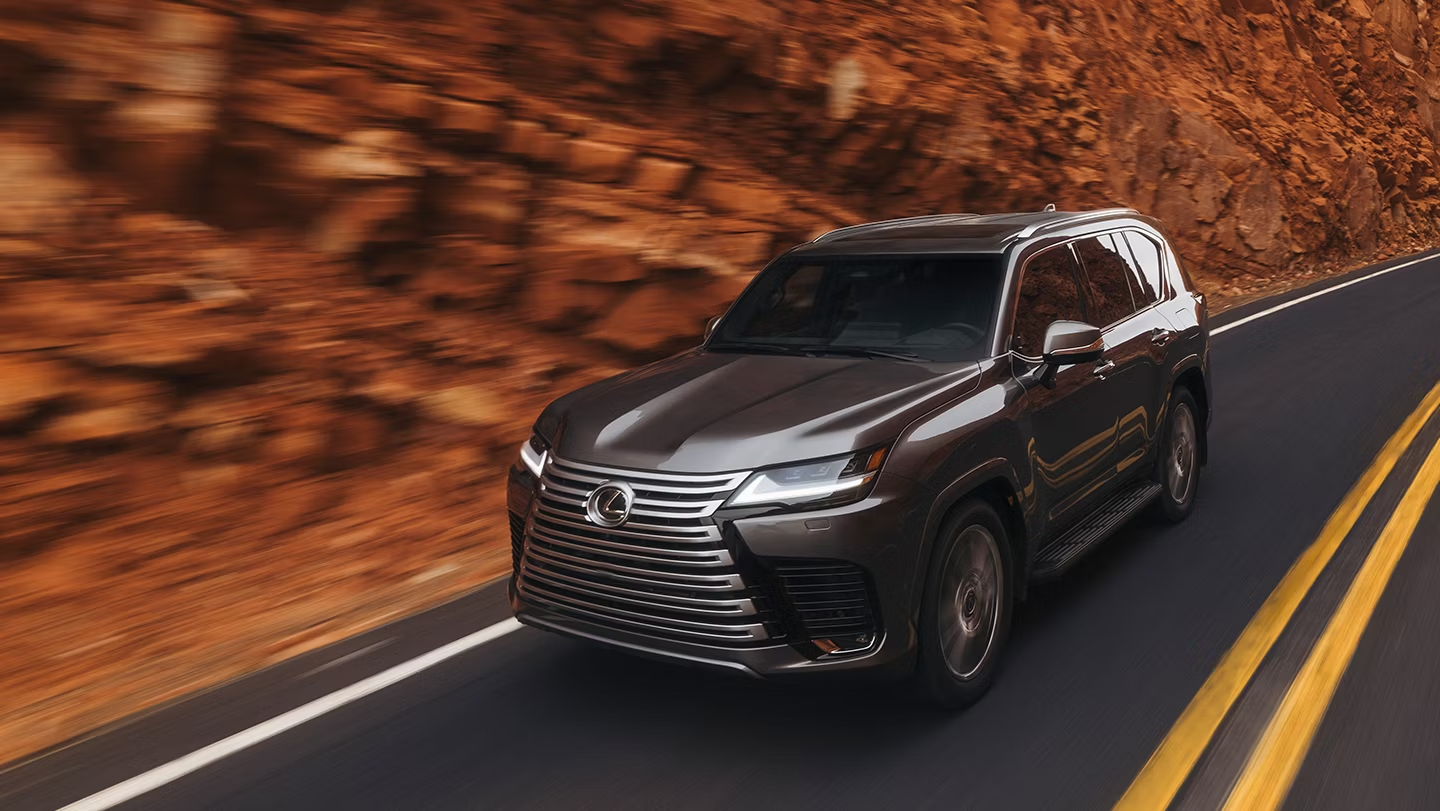
At Enan Motors, we guide clients through this vast inventory, helping them source pristine condition vehicles, such as the powerful Lexus LX 600 or the dependable Toyota Land Cruiser Prado, ensuring that the car you receive perfectly matches your specific requirements and budget, eliminating the need to compromise on your ideal specifications.
Kenyan Import Regulations and Requirements for 2026
Before you even begin browsing Japanese auction sites, the most critical step is understanding the stringent Kenyan import regulations enforced by the Kenya Revenue Authority (KRA) and the Kenya Bureau of Standards (KEBS).
The most important rule remains the 8-year age limit; as of 2026, only vehicles registered on or after January 1, 2019, are eligible for import, calculated from the date of first registration, not the manufacture date.
Secondly, Kenya strictly mandates that all vehicles must be Right-Hand Drive (RHD), effectively banning the import of LHD vehicles, a rule designed for road safety and compliance with our local driving infrastructure.
Lastly, and perhaps most crucially, every imported vehicle requires a Certificate of Roadworthiness from an appointed Pre-shipment Inspection (PSI) provider like QISJ or JEVIC; without this certificate issued in Japan, the vehicle will be denied entry into Mombasa, resulting in painful penalties and forced re-exportation, costing you potentially hundreds of thousands of shillings.
The necessary documentation trail is equally non-negotiable for smooth clearance at the port.
You must have the original Bill of Lading (which acts as the title deed for the goods during shipping), the vehicle’s original Japanese export certificate/logbook, the commercial invoice, and the crucial KEBS Roadworthiness Certificate.
KRA will scrutinize these documents heavily to determine the exact tax payable.
Failing to present complete and correct paperwork means your car will sit at the Mombasa port, accumulating expensive storage demurrage charges of approximately Ksh 4,500 per day.
This is where an experienced partner like Enan Motors becomes essential, ensuring all regulatory boxes are ticked in Japan before the vehicle even sails, thereby guaranteeing compliance with every facet of the Import process necessary for hassle-free entry into Kenya.
Choosing the Right Japanese Vehicle for the Kenyan Market
When selecting a car in Japan for importation into Kenya, it is vital to prioritize practicality, reliability, and local maintainability over simple aesthetic appeal or cheap purchase price.
The Kenyan market heavily favors Japanese brands like Toyota, Honda, and Mazda because their parts are readily available, mechanics understand their engineering intricacies, and they generally hold their resale value extremely well.
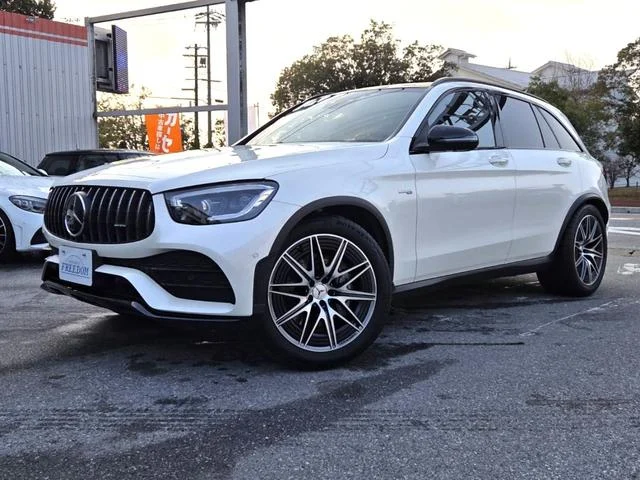
While luxury brands like Lexus, Mercedes Benz, and BMW are certainly accessible through Japanese auctions, prospective owners must factor in the higher servicing costs and potentially specialized parts requirements once the car is on Kenyan soil, even for models like the Mercedes GLE or the sporty BMW X6.
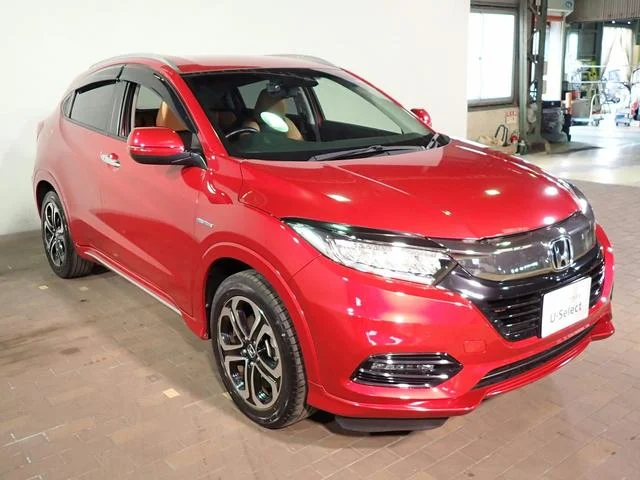
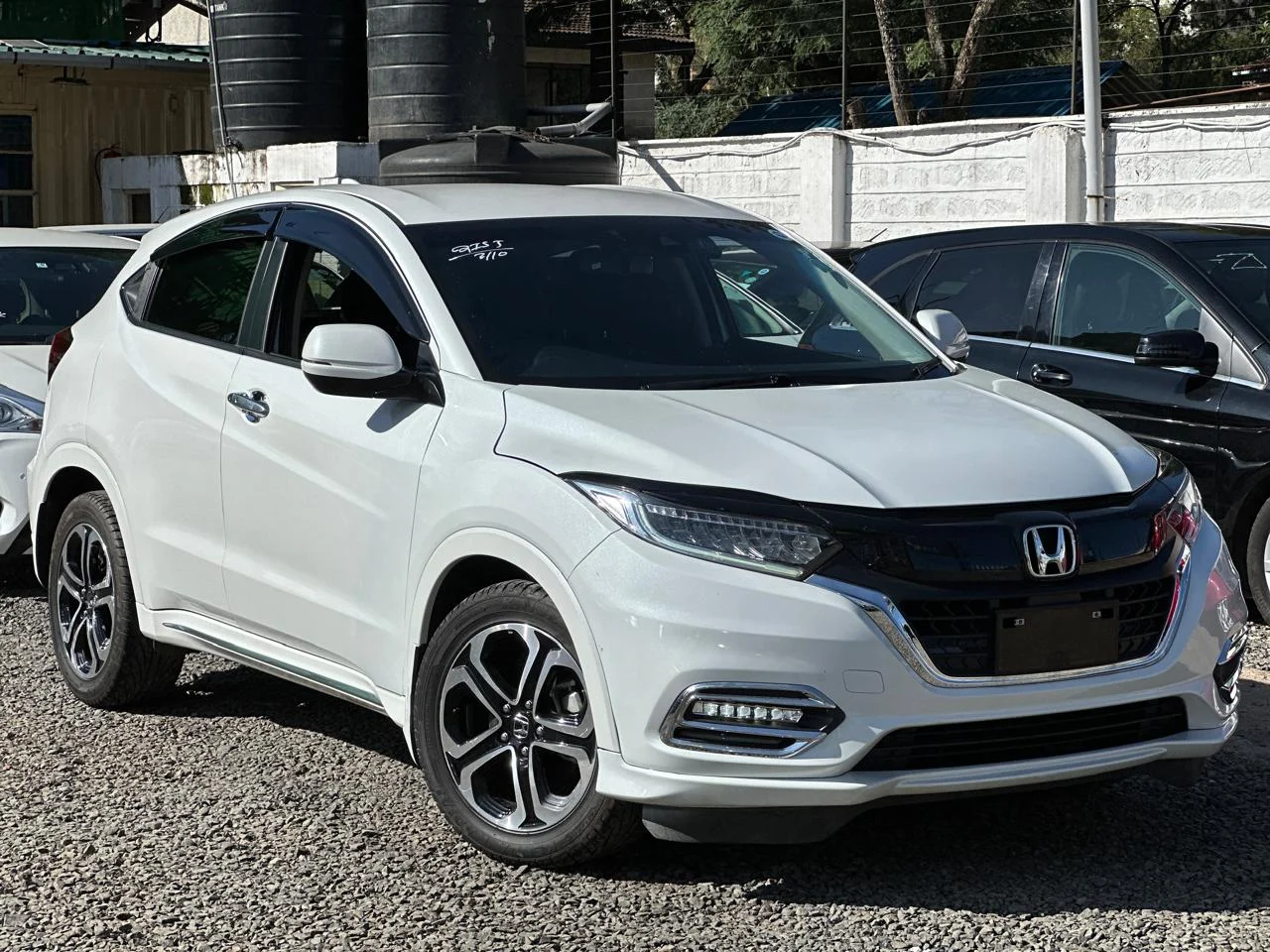
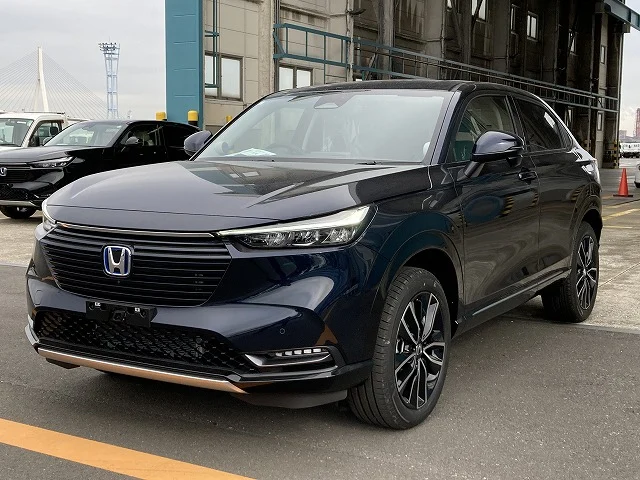
Furthermore, prioritize vehicles built for reliability, ensuring models such as the popular Toyota Harrier or the efficient Honda Vezel are chosen with minimal mileage, often under 80,000 km, because maintenance history in Japan is often meticulously documented, giving you a clear picture of the car’s true condition.
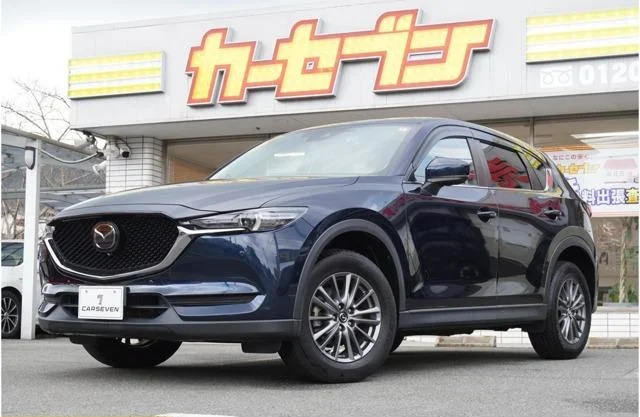
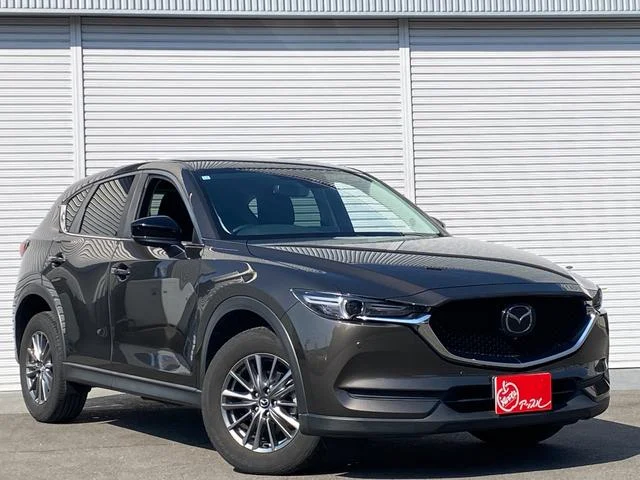
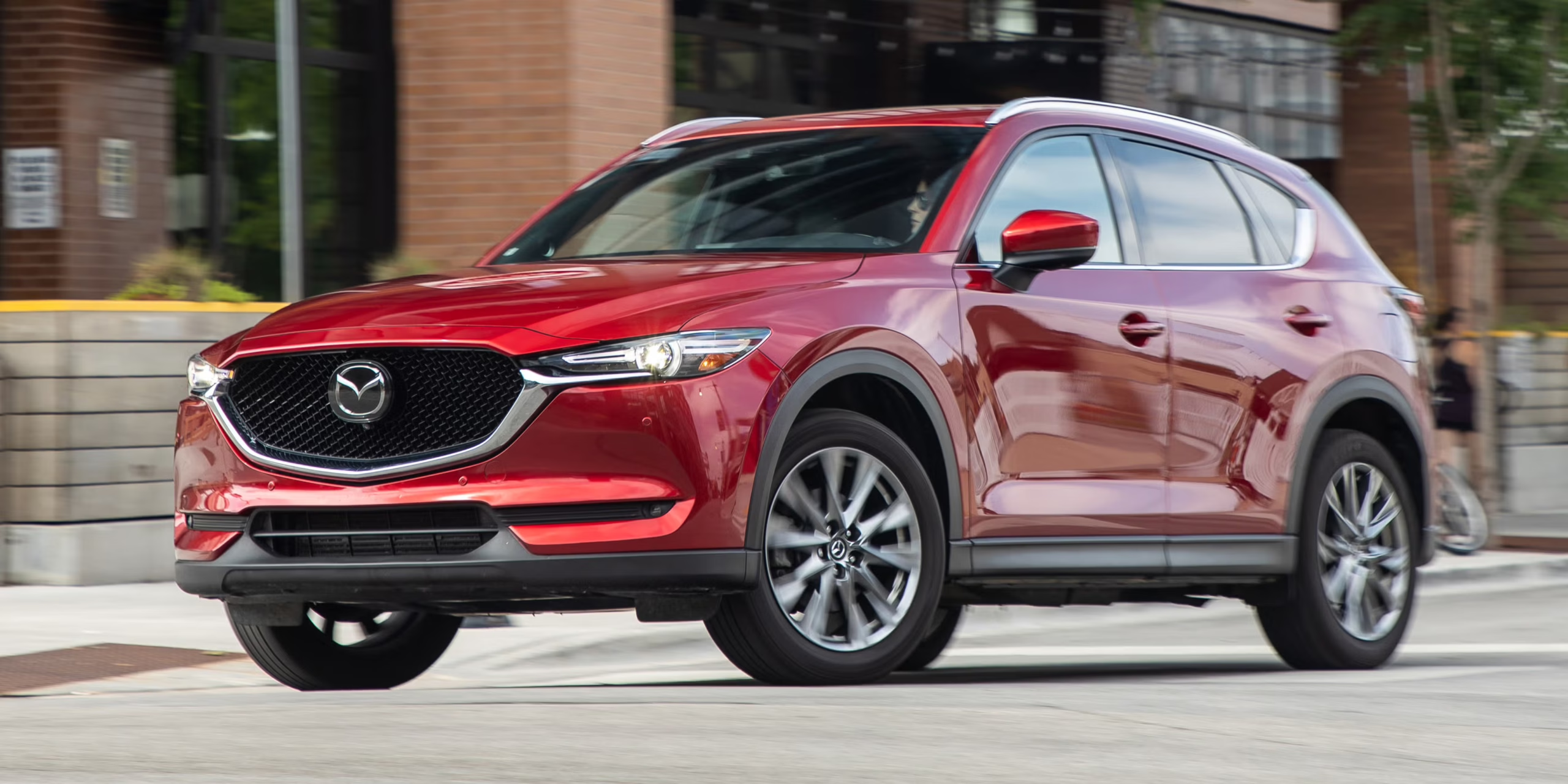
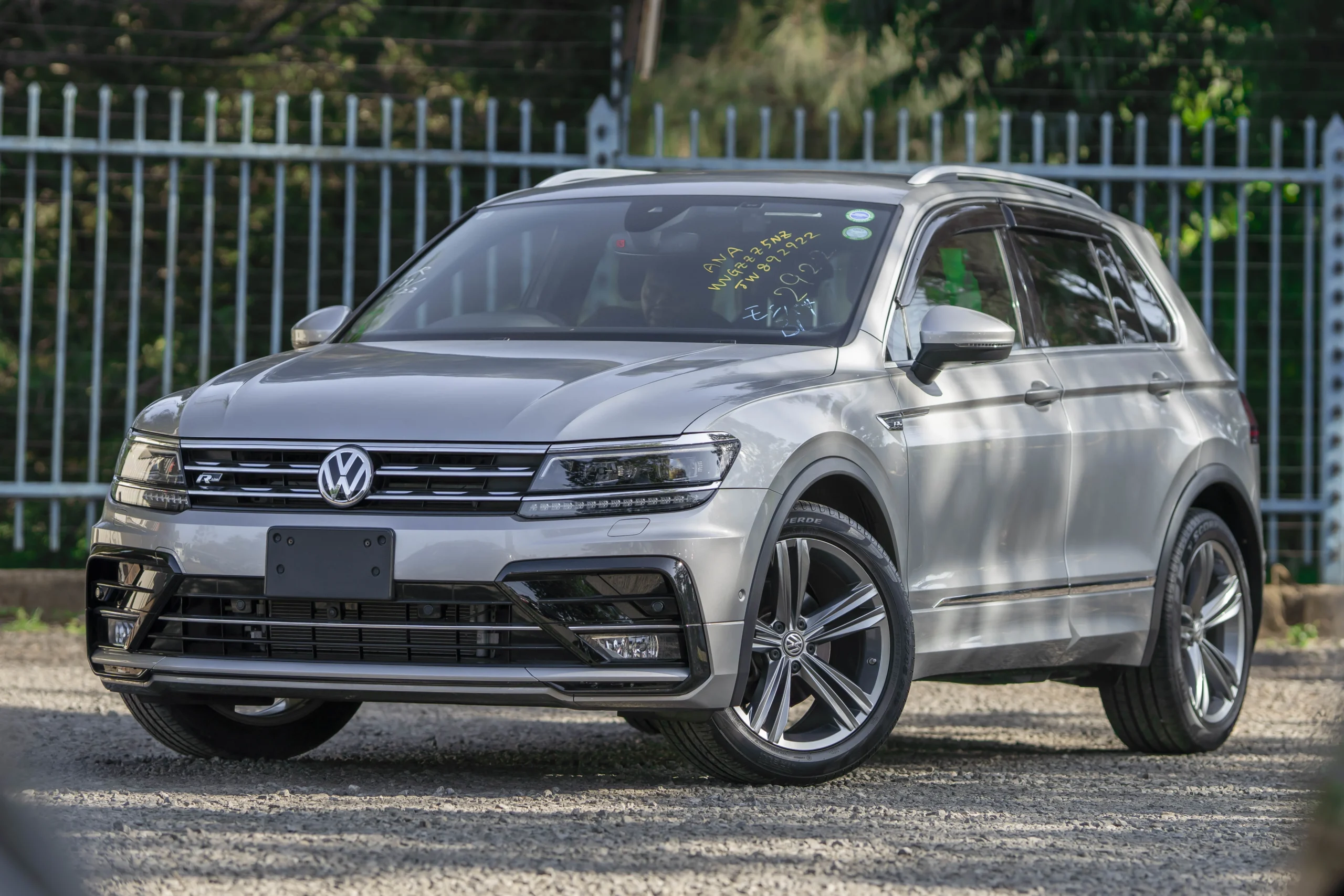
Consider the typical usage patterns and road conditions in Kenya; while a sleek low-slung sedan might look attractive in Tokyo, vehicles with higher ground clearance, such as the Mazda CX 5 or the rugged Volkswagen Tiguan, are far more suitable for tackling our varied road networks, including rural and patched urban infrastructure.
The Japanese market provides access to thousands of meticulously maintained examples of models perfect for Kenya, unlike local yards where options are severely limited.
For instance, finding a high-grade Mazda Axela with verifiable low mileage is straightforward when bidding through auctions, but almost impossible to guarantee when relying on cars already driven locally.
This ability to choose specific grades and guaranteed conditions is the singular biggest advantage of sourcing directly from Japan, maximizing both your investment and your driving experience for years to come.
Finding a Reputable Japanese Exporter or Auction House
The success or failure of your importation journey hinges almost entirely on the trustworthiness and transparency of your Japanese exporter or sourcing partner; this is the stage where most new importers fall prey to scams or hidden costs.
Never rely on an exporter that refuses to provide the original auction sheet or verified vehicle history, as this is the only document that truly guarantees the car’s condition, highlighting any prior damage (even minor dents or paintwork) and confirming the mileage, which is often digitally tampered with by unscrupulous local dealers.
A reputable exporter should give you direct access to the auction systems or provide detailed, high-resolution photos and video inspections of the car before you commit to purchase, ensuring you know exactly what you are buying, avoiding the “what you see is what you get” gamble common in local yards.
Working directly with an established entity like Enan Motors removes this risk entirely, as we operate with complete transparency, sourcing high-grade vehicles from verified auctions and professional dealers across Japan.
We do not just buy the cheapest cars; we prioritize quality and verifiable history, ensuring that whether you are importing a reliable Mitsubishi or a luxury Volkswagen, you receive full auction sheet disclosure and a detailed condition report.
Our role is to act as your eyes and ears in Japan, negotiating the best auction price and managing all logistics, providing fixed, all-inclusive quotes up front.
This eliminates the uncertainty of hidden port charges and fluctuating exchange rates, giving you full financial clarity before the shipment even begins.
If you are serious about securing a quality vehicle without the risk associated with opaque dealings, we encourage you to Message us on WhatsApp today to discuss our sourcing guarantees.
Shipping and Logistics: From Port to Destination
Once your vehicle has been successfully purchased and the mandatory KEBS inspection passed, the next phase involves shipping, which usually takes between 30 and 45 days from Japanese ports like Yokohama or Kobe to the Port of Mombasa.
The standard method used for vehicle importation is Roll-on/Roll-off (RoRo), where the car is driven onto the ship at the departure port and driven off at the destination, which is the most cost-effective and common shipping solution.
You will typically agree on a price structure with your exporter: either Free On Board (FOB), meaning the price covers the car and local Japanese logistics only, leaving you responsible for shipping and insurance; or Cost, Insurance, and Freight (CIF), which provides an all-inclusive price covering the car, insurance, and the shipping cost to Mombasa.
Most importers prefer CIF pricing as it simplifies the logistics and financial planning, ensuring there are no nasty surprises regarding freight charges.
Insurance coverage during transit is non-negotiable; while RoRo shipping is highly efficient, unexpected delays or minor handling damage can occur, so ensuring the vehicle is fully insured up to its CIF value provides crucial protection for your investment.
Furthermore, you must track the Expected Time of Arrival (ETA) closely, as KRA regulations require that customs clearance processes begin immediately upon the vessel’s arrival to avoid costly demurrage.
Miscalculating the logistics or delaying the appointment of a clearing agent can result in your car sitting at the port for weeks, incurring thousands of shillings in penalties.
A comprehensive service, such as the one offered by About Enan Motors, manages this entire logistical chain, providing constant tracking updates and preparing the necessary paperwork well in advance of the ship docking in Mombasa.

Customs Clearance, Duties, and Taxes in Kenya
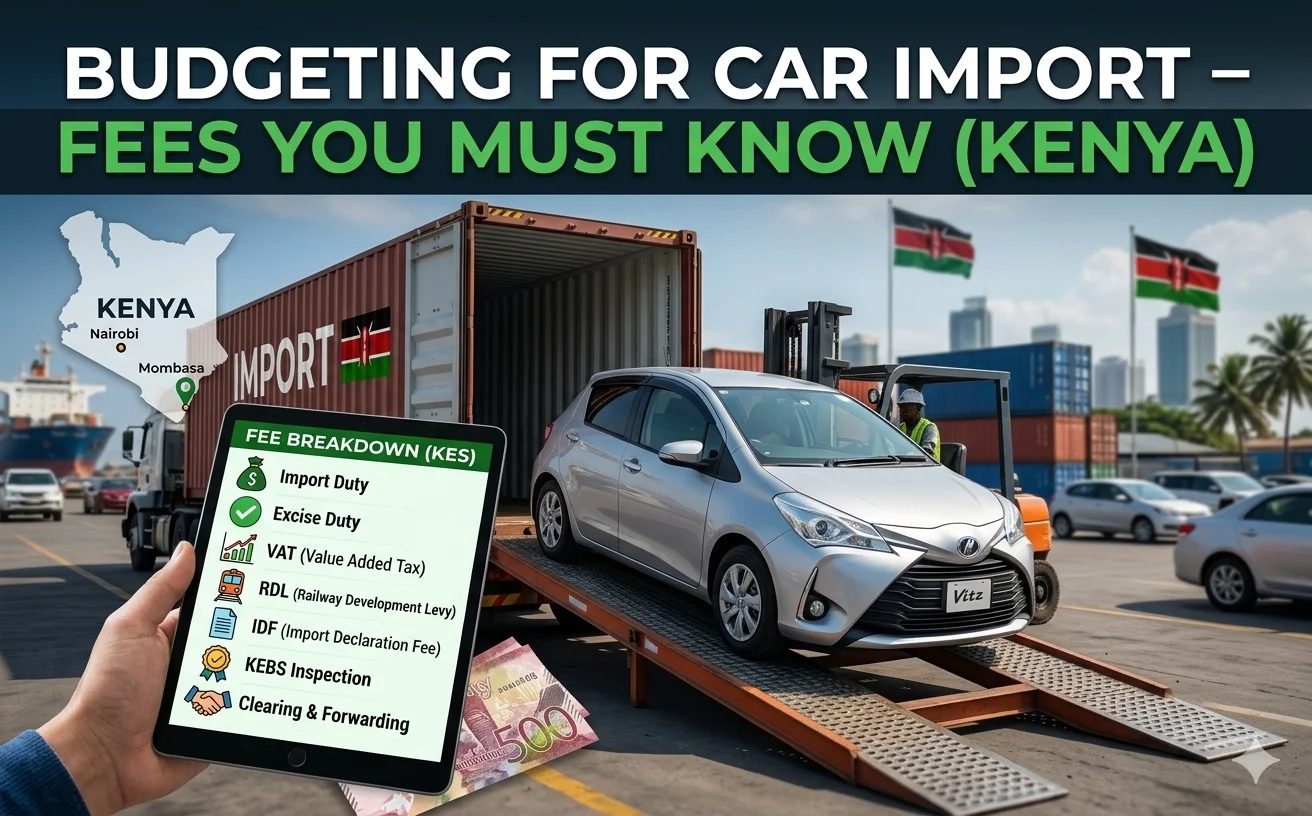
Customs clearance is often the most complex and expensive stage of the import process, demanding an expert understanding of the constantly evolving KRA tariff codes and valuation methods.
The total duty and tax payable usually falls between 95% and 110% of the Customs Value of the vehicle, which is determined by KRA using the Current Retail Selling Price (CRSP) database, not the price you paid in Japan.
The key components of the tax structure include Import Duty (25% of Customs Value), Excise Duty (which varies based on engine capacity and CRSP), VAT (16%), Import Declaration Fee (IDF) at 2.25%, and Railway Development Levy (RDL) at 1.5%.
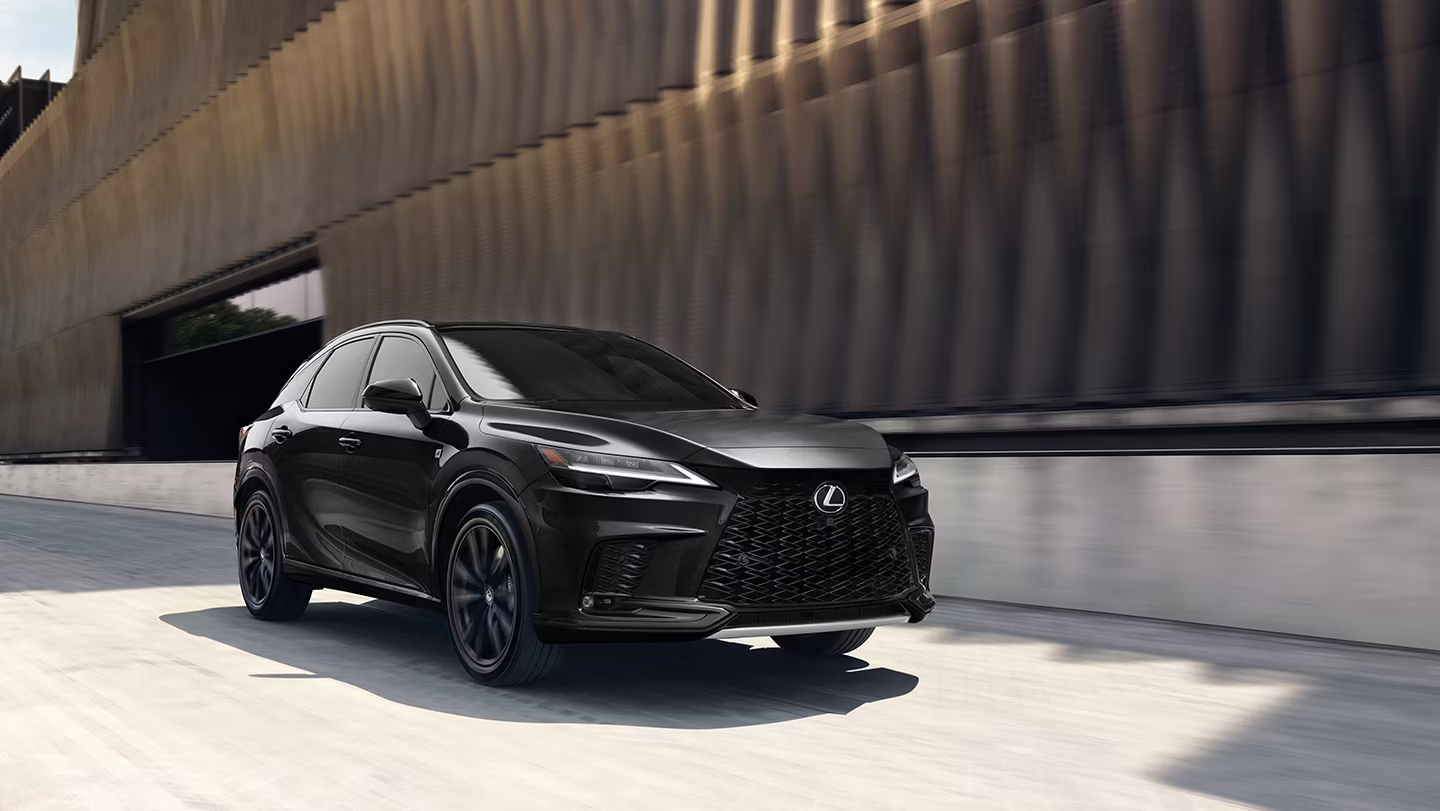
Because the final tax amount relies heavily on KRA’s valuation of the car, which can sometimes be subjective, it is absolutely essential to work with a reputable clearing agent who can accurately predict the final duty and navigate any potential disputes regarding the CRSP assigned to models like the high-end Lexus NX250.
Many local car brokers offer deceptively low “duty estimates,” only for the client to be hit with massive, unexpected tax demands upon arrival, leading to panic and forced borrowing.
We strongly advise against engaging in any form of tax evasion, such as undervaluing the car or falsely declaring the year of manufacture, as KRA has advanced systems for detection that result in heavy fines and seizure.
The Enan Motors methodology focuses on full financial transparency; we provide comprehensive, fixed-price quotes that include all predictable KRA duties, taxes, and clearing charges, allowing you to budget accurately without fear of surprise costs at the port.
By managing the clearance process in-house with dedicated, experienced agents, we ensure the vehicle is processed efficiently, minimizing the time it spends incurring charges at the port and getting it onto the road faster, whether it is a family Mitsubishi or a sturdy Honda.
Finalizing Registration and Road-Worthiness in Kenya
Once the KRA duties and taxes have been fully settled, and the vehicle is officially released from the Container Freight Station (CFS) in Mombasa, the final hurdle involves local registration and ensuring roadworthiness before you can legally drive the car.
The vehicle must be transported to a KRA-approved facility, typically in Nairobi or Mombasa, for final inspection and stamping of the chassis and engine numbers.
Following this physical verification, your clearing agent submits the final tax payment receipts and clearance documents to the National Transport and Safety Authority (NTSA) through the online e-Citizen platform for registration and number plate assignment.
This digital process has streamlined registration, but errors in data entry or missing documentation can still cause delays, especially when dealing with high-volume registrations of specific popular models.
The final registration step results in the issuance of the new Kenyan number plates and the generation of the vehicle’s digital logbook in your name, concluding the import process.
It is important to remember that even though the vehicle received a PVoC in Japan, local authorities conduct a physical review to confirm the details match the released documentation.
At this stage, the integrity of the paperwork generated by your importer is key.
If you are importing a reliable Lexus, for example, you want the logbook to accurately reflect all details immediately.
We handle all liaison with NTSA and KRA post-clearance, ensuring your new number plates are ready for fitting, allowing you to focus purely on enjoying your freshly imported, high-quality vehicle.
Expert Tips, Common Pitfalls, and Cost-Saving Strategies
Having navigated hundreds of successful imports for Kenyan clients, we can offer several expert tips to optimize your journey and minimize costs.
Firstly, timing your purchase is vital: currency fluctuations between the Kenyan Shilling (KES) and the Japanese Yen (JPY) can significantly alter the total price paid for a car, so monitoring exchange rate trends can save you substantial amounts when bidding.
Secondly, never chase the absolute cheapest car; often, the slight saving on the purchase price of a low-grade auction car is immediately wiped out by necessary mechanical repairs once it lands in Mombasa.
Investing slightly more upfront in a high-grade vehicle (Grade 4 or 4.5) guarantees better long-term reliability and fewer maintenance headaches on Kenyan roads.
A common pitfall we see importers facing is dealing with brokers who use non-verified sources in Japan, resulting in cars that have hidden flood damage or serious structural issues—problems that the required auction sheet transparency instantly prevents.
To truly save money, choose an importer like Enan Motors who provides a fixed, all-inclusive CIF and duty quote, eliminating hidden costs and demurrage risks entirely.
We advise clients to focus on models with excellent parts availability, such as the efficient Toyota range or specific BMW models favored locally.
By combining smart sourcing, financial transparency, and expert clearance management, we turn the daunting process of importation into a predictable and rewarding investment, setting you up with the perfect vehicle for the Kenyan environment.
For personalized guidance on securing the best deal, please Email us directly.
Conclusion
Importing a car from Japan to Kenya in 2026 is a highly rewarding endeavor that offers superior quality, transparency, and cost savings compared to purchasing locally, provided you meticulously follow the established step-by-step procedure.
From ensuring strict compliance with the 8-year age rule and securing the mandatory PVoC certificate to navigating the complex terrain of KRA valuation and customs duties, success lies in preparedness and partnering with genuine experts.
The core advantage remains transparency: knowing the precise condition of your vehicle through verified Japanese auction sheets allows you to make an informed, confident purchase, avoiding the pitfalls of hidden mileage and undisclosed damage.
If you are ready to secure a high-quality vehicle exactly tailored to your preferences, let Enan Motors be your trusted guide, offering end-to-end service, fixed pricing, and unmatched expertise in Japanese sourcing and Kenyan clearance. Call us today to start the process of importing your ideal car.
FAQ
- What is the maximum age limit for importing a car into Kenya in 2026?The maximum age limit is eight years from the date of first registration; therefore, as of January 2026, only vehicles first registered on or after January 1, 2019, are eligible for import into Kenya.
- Is the Pre-shipment Inspection (PVoC) mandatory for Japanese imports?Yes, the PVoC (Certificate of Roadworthiness) issued by appointed agents like QISJ or JEVIC in Japan is mandatory; without it, the car will be rejected upon arrival by KEBS.
- How are KRA duties and taxes calculated, and what percentage should I expect?Duties are calculated based on KRA’s valuation (CRSP), typically ranging from 95% to 110% of the Customs Value, comprising Import Duty, Excise Duty, VAT, IDF, and RDL.
- How long does the entire import process take from the purchase date to delivery in Nairobi?The entire process generally takes between 45 to 60 days, covering sourcing time in Japan (usually 1 week), sea transit (30-45 days), and customs clearance/NTSA registration (7-10 days).
- Is it cheaper to import directly or buy from a local car yard in Kenya?Direct importation is generally more affordable because it eliminates the significant overhead costs and profit markups applied by local car yards, often saving the buyer between Ksh 150,000 and Ksh 300,000 on mid-range vehicles.