
Why Importing a Car for a Disabled Person in Kenya Is Important
Mobility is not merely a convenience; for Persons With Disabilities (PWDs) in Kenya, having reliable, adapted transport is a cornerstone of independence, access to employment, and social inclusion, which is why the option of importing is far superior to struggling with limited local inventory.
While local car yards occasionally stock adapted vehicles, they rarely offer the specific customizations or modern features needed, often settling for generic conversions that don’t meet individual needs or the high standards required for safe operation, leading to unsatisfactory and expensive compromises.
Importing directly from Japan, as facilitated by firms like Enan Motors, allows the buyer to select exactly the specifications they need, such as a low-floor van or specific hand controls, ensuring the vehicle is purpose-built for the intended user from day one, rather than trying to retrofit an unsuitable local model.
This direct approach ensures dignity and practical functionality, allowing PWDs to navigate the busy streets of Nairobi and other major towns with confidence and ease, eliminating reliance on often inaccessible public transport.
Furthermore, one of the biggest challenges in the local market is transparency regarding a vehicle’s true condition and history, a concern that is magnified when dealing with specialized vehicles that rely heavily on mechanical integrity.
When you buy from a local yard, you are often taking the seller’s word for the car’s maintenance and mileage, but when importing from Japan, buyers gain access to the verified Japanese auction sheets, which provide an unbiased, detailed assessment of the vehicle’s quality, condition, and any accident history.
This transparency is invaluable, especially for adaptive vehicles where mechanical failure due to undisclosed defects could severely compromise safety and reliability, giving the buyer complete peace of mind before the ship even leaves port.
This access to choice and verified quality, combined with the significant tax exemptions available, makes importing the most financially sound and functionally superior decision for Kenyans seeking specialized mobility solutions.

Kenyan Laws and Regulations Governing Disabled Vehicle Imports
The Kenyan government, through the National Council for Persons with Disabilities (NCPWD) and the Kenya Revenue Authority (KRA), has established specific laws to facilitate the importation of adapted vehicles duty-free, but adherence to these regulations is non-negotiable for approval.
To qualify, the importer must be a registered PWD with the NCPWD and obtain a specific recommendation letter from the Council, which confirms the necessity of the vehicle and its specialized adaptations.
Critically, the vehicle must be imported under the individual’s name and cannot be transferred, leased, or sold to a non-PWD for a specified period (usually five years), a measure put in place to prevent the misuse of the tax exemption scheme by those trying to evade duties, making the process highly specific to the disabled individual.
Additionally, standard KRA import rules still apply concerning the vehicle’s age, which must be less than eight years from the first registration date, and while engine capacity restrictions often apply to duty-free goods, the KRA usually allows larger engines if the adaptation requires a larger vehicle, such as a van for wheelchair access, provided the NCPWD formally justifies the need.
The duty exemption process is highly scrutinized and requires meticulous documentation submitted to the KRA before the vehicle arrives at the port of Mombasa; any mistake or delay in documentation can result in the vehicle incurring standard duties and warehousing costs.
Specifically, the importer must demonstrate that the vehicle has necessary adaptive features, either factory-fitted or professionally installed prior to shipping, and these modifications must be clearly documented in the import papers.
Understanding these nuances—from the specific application form to the detailed physical verification by KRA officials upon arrival—is where the expertise of a specialized importer becomes vital, ensuring the complex bureaucratic hurdles are cleared efficiently and legally.
We highly recommend consulting with KRA directly or engaging a reliable expert like Enan Motors early in the process to ensure all criteria for importing a car for a disabled person in kenya are strictly met, protecting you from unexpected tax demands.
Selecting an Accessible Vehicle: Features and Model Recommendations
Choosing the right accessible vehicle requires careful consideration of the user’s specific disability, mobility needs, and the practicality of driving on Kenyan roads, prioritizing ease of access and robust mechanical reliability.
For wheelchair users, vehicles with factory-fitted “Welcab” features, which often include motorized ramps, lifts, or swivel seats, are ideal and minimize the need for costly local modifications; models like the Toyota Noah or Voxy, especially those purpose-built in Japan for accessibility, are highly popular in Kenya due to their height, spacious interiors, and readily available spare parts.
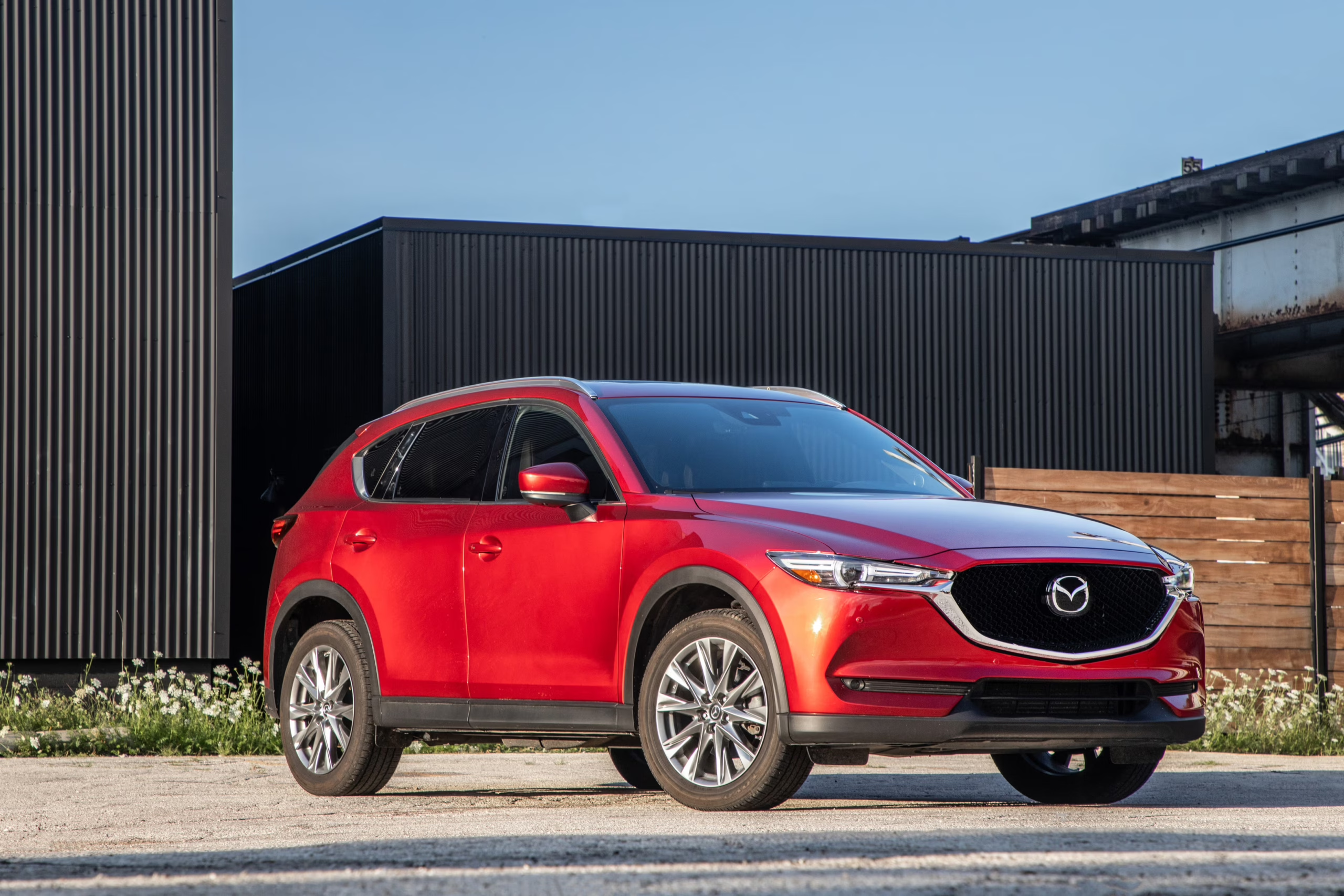
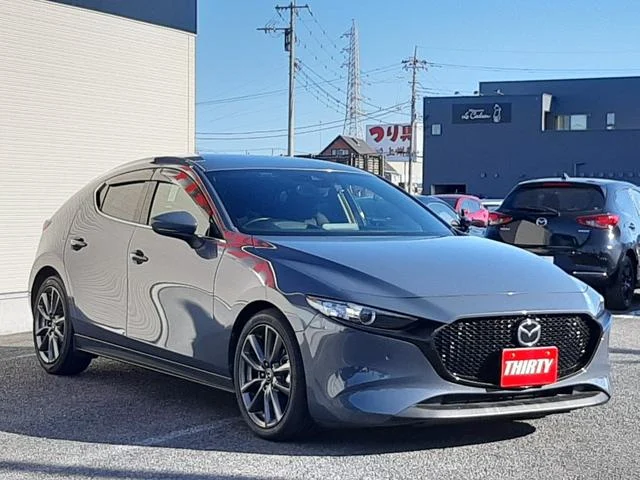
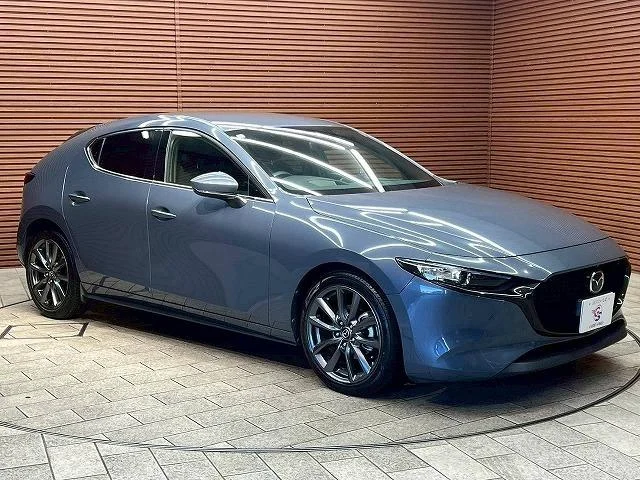
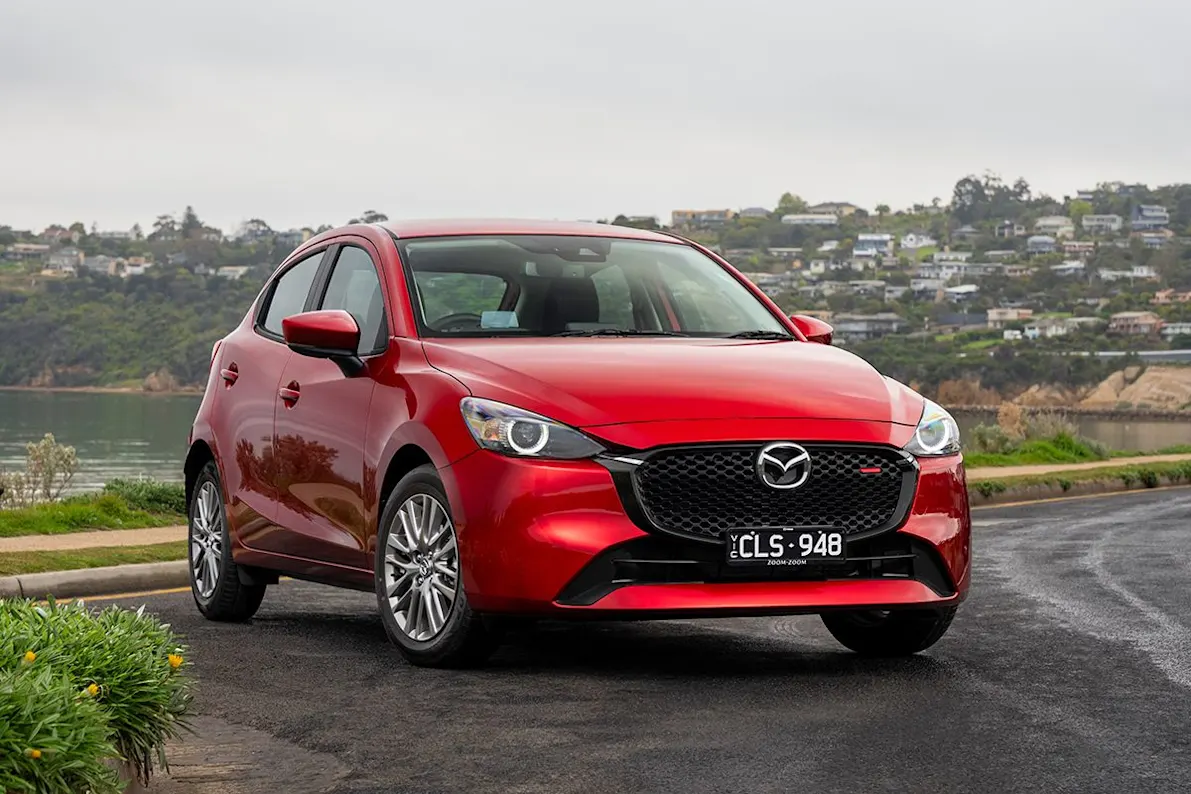
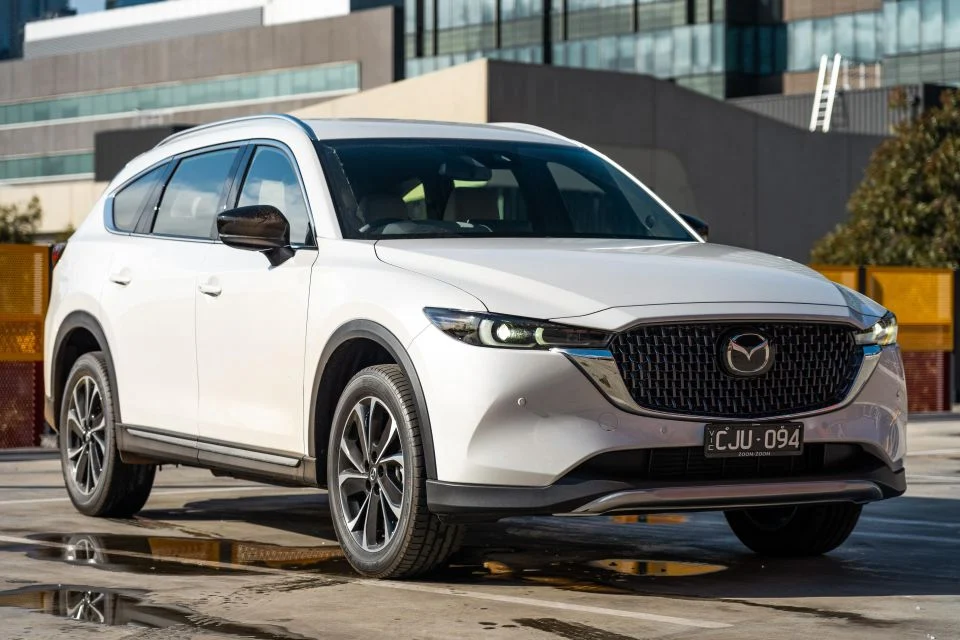
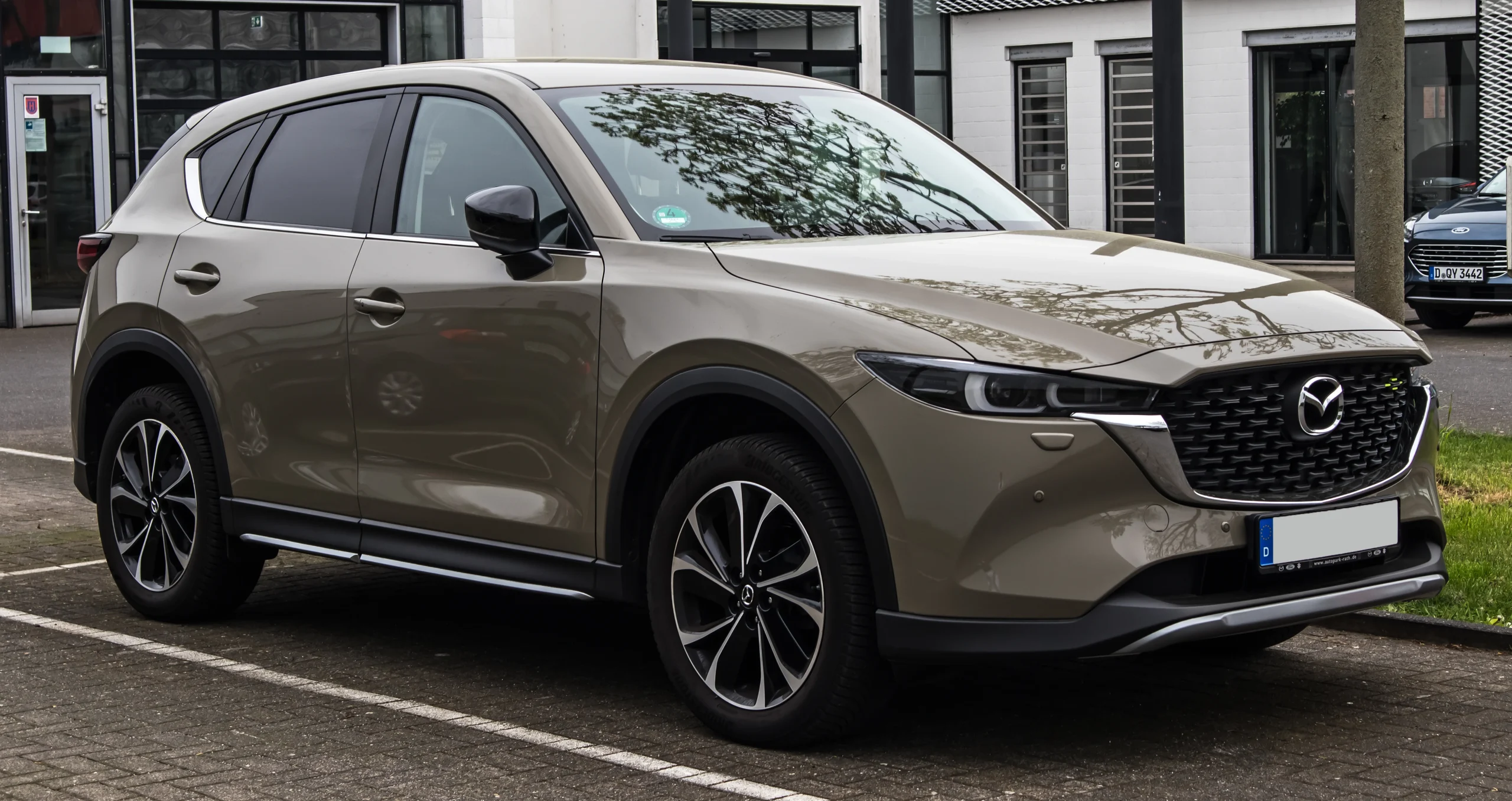
Alternatively, for users who require only basic hand controls, almost any automatic transmission compact SUV or sedan can be suitable for modification, provided the cabin space is adequate and the steering system is compatible with adaptive equipment, offering greater flexibility in brand choice, perhaps including reliable options like the Honda Freed or the highly maneuverable Mazda Axela.
When selecting a vehicle from the Japanese market, pay close attention to the vehicle’s wheelbase and ground clearance; while low floors are excellent for access, Kenya’s often challenging infrastructure, including speed bumps and unpaved roads outside urban centres, demands a balance between accessibility and practicality.
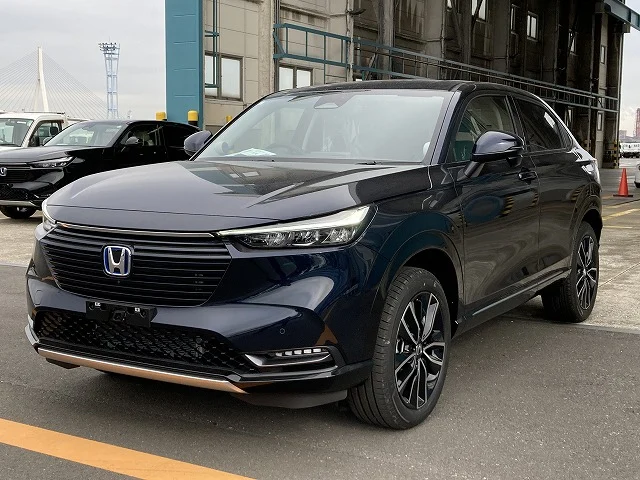
Vehicles like the Honda Vezel or the Volkswagen Tiguan offer a slightly higher stance, which can be advantageous for navigating rugged terrain, while still providing enough cabin space for adaptation.
It is crucial to source vehicles that have a proven track record of durability and readily available service manuals for Kenyan mechanics, as this significantly reduces long-term maintenance costs and minimizes downtime, a consideration often overlooked by novice importers but essential for ensuring sustained mobility and independence.
Enan Motors specializes in helping clients sift through the vast Japanese market to find models that are both highly adaptable and inherently reliable for the Kenyan environment.
The Complete Import Procedure: From Purchase to Clearance
The import procedure for a disabled vehicle begins long before the actual purchase, starting with securing the requisite NCPWD documentation and understanding the precise KRA requirements, which define the entire selection process.
Once the NCPWD approval letter is secured, the next step involves sourcing the specialized vehicle through a trusted agent, where the benefits of direct importation become clear: you can browse the extensive selection of adapted vehicles available in Japan via online auctions and inspect the verified condition reports provided by the auction house.
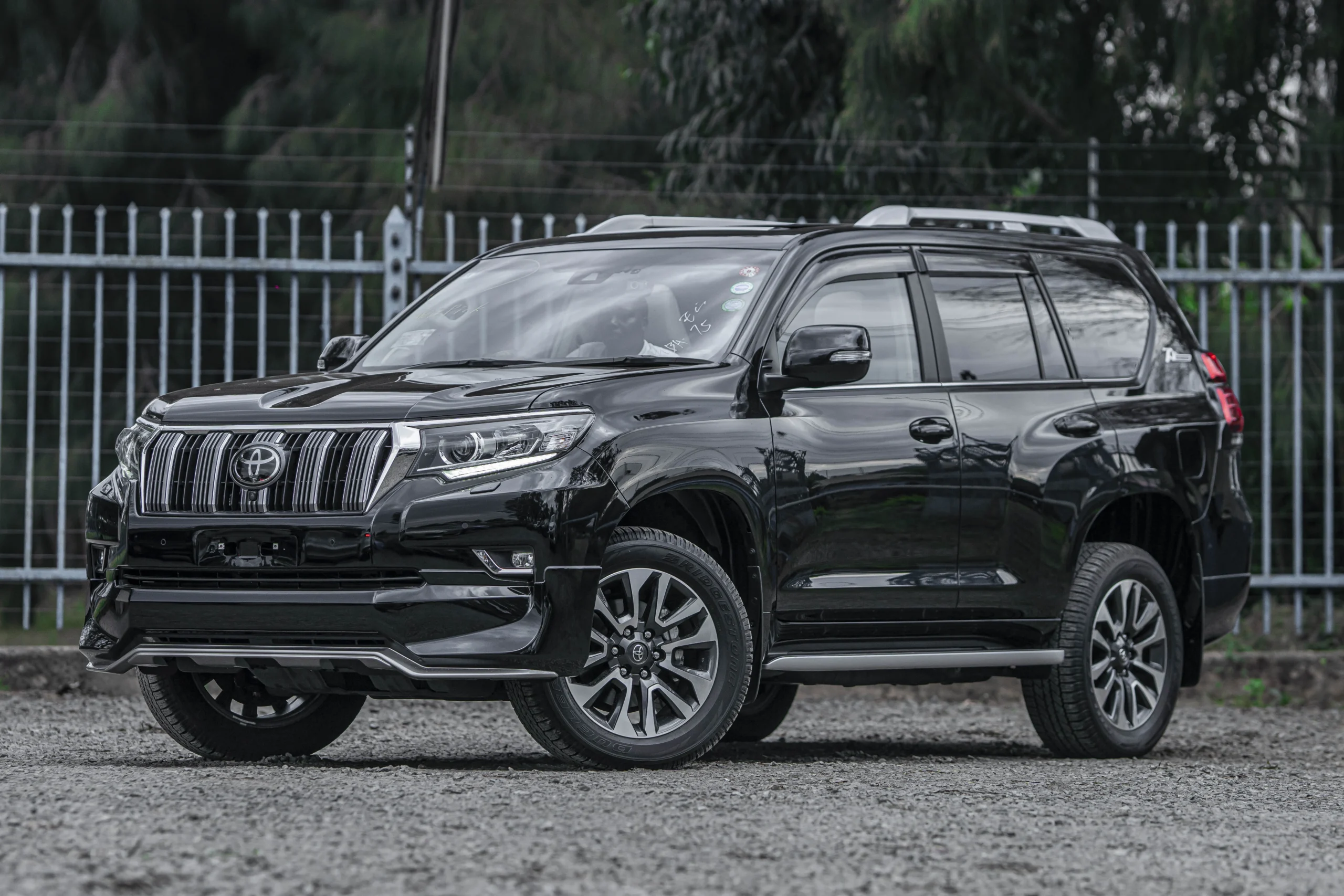
After identifying and purchasing the ideal car—perhaps a dedicated Welcab model or a suitable SUV like the Toyota Land Cruiser Prado, depending on the modification needs—the car is then shipped to Mombasa under the supervision of your import partner.
This transparency ensures you know exactly what you are paying for, avoiding the shock of discovering hidden defects or major repair needs upon arrival, a common complaint when buying locally.
Upon arrival in Mombasa, the process pivots to KRA clearance, which is arguably the most complex stage, requiring precise coordination and detailed presentation of all exemption documents and modification proofs.
KRA officials conduct a physical verification to confirm that the vehicle matches the import documents, that the age and engine capacity comply with standards, and most importantly, that the documented specialized adaptations are genuinely present and functional.
This stage absolutely requires an experienced clearing agent who understands the nuances of the duty exemption code and can liaise directly with KRA and NCPWD inspectors, minimizing delays and ensuring the tax relief is applied correctly.
For a smooth, stress-free transition from the Japanese auction house to your driveway in Kenya, partnering with a proven firm is essential; the import process should always be handled by professionals who guarantee compliance, allowing you to focus on preparing for your new specialized vehicle.
Understanding the Costs: Duties, Taxes, and Additional Fees
While the greatest financial advantage of importing a car for a disabled person in kenya lies in the significant exemption from major duties like Import Duty, Excise Duty, and VAT, it is a common mistake to assume the vehicle arrives entirely free of cost.
Importers must still budget for specific non-exempt charges, including the Import Declaration Fee (IDF), which is currently 2.25% of the Cost, Insurance, and Freight (CIF) value, and the Railway Development Levy (RDL), typically charged at 1.5% of the CIF value, alongside any applicable port and agency handling fees.
Furthermore, costs associated with the inspection process in Japan (e.g., QISJ or equivalent) and the actual shipping charges from Japan to Mombasa remain mandatory expenses, meaning a comprehensive financial plan must account for these unavoidable charges, even with the duty relief.
The final cost of the vehicle will therefore be the purchase price plus freight, insurance, minor levies, and the local clearing charges.
One major area where costs can unexpectedly escalate is due to poor planning or lack of transparency regarding the CIF value, which KRA uses as the basis for calculating levies; working with a transparent importer like Enan Motors ensures the true purchase price is declared, eliminating the risk of disputes or penalties from KRA.
Direct importation also means you sidestep the massive markup—sometimes up to 40%—applied by local car yards, which must cover their rent, staff, and inventory holding costs, making the initial purchase price significantly lower for an equivalent or better-condition vehicle sourced directly from Japan.
If your chosen vehicle requires substantial post-arrival modification, such as installing complex lift systems, these professional modification costs must also be factored into the overall budget, though having factory-fitted adaptations (Welcab) minimizes this expense and is often preferred for exemption documentation.
Adapting the Imported Car: Modifications for Accessibility
The core objective when importing an accessible vehicle is ensuring the car is perfectly adapted to the user’s needs, which often requires specific modifications ranging from simple hand controls to complex electronic driving systems or full wheelchair tie-downs.
For drivers with lower limb paralysis, the most common adaptation is the installation of hand controls, which allow acceleration and braking to be managed entirely by the hands, while minor adaptations like steering wheel knobs aid those with reduced grip strength.
For non-driving passengers who use wheelchairs, necessary modifications include sophisticated locking mechanisms, powered lifts, or under-floor ramps, all of which require professional installation and must meet strict safety standards to prevent serious injury in the event of an accident.
When dealing with specialized luxury models, such as sourcing a customized Lexus, it is critical that any adaptation does not compromise the vehicle’s structural integrity or electronic systems.
If you are importing a car that requires significant modification, it is always advisable to have the primary adaptations done by certified specialists in Japan before shipping, as these firms are highly experienced in ensuring modifications meet international safety standards and are properly documented for KRA verification.
While simpler hand controls can be fitted locally by specialized Kenyan mechanics, more complex installations like powered swivel seats or hydraulic lifts are best done at the source to guarantee quality and regulatory compliance.
Crucially, the documentation presented to the NCPWD and KRA must explicitly mention these modifications; a car imported under the duty-free scheme that arrives without the promised adaptive features risks immediate disqualification from the exemption and subsequent heavy taxation, underlining the need for precision at the point of purchase and preparation.

Financial Support: Grants, Loans, and Tax Incentives for Disabled Buyers
Beyond the primary tax exemption on import duties, which is the largest financial incentive, disabled buyers in Kenya should explore other avenues of financial support to help cover the remaining costs of acquisition, shipping, and local adaptation.
The National Council for Persons with Disabilities (NCPWD) occasionally offers limited mobility grants or assistance programs, though these are typically competitive and not always sufficient to cover the full cost of a specialized vehicle, requiring early application and patience.
Microfinance institutions and certain commercial banks in Kenya have also begun developing specialized loan products tailored to the PWD community, recognizing the vehicle as a necessary asset for economic productivity, often offering slightly lower interest rates or more flexible repayment terms compared to standard asset financing.
Buyers interested in popular commuter models like the reliable Mitsubishi Outlander should inquire with their local financial institutions about these tailored products.
Another important aspect of financial planning involves understanding the non-monetary value of the tax relief; by skipping the standard 25% Import Duty, the 20% Excise Duty, and 16% VAT, the buyer realizes a massive saving that often amounts to well over 100% of the CIF value of the vehicle, making a high-quality imported vehicle substantially cheaper than buying the equivalent from a local yard.
While direct grants for the purchase of a high-end vehicle like the Lexus LX 600 are unlikely, the duty exemption itself acts as the single greatest financial aid available to PWDs importing vehicles.
Therefore, maximizing the benefit means ensuring strict compliance with all NCPWD and KRA rules to secure this exemption completely, emphasizing the importance of accurate paperwork and partnering with trusted logistics experts.
If you need help calculating the potential savings or navigating financial options, Call us at Enan Motors to discuss your specific needs.
Tips, Common Mistakes, and a Final Checklist
Successfully importing a car for a disabled person in Kenya hinges on preparation, documentation, and the selection of trustworthy partners, minimizing the risk of costly clearance delays or denial of the duty exemption.
A common mistake is attempting the process without prior NCPWD approval; always secure your exemption letter first, clearly stating the required vehicle specifications and adaptations before you begin searching the Japanese market.
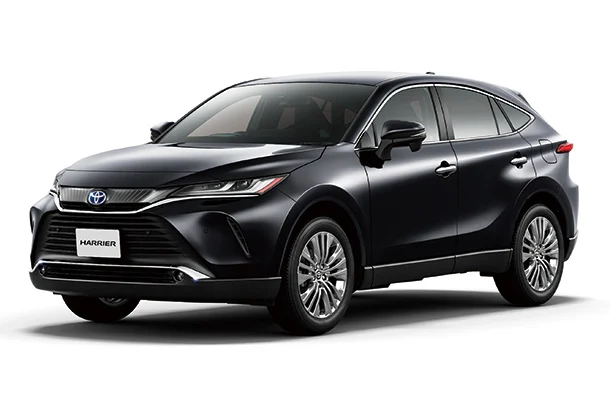
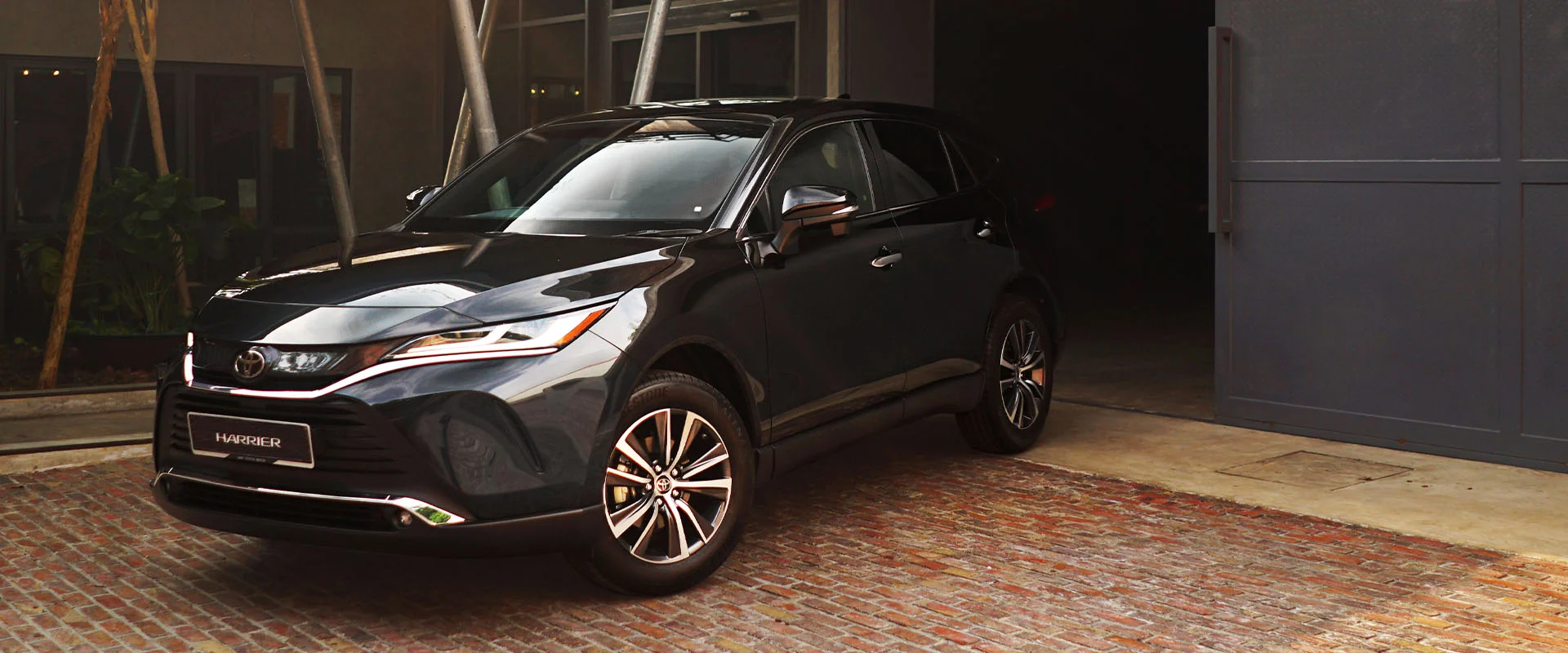
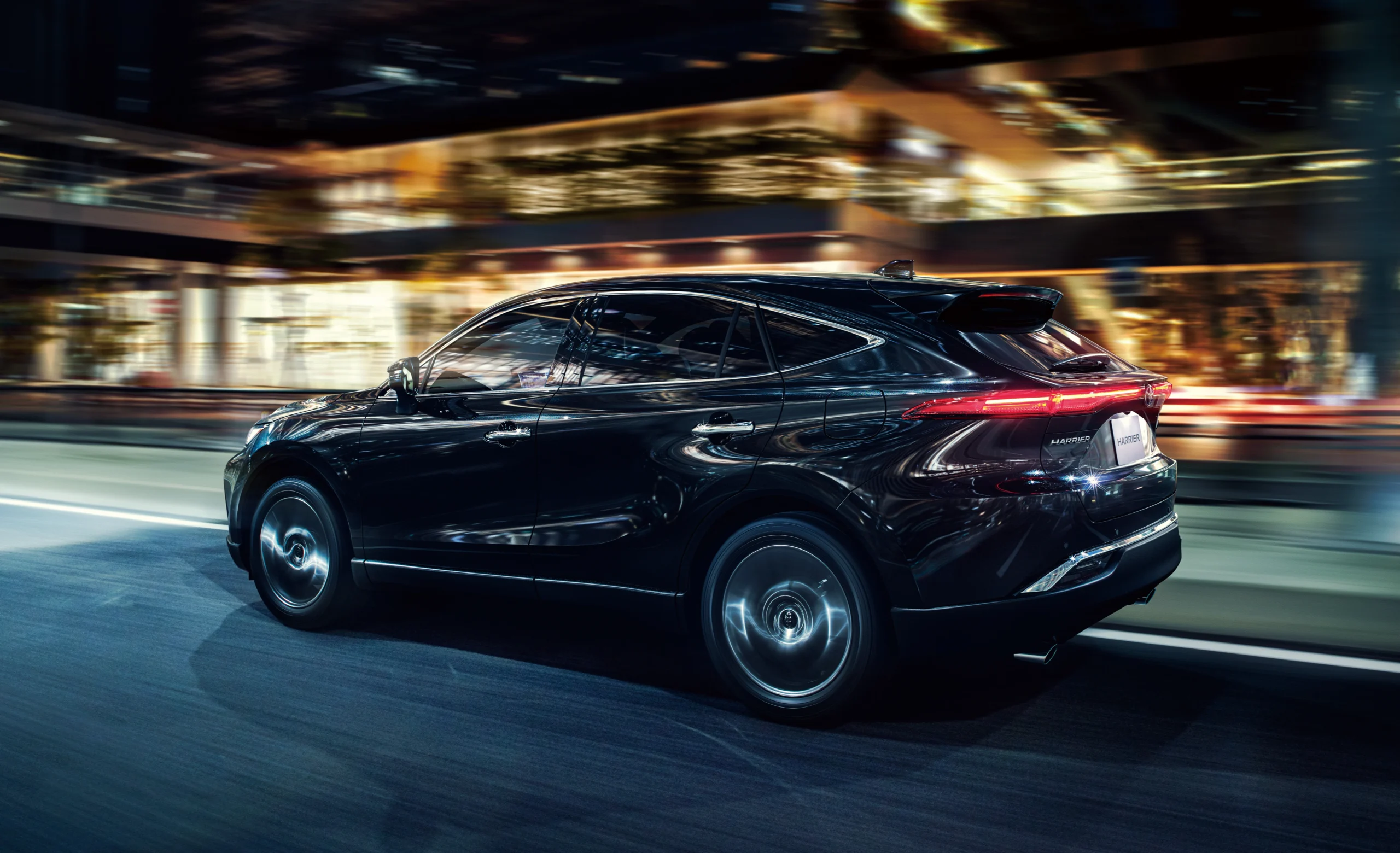
Secondly, never compromise on the vehicle’s documentation; always demand the original verified Japanese auction sheet, especially when looking at popular imports like the Toyota Harrier, ensuring you know the true quality before purchase, which is a guarantee About Enan Motors we stand by.
Finally, verify the credibility of your clearing agent; a cheap agent who makes errors in the customs declaration can cost you hundreds of thousands in penalties and storage fees.
Your checklist for a smooth import should look like this:
(1) Confirm current registration and status with NCPWD.
(2) Secure the official NCPWD recommendation letter for the specific vehicle type and adaptation.
(3) Source the vehicle in Japan using a trusted agent, verifying the auction sheet and confirming the vehicle is under eight years old.
(4) Ensure all necessary adaptations are factory-fitted or professionally installed and documented prior to shipping.
(5) Choose a reliable shipping method and provide all necessary documents (Bill of Lading, Logbook, NCPWD letter) to your clearing agent well in advance of arrival in Mombasa.
By meticulously following this checklist and selecting from our quality Inventory, you protect your investment and guarantee compliance.
To start searching for the perfect accessible vehicle that fits both your needs and the regulations, Message us on WhatsApp today for guidance on sourcing vehicles from Japan.
Conclusion
Importing a specialized vehicle for a disabled person in Kenya is a complex but profoundly rewarding undertaking, offering unparalleled access to mobility, independence, and significant financial savings through duty exemptions, provided the process is handled with meticulous attention to detail and regulatory compliance.
Success in this specialized niche relies heavily on establishing a partnership with an import expert who understands both the Japanese vehicle market—guaranteeing quality and choice—and the specific procedural demands of the NCPWD and KRA, thereby mitigating risks associated with tax penalties and lengthy port delays.
By choosing the path of direct importation, Kenyan buyers secure a perfectly adapted, high-quality vehicle that transforms their daily life, free from the guesswork and inflated pricing of local car yards.
Do not let the complexity deter you; instead, leverage our expertise to ensure a smooth, transparent, and successful importation process, guaranteeing your specialized vehicle arrives safely and legally at your doorstep. Email us to begin your risk-free importation journey.
FAQ
- Can I sell my duty-free car to a non-disabled person in Kenya?
No, vehicles imported under the disabled person’s duty exemption scheme are typically restricted from being sold, leased, or transferred to any non-disabled individual for a minimum period of five years from the date of first registration in Kenya.
This restriction is strictly enforced by the KRA to prevent abuse of the tax relief program.
If circumstances change and the vehicle must be sold within the restriction period, the buyer is usually required to pay the full amount of the duty and taxes that were initially exempted before the transfer can be legally completed, making this a significant financial consideration.
- Does the KRA impose an engine capacity limit for duty-free accessible vehicles?
While standard duty-free imports often face strict engine capacity limits (e.g., often restricting general imports to 3000cc or less), the KRA is usually more flexible regarding specialized vehicles for PWDs, provided the National Council for Persons with Disabilities (NCPWD) explicitly states that a larger engine or vehicle size is necessary to accommodate the required specialized adaptations, such as large wheelchair lifts or complex electronic driving systems.
For standard hand-control modifications on a compact sedan, the standard limitations generally apply, but the requirement for a larger model like a customized Mercedes GLE for better accessibility will usually be approved if justified by the NCPWD recommendation letter.
- What type of documentation is required from the Japanese seller or auction house?
Beyond the standard documents like the export certificate (logbook) and the Bill of Lading, the Japanese documentation must provide absolute clarity on the vehicle’s condition and, most importantly, confirm the existence of any factory-fitted or professionally installed adaptive equipment.
The verified Japanese auction sheet is crucial for proving quality and condition, while specific photos and certificates confirming the dimensions and functionality of mobility modifications (e.g., ramps, lifts) must be provided to satisfy the physical verification requirements of the KRA upon the car’s arrival in Mombasa.
- What happens if the vehicle arrives at the port without the required adaptations?
If the vehicle arrives at the port and KRA verification reveals that the essential adaptive modifications specified in the NCPWD exemption letter are missing, the KRA will likely reject the duty exemption application immediately.
In such a scenario, the importer will be liable to pay the full standard duties and taxes (Import Duty, Excise Duty, and VAT) before the car can be cleared, leading to a massive unexpected expense.
This is why thorough verification of the car’s features *before* purchase and reliance on the transparency offered through Japanese auction systems are essential safeguards.
- Can I import any high-end luxury vehicle under the duty-free scheme if I am a PWD?
While the duty exemption is a huge financial advantage, the KRA assesses the claim based on necessity and practical adaptation, meaning importing a highly specialized or luxury vehicle, such as a BMW X6 solely for status, might be questioned if the adaptation needs could have been met by a standard, less costly vehicle.
The NCPWD must certify that the imported vehicle is the most suitable option for addressing the specific mobility needs of the applicant, so the focus should always be on functionality and accessibility features rather than luxury, even though premium brands like BMW or Mercedes Benz can certainly be adapted if genuinely required.