
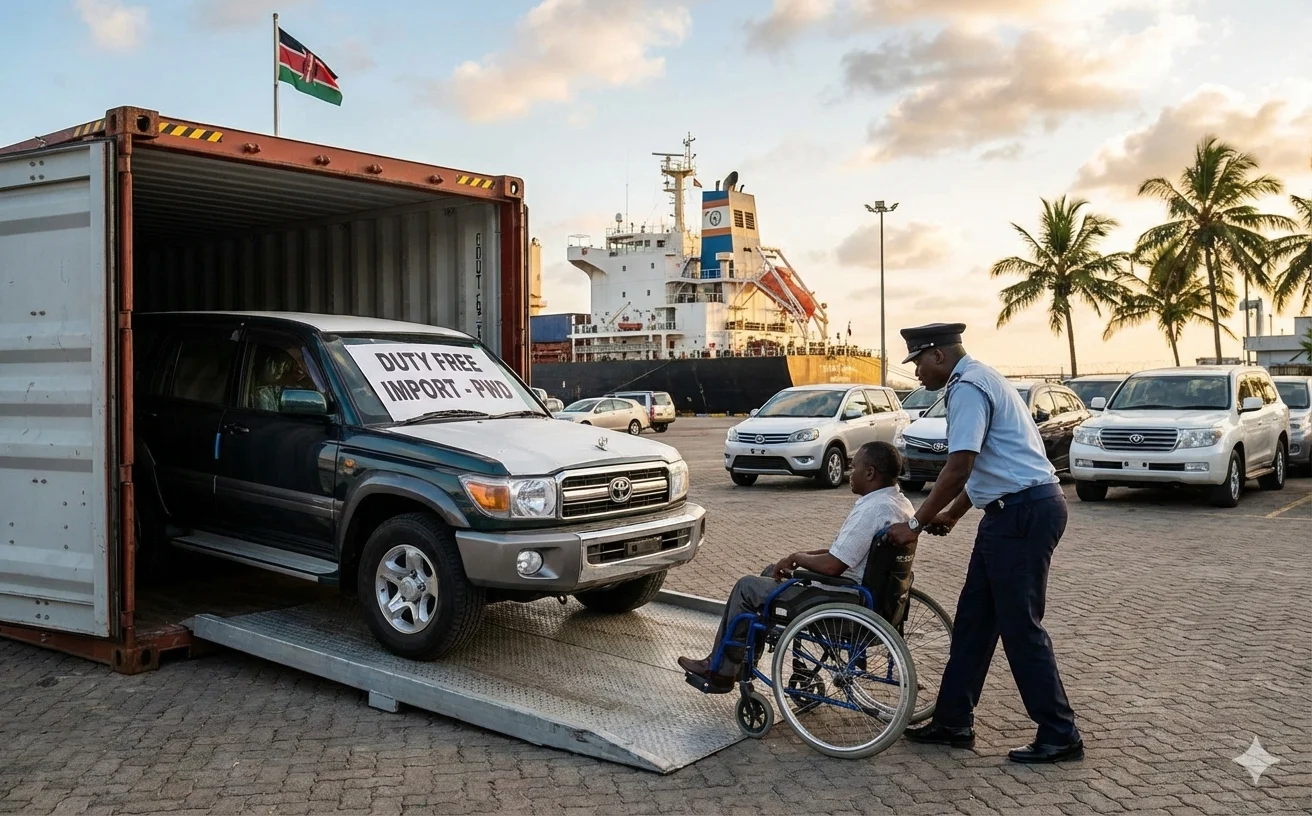
Understanding the Need: Why Importing a Car Can Be the Best Option for Disabled Individuals in Kenya
For many Kenyans living with disabilities, achieving true independence hinges on reliable and accessible personal transport, a necessity often poorly served by the local used car yards that dominate Nairobi, Mombasa, and other major towns.
When you visit a local yard, the stock is typically geared towards the general consumer, meaning genuine, factory-fitted adaptations like wheelchair ramps, transfer seats, or specialized hand controls are almost non-existent, leaving PWDs to settle for unsuitable standard models or costly, risky local conversions.
Direct importation from Japan, however, opens up a massive inventory of vehicles specifically designed and professionally adapted by specialized manufacturers, ensuring safety, reliability, and functionality from day one, which is vital for long-term use and peace of mind.
Furthermore, the ability to source a vehicle whose true quality and maintenance history can be verified through the Japanese auction sheets eliminates the uncertainty that often accompanies purchasing locally, where cosmetic repairs frequently hide underlying mechanical or structural issues, particularly critical when the vehicle’s functionality directly impacts the user’s mobility and safety.
This transparency in quality is a cornerstone of the service we provide at Enan Motors, recognizing that when you are importing a car for a disabled person in Kenya, risk mitigation is paramount, because a mechanical failure due to hidden damage can be catastrophic.
The local market markups also play a significant role; standard car yards need to cover high overheads, including rent, security, and multiple layers of agents, costs that are eventually absorbed by the buyer, pushing the price of even standard vehicles higher than necessary.
By importing directly, you bypass these exaggerated markups, utilizing the tax exemption fully to afford a higher specification, better-conditioned vehicle that truly meets the PWD’s specific mobility needs without draining family resources unnecessarily.
When selecting a vehicle, knowing that you are choosing from thousands of specialized options, rather than settling for the three standard options in a local yard, guarantees that the resulting mobility solution is tailored perfectly, whether the requirement is for a lift-equipped van or a compact SUV with swivel seating.
Legal Requirements and Documentation for Importing Vehicles for Persons with Disabilities
The Kenyan government, through the KRA, offers significant duty and tax exemptions on imported vehicles specifically designed for and destined for use by Persons With Disabilities (PWDs), recognizing the financial burden unique to this community.
To qualify for this essential tax relief, the PWD must first be registered and possess a valid identification card issued by the National Council for Persons with Disabilities (NCPWD), which serves as the primary evidence of status and eligibility.
Subsequent documentation is rigorous and includes a detailed medical report from a government-recognized practitioner confirming the nature and extent of the disability, a formal application letter addressed to the KRA Commissioner, and a detailed letter of recommendation from the NCPWD endorsing the import and confirming the vehicle’s suitability for the user.
Failure to present this chain of documentation meticulously will result in the forfeiture of the tax relief, meaning the vehicle would then be subjected to the full duty, VAT, and excise duty rates, rendering the process financially impractical for most families in Kenya.
It is important to understand that the exemption is generally limited to one vehicle per registered PWD, and there are strict conditions regarding the sale or transfer of the vehicle after importation, usually requiring a holding period of several years to prevent abuse of the tax waiver system, meaning the vehicle cannot be disposed of easily for quick profit.
Furthermore, the vehicle itself must meet specific technical criteria confirming its adapted status, such as factory-fitted hand controls, lifts, or unique mobility features that distinguish it from standard passenger vehicles—a condition that Japanese manufacturers often meet with specialized factory conversions that are easy to verify through auction documentation.
We guide our clients through assembling this voluminous paperwork precisely because the successful acquisition of the duty waiver is the single most critical, yet most complicated, aspect of importing a car for a disabled person in Kenya, turning what could be an insurmountable financial hurdle into a manageable process that delivers mobility and freedom.
This level of detail requires an importer with boots-on-the-ground experience dealing directly with both KRA customs offices and the NCPWD offices in Nairobi.
Choosing the Right Accessible Vehicle: Types, Features, and Adaptations
Selecting the right accessible vehicle requires balancing the specific needs of the PWD, the vehicle’s reliability, and Kenya’s road conditions; while many vehicles are available, not all are equally suitable for adaptation or for navigating the varied terrain from Kitale to Kilifi.
Common and effective options sourced from Japan include high-roof vans, which easily accommodate wheelchair lifts and provide ample internal height for maneuvering, and specific large SUVs that offer better ground clearance, although these often require more specialized and expensive adaptations like power swivel seats to facilitate transfer.
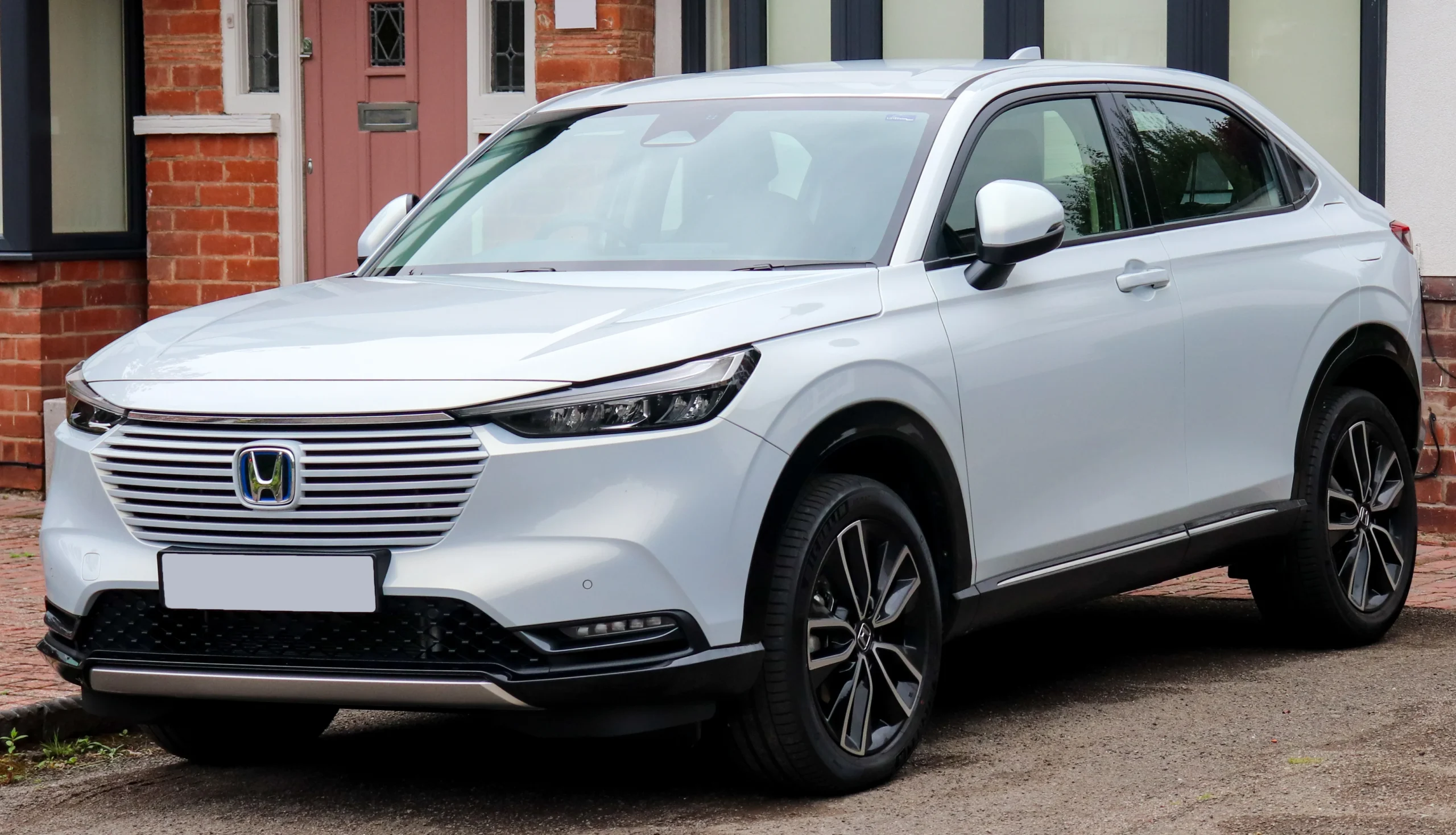
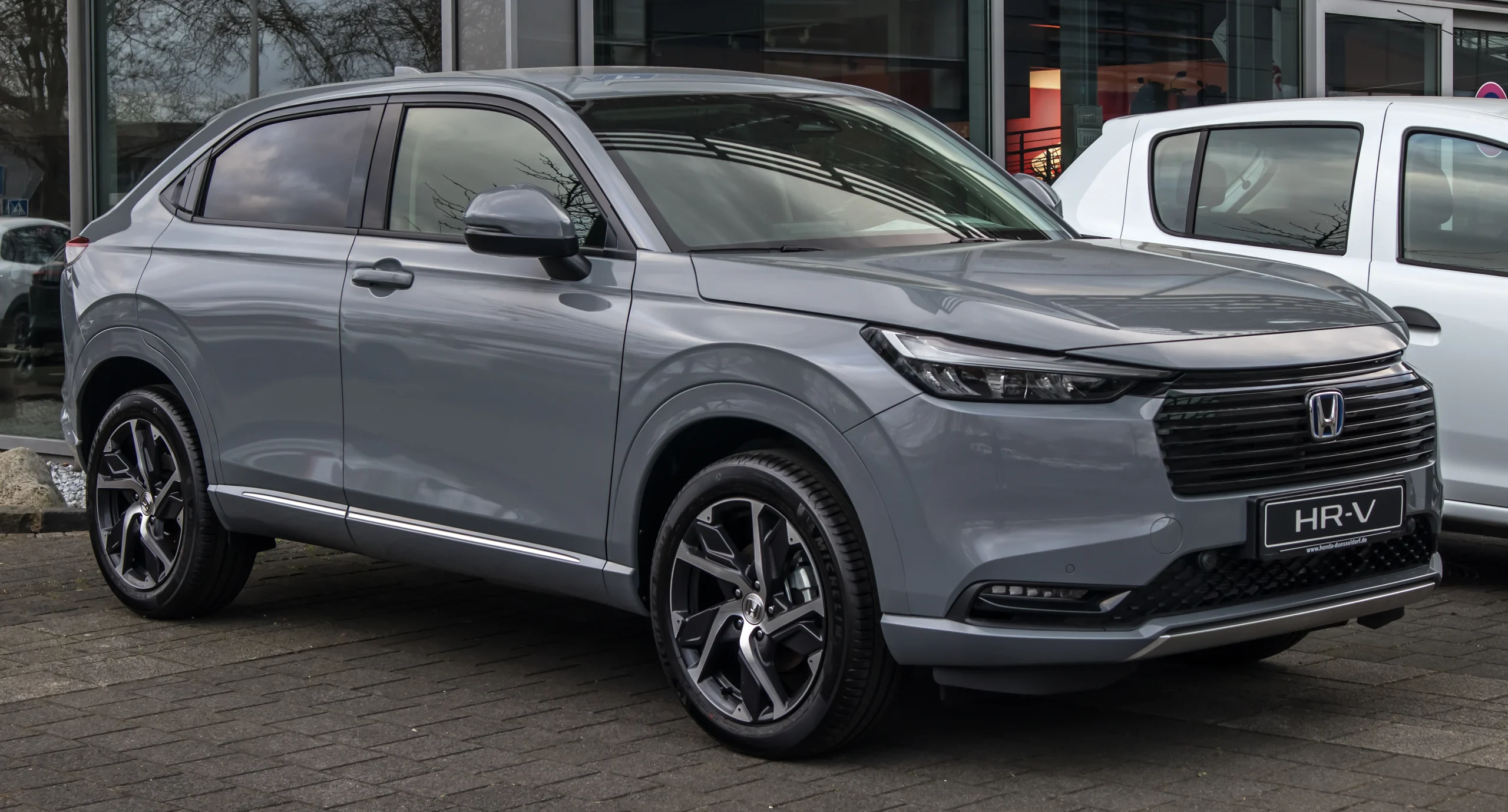
When considering adaptation types, critical features include hydraulic or manual ramps (especially popular on vans like the Honda Vezel adapted versions), transfer seats that pivot out of the vehicle, and specialized driving controls for individuals with limited lower limb function.
Models produced by Toyota and Mitsubishi are particularly popular because they often have dedicated factory adaptation lines, ensuring the modifications meet strict safety and durability standards far surpassing local conversion work.
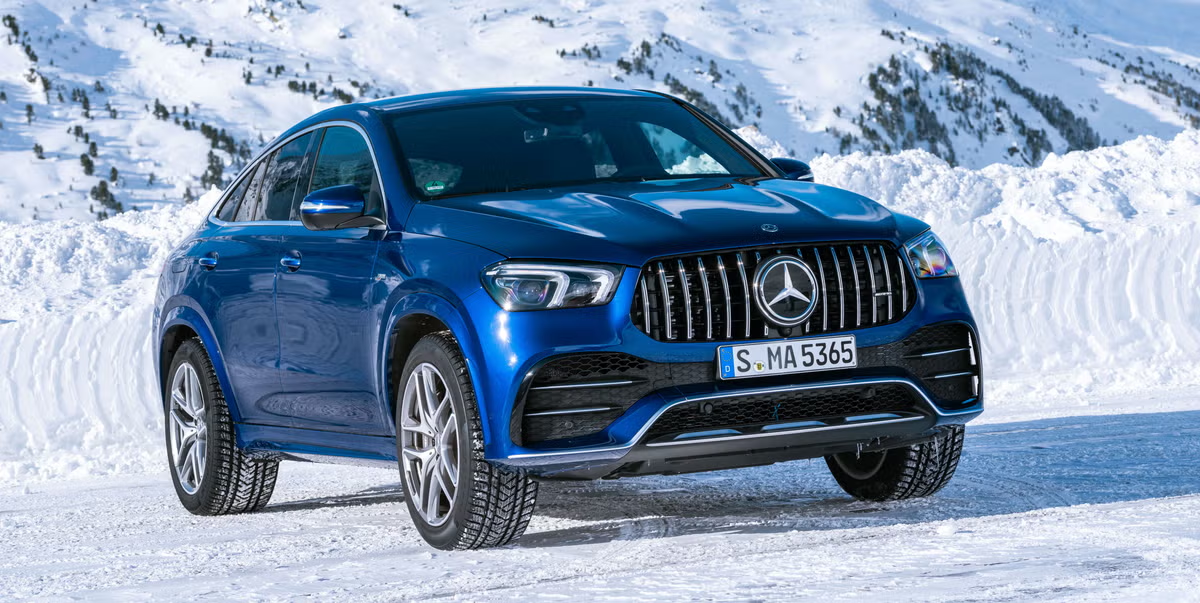
When searching for a high-end vehicle, even models like the BMW X series or the Mercedes GLE can sometimes be sourced with specific mobility adaptations installed at the factory or by certified Japanese workshops, offering luxury alongside necessity, although these specialized units are rarer and usually carry a higher initial purchase price.
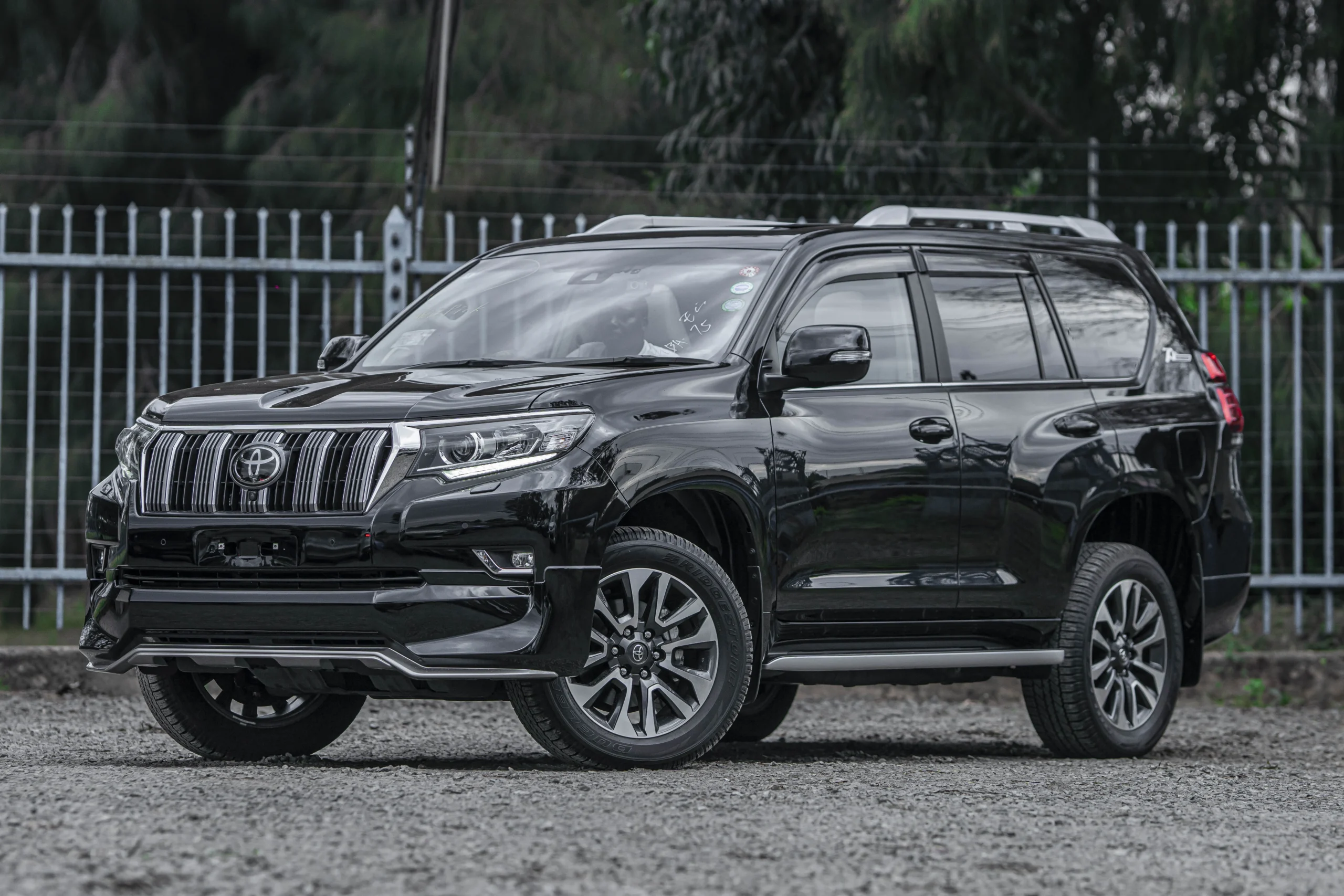
For everyday reliability and low maintenance costs in Kenya, models like the Toyota Land Cruiser Prado, when correctly adapted, offer robust performance and easy access to spares, a vital consideration given Kenya’s preference for easily serviceable vehicles.
We strongly encourage clients to prioritize factory adaptations wherever possible, as these are inherently safer, more integrated, and far less likely to cause issues during KRA inspection, which heavily scrutinizes the modifications to confirm the vehicle genuinely qualifies as adapted, distinguishing it from an ordinary car simply fitted with basic hand controls.
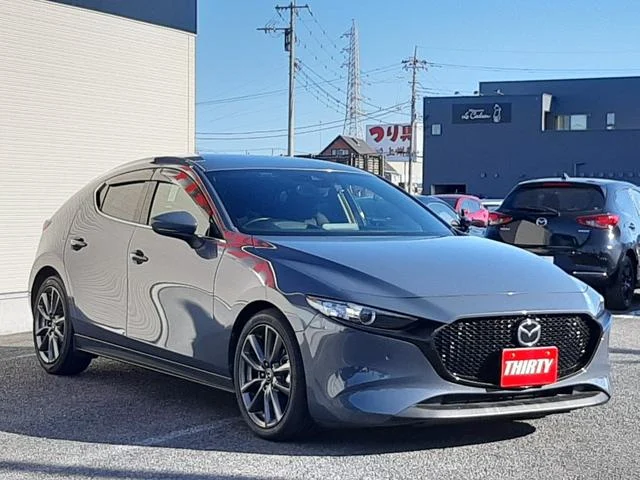
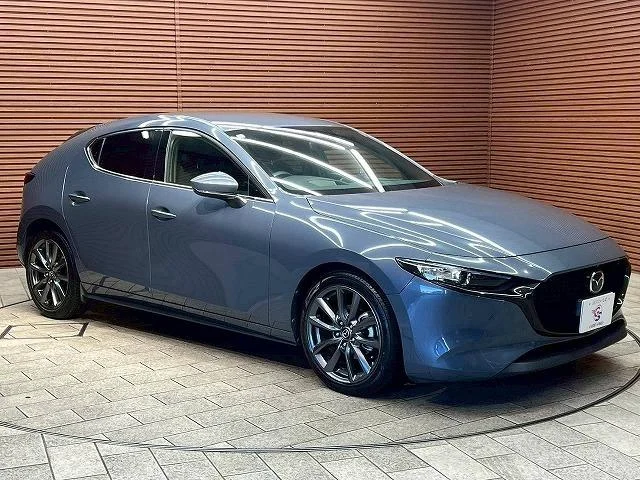
Whether you need a simple swivel seat adaptation in a Mazda Axela or a full ramp system in a van, the sheer variety available in Japan ensures a perfect fit, something local yards simply cannot match.

Calculating Total Costs: Purchase Price, Shipping, Taxes, and Conversion Expenses
Calculating the total cost of importing a car for a disabled person in Kenya begins with the Free On Board (FOB) price in Japan, which is the cost of the vehicle itself, followed closely by the shipping charges, which are generally calculated based on the vehicle’s volume and weight and whether it travels by RoRo (Roll-on/Roll-off) or containerized transport to Mombasa.
While the PWD exemption drastically reduces the largest variable—the KRA taxes (Duty, VAT, and Excise Tax)—there remain several non-waived government and logistics fees, including the Import Declaration Form (IDF) fee, the Railway Development Levy (RDL), the Import Service Fee (ISF), and various port handling charges at the Kenyan port, all of which must be factored into the final budget.
Understanding this structure is key, as even with the duty exemption, the total landed cost involves more than just the purchase and shipping price; therefore, working with an expert who provides a clear, itemized proforma invoice is non-negotiable for financial clarity.
One of the hidden benefits of utilizing direct importation, aside from accessing higher quality, genuinely adapted vehicles, is the savings achieved by eliminating the local dealership markup, which often accounts for 25% to 40% of the price charged at a Kenyan yard.
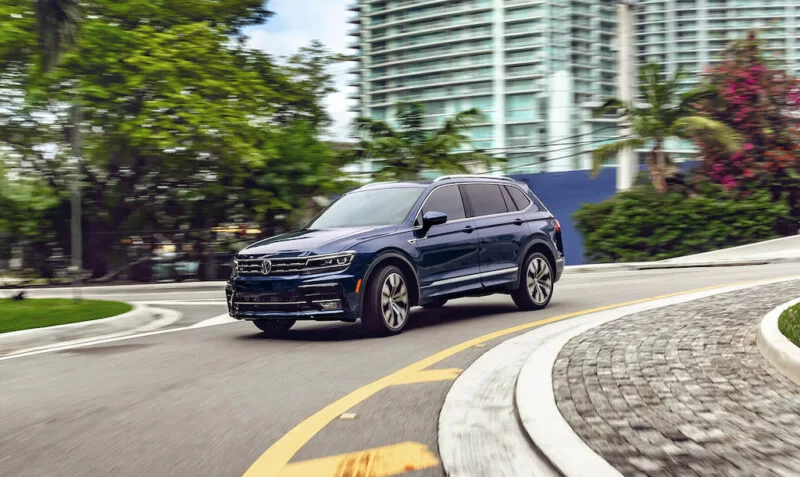
When you import the Volkswagen Tiguan or any other model directly through Enan Motors, you are paying the near-wholesale price plus the necessary logistics costs, ensuring that the substantial saving achieved through the KRA tax relief goes toward buying a better vehicle or covering necessary residual local costs, rather than padding a dealer’s profit margin.
Any necessary local conversion expenses, if minor adjustments are needed upon arrival, must also be included, though we always recommend sourcing vehicles with complete factory adaptations to minimize this post-import expense and potential regulatory scrutiny.
We provide clients with a detailed, all-inclusive budget projection upfront, ensuring there are absolutely no surprise costs arising from port charges or the clearance process, allowing you to budget confidently.
Step-by-Step Guide to the Import Process from Purchase to Delivery
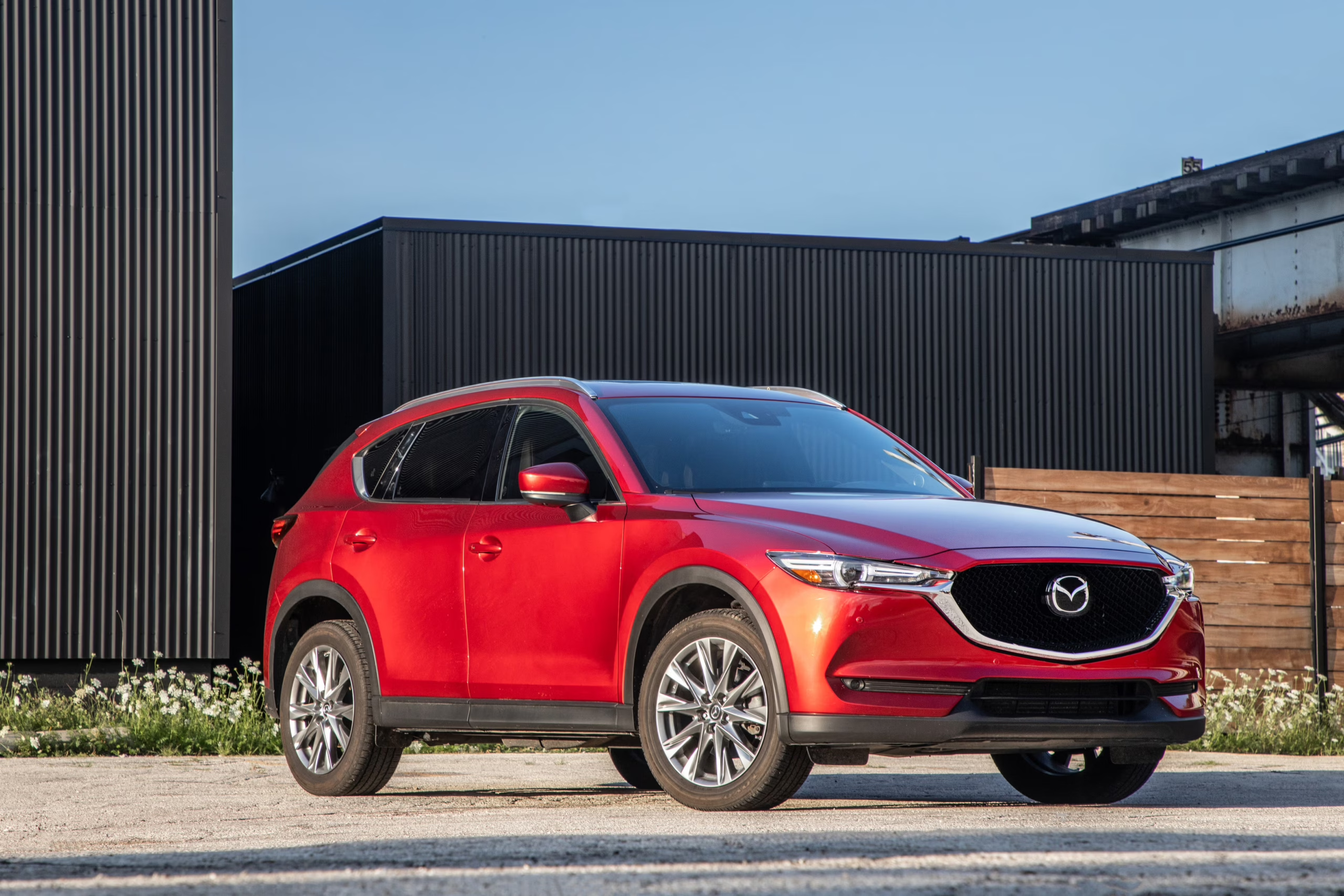
The import process for a PWD vehicle begins with a highly focused vehicle search in the Japanese auction houses, where the specific adaptations required are the primary filter, often requiring several weeks to find the ideal match, such as a low-mileage Mazda CX 5 fitted with a specialized hoist.
Once the suitable vehicle is purchased, the crucial documentation phase begins, requiring the immediate submission of the PWD documentation to KRA to commence the application for the duty exemption while the vehicle is still being prepared for shipment.
Following the purchase, a mandatory pre-shipment inspection by KEBS appointed agents must be conducted to verify quality, compliance, and, critically in this case, the actual existence and functionality of the mobility adaptations, ensuring the vehicle meets all Kenyan standards, including the strict 8-year age rule.
The vehicle is then shipped, typically arriving at the Port of Mombasa within 30 to 45 days, marking the transition to the most complex phase: customs clearance and securing the final duty waiver approval.
During the shipping period, Enan Motors works tirelessly to liaise with the NCPWD and KRA, submitting all required medical reports, affidavits, and import documents, including the clean bill of lading and the original ownership documents from Japan, securing the necessary approvals before the vessel docks, which is essential for rapid and low-cost clearance.
Upon arrival, the physical inspection by KRA Customs officers takes place, who will physically verify the PWD, the documentation, and the vehicle’s adaptations against the NCPWD approval letter to ensure everything is congruent with the exemption request.
This phase is where most self-importers fail due to minor documentation errors or inconsistencies regarding the adaptations; however, our thorough, proactive approach in preparing the documentation stack ensures a smooth flow from the port gate to the final release of the vehicle to the client.
This meticulous management of the Import process saves our clients months of potential bureaucratic delays and thousands of shillings in demurrage fees at the port.

Navigating Customs Clearance and Obtaining Disability-Specific Tax Relief
Navigating customs clearance for a PWD vehicle is fundamentally different from a standard import because the core focus is not just on compliance but on proving eligibility for the zero-rated tax status, a procedure that requires extreme precision and intimate knowledge of KRA guidelines specific to Chapter 87 of the Customs and Excise Act.
The process hinges on the PWD physically being present for some critical steps, including the physical verification by the KRA customs team at the port, who must confirm the identity of the beneficiary and the suitability of the imported vehicle against the certified disability status, a step that cannot be delegated to the importer alone.
Successfully obtaining the disability-specific tax relief relies heavily on having all prior approvals—the NCPWD letter, the medical reports, and the KRA pre-approval—prepared and validated before the ship arrives, ensuring the clearance officer has a smooth audit path to grant the final exemption.
This is where the advantage of using a specialist importer like Enan Motors truly shines, as we manage the continuous communication between the freight forwarder, the KRA audit team, and the NCPWD throughout the clearance period, pre-empting potential queries that might delay the release or jeopardize the tax waiver.
Crucially, the final tax relief documents must be processed and stamped before the vehicle is physically removed from the port area, and any discrepancy, such as an incorrect VIN or a misclassification of the adaptation, can trigger an indefinite hold and the threat of applying full tax duties, wiping out the entire financial benefit intended for the PWD.
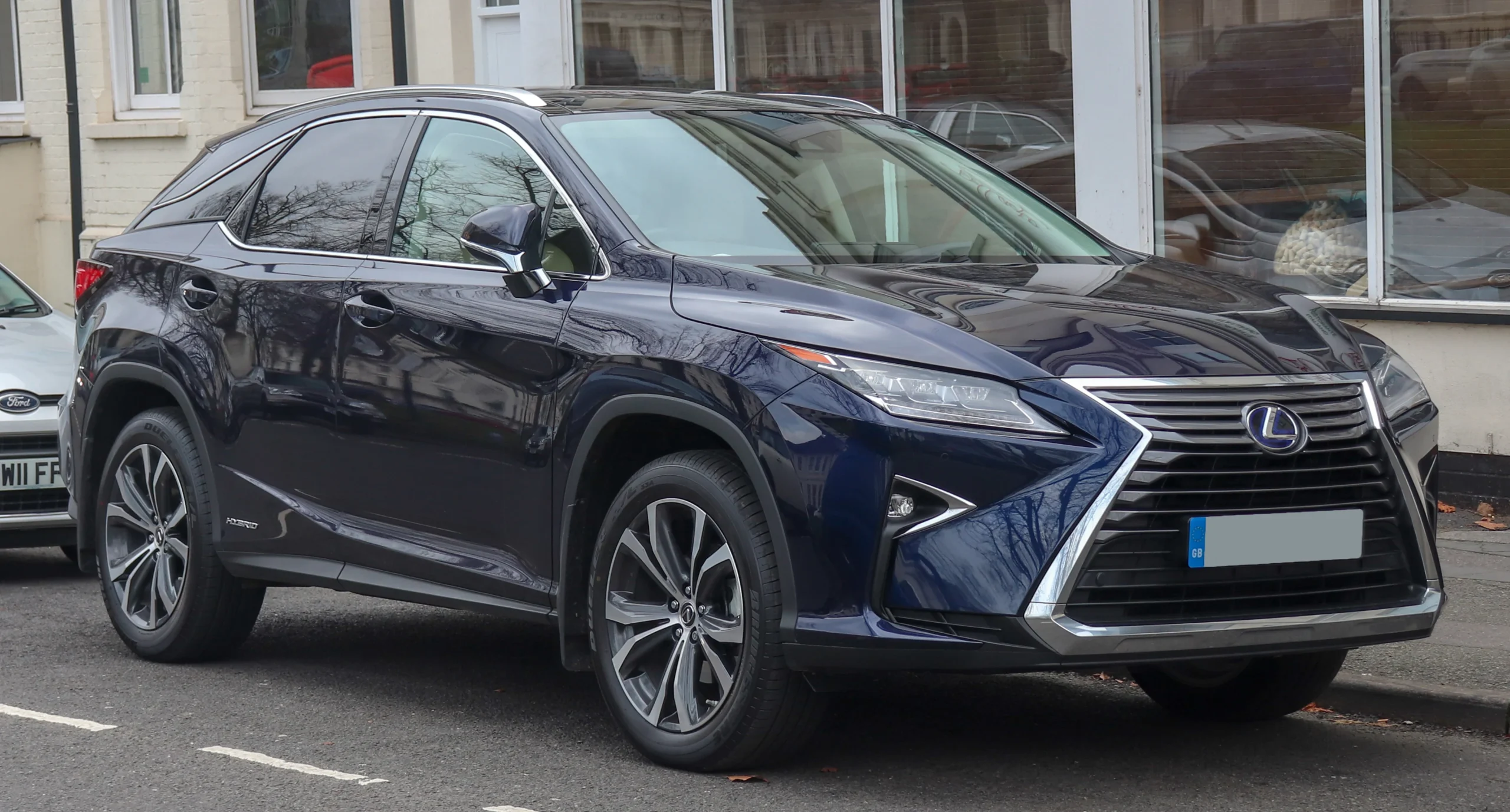
We ensure that every document, from the Japanese export certificate to the local insurance policy, is perfectly aligned, ensuring that when the vehicle is finally cleared—whether it is a BMW X6 or a simpler Lexus NX250 adapted for a specific need—it leaves the port legally exempt and ready for immediate use, maximizing the financial benefit intended by the Kenyan government.
After-Import Considerations: Registration, Insurance, and Local Modifications
Once the imported vehicle has successfully navigated customs clearance in Mombasa and the tax exemption has been fully applied and documented, the final logistical hurdle is the registration of the vehicle under the PWD’s name at the National Transport and Safety Authority (NTSA) offices, a process that requires presentation of the KRA exemption certificate alongside the standard import documents.
Comprehensive motor vehicle insurance, which is crucial for any vehicle traversing Kenyan roads, becomes even more important for a specialized PWD vehicle, as adapted parts can be expensive and specialized to replace, necessitating robust coverage that specifically acknowledges and covers the specialized mobility features.
Many standard Kenyan insurance policies might not automatically cover specific mobility equipment like electric lifts or highly customized driving controls unless explicitly declared and valued, making it vital to choose an insurer who understands the unique risks and values associated with adapted vehicles and ensure the coverage is adequate to protect this significant investment.
Regarding local modifications, while we highly advocate for sourcing fully factory-adapted vehicles from Japan to minimize safety and regulatory issues, sometimes minor local adjustments might be necessary, such as installing specific docking mechanisms or minor adjustments to seating height, often common with vehicles like the Mercedes Benz or Volkswagen models that require metric conversions for certain parts.
If local adaptation work is unavoidable, it must only be carried out by reputable, specialized Kenyan workshops that understand the structural and safety implications of modifying mobility-critical systems, ensuring the integrity of the vehicle is maintained and that any subsequent work does not invalidate the KRA exemption or the insurance policy.
If you are uncertain about the local adaptation process or need referrals to trusted Kenyan specialists, the team at Enan Motors remains available after delivery to provide consultation and support, ensuring the vehicle continues to serve its purpose safely and effectively throughout its lifespan in Kenya.

Common Pitfalls and Expert Tips to Ensure a Smooth Import Experience
One of the most common pitfalls when importing a car for a disabled person in Kenya is documentation inconsistency, where minor variations between the PWD’s name on the NCPWD card, the medical report, and the import papers lead to KRA rejecting the tax exemption request, instantly adding hundreds of thousands of shillings in unforeseen taxes.
Another frequent mistake is trying to save money by opting for a very old or poorly adapted vehicle, often classified as ‘cheap’ in the Japanese market, only to find the vehicle fails KEBS inspection due to age or that the adaptations are non-compliant or functionally unsafe, leading to mandatory re-export or forfeiture—a catastrophic loss.
To mitigate this, our expert tip is always to prioritize vehicles with verified, Grade 4 or higher auction sheets and proven service histories, selecting models that are inherently robust and known for reliability, even if the initial purchase price is slightly higher, thereby saving significantly on future maintenance and repair costs common with models like Honda or Mazda that have fewer locally available spares.
Our second crucial piece of advice is never to engage in the import process without a transparent and experienced partner who guarantees the outcome, particularly concerning the KRA exemption process, as the complexity involved demands professional liaison and detailed regulatory knowledge that average import agents simply lack.
We at Enan Motors specialize in navigating this niche, ensuring that every step, from selecting a reliable Lexus adaptation to securing the final clearance for a Prado, is handled with meticulous attention to detail and zero surprises regarding final cost.
If you are currently considering the available cars but feeling overwhelmed by the paperwork required for the tax waiver, we invite you to consult with our experienced team today; eliminate the risk and confusion by letting us handle the logistics so you can focus on the freedom and mobility the right vehicle provides.
You can start the conversation and get clarity on your options immediately by Message us on WhatsApp or simply Call us to discuss your specific needs and access our dedicated Inventory of suitable Japanese imports.
Final Thoughts and Resources for Disabled Car Importers in Kenya
Importing a specialized vehicle for a Person with Disability in Kenya is undoubtedly a layered and complex endeavor, yet it remains the most viable and financially responsible route to securing truly appropriate, safe, and reliable mobility solutions compared to the limited and often compromised options found in local yards.
The substantial tax exemption offered by the government is a crucial lifeline, but accessing it demands strict compliance and a proactive approach to documentation, requiring expertise that transcends basic car import logistics and dips deeply into specific Kenyan tax and disability regulations.
Choosing a partner who is dedicated to transparency, verifies quality via Japanese auction sheets, and understands the intricate dance between the NCPWD and KRA is not just helpful—it is critical to success and avoiding significant financial losses, making the choice of importer the most important decision you will make in this entire journey.
At About Enan Motors, we are committed to empowering PWDs and their families through mobility, and we stand ready to apply our decade of experience in the Kenyan market to simplify this process for you, delivering quality and peace of mind right to your doorstep.

Conclusion
Successfully importing a car for a disabled person in Kenya is an achievable goal that unlocks tremendous personal freedom and convenience, but it is heavily dependent on mastering the specific legal requirements necessary to secure the invaluable duty and tax exemption granted by the KRA.
By focusing your search on the vast, transparent Japanese auction market, you can secure a genuinely adapted, high-quality vehicle that precisely fits the user’s needs, a standard of quality and customization unavailable locally.
Remember that precision in documentation, proactive engagement with the NCPWD, and rigorous verification of the vehicle’s condition are non-negotiable elements of this specialized import process.
If you are ready to explore suitable vehicle options without the fear of hidden costs, paperwork confusion, or misrepresented vehicle quality, trust the seasoned experts at Enan Motors to guide you through every step; Email us today to begin your transparent and secure journey towards enhanced mobility.
FAQ
- What is the maximum age limit for importing a PWD vehicle to Kenya?
The vehicle must strictly adhere to Kenya’s standard age limit rule, meaning the car must be less than eight years old from the date of first registration to the date of importation into Kenya.
This rule applies equally to standard vehicles and those imported under the PWD tax exemption scheme, so importers must be extremely careful when checking the manufacturing date to ensure compliance and avoid potential penalties or forfeiture upon arrival at the Port of Mombasa.
- Can a non-disabled family member be the registered owner of the imported PWD vehicle?
No.
To qualify for the substantial duty and tax exemption, the vehicle must be registered in the name of the Person With Disability (PWD) beneficiary, and the PWD must be able to demonstrate use of the vehicle, as the exemption is granted specifically for the PWD’s personal mobility needs.
Any attempt to register the vehicle under a non-disabled family member’s name will likely result in the KRA denying the tax waiver, subjecting the import to full taxes, and potentially leading to legal complications regarding misuse of the concession.
- What types of adaptations are recognized by KRA for the tax exemption?
KRA requires the vehicle to possess specialized features that clearly distinguish it from a standard vehicle and are necessary for the PWD’s mobility; this typically includes factory-fitted mechanisms such as specialized driving controls (like hand controls), wheelchair lifts, hydraulic ramps, swivel seats, or specialized docking systems.
Simple modifications like basic seat covers or aftermarket safety belts are generally not considered sufficient to qualify for the exemption, necessitating genuine mobility-enhancing features verifiable during the customs inspection.
- How long does the PWD import and clearance process usually take in Kenya?
While the shipping time from Japan to Mombasa typically takes 30 to 45 days, the overall process, including preliminary documentation, securing the NCPWD letter, obtaining KRA pre-approval, and final customs clearance, usually takes between 90 and 120 days from the moment of purchase.
The extended timeline is primarily due to the mandatory bureaucratic steps and agency approvals required to secure and finalize the duty exemption, which adds significant processing time compared to a standard, fully taxed vehicle import.
- Is the tax exemption full (100% of duties and taxes)?
The exemption covers the major tax components: Import Duty, Value Added Tax (VAT), and Excise Duty, which constitute the majority of the vehicle’s final landed cost, making the import financially viable.
However, the importer must still pay non-waived government levies and fees, including the Import Declaration Form (IDF) fee, the Railway Development Levy (RDL), and various port and clearance fees, which should be budgeted for by the PWD or their representative.