
For many Kenyans, the dream of owning a reliable, low-mileage car often hits a snag when they check the prices at local showrooms or the dubious histories associated with certain pre-owned vehicles already registered here.
That is why turning to the Japanese market—the world’s most transparent used-car ecosystem—is the wisest choice, allowing you to bypass unnecessary intermediaries and control the quality assurance process from the source.
Understanding the full scope of importing is not just about logistics; it’s about financial control and peace of mind, ensuring that the car you see in the auction pictures is exactly the car that arrives in Mombasa.
We will walk you through the precise steps, regulations, and costs involved, helping you make an informed decision that saves you both money and headache.
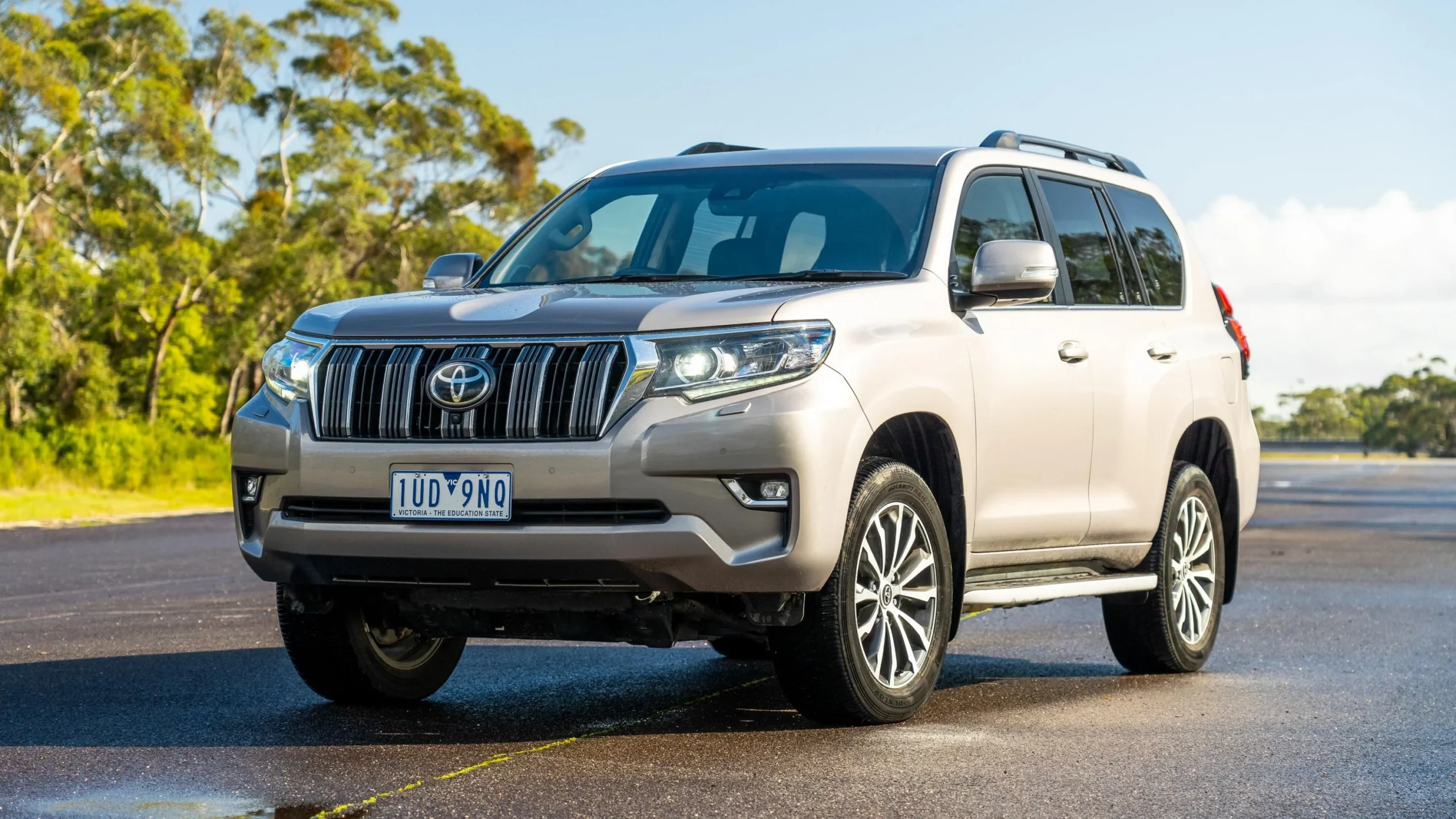
Benefits of Japanese Vehicles for Kenyan Drivers
Kenyan drivers favor Japanese imports for reasons rooted deeply in local economic reality and infrastructure.
The sheer reliability and availability of spare parts for brands like Toyota, Honda, and Mazda mean lower long-term maintenance costs, a crucial factor when budgeting for ownership on Kenyan roads.
Furthermore, the mandatory quality checks and strict maintenance culture in Japan mean that even a seven-year-old vehicle is often in far superior mechanical and cosmetic condition than a three-year-old local model.
When you consider importing directly, you gain access to accurate condition reports provided by genuine Japanese auction sheets, which detail everything from accident history and repair grade to interior cleanliness, removing the risk of purchasing a misrepresented vehicle often found in the local market.
The financial advantage of direct importation is perhaps the most compelling argument for buyers in Kenya.
Local car yards operate with significant overheads—rent, staff, utilities, and stock financing—all of which are passed directly onto the customer through exaggerated markups, sometimes exceeding 30% of the import cost.
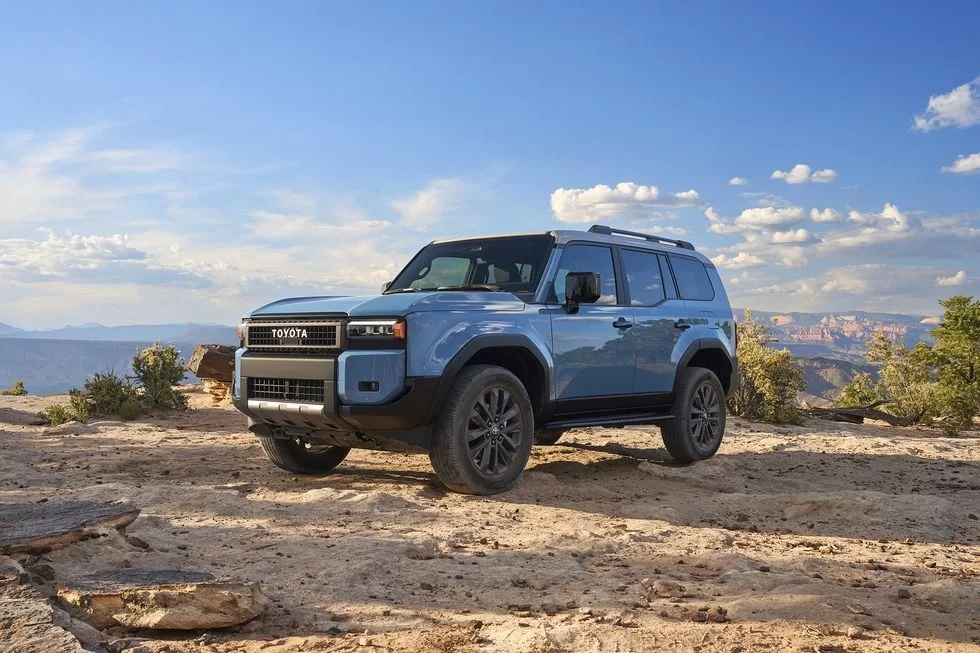
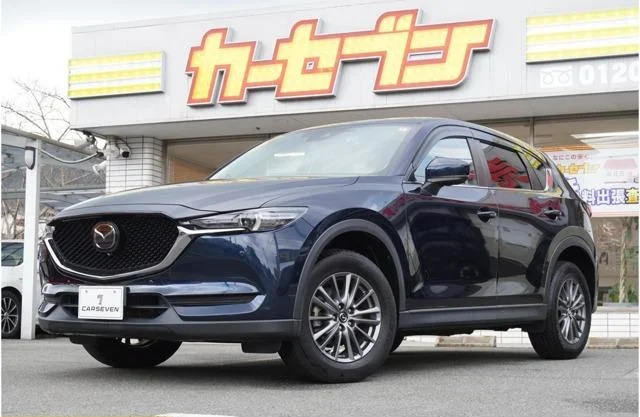
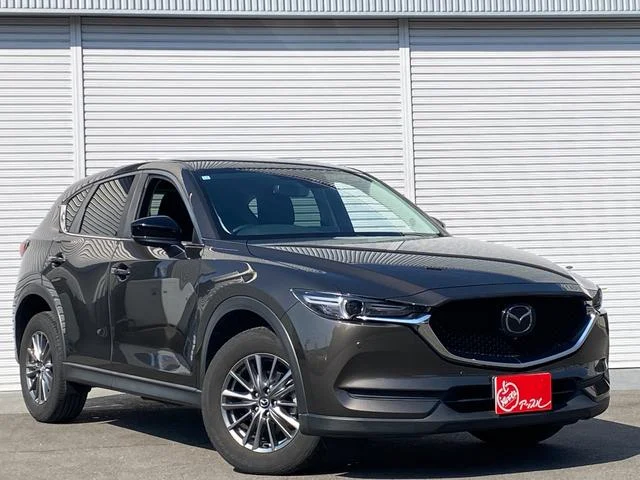
By choosing direct importation through a dedicated agent like Enan Motors, you eliminate these unnecessary yard overheads, allowing you to secure models like the practical Mazda CX 5 or the robust Toyota Land Cruiser Prado at significantly lower prices than street value.
The expansive selection available in Japanese auctions means you aren’t limited to the few available cars in the local Inventory; you choose exactly the specifications, color, and mileage you desire, ensuring maximum value for your investment.

Kenyan Import Regulations and Legal Requirements
Navigating the rules set by the Kenya Bureau of Standards (KEBS) and the Kenya Revenue Authority (KRA) is the foundation of a successful importation process.
The single most important rule is the 8-Year Age Limit: the car must be registered in the year preceding eight years from the date of importation.
For example, to import a car in 2026, the vehicle must have been registered no earlier than 1st January 2019.
Furthermore, all vehicles must undergo mandatory pre-shipment inspection for roadworthiness, conducted by appointed inspection agencies such as QISJ or JAAI in Japan, resulting in a crucial Certificate of Roadworthiness that must accompany the shipping documents.
Failure to meet this requirement means the vehicle will be subject to mandatory inspection upon arrival in Mombasa, incurring significant delays and inspection fees, which is why working with a reliable Japanese partner is non-negotiable.
Beyond the age limit, Kenyan law restricts vehicle importation to right-hand drive models only, which is standard for Japanese vehicles, although temporary importation of specialized left-hand drive vehicles may be granted under strict conditions for diplomatic or project use.
The other legal requirement concerns proper classification and valuation for tax purposes, where KRA uses a reference database to determine the customs value.
Many first-time importers fail to appreciate the severity of misdeclaration, which can lead to hefty fines and potential forfeiture of the vehicle.
Engaging an experienced importer means you get accurate duty calculations upfront, avoiding frustrating scenarios where KRA reassesses the value of your vehicle upon arrival, inflating the final duty you must pay.

Detailed Step-by-Step Import Process
The import journey begins with selection and verification, where Enan Motors leverages its direct presence in Japan to help clients sift through thousands of options daily.
Our clients receive access to the live Japanese auction portals, enabling them to bid on the highest quality vehicles like specific grades of the popular Mazda Axela or luxury SUVs.
Once a successful bid is secured, the purchase price is paid, and the documentation process begins, including securing the mandatory export certificate and the Certificate of Roadworthiness.
This stage is critical because it locks in the vehicle’s true condition using the verifiable Japanese auction sheets, ensuring full transparency before the car even leaves Japan—a guarantee local car yards simply cannot match.
The second major step involves logistics and preparation for shipment to the Port of Mombasa, the gateway for all vehicles entering East Africa.
We handle all aspects of the shipping arrangements, obtaining the Bill of Lading (B/L) and managing the necessary insurance coverage for the sea voyage.
Upon arrival in Mombasa, the process shifts to customs clearing, where KRA duties and taxes must be settled.
Our detailed, step-by-step guidance streamlines the entire Import process, ensuring timely submission of the B/L, Commercial Invoice, Inspection Certificate, and Export Certificate to the customs agents.
By managing this entire chain, we significantly minimize the demurrage charges—daily penalties incurred for delayed clearance—that often catch individual importers off guard, leading to substantial unexpected costs.
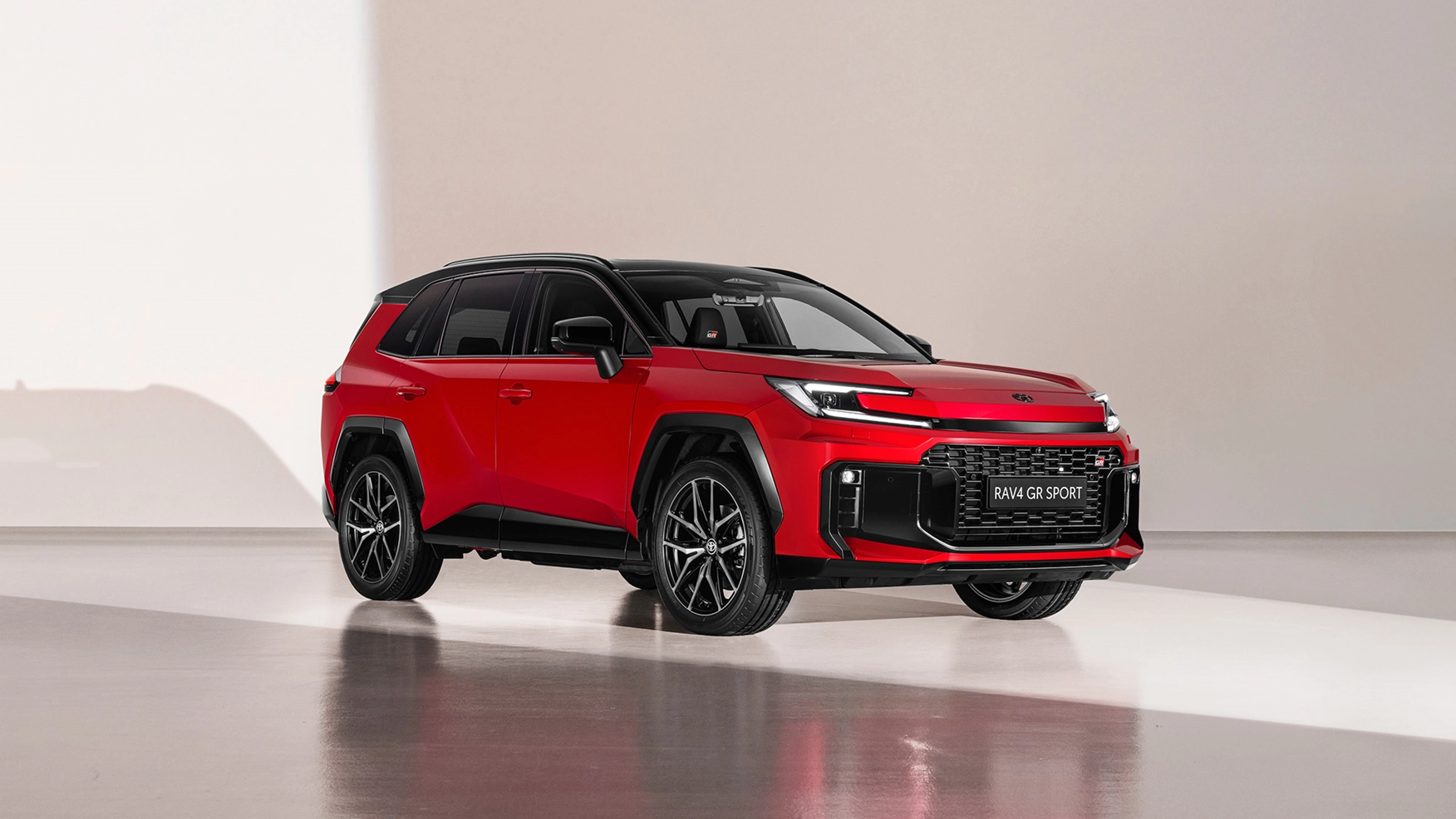
Shipping Options, Costs, and Timing
The vast majority of cars imported from Japan to Kenya utilize Roll-on/Roll-off (Ro-Ro) shipping, where vehicles are driven directly onto the vessel and secured below deck, acting essentially as a dedicated floating parking lot.
This is generally the most cost-effective method for standard passenger vehicles compared to container shipping, which is usually reserved for high-value luxury cars, like a rare BMW X6, or non-running vehicles.
The shipping cost, often quoted as part of the Cost, Insurance, and Freight (CIF) value, is determined by the vehicle’s size, but generally ranges between $1,000 and $1,500 for a standard saloon or small SUV.
Transit time from major Japanese ports like Yokohama or Kobe to Mombasa typically takes between 28 and 35 days, though logistical bottlenecks or specific sailing schedules can sometimes extend this to 40 days.
However, the total duration for Importing A Car From Japan To Kenya is often dictated more by the efficiency of port clearance rather than the sea voyage itself.
Understanding this timeline is crucial for financing, as the vehicle must be fully paid for, and the duties settled within the stipulated free storage period at the port—usually five days—or you risk incurring heavy demurrage charges.
For personalized and current shipping rates and precise arrival estimates, we encourage you to Contact our logistics team, who handle dozens of shipments monthly and can provide the most accurate projections.
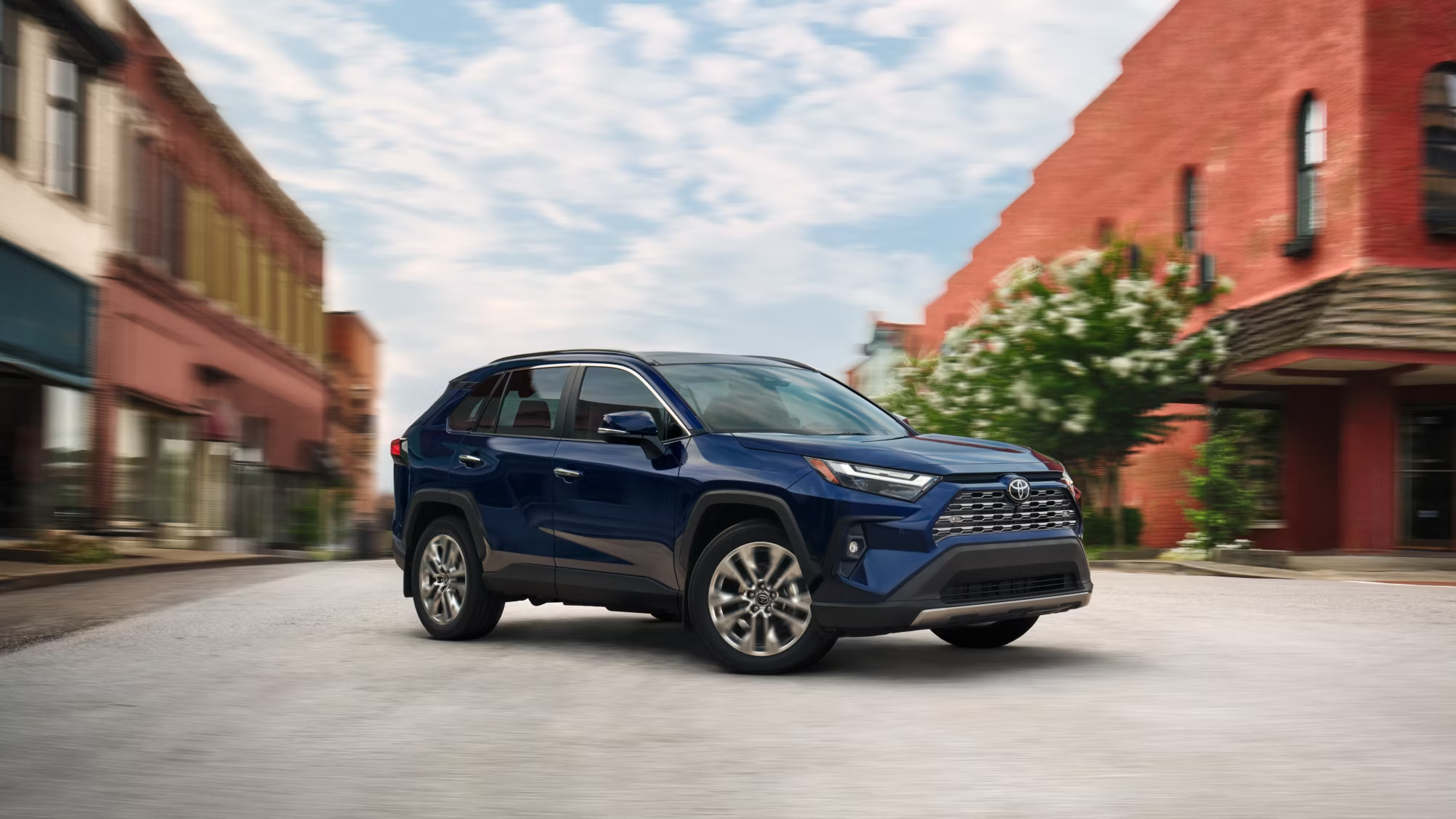
Customs Clearance, Taxes, and Duty Calculations
Customs clearance is often the most complex and expensive part of the import process, demanding meticulous attention to KRA requirements.
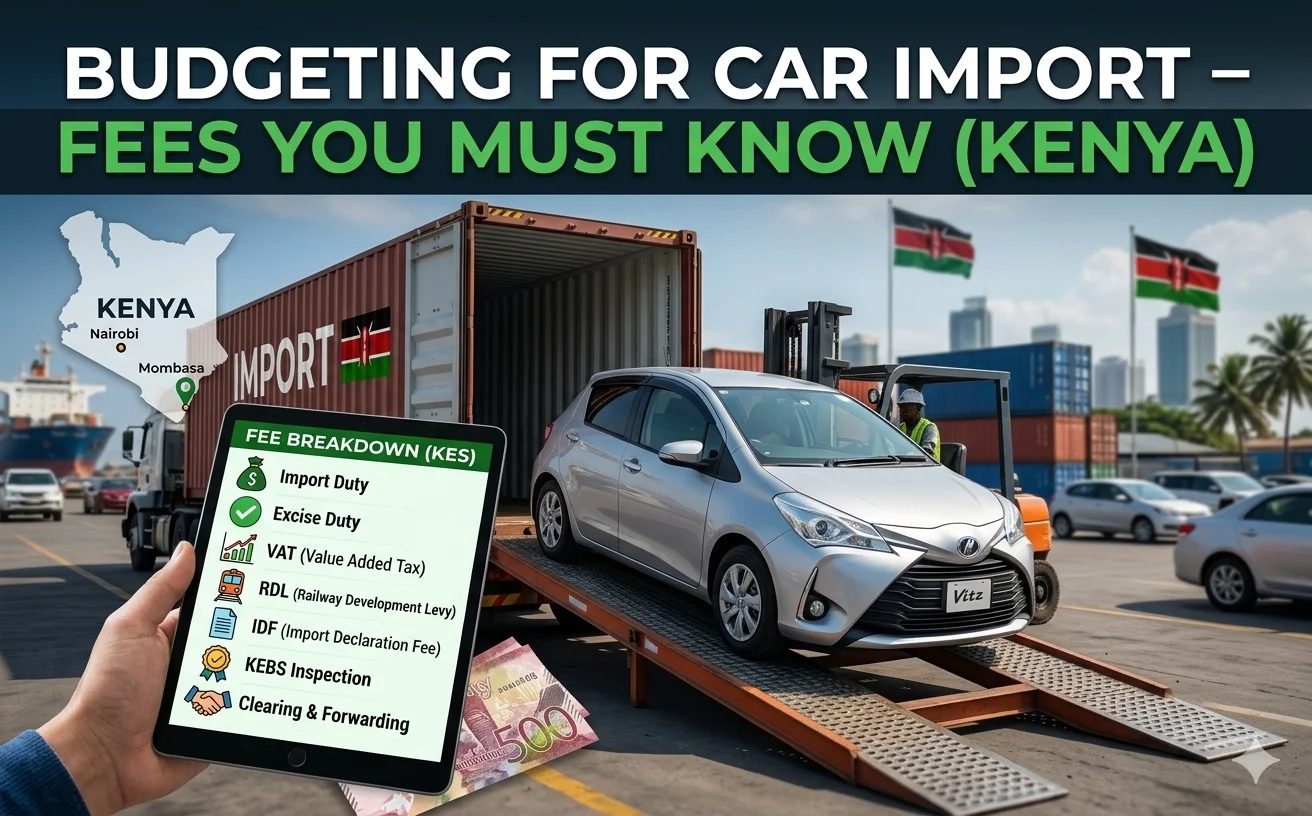
Kenyan vehicle import duties are calculated based on the Customs Value (CIF value), which is the vehicle’s purchase price plus freight and insurance costs.
The core components of the duty are: Import Duty (25% of the CIF value); Excise Duty (which varies significantly based on engine size and type, but often hovers around 20% for popular models); and Value Added Tax (VAT) at 16%.
In addition to these, there is the Import Declaration Fee (IDF) at 2.25% of the CIF value and the Railway Development Levy (RDL) at 1.5% of the CIF value.
To illustrate the complexity, consider a buyer importing a Mercedes GLE: the KRA valuation department sets the Current Retail Selling Price (CRSP) for tax purposes.
If your declared CIF value is lower than the CRSP determined by KRA, you must pay duties based on the KRA’s higher valuation, leading to an unforeseen expense.
This is why accurate pre-calculation is essential.
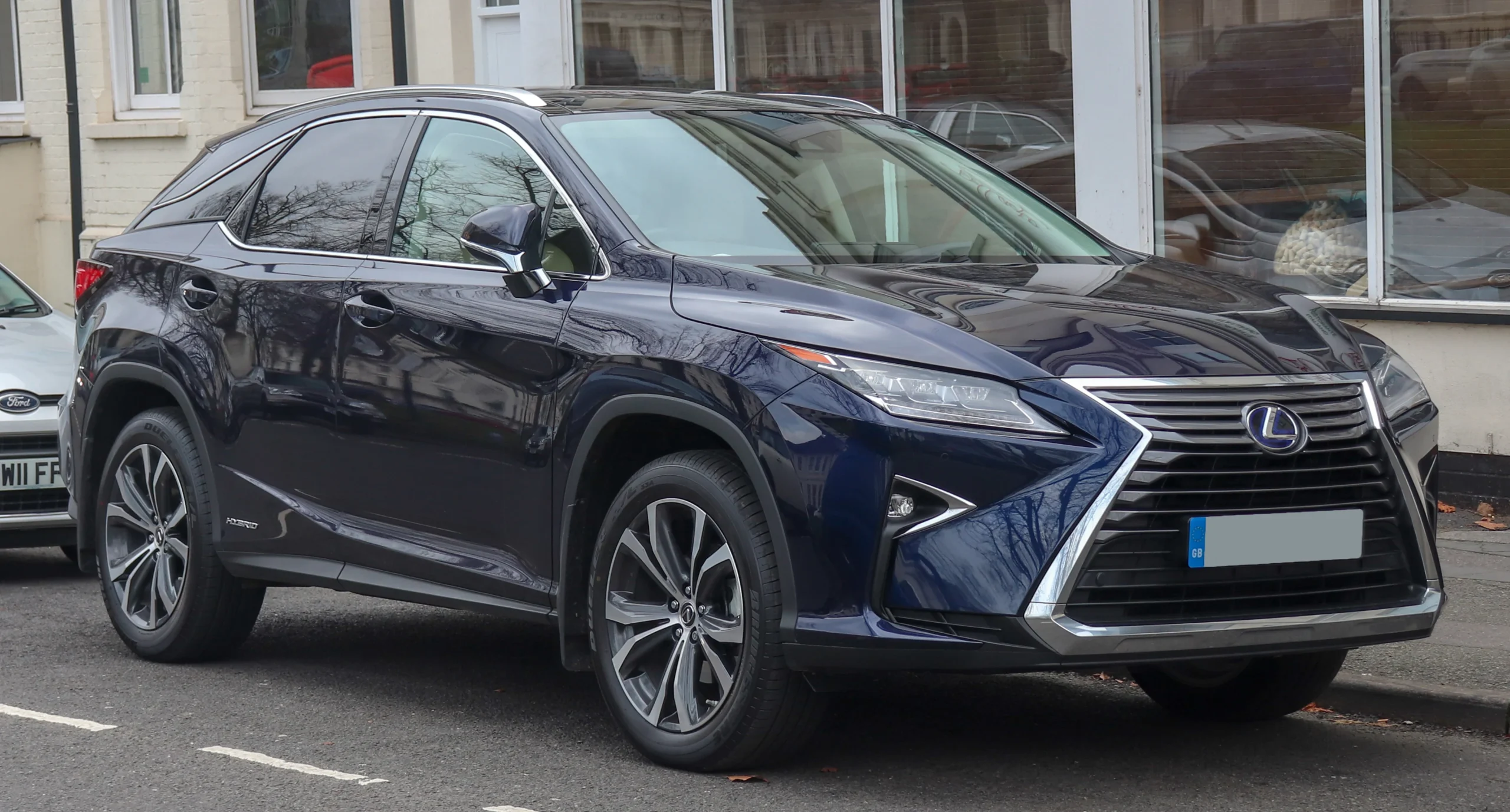
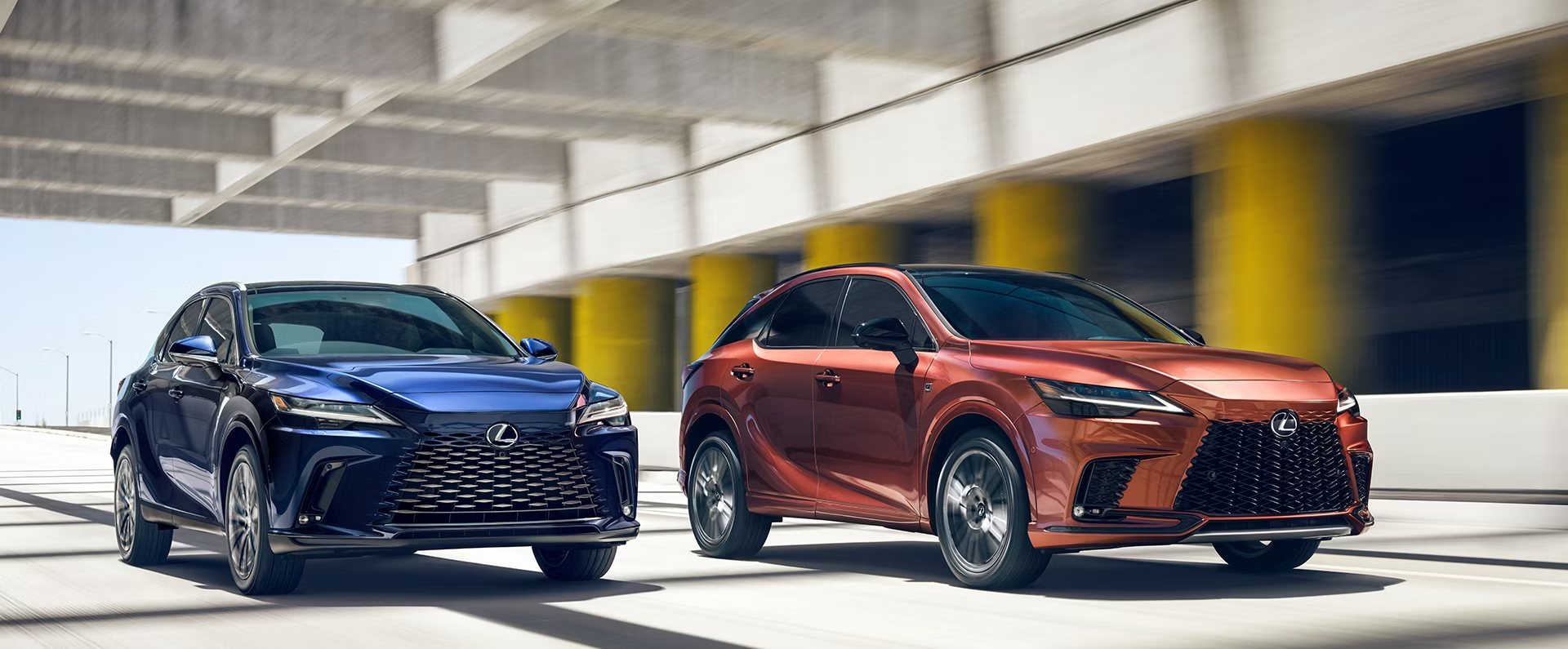
At Enan Motors, we use real-time KRA data and our experience clearing thousands of cars to provide a fixed, all-inclusive duty quote upfront, removing the guesswork and ensuring you can confidently budget the full cost of acquiring your dream Lexus or high-end BMW before committing to the purchase.
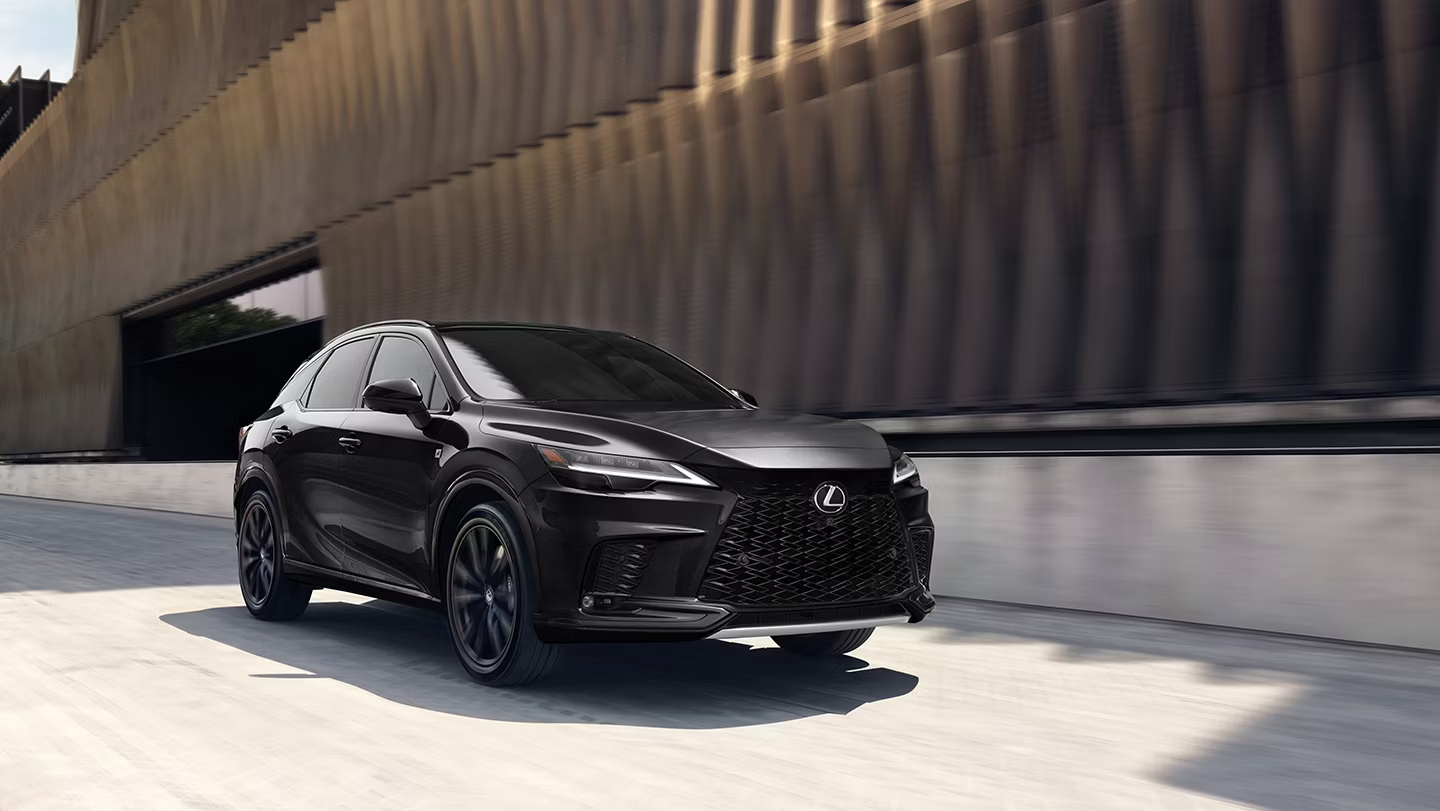
Inspection, Documentation, and Avoiding Scams
The most powerful tool a direct importer has against local scams is documentation integrity.
Unlike vehicles bought locally, where mileage is easily rolled back and repair history concealed, the Japanese system provides verifiable, tamper-proof records.
The auction sheet (known as the inspection sheet) is the car’s report card, detailing its physical grade (e.g., 4.5A), mileage, and any structural defects.
We strongly advise all buyers to reject any vehicle where the agent cannot provide the original, unedited auction sheet and a matching physical inspection report before payment is made.
This level of transparency is non-negotiable and provides a security buffer that simply does not exist when buying a car that has already been cleared and parked in a local yard.
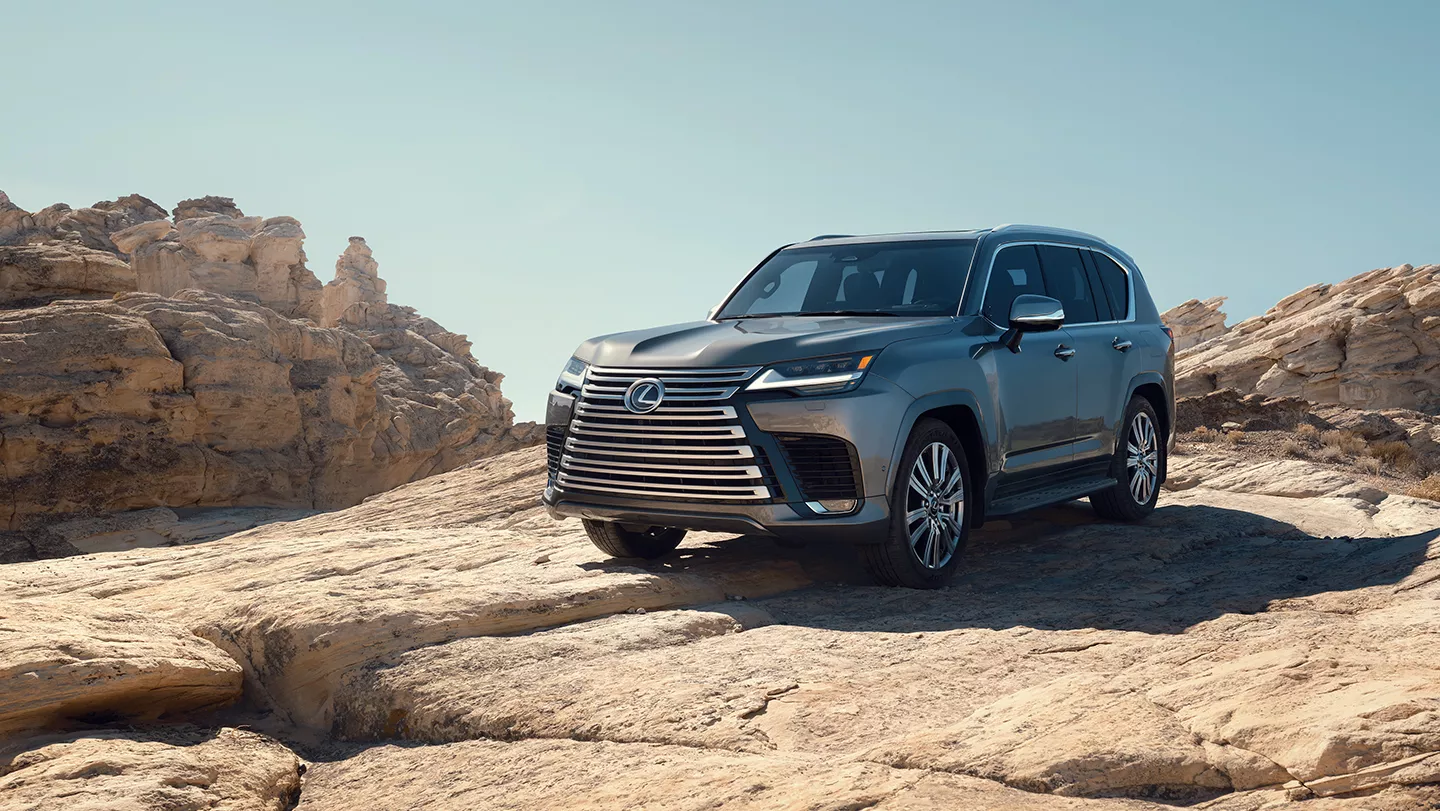
Avoiding the pitfalls in the Kenyan car market requires diligence, especially when dealing with the high-demand segment that includes models like the Lexus LX 600 or the robust Lexus NX250.
Scams are often related to duty underpayment (meaning the new owner inherits KRA debt), or purchasing vehicles that are grade 3.0 or R (accident repaired) which are then superficially polished for sale.
By choosing an expert intermediary like Enan Motors, you ensure that every document—from the Export Certificate to the Bill of Lading—is authenticated and correctly filed with KRA, safeguarding your investment and ensuring a clean transfer of the logbook upon clearance.
Final Checklist, Resources, and Next Steps
To successfully conclude the process of Importing A Car From Japan To Kenya, a final checklist ensures no critical detail is missed before collection.
Verify that you have received the original Bill of Lading, the Japanese Export Certificate, the Certificate of Roadworthiness (KEBS compliant), and all receipts confirming full payment of KRA duty and taxes.
Once the vehicle is physically cleared from Mombasa, the final step is typically registration, where KRA issues the Kenyan number plates and the new logbook in your name.
While the logistics of importing can appear daunting, partnering with an experienced company drastically simplifies this process, turning a complex international transaction into a straightforward local delivery.
If you are considering popular reliable imports like a Mitsubishi or a sturdy Volkswagen, your next step should be consultation, not commitment.
We believe in empowering our clients with knowledge and transparency first.
Avoid the uncertainty of local car yard markups and the risk of hidden defects by taking control of your purchase at the source. Enan Motors offers personalized consultation based on your exact budget and desired specifications, providing transparent duty calculations and access to thousands of verified vehicles daily.
Don’t settle for less than perfect—take the decisive step toward owning a high-quality, verified vehicle today by reaching out to our importation experts via Call us or Message us on WhatsApp for a detailed, no-obligation import quote.
Conclusion
Importing a high-quality car directly from Japan offers undeniable financial and quality benefits over purchasing locally, provided you navigate the strict Kenyan regulatory environment correctly.
Success hinges entirely on transparency, accurate documentation, and detailed planning, especially regarding KRA duty calculations and the critical 8-year rule.
By choosing to partner with a reputable expert like Enan Motors, you gain access to the verified Japanese auction sheets, guaranteed pricing accuracy, and seamless logistics management from Tokyo Bay to your doorstep in Kenya.
We are committed to making the import process secure, affordable, and fully transparent, ensuring you get the exact vehicle you ordered without unexpected costs or quality compromises.
FAQ
- What is the 8-Year Rule for importing cars to Kenya?
The car must be registered in the year preceding eight years from the date of importation; for instance, in 2024, only cars registered from 2017 onwards are eligible.
- How long does the entire import process take from Japan to Kenya?
The typical total timeline is between 45 to 60 days, covering purchase, shipping (28–35 days), and customs clearance at the Port of Mombasa.
- What are the main components of KRA import duty?
Duties include 25% Import Duty, varying Excise Duty, 16% VAT, 2.25% IDF, and 1.5% RDL, all calculated based on the CIF value or KRA’s CRSP.
- Why are Japanese auction sheets important?
Auction sheets provide a verified, independent assessment of the vehicle’s grade, true mileage, and repair history, preventing the purchase of poor-quality or misrepresented cars.
- Is it cheaper to import directly or buy from a local car yard?
Direct importation is generally more affordable because it eliminates significant local car yard overheads and inflated markups, offering better value for a superior-quality vehicle.