
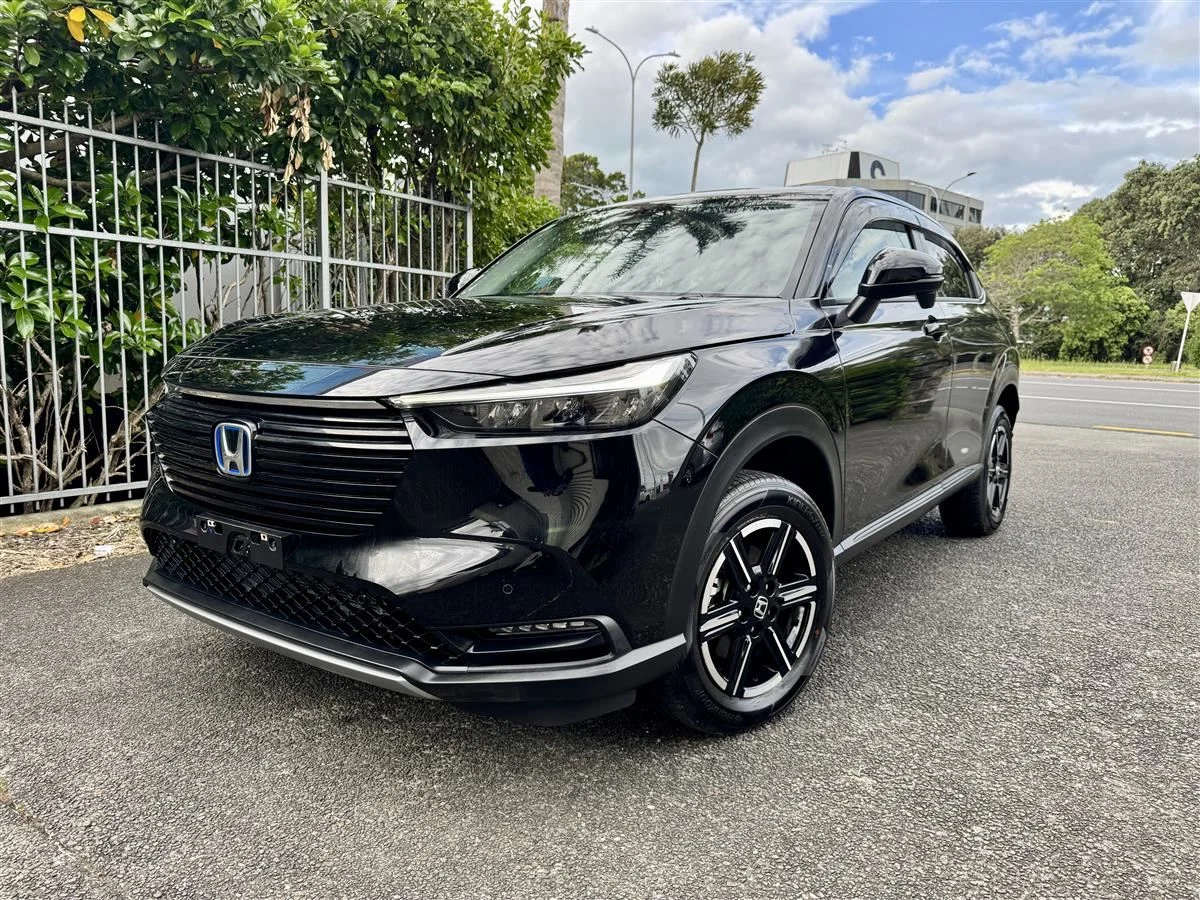
Introduction: Understanding the Honda Vezel’s Drivetrain Options
The Honda Vezel, known globally as the HR-V, has rapidly become one of Kenya’s most sought-after compact crossovers, striking a perfect balance between urban maneuverability, modern styling, and reasonable running costs.
Its popularity stems from its compact SUV stance—giving Kenyan drivers the desired ground clearance for our often-challenging roads—combined with the renowned reliability associated with the Honda brand.
However, when considering a purchase, especially among the different grades imported from Japan, confusion often arises regarding its drivetrain: is it FWD, or does it boast the 4WD capability many Kenyans prefer for extra confidence?
Understanding these distinctions is the first step toward making an informed choice that suits your specific driving needs, particularly when dealing with the heavy rains that turn some urban streets into rivers or the often-corrugated murram roads found upcountry.
Many first-time buyers approaching a local car yard assume that because a vehicle looks like an SUV, it automatically has power going to all four wheels, an assumption that frequently leads to disappointment later on.
The reality is that manufacturers like Honda produce multiple drivetrain configurations for the Japanese Domestic Market (JDM) to cater to diverse weather and efficiency demands.
For the Vezel, the choice usually boils down to the standard FWD (which maximizes fuel economy) and the Real-Time AWD (RT4WD) system.
As expert vehicle importers, we at Enan Motors constantly stress the importance of understanding which variant you are actually purchasing, as relying solely on visual cues or generic model names can be misleading.
Only by checking the specific chassis code and the original Japanese documentation, such as the auction sheet, can you confirm the true specifications of the vehicle before it even leaves the port in Japan.
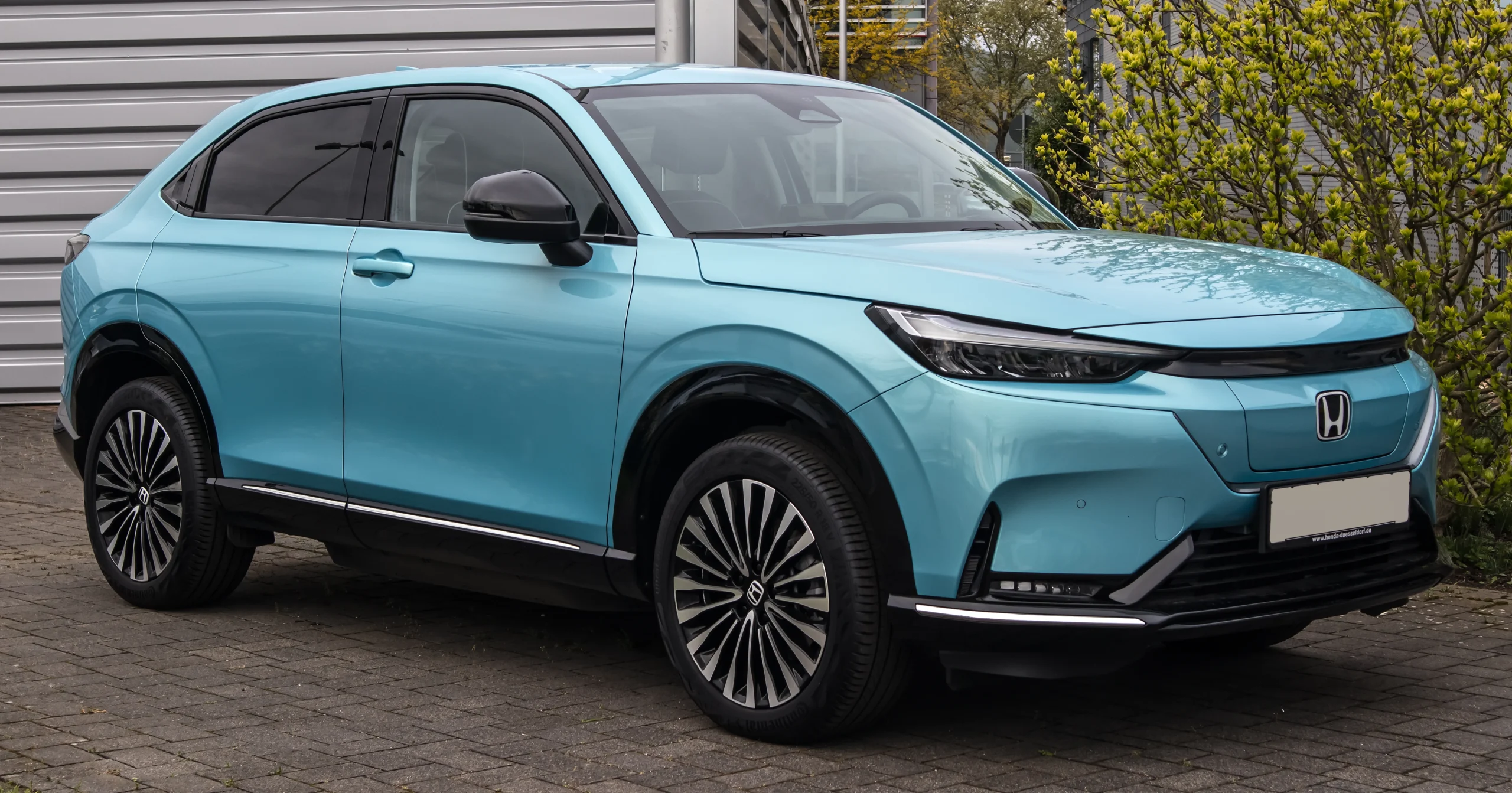
What Does 4WD Mean in the Kenyan Context?
In Kenya, the term ‘4WD’ (Four-Wheel Drive) is frequently used as a blanket term that describes any vehicle capable of delivering power to all four wheels, regardless of whether that system is full-time, part-time, or automatically engaging.
Technically speaking, a true 4WD typically involves a low-range transfer case and is designed for heavy off-roading, systems found in vehicles like the Lexus LX 600 or rugged pickups.
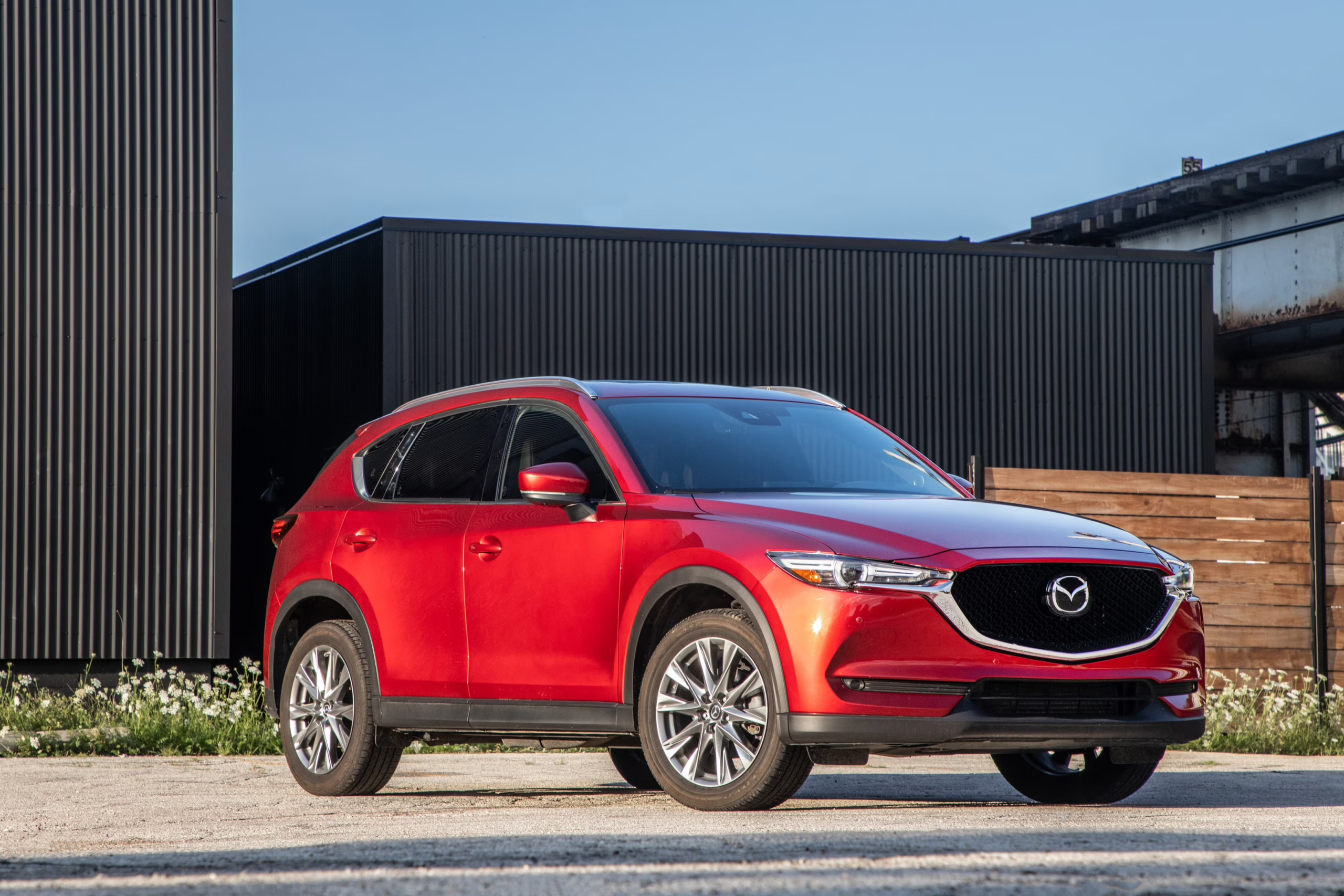
However, when discussing crossovers like the Vezel, Mazda CX 5, or Toyota RAV4, the system is almost universally All-Wheel Drive (AWD).
This AWD system is designed for enhanced road safety, improved grip on slippery surfaces (mud, wet roads), and better acceleration, but it lacks the serious torque and mechanical ruggedness required for challenging safari tracks.
Understanding this local versus technical definition is crucial for the Kenyan buyer.
If you live in a city and occasionally commute through poor sections of road or want extra security during the rainy season, the Vezel’s AWD system is more than adequate and delivers the necessary traction boost.
However, if your job or lifestyle requires frequent traversing of very challenging terrain, deep mud, or rocky ascents, the Vezel—even in its AWD configuration—is not the right tool for the job.
Our experience in the Kenyan market shows that many buyers overpay for an ‘AWD’ compact SUV expecting true off-road capability, only to find the system limited by the vehicle’s fundamental design, ground clearance, and road-biased tyres.
This is why having accurate expectations and transparent documentation from the source is vital; the benefit of direct importation is knowing the vehicle’s exact technical limitations and capabilities before the purchase is finalized.
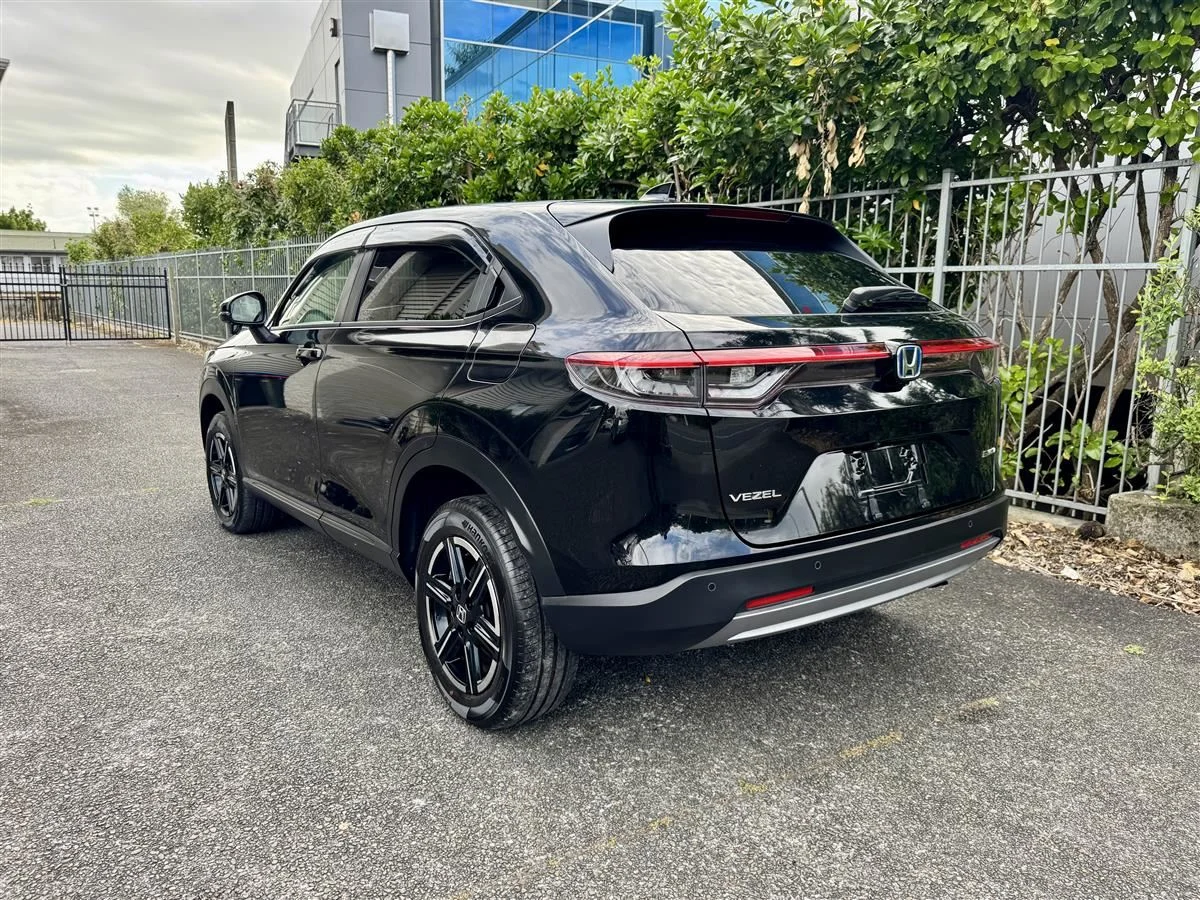
Honda Vezel Models Available in Kenya: Specs and Variants
The vast majority of Honda Vezels imported into Kenya are the hybrid versions (e.g., Z, X, or RS Hybrid models), mainly due to the attractive fuel economy figures they promise, which is a major factor for cost-conscious Kenyan motorists.
These hybrid models are predominantly FWD, maximizing efficiency by only powering the front axle.
However, the AWD option is certainly available across both the standard petrol 1.5L engine and, less commonly, in the hybrid variants.
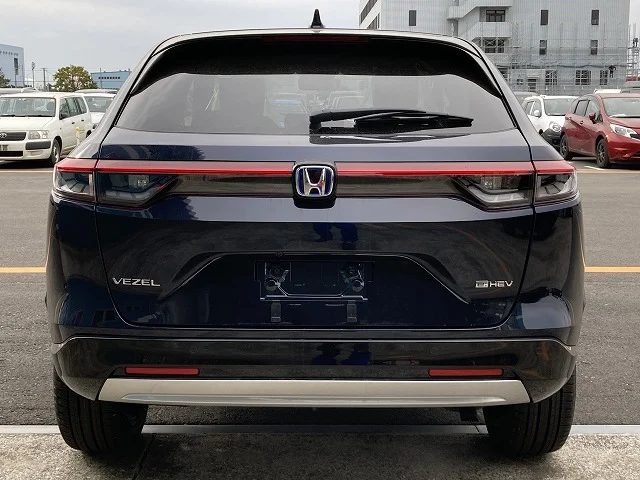
Identifying the AWD model is usually easy in the Japanese market, as they are often designated with a ‘4WD’ badge on the rear hatch, but this badge can sometimes be missing or misleading if the vehicle has been repaired or repainted locally.
The most reliable way to confirm is by reviewing the chassis number against the official specifications, a verification step that is standard practice for professional importers like Enan Motors who source directly from Japanese auctions.
When you buy from a local Kenyan car yard, you are often limited to the inventory they chose based on general market trends, which heavily favour the FWD hybrid for quick sale turnaround.
This often leaves buyers who truly need the AWD system settling for less.
Importing directly from Japan fundamentally changes this dynamic: you gain access to the entire Japanese catalogue, including specific, lower-volume variants such as the AWD 1.5L non-hybrid or the rare AWD hybrid grades.
This gives you the power to choose exactly the specifications that match your terrain and budget requirements, rather than settling for what is immediately available in Mombasa or Nairobi, thereby ensuring you get the most value and suitability from your investment.
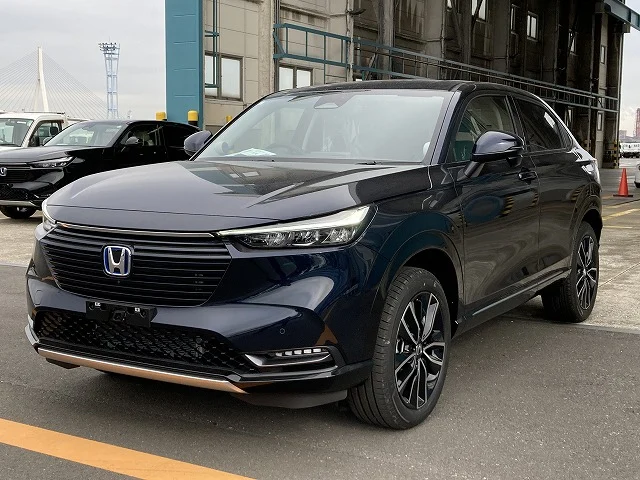
Is the Honda Vezel Equipped with True 4WD or AWD?
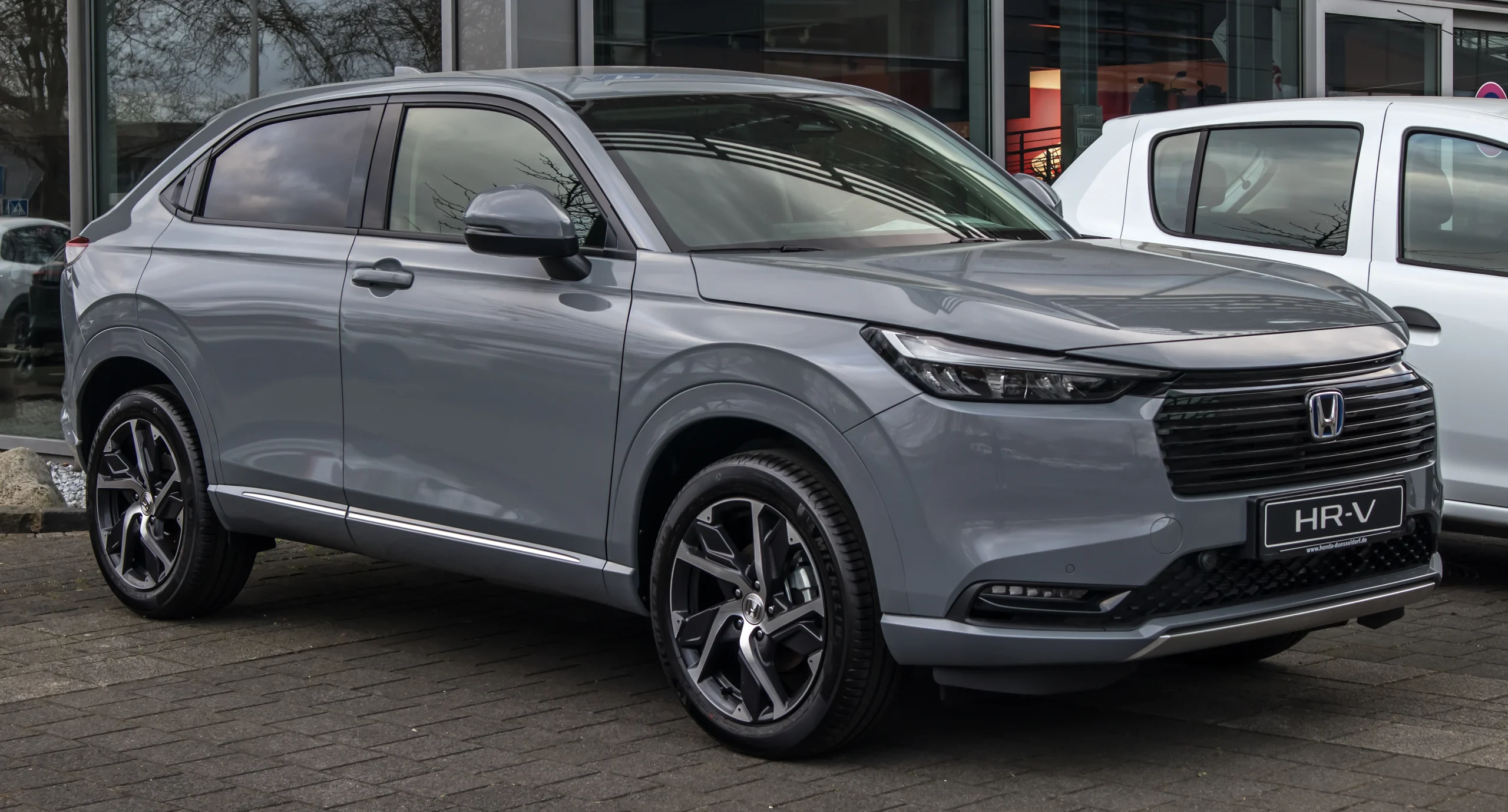
The Honda Vezel is equipped with an All-Wheel Drive (AWD) system known as Real Time AWD (RT4WD), and it is essential to clarify that this is distinct from a traditional, lockable 4WD system.
The RT4WD operates predominantly in FWD mode to conserve fuel during normal driving conditions, such as cruising on smooth tarmac.
When the system detects wheel slip—for instance, when accelerating quickly, encountering mud, or driving on a steep, loose gravel incline—it automatically and seamlessly transfers a percentage of the power to the rear wheels via a hydraulic pump and clutches.
This transfer is entirely automatic and driver-assistive; the driver cannot manually engage or disengage the AWD.
This technological sophistication makes the Vezel highly capable for daily Kenyan driving, offering stability and safety that surpasses FWD counterparts.
The crucial difference for buyers in Kenya is performance under extreme stress.
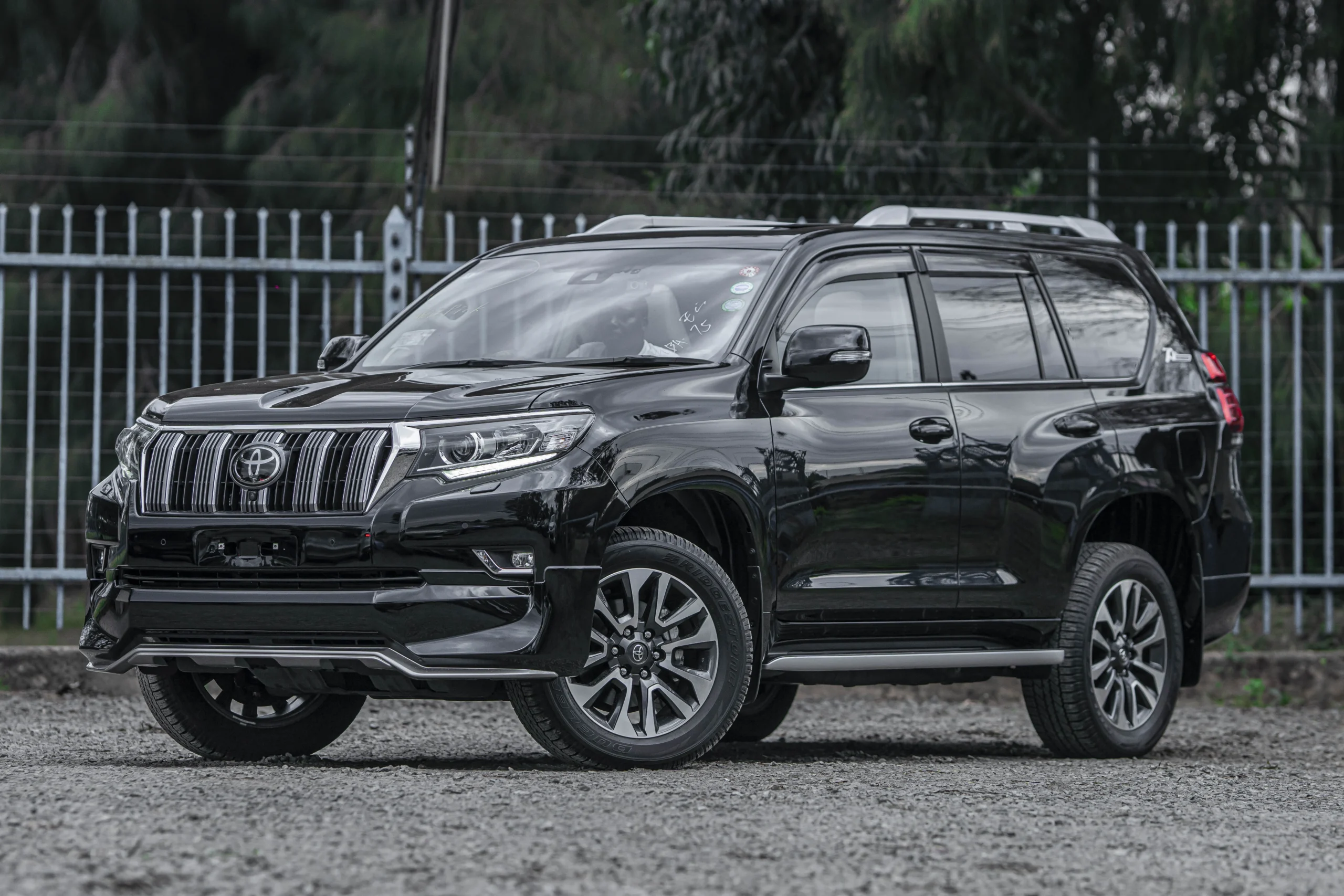
While the RT4WD is fantastic for enhancing traction on slippery tarmac or navigating typical feeder roads, it does not possess the low-range gearing or the physical ruggedness required for sustained off-road work, nor can it handle the severe articulation or heavy loads that a proper 4×4, such as a Prado, is built for.
Understanding the nature of RT4WD ensures that your performance expectations align with the vehicle’s design.
If you need a reliable, efficient commuter that handles heavy rain and occasional dirt tracks with confidence, the Vezel AWD is perfect.
If you need a vehicle for frequent livestock transport or deep bush expeditions in Northern Kenya, you should look towards more robust 4×4 platforms, a conversation Enan Motors is always ready to have, utilizing our extensive access to the Japanese auction market inventory.
Performance and Handling on Kenyan Roads and Terrain
For the average Kenyan motorist, the AWD Vezel offers a noticeable advantage over its FWD sibling, especially when dealing with the realities of our infrastructure.
When traversing a particularly potholed section of road, the AWD system offers better composure, reducing the chance of losing traction momentarily when one wheel drops.
Furthermore, during the critical rainy seasons, when flooding is common in areas of Nairobi and Mombasa, the AWD provides crucial grip, preventing potentially dangerous hydroplaning or getting stuck in soft mud.
This enhancement in stability translates directly into improved safety and reduced driver stress, making the AWD variant a worthwhile investment for those who frequently drive beyond Nairobi’s well-maintained ring roads.
The handling characteristics of the Vezel are inherently sporty and agile, making it feel less cumbersome than larger SUVs, and the addition of AWD complements this dynamic driving experience by minimizing understeer during spirited cornering.
Even on graded but loose murram roads, the system works rapidly to distribute torque, ensuring the vehicle tracks straight and true.
We always advise our clients to consider their primary driving environment: if you live or frequently travel to areas where roads are not paved or where inclines are steep and covered in loose gravel, opting for the AWD model through our seamless Import process provides peace of mind.
It allows the driver to benefit from the efficiency of a crossover while gaining the necessary marginal performance boost required for Kenyan variability, without sacrificing the vehicle’s light footprint.

Fuel Efficiency and Maintenance Considerations for 4WD Vehicles in Kenya
A common trade-off when choosing an AWD vehicle, including the Vezel, is a slight reduction in fuel economy compared to the FWD equivalent.
This difference, although minor—typically a decrease of 0.5 to 1.5 km per litre—occurs because the AWD system carries more mechanical components (like the propeller shaft, rear differential, and heavier drive unit) and requires energy to turn these components, even when the rear wheels are not engaged.
For Kenyan drivers who calculate their fuel costs meticulously, this factor is worth consideration, particularly given the recent volatility in petrol and diesel prices at the pump.
The fuel difference explains why local yard inventory tends to skew heavily toward the FWD hybrid, as they offer the most attractive mileage figures.
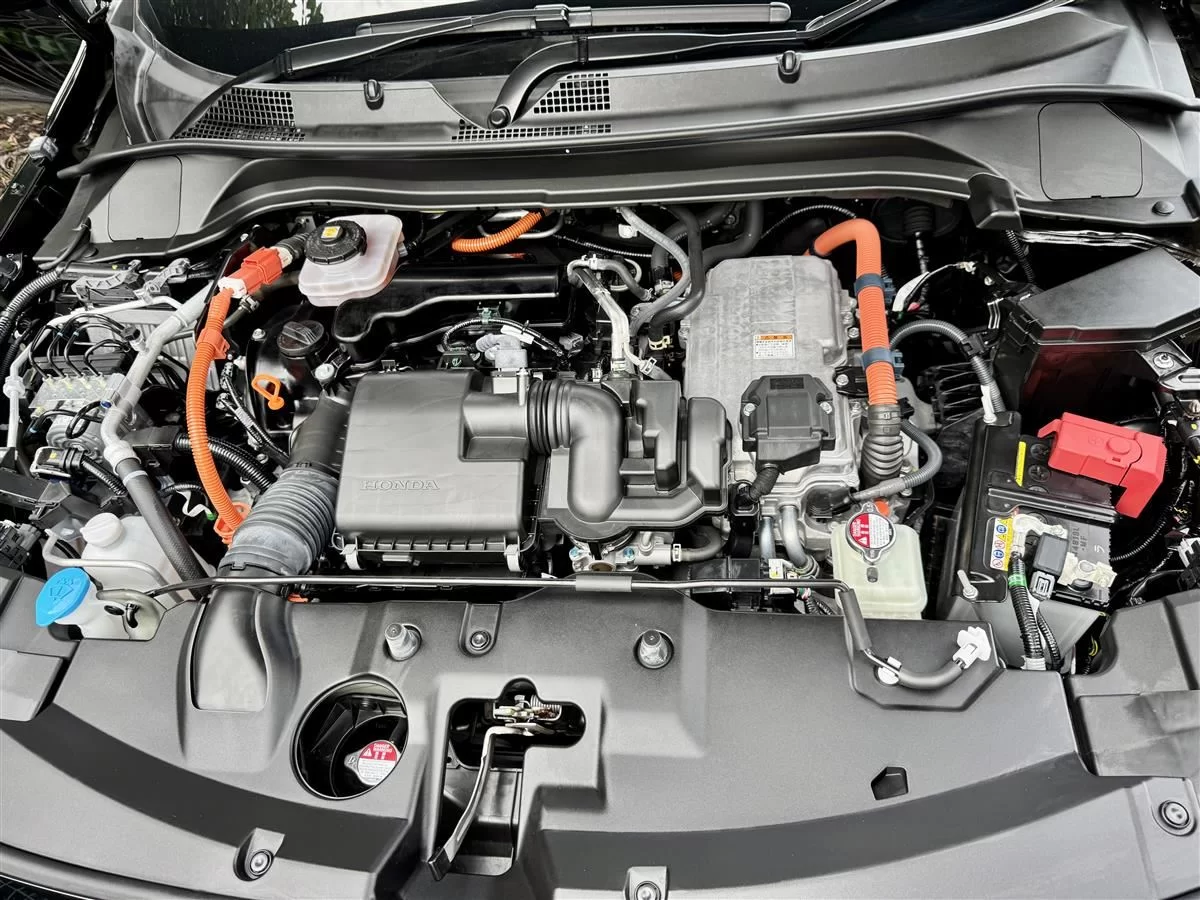
From a maintenance perspective, the AWD system adds a few extra service points that FWD cars do not have.
Specifically, the rear differential fluid and the Real Time AWD coupling fluid need periodic replacement as stipulated by Honda’s maintenance schedule.
Although the Vezel’s system is generally reliable, proper servicing with high-quality, genuine fluids is essential to prevent costly component failure down the line.
When importing an AWD Vezel directly from Japan, Enan Motors provides detailed service history where available, giving you insight into how well the mechanical components have been maintained.
If you are uncertain about the added maintenance requirements, don’t hesitate to Message us on WhatsApp for clarity on the long-term running costs associated with the AWD option.
Pricing, Availability, and After-Sales Support for the Vezel 4WD
The Honda Vezel AWD variant typically commands a slightly higher price premium—usually 10% to 15% more than the equivalent FWD model—due to its relative scarcity and enhanced capability.
In local car yards, availability is sporadic, and because the AWD models are less common, local dealers often inflate the price further, capitalizing on demand and limited supply.
This is where direct importation offers significant financial and logistical advantages.
By utilizing the Japanese auction system, clients working with Enan Motors can pinpoint a high-grade AWD Vezel that matches their budget and specifications precisely, often resulting in a lower final landed cost compared to buying a marked-up unit locally that may have questionable provenance.
Transparency is another crucial factor when discussing availability and pricing.
When buying through us, you receive the full auction sheet and verified documents showing the vehicle’s actual grade, mileage, and confirmation of the RT4WD system, eliminating the risk of buying an FWD unit misrepresented as a 4WD.
Furthermore, choosing a specialized importer like Enan Motors for your vehicle procurement means you are partnering with a team that provides end-to-end guidance, from sourcing and inspection to shipping and registration in Kenya.
This confidence in knowing the true quality and condition of your vehicle upon arrival at the Port of Mombasa is invaluable, far surpassing the peace of mind offered by generic local yards.
Comparing the Vezel 4WD to Other Compact SUVs in Kenya
In the highly competitive Kenyan compact SUV market, the Vezel 4WD sits alongside rivals such as the Volkswagen Tiguan, the Nissan Dualis, and the immensely popular Toyota Harrier, all of which offer some form of AWD or 4WD capability.
The Vezel typically outperforms its competitors in terms of fuel efficiency (especially the hybrid AWD variant), thanks to Honda’s efficient powertrain design.
Where the Vezel sometimes falls short against rivals like the Subaru XV is in continuous AWD performance, as the Subaru offers a more robust, full-time symmetrical AWD system.
However, the Vezel counters this with generally lower maintenance requirements and superior parts availability across Kenya, making it a very practical choice.
When comparing running costs, vehicles from premium brands like BMW or Mercedes Benz (even smaller models like the Mercedes GLE or BMW X6) often introduce significantly higher taxation and spares costs, placing them outside the average Kenyan buyer’s budget for daily utility.
The Vezel strikes that sweet spot: reliability, good ground clearance, respectable AWD capability, and affordable running costs.
By comparing the verified auction grades of similar vehicles available in the Japanese market through our portal at Inventory, you can objectively determine which model—be it a Vezel, a Mazda Axela, or a Mitsubishi—offers the best combination of AWD, age, mileage, and grade quality for your intended use and budget.
Final Verdict: Should You Choose a Honda Vezel 4WD in Kenya?
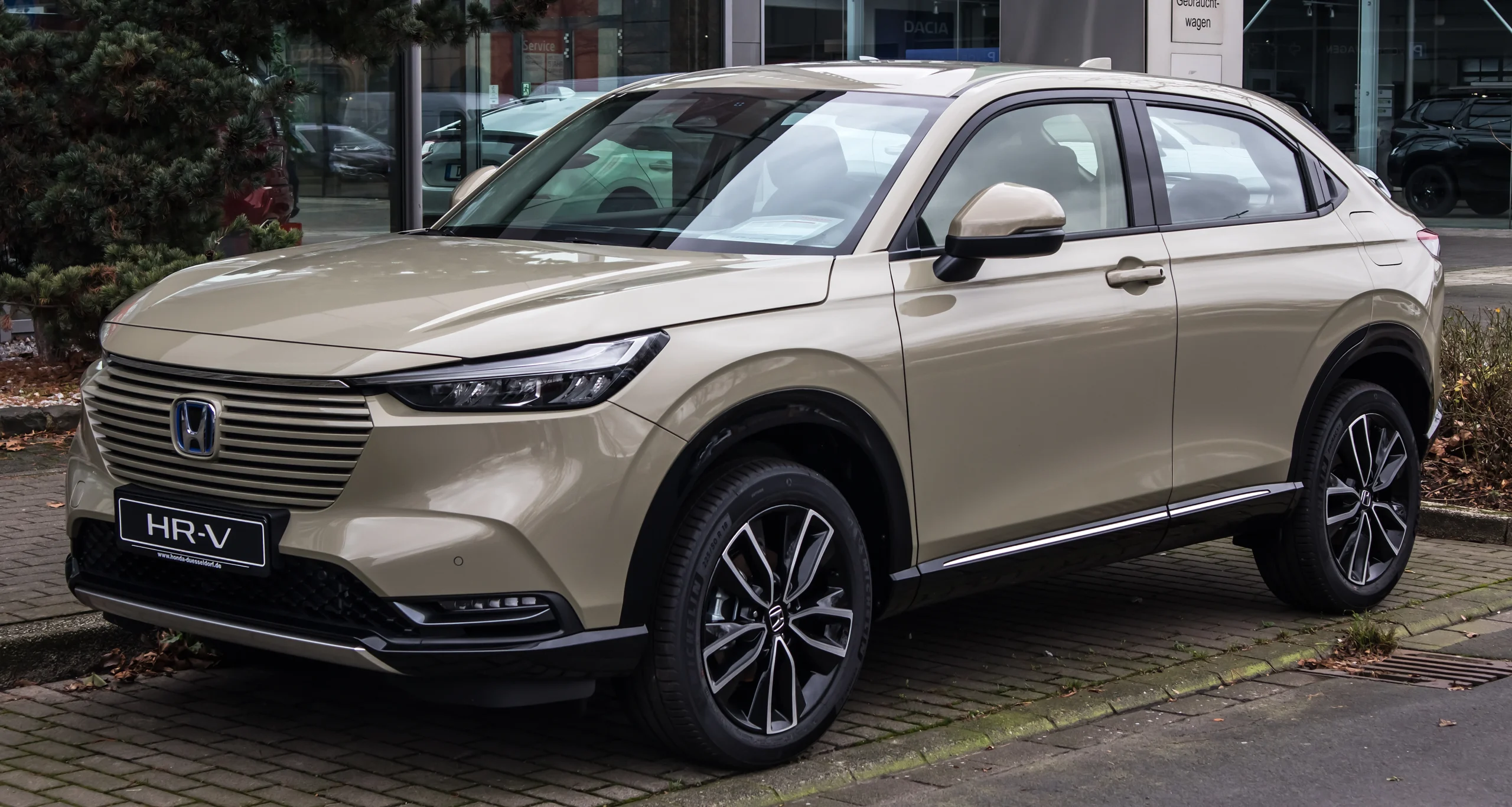
The Honda Vezel AWD is an excellent choice for the majority of Kenyan drivers who need enhanced safety and traction without sacrificing the fuel economy and compact size ideal for urban commuting.
It is particularly recommended for those who regularly face poorly maintained roads, frequent rainfall, or drive on steep, loose surfaces where FWD vehicles might struggle.
However, the choice must be deliberate and based on facts, not assumptions, because the FWD models dominate the local market.
If the AWD capability is non-negotiable for your daily security and peace of mind, then sourcing it directly from Japan is the most assured path to obtaining the correct specification and the best quality vehicle available.
This eliminates the risk of buying a locally modified or misrepresented car, ensuring you know the true history and condition.
The primary advantage of engaging a specialist importer like Enan Motors is the complete transparency we offer throughout the purchasing journey.
We remove the middleman markups and give you direct access to the vehicle’s vital statistics via the auction sheet, guaranteeing that the 4WD badge is accurate and functional.
If you are tired of limited choices and inflated prices in local yards and are ready to secure a high-quality, verified Honda Vezel AWD directly from Japan, we invite you to start your importation journey today.
You can Call us to discuss your exact requirements and get personalized advice from our team of Kenyan car experts on finding the perfect vehicle to tackle our country’s unique driving conditions.
Conclusion
In summary, the Honda Vezel is available with a capable All-Wheel Drive system (RT4WD) that provides significant performance benefits on Kenya’s varied road surfaces, particularly in wet or slippery conditions.
While it should not be confused with a true 4×4, the Vezel AWD offers a crucial balance of efficiency and enhanced traction that makes it highly suitable for Kenyan family and business use.
The key to securing the right vehicle is verified sourcing; avoid settling for the limited FWD options often seen locally and leverage the benefits of direct importation from Japan.
By choosing Enan Motors, you gain access to the full range of specifications, competitive pricing through the elimination of yard markups, and, most importantly, the assurance that you know the true quality of the car you are buying before it lands in Mombasa.
For transparent, high-quality vehicle importation, contact us today, and let us help you find the perfect Vezel AWD.
FAQ
- How can I visually confirm if a Honda Vezel is AWD in Kenya?
The most definitive visual confirmation on the Vezel model is the ‘4WD’ badge usually located on the rear liftgate, although this is not always present on all trims or may have been removed.
More reliably, look underneath the rear of the car; an AWD model will have a rear differential housing and independent rear axle components clearly visible, which are absent in the FWD model.
The absolute, guaranteed method, however, is confirming the drivetrain code on the vehicle’s original Japanese auction sheet, a document Enan Motors always provides to confirm specifications before purchase.
- Is the Vezel AWD suitable for heavy off-roading or deep mud in Kenyan rural areas?
No, the Honda Vezel AWD is not designed for heavy off-roading or deep mud, as it lacks low-range gearing, robust suspension articulation, and sufficient ground clearance for severe terrain.
The Real-Time AWD system is excellent for providing grip on loose gravel, wet roads, and mild inclines, enhancing safety and stability during everyday driving on typical Kenyan feeder roads.
For demanding rural conditions, we would advise clients to consider specialized 4×4 vehicles available through our direct import services, such as a sturdy Mitsubishi Pajero or a Toyota Fortuner.
- Are spare parts for the Vezel’s AWD system easily available in Nairobi and Mombasa?
Yes, because the Honda Vezel shares mechanical components with many other common Honda platforms, general service parts are widely available in major Kenyan cities.
Specific components related to the AWD system—such as the differential seals or the RT4WD clutch fluids—may be less common in generic spare parts shops but are easily procurable through specialized Honda parts dealers or direct sourcing channels.
Maintenance of the AWD system is typically straightforward for qualified Kenyan mechanics familiar with Japanese crossovers.
- Does choosing the AWD Vezel significantly impact fuel consumption compared to the FWD hybrid?
While the FWD hybrid Vezel offers peak fuel economy, the AWD version does have a slightly higher fuel consumption, typically consuming about 0.5 to 1.5 litres more per 100km than its FWD counterpart.
This marginal reduction is due to the added weight and mechanical drag of the rear differential and propeller shaft.
Kenyan buyers must weigh the minor increase in fuel cost against the significant benefit of improved traction and stability during the wet seasons or on challenging roads.
- How does Enan Motors ensure I get a genuine AWD Vezel from Japan?
Enan Motors guarantees genuine specifications by exclusively sourcing vehicles from verified Japanese auction houses, where all details are meticulously recorded.
Before you commit to a purchase, we provide you with the full, non-tampered auction sheet which clearly states the drivetrain (2WD or 4WD), the vehicle’s mileage, and its inspection grade.
This transparency ensures that you know the true condition and exact specifications of the vehicle before we arrange shipment to Kenya.
To see the quality of our current verified imports, check our available cars online.