
Yes, the Honda Vezel is widely considered a highly reliable vehicle, especially the non-hybrid 1.5L variants, making it a popular and trustworthy choice for Kenyan drivers looking for a compact SUV that balances fuel economy and robust performance.
Its global reputation, coupled with Honda’s renowned engineering precision, means that if properly maintained and imported with verifiable inspection sheets, the Vezel offers excellent longevity and minimal serious mechanical failure, barring known issues related to the early D-CT transmissions in hybrid models.
Reliability in the Kenyan context, however, is heavily dependent on the vehicle’s history in Japan and whether the importer provides transparency about mileage, accident history, and maintenance records, which is why working with trusted direct importers like Enan Motors is essential.
The Vezel has carved out a significant niche for itself in the highly competitive Kenyan motor vehicle market, appealing directly to the upwardly mobile professional and the small family looking for practicality without compromising on style.
When we talk about reliability here in Nairobi or Kisumu, we are often talking about the ability of the car to handle poor road sections without constant trips to the garage, and whether spare parts are readily available and affordable.
The Vezel meets these criteria largely due to its shared platform with the globally successful Honda Jazz (Fit), ensuring that running gear and common engine components are both durable and easy to source locally, meaning less downtime and lower running costs compared to some continental imports like a BMW or certain Volkswagen models.
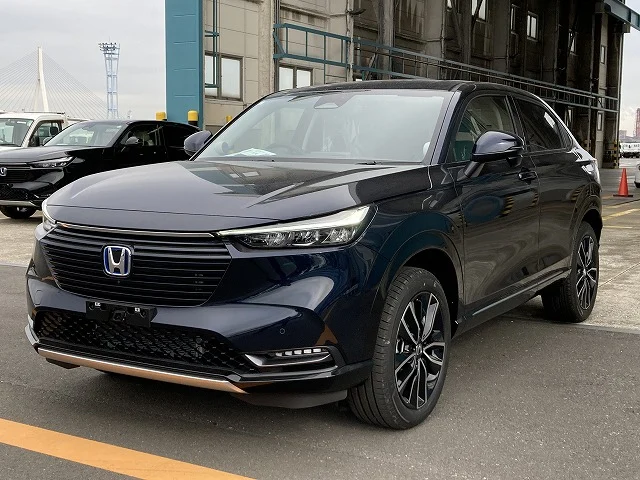
Overview of the Honda Vezel: Design and Market Position
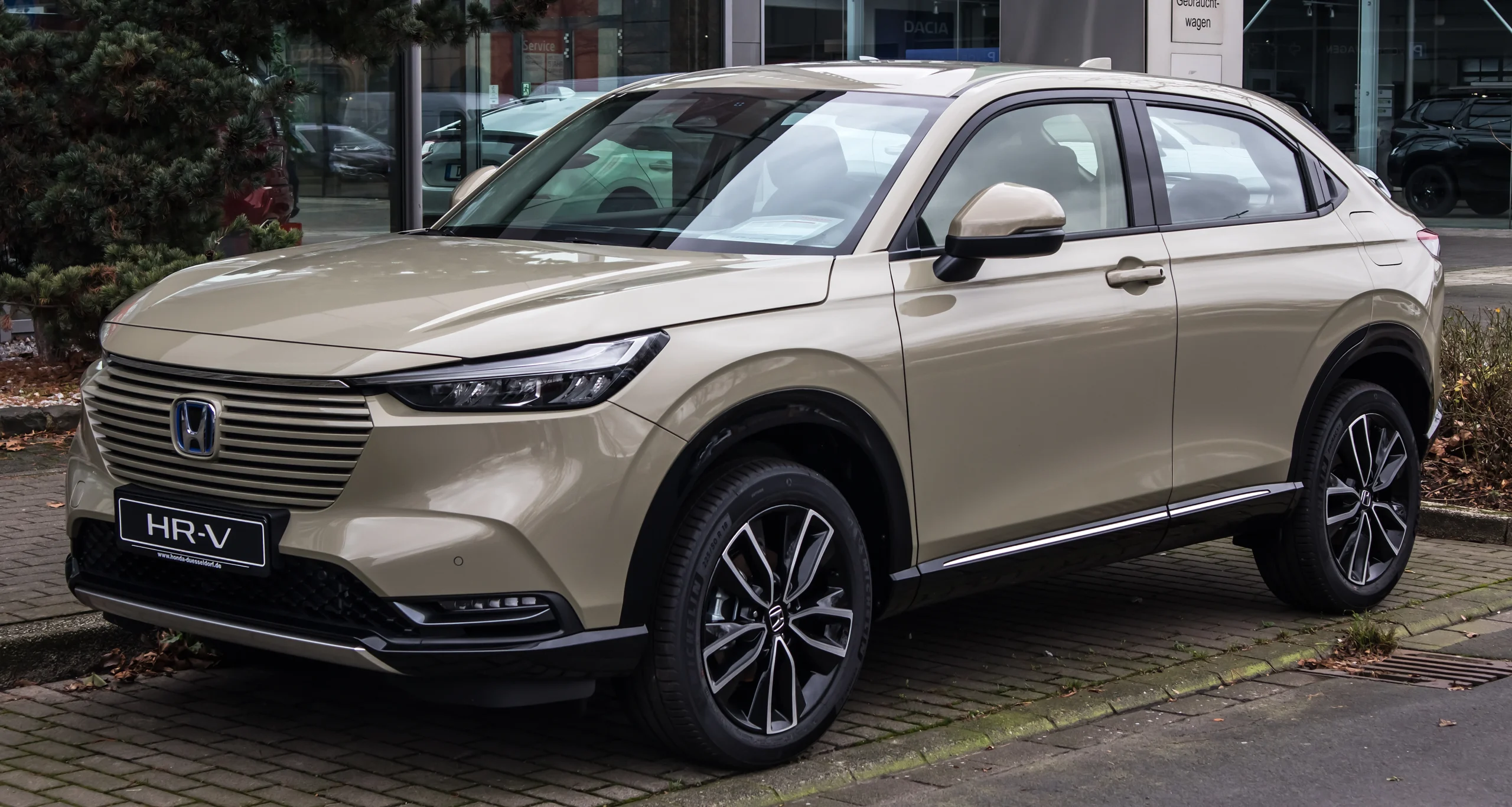
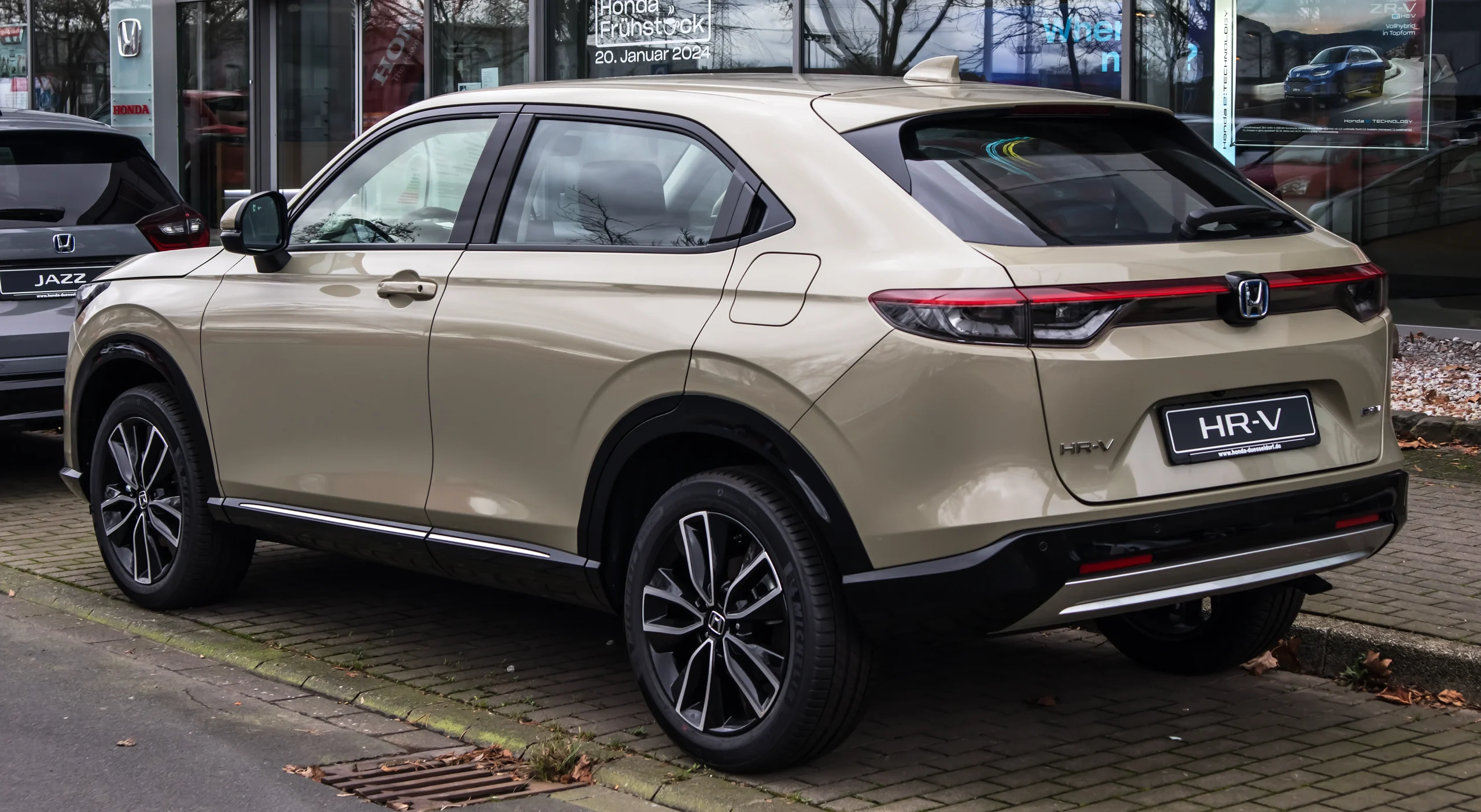
The Honda Vezel, known internationally as the HR-V, entered the Kenyan market as the perfect urban crossover, providing adequate ground clearance to tackle speed bumps and minor flooding without the excessive bulk or cost associated with a full-sized SUV, such as a Lexus LX 600.
Its design philosophy successfully merges the practicality of a hatchback with the commanding presence of an SUV, making it a stylish and practical daily driver for those navigating the city chaos.
In Kenya, the Vezel primarily competes directly against the Nissan Juke and the immensely popular Honda Vezel, often winning on interior space and perceived refinement.
Its aggressive pricing point, especially when imported directly from Japanese auctions, has allowed it to displace older models, establishing itself as the go-to compact SUV for buyers transitioning from smaller saloons like the Mazda Axela who require slightly more utility.
A significant reason for the Vezel’s market success is its highly efficient engine lineup, particularly the 1.5L i-VTEC petrol unit, which perfectly balances power for overtaking maneuvers on Kenyan highways and fuel economy for the congested urban commute.
When clients approach Enan Motors looking for a reliable, modern crossover, the Vezel is consistently among the top recommendations, largely because the vast majority of units sourced directly from Japan have verifiable service histories and low mileage, ensuring a longer lifespan here in Kenya.
This transparency is crucial because buying a heavily used local unit often means inheriting costly hidden faults, whereas our direct import process ensures you know exactly what you are paying for long before the vehicle docks at the Port of Mombasa.
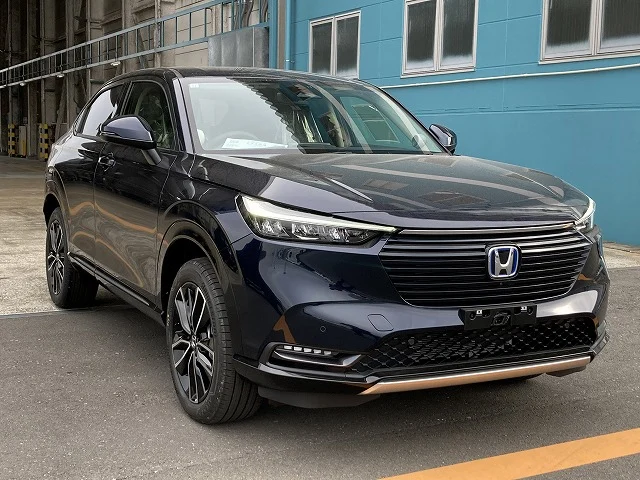
Reliability Ratings and Industry Benchmarks
Globally, Honda consistently ranks high in reliability studies conducted by organizations like J.D.
Power, often performing better than many of its German counterparts like Mercedes Benz and far surpassing niche brands.
However, we must translate these global ratings into the reality of the Kenyan used import market; here, reliability is less about the factory warranty and more about the maintenance schedule adhered to by the previous owner in Japan.
The Vezel’s high rating is largely attributed to its robust engine construction and minimal electrical gremlins that often plague more technologically advanced European vehicles.
Enan Motors always advises clients to prioritize vehicles with a high auction grade (4 or above) and a detailed auction sheet, as these verifiable documents serve as a better predictor of real-world reliability than any generic international benchmark, guaranteeing a clean and mechanically sound vehicle upon importation.
For prospective buyers considering an import, the Japanese auction sheet is the single most important document, offering a level of truthfulness about the vehicle’s condition that is rarely found when purchasing a locally registered vehicle from an unvetted yard in Nairobi.
A high reliability rating on paper means nothing if the car has been poorly maintained or was involved in a serious accident that compromises structural integrity, which is why Enan Motors focuses heavily on sourcing units that meet strict quality checks.
When choosing between two visually similar Vezels, one with a transparent history and one without, the choice is simple: transparency equals reliability, offering you the peace of mind that your investment will serve you faithfully for years without requiring unexpected, expensive repairs.
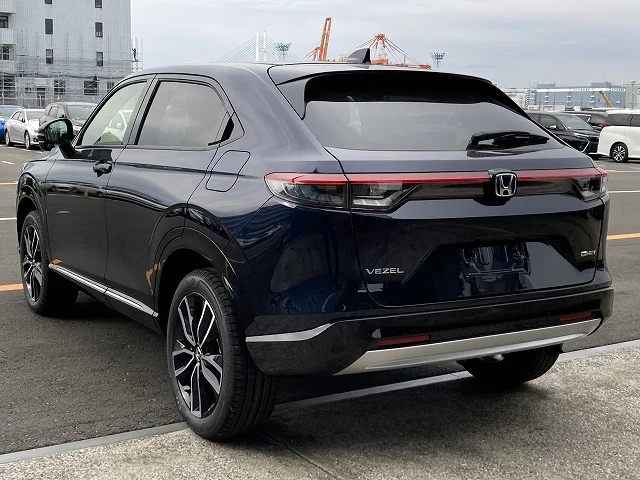
Common Mechanical Issues Reported by Owners
While the Vezel generally scores high on dependability, there is one critical area potential buyers must be aware of: the early dual-clutch transmission (D-CT) used in the Hybrid models between 2013 and 2016.
This transmission, while highly efficient, was notorious for shuddering, overheating, and premature failure if not meticulously maintained, leading to significant headaches for some early adopters.
Thankfully, Honda issued software updates and later refined the unit, but buyers should exercise caution with early hybrid imports and always insist on a pre-purchase inspection that specifically checks the transmission’s performance under load, differentiating it from the standard smooth CVT found in the non-hybrid models.
Beyond the early D-CT concerns, other issues reported by Kenyan owners tend to be minor and largely maintenance-related, exacerbated by the challenging road conditions.
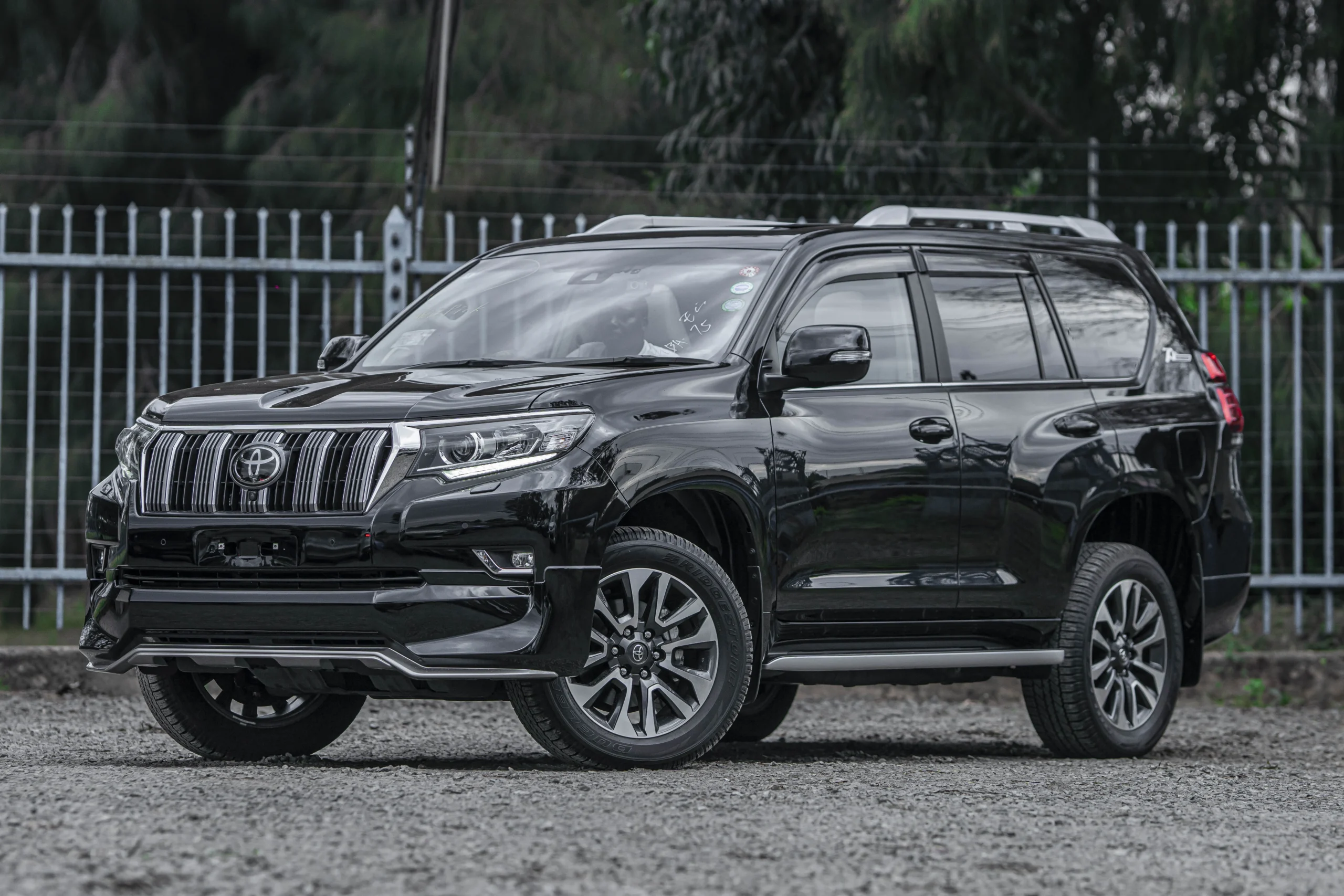
Suspension components, particularly the shocks and bushings, tend to wear faster than they would in Japan, a common fate shared by nearly all imported vehicles, even robust ones like the Toyota Land Cruiser Prado.
Additionally, some electrical sensors related to the climate control or infotainment system have occasionally given trouble, but these are generally simple fixes and do not compromise the vehicle’s drivability.
Knowing these weak points upfront allows our clients at Enan Motors to proactively address maintenance upon arrival in Kenya, ensuring a smooth and reliable ownership experience from day one.
Real-World Fuel Efficiency and Maintenance Costs
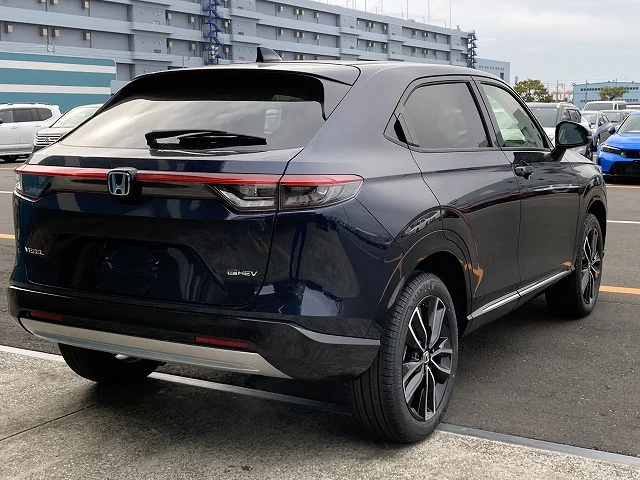
One of the Vezel’s most significant selling points in the cost-conscious Kenyan market is its exceptional fuel efficiency.
The 1.5L non-hybrid version typically delivers between 14 km/L and 16 km/L in mixed driving conditions, which is remarkably competitive for its size and far surpasses the consumption rates of bulkier SUVs.
The hybrid version, despite the aforementioned transmission risks, can push efficiency beyond 18 km/L, offering substantial savings at the pump, especially for those commuting long distances daily in heavy traffic.
These real-world consumption figures make the Vezel one of the cheapest vehicles to run in its class, often rivaling smaller hatchbacks.
In terms of maintenance costs, the Vezel is highly affordable to service because it utilizes common Honda components; routine servicing, including oil, air, and cabin filters, is readily available across Kenya and is generally inexpensive.
Major maintenance costs, such as brake pads or drive belt replacement, are also reasonable and spares can be easily sourced in key supply hubs like Industrial Area in Nairobi.
It is worth noting that while standard maintenance is cheap, specialized components for the hybrid system or specific D-CT transmission parts can be harder to find and more costly if imported separately, emphasizing the importance of securing a vehicle that has already been well-maintained in Japan through a reliable source like Enan Motors.

Longevity of Key Components: Engine, Transmission, and Hybrid System
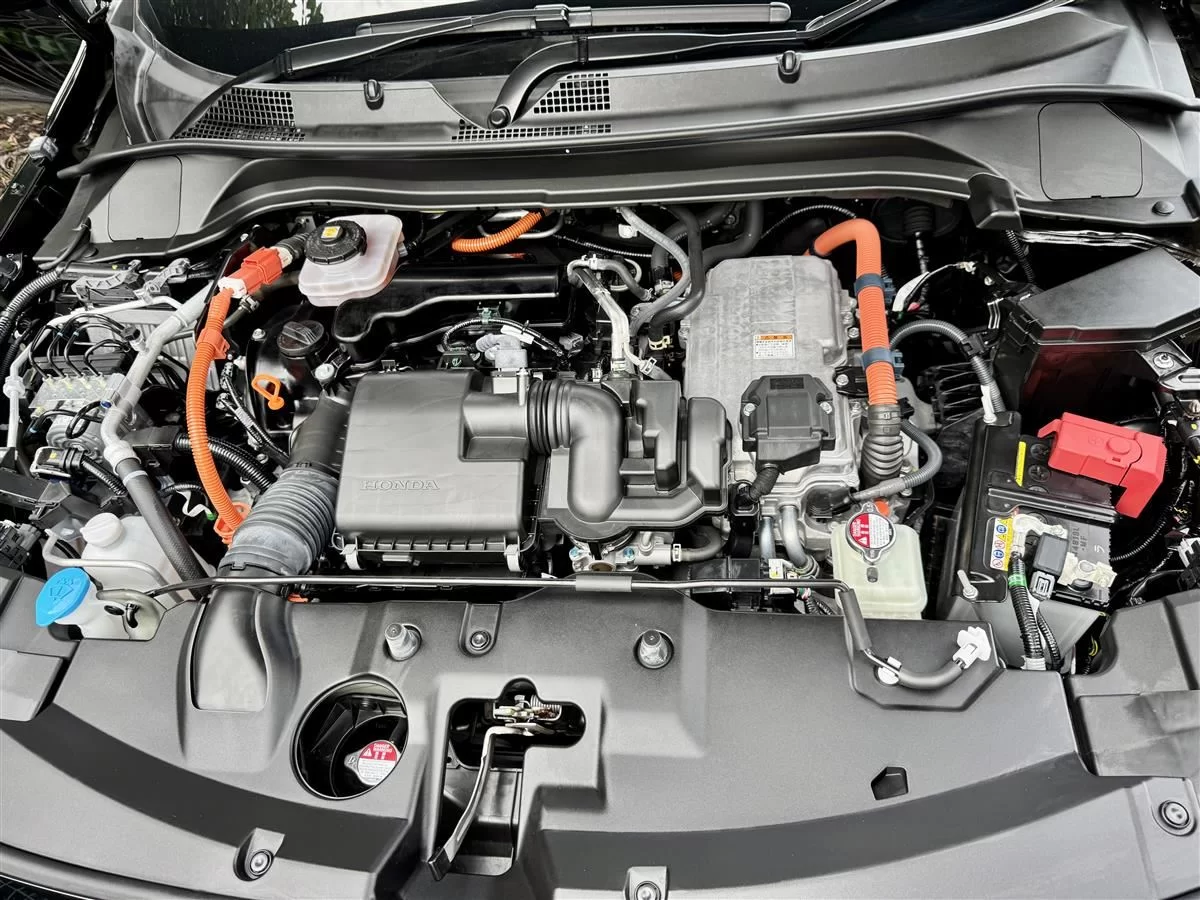
The core of the Vezel’s reliability rests on the longevity of the L15B i-VTEC engine, a naturally aspirated unit renowned for its durability and efficiency, often running reliably past 200,000 kilometers with only routine servicing.
This engine is a cornerstone of Honda engineering, built to withstand years of demanding use, providing confidence to buyers who plan to own their vehicle for a long period.
Furthermore, the standard CVT transmission, while less sporty than a traditional automatic, is generally robust and handles the demands of Kenyan stop-start traffic effectively, provided the correct Honda CVT fluid is used and changed religiously every 40,000 kilometers, a crucial maintenance interval often ignored by general mechanics.
The hybrid system longevity is a separate consideration entirely, revolving primarily around the health of the lithium-ion battery pack, which typically has a lifespan of 8 to 10 years depending on climate and usage patterns.
For Kenyan buyers importing older hybrid models, the expected replacement cost of the battery must be factored in, although increasingly, specialized workshops are offering repair or replacement services at more competitive rates than dealership pricing.
Choosing a trusted importer ensures you get an accurate assessment of the hybrid battery’s condition before purchase, allowing you to weigh the fuel savings against the future potential replacement costs, ultimately helping you decide if the extra efficiency justifies the potential future hybrid expense over a straightforward petrol unit.
Owner Experiences: Testimonials and Long-Term Satisfaction
Local owner satisfaction with the Vezel remains exceptionally high, largely driven by the vehicle’s dependable nature, good resale value, and comfortable driving position.
Many Kenyan owners praise the Vezel for its surprising blend of performance and economy, noting that it feels punchier and more engaging to drive than direct rivals.
Testimonials often highlight the car’s practical features, such as the ‘Magic Seats’ common in Honda vehicles, which allow for vast flexibility in carrying cargo, making it a favorite among those who occasionally need to move bulky items across town, differentiating it from a less flexible saloon like a Mitsubishi Lancer.
While some owners moving from larger, more luxurious vehicles might find the interior plastics slightly harder than those in a Lexus NX250, the overwhelming consensus is that the reliability and low cost of ownership compensate entirely for any minor aesthetic compromises.
The confidence owners have in the Vezel translates into strong demand in the secondhand market, meaning depreciation is relatively slow, offering a robust return on investment should you choose to sell later.
If you are looking for a car that is a reliable workhorse and holds its value well, the Vezel consistently delivers, which is precisely why Enan Motors focuses on sourcing the cleanest, low-mileage examples through our transparent direct import system.
Comparing the Vezel’s Reliability to Competitors
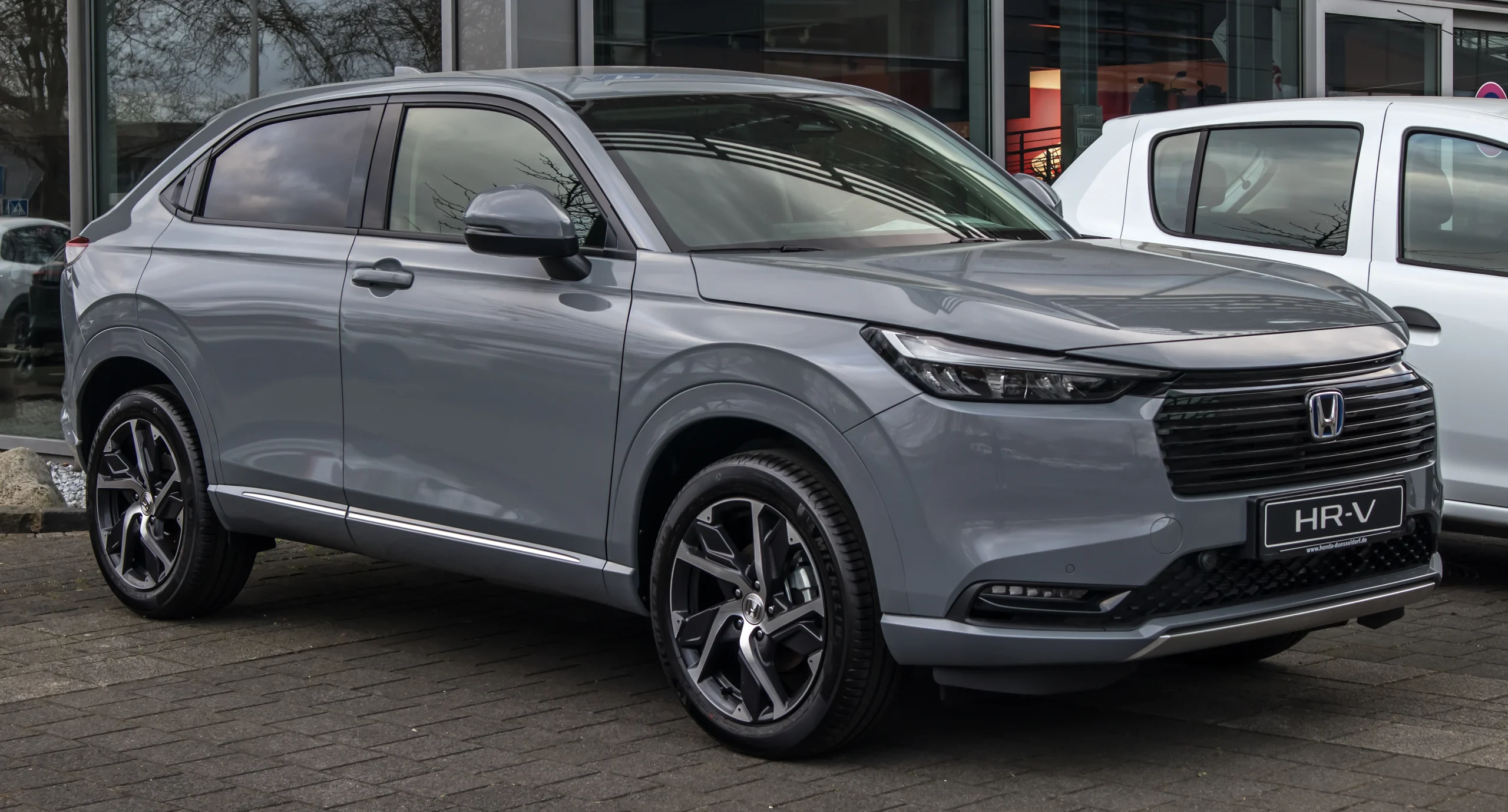
In the compact crossover segment, the Vezel faces stiff competition, but its overall package of reliability and efficiency often gives it an edge, especially against European alternatives.
When compared to the Volkswagen Tiguan, the Vezel typically boasts lower long-term maintenance costs and easier parts availability in the Kenyan market, reducing potential ownership headaches down the line.
Against Japanese rivals like the Subaru XV, the Vezel usually wins on fuel economy, though the XV offers the stability of all-wheel drive, which is a major factor for those frequently navigating rough terrain in the Rift Valley or upcountry roads.
The reliability gap is often smallest when comparing the Vezel to other popular Honda models or similar segments from rival manufacturers, such as comparing the durability of the Vezel to the equally popular Prado in terms of sheer longevity, though they serve entirely different purposes.
Where the Vezel shines is offering near-Toyota levels of dependability without the “Toyota tax” on import cost and offering modern styling that appeals to a younger demographic.
For buyers who prioritize peace of mind and minimal unexpected garage visits above all else, the non-hybrid Vezel remains an extremely competitive and reliably safe bet in Kenya’s used import landscape.
Tips for Maintaining a Reliable Honda Vezel
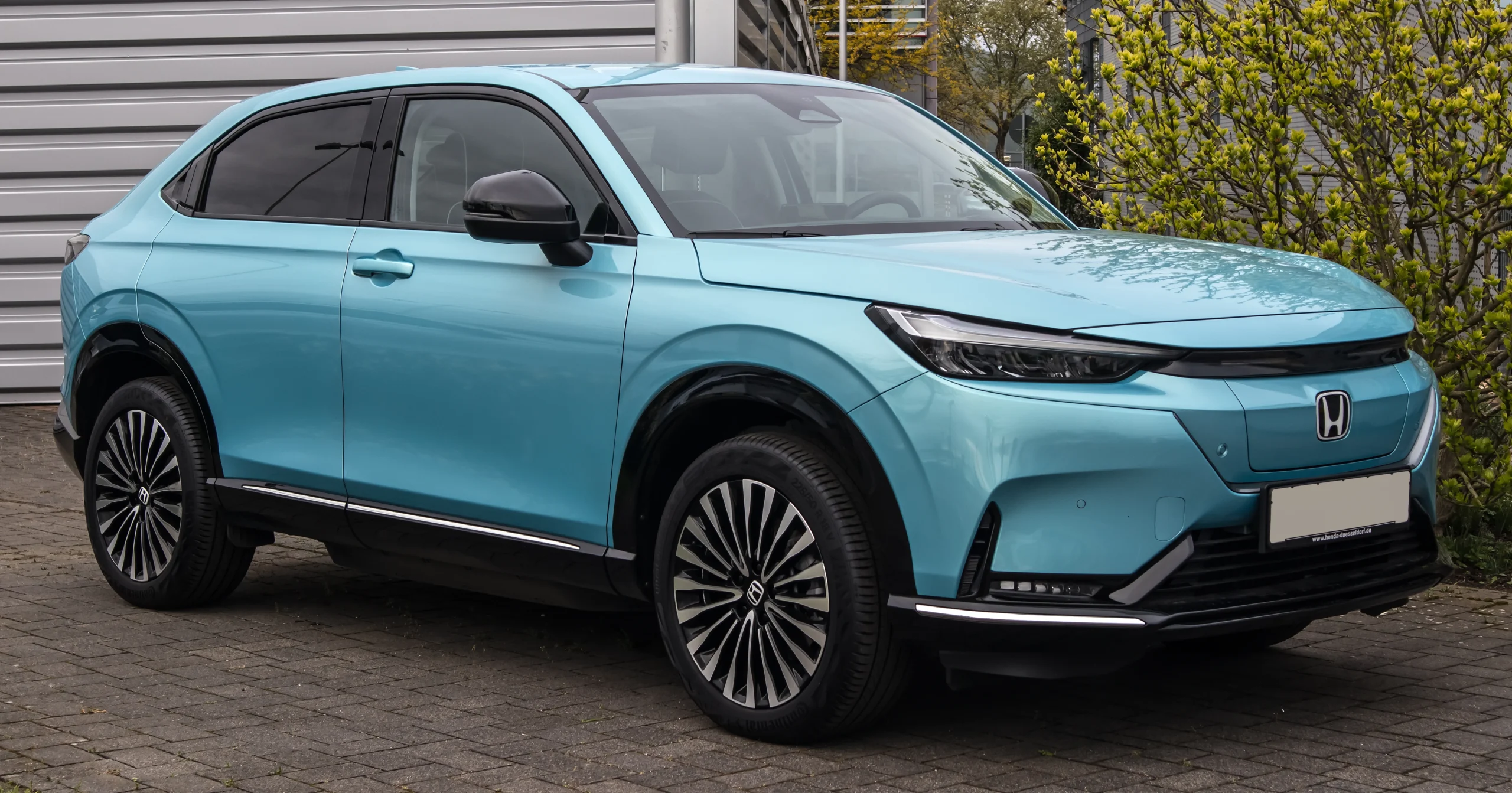
To ensure your Vezel delivers the legendary reliability it is known for, proactive and specific maintenance is absolutely essential, particularly given the harsh operating environment of Kenyan roads.
Firstly, always use genuine Honda fluids, especially the correct specification for the CVT transmission, as using generic ATF can quickly lead to costly transmission failure.
Secondly, due to the prevalence of dust and poor-quality fuel, adhere strictly to shorter service intervals than recommended in the Japanese manual—we often advise changing air and fuel filters every 5,000 km, or even sooner depending on your usage, to protect the engine’s precision components.
Another critical maintenance tip is the immediate replacement of worn suspension bushings, shock absorbers, and steering rack components as soon as play is detected, preventing small issues from escalating into major repair bills.
This diligent approach is much easier when you start with a clean slate, which is the foundational advantage of importing through Enan Motors; when you secure a high-grade Vezel through us, you know exactly how many kilometers are on the clock and can immediately begin your localized preventative maintenance regime.
If you’re ready to secure a Vezel with a guaranteed clean history and low mileage, explore our Inventory of available cars and start your reliable ownership journey today.
Final Verdict: Is the Honda Vezel a Trustworthy Choice?
Absolutely, the Honda Vezel is fundamentally a trustworthy and reliable choice for the vast majority of Kenyan buyers, particularly those seeking an economical and durable urban crossover with excellent resale potential.
The key to successful Vezel ownership lies in the specific model year and powertrain selected, strongly favoring the non-hybrid 1.5L variants for absolute mechanical peace of mind, or carefully vetted late-model hybrids where the DCT issues were largely resolved.
When acquiring this popular crossover, transparency about its history is not just desirable—it is mandatory for long-term reliability.
By choosing to import directly from Japan with a specialist like Enan Motors, you gain access to thousands of meticulously maintained, high-grade units and benefit from our rigorous inspection standards, ensuring you avoid the common pitfalls of buying low-grade, questionable local yard vehicles.
Our commitment is to provide detailed verification through Japanese auction sheets, allowing you to choose a truly reliable unit, whether you are looking for a BMW X6 or a practical Honda.
If you want absolute confidence in the vehicle’s condition before it even leaves Japan, learn more about our simple, transparent Import process, or better yet, Call us today to discuss your exact import requirements and how we build trust through full disclosure about the vehicle you are buying.
Conclusion
The Honda Vezel stands firm as a pillar of reliability and value in the Kenyan compact SUV segment, proving that high fuel efficiency does not have to come at the expense of robust performance or durability.
While exercising caution around the early hybrid models is advised, the non-hybrid Vezel offers proven, low-cost ownership that makes it a smart financial decision for discerning buyers.
By partnering with a reputable direct importer, such as Enan Motors, you bypass the risks associated with local middlemen and gain full transparency over the car’s true condition and mileage, ensuring that the Vezel you eventually drive on Kenyan roads lives up to its global reputation for unwavering reliability.
Do not settle for limited local choices; Message us on WhatsApp today to begin the stress-free process of sourcing your perfectly reliable, low-mileage Vezel directly from the source.
FAQ
- Is the Vezel expensive to maintain in Kenya?
No, the Vezel is generally inexpensive to maintain, as standard Honda service parts are widely available and affordable in major Kenyan cities.
Specialized components for the hybrid system, however, can be more costly if required.
- What is the biggest risk when buying a used Honda Vezel?
The biggest risk is mechanical failure of the dual-clutch transmission (DCT) found in the 2013–2016 hybrid models, which can be expensive to repair if issues are not identified before purchase.
- Should I buy the hybrid or the petrol version of the Vezel?
For maximum reliability and lower long-term maintenance risk, the non-hybrid 1.5L petrol version is generally recommended for the Kenyan market.
The hybrid offers better fuel economy but introduces complexity.
- How does the Vezel handle Kenyan roads and poor surfaces?
The Vezel’s compact SUV design and adequate ground clearance handle urban potholes and standard graded roads well, but regular inspection of suspension components is necessary due to wear and tear.
- How can Enan Motors guarantee the reliability of the import?
We guarantee transparency by providing genuine, verified Japanese auction sheets and detailed mechanical reports, ensuring clients know the exact condition and mileage of the vehicle before importation, unlike local yard sales.