
Importing a vehicle directly from Japan can save you significant money and guarantees a superior quality car compared to buying locally in a yard.
However, the process is complex, governed by strict regulations enforced by the Kenya Revenue Authority (KRA) and the Kenya Bureau of Standards (KEBS).
As veterans who have handled thousands of successful imports through the Port of Mombasa, we have seen excellent deals turn into financial nightmares due to preventable errors.
This guide details the most common, and most expensive, mistakes Kenyan buyers make, ensuring your journey to owning a Grade 4.5 imported vehicle is smooth and compliant.
Mistake 1: Getting Trapped by the 8-Year Rule Cut-Off Date
The most critical and least forgiving rule is the 8-year age limit.
KRA strictly prohibits the registration of vehicles older than eight years from their first date of registration.
Many buyers make the mistake of looking only at the model year (e.g., 2018) without confirming the exact registration date.
The Critical 2026 Deadline Calculation
For imports arriving in 2026, the vehicle must have been registered in Japan on or after January 1, 2019.
If you purchase a car manufactured in 2018 but registered in late December 2018, that car will be barred entry, regardless of how clean it is.
Once the ship docks in Mombasa, KRA does not negotiate on age.
The vehicle will be treated as prohibited goods, leading to heavy fines or forced re-exportation—a colossal financial loss.
We advise buyers to aim for vehicles slightly newer than the minimum requirement.
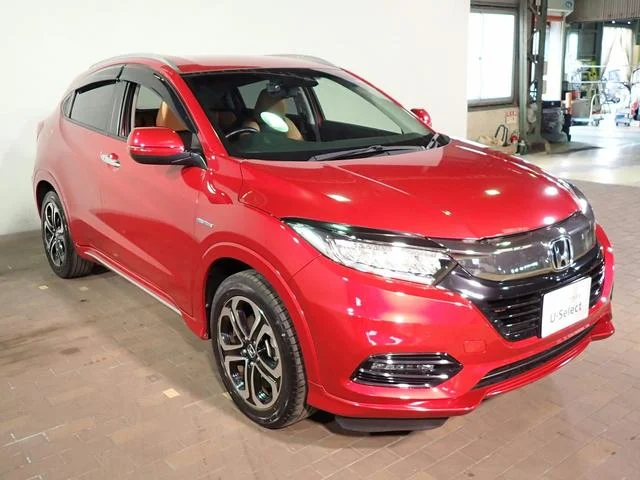
For example, when looking for reliable, fuel-efficient compact SUVs like the popular Honda Vezel, securing a 2020 model provides better peace of mind, improved technology, and a significantly higher resale value down the line in areas like Karen or Nyali.
Failing the QISJ/KEBS Road Worthiness Inspection
Another common compliance trap is ignoring the mandatory pre-export inspection conducted by the Quality Inspection Services Japan (QISJ).
While the exporter handles the logistics, the buyer must confirm that the car meets all KEBS standards, including emission limits and basic safety checks, before it leaves the port of origin.
Without a valid Road Worthiness Certificate (RWC), the car cannot be cleared in Kenya.
If the car fails inspection, you are stuck dealing with expensive repairs in Japan or cancelling the deal, costing time and initial deposit fees.
Mistake 2: Underestimating KRA Duty and CIF Valuation
The total cost of an imported vehicle hinges on tax calculation, which KRA bases on the Cost, Insurance, and Freight (CIF) value.
Buyers often make the mistake of calculating taxes purely based on the purchase price they paid to the Japanese exporter (the FOB price), forgetting that KRA maintains internal valuation templates that often assign a higher market value than your actual transaction price.
The Valuation Reality Check
KRA uses a structured valuation method to ensure fair duty payment and prevent tax evasion.
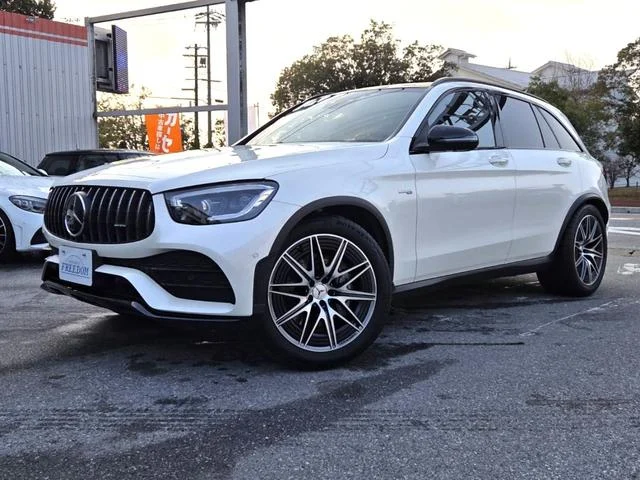
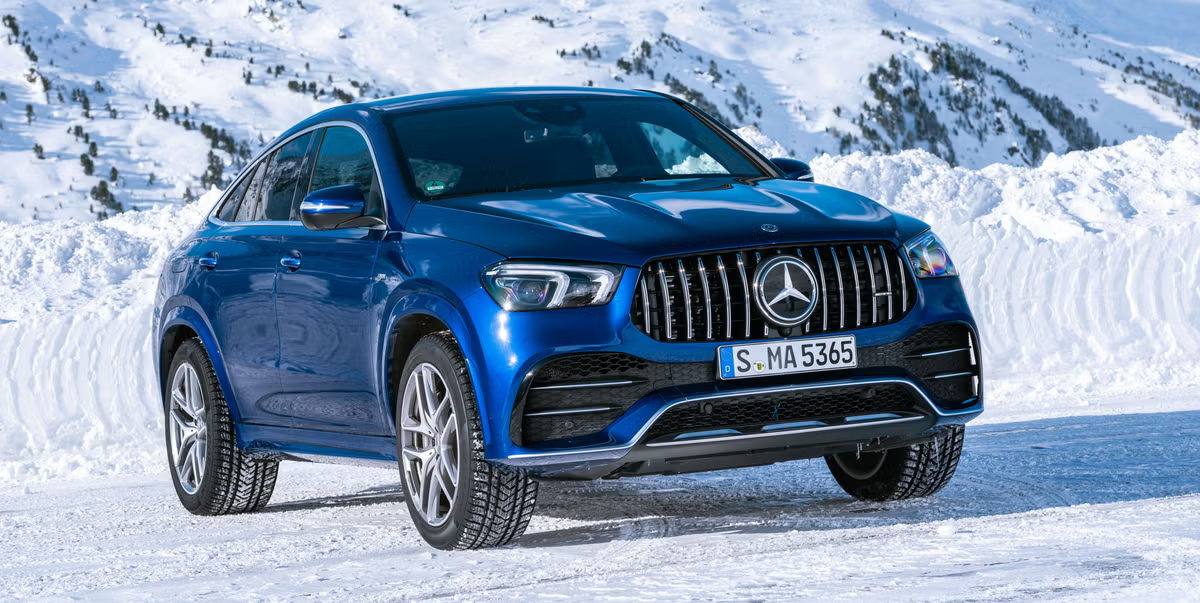
If KRA determines that your declared CIF value is lower than their template price for that specific make, model, and year (e.g., a specific trim of the Mercedes GLE), they will adjust the value upwards, and you will be required to pay the difference plus penalties before clearance can proceed.
This is where transparency with your importer is non-negotiable.
The taxes levied include:
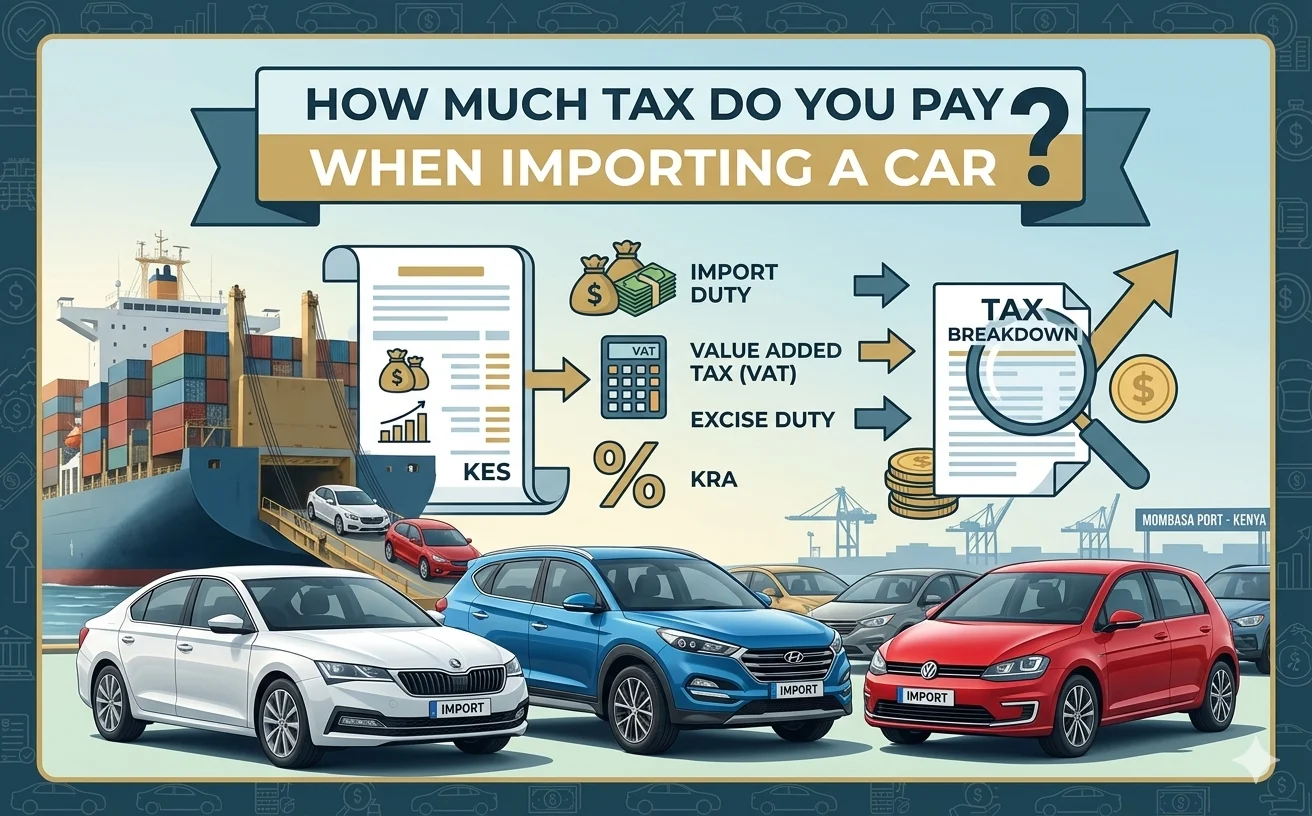
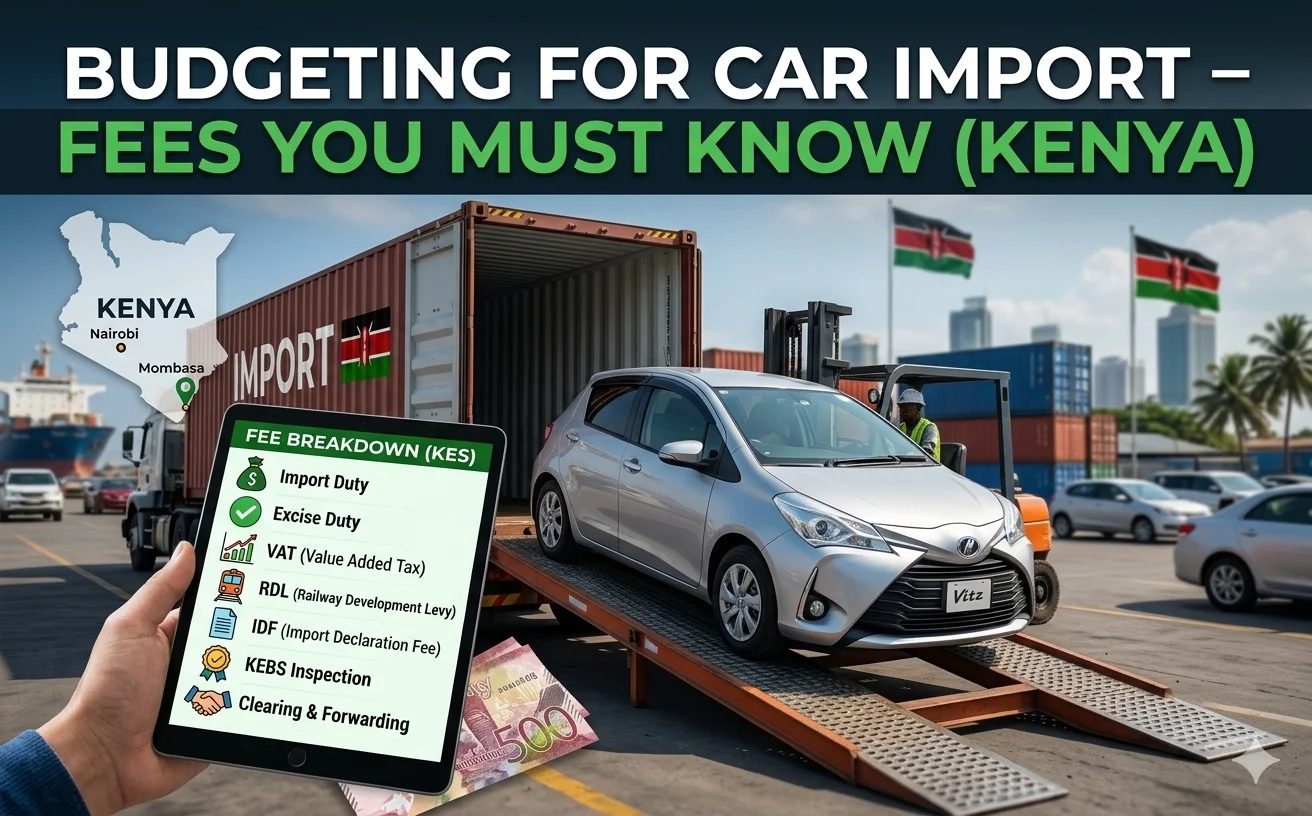
- Import Duty (25% of CIF)
- Excise Duty (variable, depending on engine size and type)
- Value Added Tax (VAT) (16% of (CIF + Import Duty + Excise Duty))
- IDF Fee (2.25% of CIF or Kes 5,000, whichever is higher)
A buyer who underestimated their tax burden by Ksh 300,000 will find themselves in a painful bind once the vehicle is clearing at the Port of Mombasa.
Expert Tip: The Enan Motors Valuation Guarantee
At Enan Motors, we provide a definitive, transparent duty calculation before the purchase is finalized.
By utilizing KRA’s specific valuation templates, we eliminate guesswork and ensure the funds you set aside for duty are accurate.
This protects you from unforeseen costs that cripple many private import deals.
Ready to get a precise quote for your next luxury import? Message us on WhatsApp for a detailed CIF breakdown.
Mistake 3: The Car Quality Catastrophe—Ignoring the Auction Sheet
The single biggest mistake buyers make is trusting a dealer who refuses to provide the original, untampered Japanese Auction Sheet.
Buying based solely on online photos is risky; the Auction Sheet is the vehicle’s medical history and technical CV.
Understanding Auction Grades
The grade determines the overall condition.
If you buy a car graded R (Repaired), R/A, or 3, you are guaranteed a vehicle with significant body damage or mechanical issues.
While these are cheaper, the repair costs in Nairobi will quickly negate the savings.
Savvy importers target Grade 4.0 or Grade 4.5.
This signifies minimal body damage (A1 or A2 scratches/dents) and a clean interior (B or C).
Always scrutinize the diagram.
A Grade 4.5 with a ‘U3’ noted on the front fender means minor dents, which is acceptable.
A car with ‘XX’ on the chassis indicates a structural repair, which you must absolutely avoid.
The Odometer Fraud Epidemic
Without the original auction sheet, you are susceptible to odometer tampering—a rampant issue globally.
A seller might roll back a 180,000 km mileage car to 70,000 km, inflating its price by hundreds of thousands of shillings.
When you choose a reputable direct importer, they provide the verifiable auction sheet that proves the mileage at the time of auction.
Many local dealerships rely on selling popular Japanese models.
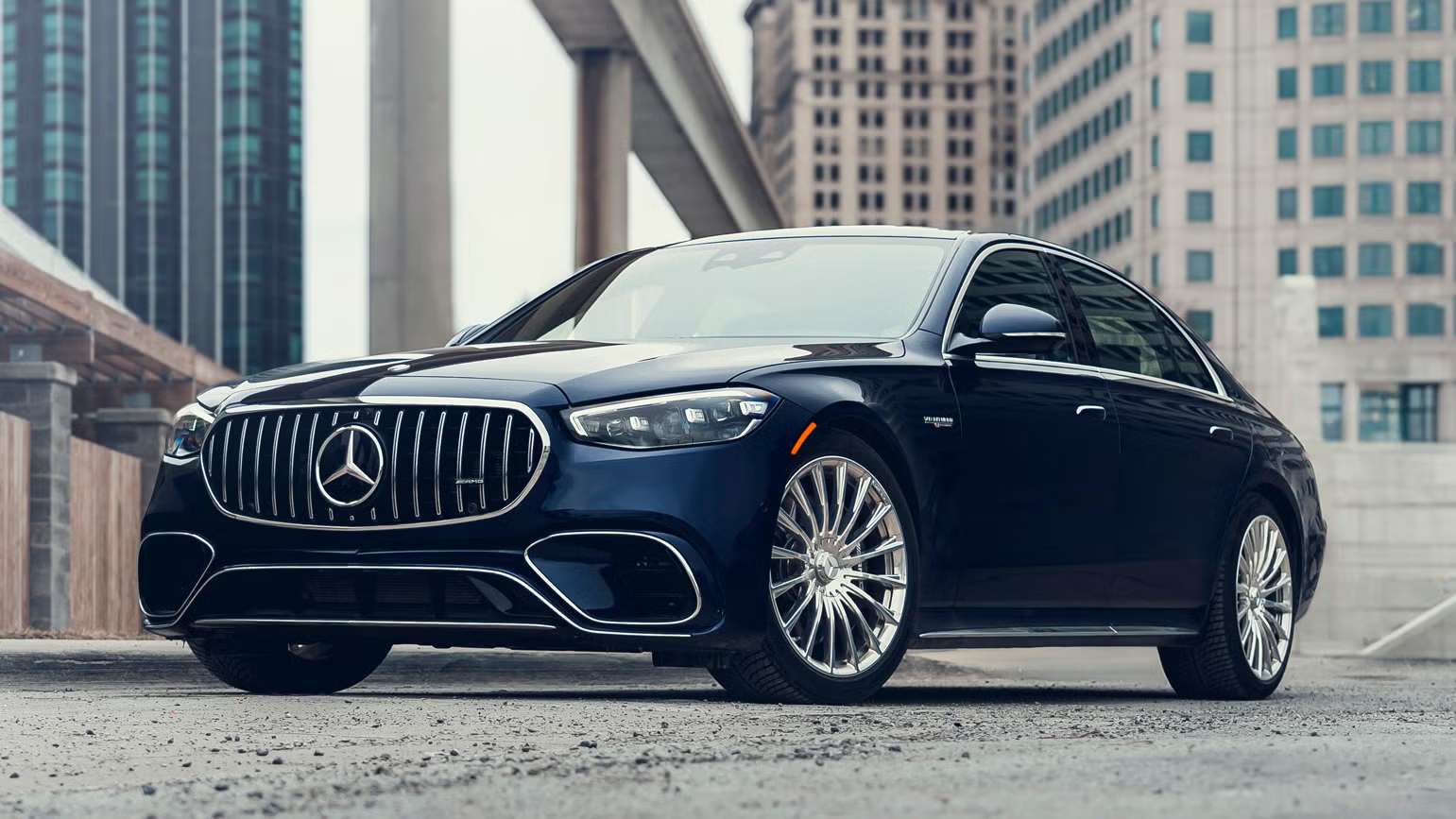
If you are keen on a premium sedan, such as a high-spec BMW, the local stock is often limited to specific trims.
Direct importation allows you to select a better specification and verifiable lower mileage.
Mistake 4: Failing to Budget for Logistics and Post-Arrival Costs
Many buyers only focus on the CIF cost and the KRA duty, neglecting the subsequent mandatory local expenses.
Port Clearance and Demurrage Charges
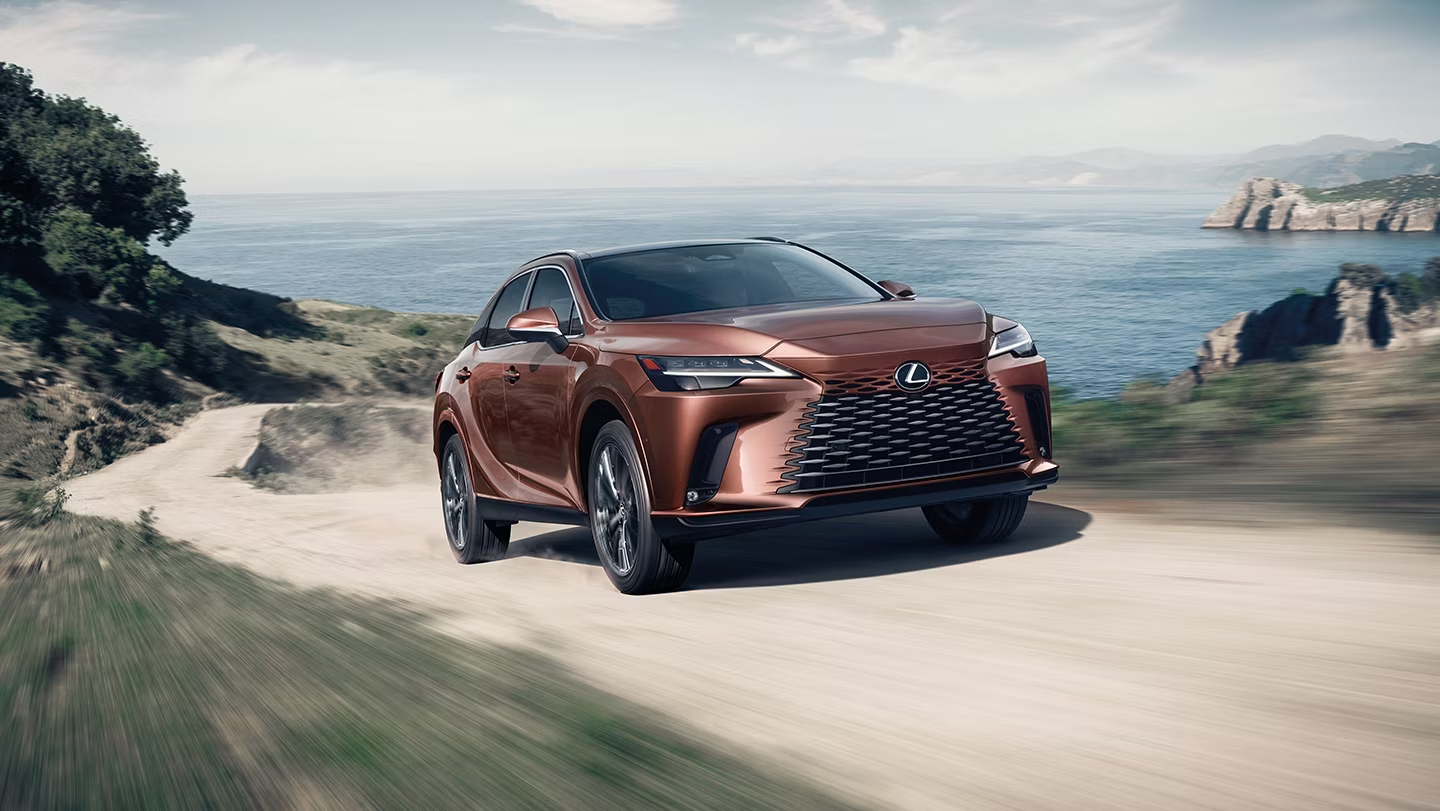
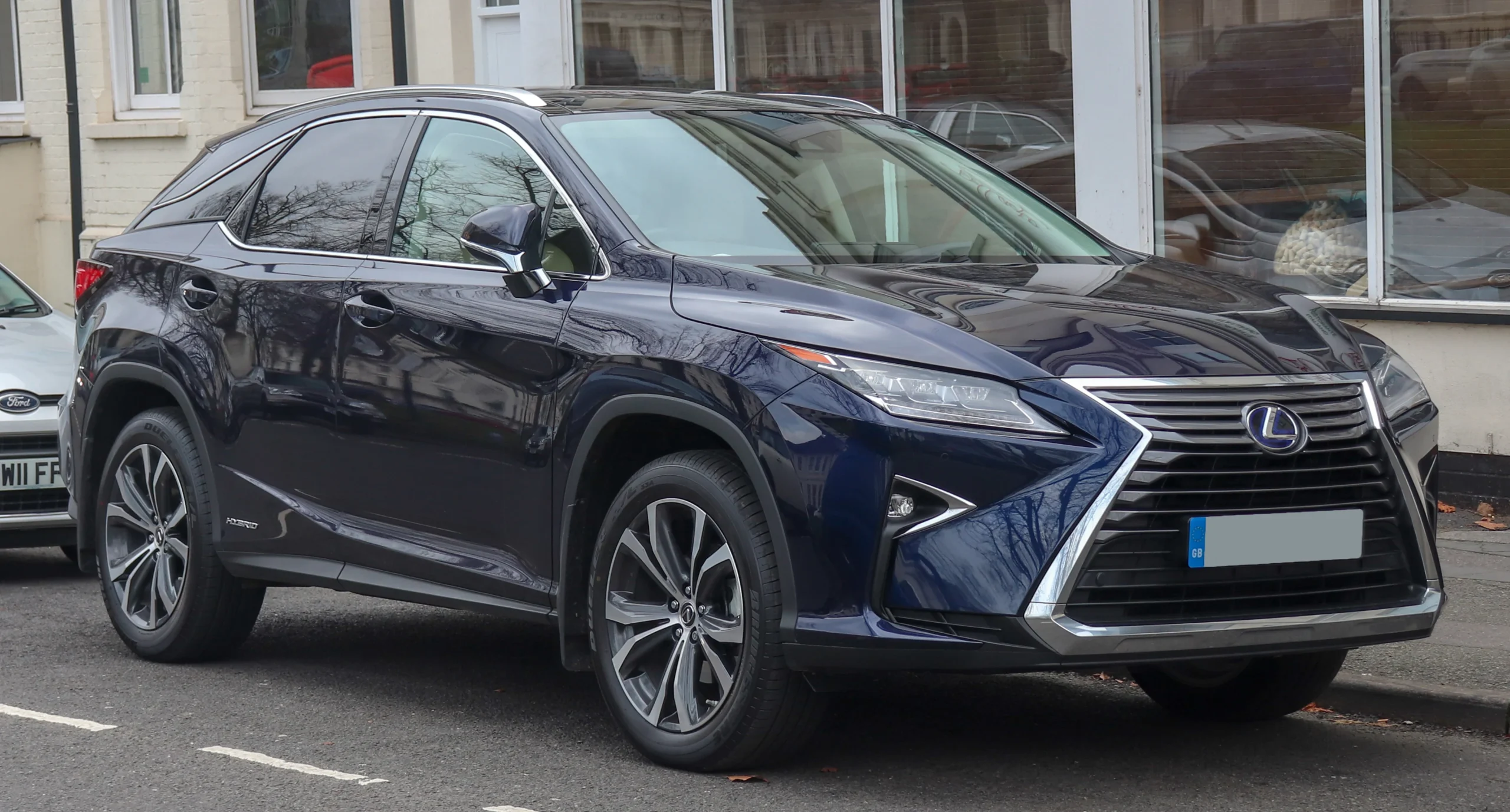
Once the vessel carrying your imported vehicle, be it a reliable Toyota or an executive Lexus, docks at the Port of Mombasa, you have a limited grace period (usually four days) before demurrage charges kick in.
Demurrage is the cost charged by the shipping line and the port for occupying space, and it escalates quickly—sometimes reaching thousands of shillings daily.
Slow logbook transfer, delayed duty payment, or insufficient funds to pay the Container Freight Station (CFS) charges leads directly to demurrage.
This is a purely administrative mistake that can easily add Ksh 50,000 to your overall cost.
Local Compliance and Registration
After paying duty through the KRA iTax system, you must still factor in the costs of:
- Logbook transfer and registration fees.
- Inspection fees (if required by NTSA).
- Marine insurance and comprehensive insurance from Mombasa to your final destination (e.g., driving the car on the Nairobi Expressway).
- Minor servicing once the car arrives (oil change, filter check) as the car has been stationary for several weeks.
A common error is underinsuring the car for the road trip from the coast inland.
Accidents happen, and it is better to have full coverage on the actual value, not just the CIF value.

Mistake 5: Settling for Car Yard Stock Over Direct Importation
The primary advantage of working with a knowledgeable importer like Enan Motors over a traditional Nairobi car yard is not just price—it’s control and transparency.
The Car Yard Markup
Car yard dealers have already absorbed the CIF cost, duty, logistics, and repair costs.
They must then add a significant profit margin to cover their rent, staff, and financing.
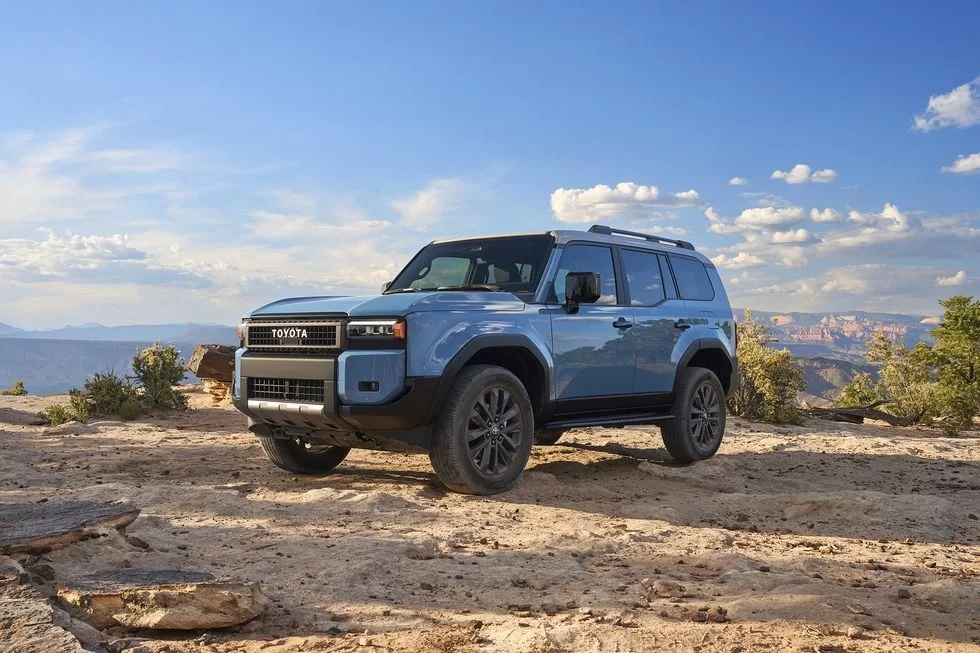
This markup can be substantial, especially on high-demand models like the Toyota Land Cruiser Prado.
By importing directly, you bypass two layers of profit margin, resulting in massive savings—often enough to cover the entire KRA duty component.
Furthermore, when you purchase a vehicle from a yard, you accept the condition as is.
If the dealer chose a cheap Grade 3 vehicle and repaired it cosmetically, you inherit those mechanical liabilities.
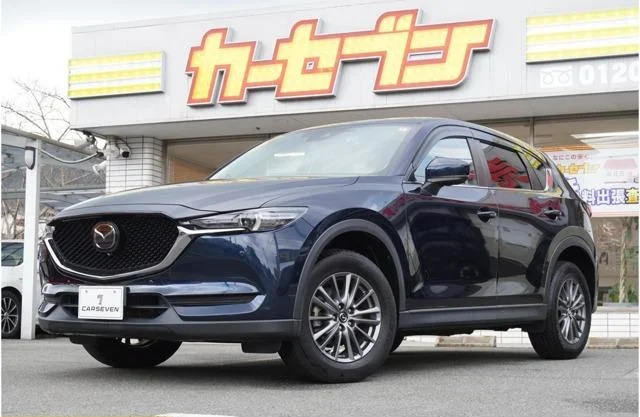
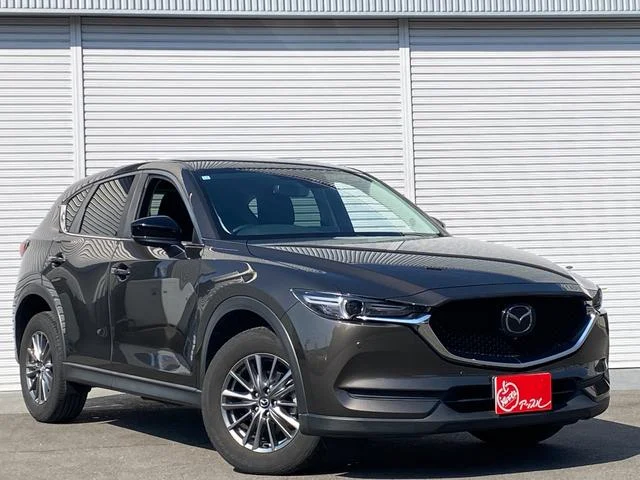
We believe in helping our clients secure the exact vehicle they desire, whether it’s a sleek Mazda SUV like the Mazda CX 5 or a robust 4×4.
We empower you with the choice and the corresponding documentation.
Your Next Step: Securing the Right Vehicle
Don’t gamble with your money.
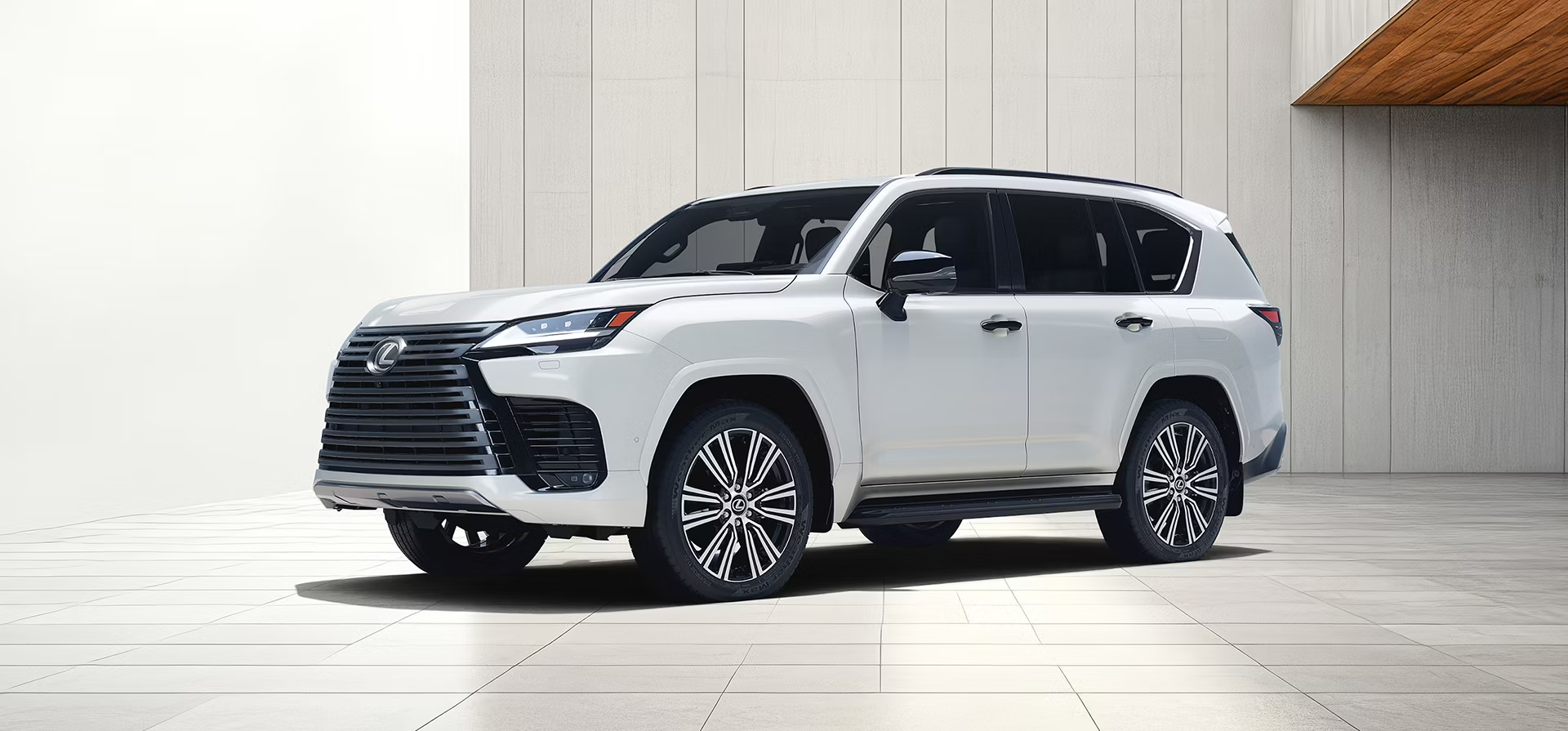
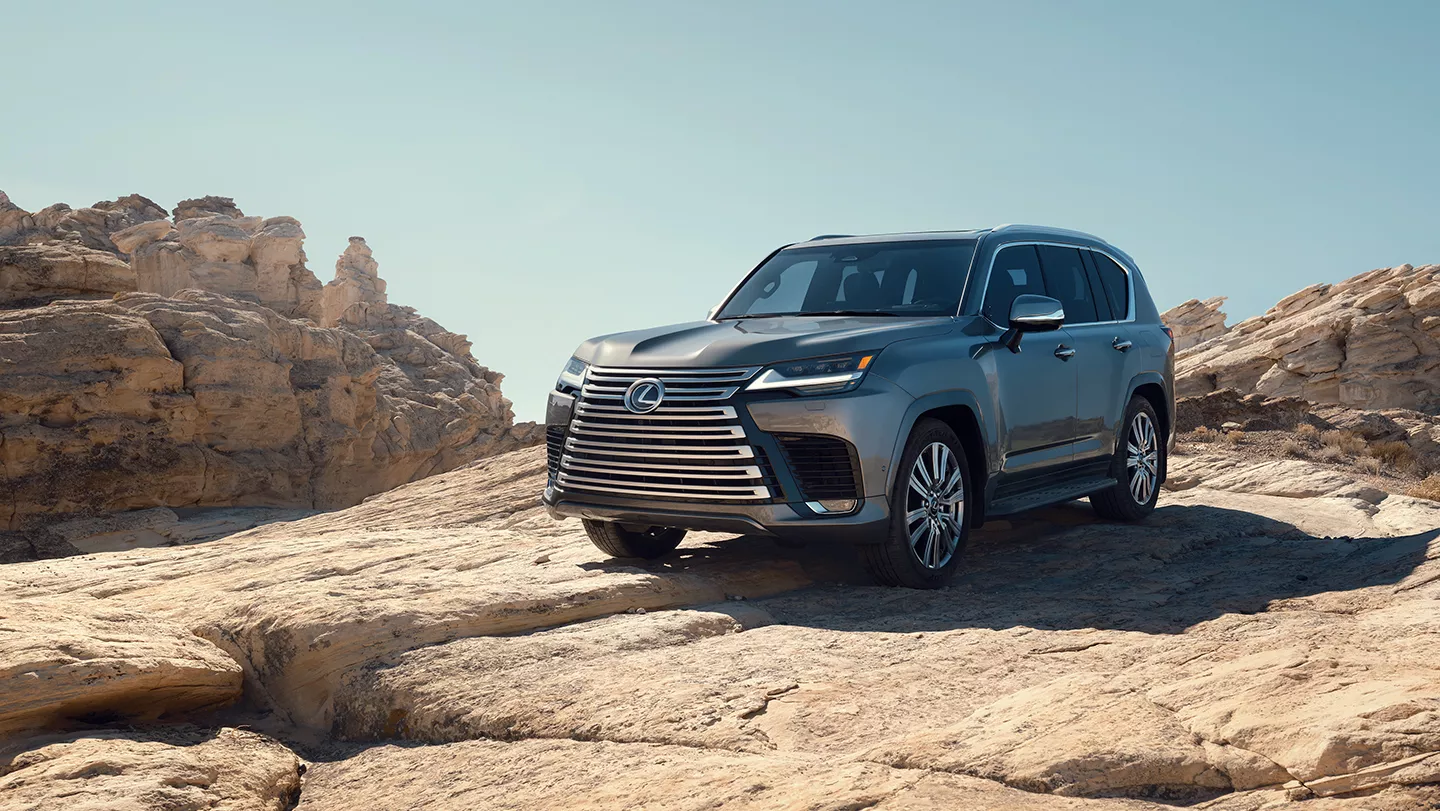
View our current Inventory of verified cars ready for shipment, or leverage our direct import expertise to source any make or model, from a practical Mazda Axela to the powerful Lexus LX 600.
For personalised guidance on the best import route, Call us today.
 Conclusion
The pitfalls of importing a car to Kenya are almost entirely related to lack of information, poor preparation for the 8-year rule, or tax underestimation.
By partnering with a transparent expert who understands the nuances of KRA valuation and Japanese auction verification, you protect your investment.
Enan Motors removes the risk, providing verified auction sheets, accurate duty calculations, and handling every logistical detail from the auction floor to your logbook transfer in Nairobi.
Our commitment is peace of mind and substantial cost savings through true direct importation.
Learn more about our end-to-end Import process by visiting our site.