
As a seasoned importer operating between the Port of Mombasa and Nairobi’s showrooms for over fifteen years, I can tell you that this comparison is more than just about engine specs; it’s a financial and logistical calculation.
Both SUVs are incredibly popular in the Kenyan market, but they appeal to slightly different buyers—one prioritizes rugged reliability, the other, comfortable practicality.
The Financial Reality Check: CIF, Duty, and Resale
The biggest mistake Kenyan buyers make is focusing solely on the CIF (Cost, Insurance, and Freight) value advertised by international dealers.
The real cost is the final duty payable to KRA, and how quickly your asset depreciates once the logbook is in your name.
For 2026 imports, we are strictly looking at the 2019 model year to comply with the Import process and 8-year rule.
KRA Valuation Templates: Why the 2019 Model Year Matters
KRA uses a comprehensive valuation database to calculate the Import Duty, Excise Duty, and VAT.
This value is determined based on the original customs value, often known as the Current Retail Selling Price (CRSP).
When importing a 2019 model, you need to ensure the declared CIF value matches KRA’s internal valuation templates to avoid assessment delays and potential penalties.
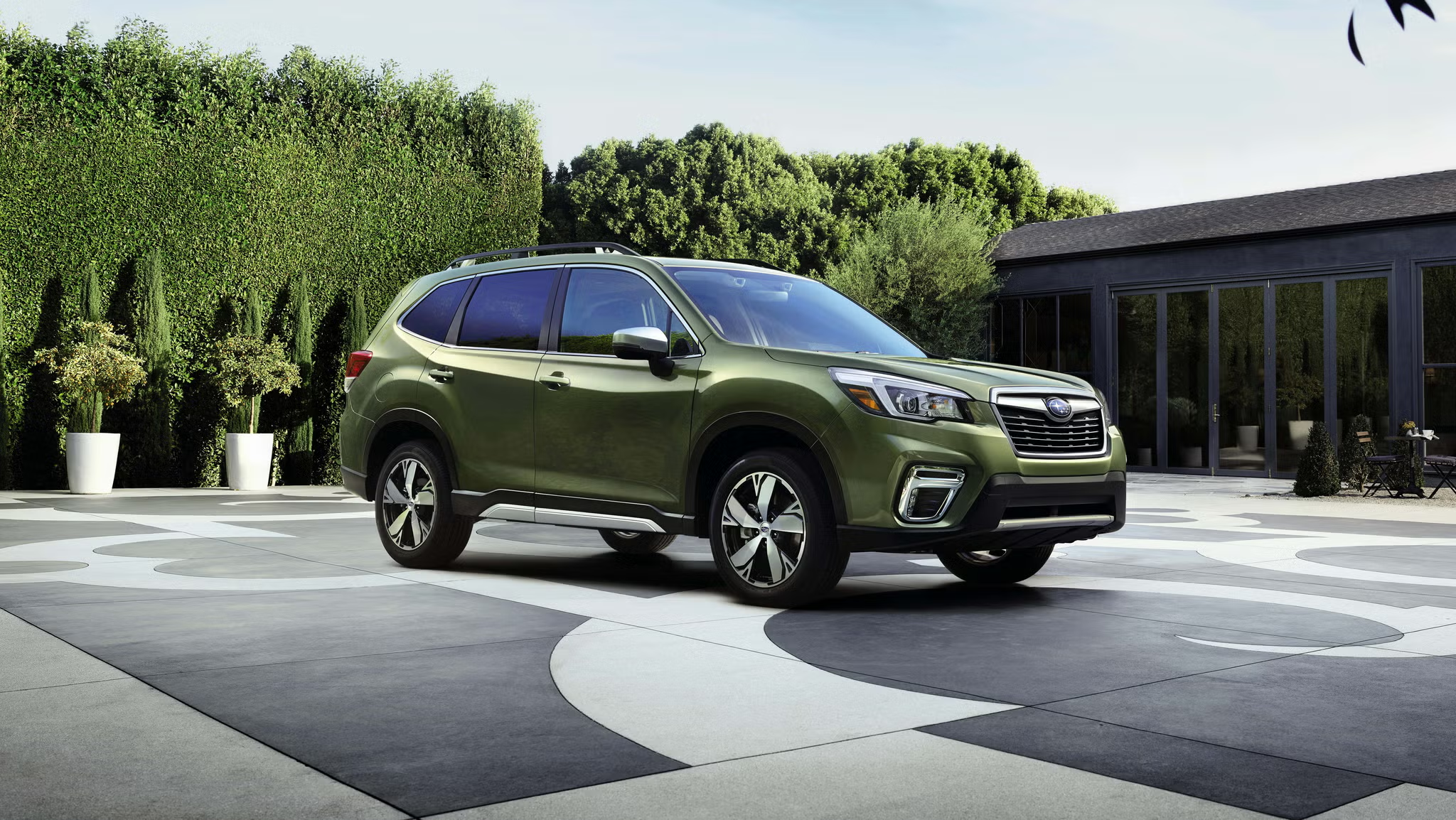
The Forester tends to maintain a slightly higher valuation ceiling globally due to its engineering pedigree compared to the X-Trail, which can sometimes result in marginally higher duty payable on identical CIF units.
We advise clients to budget for duty cycles based on the 2.0L non-turbo engines, which are the most common imported variants for both vehicles.
A reliable 2019 Subaru Forester (grade 4.0 or higher) imported at $8,000 CIF will yield a different final cost than a slightly larger Toyota Harrier of the same year, simply due to the differential in KRA’s assessed CRSP value for the respective models.
Depreciation & Resale Value
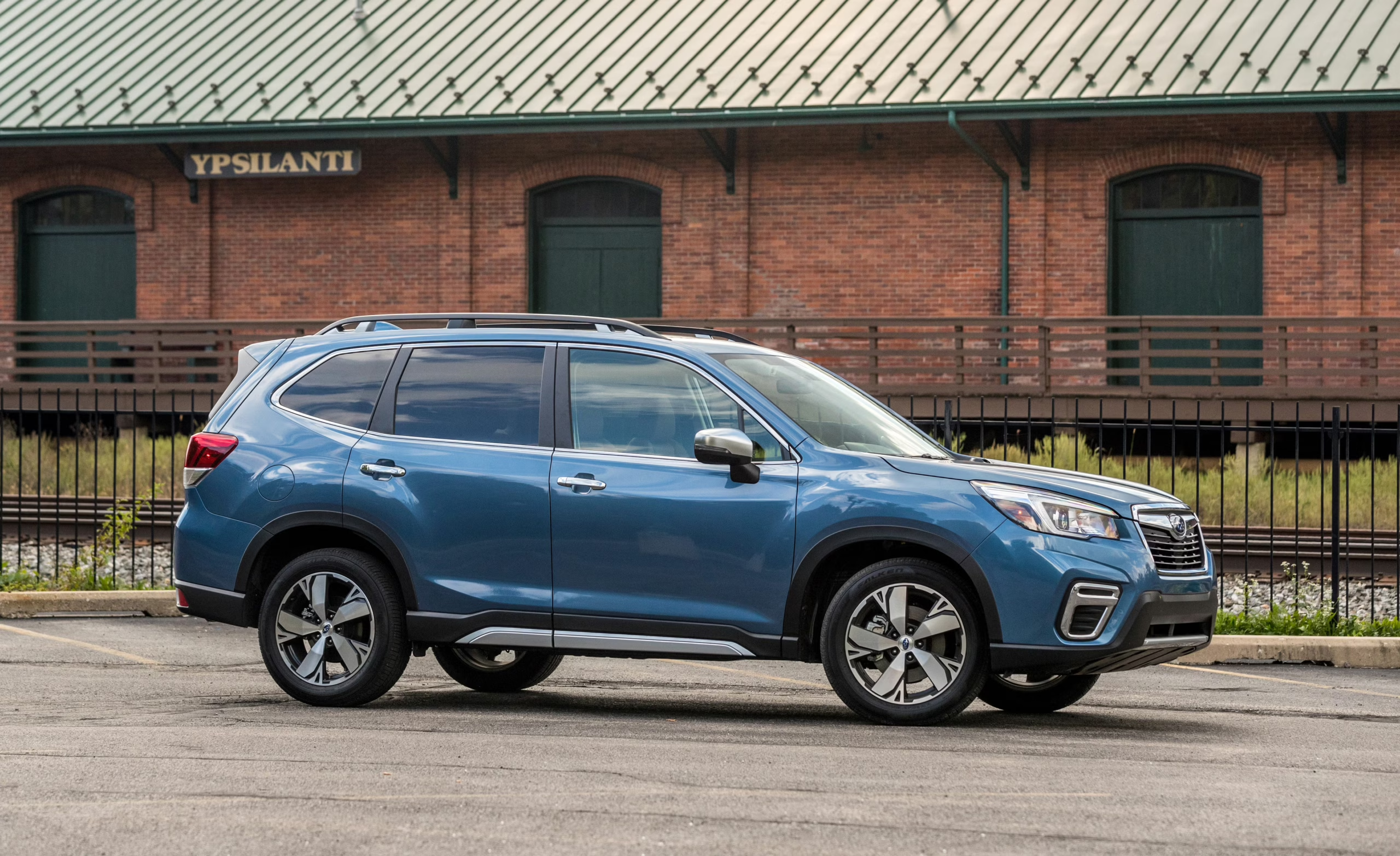
In the Nairobi luxury suburbs like Karen and Kitisuru, the brand cachet of the Subaru Forester often translates into a stronger residual value, particularly for models featuring the more desirable XT turbo engines, though those are less common due to the higher import duty on turbo variants.
The X-Trail, especially the 2.0L or 2.5L non-hybrid versions, maintains good demand due to its large cabin and availability of spares, but its resale value usually tracks marginally below the Forester after three years of local use.
In Mombasa and coastal areas like Nyali, where the road conditions are typically smoother but the humidity is higher, the X-Trail’s slightly simpler mechanical structure is sometimes favored.
Buyers should always check the car’s service history against the original Japanese auction sheet—which Enan Motors always provides—to confirm mileage and structural integrity, crucial factors that determine local resale price.
Considering Your Budget?
If financial transparency and predictable costs are your top priority, you need a precise duty estimate before shipment. Contact the Enan Motors team today for a comprehensive, no-obligation CIF and Duty calculation based on the specific 2019 model you are considering.
We ensure you know the final figure before the vehicle leaves Japan.
Engine and Drivetrain: X-Trail’s CVT vs. Forester’s AWD Core
This is where the engineering differences become stark.
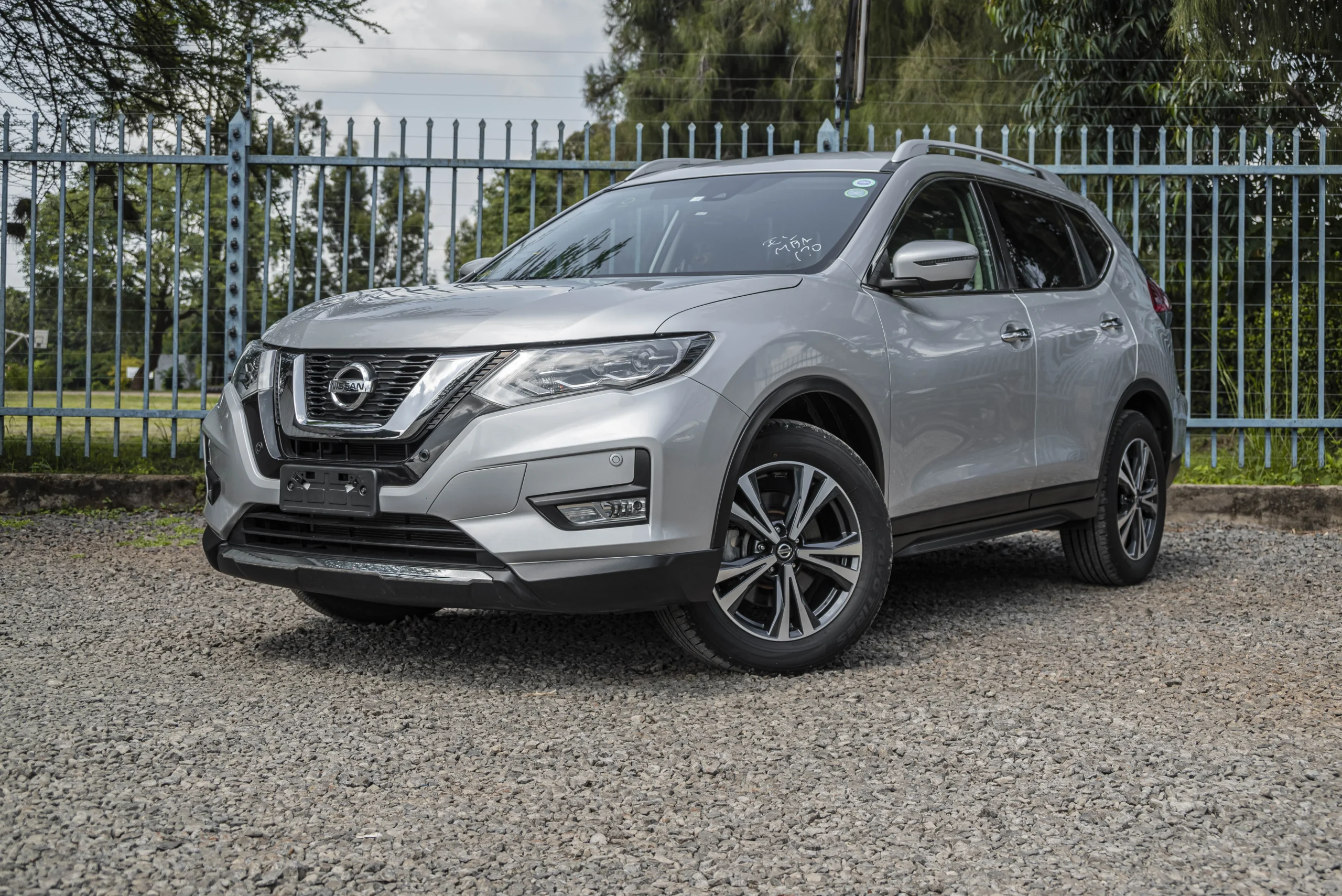
The Nissan X-Trail (T32 generation) relies primarily on the Continuous Variable Transmission (CVT), typically paired with Nissan’s QR25DE (2.5L) or MR20DD (2.0L) engines.
The CVT offers seamless, comfortable power delivery, which is excellent for driving on the new Nairobi Expressway.
However, long-term durability, especially when pushed hard on rough roads or carrying heavy loads, often favors the conventional automatic or robust lineartronic CVT found in its competitor.
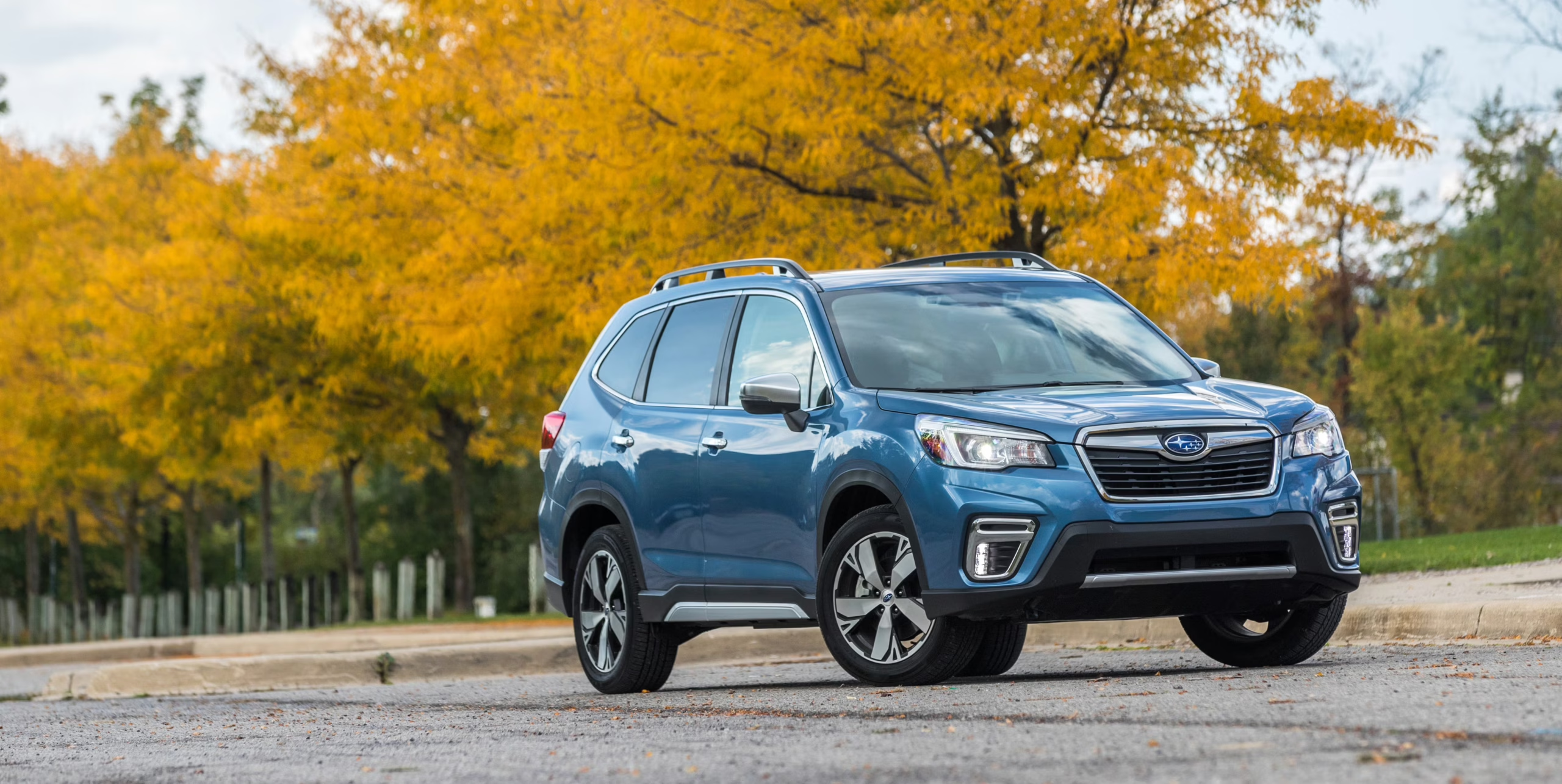
The Subaru Forester is defined by its Symmetrical All-Wheel Drive (AWD) system and the horizontally opposed Boxer engine.
This combination gives the Forester its famously low center of gravity, resulting in exceptional stability and grip.
The X-Trail’s AWD system is capable, but it’s a part-time system primarily designed to kick in when needed, whereas the Forester’s AWD is permanent and foundational to its performance.
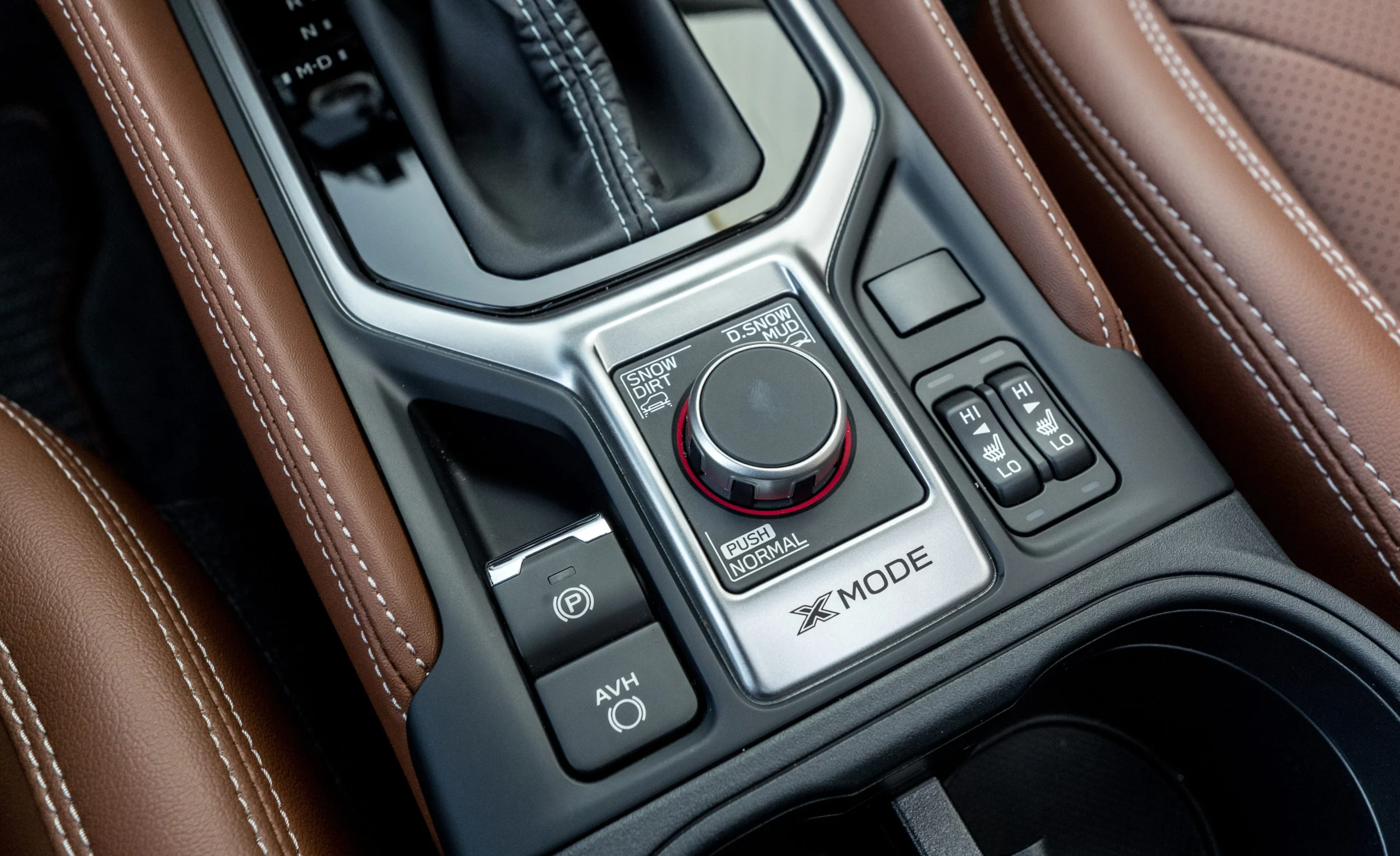
Off-Road Capability and Ground Clearance Comparison
For buyers who frequent rural Kenyan areas or drive through heavy rains, the Forester’s edge is undeniable.
Subaru’s X-Mode (available on later models) optimizes the engine output, transmission, and AWD system for maximum grip on mud, snow, or steep inclines.
The Forester typically offers ground clearance around 220mm, which is excellent.
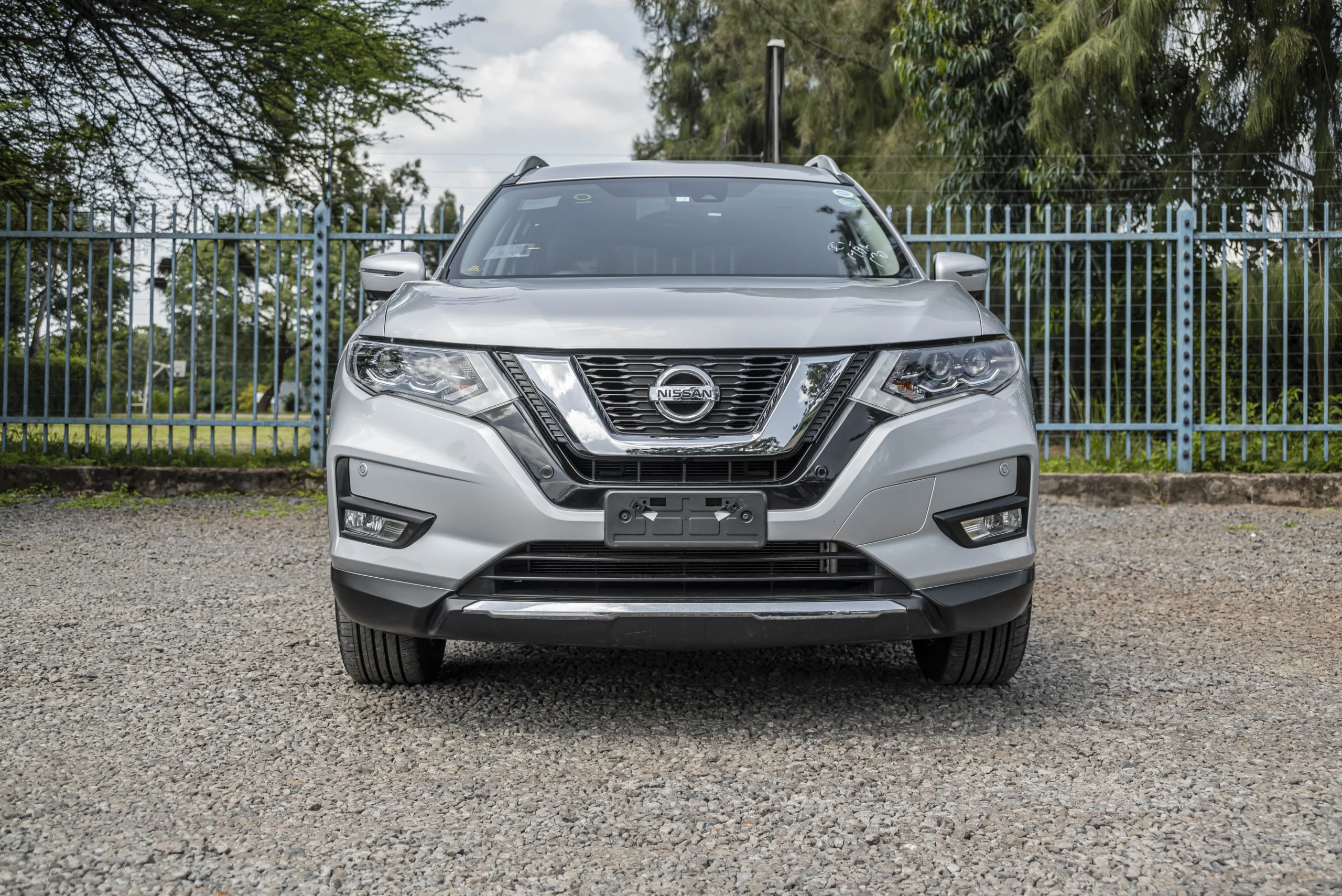
The X-Trail’s ground clearance is generally adequate (around 210mm), but the softer suspension tuning makes it less ideal for severe off-roading.
If your primary use is urban commuting and the occasional trip upcountry, the X-Trail is comfortable.
If you plan regular trips to Maasai Mara or intend to use it as a workhorse, the Forester is the more robust choice.
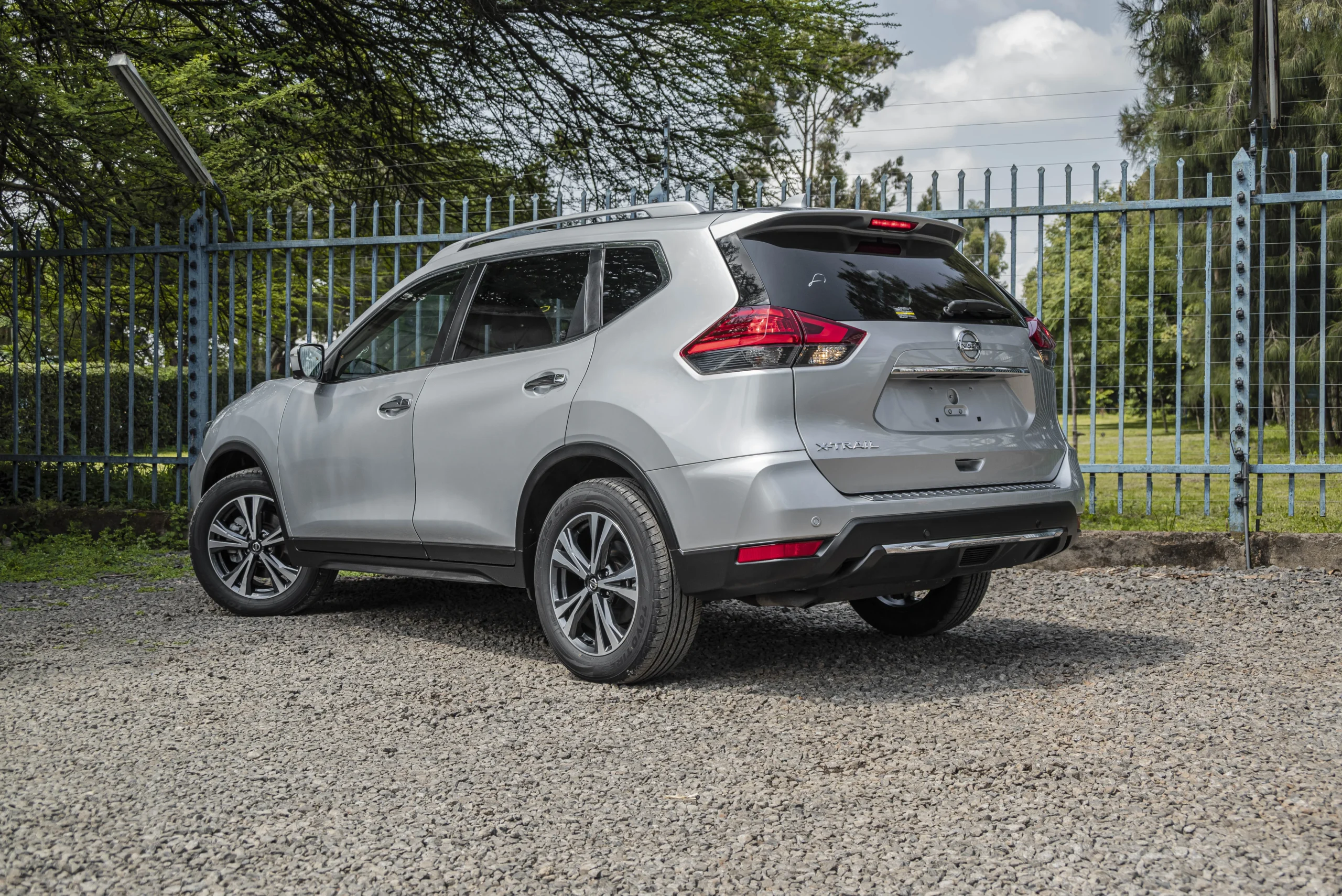
Fuel Consumption in Nairobi Traffic
Real-world fuel economy is a major concern.
Due to the high-efficiency design of the CVT and the lighter driveline (when the AWD is disengaged), the 2.0L X-Trail sometimes yields marginally better fuel economy in heavy, stop-start Nairobi traffic compared to the constant engagement of the Forester’s Symmetrical AWD system.
Expect both to hover around 9-11 km/L in city driving, depending heavily on the condition of the filters, tires, and your driving style.
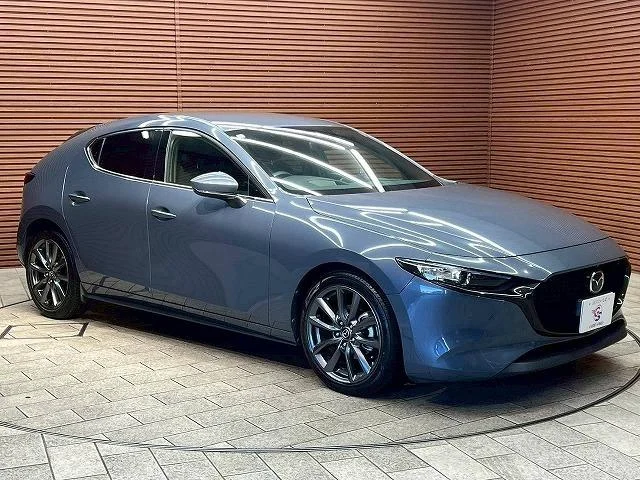
If you are comparing it against smaller, more urban crossovers like the Mazda Axela, both the X-Trail and Forester will be thirstier.
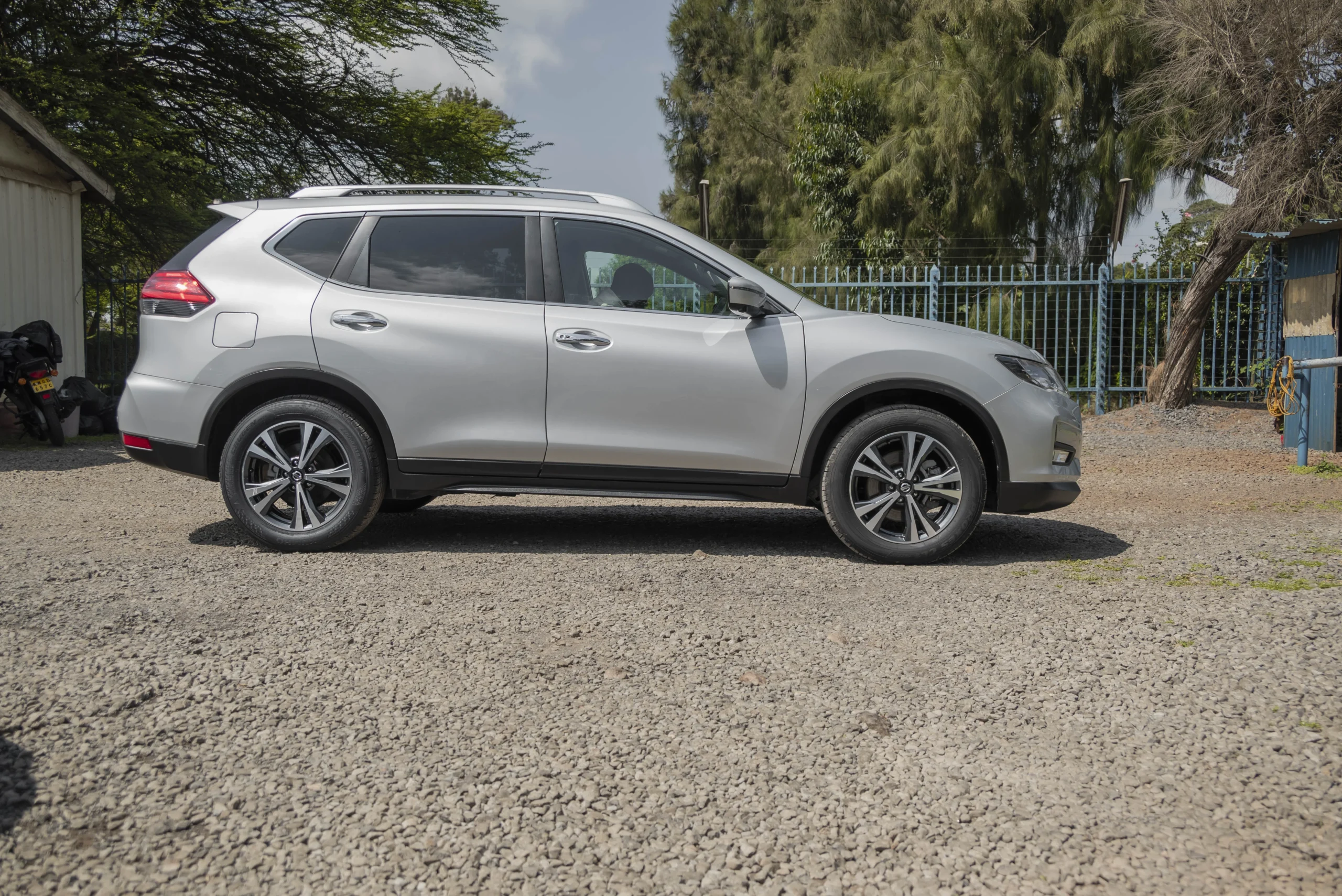
Interior Space, Tech, and Build Quality
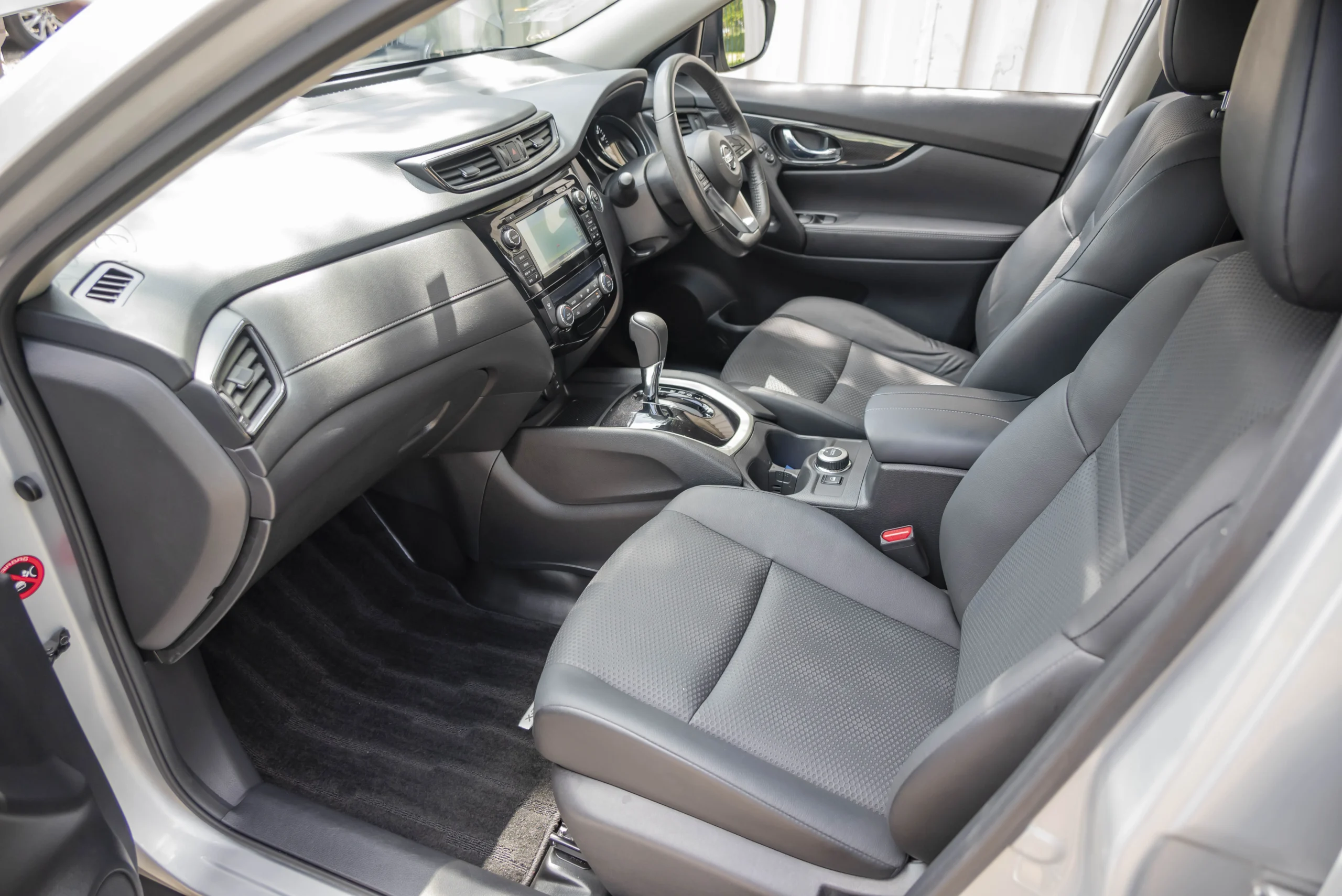
Step inside, and the X-Trail immediately feels larger.
It has a more versatile cabin, and depending on the trim level imported, you might find the 7-seater option, which the Forester does not offer.
The X-Trail often favors softer-touch materials, aiming for a more premium, relaxed feel akin to some high-end Mercedes Benz SUVs, though the plastics can be scratch-prone over time.
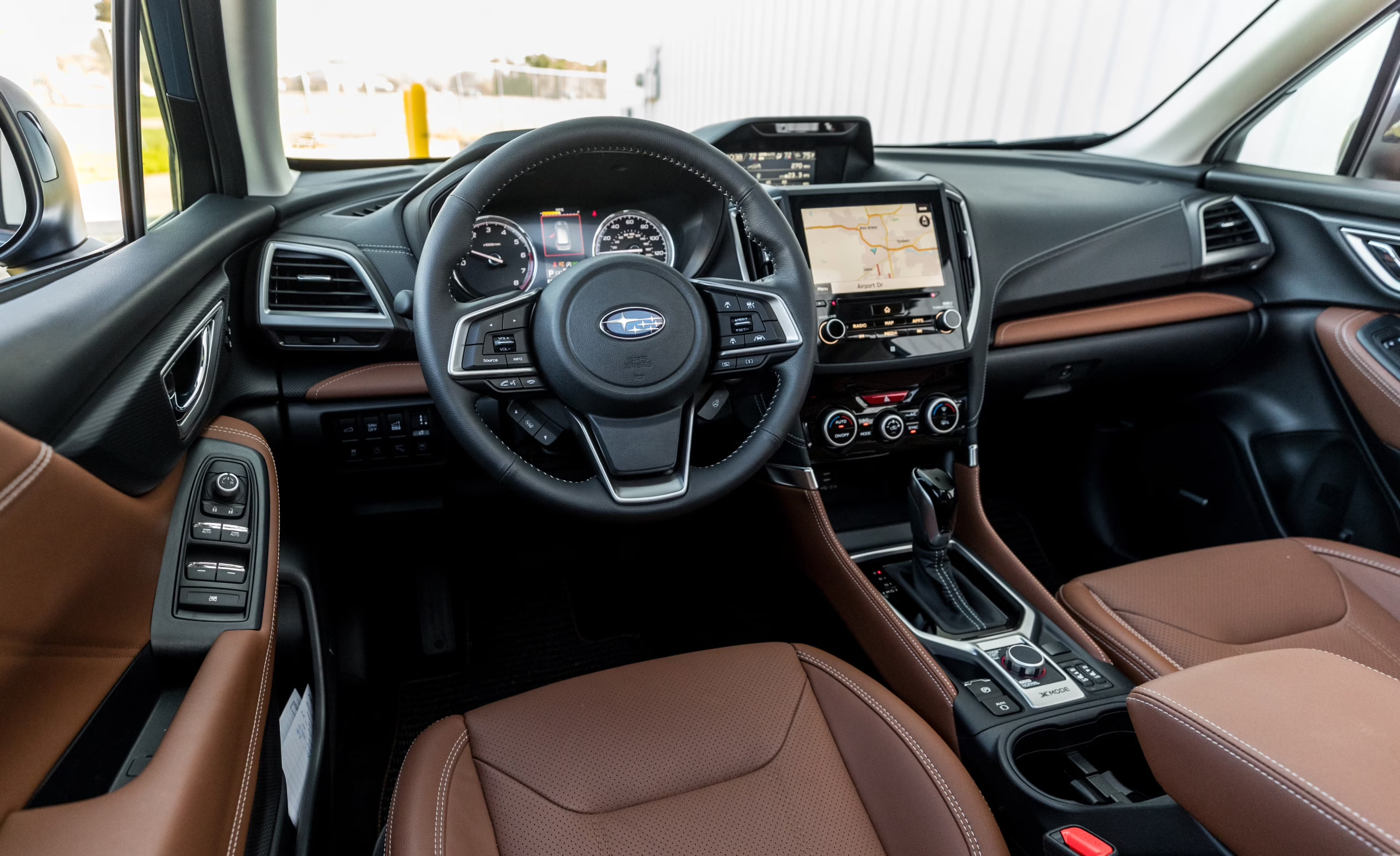
The Forester’s interior is functionally brilliant.
It is built to endure.
While perhaps less flashy than the X-Trail, every button and material feels rugged and designed to withstand regular use in tough environments.
The visibility in the Forester is also arguably better due to the large windows and thinner pillars.
Cabin Comfort and Durability (The Mombasa Heat Factor)
Durability of the interior plastics and leatherette in Kenyan heat and humidity is critical.
The X-Trail’s infotainment systems tend to age well, but watch out for cracking dashboards if the car was parked consistently under direct Japanese sunlight prior to export.
The Forester is known for resilient upholstery, although the older generation cloth seats can be difficult to clean if carrying dusty passengers.
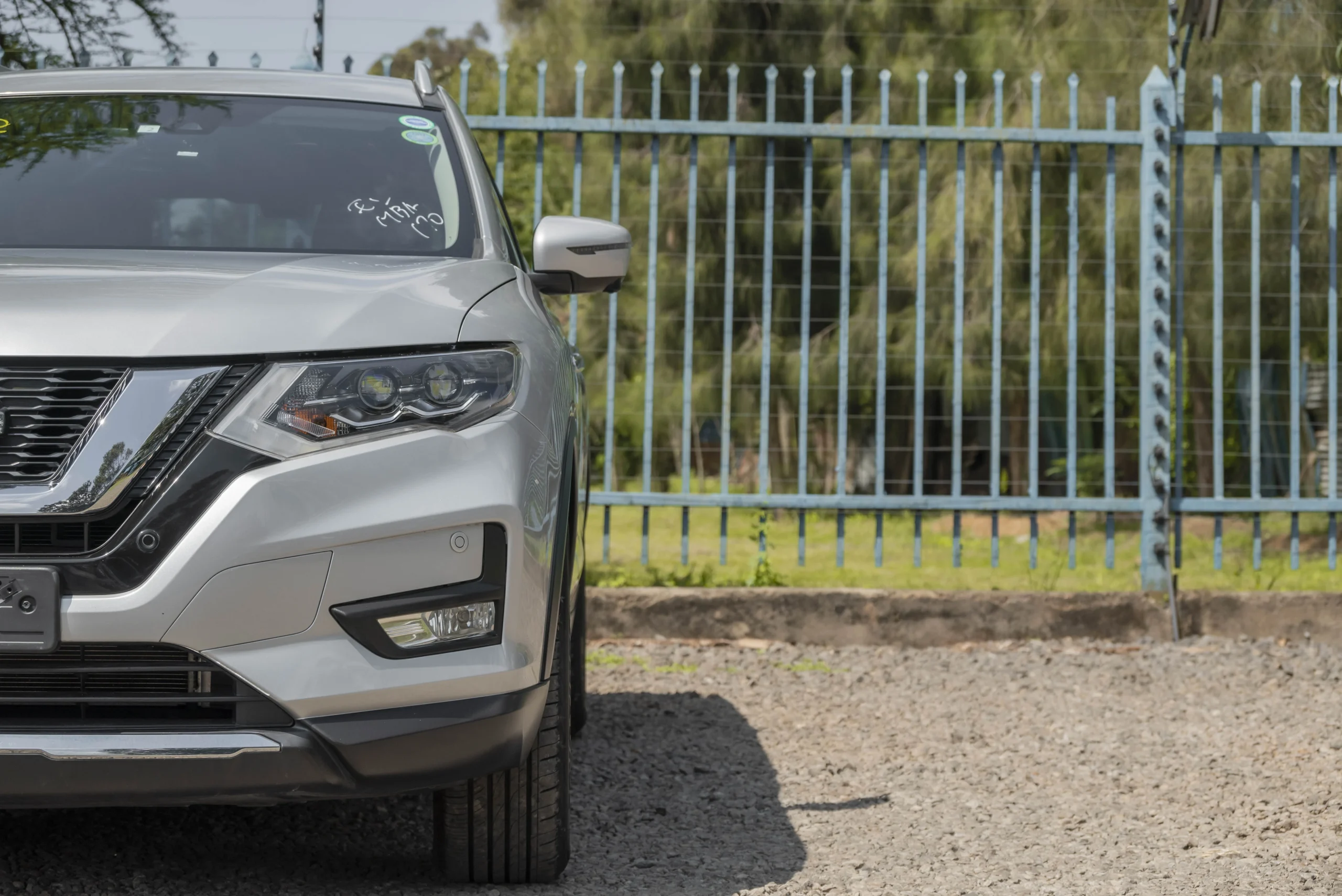
Safety Ratings and QISJ Compliance
Both manufacturers take safety seriously.
The 2019 Forester and X-Trail models generally achieved very high ratings in global crash tests (JNCAP, Euro NCAP).
When importing, ensure the vehicle has been subjected to a thorough Quality Inspection Services Japan (QISJ) inspection, which confirms radiation levels, compliance with local road rules, and verified engine/chassis matching.
This QISJ certificate is mandatory for clearing at Mombasa Port and proves the car is structurally sound.
For buyers looking for top-tier safety technology often found in luxury marques like BMW or Lexus LX 600, the Subaru EyeSight system (available on higher Forester trims) is a standout feature, offering pre-collision braking and adaptive cruise control, giving the Forester a technological edge in active safety.
Need Expert Advice on High-End SUVs?
While the X-Trail and Forester offer exceptional value, some buyers consider upgrading their budget for premium crossovers.
Explore our Inventory to see available cars, including the sporty BMW X6 or the spacious Volkswagen Tiguan, and let us guide you through the duties on luxury imports.
Securing a Genuine Import: Avoiding Yard Scams
The core challenge for any savvy Kenyan buyer is avoiding odometer tampering and structural damage, issues rife among some local car yard imports.
This is where direct importation via a trusted partner like Enan Motors offers unparalleled peace of mind.
The most important document is the Japanese Auction Sheet.
A genuine sheet for a 2019 model will clearly state the mileage and the grade (e.g., R for repaired, 4.5 for excellent condition).
Many local yards hide or manipulate this document.
When you import the X-Trail or Forester through us, you receive the unedited auction sheet and a full inspection report, eliminating the risk of buying a damaged or clocked vehicle.
The longevity and reliability of vehicles like the Honda CR-V, Forester, or X-Trail rely entirely on honest mileage.
The modest initial saving of buying a yard car often translates into costly repairs later, especially for sensitive components like the X-Trail’s CVT or the Forester’s turbocharger.
Conclusion
Choosing between the Nissan X-Trail and the Subaru Forester ultimately depends on your driving environment.
The Forester is the champion for performance, durability, and better residual value, especially if your driving involves significant rough road usage.
The X-Trail offers superior cabin size, softer comfort, and often a slightly lower entry price point.
Regardless of your choice, the Enan Motors advantage ensures you receive a verified, high-grade 2019 model directly from the Japan auction, offering significant cost savings over inflated car yard prices and guaranteeing authenticity.
Don’t compromise quality for convenience.
Start your transparent import journey today by reviewing our process and getting a firm quote.
Ready to import your perfect SUV with full transparency? Call us or Message us on WhatsApp to speak directly with an import expert.