
Introduction to Tax Exemption for Persons with Disabilities in Kenya
For many Kenyans living with disabilities, achieving financial independence and maintaining mobility can be an uphill battle, often compounded by high costs for specialized equipment, medical care, and transportation.
Recognizing this reality, the Kenyan government established comprehensive tax relief measures designed to level the playing field, making life more manageable and less expensive for PWDs and those who care for them.
These exemptions are not a mere privilege but a statutory right intended to remove financial barriers, ensuring that resources can be channeled into necessary adaptations and quality of life improvements.
The most significant benefits revolve around exemptions from income tax up to a specified limit, and crucially, the ability to import specific goods, particularly motor vehicles, without incurring heavy import duties and taxes, which drastically reduces the overall cost of acquiring reliable transportation.
Understanding the nuances of these exemptions is vital because many potential beneficiaries either remain unaware of their rights or find the application process confusing and opaque.
For instance, when it comes to vehicles, the potential savings are substantial, often amounting to hundreds of thousands of shillings that would otherwise go to KRA in taxes.
However, the process demands absolute adherence to KRA and NCPWD guidelines, including strict rules on the type of vehicle, its engine capacity, and its intended use.
We, as experts in vehicle importation into the Kenyan market, have seen firsthand how proper navigation of these tax laws can transform mobility options for PWDs, allowing them access to higher quality, safer, and specifically adapted vehicles than what is typically available on local car yards.

Legal Framework and Relevant Kenyan Tax Laws
The foundation of disability tax relief in Kenya rests on several key pieces of legislation, ensuring that the provisions are legally enforceable and protected.
The primary pillar is the Persons with Disabilities Act of 2003, which mandates the protection and promotion of the rights of PWDs, including economic empowerment through tax incentives.
Furthermore, specific tax relief provisions are enshrined in the Income Tax Act (Cap 470), specifically addressing income tax relief for certified individuals and organizations employing PWDs, alongside the Customs and Excise Act, which governs the importation of goods and provides for waivers on duties and VAT for essential items used by PWDs.
This legal structure ensures that any application for tax relief is assessed against a clear regulatory benchmark, although interpretation and documentation requirements are consistently stringent.
It is important to appreciate that these laws define not only who qualifies but also the specific tax heads that are eligible for waiver.
For motor vehicles, this typically includes Import Duty, Excise Duty, and Value Added Tax (VAT), which together can easily inflate the price of an imported vehicle by over 100%.
While the framework is robust, constant amendments and circulars from the KRA mean that applicants must always work with the most current set of rules.
For example, while the law permits the importation of adapted vehicles, KRA scrutinizes the adaptation and necessity closely, often requiring a detailed mechanical and occupational therapist’s assessment to prevent the abuse of the exemption scheme for general-purpose vehicle imports.
Being fully conversant with the legal limits, such as the maximum engine capacity or the prohibition of transfer of ownership within a certain period, is non-negotiable for a successful application.

Eligibility Criteria and Definition of Disability
To qualify for any tax exemption under the PWD provisions in Kenya, the first and most critical step is certification by the National Council for Persons with Disabilities (NCPWD).
This registration is not merely administrative; it legally authenticates the individual’s disability status according to the definitions set out in the Persons with Disabilities Act.
The criteria are strict and require comprehensive medical documentation from certified health practitioners, outlining the nature, extent, and permanence of the impairment.
Once registered, the individual receives a NCPWD card and a tax exemption certificate recommendation, which is the gateway document for applying to the KRA for specific relief measures.
Without this foundational registration, no tax application, whether for income tax or vehicle importation, will be considered by the KRA.
The definition of disability recognized for tax purposes is broad, covering physical, mental, sensory, and intellectual impairments that, in interaction with various barriers, may hinder the full and effective participation of the person in society on an equal basis with others.
Crucially, the process ensures that only those genuinely requiring assistance benefit, preventing the widespread misuse that has plagued similar schemes globally.
It is essential to note that for organizations seeking relief—such as those importing specialized equipment or vehicles for use by PWDs—they too must be registered with the NCPWD and demonstrate a clear track record of serving the disabled community.
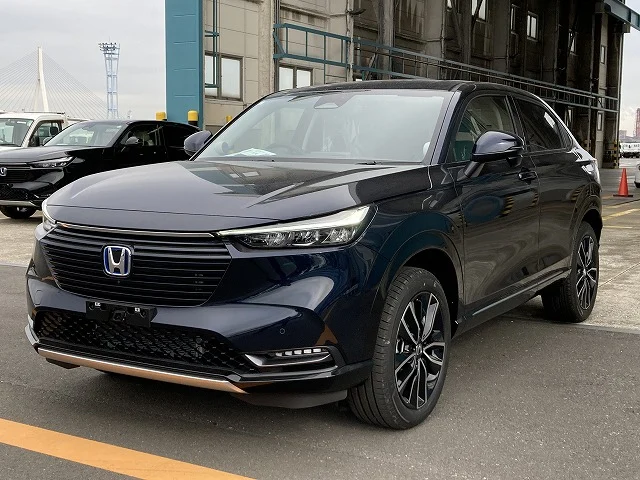
Successfully navigating this initial eligibility hurdle sets the tone for the entire process, minimizing delays and ensuring that when you decide to shop for a reliable vehicle like a Honda Vezel or a similar functional car from Japan, you can proceed with confidence in your eligibility.
Types of Tax Relief Available
The tax relief structure available to PWDs in Kenya is twofold, addressing both personal income and the cost of essential goods.
Regarding income tax, certified PWDs are entitled to a permanent exemption on their taxable employment or business income, up to a generous limit of Ksh 150,000 per month (or Ksh 1.8 million annually).
This relief significantly boosts the disposable income of PWDs, allowing them to better manage healthcare costs and accessibility needs without the burden of PAYE.
Furthermore, businesses that employ PWDs certified by the NCPWD can also claim an additional tax deduction, further incentivizing inclusion within the private sector—a powerful mechanism for increasing employment opportunities for this demographic in Kenya.
The second, and often most significant, type of relief pertains to the importation of specialized equipment and vehicles.
KRA grants duty and tax exemptions on these items, recognizing that they are essential tools for mobility and participation rather than mere consumer goods.
For motor vehicles, this exemption is pivotal, eliminating the massive costs associated with Import Duty, Excise Duty, and VAT, provided the vehicle is certified as being adapted for or essential to the PWD’s mobility.
This exemption is subject to strict rules on engine capacity (often capped, though exemptions exist for specific needs) and, critically, a requirement that the vehicle cannot be sold or transferred within a specified period—typically five years—to ensure the relief is used for the intended purpose and not for commercial gain.
This is where transparent sourcing, like importing directly from Japan, becomes vital, ensuring the vehicle is high quality and won’t require immediate replacement.
Process for Claiming Tax Exemption
Claiming tax exemption is a detailed, multi-step administrative process that requires meticulous attention to documentation.
First, the individual or institution must obtain the NCPWD certification and recommendation letter, as detailed earlier.
Once secured, the applicant submits a formal application to the Commissioner of Customs & Border Control at the KRA, often through the NCPWD, detailing the item (such as the specific vehicle intended for import) and attaching all supporting documents, including the medical assessment, the NCPWD card copy, and proforma invoices or auction sheet copies if importing a car.
The KRA then rigorously vets the application to confirm eligibility and ensure the proposed vehicle aligns with the intended use and the legal requirements.
If you are importing a car, like a dependable Toyota Harrier or a functional SUV, the KRA requires proof of the vehicle’s adaptation (if applicable) and clear documentation proving the source and value.
This is precisely why dealing with transparent importers like Enan Motors is crucial: we provide verified Japanese auction sheets, eliminating guesswork about the car’s actual condition, mileage, and true market value, which KRA uses to assess the fairness of the claim.
Once KRA approves the application, they issue a formal exemption certificate, which is presented to customs officials at the port of entry (like the Port of Mombasa) to facilitate duty-free clearance.
Any minor deviation or incomplete paperwork at this stage can lead to lengthy delays, accumulating costly demurrage charges, so perfection in the documentation process is paramount.

Common Challenges and How to Overcome Them
While the intent of the tax exemption policy is laudable, applicants frequently encounter bureaucratic hurdles and processing delays within the various government agencies.
One major challenge is the inconsistency in interpreting the definition of a “specialized” or “adapted” vehicle, leading to protracted correspondence with KRA officials.
Furthermore, unscrupulous individuals sometimes attempt to exploit the system, which forces KRA to maintain a highly skeptical and stringent review process for every genuine applicant.
Another significant issue arises in the vehicle market itself: PWDs often unknowingly purchase vehicles locally that were previously imported under another PWD exemption, only to discover later that the taxes were not fully paid, leading to seizure or retrospective tax demands.
The most effective way to overcome these challenges is through transparency and expert guidance, especially concerning vehicle sourcing.
When you choose to import directly from Japan, you eliminate the risk of purchasing a car with a compromised history, unlike buying from a local yard where the provenance can be murky.
Enan Motors insists that buyers know the true quality and condition of the vehicle before purchase through verified Japanese auction sheets, a level of transparency you simply won’t get elsewhere in Kenya.
By working with experts who understand the KRA’s specific documentation requirements for PWD imports, we ensure your paperwork is precise, verifiable, and submitted correctly the first time.
If you are preparing to import your next vehicle and want to secure maximum tax savings while ensuring quality, Message us on WhatsApp today to begin your consultation on the importation guidelines and process.

Automotive Imports, Luxury Vehicles, and Disability Tax Benefits
The opportunity to import a vehicle duty-free represents the largest financial benefit for many certified PWDs, potentially saving millions of shillings.
However, applicants must approach vehicle selection strategically.
While the exemption eliminates most taxes, KRA still places restrictions, notably regarding engine capacity and vehicle type, although exceptions are sometimes made based on certified medical necessity for large adaptations.
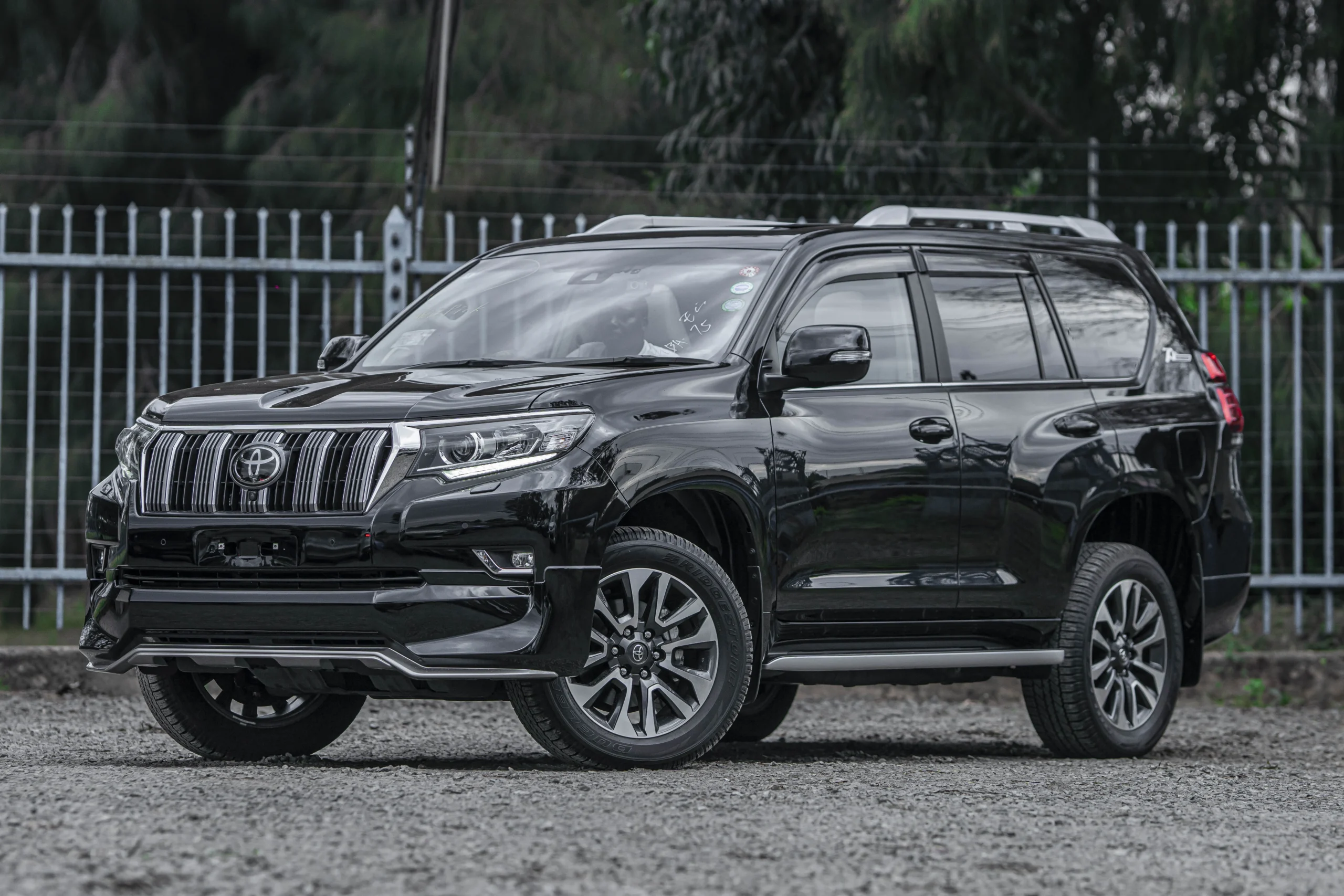
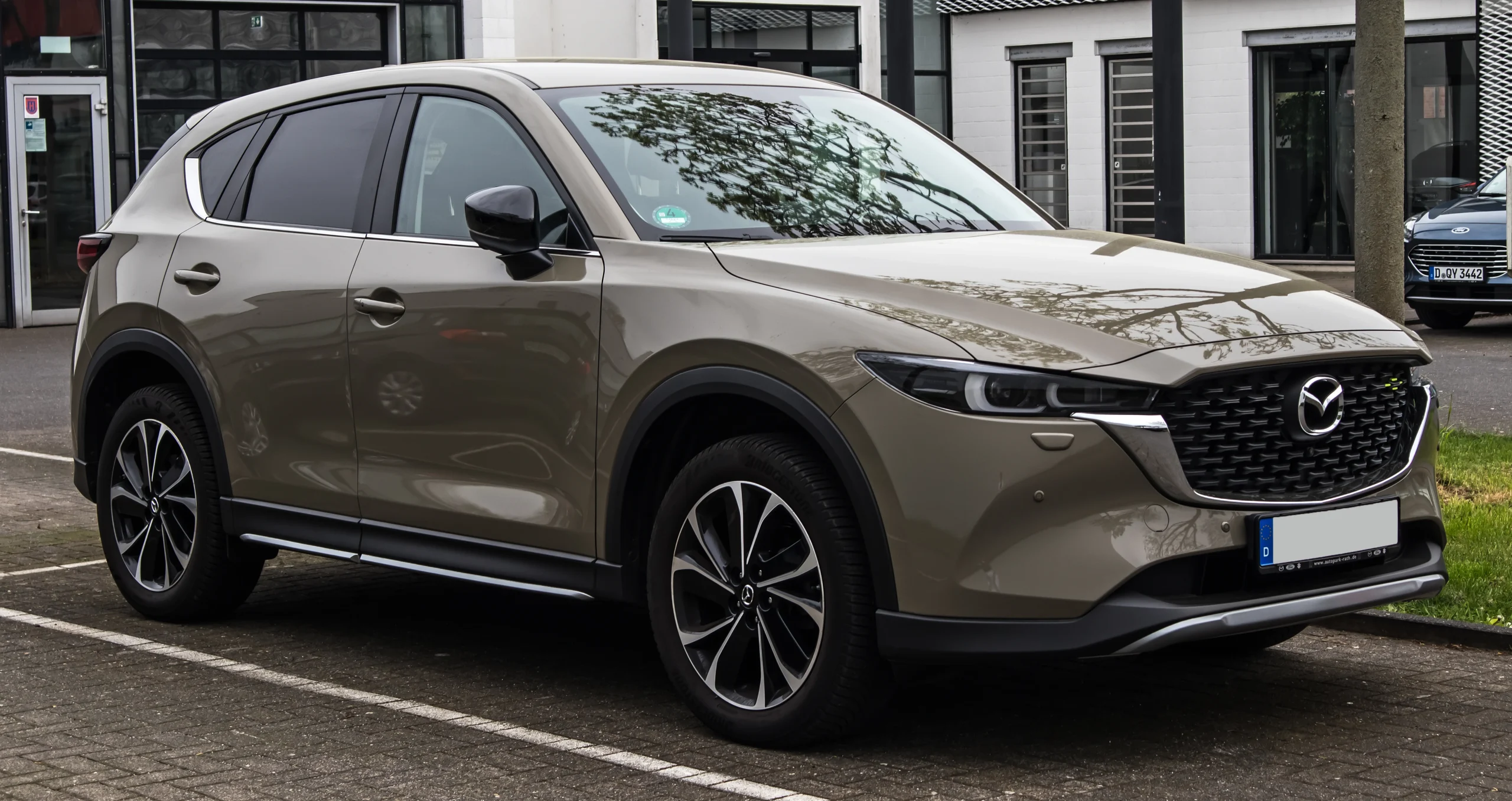
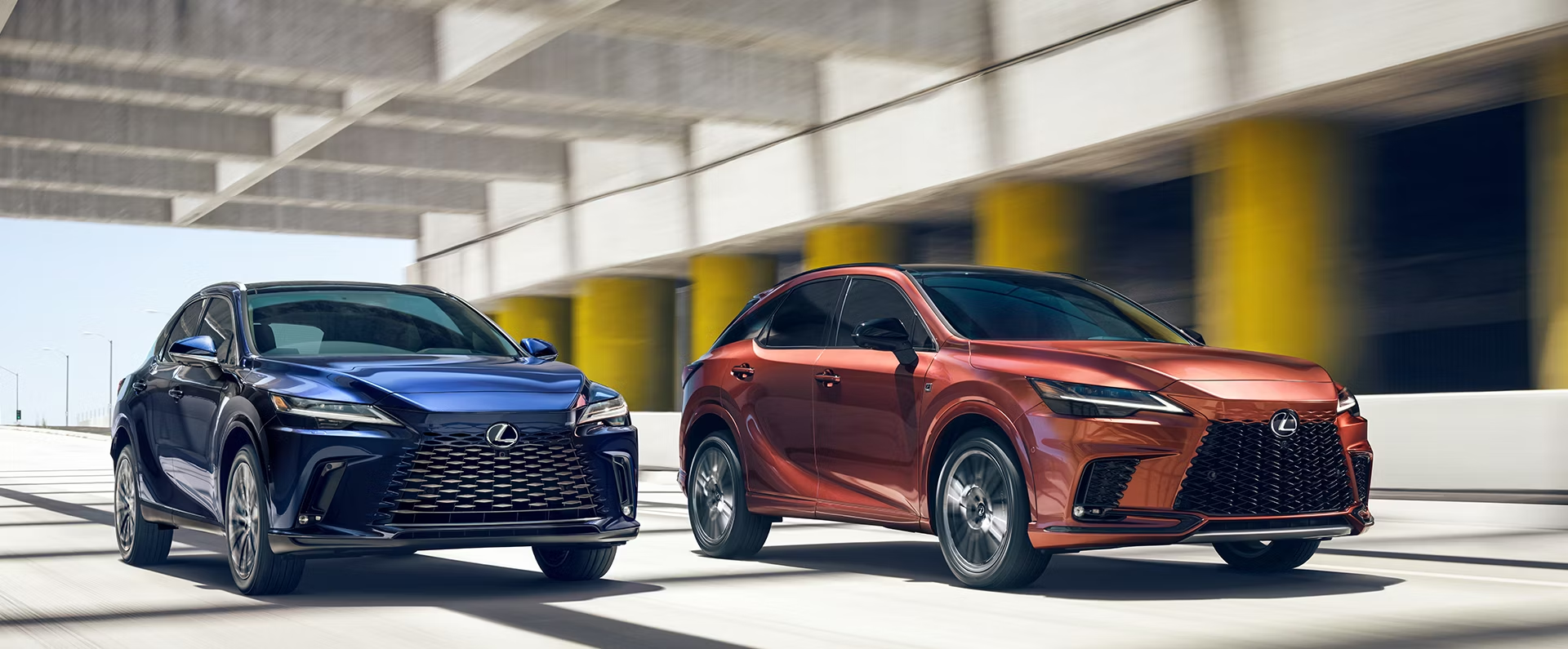
For instance, while vehicles like the Lexus LX 600 or high-end models like the BMW X6 might exceed common capacity thresholds or be viewed as excessive luxury, practical, reliable Japanese models such as the Toyota Land Cruiser Prado (if adapted) or mid-sized SUVs like the Mazda CX 5 are often approved, provided they are demonstrably linked to the PWD’s specific mobility needs.
The key advantage of direct importation from Japan over local yard purchases is the incredible cost savings and choice.
Local car yard prices include significant yard overheads, storage costs, and exaggerated markups, often inflating the price by 30% or more.
By importing directly through a trusted partner like Enan Motors, direct importation is often more affordable because it eliminates these inflated costs, allowing the PWD to leverage their tax savings more effectively on a higher quality vehicle.
Moreover, clients get to choose exactly what they want from the wide range of available cars in Japan, accessing specialized adaptations or specific models that may not be available locally, rather than settling for limited, often worn-out local options.
This confidence, backed by verifiable auction sheet quality reports, ensures that the substantial tax exemption benefit is applied to a vehicle that offers long-term reliability and true value for money.
When selecting a suitable vehicle, especially a dependable Toyota or a robust SUV, careful consideration must be given to the adaptation requirements.
Do you need a vehicle with specific controls, a wheelchair lift, or simply a spacious, comfortable ride that minimizes strain?
Your selection should justify the tax relief sought.
Working closely with our importation experts ensures that the vehicle specification you choose aligns perfectly with both your mobility needs and KRA compliance regulations, minimizing the risk of rejection.
We specialize in sourcing clean, low-mileage units that maximize the benefit of your tax exemption.
To see the quality and variety of vehicles currently available in the Japanese auctions, you can check our Inventory page and start identifying suitable models for your needs today.
Furthermore, navigating the engine capacity limits is essential, as vehicles exceeding 3000cc often face intense scrutiny, even with a PWD certificate.
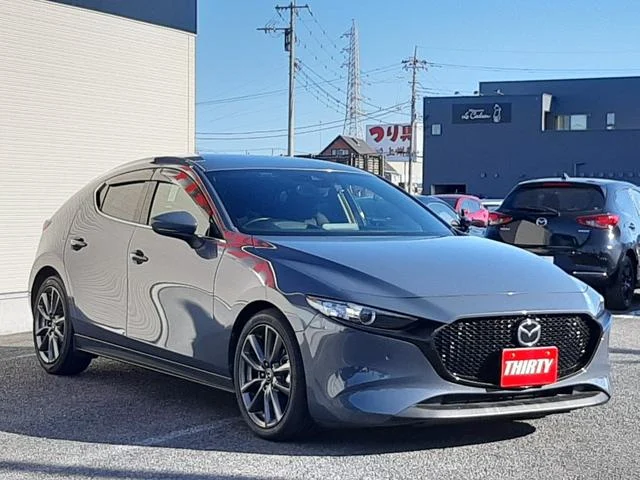
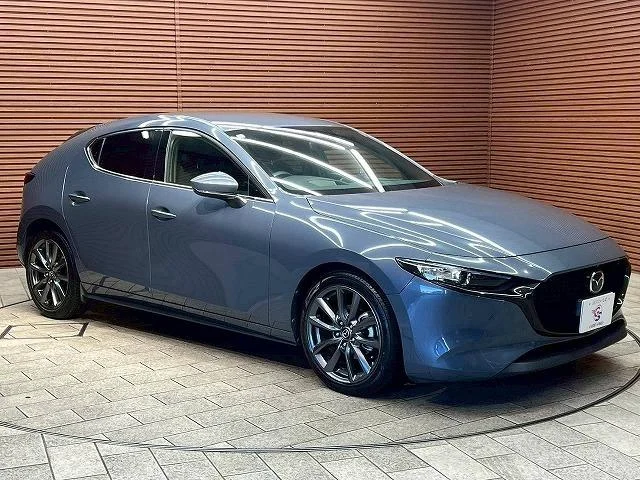
While practical models like the Honda lineup or economical Mazda models like the Mazda Axela are often easily justified due to their fuel efficiency and reliability, applicants interested in larger vehicles must prepare rigorous documentation proving the necessity of the size for transportation or specialized equipment.
Remember, the transparency inherent in the Japanese auction system is your best defense against KRA questioning the true value or condition of the vehicle; you know the true history, and so does KRA when presented with the official documentation.
This commitment to truthfulness is what sets professional importers apart from generic car brokers in the Kenyan market.

Conclusion
Securing tax exemption for persons with disabilities in Kenya is a process designed to provide genuine relief, substantially impacting the economic well-being and mobility of certified individuals.
While the legal framework is clear, successful application hinges entirely on strict adherence to the protocols set by the NCPWD and the KRA, demanding meticulous documentation and a well-justified selection of goods, particularly motor vehicles.
For those looking to maximize this financial advantage, importing a high-quality, reliable vehicle directly from Japan offers unparalleled transparency and cost savings, allowing you to secure a better vehicle than if you were constrained by the limited, overpriced options available locally.
At Enan Motors, our deep expertise in the Import process, combined with our commitment to providing verifiable quality through auction sheets, ensures that your tax-exempt purchase is not only compliant but also a sound, long-term investment in your mobility and independence.
Don’t let the complexity of the regulations deter you; partner with us for confidence and clarity—Call us today to discuss your next tax-exempt import.
FAQ
- What is the maximum engine size allowed for tax-exempt vehicle imports for PWDs in Kenya?
While the KRA guidelines are subject to change and specific medical justification can override general limits, the commonly approved capacity for general PWD exemptions on standard vehicles often sits around 2500cc or 3000cc.
However, if the vehicle requires specialized adaptations (e.g., a ramp or lift requiring a large chassis), a higher engine capacity might be permitted, provided the applicant submits conclusive medical and occupational therapy evidence proving the necessity of the larger vehicle for accommodating the disability and the necessary equipment.
This justification must be robust and verified by the NCPWD before KRA approval is granted.
- Can a PWD sell a vehicle imported under the tax exemption scheme?
No, not immediately.
A critical requirement imposed by the KRA is a mandatory lock-in period, typically five years, during which the vehicle cannot be sold, transferred, or otherwise disposed of without first paying the exempted duties and taxes in full.
This rule is rigorously enforced to prevent commercial abuse of the relief intended purely for the benefit of the registered PWD.
Any transfer within this period requires formal permission from the Commissioner and ensures that the corresponding tax liability is settled before ownership changes hands.
- How does the NCPWD certification process differ from KRA approval?
The NCPWD certification is the initial medical and administrative gateway; it confirms that the individual legally meets the definition of a Person with Disability in Kenya and is issued a PWD card.
KRA approval, conversely, is the final financial and legal step.
KRA uses the NCPWD recommendation alongside the tax statutes to assess whether a specific tax head (like Import Duty on a car) should be waived, ensuring the request aligns with tax law and preventing misuse.
Both certifications are mandatory and sequential.
- Can I claim tax relief on income if I am a PWD but I am self-employed?
Yes, the income tax relief of up to Ksh 150,000 per month applies to both employment income (PAYE) and business income derived from self-employment, provided the PWD is officially certified by the NCPWD and has registered their tax status with the KRA.
The PWD must ensure their business records clearly demonstrate the income stream, and they must correctly declare their PWD status when filing their returns to benefit from the allowable permanent tax deduction against their taxable profit.
- What is the main advantage of importing a vehicle directly from Japan for a PWD exemption?
The main advantage is guaranteed quality and price efficiency.
Local yards often sell vehicles with unknown histories, but when you import directly, you see the verified Japanese auction sheet, ensuring you know the exact condition and mileage.
Furthermore, direct import eliminates the massive local markups and yard overheads, making the vehicle acquisition significantly more affordable, maximizing the benefit of the tax waiver, and ensuring the PWD gets a reliable, long-lasting car.