
Fuel Economy Drawbacks
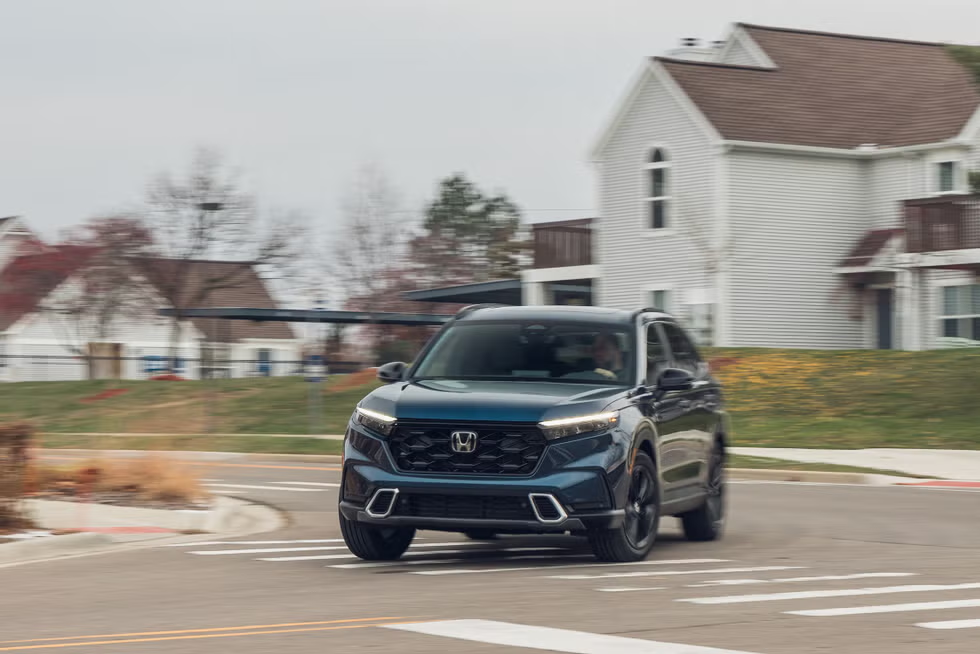
One of the most persistent complaints we hear from clients considering the Honda CR-V is the real-world fuel economy, particularly concerning the common naturally aspirated 2.0L and 2.4L engines prevalent in imported models.
While Honda lists competitive figures, the reality of Kenyan driving conditions—heavy traffic congestion in urban centres like Mombasa and Nairobi, combined with high-altitude driving which demands more throttle input—means owners often achieve consumption figures closer to 8-10 km/l, which is disappointing when benchmarked against competitors that offer smaller turbocharged engines or full hybrid setups.
If you are stepping up from a smaller vehicle, perhaps a sedan or even a subcompact SUV like the Honda Vezel, the increase in operational cost can be quite noticeable, demanding a larger portion of your monthly budget for fuel, which is a major concern for cost-conscious Kenyan families.
This is where careful research becomes essential; many buyers assume that because the CR-V is a Honda, it automatically offers class-leading fuel efficiency, but this isn’t always true for the non-hybrid powertrains that dominate the older import generations.
Furthermore, when dealing with used cars locally, the actual maintenance history of the engine plays a huge role in consumption rates, as poorly maintained injectors or sensors can significantly worsen the problem without the owner realizing it immediately.
When importing directly from Japan, transparency is key, and we help our clients scrutinize the vehicle’s history and maintenance reports to ensure the engine they receive is operating at peak efficiency, preventing unforeseen budget shocks down the line once the car hits the Kenyan roads.
Engine Performance Limitations
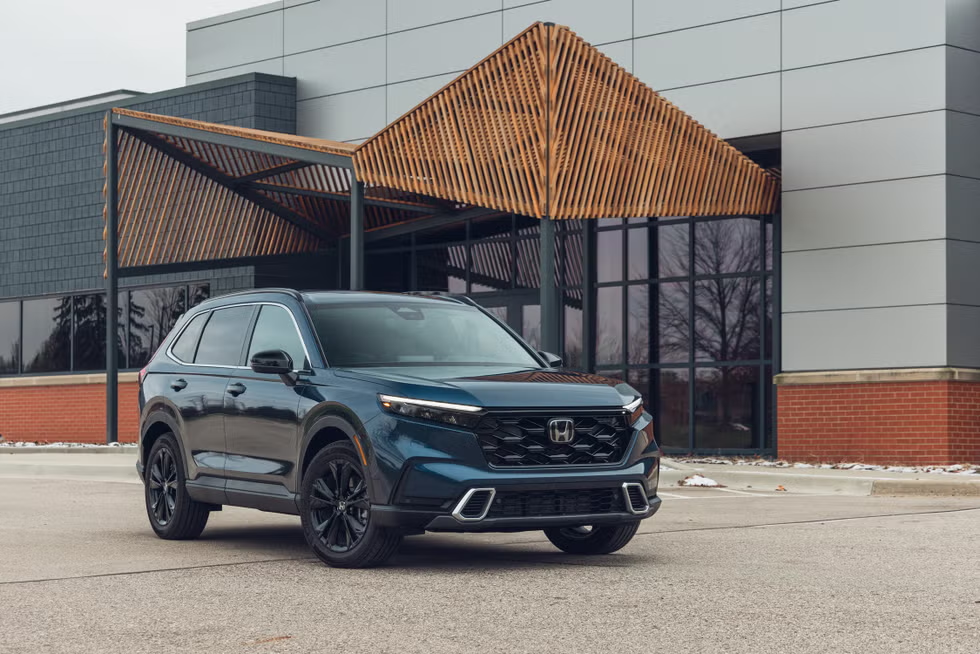
The CR-V, especially those equipped with the standard 2.0L engine, often suffers from a noticeable lack of punch or ‘get-up-and-go’ when you really need it, especially when overtaking on the busy Kenyan highways or tackling steep inclines upcountry.
The engine architecture tends to favour durability and smooth cruising rather than outright acceleration, resulting in a feeling that the vehicle is straining when fully loaded with passengers and cargo, or when driving at the higher altitudes common around the Rift Valley.
While the CR-V is perfectly adequate for daily errands within the city, experienced drivers accustomed to the zippier feel of rivals often describe the CR-V’s responsiveness as muted or hesitant, particularly when paired with the Continuously Variable Transmission (CVT) found in modern models, which prioritizes economy over aggressive performance.
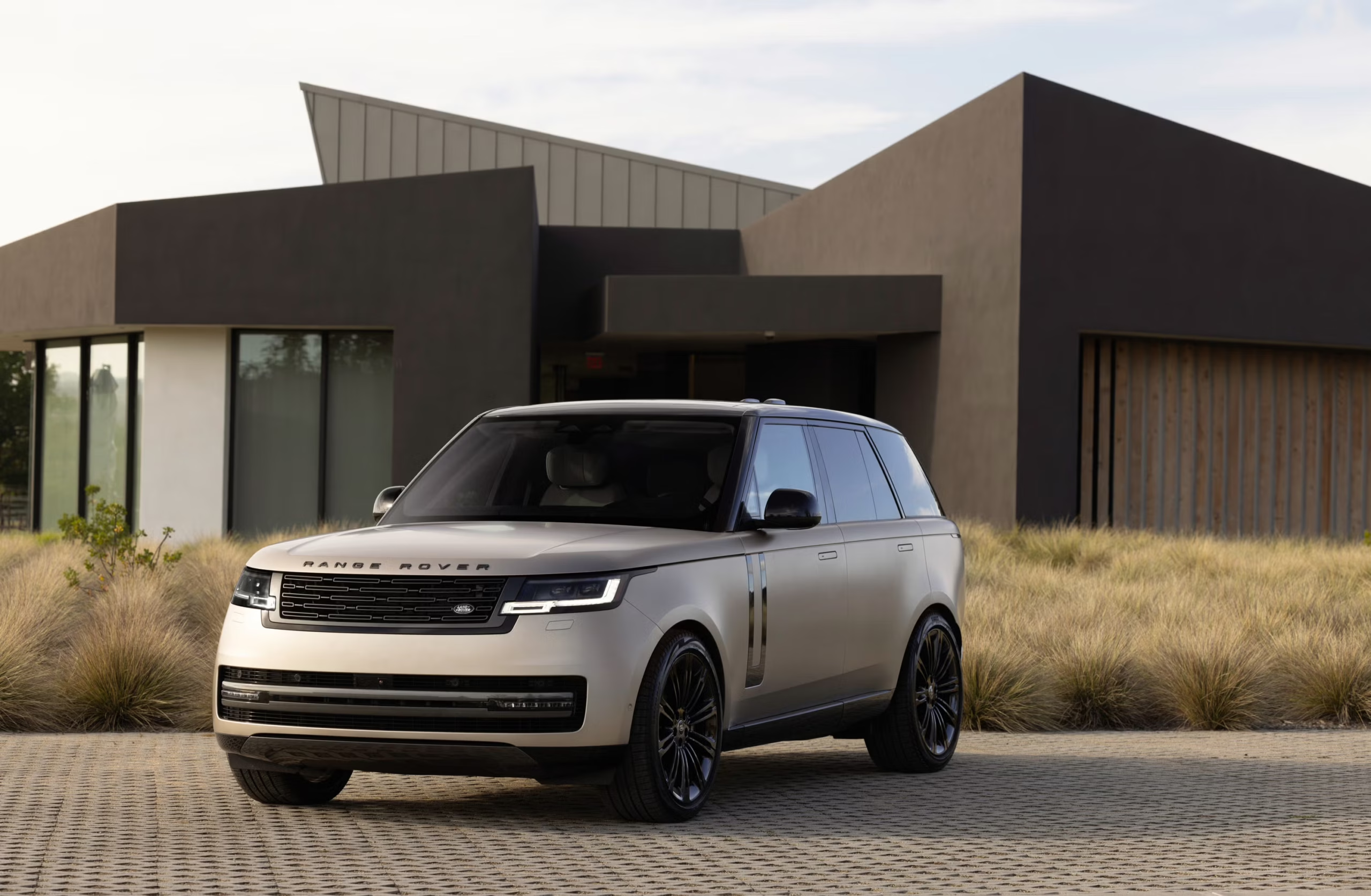
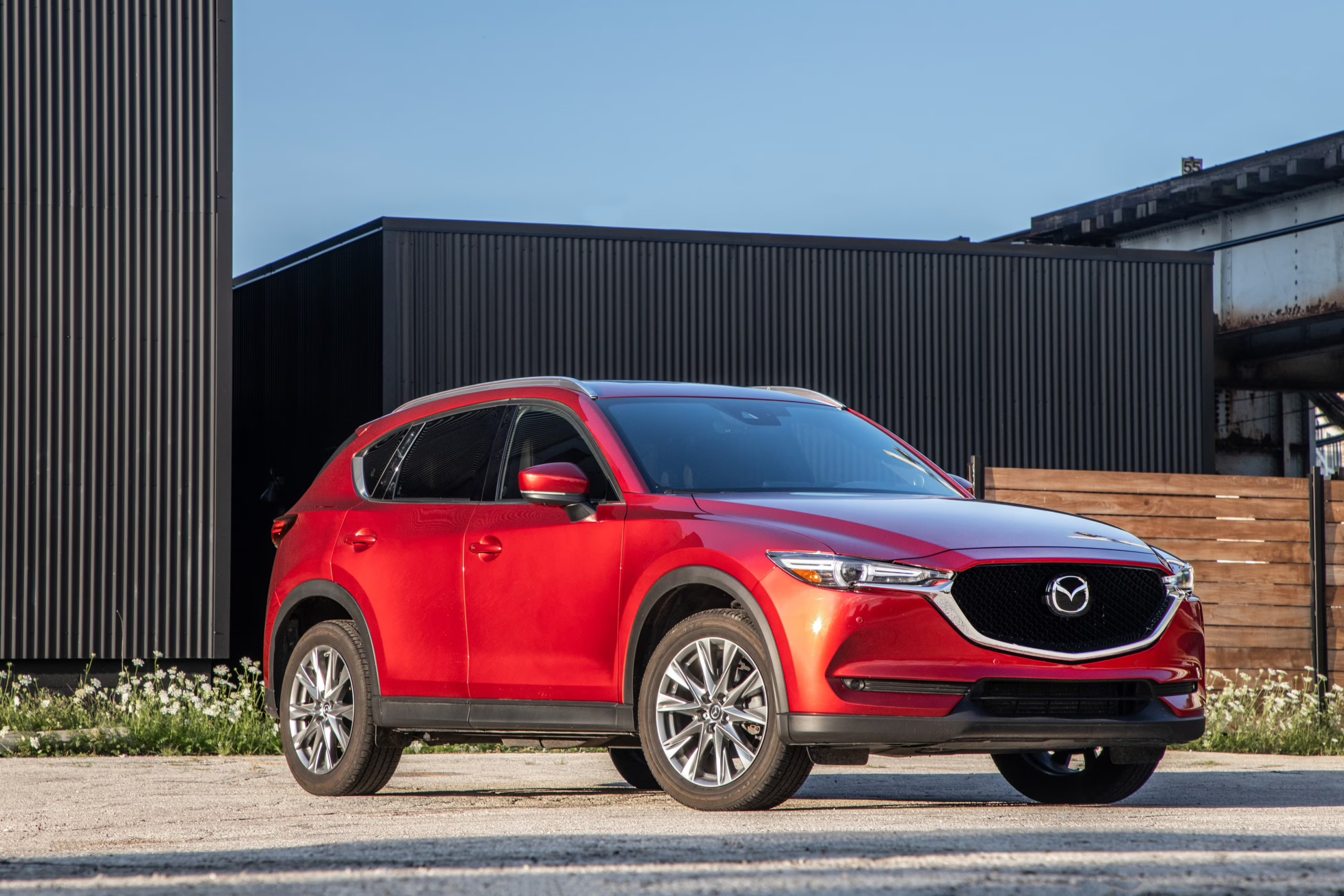
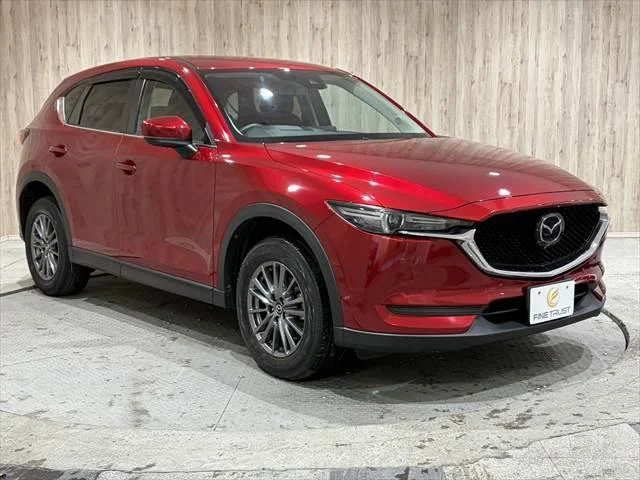
When comparing the dynamics, if you were to pit the 2.0L CR-V against the turbocharged equivalent of a Mazda CX 5 or a modern Volkswagen Tiguan, the difference in acceleration and high-speed stability is quite clear, particularly under load.
The CR-V’s powertrain is fundamentally reliable—a classic Honda trait—but it might not deliver the thrilling or decisive driving experience that some expect from a modern SUV in this segment.
This is an important consideration for Kenyan buyers who frequently travel long distances or need confidence for swift manoeuvres in traffic, highlighting a genuine performance limitation that potential owners must weigh against the vehicle’s otherwise solid reputation for build quality and dependable service.
Interior Space and Comfort Issues
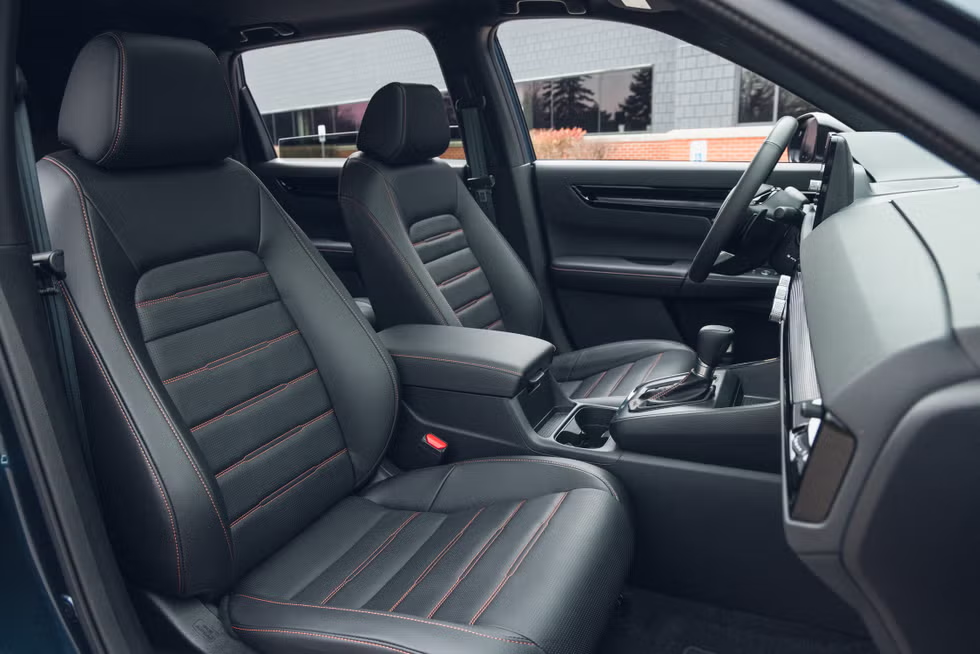
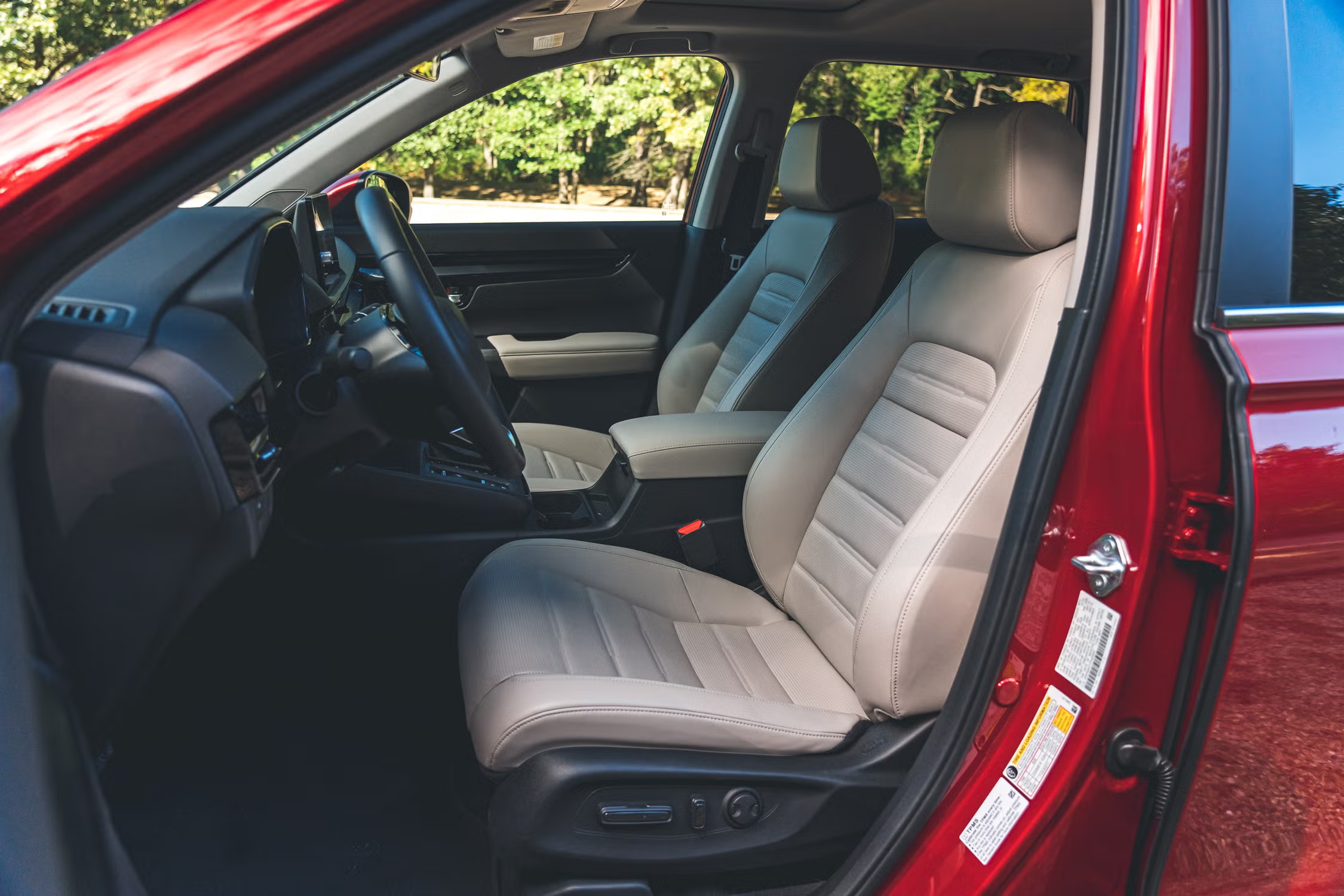
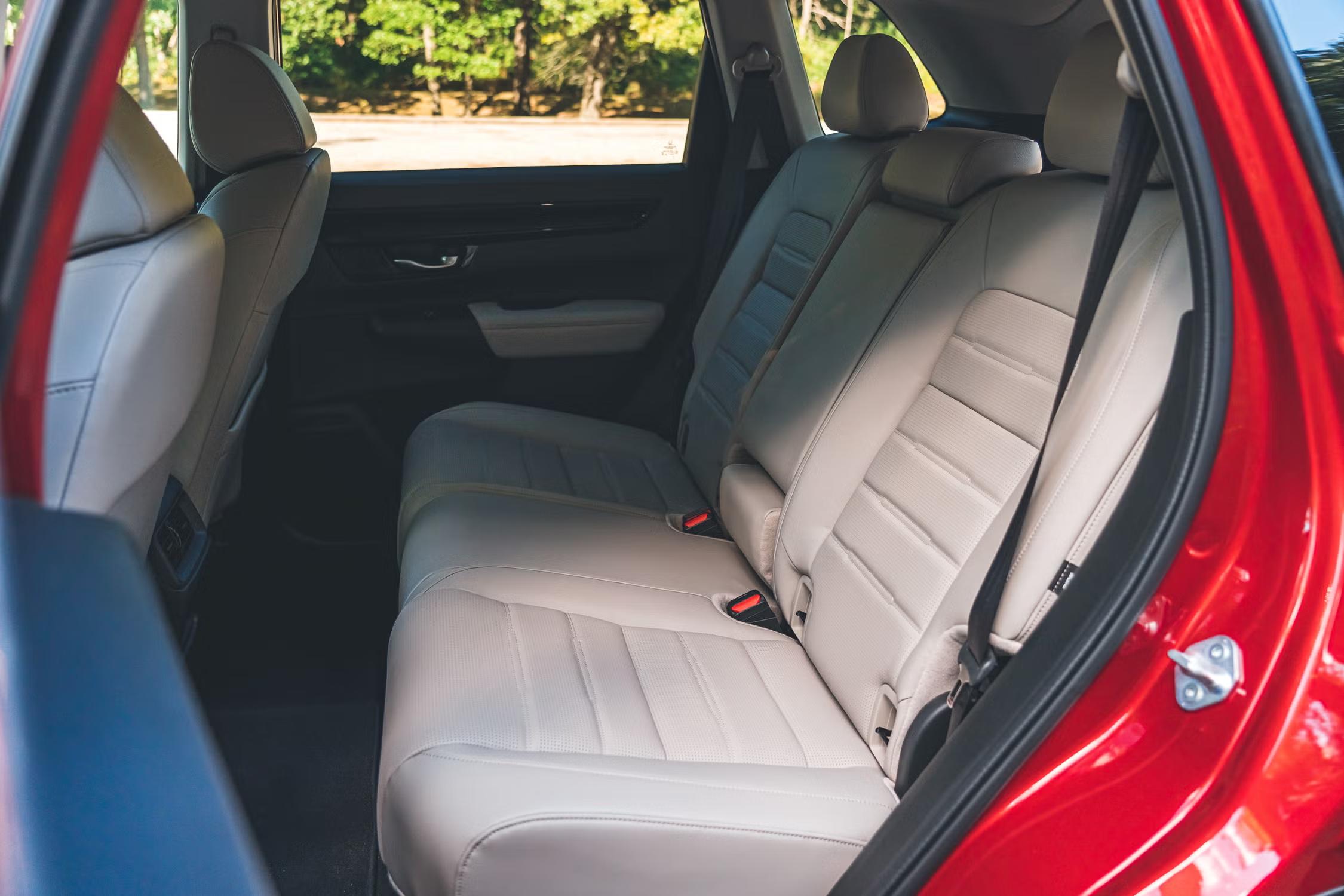
Although the Honda CR-V is marketed as a spacious compact SUV, older generations (prior to the 5th gen starting around 2017) often disappointed owners with their utilization of interior space, particularly regarding the rear bench comfort and cargo configuration.
While it offers good total cargo volume, the actual usable legroom in the second row sometimes feels inadequate for taller adults on long journeys—a critical point for large Kenyan families often using the vehicle for extended holiday trips upcountry.
Furthermore, the overall material selection and cabin design in some mid-range trims imported into Kenya can feel utilitarian compared to the increasingly premium interiors offered by competitors; there’s a distinct lack of the plush, insulated feeling that you might find in a similar-era vehicle from Lexus, for instance, which is a key factor when buyers are spending significant amounts on an SUV.
Another subtle but common complaint relates to seat comfort in general, where some drivers find the padding too firm or the support inadequate for marathon driving sessions across multiple counties.
While later models have significantly improved this, buyers purchasing older, cheaper imports must be aware that the overall cabin ambience and refinement might not match newer competitors or even rivals like the Toyota Harrier, which often prioritizes comfort and quietness.
Understanding these subtle differences in comfort and refinement is vital, which is why when you engage with us at Enan Motors, we ensure you receive detailed, unbiased condition reports and interior photos of the specific vehicle you are purchasing from Japan, so there are no surprises about the seating quality upon arrival at the port of Mombasa.
Technology and Infotainment Shortcomings
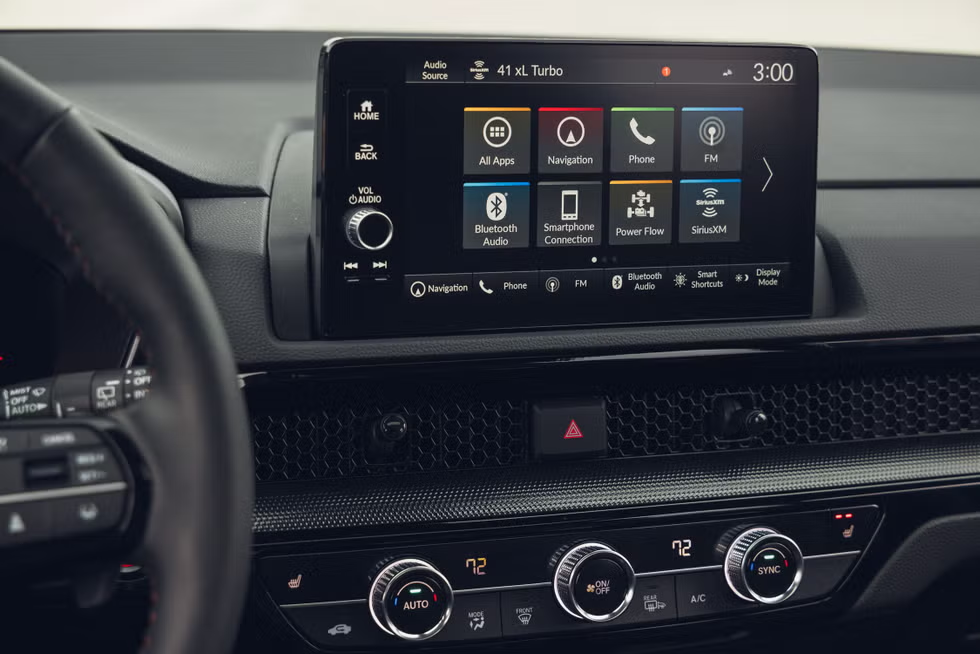
For vehicles imported from the Japanese domestic market (JDM), especially models manufactured before 2019, the technology and infotainment system in the Honda CR-V can be a significant drawback.
Many of these older systems feature outdated graphical interfaces, slower processors, and confusing menu structures that are difficult to navigate while driving, particularly when compared to the modern, intuitive screens found in current-generation vehicles.
Critically, these JDM systems often rely on Japanese language menus, and while many can be converted or replaced, this requires additional time and expense once the car lands in Kenya, adding an unexpected layer of cost and inconvenience that buyers of locally available used vehicles sometimes overlook.
Even where English conversions are possible, the lack of seamless integration for modern smartphone features like Apple CarPlay or Android Auto in older models makes the CR-V feel behind the curve compared to its contemporaries.
Modern Kenyan drivers rely heavily on apps like Google Maps and Waze for navigating dynamic traffic conditions, and having to resort to using external phone mounts due to a dated, resistive touch screen is often frustrating.
While these shortcomings don’t affect the car’s mechanical reliability, they significantly impact the daily user experience, confirming that potential CR-V buyers must budget for potential upgrades to bring the infotainment experience up to modern standards relevant to the Kenyan driving ecosystem.
Safety Feature Gaps
While modern CR-Vs (5th generation and newer) are generally lauded for their comprehensive Honda Sensing safety suites, a significant negative for many Kenyan buyers importing older models is the inconsistency of advanced safety features across different JDM trims.
Unlike models sold in North America or Europe, the specific safety technologies installed in a Japanese car can vary dramatically, meaning a buyer might miss out on crucial features like blind-spot monitoring, adaptive cruise control, or lane-keep assist if they are unaware of the exact package specifications.
This variability presents a risk, especially if purchasing from an intermediary who doesn’t provide the verified Japanese auction sheet, which explicitly details the safety options installed.
This gap in available safety equipment is a major concern on Kenyan roads, where defensive driving is paramount due to unpredictable traffic and road conditions.
Buyers should not simply assume that a modern CR-V automatically comes with all the bells and whistles.
This is precisely why transparency is the backbone of our service at Enan Motors; we ensure that when you select a CR-V, you know exactly which safety aids are included, verified by documentation from the Japanese auto auction.
If you prioritize maximum safety, we can guide you toward specific trims and years that include the robust Honda Sensing package, empowering you to make a purchasing decision based on guaranteed quality, rather than making a risky assumption.
Pricing and Value Compared to Competitors
Despite the inherent reliability of the Honda brand, the CR-V often commands a premium price both in the used local market and when factoring in the total landed cost (CIF plus duties) after direct importation.
This ‘Honda premium’ sometimes places the CR-V in direct competition with vehicles that offer more performance, refinement, or off-road capability, making its value proposition questionable for some buyers.
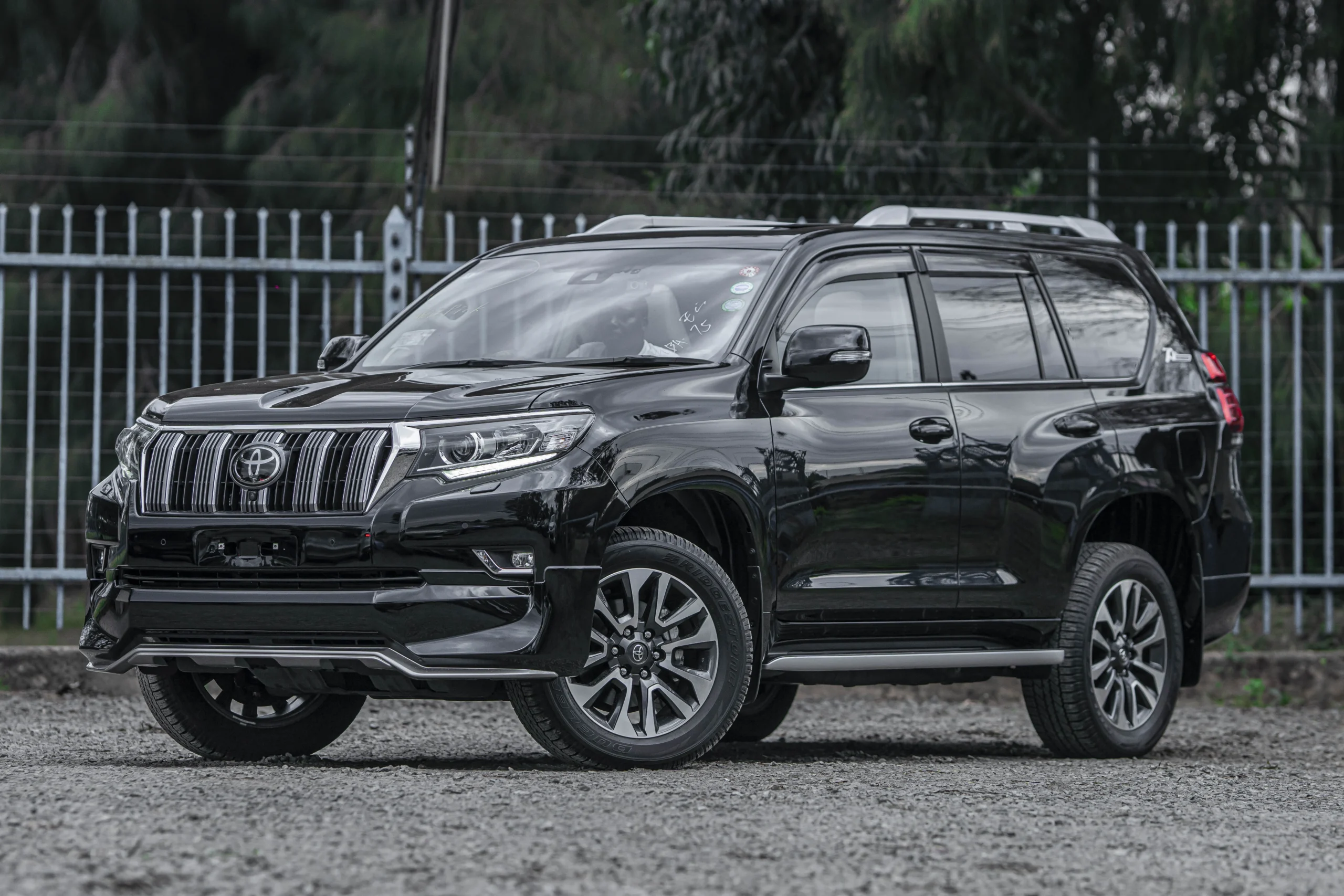
For example, while the CR-V is an excellent soft-roader, it simply cannot compete with the sheer off-road capability of a Toyota Land Cruiser Prado, yet duty structure sometimes places similar-sized engine variants into comparable price brackets once the vehicle is registered in Kenya, forcing a tough comparison for the budget-conscious buyer.
Furthermore, when comparing the CR-V to rivals in the Crossover segment like the ubiquitous Toyota RAV4 or other popular imports, its initial purchase price often leans towards the higher side, especially if targeting low mileage, clean units from Japan.
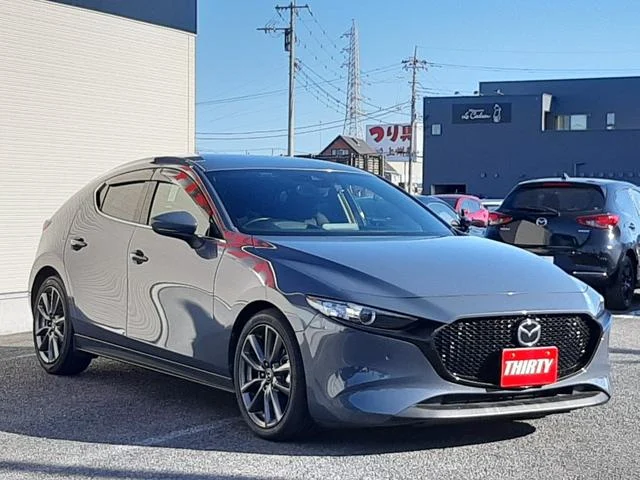
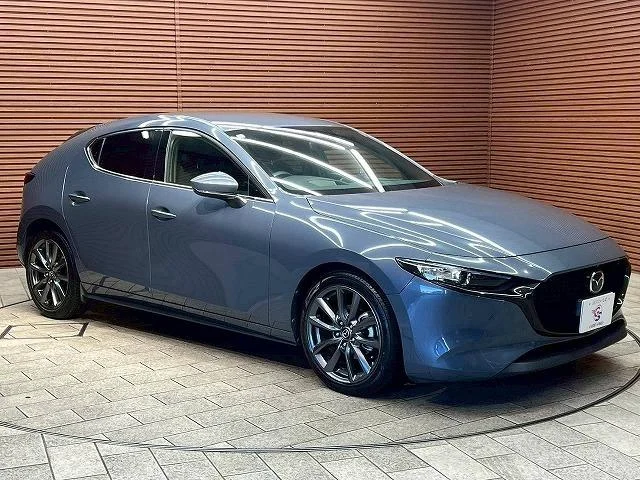
Buyers prioritizing maximum fuel efficiency or a lower initial outlay might find better value in a smaller vehicle like the Mazda Axela, accepting less cargo space in return for significant savings on fuel and importation costs.
We guide clients by providing comprehensive landed cost breakdowns, comparing the CR-V‘s true final price against alternatives, helping them determine if the reputation of the Honda badge truly justifies the added expense over other highly reliable imported options.
Resale Value and Ownership Costs
While the Honda CR-V generally maintains a strong resale value in Kenya due to the brand’s reputation for longevity, its long-term ownership costs present a mixed bag, which can be seen as a negative when compared strictly against its biggest rival, Toyota.
While mechanical parts are usually available, sourcing specific CR-V body panels or complex electronic components can sometimes be marginally more challenging and expensive than the near-ubiquitous availability of spare parts for Toyota models.
Furthermore, the specialized servicing often required for the CVT transmission in later models requires technicians who are properly trained, which can limit repair options, particularly outside of Kenya’s main metropolitan areas, potentially leading to higher labour costs or inconvenient trips to certified service centers.
The biggest financial risk associated with ownership, however, stems from buying a used CR-V with an unknown past, as hidden damage or poor maintenance can lead to astronomical repair bills.
This is a critical point that differentiates direct importation through a reputable company from buying off a local yard.
By opting for the direct Import process with Enan Motors, you receive comprehensive verification, including official Japanese auction sheets and high-resolution photos, ensuring you know the exact quality and condition of the vehicle’s mechanicals and bodywork before it even leaves Japan.
This transparency significantly reduces the risk of inheriting costly, undisclosed problems, protecting your investment and making long-term CR-V ownership worry-free.
We understand that navigating the complexities of importing and judging the long-term value of an SUV like the Honda CR-V can be overwhelming, especially when balancing initial cost against potential future repairs.
That is why our team of import experts is dedicated to demystifying the process and helping you secure a high-quality, verified vehicle.
We take pride in sourcing the cleanest CR-V models, giving you access to a wide range of available cars that are far superior in quality to the limited, highly marked-up options found locally.
If you are serious about securing a reliable CR-V without hidden defects, let us eliminate the guesswork for you. Message us on WhatsApp today to begin your transparent import journey.
Conclusion
While the Honda CR-V remains a highly popular choice among Kenyan drivers for its comfort, reliability, and excellent build quality, it is not without its negatives, which are crucial for any informed buyer to consider.
The primary drawbacks centre on the often-underwhelming engine performance relative to modern competitors, higher fuel consumption in non-hybrid versions under Kenyan traffic conditions, and certain limitations regarding older infotainment systems and rear passenger space.
However, these issues are often manageable, especially when the vehicle is acquired with a proven, transparent history.
Choosing to import your Honda CR-V directly from Japan through a trusted partner like Enan Motors ensures that you eliminate the biggest risks associated with used car buying—namely, unknown maintenance history and exaggerated local markups—allowing you to enjoy the legendary reliability of a Honda without the accompanying headaches.
Get in touch with our expert team to review auction sheets and secure your ideal vehicle; Email us to start the conversation about your next reliable import.
FAQ
- Is the Honda CR-V reliable for Kenyan roads?
The Honda CR-V is generally very reliable for Kenyan roads, benefiting from Honda’s excellent engineering reputation, making it durable and long-lasting when properly maintained.
However, the suspension is typically tuned for softer, paved surfaces, meaning constant driving on very rough, unpaved upcountry roads can lead to faster wear on suspension components compared to rivals specifically designed for rugged terrains.
Buyers should prioritize regular inspection of shocks and bushings if their usage involves heavy off-tarmac driving, and ensure they are importing a car with a verified accident-free history to guarantee maximum longevity and reliability.
- Why is the fuel consumption of the CR-V often complained about in Kenya?
The fuel consumption often draws complaints in Kenya because many common imported models utilize naturally aspirated 2.0L or 2.4L engines, which have to work harder than smaller, modern turbocharged engines or hybrid systems to move the vehicle, especially in congested Nairobi traffic or at altitude.
Real-world consumption figures often fall short of advertised estimates, landing closer to 9 km/l.
Buyers seeking better efficiency should specifically target the newer 1.5L turbocharged versions or hybrid models (when import regulations allow) or consider smaller crossovers if fuel costs are their absolute highest priority.
- Are CR-V spare parts expensive in Kenya compared to Toyota?
While spare parts for the CR-V are widely available in major Kenyan cities, they can sometimes be marginally more expensive than equivalent parts for highly localized competitors like the Toyota RAV4.
Routine consumables are generally competitive, but specific body panels, advanced sensor components, or specialized transmission parts (for the CVT gearbox) might require ordering from specialist suppliers or involve slightly longer lead times compared to the immense inventory dedicated to the Toyota ecosystem in Kenya.
It is advisable to factor in slightly higher costs for non-routine maintenance.
- Does the Honda CR-V have good ground clearance for Kenyan roads?
The Honda CR-V offers adequate ground clearance, typically ranging from 185mm to 208mm depending on the generation and market specifications, which is generally sufficient for navigating typical Kenyan potholes and mild speed bumps.
While it handles light off-road paths well, it does not possess the high clearance necessary for very aggressive, rocky terrain.
If your regular routes involve severely rutted tracks or river crossings, you might find the clearance slightly insufficient, requiring careful navigation to avoid scraping the undercarriage.
- What generation of CR-V should Kenyan buyers avoid due to common problems?
Most generations of the Honda CR-V are mechanically sound, but buyers are often advised to approach the early 2010s models (4th Generation, particularly 2012-2014) with caution.
Some units from this period, especially the 2.4L variant, faced reports of oil dilution issues and excessive vibration when idle, though Honda issued service bulletins to address these.
The most reliable path is not avoiding a specific generation entirely, but ensuring that any imported model has a clean history verified by the Japanese auction sheet, which clearly indicates zero accident damage and a high-grade mechanical rating. Call us to discuss which model years offer the best value and proven reliability.