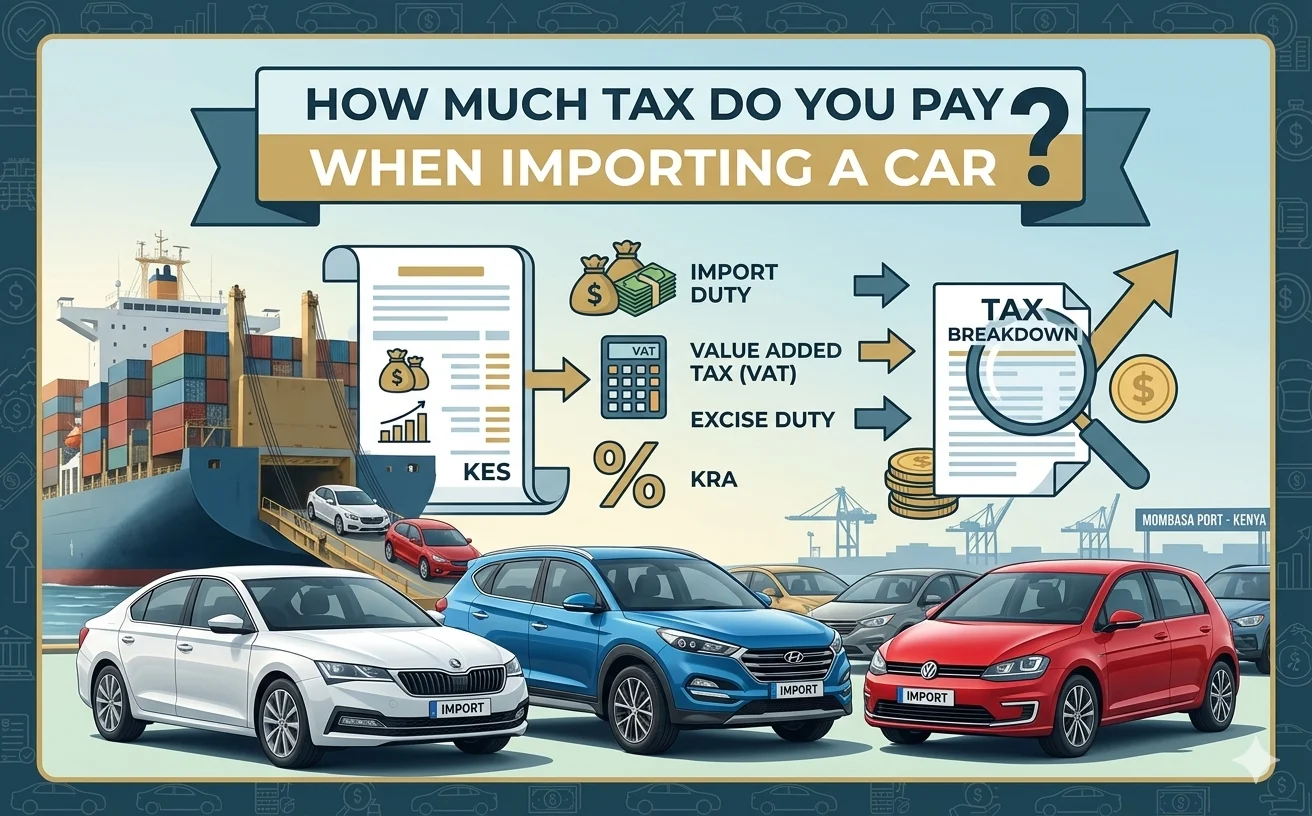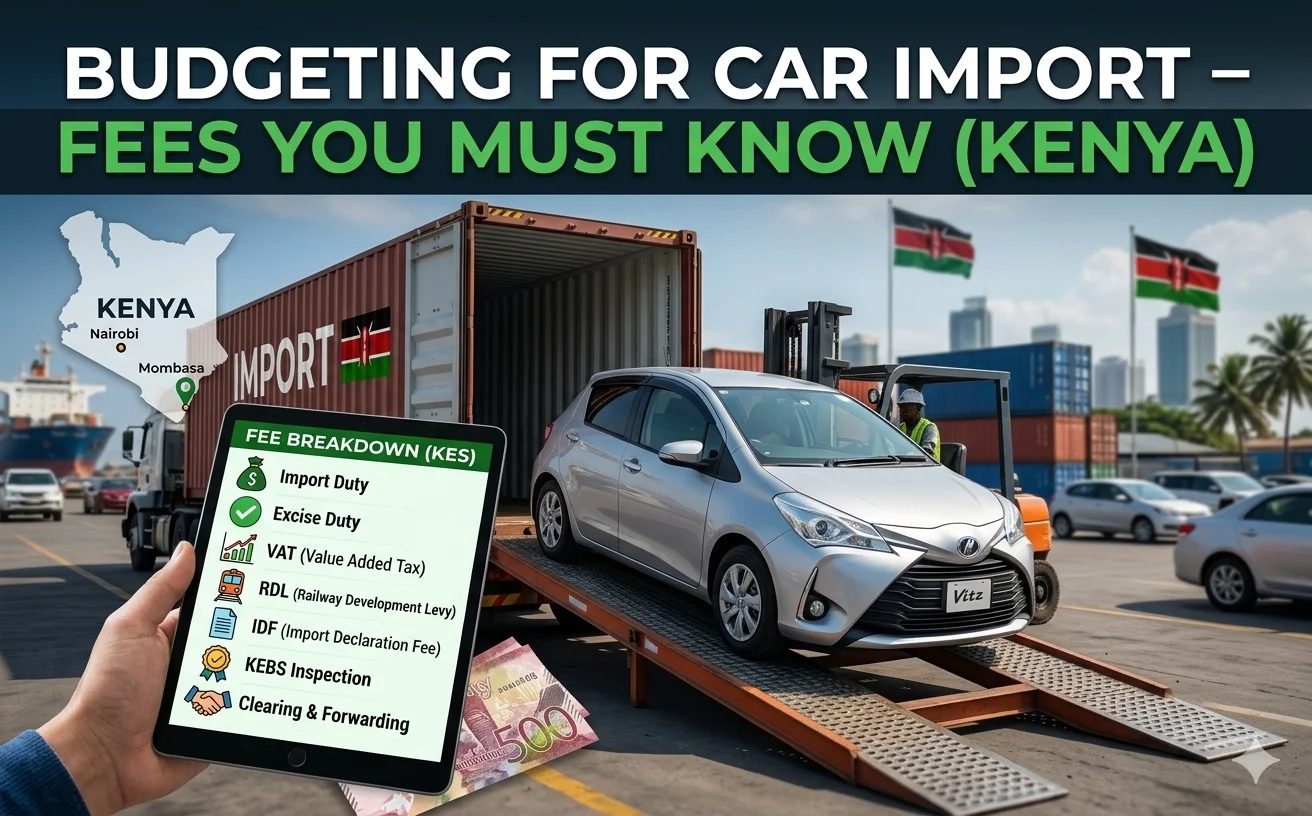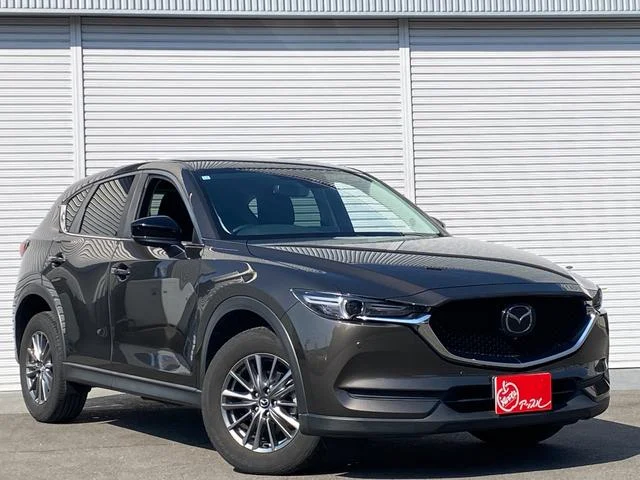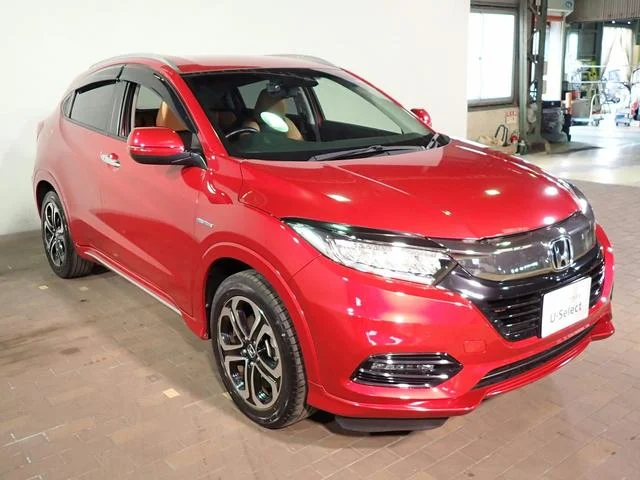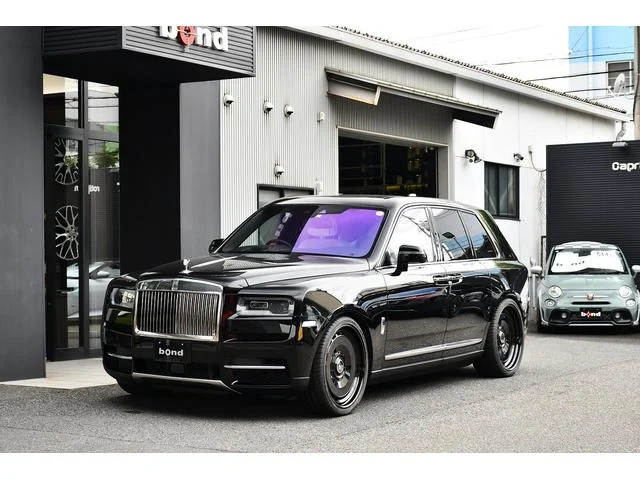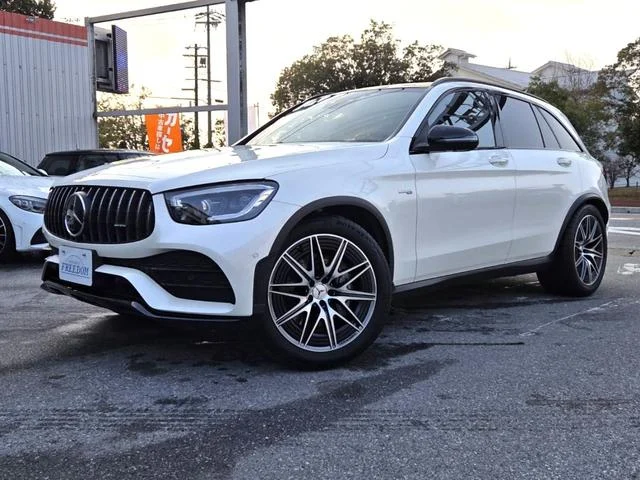


The new car tax rates in Kenya for 2026 are not a single figure but a multi-layered structure that includes a 25% Import Duty, an Excise Duty ranging from 20% to 35% based on engine size, a 16% Value Added Tax (VAT), and additional levies, all calculated on a revised Current Retail Selling Price (CRSP) list effective from July 2025.
These rates apply to imported vehicles, which must also be no older than eight years from their year of first registration, meaning only cars from 2019 or newer are eligible for import in 2026. Understanding this structure is crucial for any Kenyan looking to buy or import a vehicle this year, as it directly determines the final, on-road price you will pay.
Introduction: Why Car Tax Rates Matter in Kenya
If you are planning to buy a car in Kenya, whether from a local yard or by importing, the government taxes are not just a footnote—they are often the most significant part of your budget.
I have seen many excited buyers calculate the price of a car in Japan or the UK, only to get a shock when the final landing cost from the port of Mombasa is nearly double that figure. This is because our tax regime is designed to be comprehensive, layering duty upon duty.
For the average Kenyan, this means the difference between affording a reliable family car and settling for an older model with potential hidden issues. It also shapes our entire car market, influencing what models are available locally and their price tags.
Getting a clear grasp of these taxes empowers you to make smarter financial decisions, plan your budget accurately, and avoid the nasty surprises that can turn a dream purchase into a financial strain. It is the first and most critical step in your car-buying journey.

Overview of the 2026 Car Tax Reform
The landscape for car imports in 2026 is defined by two major pillars: an updated valuation system and a strictly enforced age limit. The Kenya Revenue Authority (KRA) has implemented a new Current Retail Selling Price (CRSP) schedule effective from July 1, 2025.
This CRSP is a benchmark value KRA assigns to every make and model, and it is this value—not necessarily your purchase invoice—that forms the base for all tax calculations.
The update aims to reflect more current market prices, which means valuations for some popular models have changed, directly impacting your final duty bill. Concurrently, the Kenya Bureau of Standards (KEBS) is firmly enforcing the eight-year age rule.
Starting January 2026, only Right-Hand Drive vehicles first registered on or after January 1, 2019, are permitted for import. A car manufactured in December 2018 is now ineligible, full stop. This twin reform makes thorough pre-purchase verification more important than ever to avoid costly rejections at the port.

New Tax Rates by Vehicle Category
Let us break down the tax components you will actually pay. First, the 25% Import Duty is applied to the customs value, which is derived from the KRA’s CRSP.
On top of that comes Excise Duty, which is where your car’s engine size really matters.
For petrol engines under 1500cc, the rate is 20%. It jumps to 25% for engines between 1500cc and 3000cc, and peaks at 35% for engines above 3000cc. Next, you pay a 16% VAT on the sum of the customs value, import duty, and excise duty. Finally, there are two smaller levies: a 2% Railway Development Levy and a 3.5% Import Declaration Fee, both calculated on the customs value.
As you can see, each tax is calculated on a progressively larger amount, a process known as “cascading,” which is why the final tax burden can feel so heavy. For example, a car with a CRSP of KSh 2 million and a 2000cc engine will face a significantly higher total tax percentage than one with a 1300cc engine.
Impact on Imported vs. Local Vehicles
This tax structure creates a fundamental cost divide between imported and locally purchased used cars. When you import directly, you pay all these taxes and fees at the port. However, you gain unmatched transparency and choice.
You can select from a vast inventory in Japan, review a vehicle’s verified auction sheet showing its true condition and grade, and know its complete history before a single shilling is paid. In contrast, buying from a local yard means the import taxes are already baked into the price, often with a substantial dealer markup added.
You might pay slightly less upfront for a local car, but you are buying a vehicle that has already endured Kenyan roads, potentially with higher mileage and wear, and without the detailed condition report an import provides.
The local market is also limited to what dealers have chosen to bring in. With direct importation through a trusted partner, you are not just buying a car; you are buying certainty and getting exactly what you want, which for many discerning buyers in Nairobi, Mombasa, and beyond, is worth the process.

Effect on Luxury and Electric Cars
The tax approach diverges significantly for luxury and electric vehicles (EVs), creating unique opportunities. Luxury cars, typically defined by a high market value and brands like Mercedes Benz or BMW, face the standard high excise duty rates, especially for large engines.
However, the government is using tax policy to encourage a greener fleet. Electric vehicles enjoy substantially reduced excise duty rates, sometimes as low as 10%, making them increasingly competitive on total landing cost.
This incentive is a strategic move to improve urban air quality and reduce fuel imports.
For the savvy buyer, this means models like the Toyota Harrier Hybrid or a fully electric SUV could offer not just fuel savings but also a lower initial tax burden.
It is a compelling reason to explore the latest hybrid and EV options available in international markets, which are often more advanced and affordable than the limited selection found locally.

How to Calculate Your 2026 Car Tax Liability
Calculating your potential tax liability before you commit to a vehicle is non-negotiable. The most reliable method is to use an online duty calculator that is updated with the 2025/2026 CRSP lists, like the one offered by Enan Motors.
You will need the vehicle’s exact make, model, year of manufacture, engine capacity (cc), and fuel type. The calculator will output an estimate for the total taxes due.
Remember, this figure does not include other critical costs like shipping, insurance, port handling charges (which can be KSh 40,000 to KSh 70,000), agency fees, or the mandatory KSh 12,000 KEBS Certificate of Roadworthiness validation fee.
My strong advice is to only consider vehicles where you have the chassis number.
A professional importer can then decode this to confirm the precise manufacture date, ensuring it complies with the 2019+ rule, and provide you with an accurate, all-inclusive landed cost quote.
This proactive step is what separates a smooth import experience from a financial headache.

Comparison with Previous Years’ Rates
Comparing 2026 to previous years reveals a trend toward stricter regulation and higher effective costs for certain segments.
The core tax *rates* (like the 25% import duty or 16% VAT) have remained relatively stable. The major shift is the enforcement of the 2019 year-of-manufacture cap, which has abruptly removed all 2018 and older vehicles from the import pool.
This limits options and can push buyers toward newer, potentially more expensive models.
Furthermore, the updated CRSP values mean the base for calculating these stable percentages has changed for many models. While the intent is to align with global market prices, the result for Kenyans is that the total duty amount in Kenya Shillings for a specific model may be different—often higher—than it was two years ago.
This evolution underscores why relying on old information or hearsay is risky; the rules of the game are actively being refined, and staying current is your best defense.
Conclusion
Navigating Kenya’s 2026 car tax regime requires a clear-eyed understanding of its layered structure and strict regulations. From the CRSP-based calculations to the firm 2019 age limit, the rules are designed to be followed precisely.
While this may seem complex, it actually creates an opportunity for informed buyers.
By choosing to import directly from sources like Japan, you gain access to superior vehicle quality, verified condition reports, and a wider selection, all while understanding the complete breakdown of costs without middleman markups. The journey to car ownership does not have to be fraught with uncertainty.
With careful planning, accurate calculations, and the right experienced partner to guide you, you can confidently navigate the tax landscape and drive away in the exact vehicle you want. If you are ready to explore what is possible, contact our team today for a transparent, no-obligation consultation and quote.
FAQ
- Do I pay less tax if I import an older, cheaper car?
No, due to the 2026 regulations, you cannot import any vehicle older than eight years, which means cars from 2019 or newer only. While a cheaper 2019 model will have a lower tax base, the mandatory age restriction eliminates the option of very old, low-value imports entirely. - Can I use my purchase invoice from abroad to calculate the duty?
No, the Kenya Revenue Authority primarily uses its own Current Retail Selling Price (CRSP) for the specific model and year as the basis for tax calculation, not your invoice price. Always estimate duty using the official CRSP to budget accurately. - Are there any exemptions from paying these import taxes?
Yes, the main exemption is for qualifying returning residents who have lived abroad for at least two years and have owned and used their vehicle for twelve months before shipping it to Kenya. Diplomatic personnel and persons with disabilities may also qualify for specific exemptions. - Is it true electric cars have lower taxes?
Yes, to promote environmentally friendly transport, the government applies a reduced excise duty rate for fully electric and hybrid vehicles, making their total tax liability lower than comparable petrol or diesel cars. - What is the biggest risk if I get the tax calculation wrong?
The biggest financial risk is underestimating the total landed cost, which can strain your budget. The biggest compliance risk is accidentally importing a non-compliant vehicle (e.g., too old or left-hand drive), leading to seizure, rejection, or costly re-export at your own expense.