
The Economics of Maintenance and Spare Parts Availability
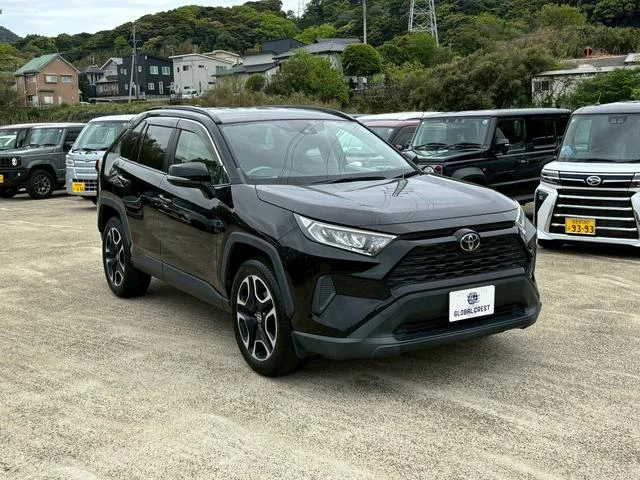
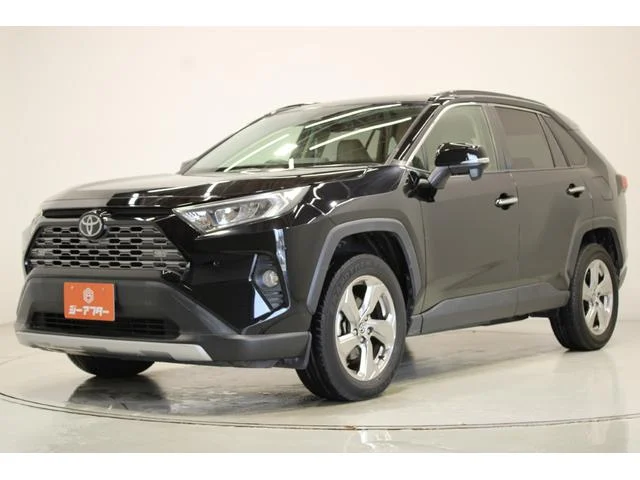
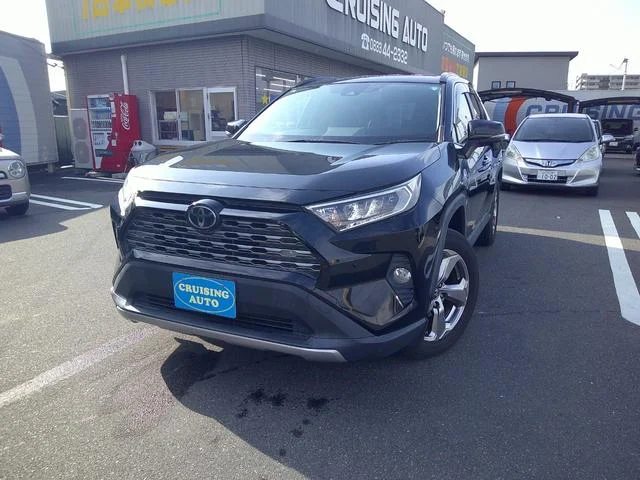
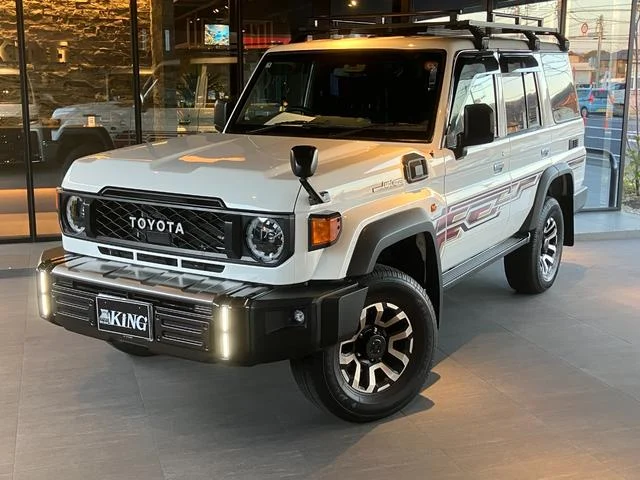
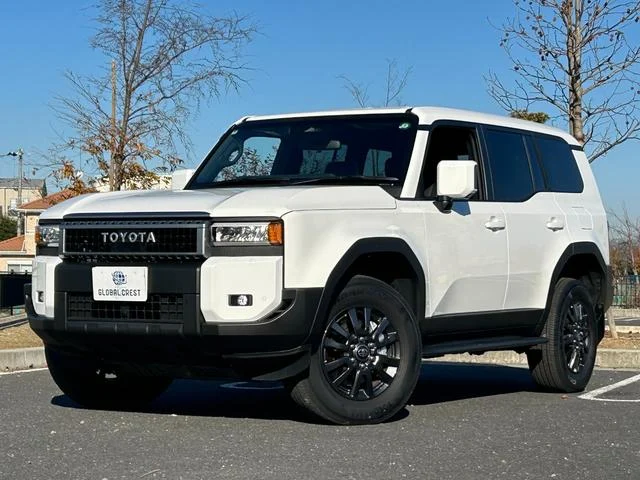
The primary reason you see a sea of Japanese labels on the Nairobi Expressway is simple: maintenance.
In the Kenyan automotive landscape, a car is only as good as the availability of its parts.
Whether you are driving through the busy streets of CBD or navigating the outskirts of Ruiru, finding a mechanic who understands a Japanese engine is effortless.
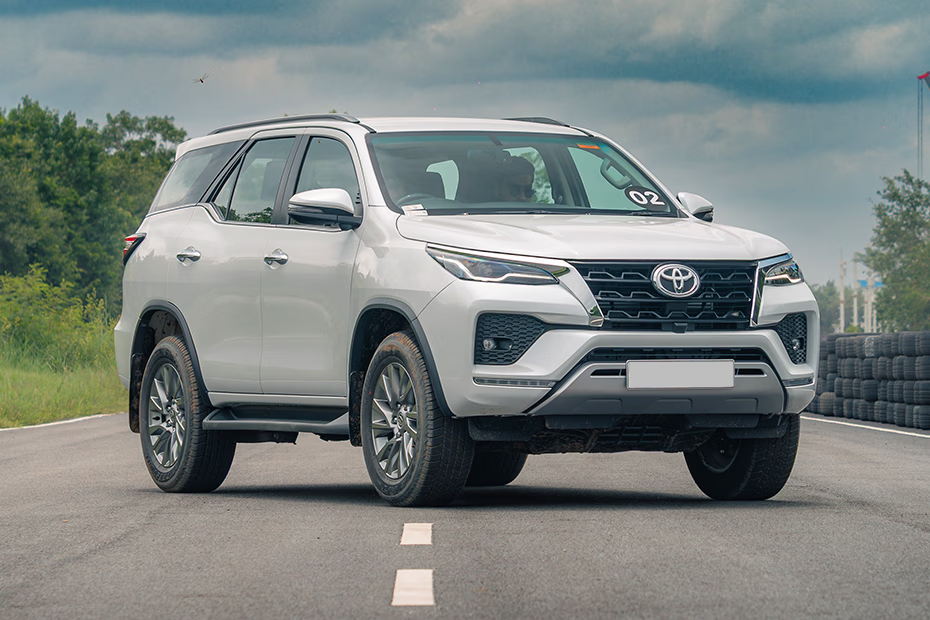
Unlike many European counterparts where a simple sensor failure might ground your vehicle for weeks as you wait for a shipment from overseas, Toyota parts are available in almost every town.
From Kirinyaga Road to industrial area workshops, the supply chain for Japanese components is robust.
This accessibility keeps the cost of ownership significantly lower over a five-year period compared to other brands.
When you choose to work with Enan Motors, we emphasize this long-term savings.
Buying a car isn’t just about the initial CIF value; it is about how much you will spend at the garage every six months.
The technical simplicity of Japanese engineering allows for quick diagnostic turnarounds, ensuring your vehicle stays on the road where it belongs.
The 8-Year Rule and the KRA Valuation Reality
As we move into 2026, the “8-year rule” remains the most critical factor for any Kenyan importer.
According to current Kenya Bureau of Standards (KEBS) regulations, any vehicle imported into the country must be less than eight years old from the year of first registration.
This means that for the current year, we are looking at 2019 and newer models.
Japanese cars are particularly popular because the Japanese export market is designed to cycle out vehicles at the 3, 5, and 7-year marks due to their strict “Shaken” inspections.
This creates a massive surplus of high-quality 2019 and 2020 units that perfectly fit the Kenyan import window.
When the KRA calculates duty, they use the Current Retail Selling Price (CRSP) list.
Japanese models often have very predictable CRSP valuations, which prevents the “tax shocks” sometimes associated with rare European luxury imports.
If you are looking to maximize your budget, our inventory features a curated selection of vehicles that fall right into the sweet spot of this 8-year rule, ensuring you get a modern car without paying the “brand new” showroom premium.
Fuel Efficiency: Navigating High Pump Prices
Fuel economy is no longer a luxury in Kenya; it is a survival tactic.
With the fluctuating prices of Petrol and Diesel, the average Kenyan commuter prioritizes “km per liter” over “0-100 speed.” Japanese manufacturers have mastered small-displacement turbocharged engines and hybrid technology.
Models like the Honda Vezel and various Toyota hybrids offer incredible fuel savings during heavy traffic on Mombasa Road.
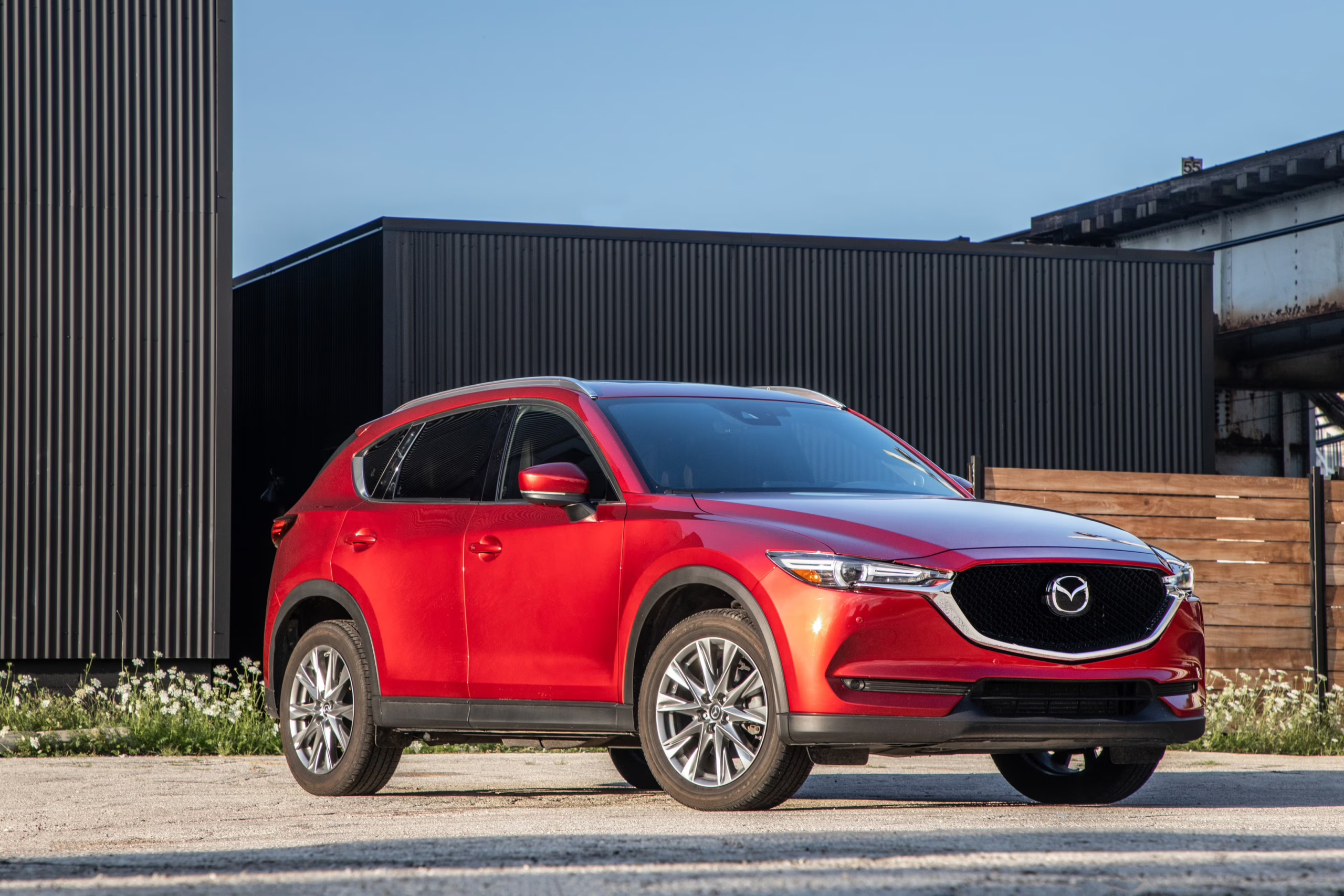
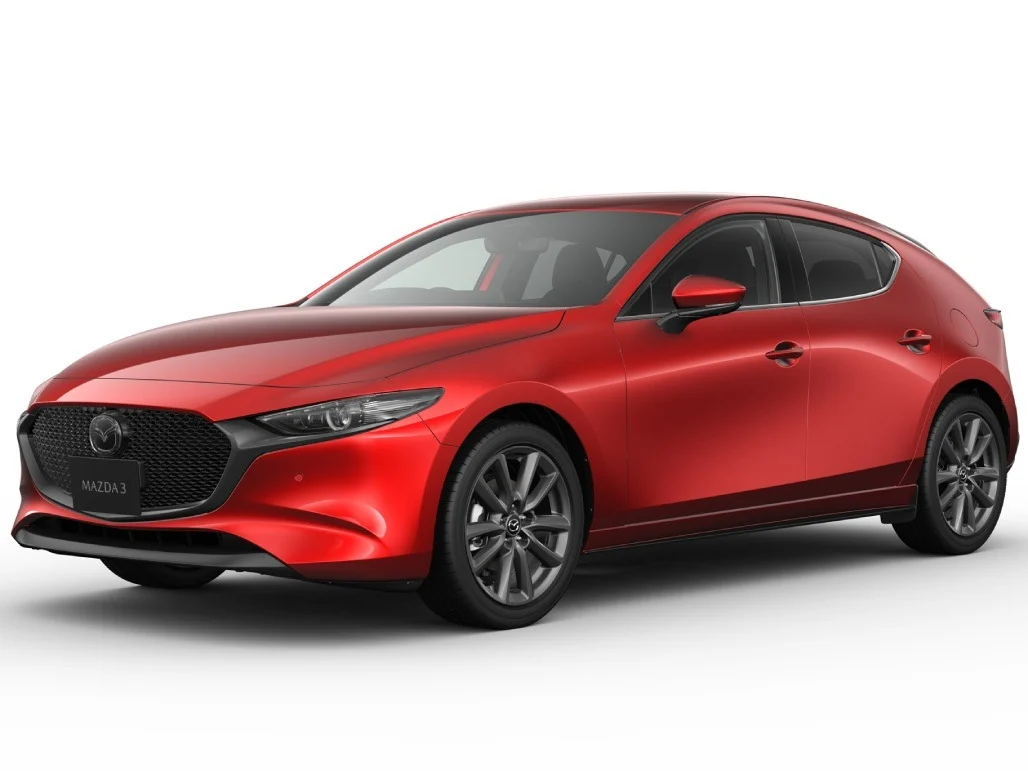
Even in the SUV category, the Mazda CX 5 with its SkyActiv technology provides a level of efficiency that few competitors can match.
This focus on “lean burning” engines is a massive draw for the ride-hailing industry and corporate professionals alike.
Before making a final choice, it’s wise to understand the import process and how choosing the right engine size can impact both your purchase price and your monthly fuel bill.
The “Auction Grade” Trust Factor
Trust is the most valuable currency in the Kenyan car market.
For years, local car yards have faced skepticism regarding odometer tampering.
This is where the Japanese import model wins.
When you import directly through About Enan Motors, you receive the original Japanese Auction Sheet.
This document is the “health record” of the car.
An Auction Grade 4 or 4.5 tells you exactly what you are getting—a car in near-mint condition with verified mileage.
In Japan, rolling back an odometer is a criminal offense, a level of transparency that is often missing in other global markets.
We ensure that every vehicle undergoes a QISJ (Quality Inspection Services Japan) inspection before it leaves the Port of Yokohama or Nagoya, giving our clients total peace of mind before the car even lands in Mombasa.
The Evolution of Luxury: Lexus and High-End Japanese Specs
While reliability is the foundation, the Kenyan market’s appetite for luxury has grown.
We are seeing a significant shift toward Lexus, which combines the legendary reliability of Japanese engineering with world-class interiors.
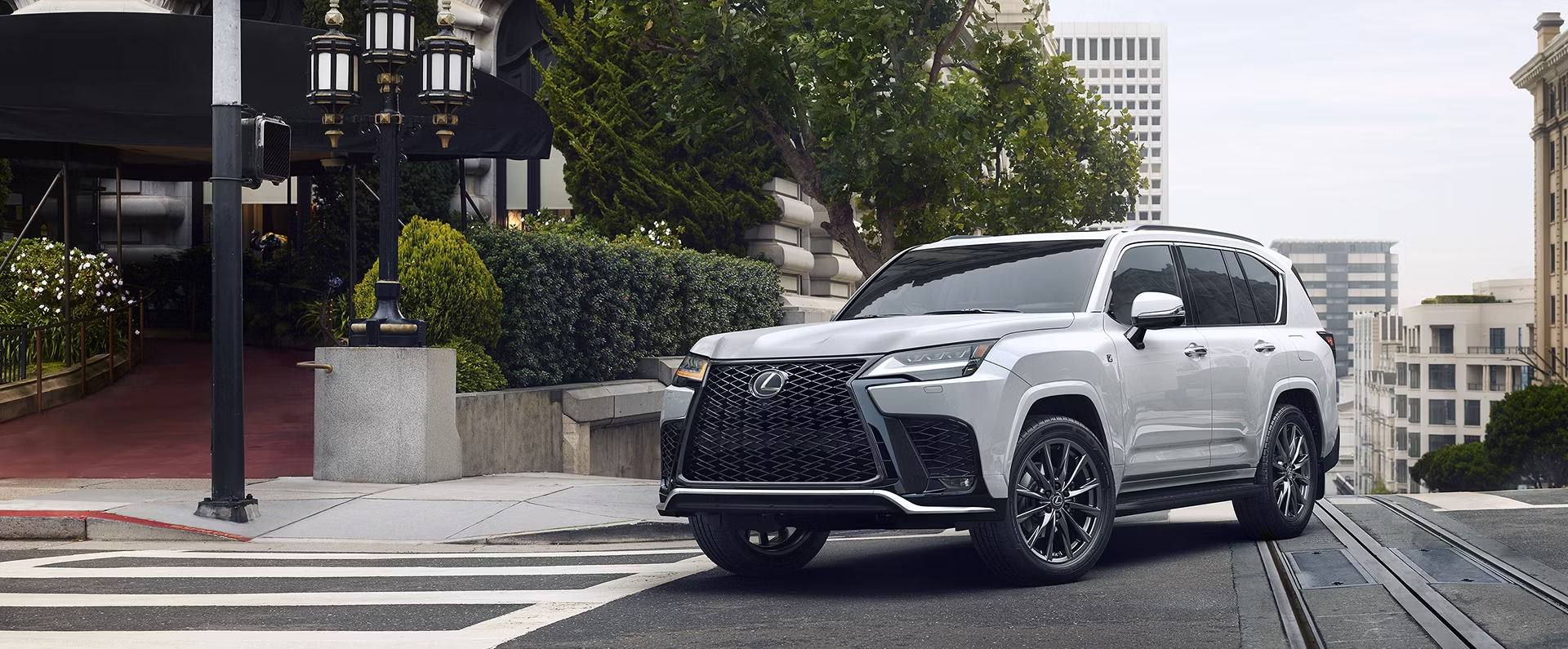
The Lexus NX250 and the flagship Lexus LX 600 have become status symbols in neighborhoods like Nyali and Karen.
Even performance enthusiasts are finding their needs met by Japanese versions of German cars.
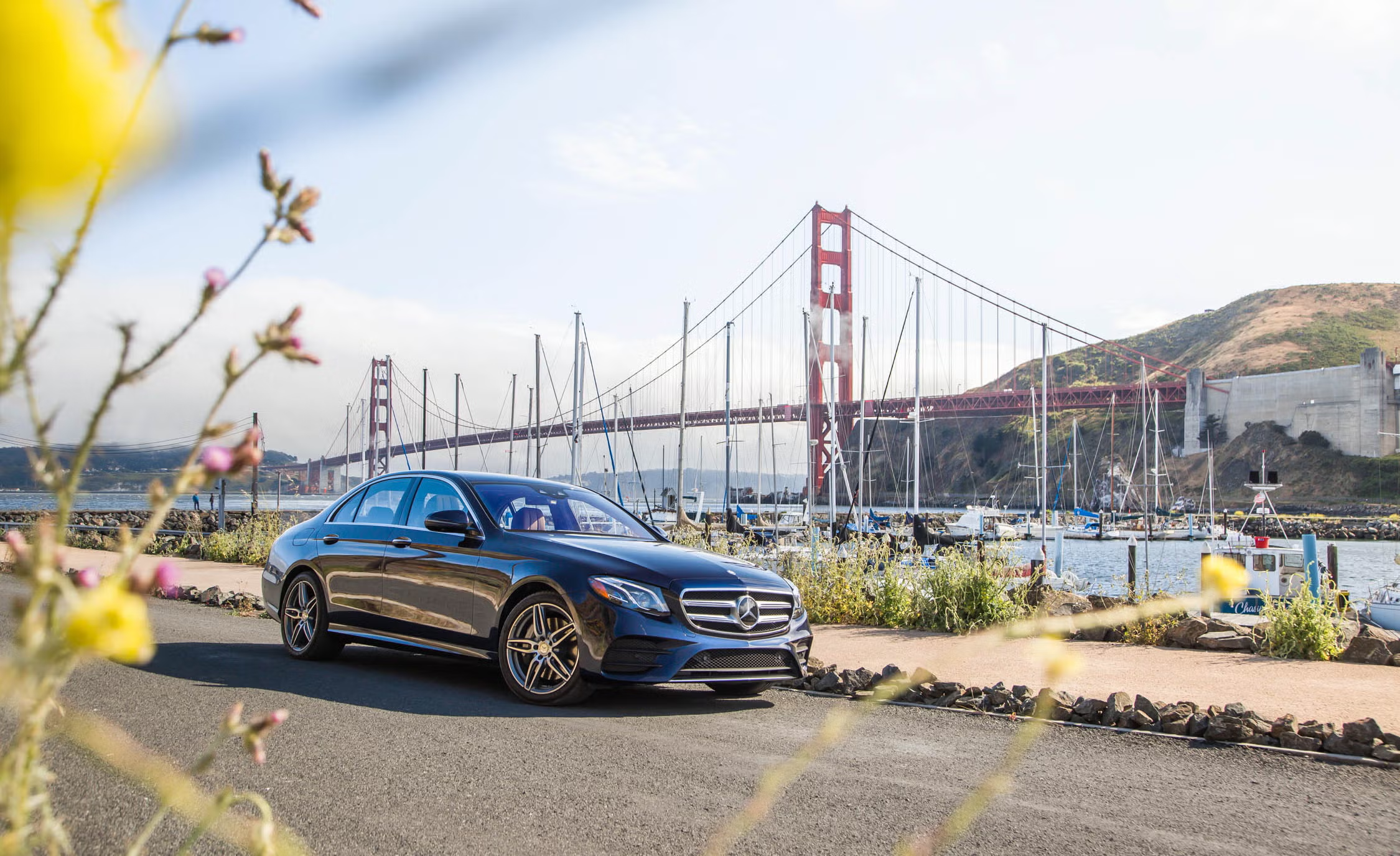
A Japanese-spec BMW or Mercedes Benz often comes with lower mileage and better maintenance records than those sourced from the UK.
Whether you are eyeing a BMW X6 or a Mercedes GLE, the Japanese auction houses often provide the best value-for-money luxury units.
Searching for something specific? Call us today to discuss our upcoming luxury shipments.

Resale Value: The Car as a Liquid Asset
In Kenya, a car is often viewed as a semi-liquid asset.
If you need to raise capital for a business or a land purchase, you want a vehicle that can sell within 48 hours.
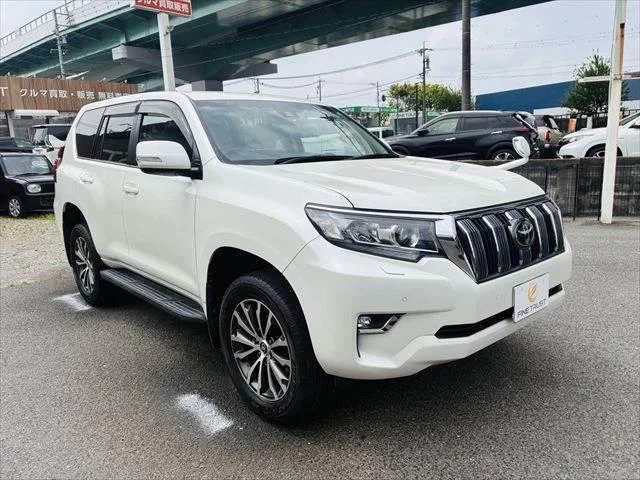
This is where the Toyota Land Cruiser Prado shines.
The “Prado” is essentially currency in Kenya; it holds its value better than almost any other asset on wheels.
Other brands also hold strong.
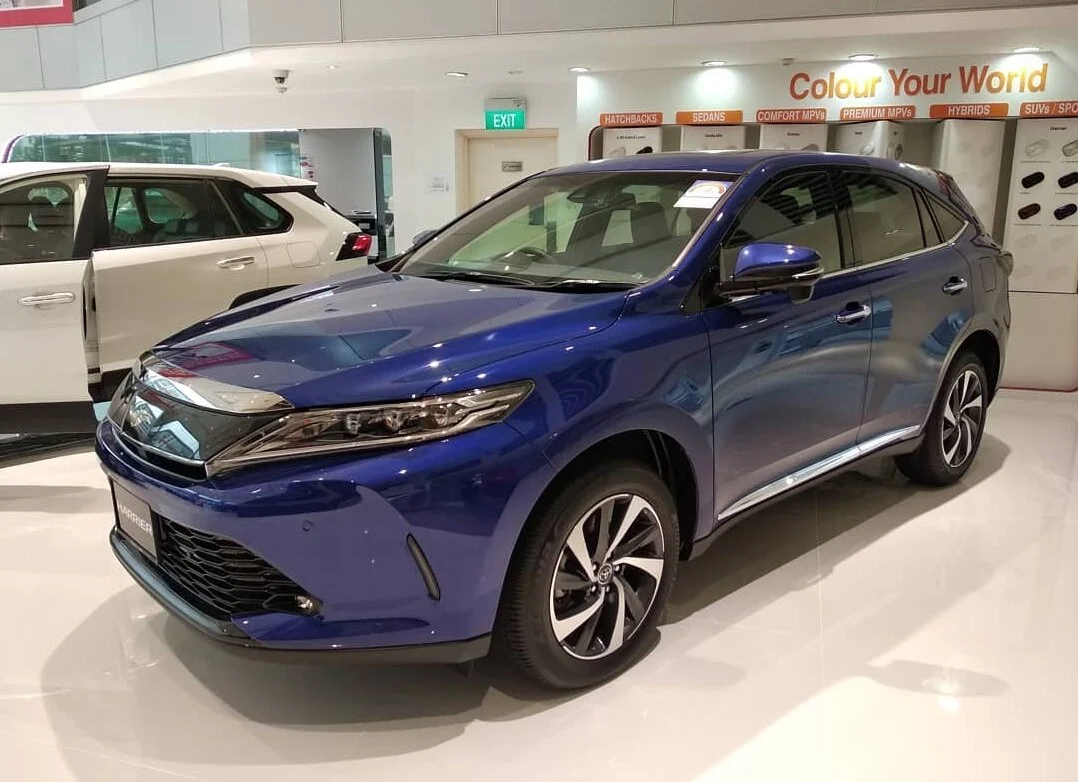
A well-maintained Volkswagen Tiguan or a Volkswagen Tiguan specifically will find a buyer quickly, but Japanese stalwarts like the Toyota Harrier remain the champions of resale.
When you buy a Japanese car, you aren’t just buying a mode of transport; you are making a smart financial decision because the “exit strategy” is always clear.
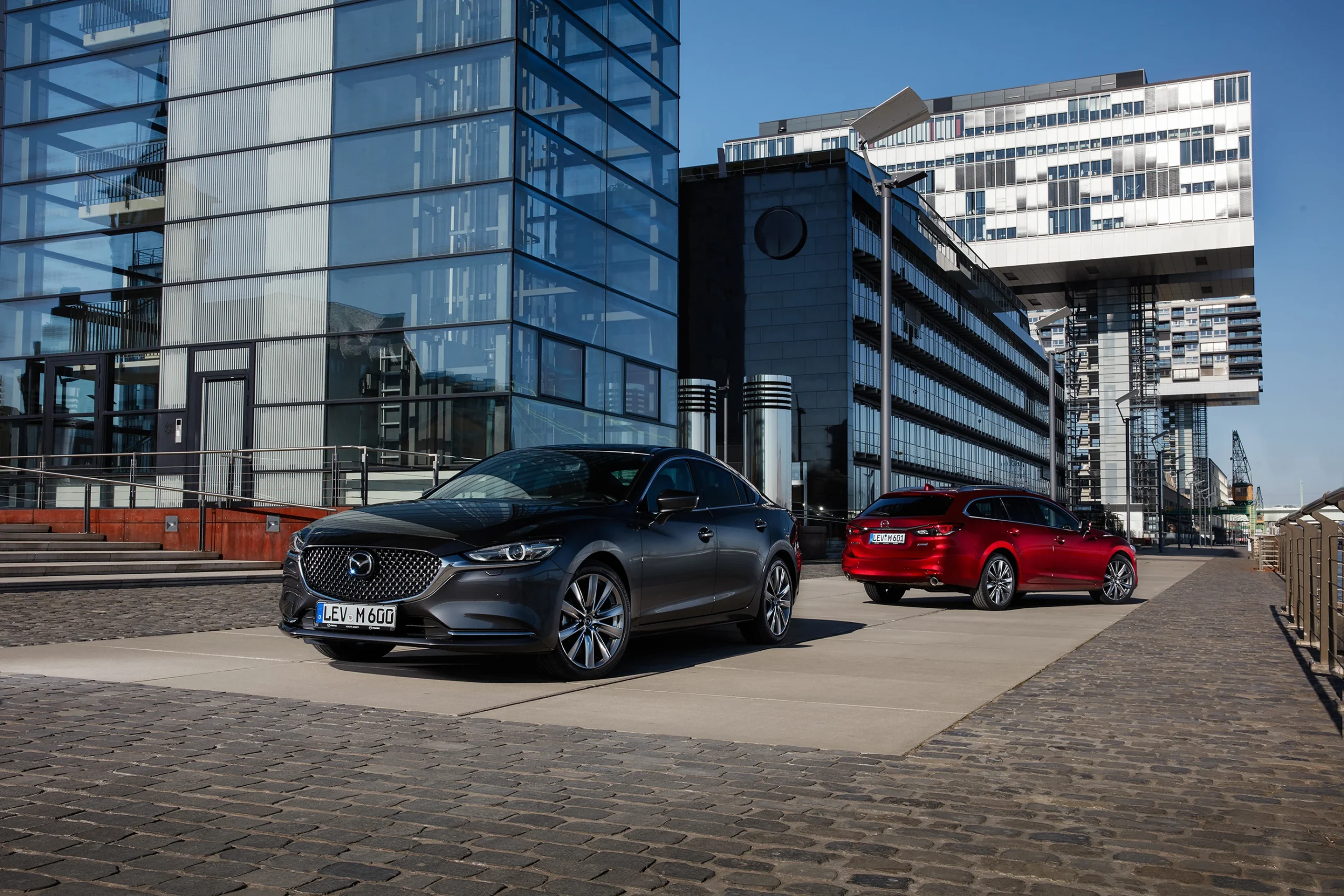
The popularity of Mitsubishi and Mazda has also surged, with models like the Mazda Axela becoming the go-to for young professionals due to their sleek design and high tech-specs.
For those needing more utility, Honda offers incredible interior space management that beats many European competitors in the same class.
If you’re ready to make your next move, Message us on WhatsApp for a personalized quote on any Japanese model.
Conclusion
The dominance of Japanese cars in Kenya is a result of a decades-long partnership between Japanese engineering and Kenyan road realities.
The ease of the import process, the availability of technical expertise, and the sheer durability of the vehicles make them the most logical choice for any buyer.
At Enan Motors, we bridge the gap between the Japanese auction houses and your driveway, ensuring that you benefit from lower markups and verified vehicle histories.
By focusing on transparency and quality, we help you secure a vehicle that will serve you reliably for years to come.
Frequently Asked Questions
- What is the oldest car I can import to Kenya in 2026?
Under the 8-year rule, the oldest car eligible for importation in 2026 is a 2019 model.
- Why are Japanese cars cheaper than local showroom cars?
Direct imports bypass the high markups of local yards and benefit from the high depreciation rates in the Japanese domestic market.
- How long does it take for a car to arrive from Japan to Mombasa?
On average, it takes between 45 to 60 days from the date of purchase at the auction to final delivery in Nairobi.
- Can I verify the mileage of a car before it arrives?
Yes, Enan Motors provides the original Japanese auction sheet and QISJ certificate to verify the genuine mileage and condition.
- Is it difficult to get spare parts for Mazda or Honda in Kenya?
Not anymore; the ecosystem for Mazda and Honda has grown significantly, with many specialized shops now operating in Nairobi’s Industrial Area and Gikomba.