
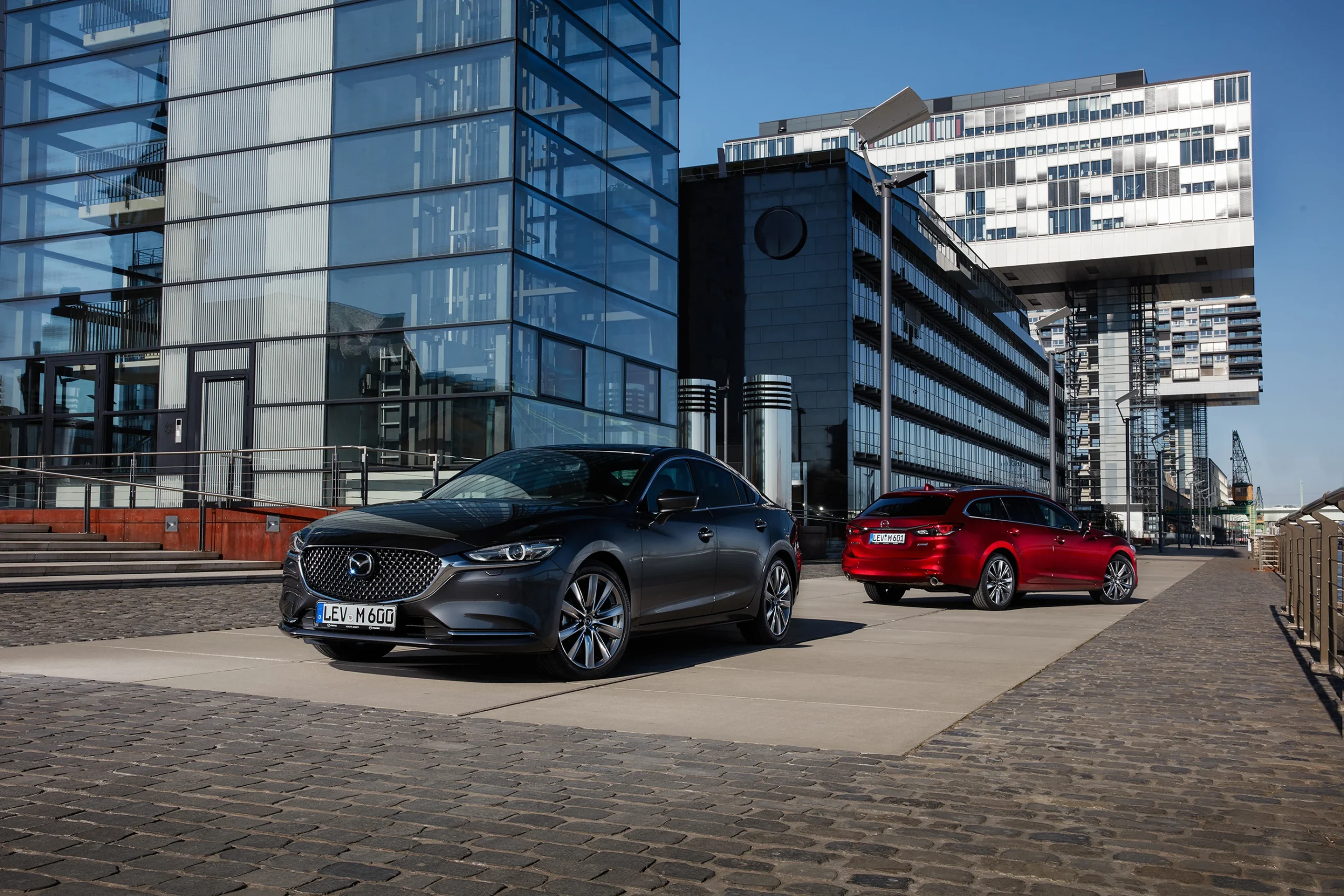
The 2019 Refresh: Why It Matters for Kenyan Importers
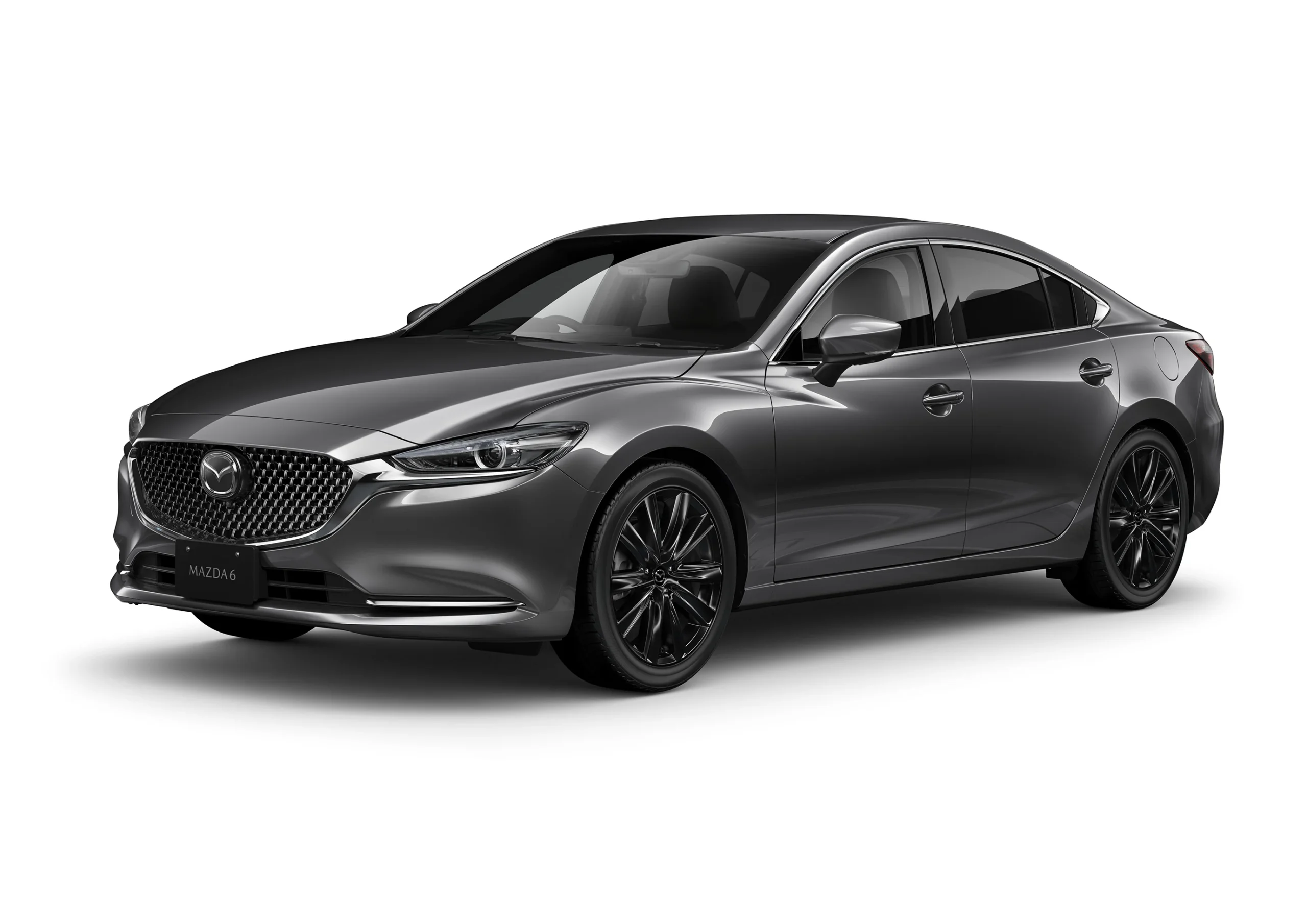
When we look at the 2019 model year, we are looking at the “mature” version of the third-generation Mazda 6.
Mazda engineers focused heavily on Reducing Noise, Vibration, and Harshness (NVH), which was a common complaint in earlier versions.
For a driver in Nairobi frequently navigating the bypasses or the Nairobi Expressway, the cabin silence in the 2019 model is noticeably closer to a BMW or Mercedes Benz than its predecessors.
The 2019 unit falls perfectly within the KRA 8-year rule for imports landing in 2026.
This makes it a high-value asset because you are getting modern safety tech—like the i-Activsense suite—while the car still has a relatively low CRSP (Current Retail Selling Price) valuation compared to brand-new showroom alternatives.
By opting for a direct import via available cars in Japan, you avoid the heavy markups found in local car yards along Ngong Road or Mombasa Road.
Engine Options and SkyActiv Performance
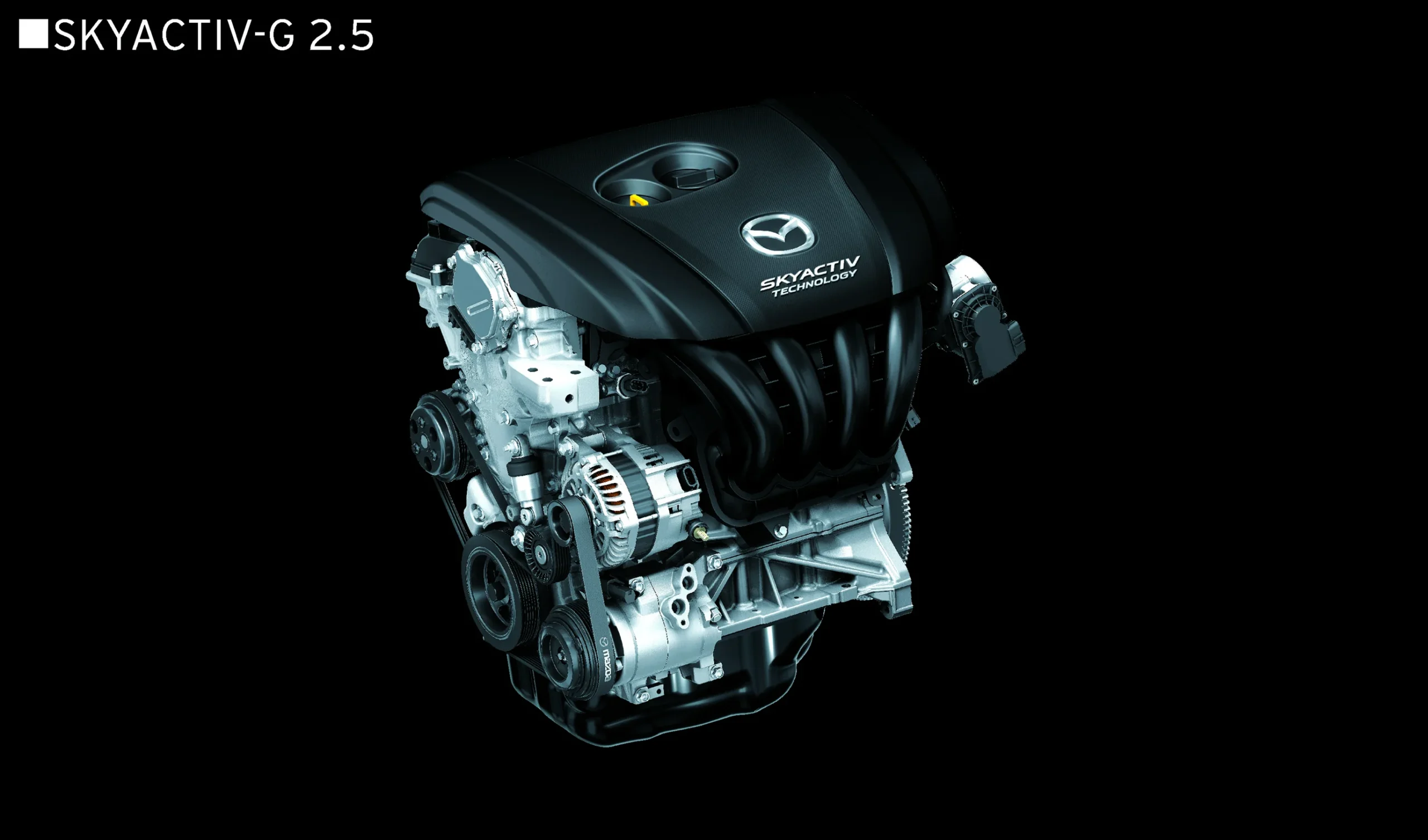
In the Japanese auctions, where most of our units originate, you will primarily encounter three engine variants for the 2019 Mazda 6.
Understanding these is crucial for calculating your CIF (Cost, Insurance, and Freight) and total landed cost at the Port of Mombasa.
- 2.0L SkyActiv-G: The entry-level petrol engine.It is reliable and incredibly fuel-efficient, ideal for urban commuting in Westlands or Upper Hill.
- 2.5L SkyActiv-G (Natural & Turbo): The 2.5T is the “beast” of the lineup.It produces 250hp on high-octane fuel, offering torque figures that rival a BMW X6.
- 2.2L SkyActiv-D: The twin-turbo diesel variant.While popular for its massive torque, it requires strict maintenance and high-quality low-sulphur diesel to keep the DPF (Diesel Particulate Filter) healthy under Kenyan driving conditions.
Regardless of the engine, the 2019 model features G-Vectoring Control Plus.
This is a technical system that subtly adjusts engine torque and applies light braking to the outside wheels during a turn.
On the winding roads of Limuru or the climb toward Nakuru, this makes the car feel exceptionally planted and stable.
Interior Luxury and Technology
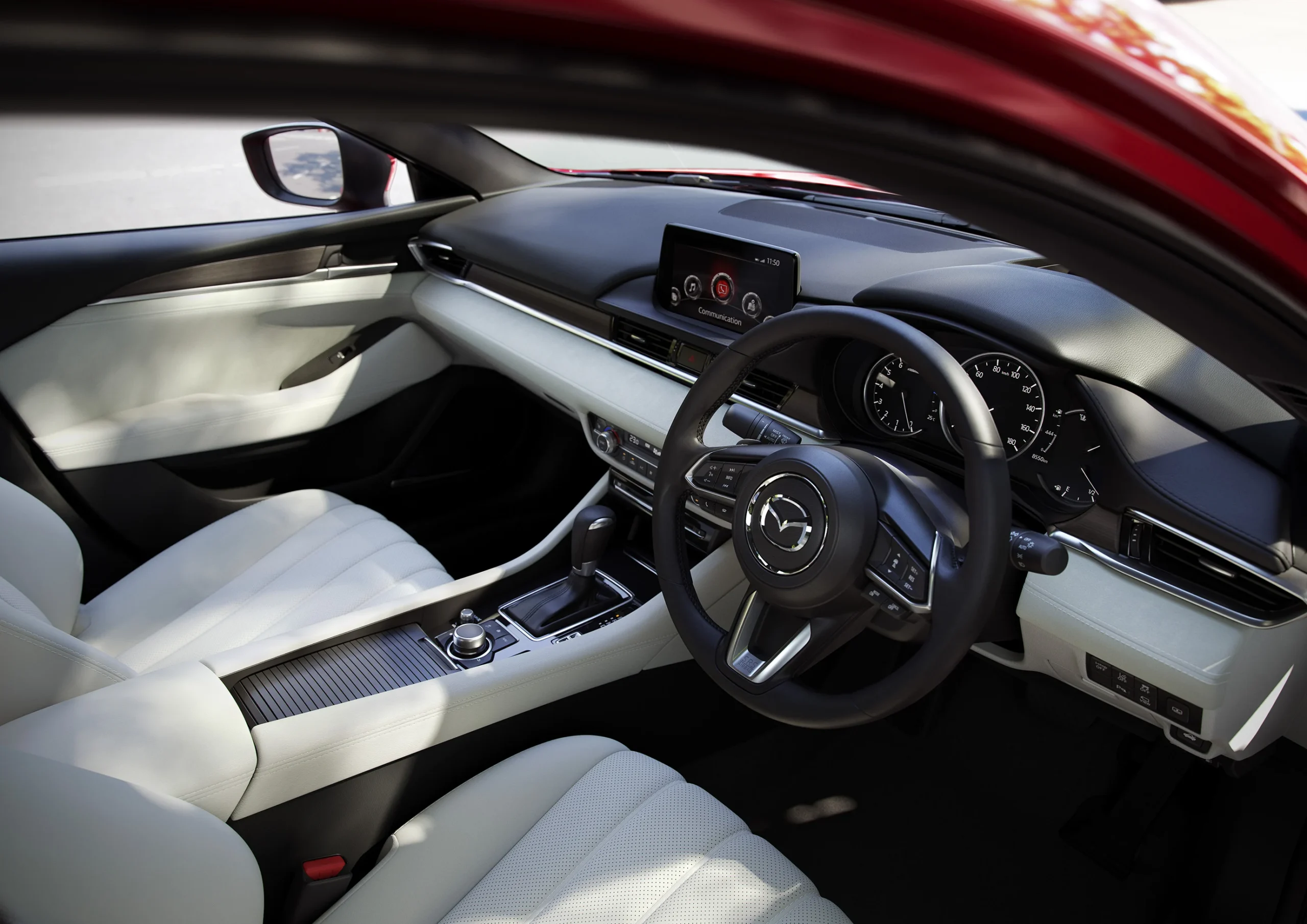
The interior of the 2019 Mazda 6 is where it truly beats rivals like the Volkswagen Passat or the Honda Accord.
Mazda moved the dashboard design toward a more horizontal, minimalist layout using authentic materials like Sen wood and Nappa leather in the higher “L Package” or “25S Exclusive” trims.
If you are used to the interior of a Mazda Axela, the 6 feels like a massive upgrade in terms of elbow room and material soft-touch quality.
The infotainment system finally received the much-needed Apple CarPlay and Android Auto integration as standard in most 2019 trims.
The 8.0-inch display is crisp, though Mazda maintains a rotary controller strategy to keep your eyes on the road.
For the Kenyan executive, this tech suite ensures you stay connected without the clutter of aftermarket head units that often plague locally used cars.
Want to see what’s currently landing? Message us on WhatsApp to get a live list of Auction Grade 4.5 units ready for shipping.
Importing the 2019 Mazda 6: The KRA and QISJ Reality
Importing a car is not just about the purchase price in Tokyo or Osaka.
To get a 2019 Mazda 6 on Kenyan plates, you must navigate the QISJ (Quality Inspection Services Japan) pre-export inspection.
At Enan Motors, we ensure that every unit we bid on has a clean inspection sheet, verifying that the odometer hasn’t been “rolled back”—a common trick in the local “grey market.”
The KRA valuation (Duty) for a 2019 Mazda 6 is calculated based on the engine capacity and the equipment level.
A 2.2L Diesel will naturally attract a slightly higher duty than the 2.0L Petrol due to the excise duty brackets.
However, because the 2019 model is now several years old, the depreciation factor applied by KRA works in your favor, significantly lowering the total cost compared to a 2021 or 2022 unit.
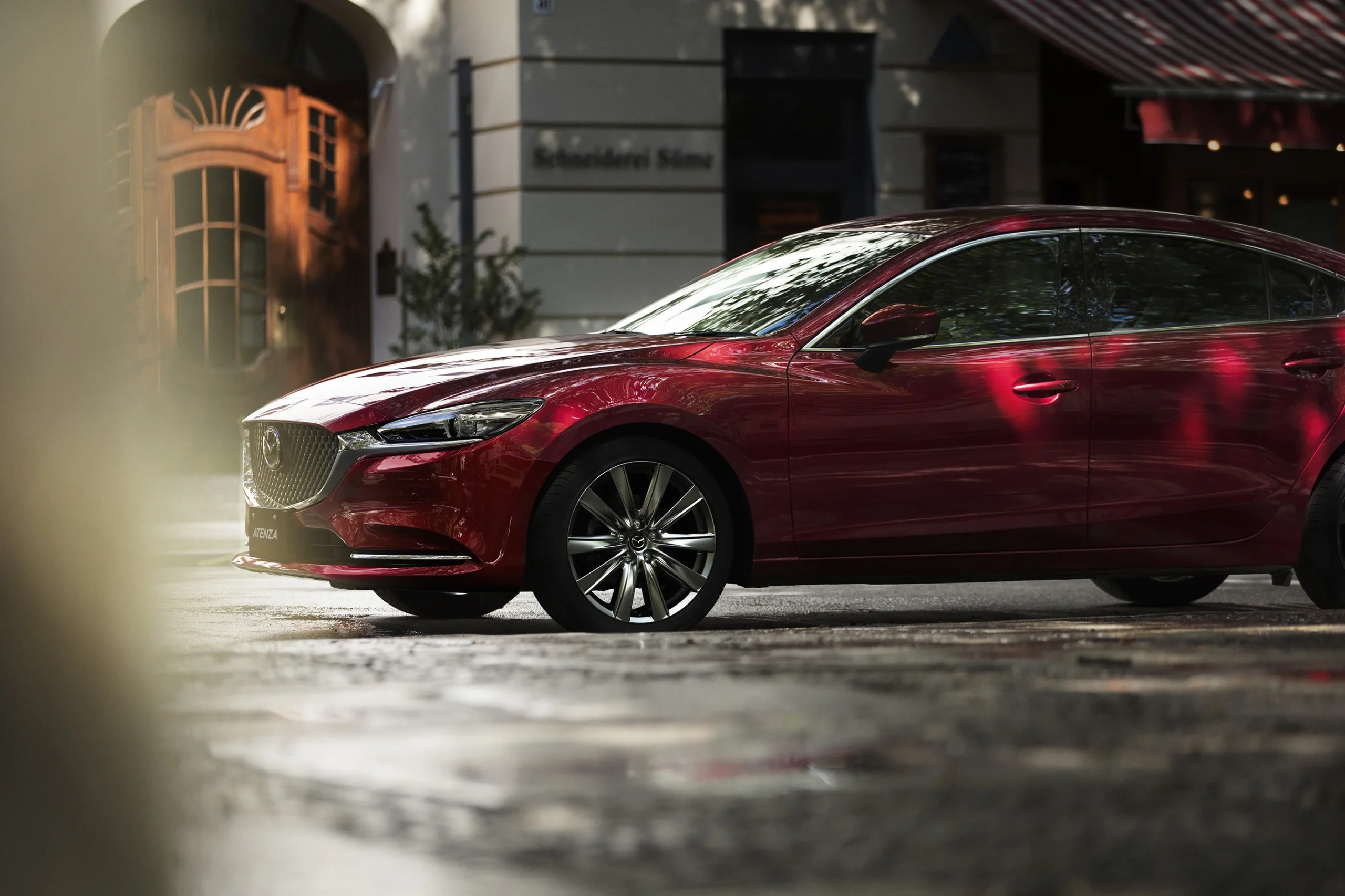
Ownership Costs in Kenya
Maintenance is a key concern for any buyer.
The 2019 Mazda 6 shares many mechanical components with the Mazda CX 5, which is ubiquitous in Kenya.
This means that spare parts—from oil filters to suspension bushings—are readily available in downtown Nairobi (Kirinyaga Road) and from specialized Mazda dealers.
While it doesn’t have the “part-on-every-shelf” status of a Toyota, it is far from being a “headache” car.
Fuel consumption for the 2.0L averages about 14-16 km/L on the highway, while the 2.5T will drop to about 10-12 km/L if you have a heavy foot.
Compared to a Toyota Land Cruiser Prado, the running costs are negligible, making this an excellent choice for a high-mileage daily driver.
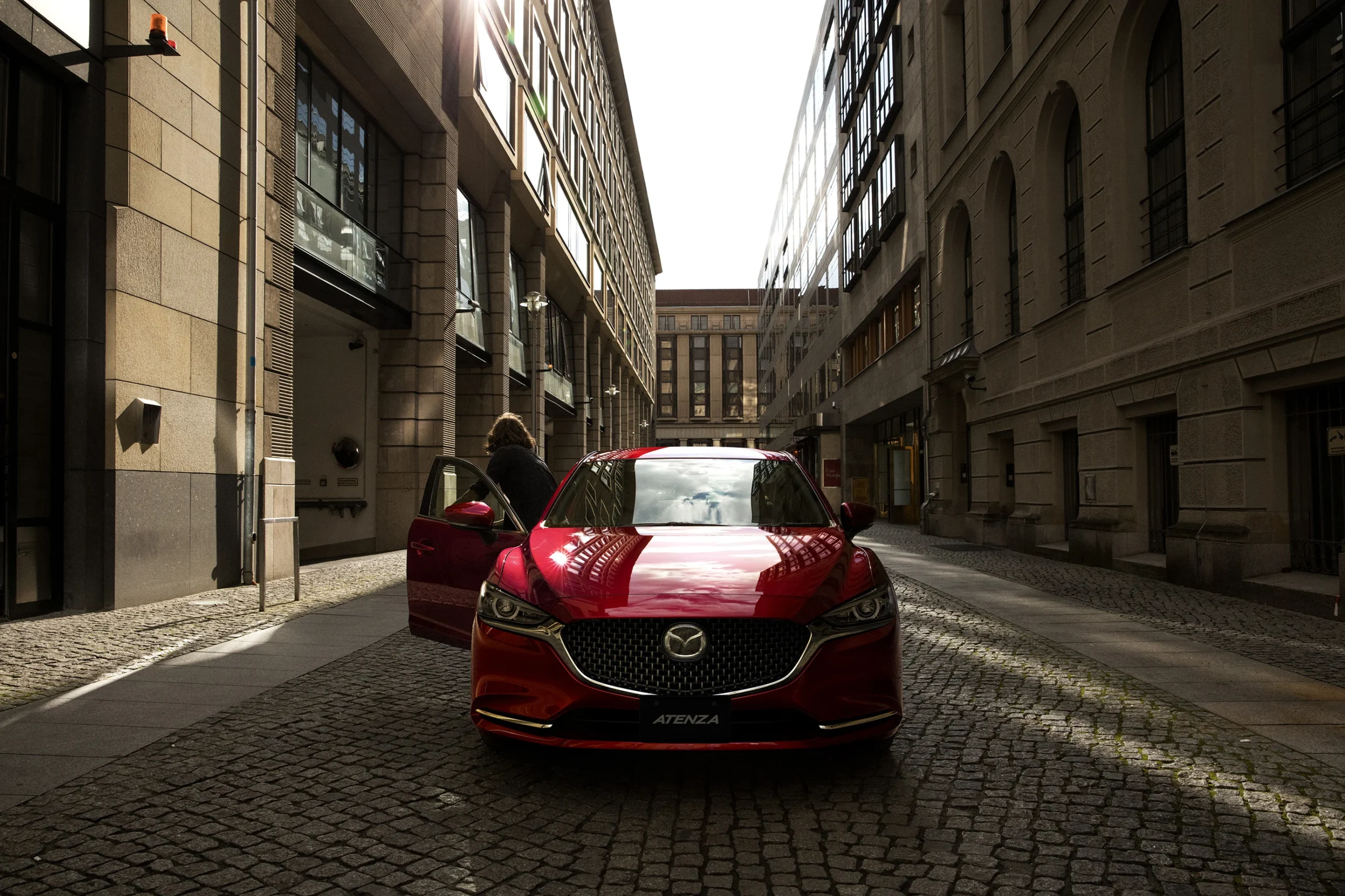
Why Choose the Mazda 6 Over a Luxury SUV?
In a market obsessed with the Toyota Harrier or the Honda Vezel, why choose a sedan?
The answer lies in the “Driving Matters” philosophy.
The center of gravity in a Mazda 6 is much lower than in a Volkswagen Tiguan or a Lexus NX250.
This results in zero body roll and a much more connected steering feel.
If your daily route involves the smooth tarmac of Nyali or the well-paved streets of Karen, the sedan provides a level of elegance and “boss” presence that an SUV often lacks.
It is also more aerodynamic, which translates to better fuel economy at highway speeds.
For those who need a balance of luxury and practicality, the Mazda 6 “Wagon” version is also available and offers cargo space that rivals many crossovers.
Curious about the step-by-step journey from Japan to your driveway?
Check our detailed Import process guide for full transparency.
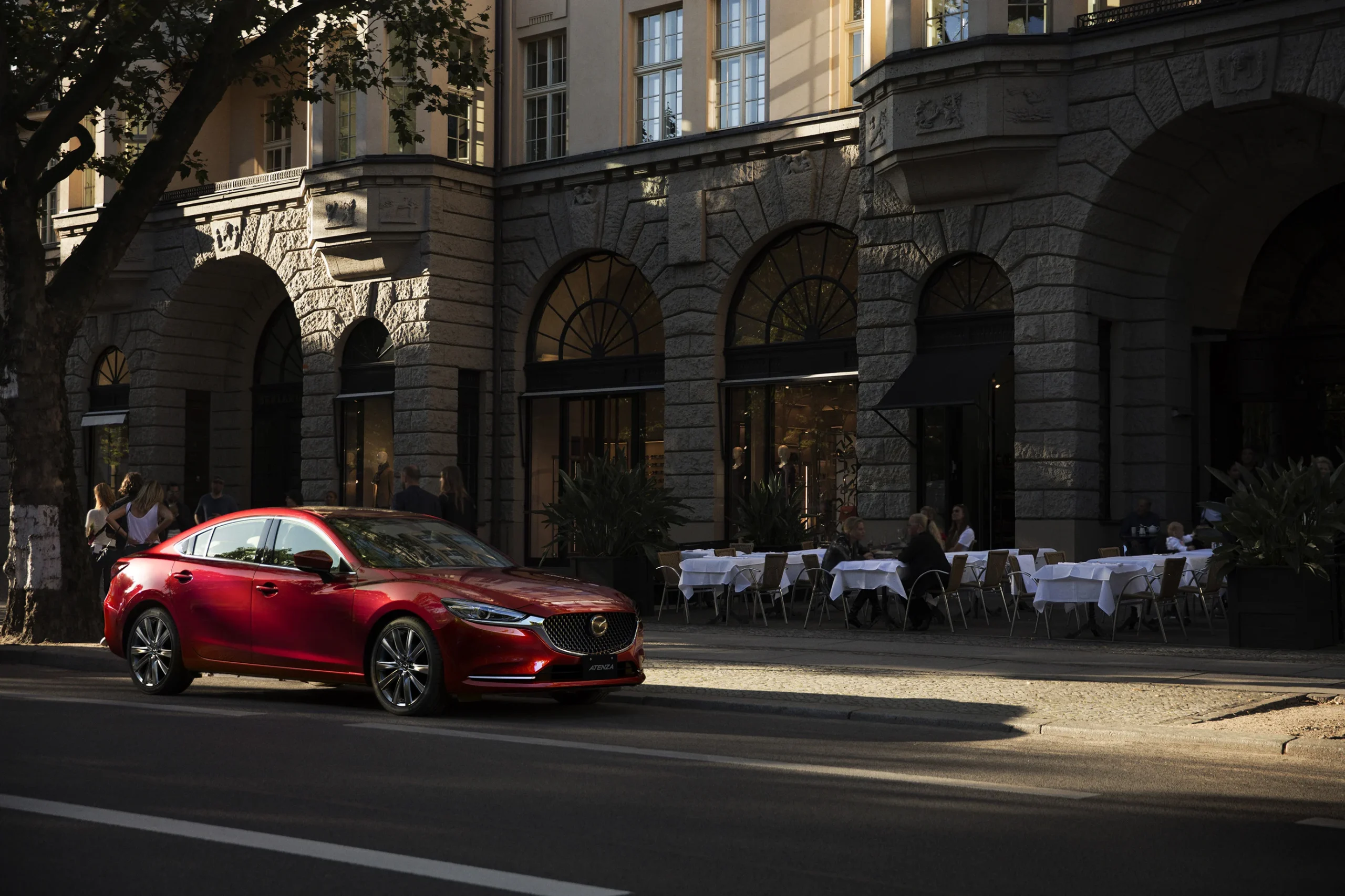
Technical Comparison: Mazda 6 vs. The Field
When we look at the 2019 specs, here is how the Mazda 6 stacks up against common Kenyan imports:
- Safety: Equipped with Smart Brake Support and Blind Spot Monitoring, it often outranks older Mitsubishi or Lexus models in the same price bracket.
- Transmission: The 6-speed SkyActiv-Drive automatic is a traditional torque-converter setup, which many Kenyan drivers prefer over the “rubber-band” feel of CVTs found in the Toyota Harrier.
- Resale Value: While Toyota remains king of resale, the Mazda 6 holds its value significantly better than European rivals like the Mercedes GLE once they hit the 100,000km mark.
The build quality of the 2019 model is exceptional.
Mazda utilized high-tensile steel in the frame, making it one of the safest sedans in its class during crash testing.
This gives you peace of mind whether you are driving through Nairobi traffic or cruising at 110 km/h on the highway to Kisumu.
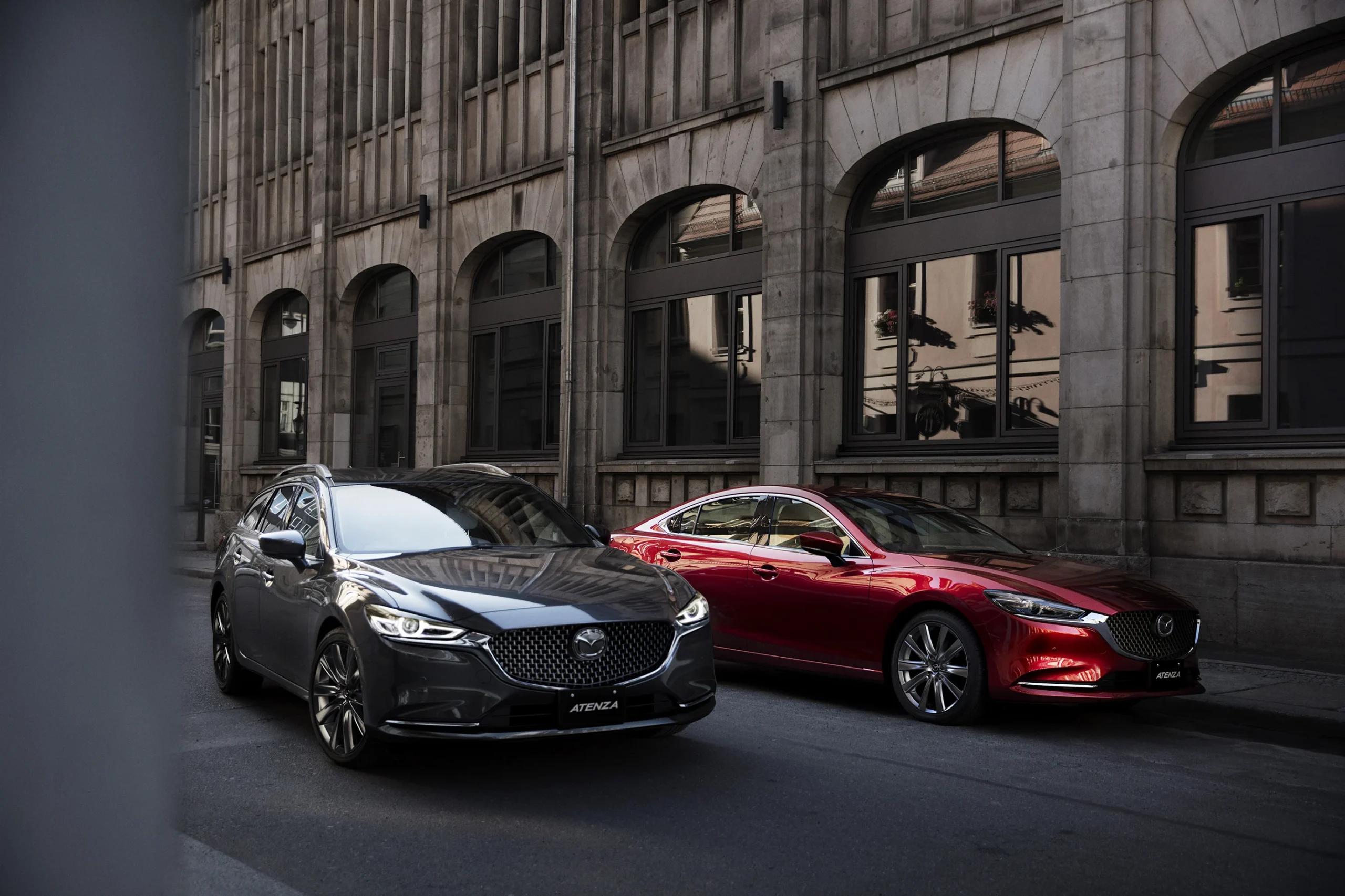
The Enan Motors Advantage
Buying a 2019 Mazda 6 from a local yard often means paying for the dealer’s rent, showroom lights, and high commissions.
When you partner with us for a direct import, we provide the original Japanese auction sheet.
This document is the “DNA” of the car—it shows the real mileage, any past repairs, and the genuine interior condition.
We specialize in sourcing Grade 4 or 4.5 cars, which are essentially “like-new” units with minimal wear.
We handle everything from the bidding process in Japan to the clearing at the Port of Mombasa and the final logbook transfer via your NTSA TIMS/Transport Integrated Management System account.
Our goal is to ensure that by the time you’re driving your Mazda 6 home, you’ve saved at least KES 300,000 compared to local market prices.
Ready to upgrade your drive? Call us today to start your sourcing process.

Conclusion
The 2019 Mazda 6 remains one of the most intelligent buys for the sophisticated Kenyan motorist.
It offers the luxury of a Lexus LX 600 interior on a much more accessible budget, combined with the reliability of Japanese engineering.
By choosing the direct import route with Enan Motors, you gain access to the best-maintained units in the world, full transparency on vehicle history, and significant cost savings.
Whether you’re an executive in Nairobi or a driving enthusiast in Eldoret, this car delivers on every front without the “Toyota tax.”